

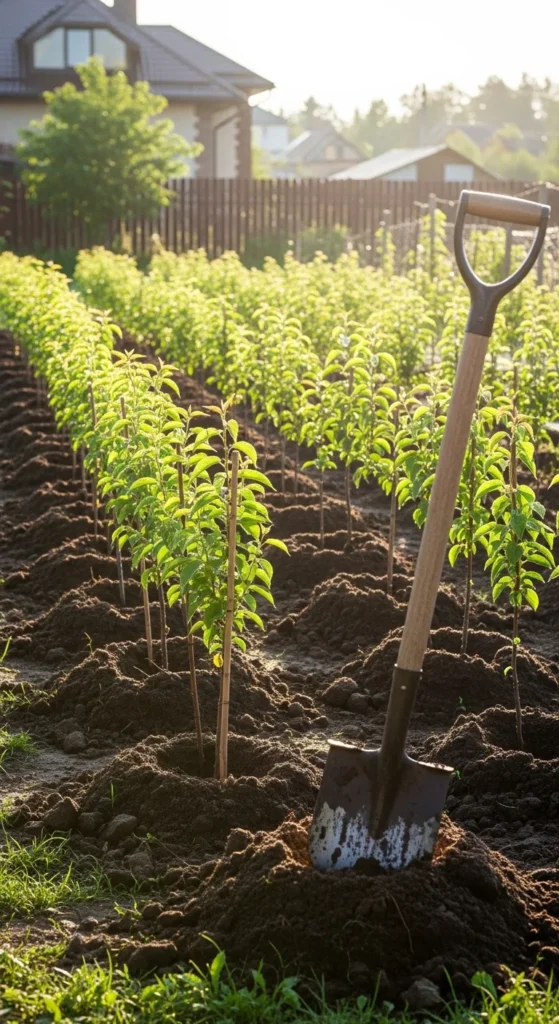
There’s something magical about stepping into your garden and picking fruit straight from your own trees. From crisp apples to juicy peaches, planting fruit trees is one of the best long-term investments you can make in your backyard. With the right planning and care, your trees can provide delicious harvests for decades — and all it takes is getting the basics right from the start.
Here’s how to plant and grow fruit trees that keep rewarding you year after year.
Choose the Right Tree for Your Climate
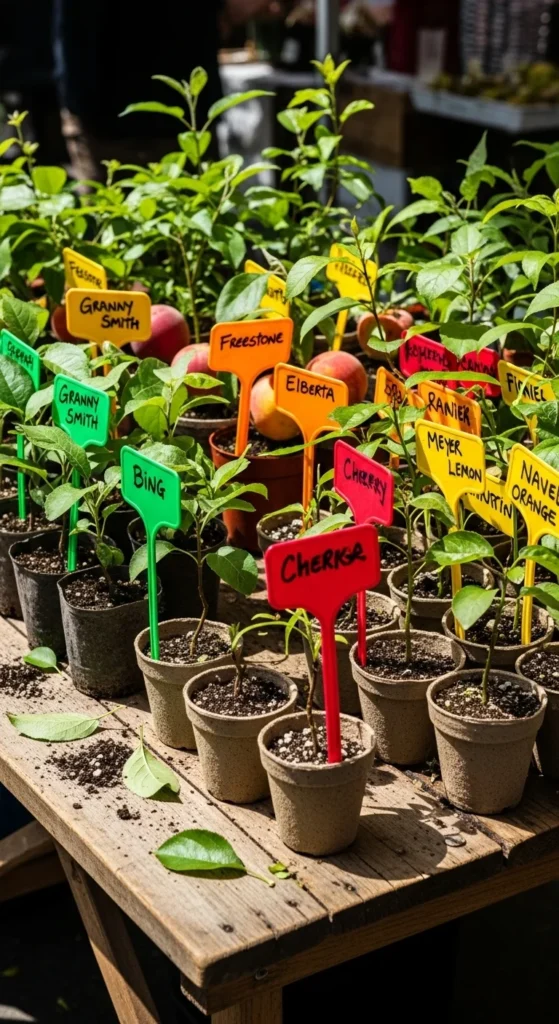
Before you dig, you’ll need to pick the right tree for your region. Every fruit variety thrives under specific conditions — temperature, chill hours, and soil type matter.
Popular choices by region:
- Cool climates: Apples, pears, and plums
- Warm, humid areas: Figs, citrus, and pomegranates
- Dry, sunny regions: Apricots, almonds, and olives
Visit a local nursery or agricultural extension office to find varieties suited to your local climate and soil. You’ll also want to decide between standard, semi-dwarf, or dwarf trees depending on your available space. Dwarf trees are perfect for smaller yards or container gardening.
Pick the Perfect Spot
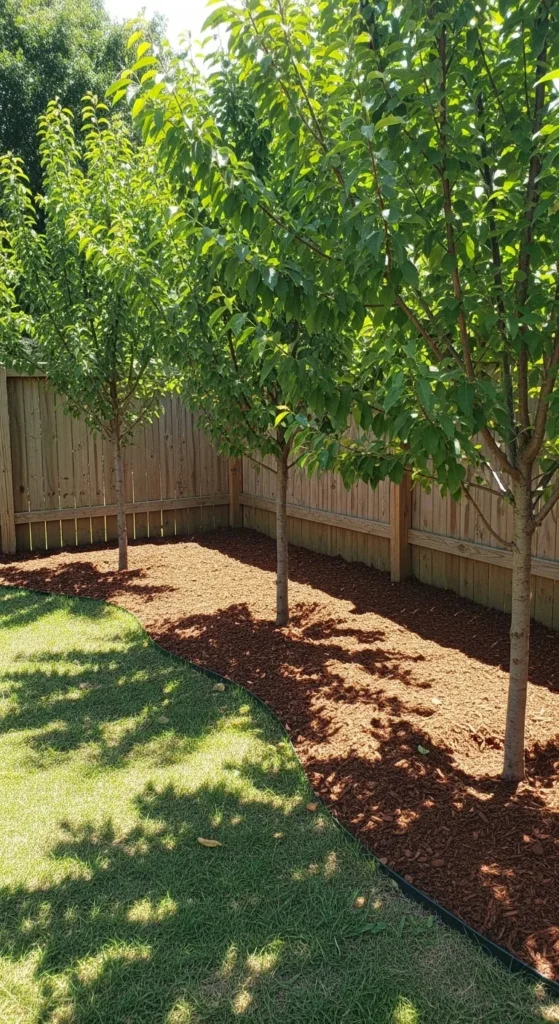
Fruit trees love the sun — at least 6–8 hours of full sunlight per day is ideal. Choose a spot with good drainage, as soggy roots can lead to rot and disease.
Location checklist:
- Avoid low spots where water collects after rain.
- Give each tree 10–20 feet of spacing, depending on the variety.
- Protect from strong winds — fences or hedges help.
If your soil is heavy clay, consider planting on a mound or raised bed to improve drainage.
Prepare the Soil
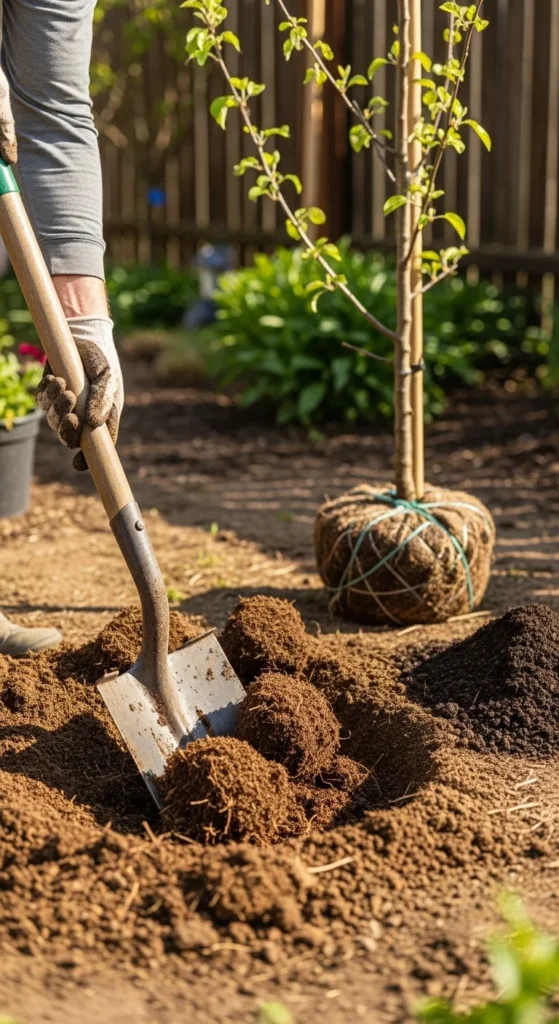
Healthy soil means a healthy tree. Before planting, dig a wide area about three times the width of the root ball but no deeper than the tree was growing in the nursery.
Soil preparation steps:
- Mix in organic compost or well-rotted manure.
- Remove rocks, weeds, and old roots.
- If your soil is very poor, add a handful of bone meal or slow-release fertilizer.
Avoid using too much fertilizer at first — it can shock the young tree. The goal is to give roots loose, rich soil where they can spread easily.
Plant with Care
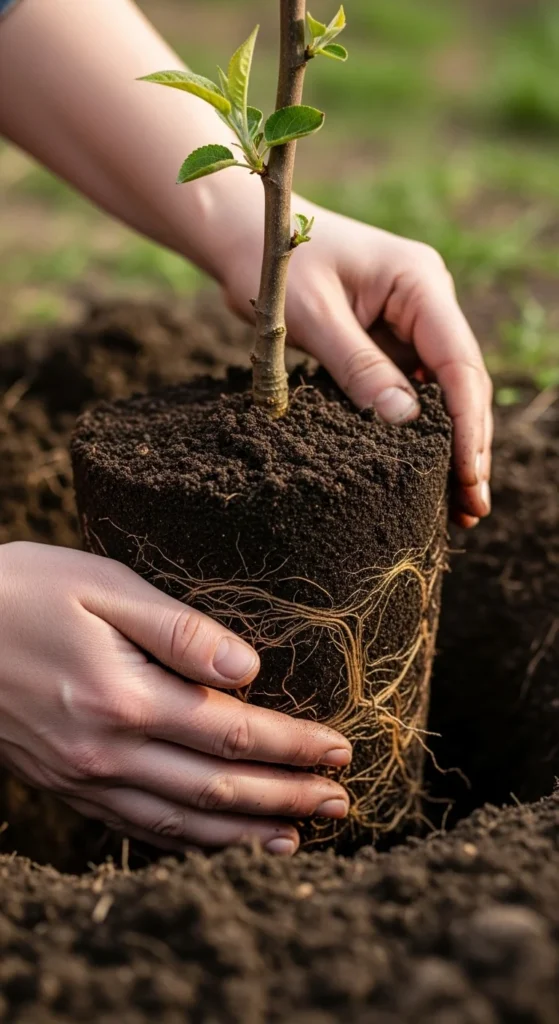
Planting your tree properly sets it up for years of growth. Spring and fall are the best times to plant, when the weather is mild and roots can establish before extremes hit.
Steps for planting:
- Gently remove the tree from its pot or wrap.
- Loosen the roots if they’re tightly bound.
- Place the tree so the root crown (where roots meet the trunk) sits level with the ground.
- Backfill the hole with the improved soil mix, firming gently as you go.
- Water deeply after planting.
Add a 2–3 inch layer of mulch around the base to retain moisture — but keep it a few inches away from the trunk to prevent rot.
Water and Feed Regularly
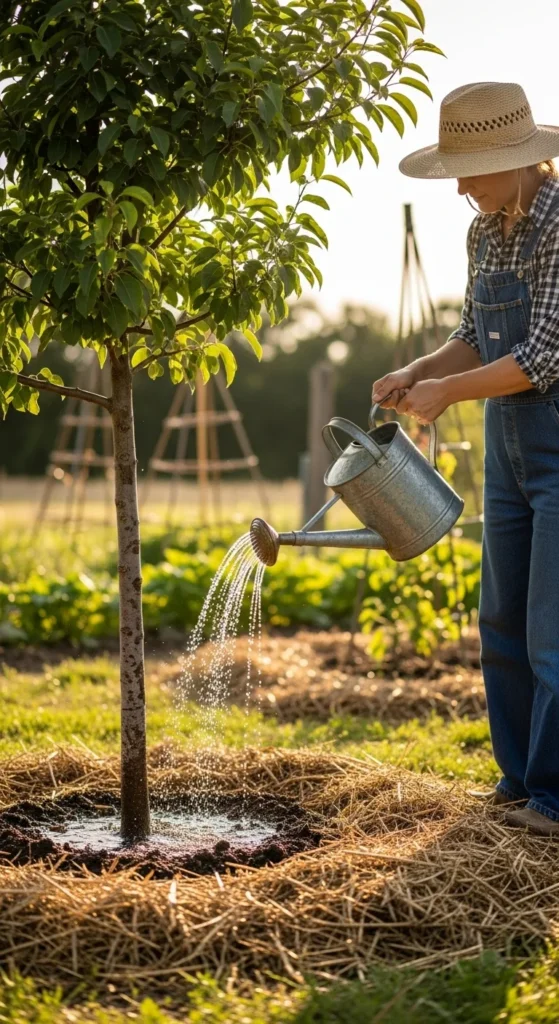
Consistent watering helps young fruit trees establish strong roots. Aim to water once or twice a week, depending on your weather and soil type.
Watering tips:
- Deep watering is better than frequent shallow watering.
- Reduce watering once the tree is established (after 1–2 years).
- Keep soil evenly moist during fruit development.
After the first year, apply a balanced organic fertilizer each spring before new growth begins. Compost or slow-release pellets work well and won’t burn roots.
Prune for Shape and Health
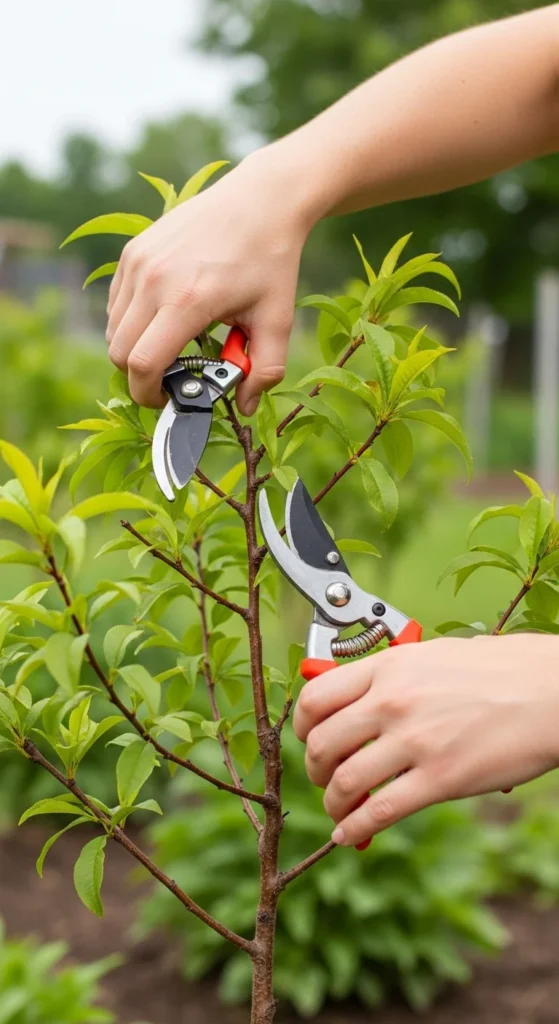
Pruning keeps your tree productive and manageable. The first few years are about shaping; after that, it’s about maintenance.
Pruning basics:
- Remove dead or crossing branches to improve airflow.
- Keep the center of the tree open for sunlight.
- Trim back long shoots to encourage branching.
For fruit-bearing trees, pruning in late winter or early spring before buds open is ideal. Avoid heavy pruning right before fruiting season.
Protect and Maintain
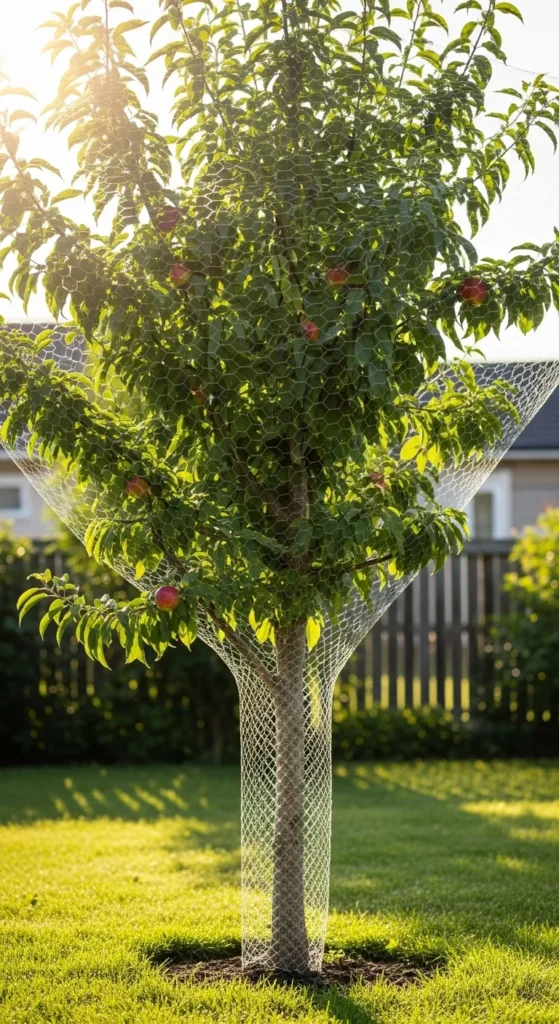
A little prevention saves a lot of hassle. Keep an eye out for pests and diseases — catching issues early helps prevent spread.
Protection tips:
- Wrap young trunks with tree guards to protect against rodents and sunscald.
- Use bird netting to protect ripening fruit.
- Apply dormant oil spray in late winter to kill overwintering pests.
- Keep weeds and grass away from the base — they compete for nutrients.
Your goal is to create a stress-free environment for the tree to thrive naturally.
Conclusion
Planting fruit trees is more than a weekend project — it’s an investment in your home, your health, and your future harvests. Each season brings growth, blossoms, and the satisfaction of eating fruit you nurtured yourself.

Leave a Reply