

Imagine a garden where plants don’t just coexist—they team up to help each other thrive. Some crops attract helpful insects, others repel pests, and a few even feed nutrients right back into the soil. This age-old technique, known as companion planting, is nature’s way of boosting productivity without chemicals or complicated systems.
The Magic of Companion Planting
Companion planting is about growing crops that support one another through shared benefits. It’s a natural form of pest control, pollination improvement, and soil health enhancement—all in one smart layout.
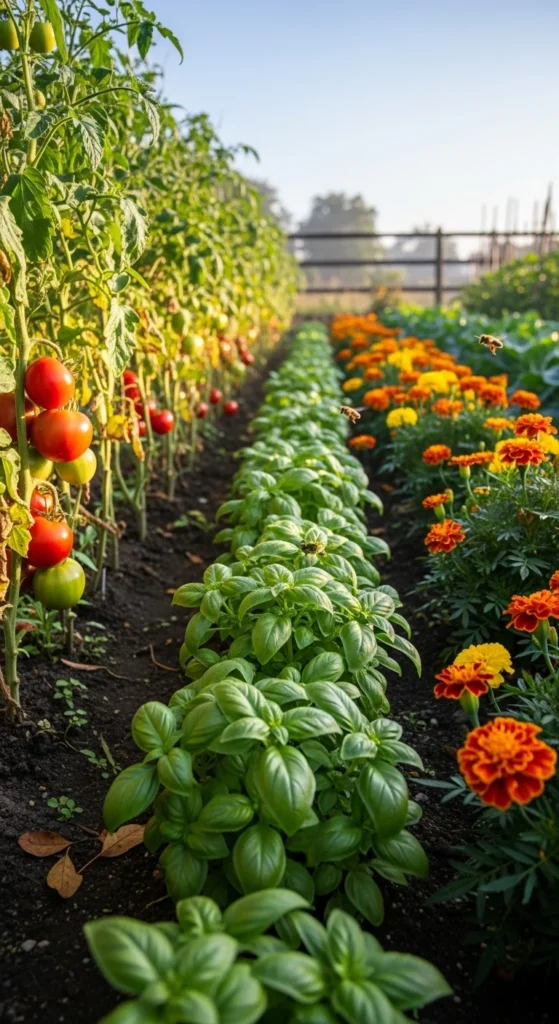
Think of it like pairing friends who bring out the best in each other. Basil helps tomatoes fight pests, beans enrich the soil for corn, and marigolds protect almost everything nearby with their strong scent.
By mixing the right plants, you’ll:
- Reduce the need for pesticides and fertilizers.
- Maximize limited garden space.
- Improve soil structure and nutrients.
- Attract beneficial insects and pollinators.
It’s sustainable gardening at its finest—and it’s surprisingly easy to start.
Step 1: Know Your Crop Companions
Before you start planting, it’s essential to know which crops get along—and which don’t.
Classic companion pairs that work wonders:
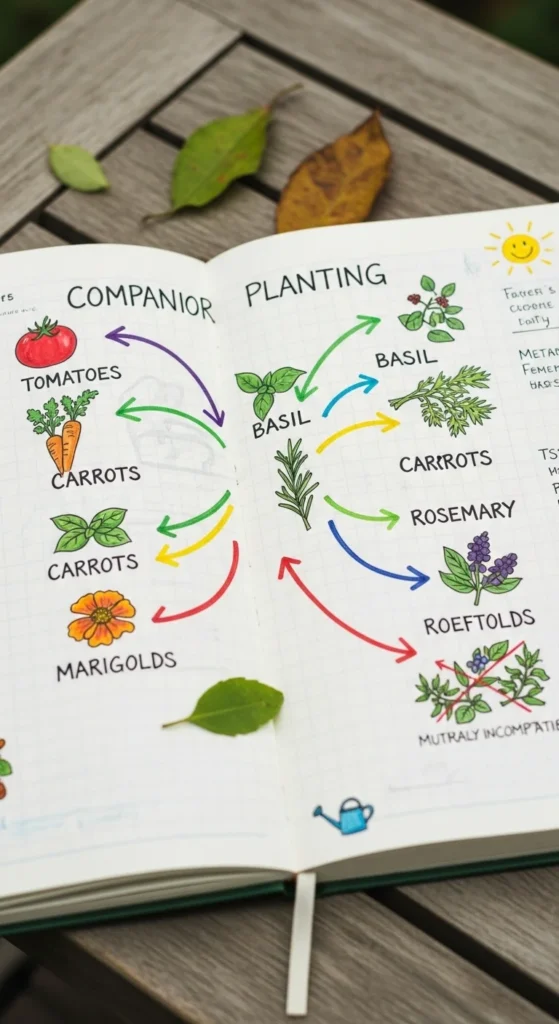
- Tomatoes + Basil: Basil repels flies and hornworms while enhancing tomato flavor.
- Carrots + Onions: Onions deter carrot flies; carrots help loosen the soil for onion roots.
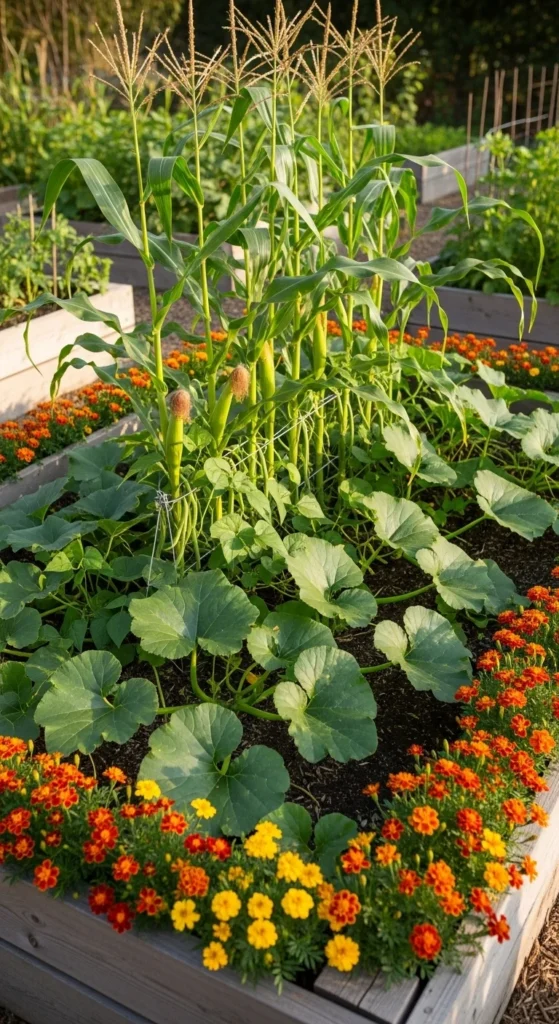
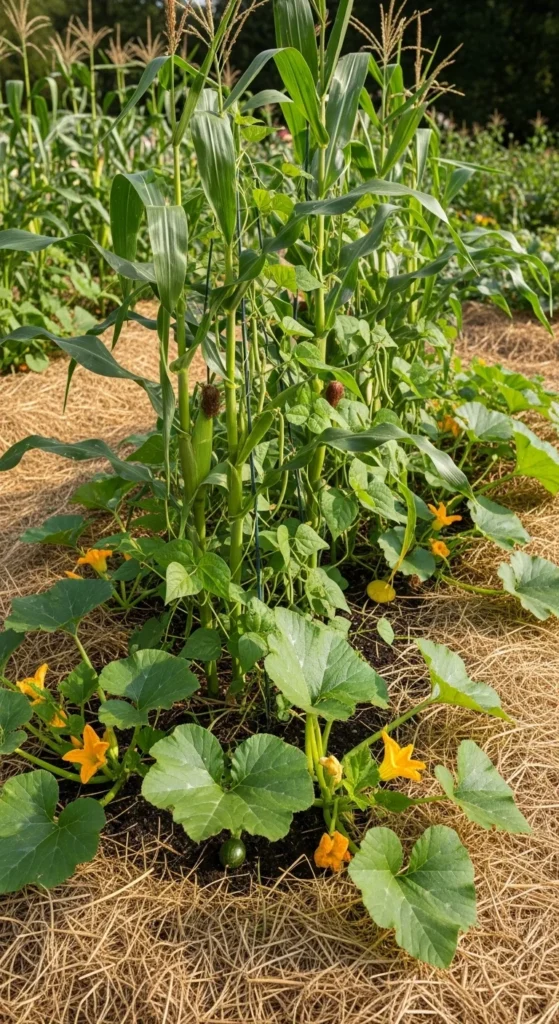
- Corn + Beans + Squash (Three Sisters): Corn provides a pole for beans, beans enrich the soil with nitrogen, and squash shades the soil to prevent weeds.
- Cabbage + Dill: Dill attracts beneficial insects that prey on cabbage worms.
- Lettuce + Radishes: Radishes mature fast and help break up soil for shallow-rooted lettuce.
Avoid bad pairings:
- Onions and beans (they stunt each other’s growth).
- Potatoes and tomatoes (both attract the same pests).
- Fennel and almost everything (it releases compounds that inhibit nearby growth).
Step 2: Design Your Companion Layout
Planning your layout is key to getting the most out of companion planting. Group plants strategically based on sunlight, spacing, and their interactions.
Tips for smart garden design:
- Cluster by growth type: Pair tall plants (like corn) with ground-huggers (like squash).
- Use borders: Line garden edges with pest-deterring flowers like marigolds or nasturtiums.
- Mix in herbs: Basil, mint, and chives not only repel pests but also add fragrance and beauty.
- Rotate yearly: Don’t plant the same pairings in the same spot every season; this helps avoid soil fatigue and pest buildup.
You don’t need a huge garden—companion planting works perfectly in raised beds, pots, or vertical gardens too!
Step 3: Encourage Natural Pest Control
One of the biggest benefits of companion planting is its power to keep pests in check—without chemicals.
Top pest-fighting partners:
- Marigolds: Repel nematodes and aphids.
- Garlic: Keeps away spider mites and Japanese beetles.
- Mint: Discourages ants and cabbage moths.
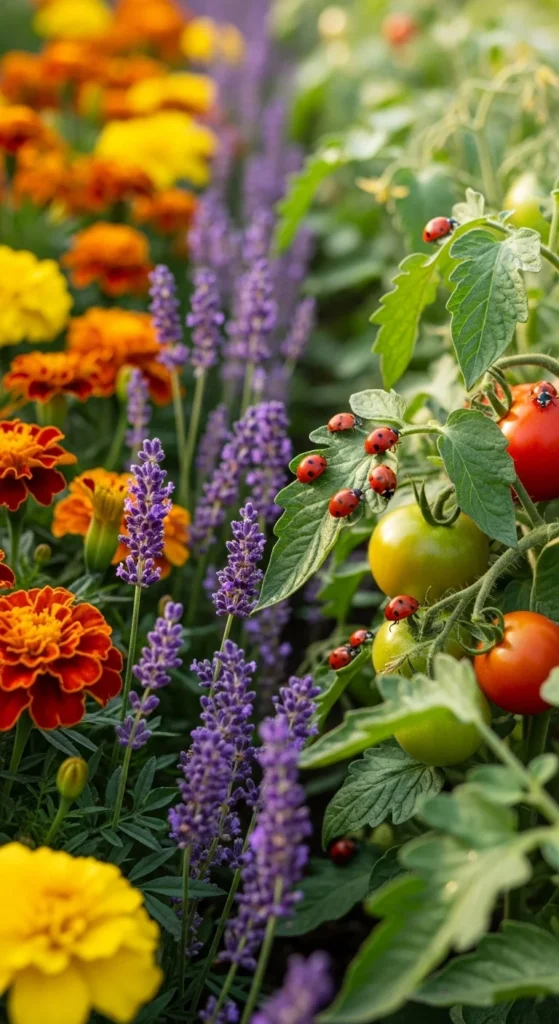
- Lavender: Attracts pollinators while deterring moths and fleas.
By blending flowers, herbs, and veggies, you create a balanced ecosystem that naturally controls harmful insects while attracting beneficial ones like ladybugs and bees.
Step 4: Enrich the Soil with Smart Pairings
Healthy soil equals healthy plants, and companion crops can help maintain that balance. Legumes such as beans and peas are particularly powerful—they fix nitrogen in the soil, giving their neighbors a nutrient boost.
Soil-enhancing combos:
- Corn + Beans: Beans feed nitrogen to corn, which otherwise depletes it.
- Spinach + Strawberries: Spinach grows fast and covers the soil, keeping strawberries moist and weed-free.
- Cucumbers + Sunflowers: Sunflowers act as natural trellises while cucumbers shade the soil.
Mulching around companion plants helps lock in moisture and further improves soil quality.
Step 5: Experiment and Observe
Every garden is unique, and the best way to master companion planting is through trial and observation. Keep a notebook to track:
- Which pairings work best in your climate.
- What pests or pollinators show up.
- Yield results for each combination.
Over time, you’ll develop a layout perfectly tailored to your soil and growing conditions.
Bonus Tip: Don’t be afraid to experiment with edible flowers like calendula or nasturtium. They attract pollinators and make your garden—and your meals—look stunning!
Final Thoughts
Companion planting is more than a gardening technique—it’s teamwork in action. By choosing crops that help each other thrive, you’ll grow healthier plants, harvest more food, and spend less time battling pests.
Leave a Reply