

There’s nothing quite like walking outside after a long winter and seeing tulips, daffodils, and hyacinths bursting into color. The secret to these gorgeous spring displays? Planting bulbs at the right time and in the right way. With just a little prep in fall, you’ll have a garden that feels like a celebration when warmer weather arrives.
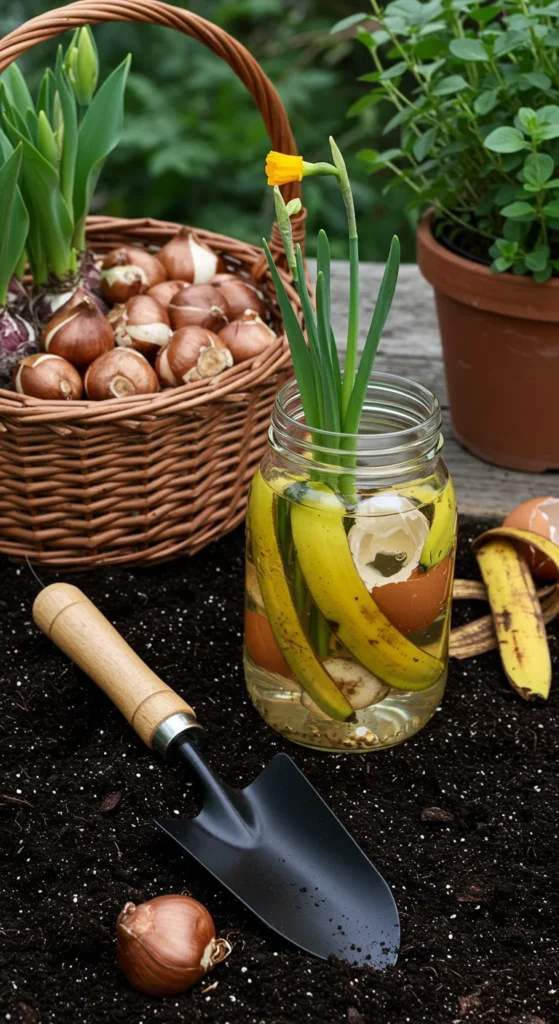
Here’s how to plant bulbs so your spring garden is full of color, life, and cheer.
Choose the Right Bulbs
Not all bulbs are equal when it comes to stunning spring flowers. Choose varieties that thrive in your climate and soil.
- Tulips – Classic favorites in endless colors.
- Daffodils – Bright, cheerful, and deer-resistant.
- Hyacinths – Fragrant clusters that fill the air with scent.
- Crocuses – Early bloomers that pop up even through snow.
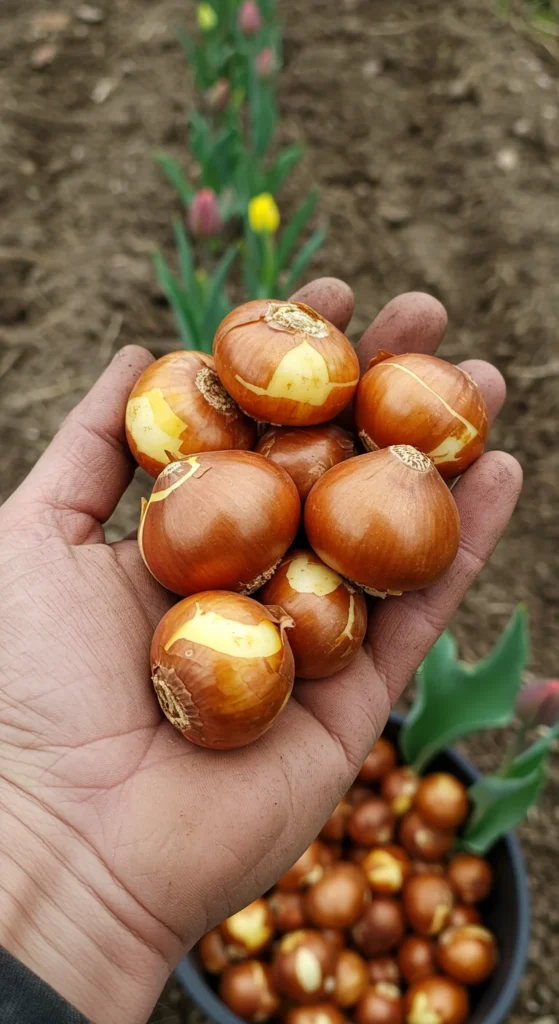
Look for bulbs that are firm and plump, not soft or moldy. The bigger the bulb, the stronger the bloom.
Pick the Perfect Planting Spot
Bulbs love sunny locations and well-draining soil. Too much shade, and they’ll bloom less. Too much water, and they may rot.
- Aim for at least 6 hours of sunlight.
- Avoid areas where water pools after rain.
- Consider planting under deciduous trees—bulbs bloom before leaves block the light.
Choosing the right spot sets your bulbs up for success long before spring arrives.
Plant at the Right Time
Timing matters. Bulbs need a cold resting period to produce flowers.
- Plant in fall, about 6–8 weeks before the ground freezes.
- In colder regions, September or October is best.
- In warmer zones, wait until late fall or even early winter.
If you miss the fall window, you can “pre-chill” bulbs in the fridge for 6–8 weeks before planting.
Dig the Proper Depth
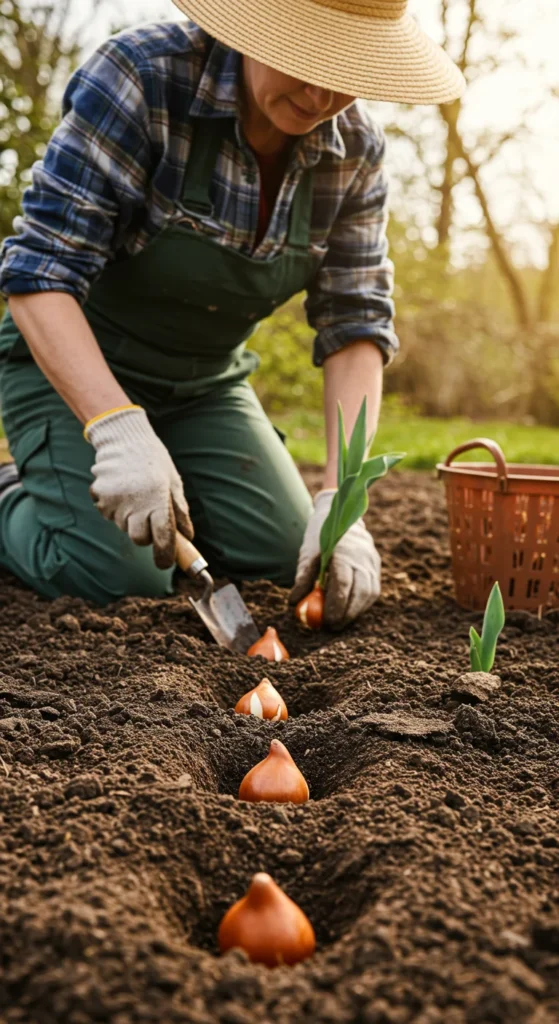
A good rule of thumb: plant bulbs two to three times as deep as their height.
- Tulips and daffodils: about 6–8 inches deep.
- Crocuses: about 3–4 inches deep.
- Hyacinths: about 5–6 inches deep.
Plant bulbs with the pointy end up. If you’re unsure, place them sideways—they’ll still grow toward the surface.
Group Bulbs for Impact
Instead of planting single bulbs scattered around, plant them in clusters. Mass plantings create the biggest wow factor in spring.
- Plant in groups of 5–10 bulbs for a natural look.
- Mix different colors for a bold display.
- Stagger bloom times (early, mid, late) for flowers that last longer.
Think of it as painting with flowers—you want splashes of color, not random dots.
Water and Mulch After Planting
Once bulbs are planted, give them a good soak to settle the soil. Then cover the area with mulch.
- Water thoroughly after planting.
- Add a 2–3 inch layer of straw, shredded leaves, or bark mulch.
- Mulch keeps soil insulated and prevents weeds.
In spring, the mulch will help hold moisture as flowers bloom.
Care Through Winter and Beyond
After planting, bulbs don’t need much care over winter—they’ll rest underground.
- Don’t dig or disturb the soil.
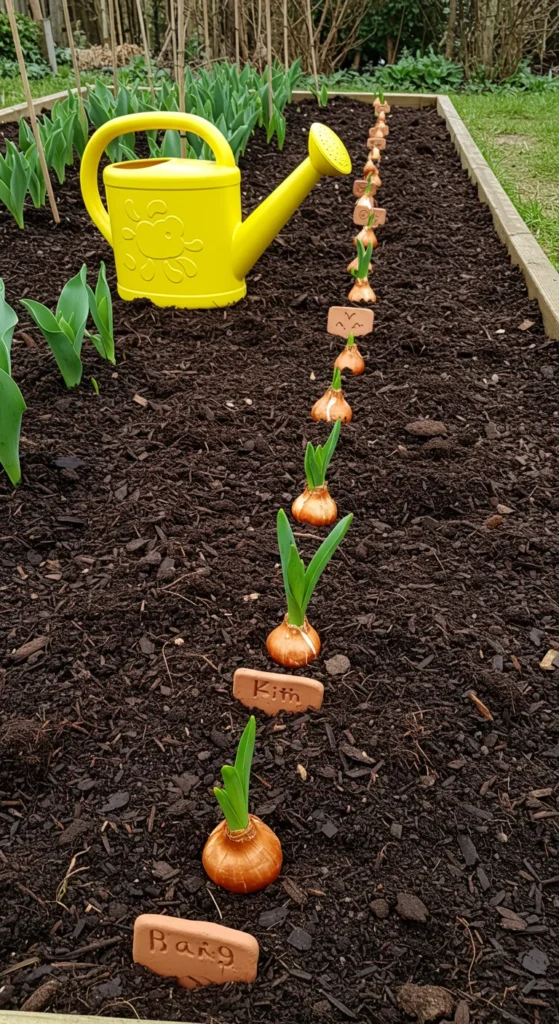
- Mark planting areas with labels or stones to avoid forgetting.
- In spring, water regularly as blooms appear.
- Once flowers fade, let the green leaves remain until they yellow—this feeds the bulb for next year.
By caring for bulbs after bloom, you’re setting them up for many more seasons of flowers.
Final Takeaway
Planting bulbs is one of the easiest ways to guarantee a spectacular spring garden. With the right bulbs, proper depth, and a sunny spot, you’ll enjoy waves of tulips, daffodils, and hyacinths brightening your yard year after year.
Leave a Reply