

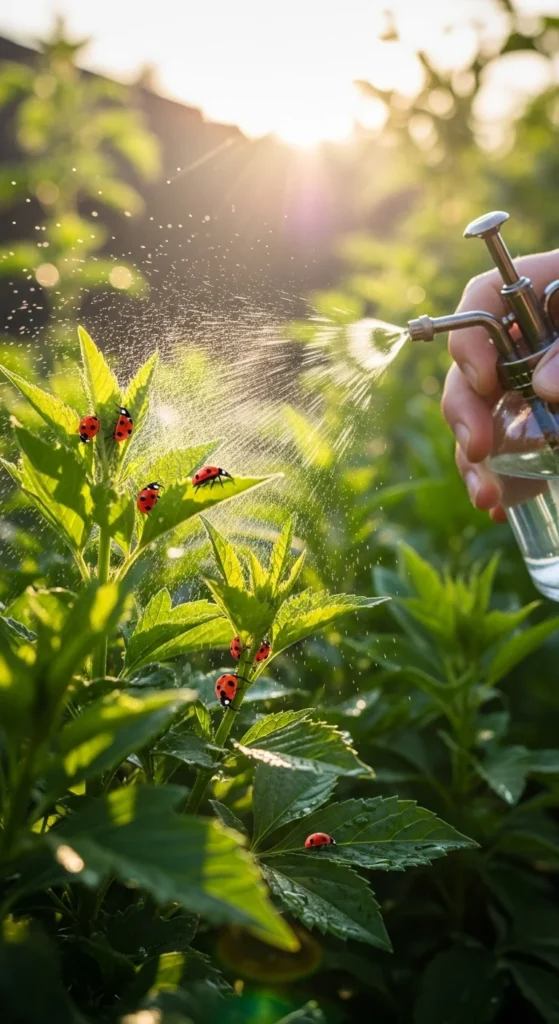
No one likes seeing bugs devouring their plants or sneaking into the kitchen. But harsh chemicals aren’t your only option. With the right natural methods, you can protect your garden and home while keeping the environment safe. These 22 natural pest control tricks use simple ingredients and smart planting ideas that actually work — no toxic sprays required.
1. Neem Oil Spray
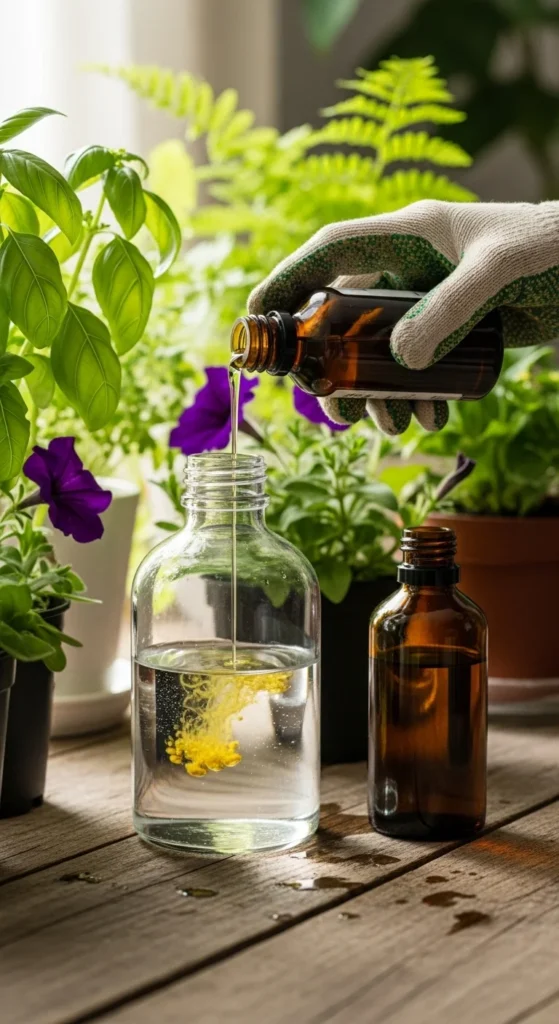
Neem oil is one of the most effective natural pest repellents. Mix two teaspoons of neem oil with one quart of water and a few drops of dish soap. Spray it on plant leaves once a week. It keeps away aphids, whiteflies, and mites without harming bees. You can buy neem oil at any garden store or online.
2. Garlic Pest Spray
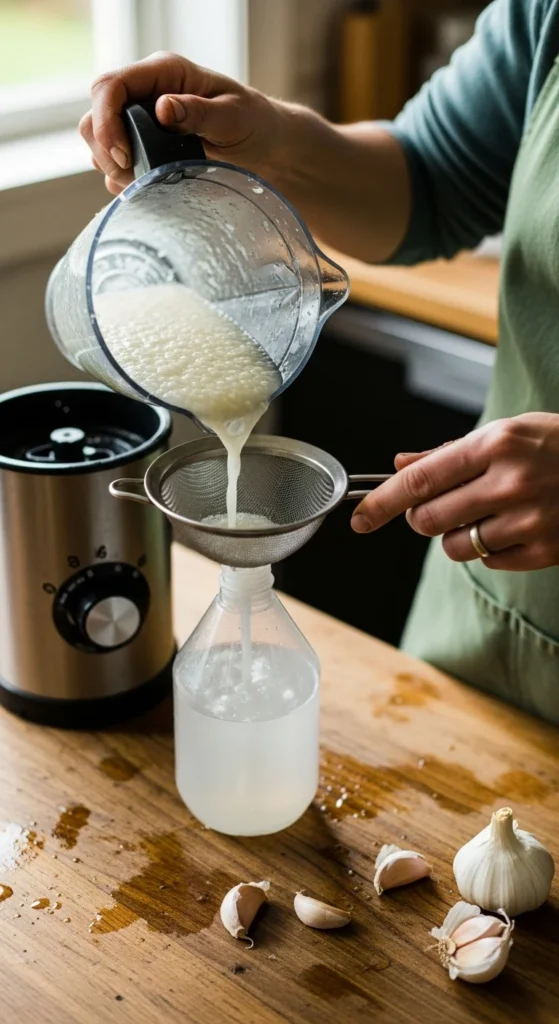
Garlic’s strong scent repels pests naturally. Blend a few cloves with water, strain, and mix in a teaspoon of liquid soap. Spray it around your plants every few days. It keeps leaf-chewers and aphids away while adding a faint earthy aroma to your garden.
3. Diatomaceous Earth
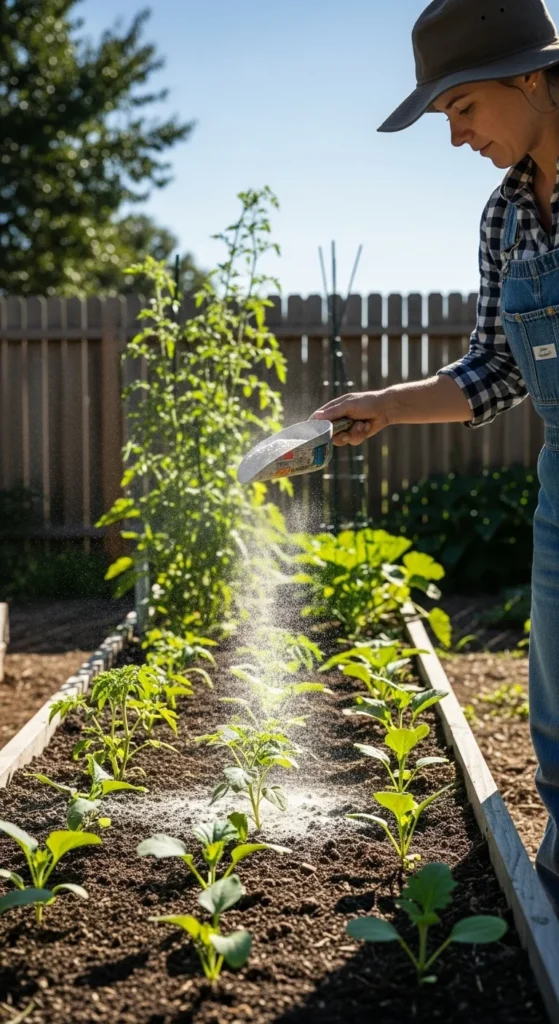
This fine powder, made from fossilized algae, is harmless to humans but deadly to insects. Sprinkle it around the base of plants or near doorways. It kills ants, fleas, and beetles by drying out their shells. Reapply after rain for best results.
4. Soap and Water Spray
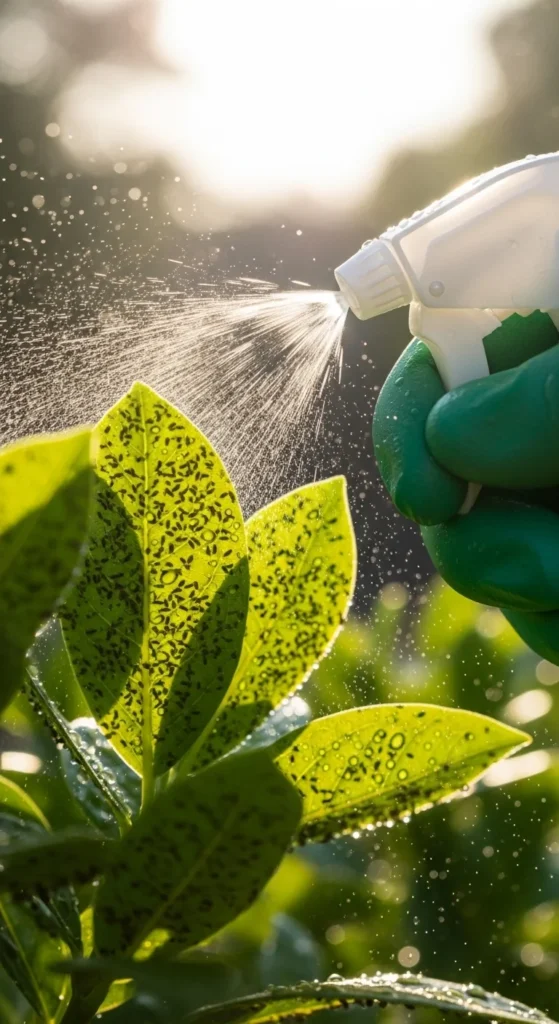
Mix one tablespoon of liquid dish soap per quart of water and mist it onto plant leaves. It suffocates soft-bodied pests like aphids and whiteflies. Wipe leaves gently afterward to prevent residue buildup.
5. Coffee Grounds Barrier
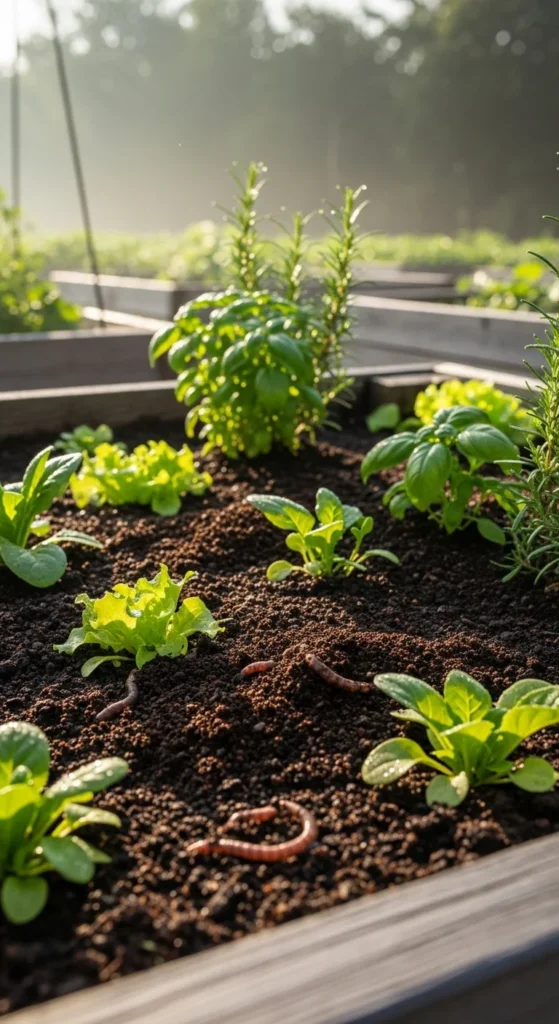
Used coffee grounds do double duty — they enrich soil and deter pests. Spread them around plants to repel slugs and ants. The rough texture and strong scent keep many insects away. Plus, they’re free if you save your morning brew leftovers.
6. Companion Planting
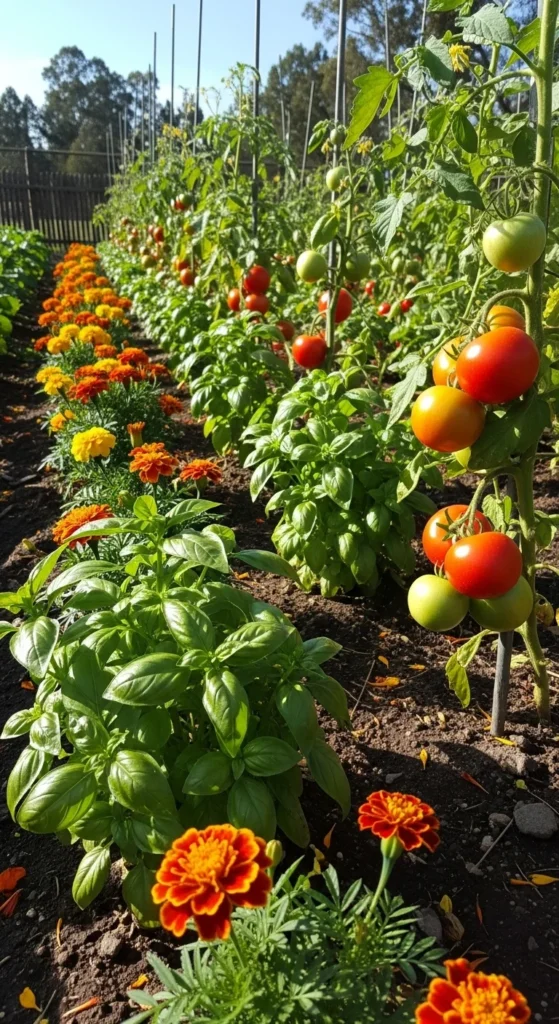
Some plants naturally repel bugs. Plant basil near tomatoes to deter flies, and marigolds to keep nematodes and beetles at bay. Pairing the right crops helps you grow healthier gardens with fewer pests and less effort.
7. Vinegar Ant Repellent
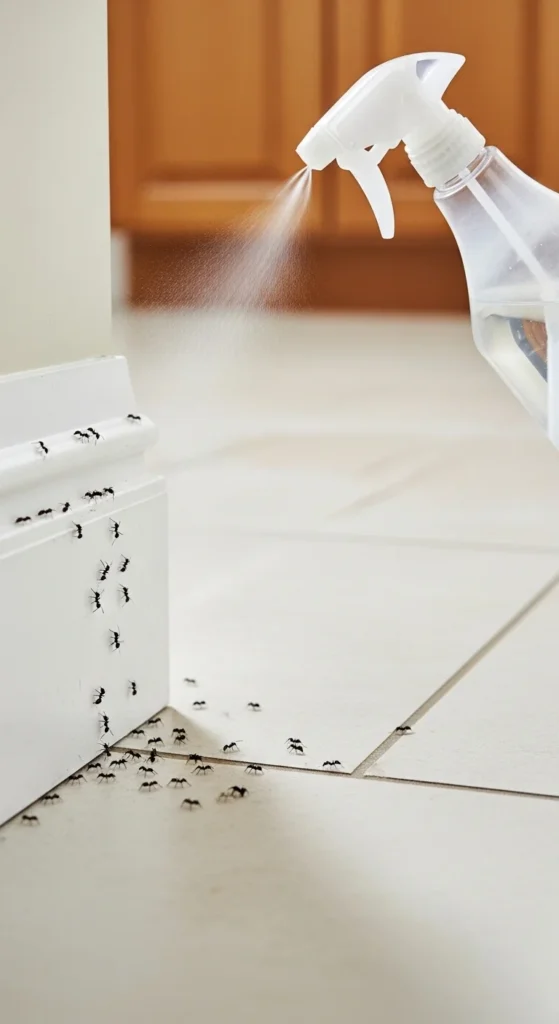
Mix equal parts vinegar and water, then spray it along ant trails, windows, and door frames. Ants hate vinegar’s strong scent and won’t cross the treated area. Wipe surfaces after spraying for a clean finish.
8. Beer Trap for Slugs
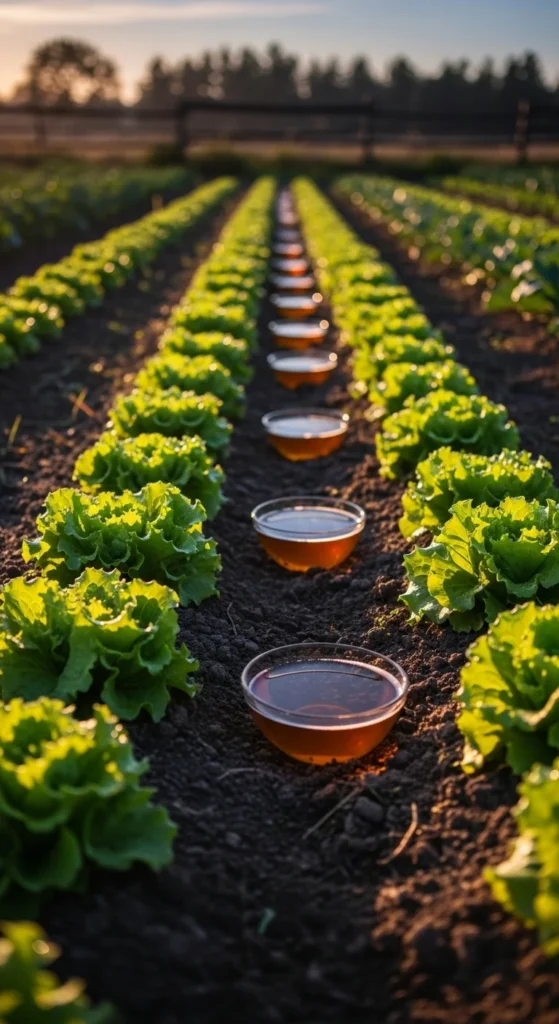
Fill shallow dishes with beer and bury them slightly in soil. Slugs and snails are attracted to the smell, fall in, and can’t escape. Check and refill traps daily. It’s cheap, easy, and surprisingly effective.
9. Citrus Peel Ant Deterrent
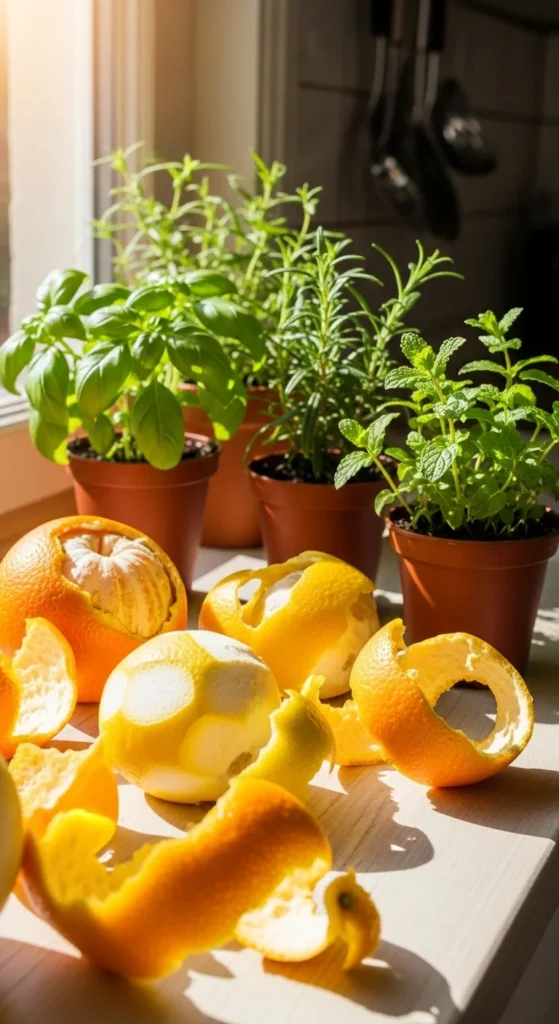
Save your orange or lemon peels. Place them near ant trails or plant bases. The citrus oils repel ants and many soft-bodied insects. You can also blend peels with water and spray the mixture on problem areas.
10. Essential Oil Spray
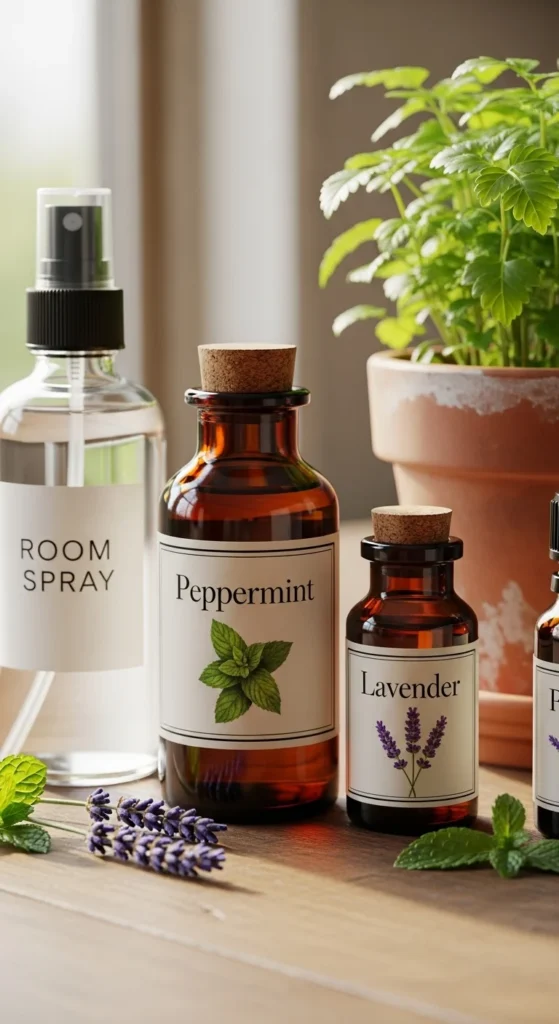
Mix 10 drops of peppermint or lavender essential oil in a cup of water and a teaspoon of dish soap. Spray on windowsills, door frames, or directly on plants. The pleasant scent drives away flies, mosquitoes, and aphids.
11. Baking Soda Fungus Fix
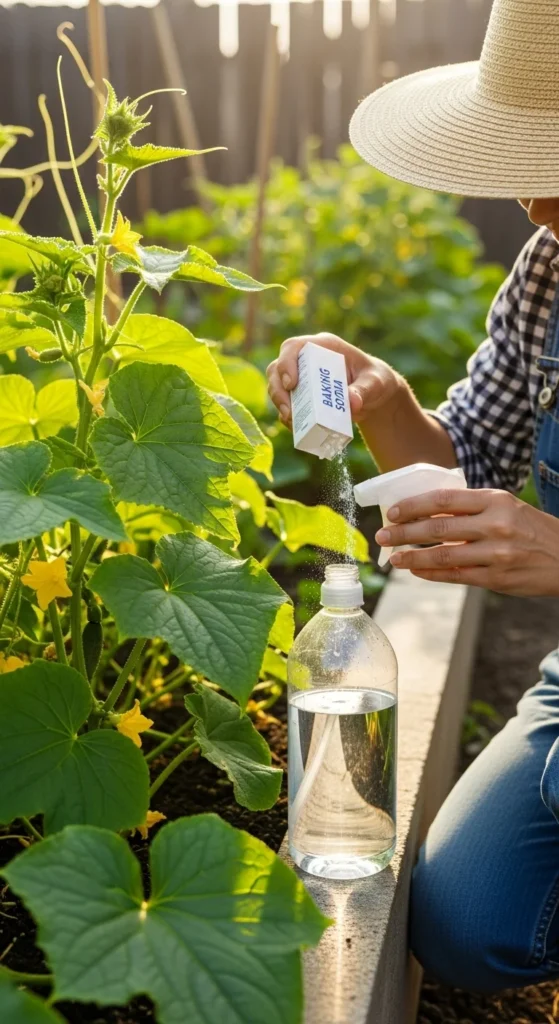
For fungal problems, dissolve one tablespoon of baking soda in a quart of water and spray it on affected leaves. It prevents mildew and fungal spores from spreading. Repeat weekly during humid weather.
12. Attract Ladybugs
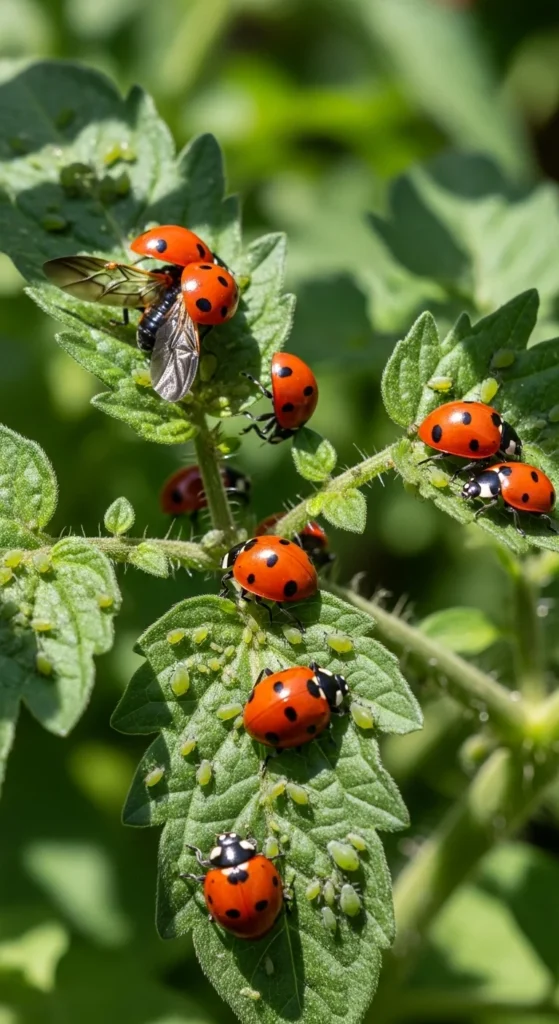
Ladybugs eat aphids, mites, and other small pests. You can attract them by planting dill, fennel, or alyssum. Avoid chemical sprays so these helpful insects can thrive and handle pest control naturally.
13. Epsom Salt for Slugs
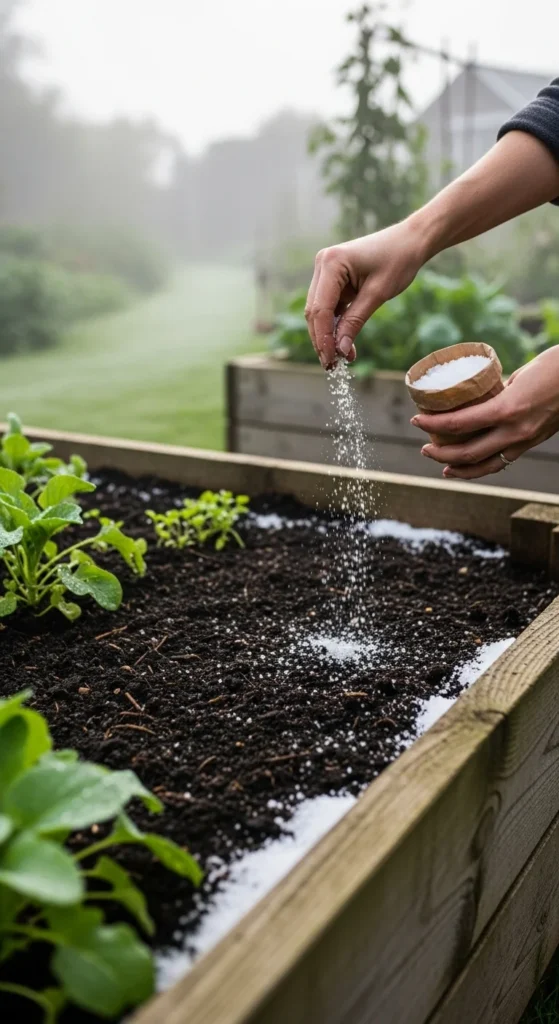
Epsom salt repels slugs without harming plants. Sprinkle it around garden beds or pot rims. It adds magnesium to the soil while discouraging crawling pests. Just don’t overdo it — a light dusting works best.
14. Sticky Traps for Flying Insects
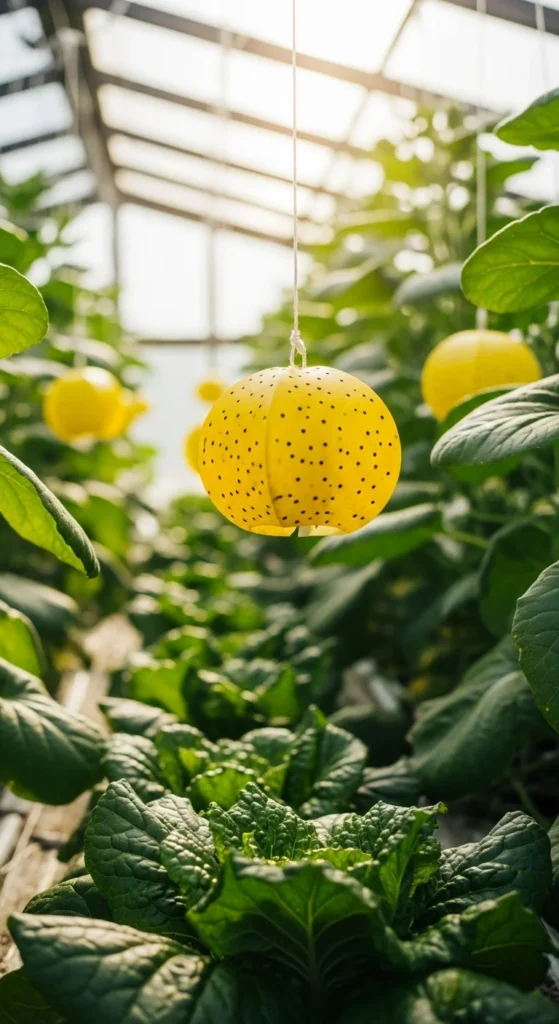
Yellow sticky traps catch gnats, whiteflies, and fruit flies. You can buy them or make your own using yellow cardstock coated with petroleum jelly. Place them near plants or fruit bowls for quick results.
15. Cinnamon for Ant Control
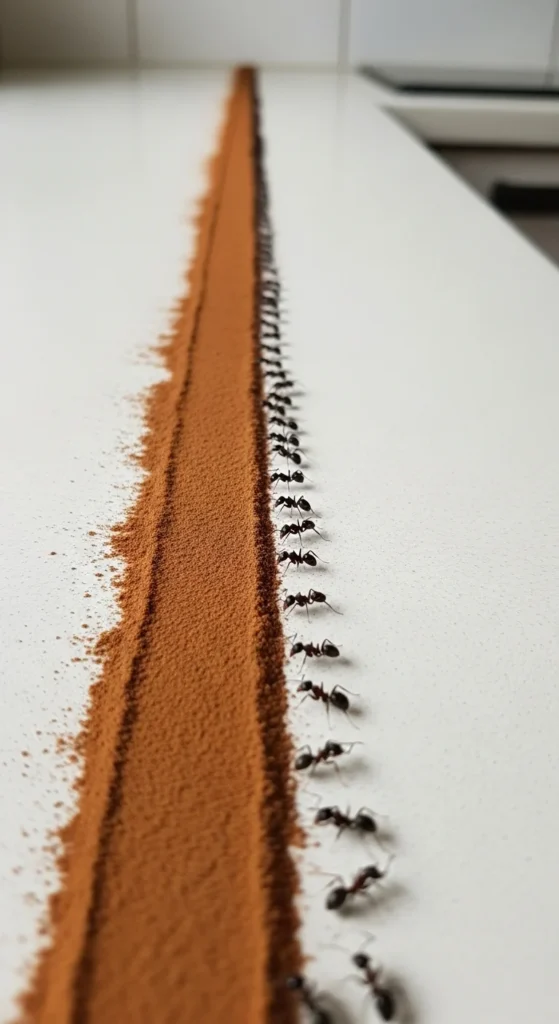
Ants avoid cinnamon’s strong scent. Sprinkle ground cinnamon at entry points or mix it with water to make a spray. It’s a mess-free, pet-safe alternative to store-bought repellents.
16. Grow Mint as a Repellent
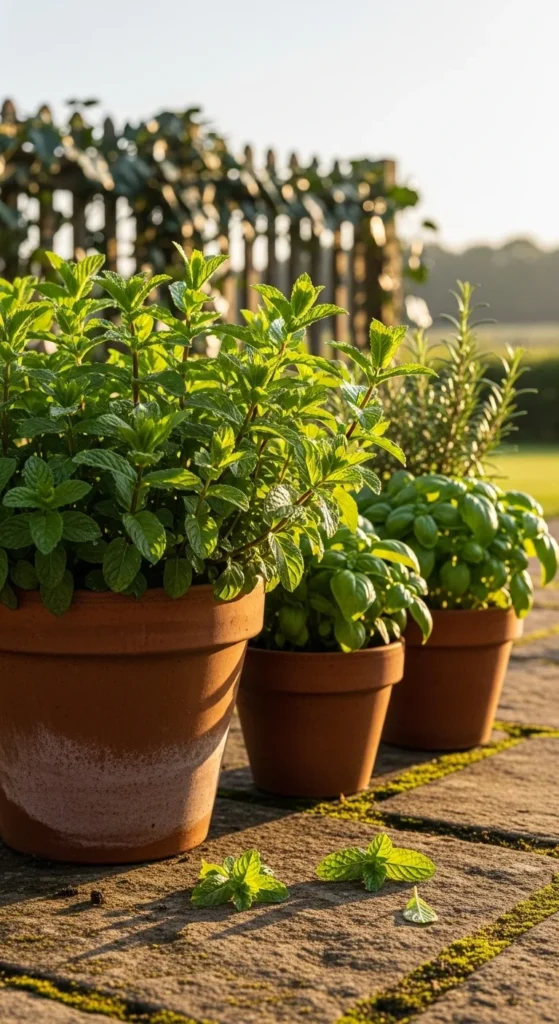
Mint repels mosquitoes, flies, and ants naturally. Plant it in pots (it spreads fast!) near doors, patios, or garden edges. Crush a few leaves occasionally to release its scent for added protection.
17. Hot Pepper Spray

Mix two chopped chili peppers with water and simmer for 10 minutes. Strain and add a few drops of soap before spraying. It keeps rabbits, aphids, and chewing bugs far away. Always wear gloves when making it.
18. Use Cornmeal for Ants
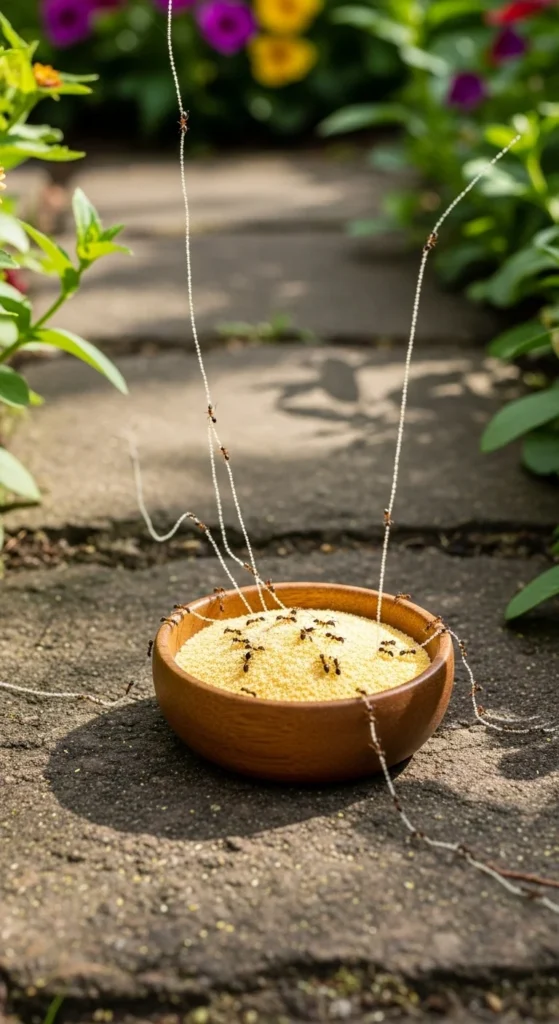
Ants love cornmeal but can’t digest it. Sprinkle a little near their colonies. It’s a safe and simple way to eliminate them over time — no chemicals needed.
19. Plant Lavender Around Entrances

Lavender not only looks beautiful but also deters moths, mosquitoes, and fleas. Plant it near doorways or windows for natural protection and a lovely fragrance that fills the air.
20. Keep Birds Away with Shiny Objects

Birds dislike reflective light. Hang foil strips or old CDs around your garden. The flashing reflections scare them away without harm. It’s a clever reuse of old materials.
21. Create a Natural Barrier with Chalk
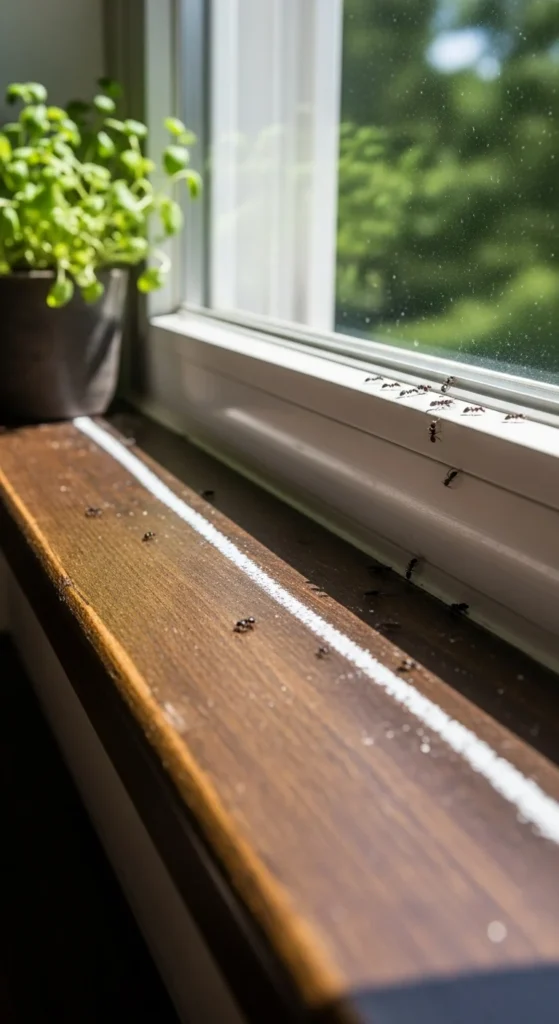
Chalk creates a line ants won’t cross. Draw lines near doors, windows, or pantry shelves. The powdery texture interrupts their scent trails and keeps them from entering.
22. Keep Pests Out with Netting
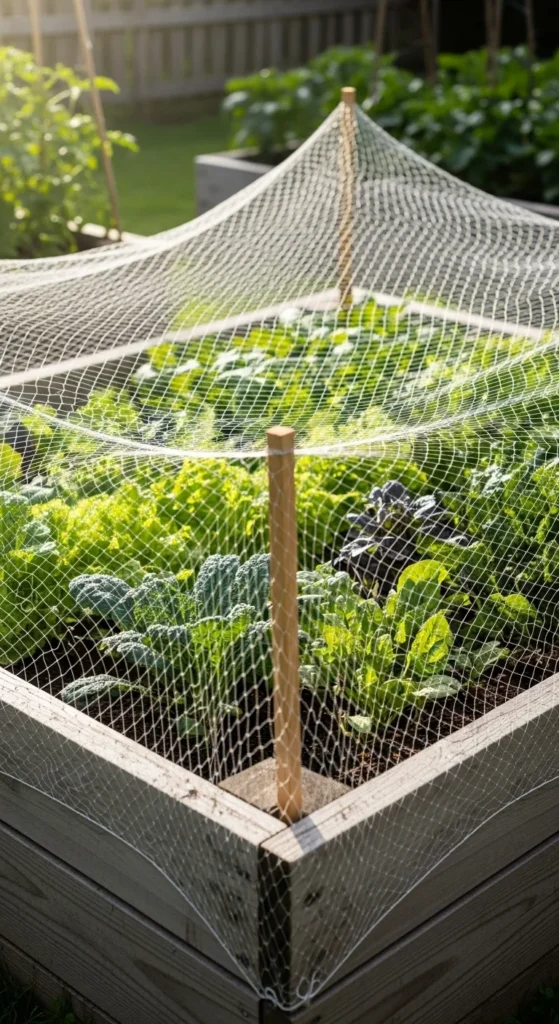
Protect your crops from birds and insects using lightweight mesh or row covers. They let sunlight and air through while blocking pests. Secure the edges with rocks or clips to keep everything snug.
Conclusion
You don’t need harsh sprays to have a pest-free garden or home. These natural tricks are simple, safe, and effective when used consistently. From homemade sprays to smart planting, each method helps keep unwanted critters in check while protecting the environment. Try a few today and enjoy healthy plants, happy pollinators, and a cleaner, greener space.

Leave a Reply