

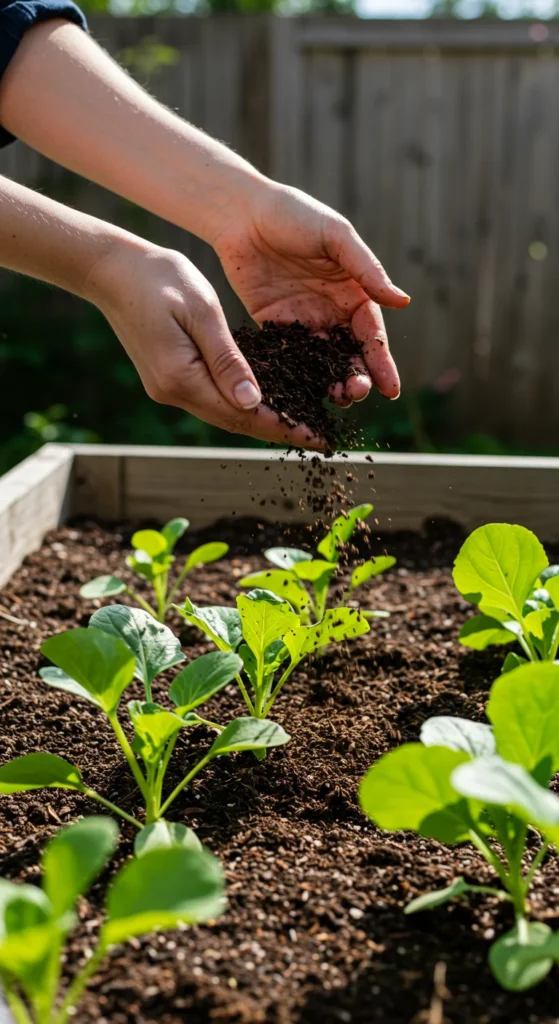
Healthy soil is the secret behind thriving plants, and natural fertilizers are the best way to build it. Instead of relying on chemicals, you can use everyday items like compost, kitchen scraps, and organic matter to enrich your garden. These natural options improve soil, feed plants slowly, and create a cycle of sustainability. Here are 24 natural fertilizer ideas that help your garden grow strong while saving money.
1. Compost
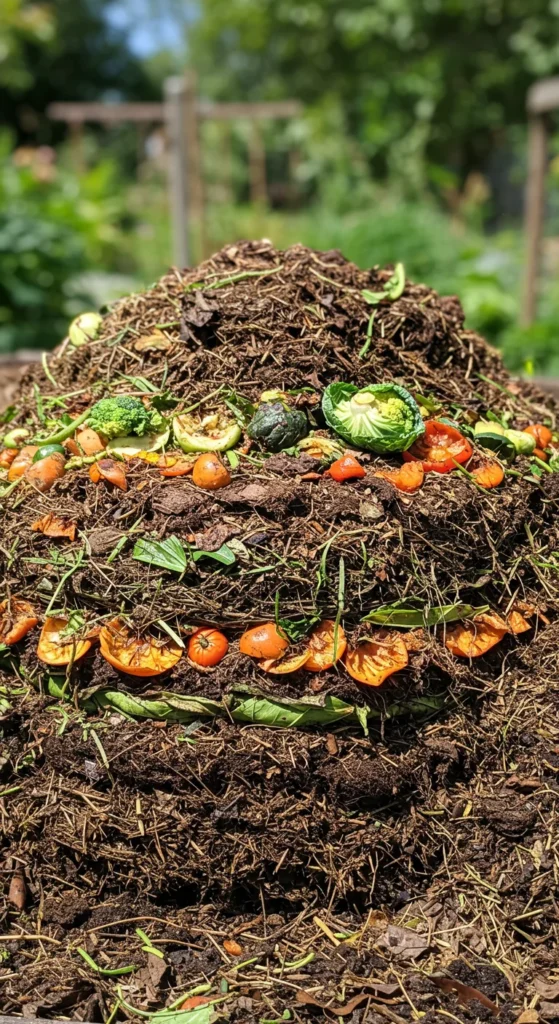
Compost is the gold standard of natural fertilizers. It’s free, easy to make, and full of nutrients. Collect kitchen scraps like fruit peels, coffee grounds, and eggshells, then mix them with yard waste. Over time, it breaks down into rich humus that improves soil structure and feeds plants. Spread a layer around garden beds each season for long-lasting results.
2. Worm Castings
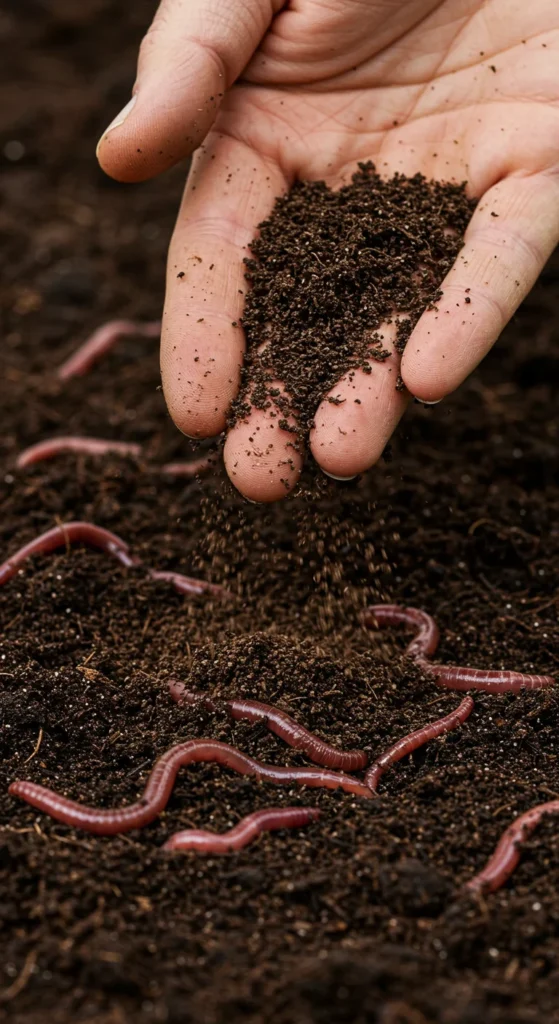
Worm castings are nutrient-packed and teeming with beneficial microbes. You can buy them or create your own vermicompost bin at home. Simply feed worms kitchen scraps and harvest their castings. Use a handful when transplanting seedlings or mix into potting soil for a natural growth enhancer.
3. Manure
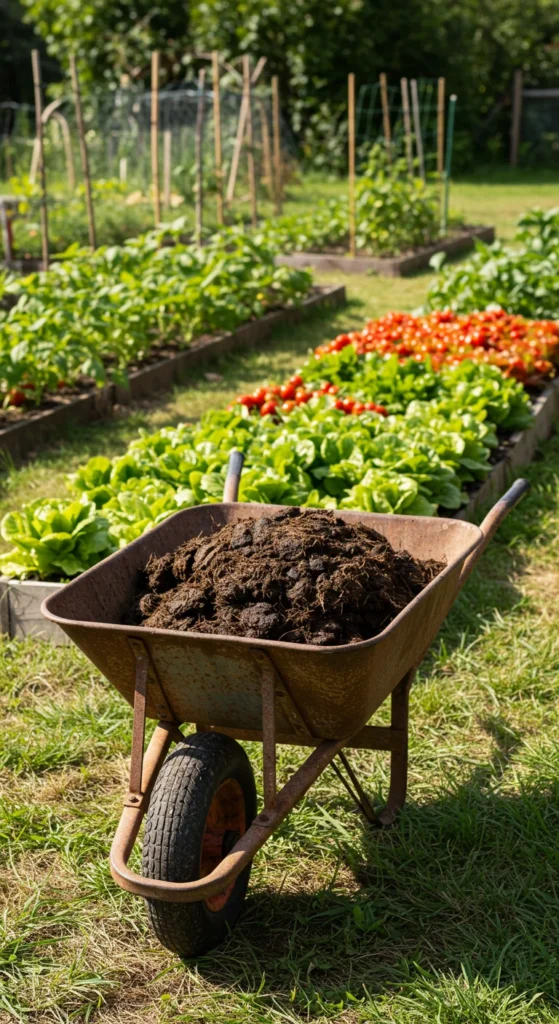
Aged manure from cows, horses, chickens, or rabbits adds organic matter and nutrients. Always compost or age manure before use to avoid burning plants. Work it into soil before planting or top-dress around crops. It’s especially helpful for heavy-feeding vegetables like corn, tomatoes, and squash.
4. Grass Clippings
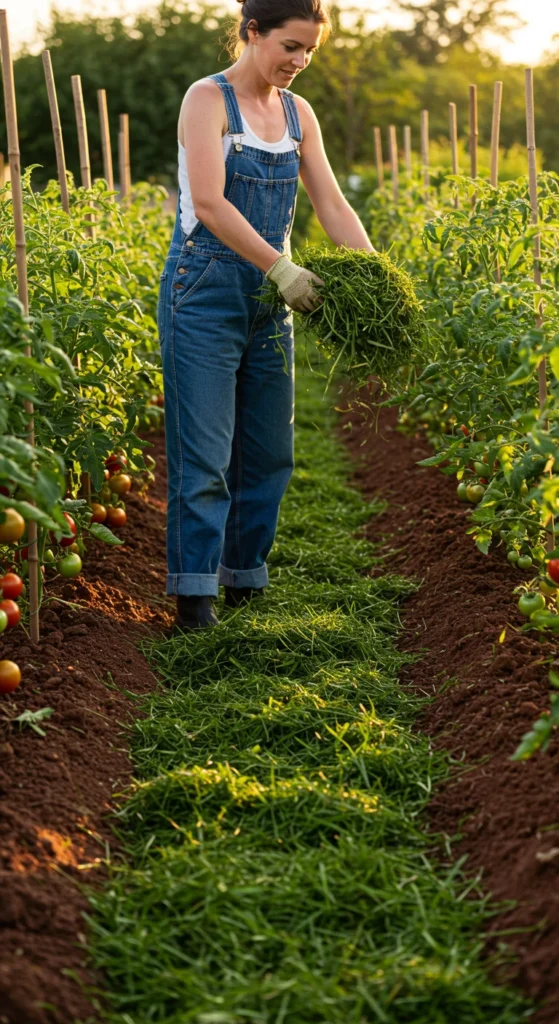
Grass clippings are nitrogen-rich and easy to collect. Use them as mulch around vegetables and flowers. As they decompose, they feed the soil and conserve moisture. Just avoid thick layers, which can mat and block airflow.
5. Banana Peels
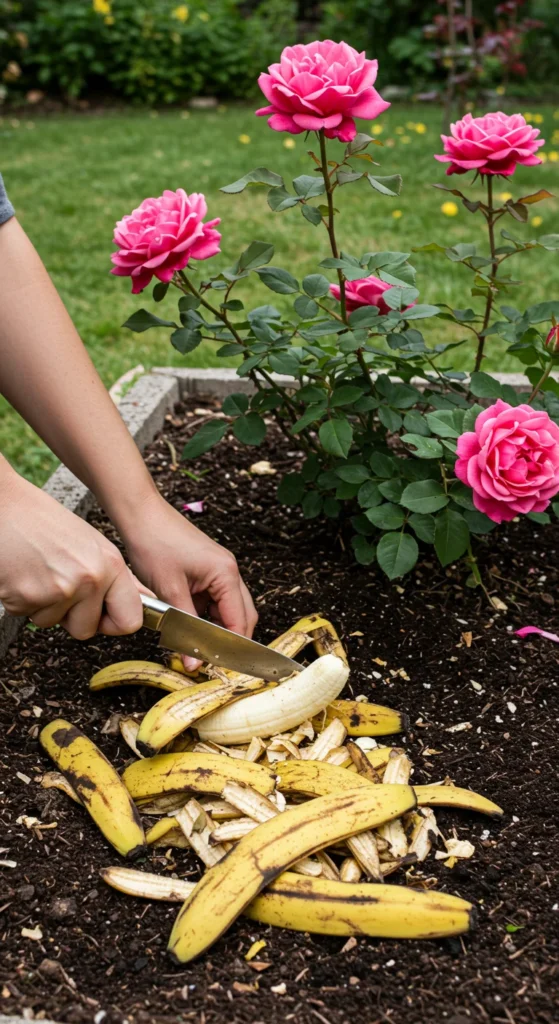
Banana peels provide potassium and phosphorus—perfect for flowering plants. Chop them and bury near the base of roses, peppers, or tomatoes. You can also blend peels with water to make a liquid fertilizer.
6. Coffee Grounds
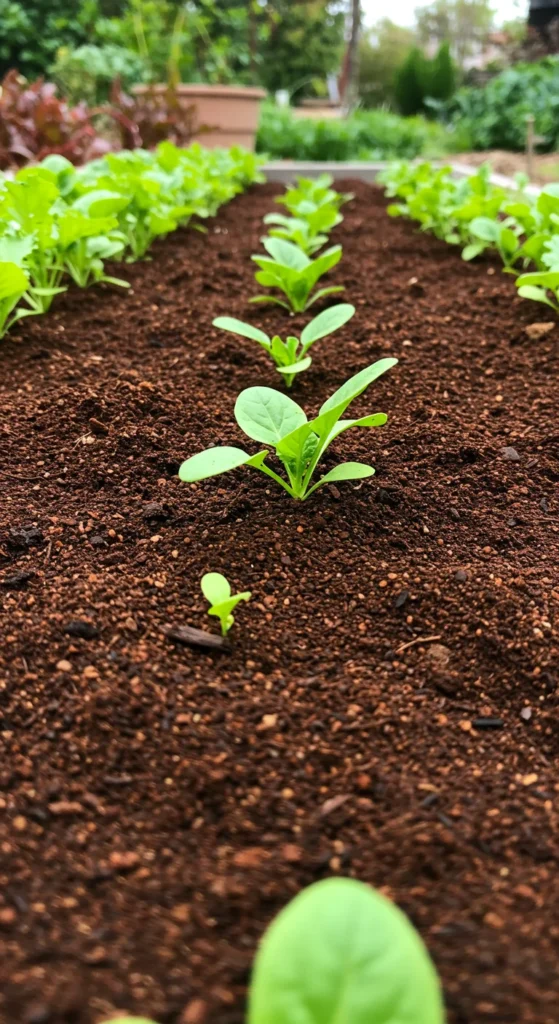
Coffee grounds are rich in nitrogen and help improve soil texture. Sprinkle them around acid-loving plants like blueberries or mix into compost. Used grounds are safe and widely available, especially from local cafes.
7. Eggshells
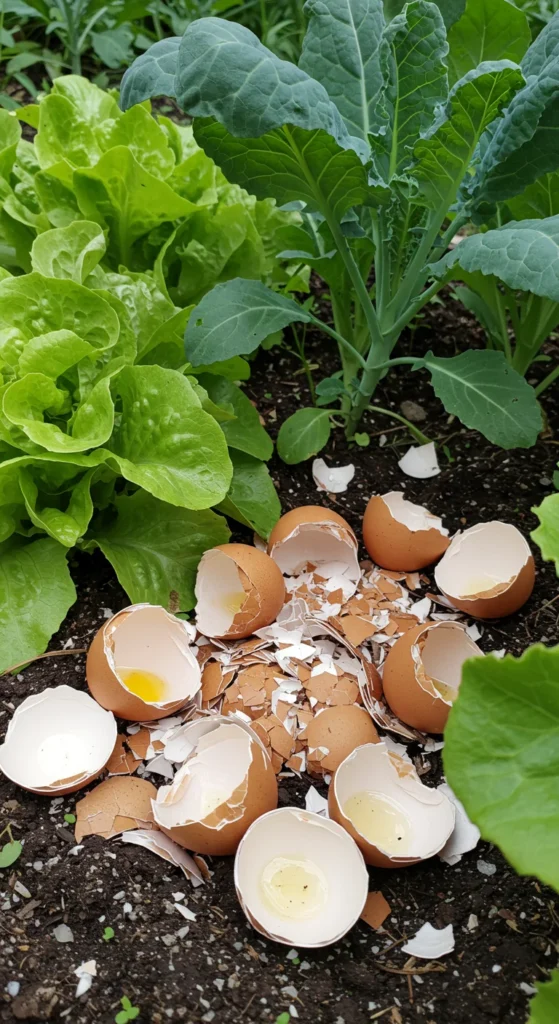
Eggshells are a natural source of calcium, which prevents blossom end rot in tomatoes and peppers. Crush them finely and scatter directly into soil or add them to compost. They also help deter slugs around tender seedlings.
8. Seaweed
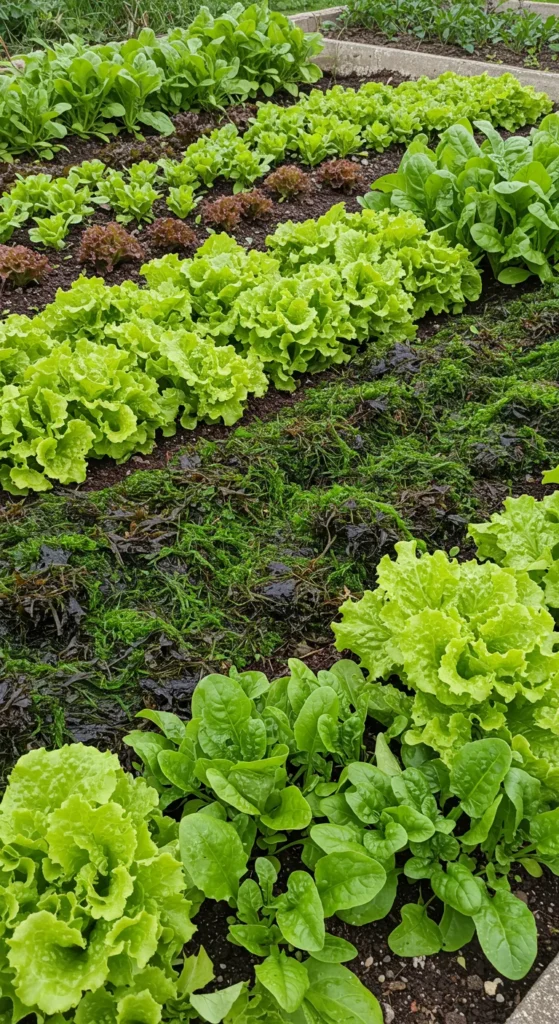
Seaweed contains trace minerals and growth hormones. Rinse it to remove salt, then apply directly as mulch or compost it. Seaweed tea can also be made by soaking it in water for a few weeks.
9. Fish Emulsion
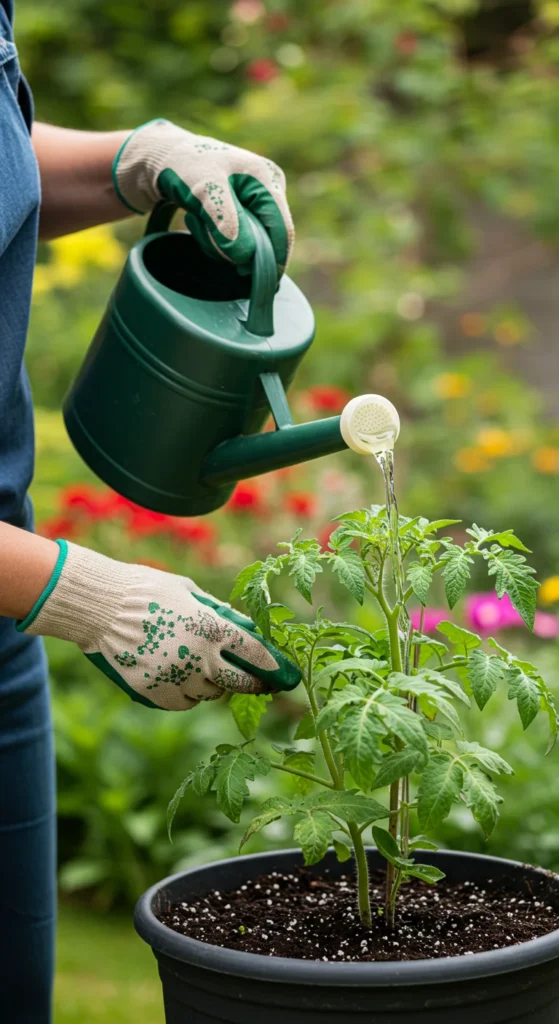
Fish emulsion is a liquid fertilizer made from fish waste. It’s strong in nitrogen and provides fast results. Dilute it with water and apply every couple of weeks for leafy crops like spinach and lettuce.
10. Bone Meal
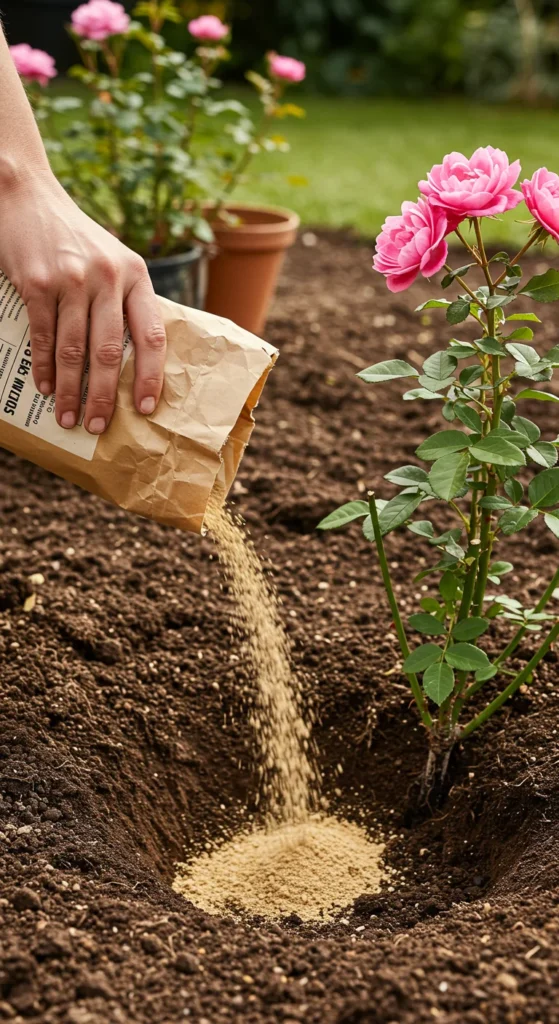
Bone meal is a slow-release fertilizer high in phosphorus, great for root and flower development. Mix it into soil before planting bulbs, perennials, or root crops.
11. Blood Meal
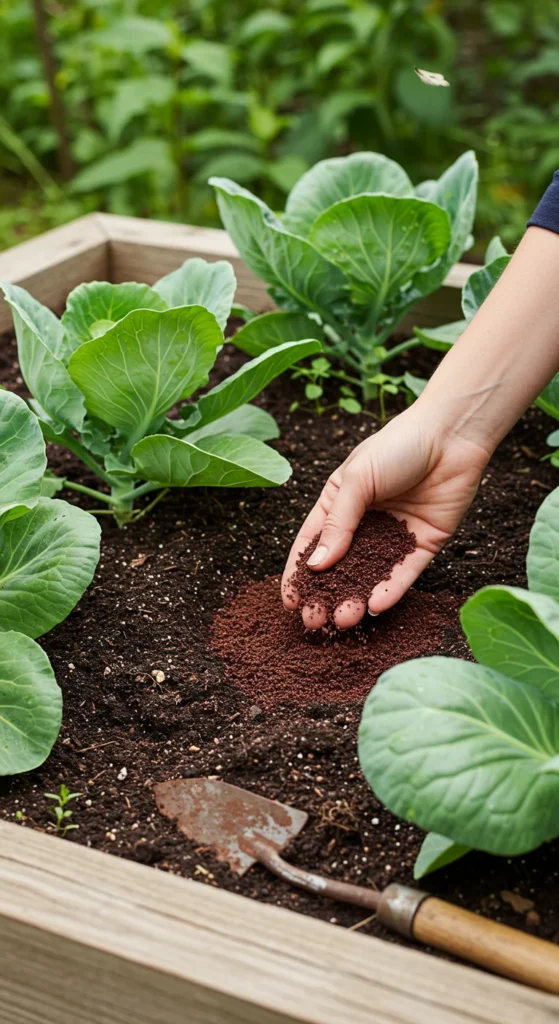
Blood meal provides a quick nitrogen boost for leafy vegetables. Use sparingly, as too much can burn plants. It’s especially helpful for correcting yellowing leaves due to nitrogen deficiency.
12. Wood Ash
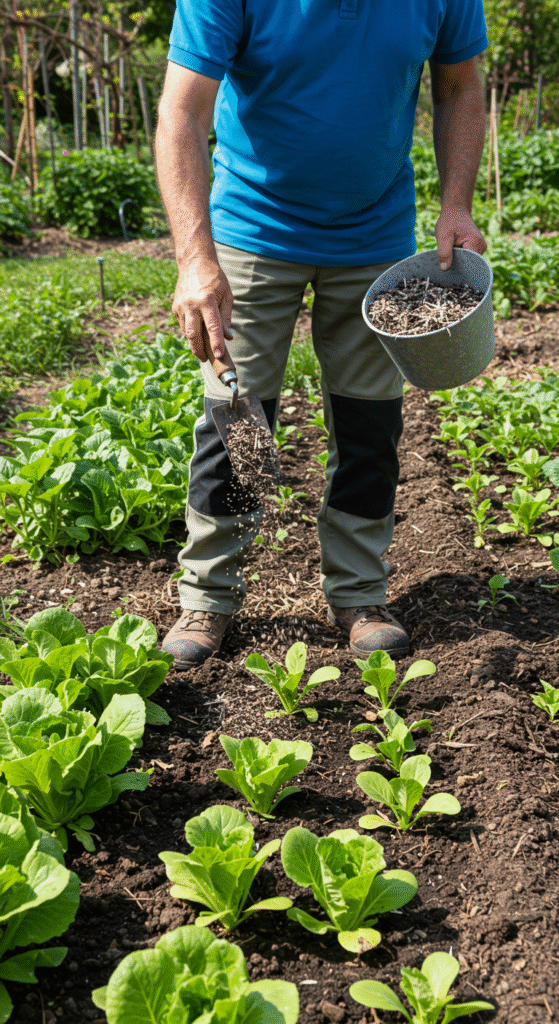
Wood ash from untreated wood adds potassium and raises soil pH. Sprinkle lightly around garden beds, but avoid overuse, especially in alkaline soils.
13. Molasses
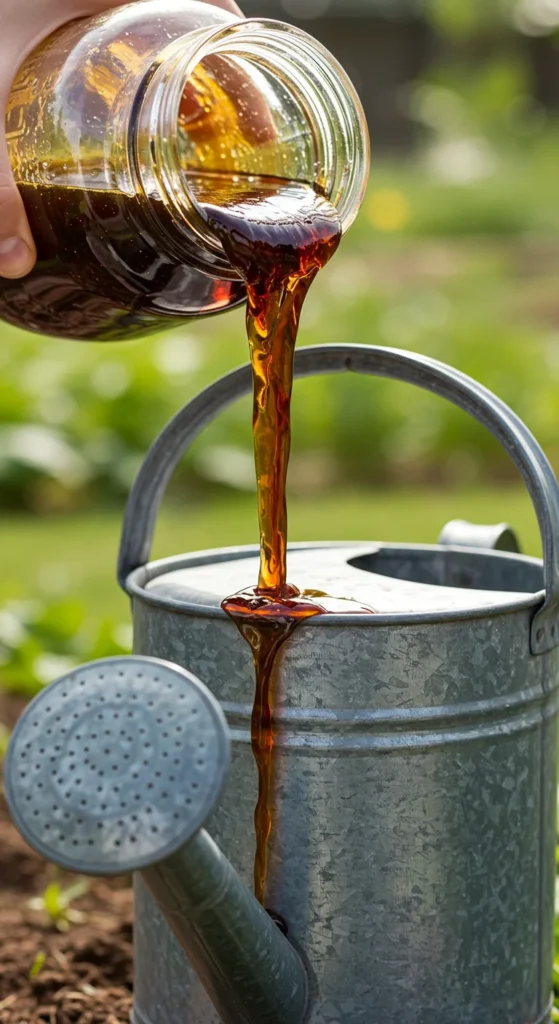
Molasses feeds beneficial soil microbes, which in turn nourish plants. Mix a few tablespoons with water and apply to soil. It’s a simple way to energize compost piles and garden beds.
14. Alfalfa Meal
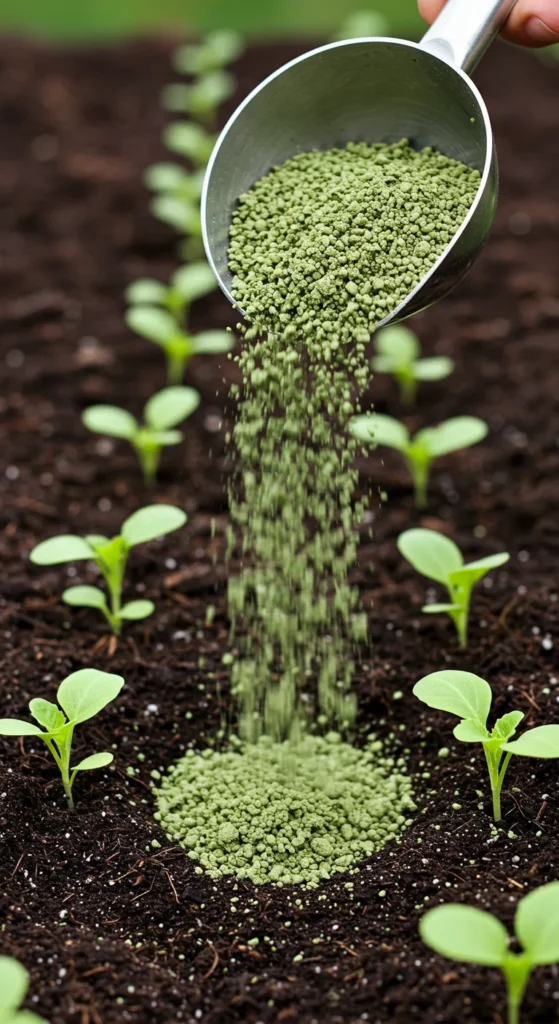
Alfalfa meal provides nitrogen and growth-stimulating compounds. It’s especially useful for roses and root development. Work it into soil or add to compost to accelerate decomposition.
15. Epsom Salt
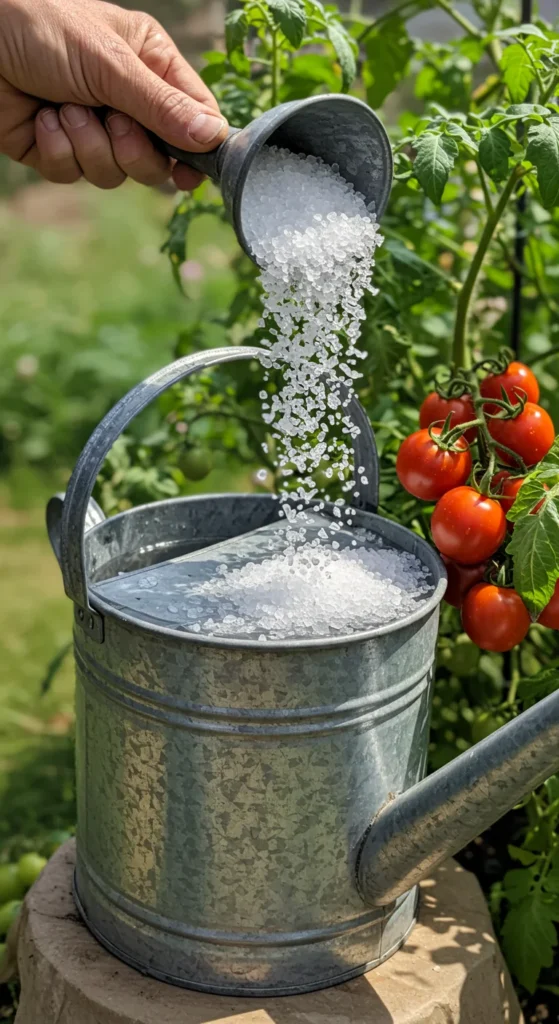
Epsom salt supplies magnesium and sulfur, key for photosynthesis. Dissolve in water and use as a foliar spray for tomatoes, peppers, and roses. It helps with leaf color and flower production.
16. Compost Tea
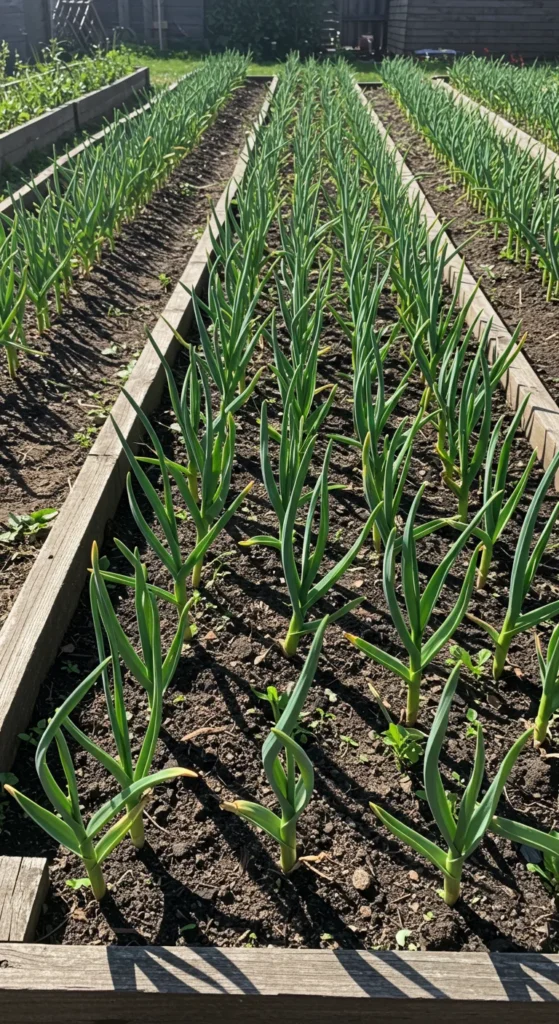
Compost tea is liquid gold for plants. Steep finished compost in water for a few days, then water plants with the nutrient-rich liquid. It’s excellent for seedlings and container gardens.
17. Green Manure Crops
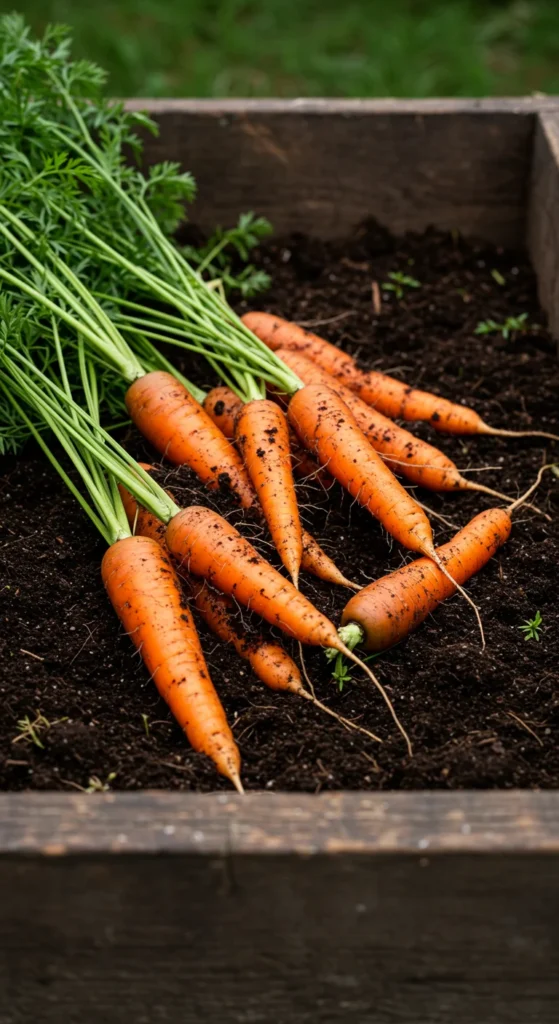
Plant cover crops like clover, rye, or vetch. When tilled into soil, they add nitrogen and organic matter. This method also prevents erosion and suppresses weeds.
18. Corn Gluten Meal
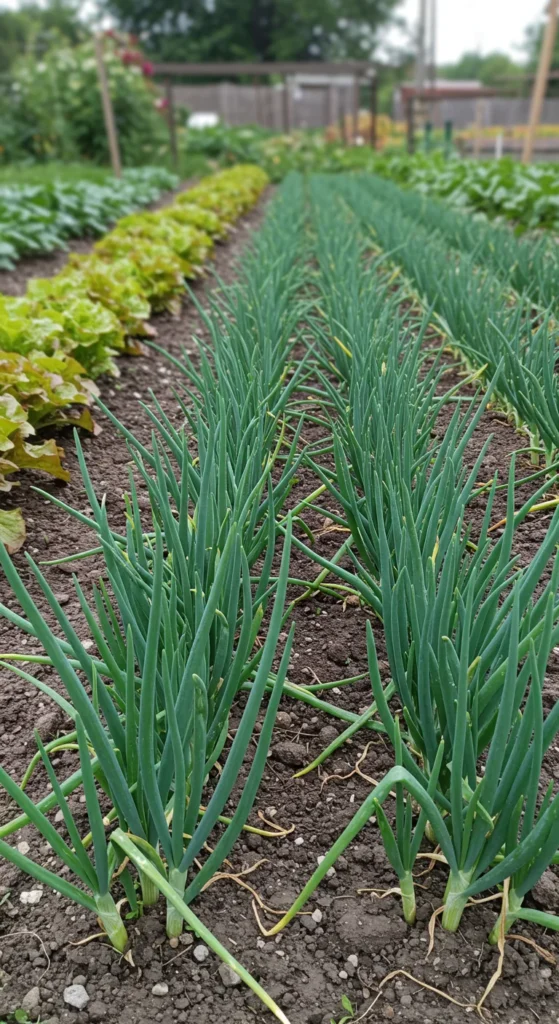
Corn gluten meal provides nitrogen and can suppress weed seed growth. Apply before planting or around established crops to feed plants and discourage weeds naturally.
19. Hair Clippings
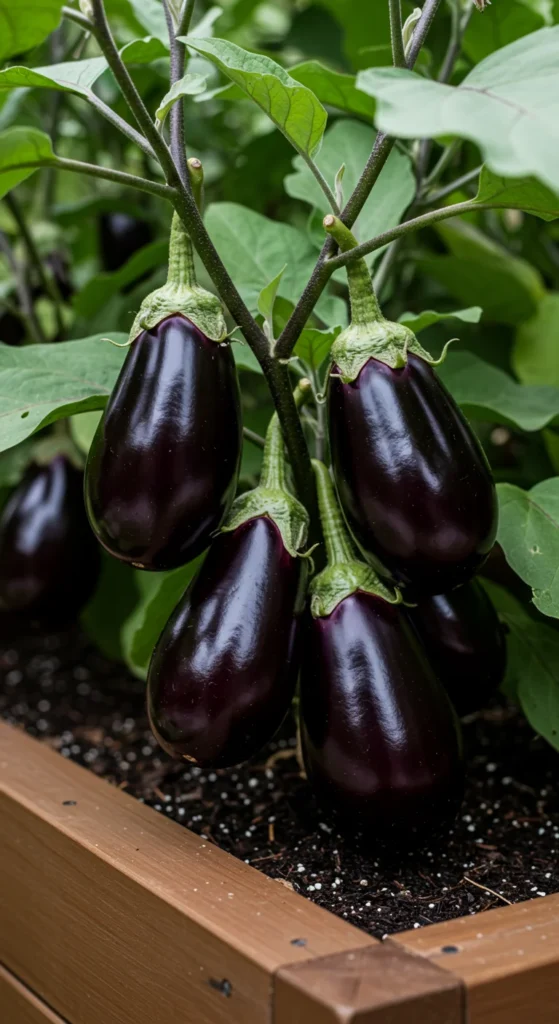
Human or pet hair adds nitrogen as it decomposes. Collect hair from brushes or salons and mix it into compost or soil. It’s a free, unusual fertilizer option.
20. Urine Dilution
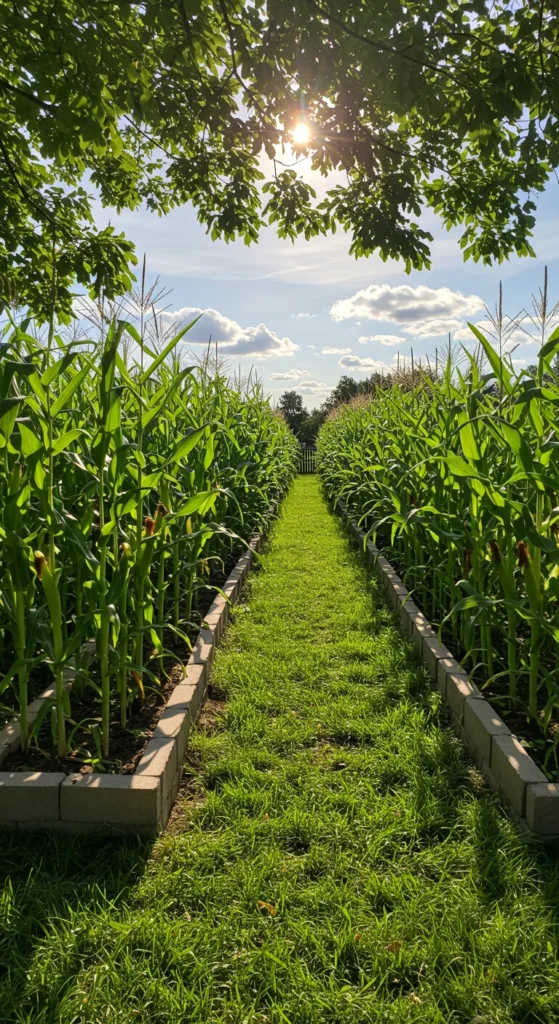
Diluted urine (10 parts water to 1 part urine) is rich in nitrogen and safe when applied correctly. Use it on non-root crops like leafy greens. Avoid overuse to prevent salt buildup.
21. Rice Water
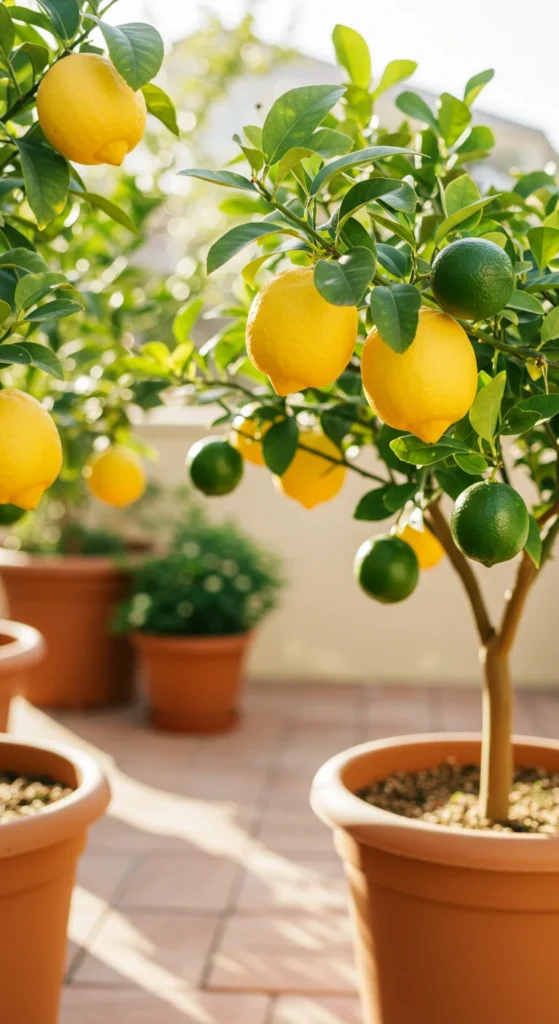
The water from rinsing rice contains starches and small amounts of nutrients. Instead of discarding, pour it onto plants. It feeds soil microbes and helps container plants thrive.
22. Weed Tea
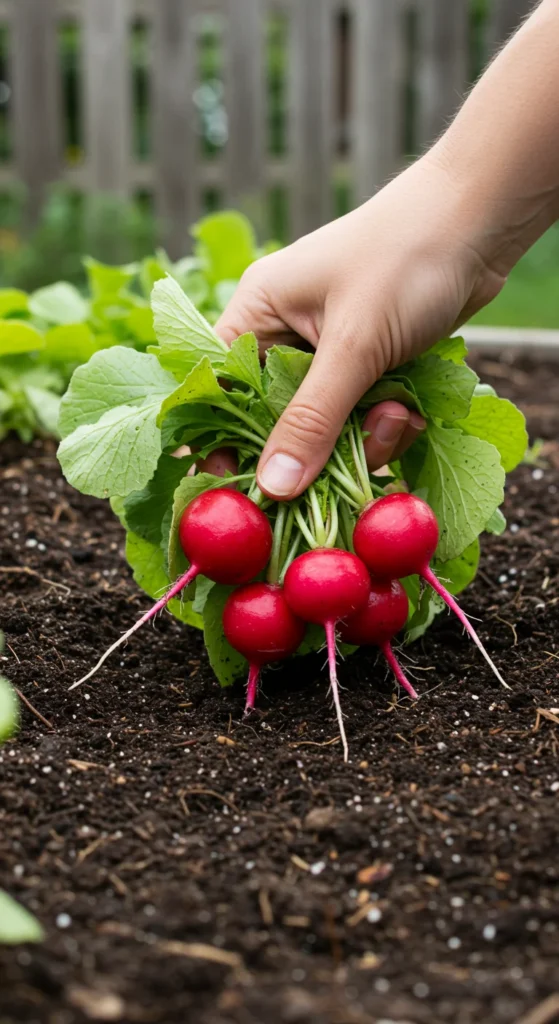
Soak weeds like dandelions or comfrey in water for a few weeks. The result is a nutrient-rich tea you can pour around plants. It’s a great way to recycle unwanted weeds.
23. Bokashi Fermentation
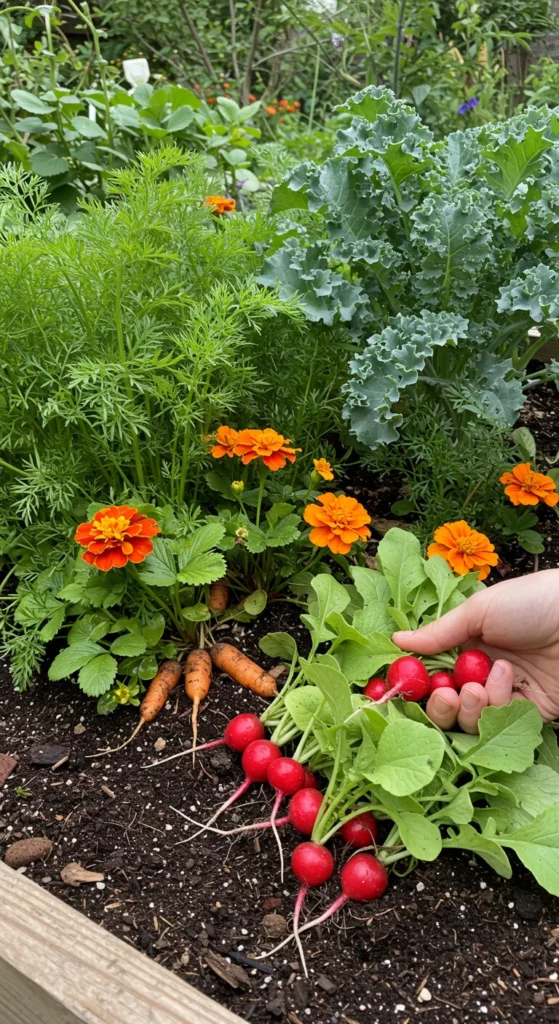
Bokashi is a method of fermenting food scraps using bran and microbes. Once finished, bury the material in soil to enrich it quickly. It’s ideal for kitchen waste like meat and dairy that doesn’t compost easily.
Conclusion
Natural fertilizers turn everyday waste and organic matter into powerful plant food. From simple compost to unique ideas like banana peels, seaweed, and weed tea, these options are affordable and sustainable. Start by trying one or two methods in your garden, and you’ll see stronger plants, better harvests, and healthier soil. Save this guide and experiment with these 24 ideas to supercharge your garden naturally.

Leave a Reply