

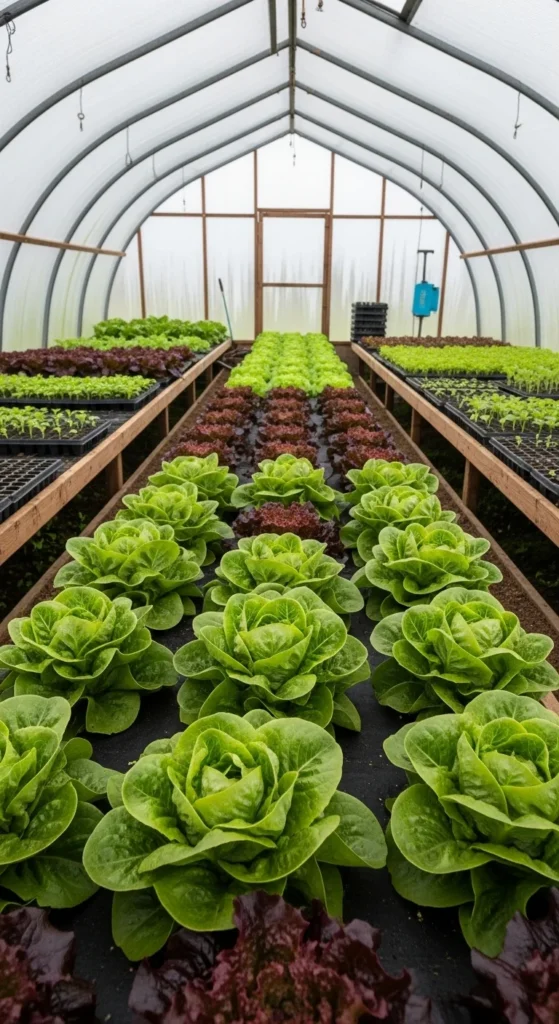
Winter greenhouses are perfect for quick lettuce harvests during the New Year season. With the right layout, soil structure, airflow, and planting rhythm, you can enjoy steady cut-and-come-again growth even in the coldest months. These ideas focus on practical actions, simple greenhouse tweaks, and budget-friendly habits that help keep your lettuce moving from seed to bowl with very little downtime. Pick the methods that fit your space and enjoy crisp leaves all winter long.
1. Dense Cut-and-Come-Again Beds
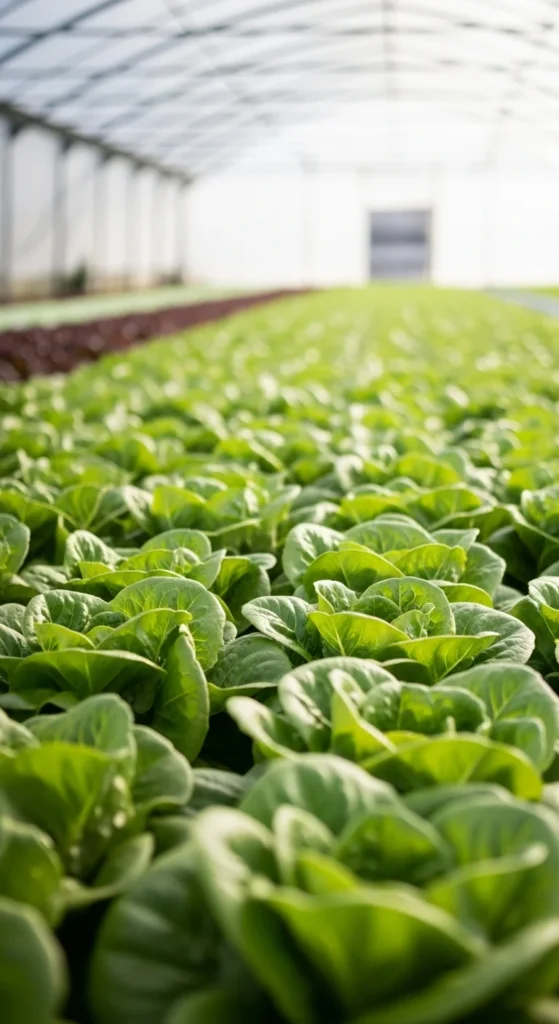
Dense lettuce beds encourage fast regrowth. Sow seeds closely across the soil surface so leaves shade each other lightly. This helps maintain moisture and warmth during cold months. Keep the soil topped with a thin compost layer for steady texture. Harvest outer leaves regularly to keep growth steady. Use a small watering can to keep moisture consistent without soaking the bed. This layout works well for small greenhouses where every square foot counts.
2. Staggered Tray Planting
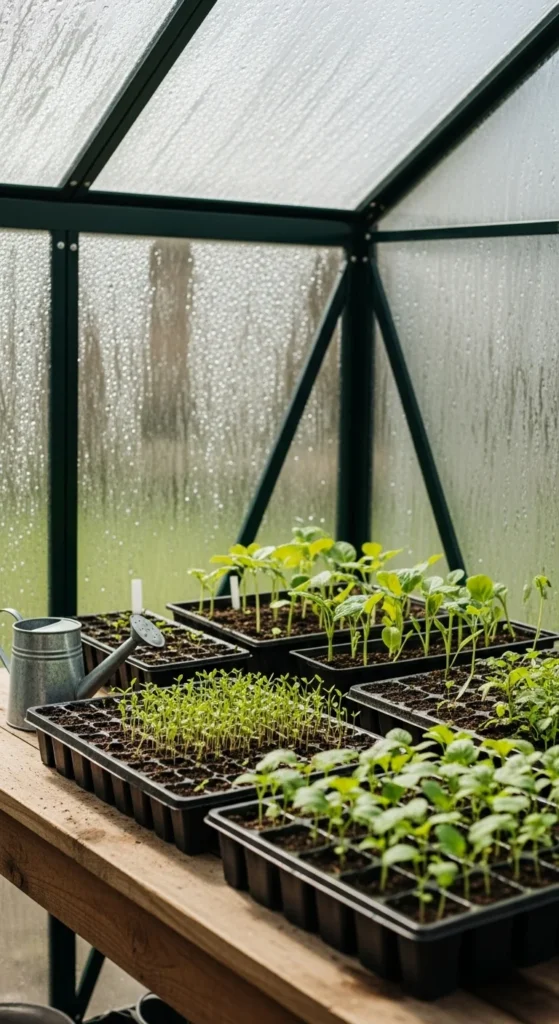
Stagger trays by planting a new one every week. This keeps harvests continuous instead of arriving all at once. Use shallow trays filled with loose soil. Place older trays near the brightest areas and younger ones toward the edges. Rotate trays weekly for even light exposure. Mist lightly each morning to avoid crusting. This system works well for growers wanting predictable weekly harvests without expanding their space.
3. Soil-Warming Cables Under Beds
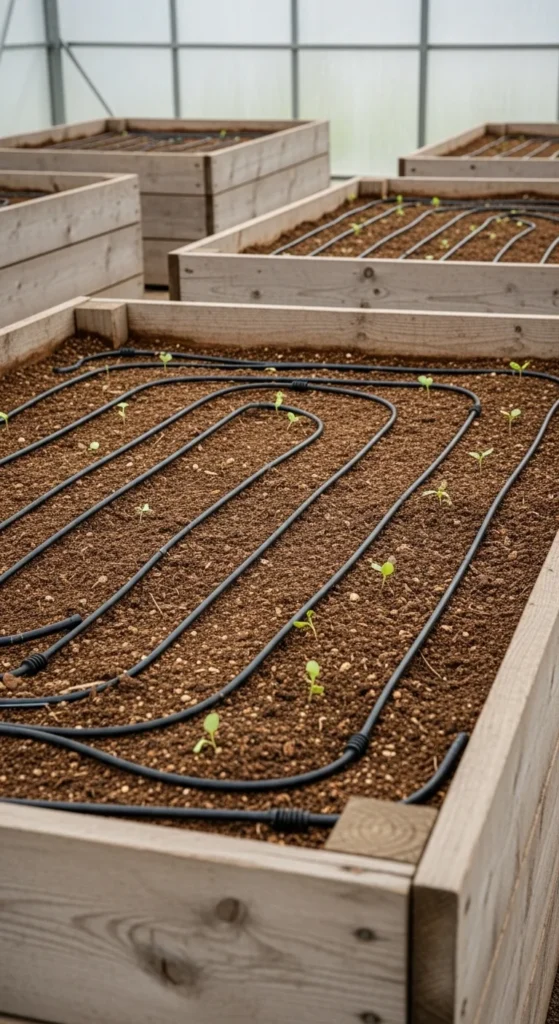
Soil-warming cables keep lettuce moving during colder snaps. Install cables under the topsoil and cover with compost for insulation. Keep cables on low settings to avoid drying the soil. Sow lettuce in tight rows above the warmed zone. Water lightly, as warmth speeds evaporation. This setup helps maintain steady growth even when outside temperatures drop sharply.
4. Multi-Layer Shelf Growing
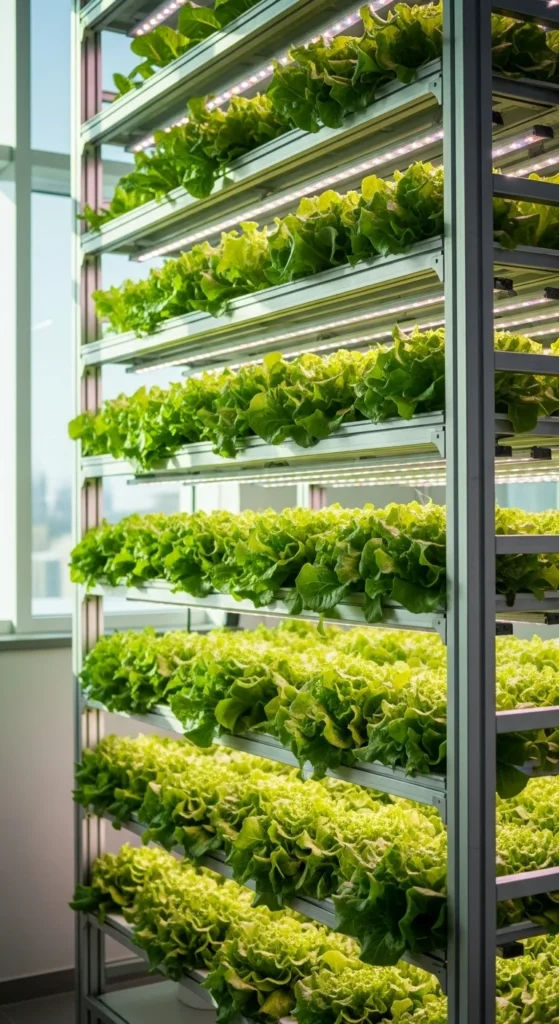
Use vertical shelves to multiply your growing area. Place stronger lights on the upper shelves and reflective panels along the sides. Keep spacing between shelves wide enough for airflow. Plant fast-growing lettuce varieties on the top shelf, where heat gathers naturally. Lower shelves can hold slower varieties. Mist plants lightly to maintain moisture without adding weight to shelves.
5. Quick-Start Seed Blocks
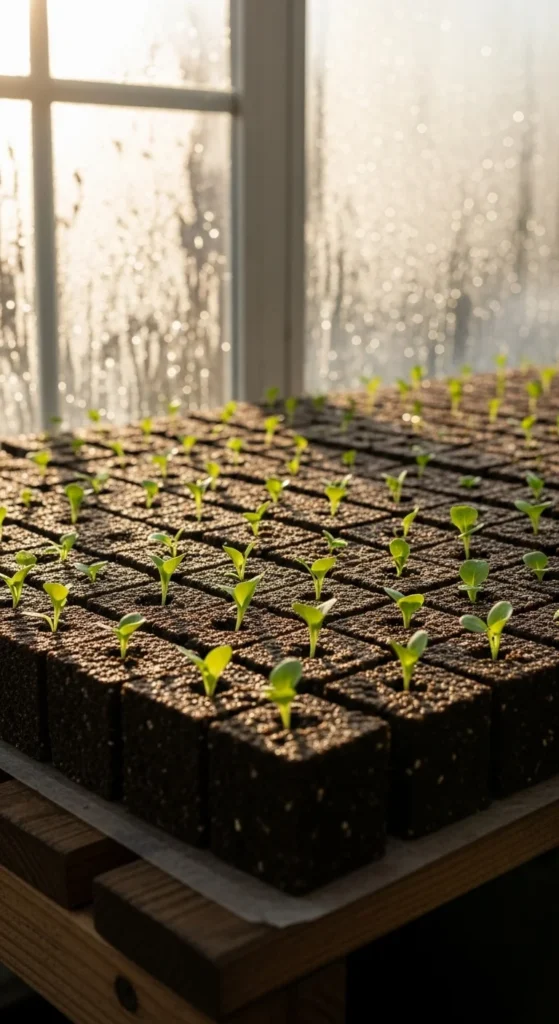
Seed blocks help lettuce start quickly without containers. Press soil into blocks using a simple block maker. Sow two seeds per block. The loose structure allows roots to spread easily. Keep blocks together in shallow trays so moisture stays consistent. Move the blocks to beds or larger trays once leaves appear. This method keeps root damage low and growth steady.
6. Lettuce Rows Framed With Reflective Panels
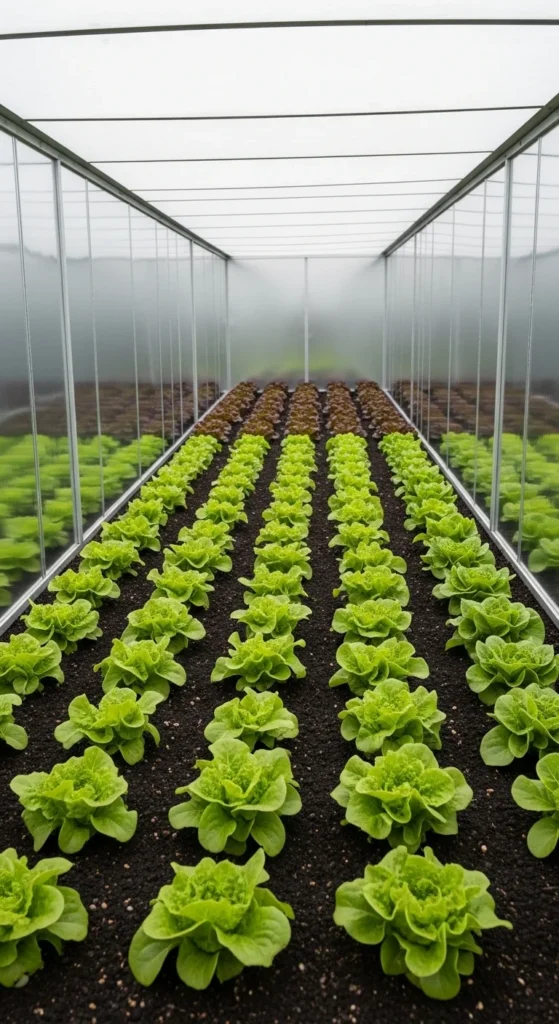
Reflective panels bounce extra light during short winter days. Place simple foil boards along the edges of beds. Angle them slightly so the light reaches the lower leaves. This extends growing hours without buying stronger lights. Keep the panels clean to maintain brightness. This trick helps lettuce grow evenly even in dim months.
7. Warm-Water Irrigation Jugs
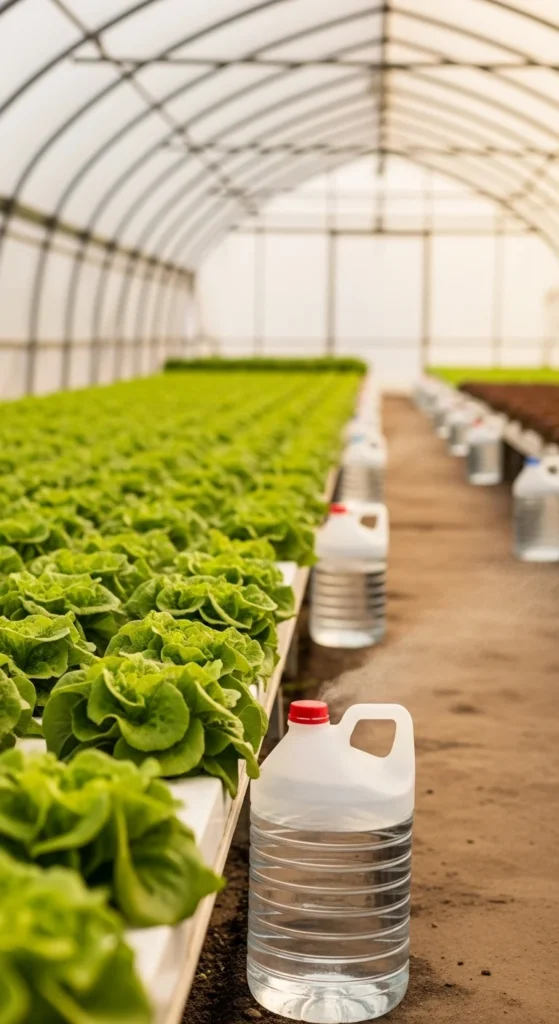
Warm-water jugs placed beside beds release gentle heat as they cool. Fill dark-colored jugs with hot tap water each morning. Place them near lettuce rows to support warmer night conditions. This simple method stabilizes temperatures cheaply. The steady heat helps seedlings settle faster and encourages consistent leaf production.
8. Rapid Mini-Rows in Narrow Beds
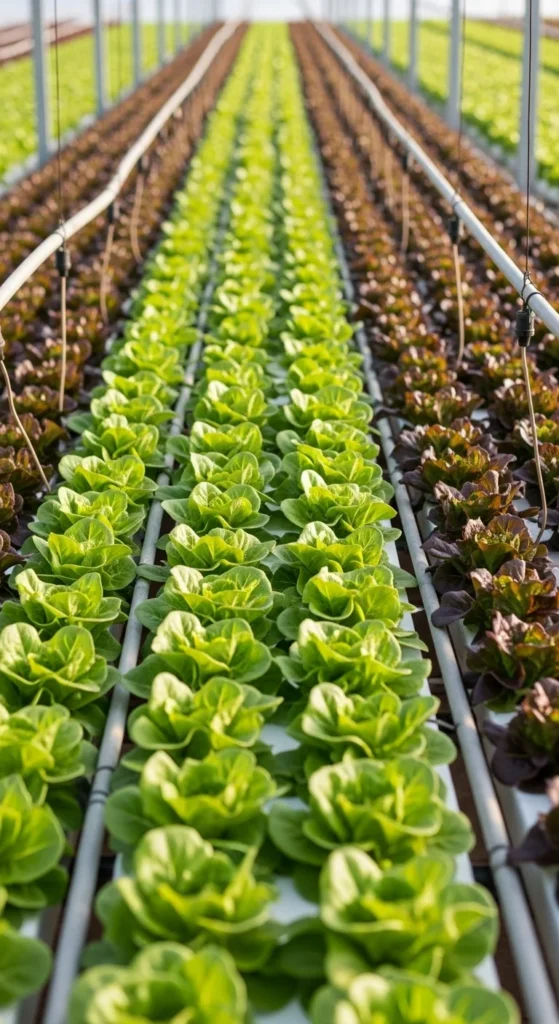
Narrow beds allow quick planting and harvesting. Form shallow mini-rows across the bed, spaced only a few inches apart. Sprinkle seeds thinly. The compact layout keeps warmth close to the soil. Harvest by clipping outer leaves, letting the center regrow. This design suits tight greenhouses where walkway space is limited.
9. Bottom-Heat Seedling Mat Station
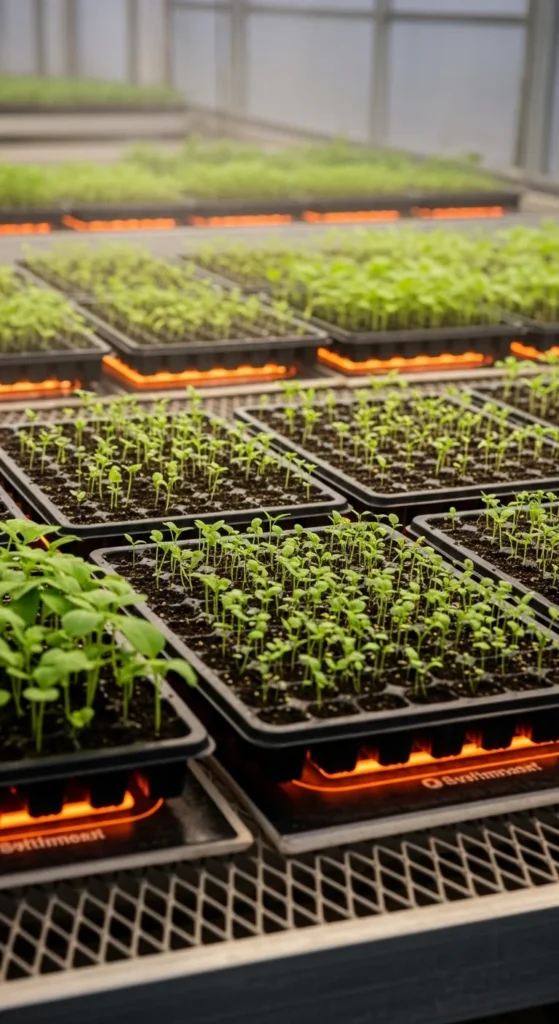
Seedling mats give young lettuce a fast start. Place trays on low-heat mats that warm the soil gently. Keep humidity controlled using clear lids until seedlings appear. Move trays to cooler areas once leaves form. This method shortens early growth stages and helps maintain weekly planting rhythms.
10. Compost-Enriched Winter Soil Mix
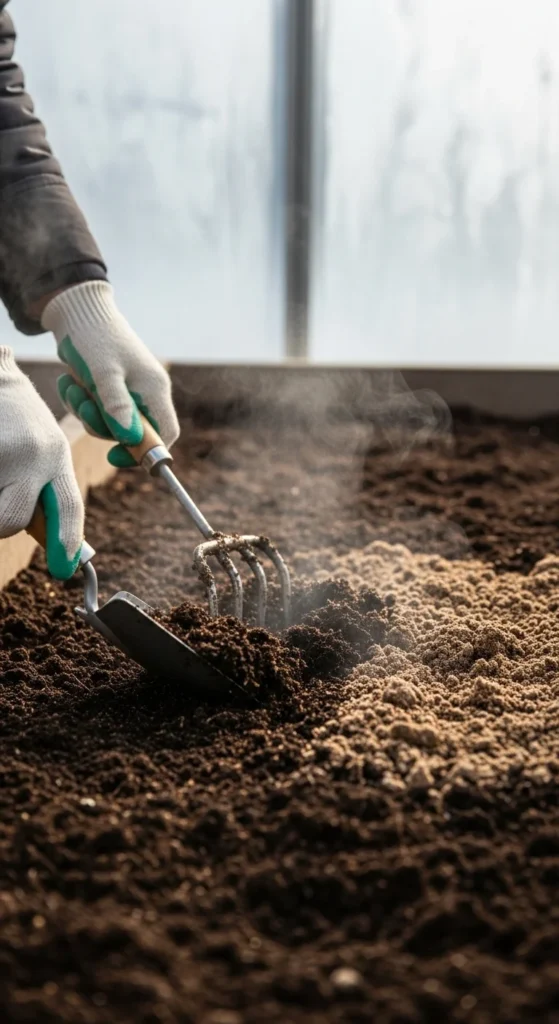
A compost-rich mix helps lettuce grow faster in cold months. Add a few inches of compost and blend lightly with the existing soil. This creates a soft texture that warms quicker. Sow seeds directly into the new layer. Water lightly to settle the soil. This mix supports steady leaf development even during short days.
11. Drip-Line Moisture Control
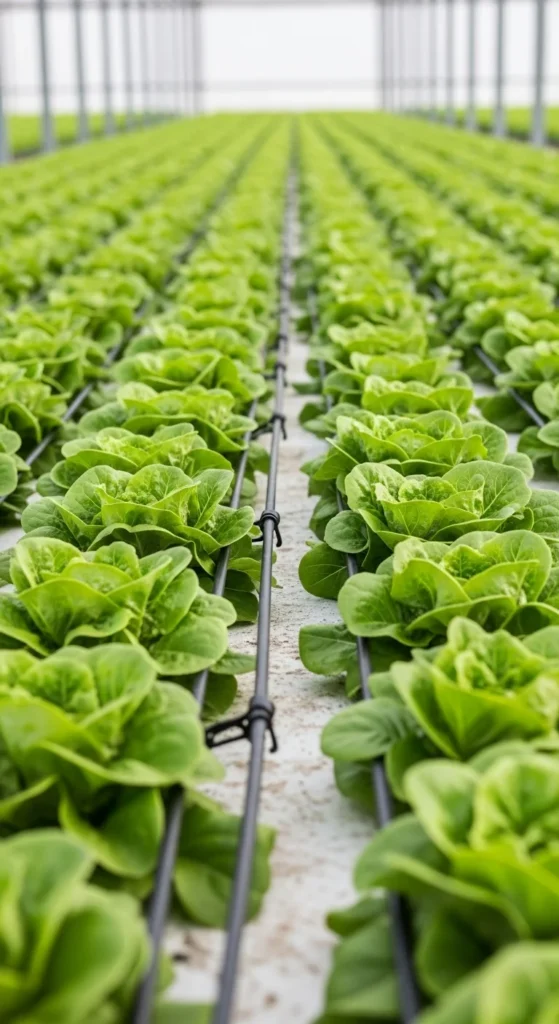
Drip lines keep lettuce hydrated without overwatering. Thread slim lines through beds and set them to release small amounts. Wet soil stays steady without splashing leaves. This helps prevent rot during cold periods. Keep lines raised slightly above soil for easy monitoring. A simple timer can automate the process.
12. Quick-Cut Scissor Harvesting
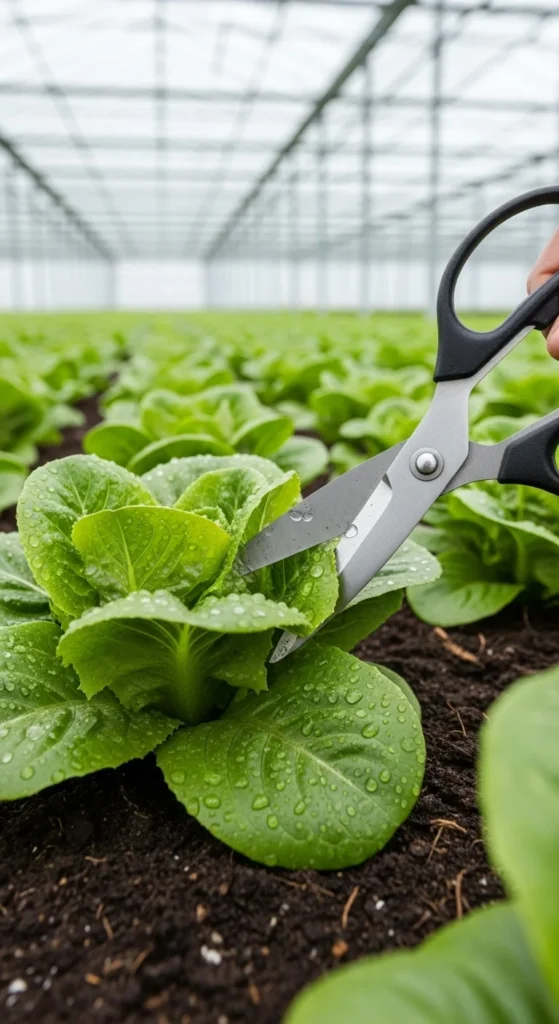
Scissor harvesting encourages regrowth. Clip only outer leaves, leaving the crown intact. Harvest small amounts every few days. This rhythm keeps plants active while preventing overcrowding. Keep scissors clean to avoid damaging leaves. This simple harvest habit helps you maintain steady bowls of greens all season.
13. Greenhouse Row Covers for Extra Warmth
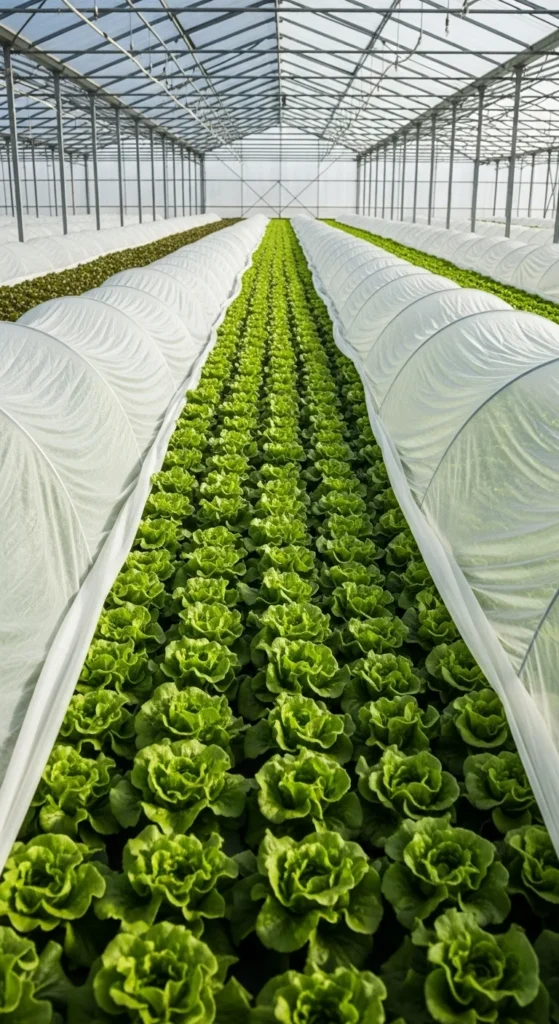
Light row covers add warmth on cold nights. Drape covers loosely over lettuce beds. Secure edges with small rocks. The cover traps warmth rising from the soil, supporting nighttime growth. Lift covers during sunny hours to prevent overheating. This method pairs well with dense plantings.
14. Tight Lettuce Clusters in Grow Bags
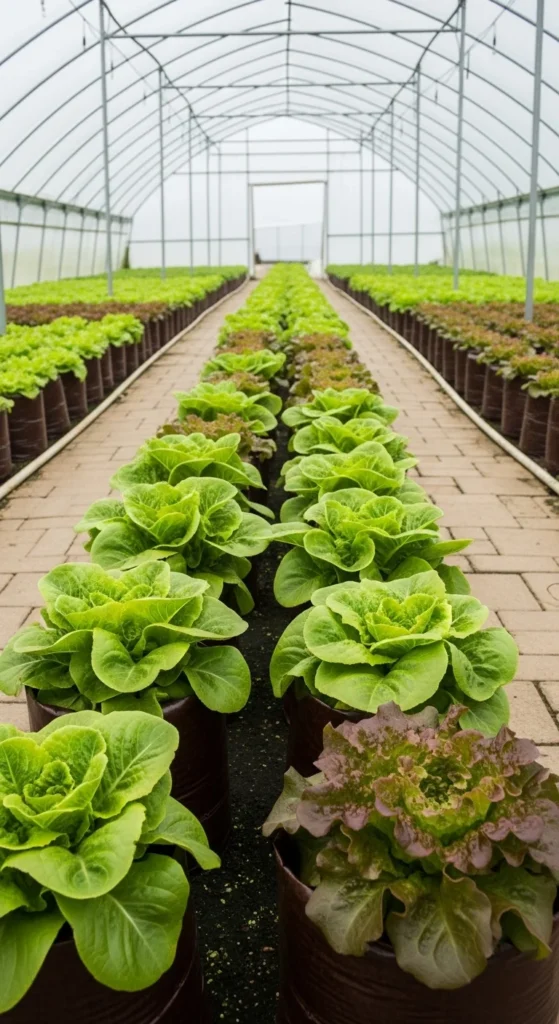
Grow bags warm quickly in winter greenhouses. Fill them with loose soil and sow seeds in tight clusters. Place bags along warm greenhouse walls. Rotate weekly to keep growth even. Water slowly to prevent runoff. Grow bags help you expand your harvest without adding new beds.
15. Soil Thermometer for Quick Adjustments
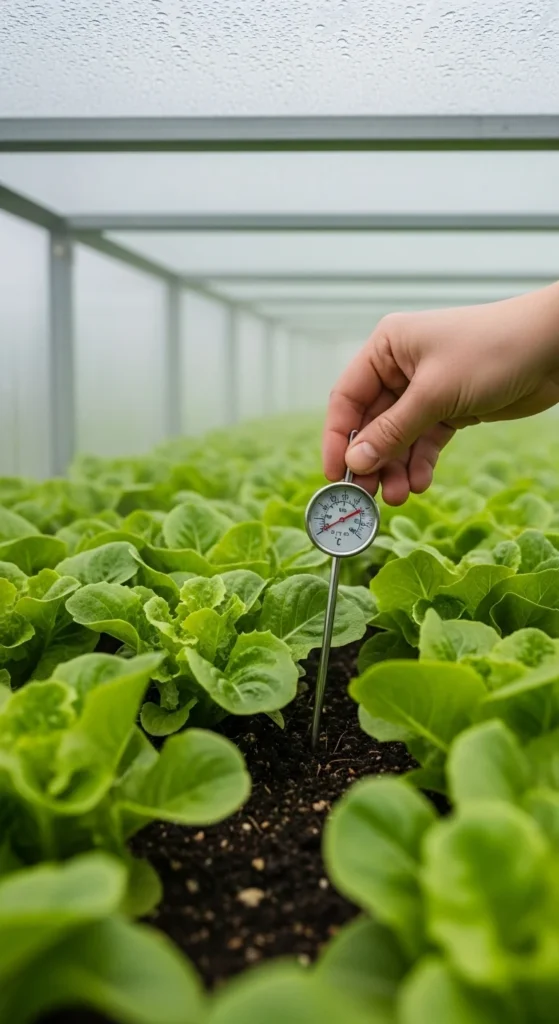
A soil thermometer helps you adjust watering and airflow quickly. Insert it a few inches deep in several spots. If soil gets too cold, add extra mulch or warm-water jugs. If it warms too much, open vents. Quick adjustments keep lettuce moving steadily. This simple tool helps you stay ahead in winter conditions.
16. Floating Hydro Trays for Fast Regrowth
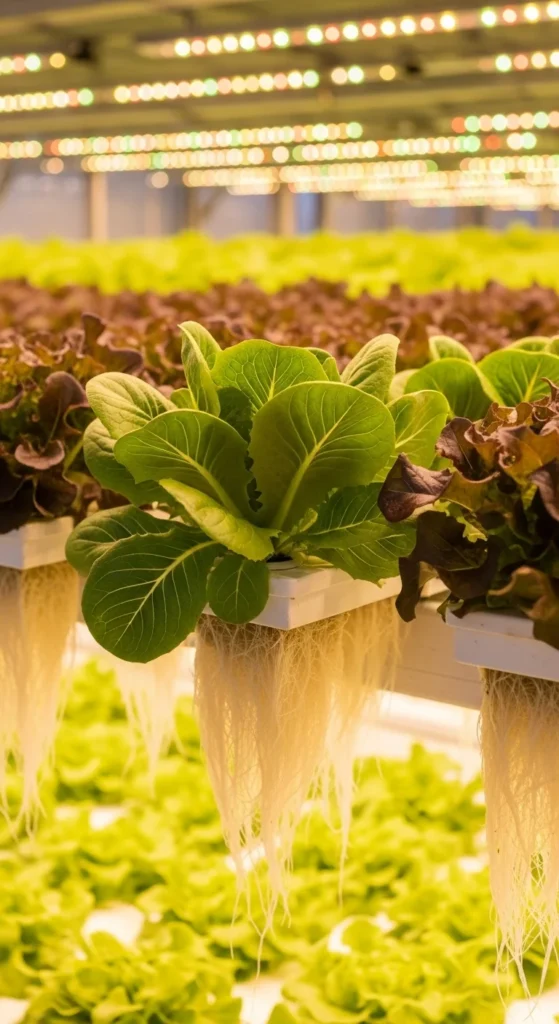
Hydro trays offer rapid results. Place floating trays on shallow nutrient pools inside the greenhouse. Roots absorb moisture instantly, supporting fast leaf growth. Keep water clean and replace weekly. Clip leaves regularly to encourage new growth. This method is efficient and works well in small greenhouses.
17. Shallow Raised Frames Over Existing Beds
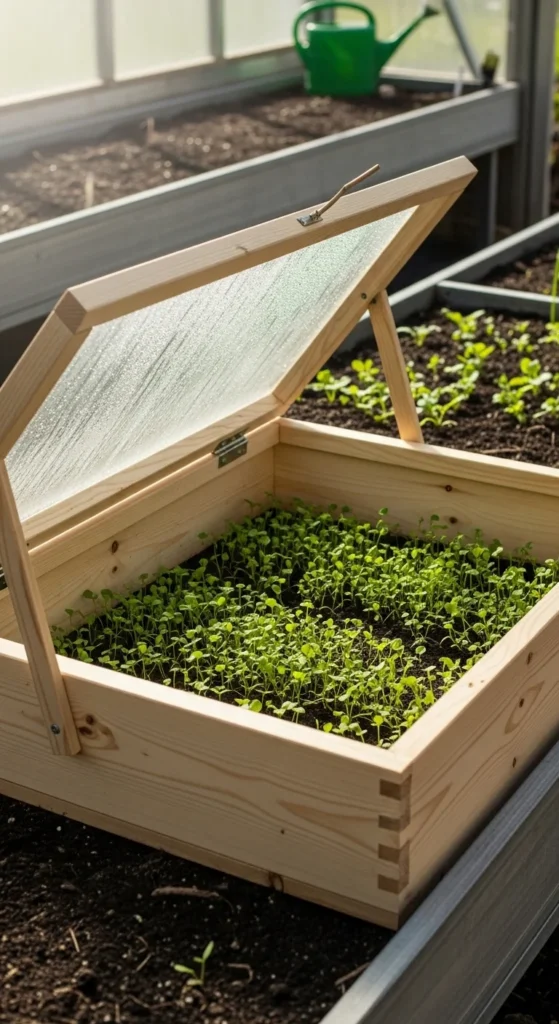
Build shallow frames to raise soil temperature slightly. Fill the frames with loose soil and plant lettuce directly. Frames warm faster and support quick germination. Keep the frames narrow for easy access. Add mulch around the edges to seal warmth. This method helps lettuce grow evenly through winter.
18. LED Supplemental Light Bars
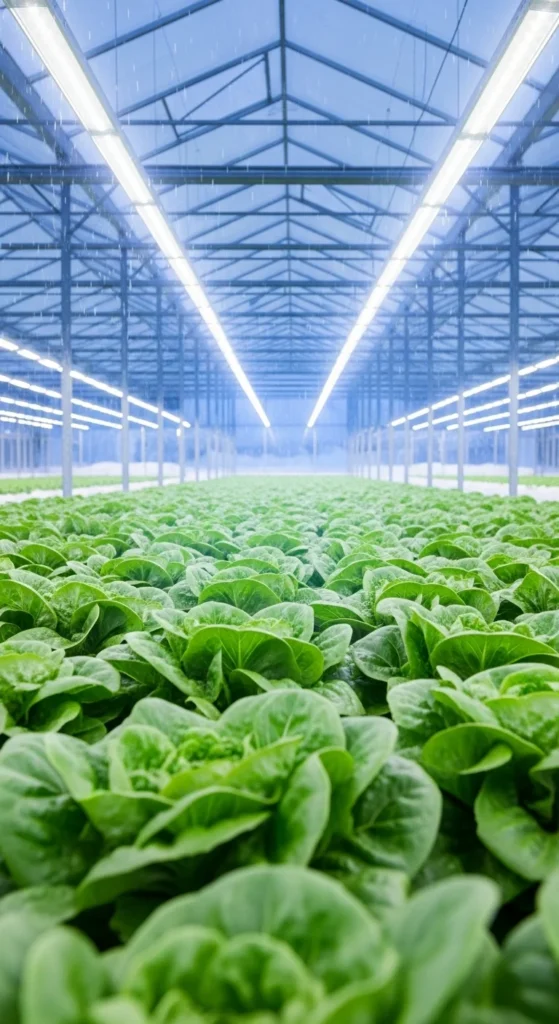
LED bars extend daylight hours. Mount them just above the lettuce rows. Keep them on during early mornings and evenings. Choose cool-white tones for balanced growth. Adjust the height as plants grow taller. This small addition helps maintain consistent leaf color and shape during dim weeks.
19. Heat-Retaining Gravel Paths
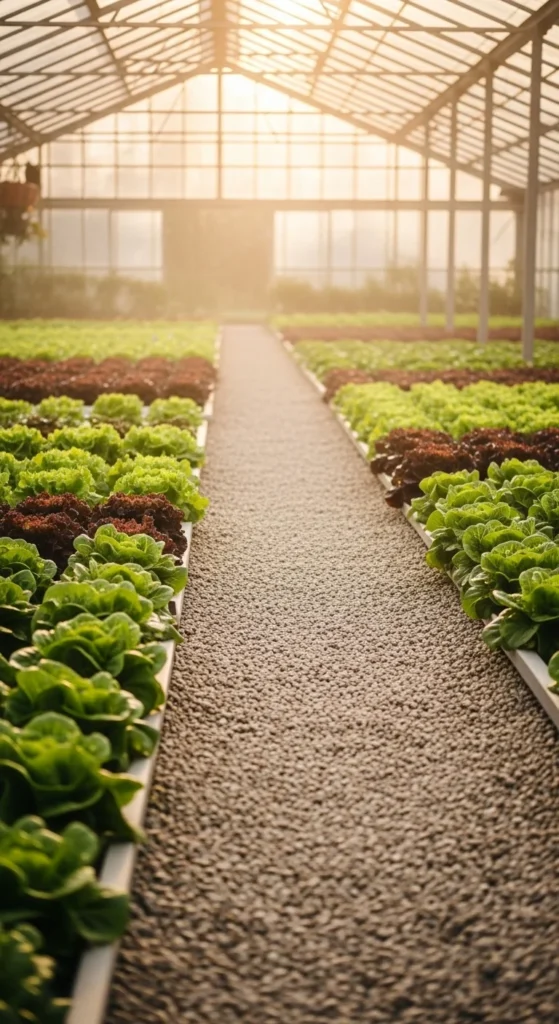
Dark gravel absorbs heat during the day and releases it slowly at night. Spread gravel along pathways close to lettuce beds. This creates mild warmth pockets that support leaf growth. Sweep gravel regularly to keep it clean. Pair this method with row covers for an extra bump in temperature.
20. Compact Frames for Baby Lettuce
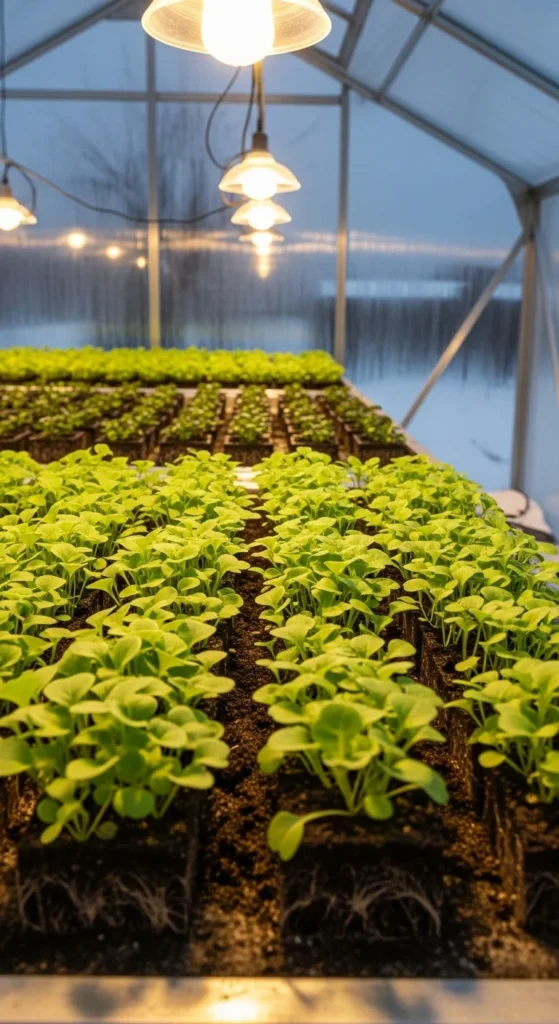
Baby lettuce grows quickly in compact frames. Build small wooden or metal frames and fill them with loose soil. Sow seeds generously. Harvest when leaves reach a few inches tall. This method gives frequent harvests and fits well between larger beds. The smaller scale warms quickly and keeps growth moving, even during cold spells.
21. Weekly Replanting Strip System
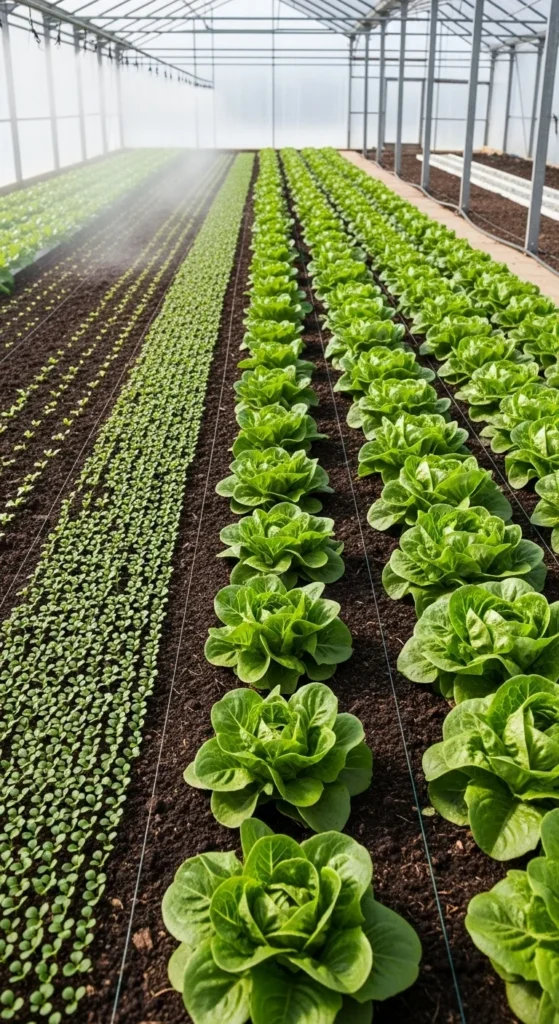
Divide a bed into strips and replant one each week. This keeps harvests regular and predictable. Use string or stakes to separate strips. Add compost before replanting each one. Water lightly to help seeds settle. This rotation creates a steady cycle that lasts through winter.
22. Lettuce Towers for Vertical Yield
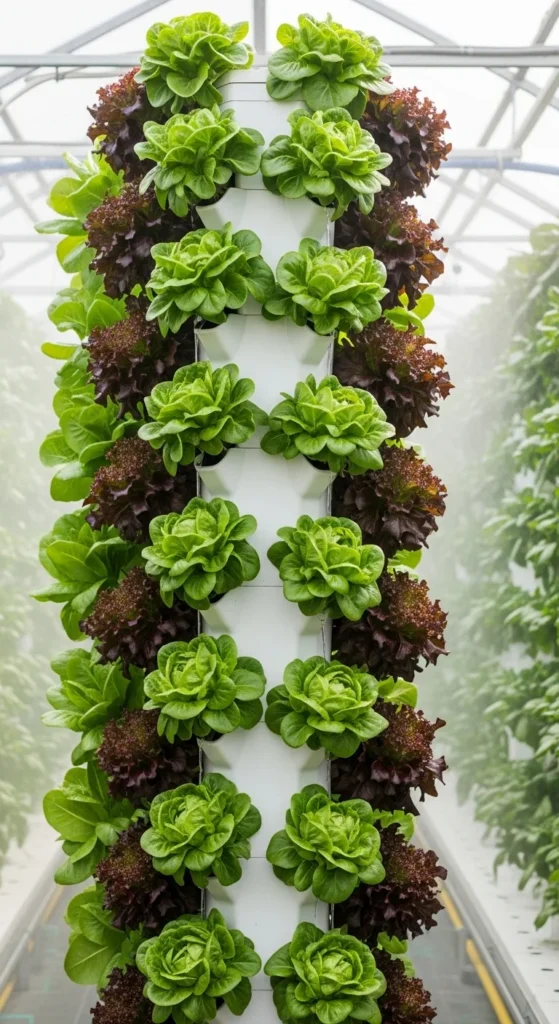
Lettuce towers expand yield vertically. Use a tube-style planter with evenly spaced holes. Fill with loose soil and plant small plugs. Rotate the tower weekly for balanced light. Place a small tray underneath to catch excess water. This setup adds extra harvest space without enlarging the greenhouse footprint.
23. Insulated Bed Edges With Straw Bales
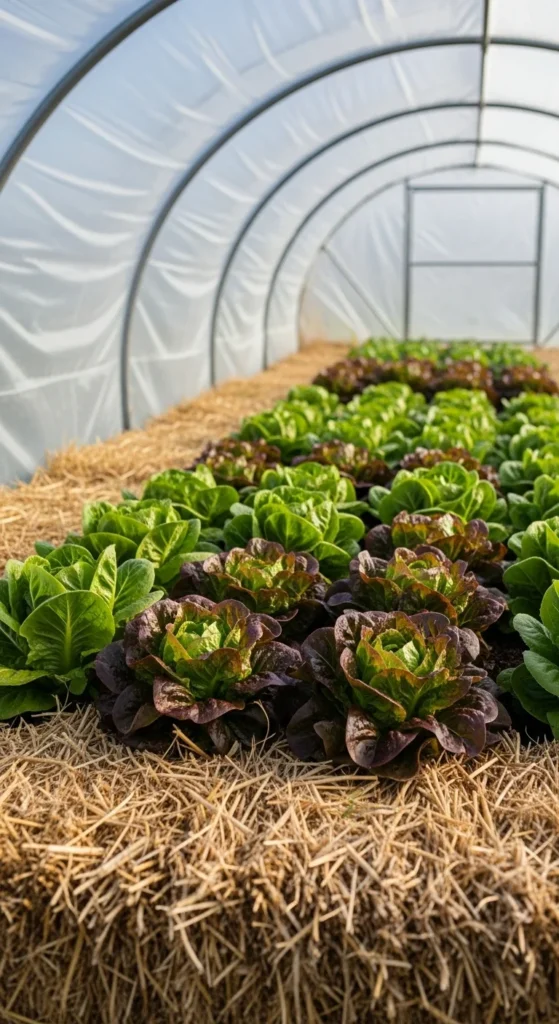
Straw bales act as natural insulation. Place them along the outer edges of beds. They help trap warmth in the soil and shield roots from cold drafts. Replace bales as they break down. This method is inexpensive and effective for large or small greenhouse setups.
24. Mixed Variety Beds for Steady Harvests
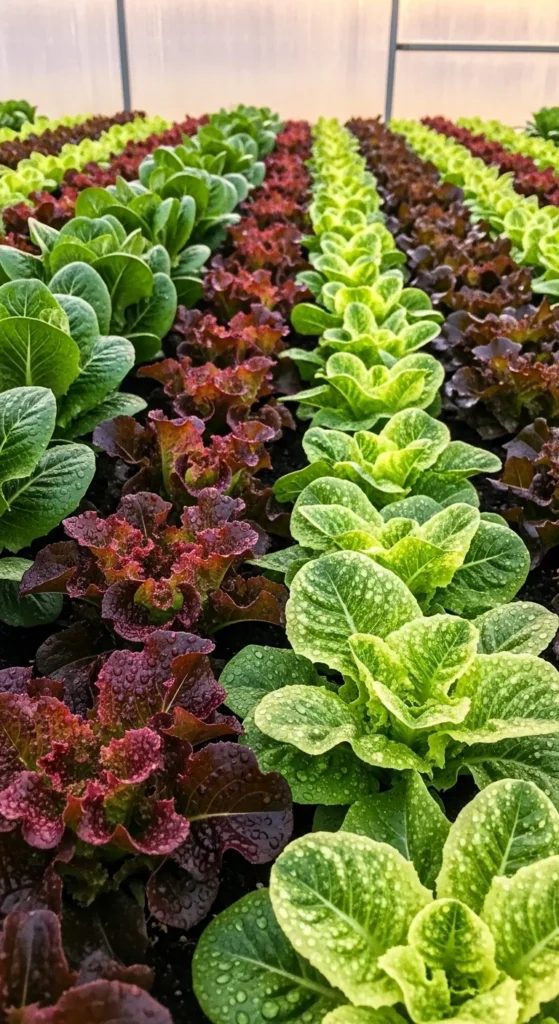
Plant several lettuce types in one bed to keep harvest timing steady. Mix loose-leaf, baby romaine, and oakleaf varieties. Each matures at a slightly different speed, giving you ongoing harvest options. Keep rows narrow so plants don’t compete for space. Clip regularly to promote new growth.
Conclusion
Winter lettuce grows quickly with the right greenhouse habits. By layering planting cycles, warming soil gently, improving light levels, and keeping harvests small and frequent, you can enjoy crisp greens all season. Choose the systems that fit your space, adjust them slowly, and enjoy consistent bowls of lettuce throughout the New Year.

Leave a Reply