


Winter gardening doesn’t have to be wasteful. By using materials that recycle, restore, and regenerate, you create a space that’s kind to both plants and the planet. Eco-friendly materials last longer, reduce carbon impact, and turn even the smallest garden into a self-sustaining ecosystem. From reclaimed timber to compostable pots, here are 24 smart ways to make your winter garden greener this New Year—without overspending or sacrificing style.
1. Reclaimed Wood Raised Beds

Reclaimed wood keeps old materials in use while adding rustic charm. Build raised beds using discarded planks from pallets or fences. Sand and seal with natural linseed oil for durability. The aged grain looks beautiful against winter soil. It’s an affordable, sustainable choice that replaces new lumber and reduces landfill waste.
2. Bamboo Stakes and Trellises

Bamboo grows quickly, making it an excellent renewable alternative to metal or plastic stakes. Use it to support vines, cover young trees, or create trellises. It’s lightweight, strong, and biodegradable. Tie joints with jute string instead of plastic ties. Bamboo adds natural texture to winter gardens while holding steady through cold winds.
3. Compostable Seed Trays
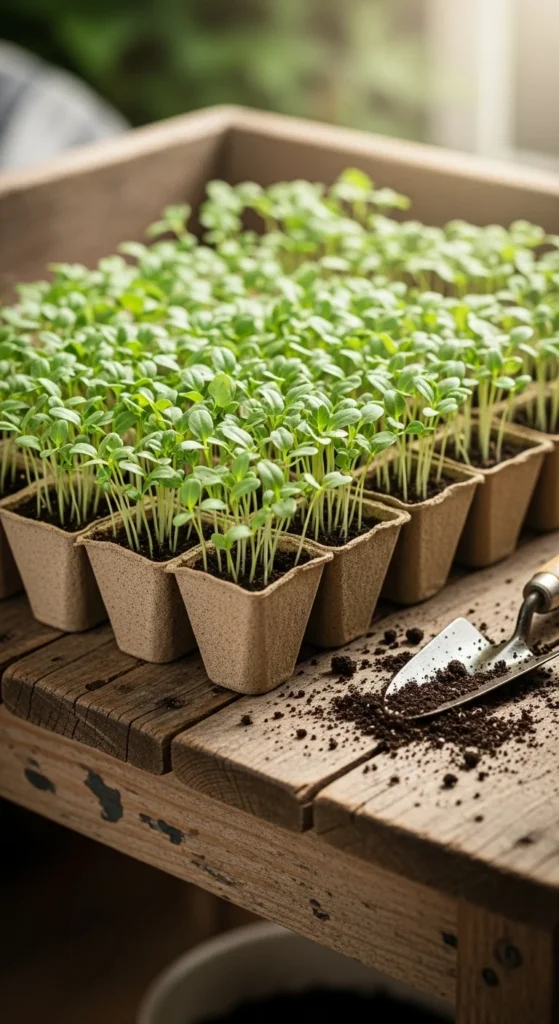
Swap plastic seed trays for compostable fiber ones made from cardboard or coconut coir. When roots grow strong, plant the entire tray directly into soil. It decomposes naturally, improving soil structure. Great for early winter sowing indoors. You save time and avoid plastic waste.
4. Recycled Metal Garden Edging

Recycled steel edging creates clean lines and lasts for decades. It’s tough against frost and easily shapes around beds or pathways. Look for suppliers that repurpose industrial scrap. The weathered patina blends well with natural tones.
5. Coconut Coir Mulch

Coconut coir is a byproduct of the coconut industry and works beautifully as mulch. It holds moisture while allowing air circulation. Spread it around plant bases to insulate roots during cold nights. Coir decomposes slowly, enriching soil with organic matter.
6. Recycled Glass Mulch

Crushed recycled glass creates sparkling pathways or mulch layers that reflect winter light. It keeps soil warm and discourages weeds. Choose tumbled glass with smooth edges for safety. It’s long-lasting and adds color without synthetic dyes.
7. Terracotta Pots
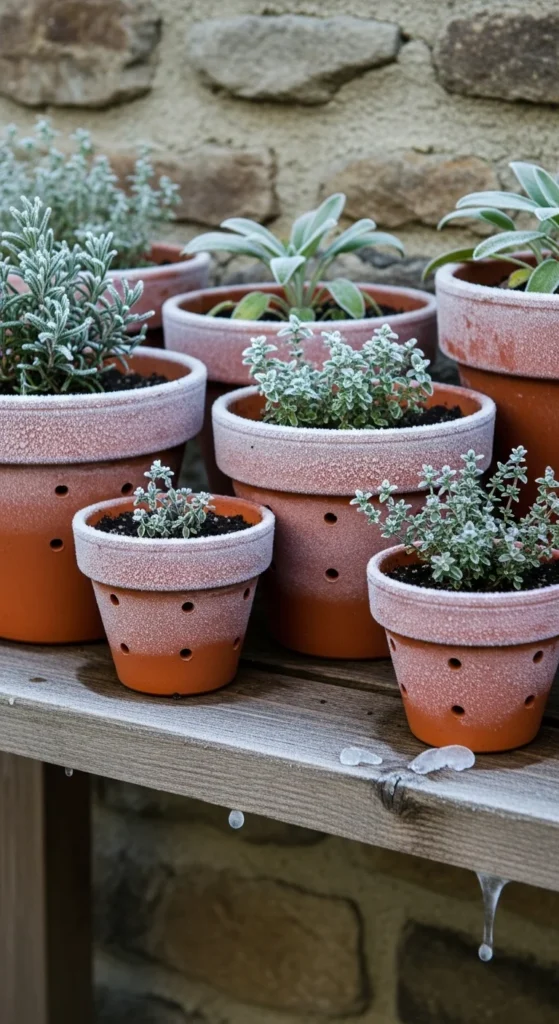
Terracotta is made from natural clay and lasts for years. Unlike plastic, it breathes—preventing waterlogging in cold weather. If a pot cracks, crush it into shards for drainage material. Its earthy tone fits perfectly into a sustainable winter garden.
8. Reclaimed Brick Pathways
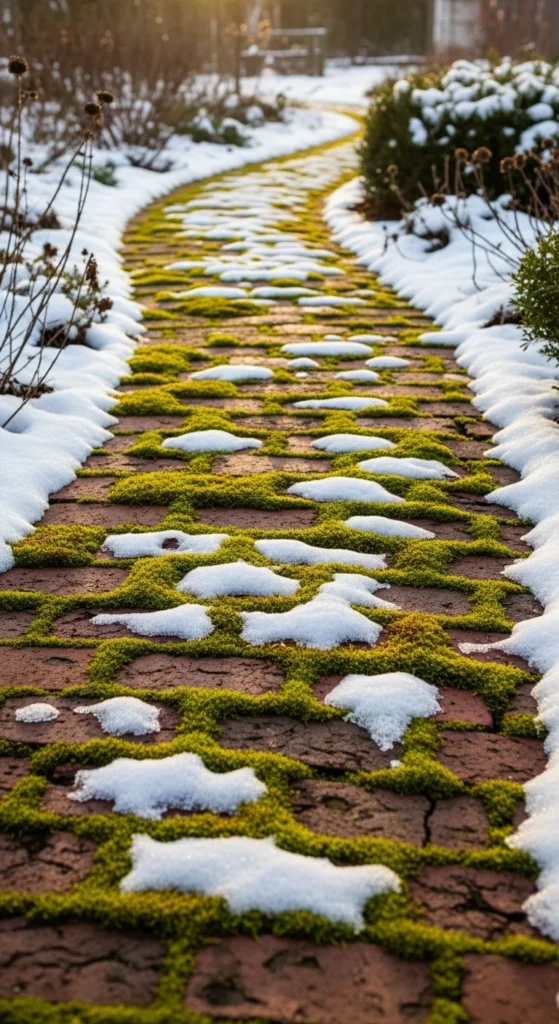
Old bricks from demolitions or salvaged yards make perfect paths. Each piece carries character and warmth. Lay them loosely on sand for good drainage. Over time, moss fills the gaps, creating a timeless, eco-friendly walkway.
9. Straw Bale Insulation

Straw bales act as natural insulation around cold frames or raised beds. They trap heat, reducing the need for heaters. Use leftover straw from autumn displays or farms. In spring, the bales can be composted—nothing goes to waste.
10. Rainwater Harvest Barrels

Collecting rainwater reduces reliance on treated tap water. Install barrels under downspouts with a fine mesh to block debris. Even in winter, occasional rain can fill your supply for future use. Choose recycled barrels for a sustainable touch.
11. Recycled Plastic Lumber

Recycled plastic lumber turns waste into durable furniture or edging. It won’t rot or absorb water, perfect for winter. It’s made from bottles and packaging otherwise destined for landfills. Great for garden structures that need longevity.
12. Biochar Soil Amendment
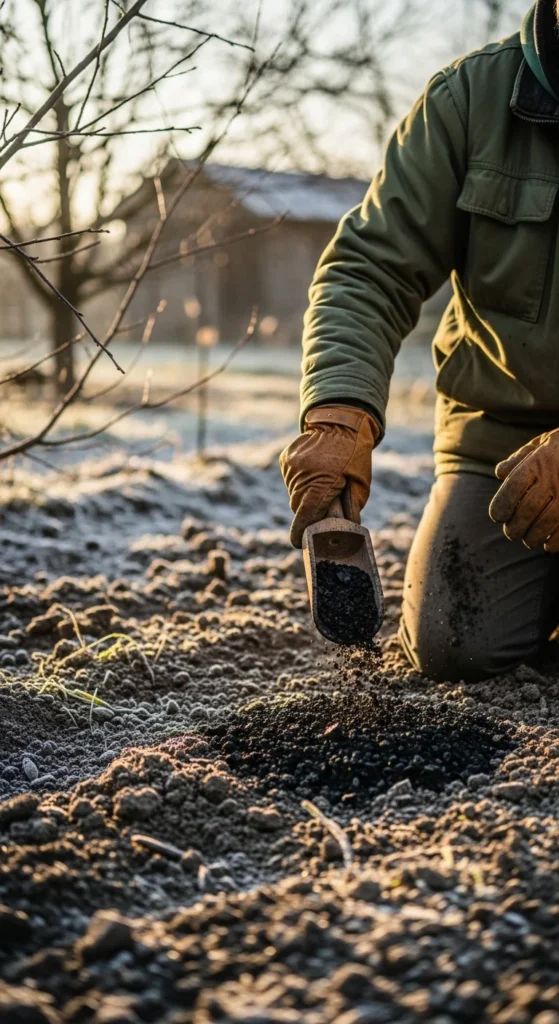
Biochar is charred organic matter that enhances soil and traps carbon. Mix it into garden beds during winter prep. It boosts microbial life and improves drainage. Make your own from pruned branches using a simple low-smoke burn barrel.
13. Natural Clay Pavers

Clay pavers are made from earth and fired naturally. They’re non-toxic and weather-resistant. Use them for patios or edging. Their rough texture adds traction during icy weather. Look for locally made varieties to cut transport emissions.
14. Hemp Twine and Rope
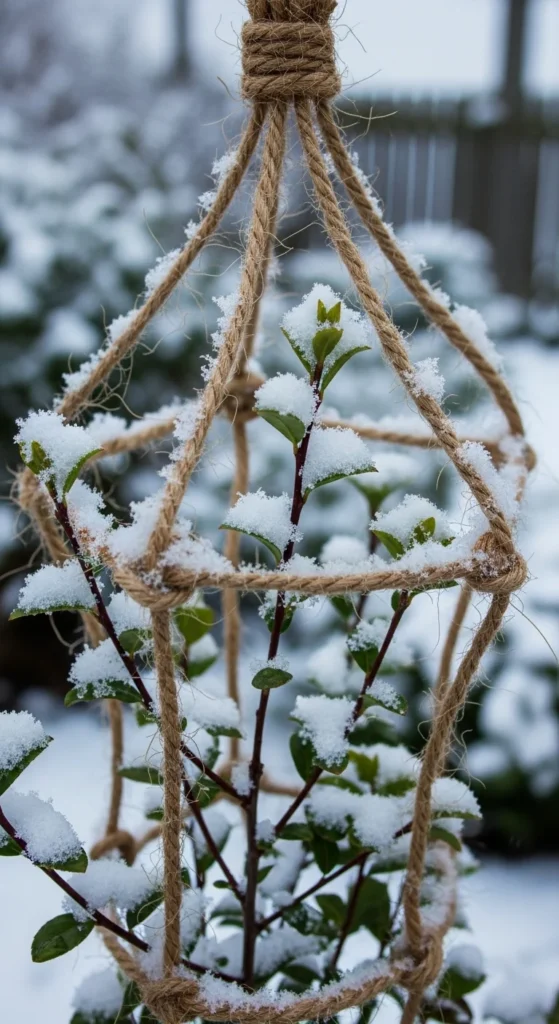
Replace plastic ties with hemp or jute twine. These ropes are biodegradable and gentle on plants. Use them for training vines or tying frost covers. Store them dry between uses to extend life.
15. Recycled Concrete Pavers

Broken concrete—often called “urbanite”—can replace stone pavers. The irregular edges give paths a natural look. Collect leftovers from renovations and set them on sand. It’s a practical reuse that saves resources and disposal costs.
16. Wool Mulch Mats

Made from sheep’s wool, these mats insulate roots and suppress weeds. Wool slowly releases nutrients as it breaks down. Use them under shrubs or fruit trees. They’re renewable, biodegradable, and look tidy year-round.
17. Compost-Powered Cold Frame

Use compost’s natural heat to protect seedlings. Fill the base of your cold frame with decomposing materials. The warmth encourages germination without electricity. It’s self-sustaining and great for extending your winter growing season.
18. Recycled Fabric Frost Covers

Old linens or cotton sheets work as frost protection for tender crops. They allow air to circulate while keeping heat in. Secure with wooden clips or stones. Wash and reuse each year for zero waste.
19. Cork Pathway Mulch

Cork is harvested sustainably from bark that regrows. Crushed cork creates a soft, springy path surface. It drains well and provides insulation. Reuse old cork stoppers or buy granulated cork from eco suppliers.
20. Solar-Powered Garden Lights

Solar lights reduce energy use and add cozy ambience. Position panels where they catch winter sun. Choose models with rechargeable batteries to minimize waste. They charge even on cloudy days and brighten garden evenings naturally.
21. Recycled Cardboard Weed Barrier
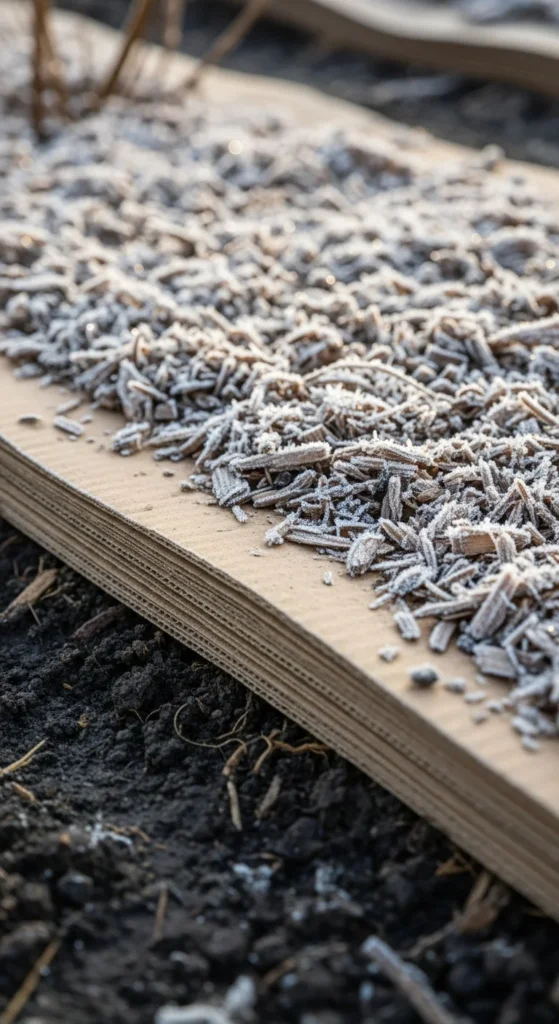
Use cardboard instead of plastic sheeting to block weeds. Lay sheets flat, wet them slightly, and cover with mulch. The cardboard decomposes, improving soil texture while stopping light from reaching weeds.
22. Local Stone Features

Using local stone reduces transportation impact and supports nearby suppliers. Stones blend with regional landscapes naturally. Use them for walls, edging, or decorative stacks. Their dense texture holds heat, helping nearby soil stay warmer.
23. Recycled Glass Pots
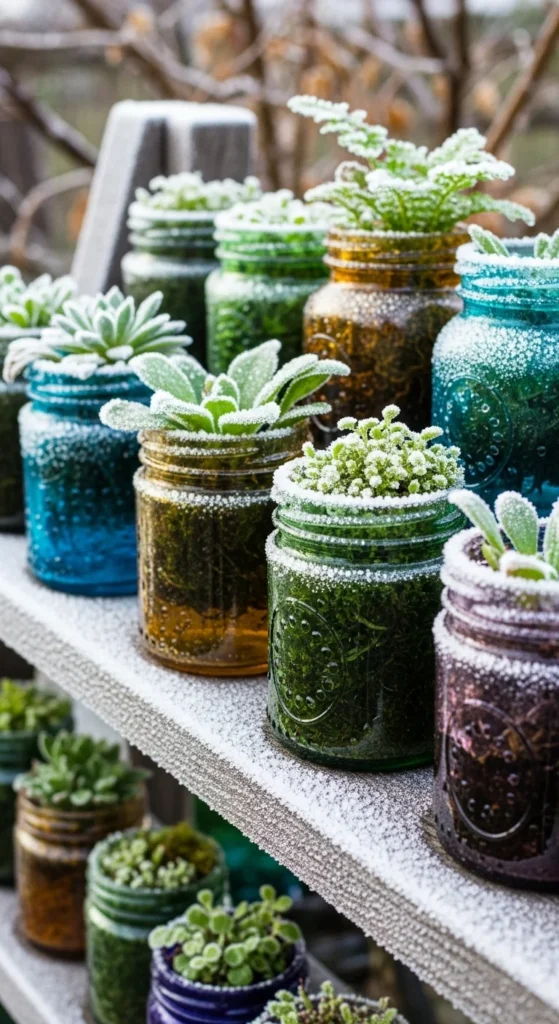
Old jars or bottles make artistic planters for herbs or succulents. Drill drainage holes or layer gravel inside. The reflective glass brightens winter gardens and keeps small plants visible through frost.
24. Natural Clay Water Sealer

Clay works as a natural waterproof barrier. Use it to seal small ponds or garden basins instead of plastic liners. It’s reusable, non-toxic, and maintains natural filtration. Perfect for wildlife ponds that need safe materials.
Conclusion
Sustainable gardening starts with the materials you choose. By using reclaimed, natural, or recycled elements, your winter garden not only grows life—it restores balance. Each eco-friendly upgrade saves waste, supports biodiversity, and builds a deeper connection between you and the soil. Start small this New Year, and let your garden thrive with purpose, texture, and care for the earth.

Leave a Reply