

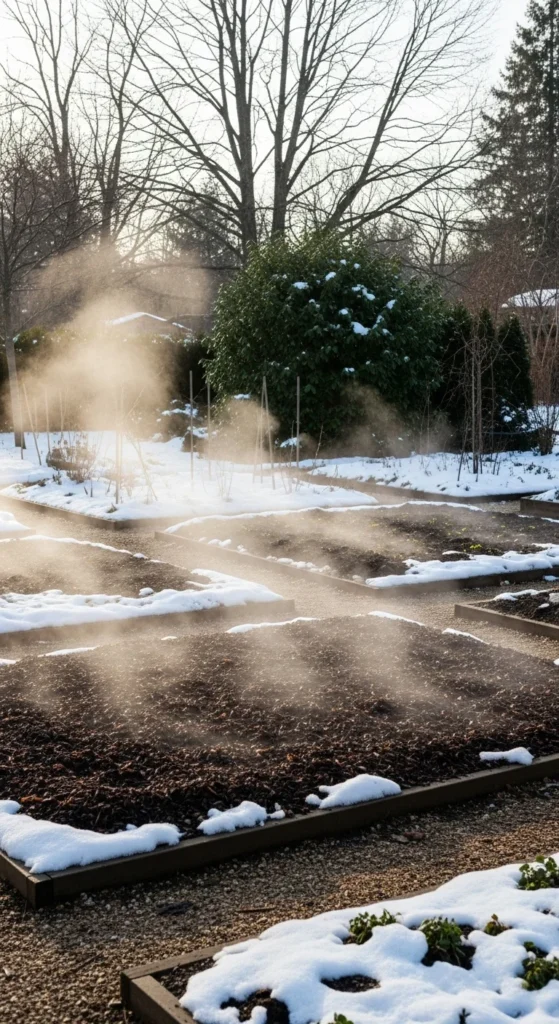
Winter may seem like a time for gardens to rest, but what happens below the surface matters most. Refreshing mulch in winter locks in moisture, shields roots from freeze cycles, and keeps your beds neat through the cold months. Whether you grow perennials, vegetables, or ornamentals, a thoughtful mulch layer guards plants and feeds soil microbes slowly through the season. Here are 24 smart ways to refresh your garden mulch this New Year for lasting root protection and a healthier start to spring.
1. Top Up Existing Mulch Layers

Check your current mulch—if it’s thinned to less than two inches, add more. Topping up replaces what’s decomposed and restores insulation. Spread an even 2–3 inch layer, keeping space around stems to prevent rot. Choose matching mulch color and texture for visual consistency. It’s a simple habit that extends root warmth and moisture retention through late frost months.
2. Use Shredded Bark for Durability
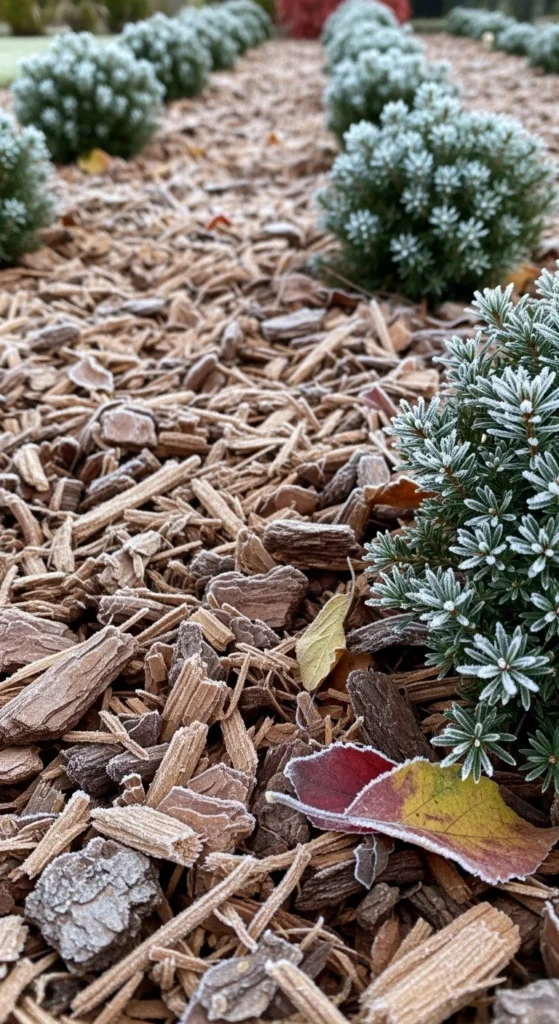
Shredded bark breaks down slowly, making it perfect for long winters. Its interlocking fibers resist wind and snow movement. Use under shrubs, trees, or ornamental borders. Choose natural (not dyed) bark for better soil health. Once applied, rake gently to level it out. It adds texture and a pleasant woodland scent to quiet winter gardens.
3. Try Compost as Living Mulch
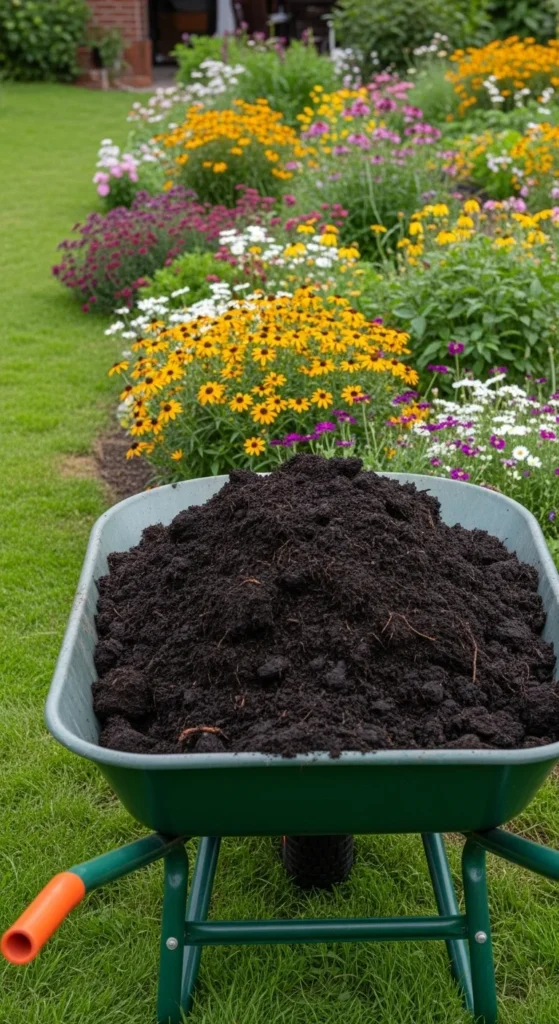
Compost adds nutrients while acting as a thermal blanket. Spread a thin 1–2 inch layer around established plants. It improves soil structure while keeping roots cozy. Over winter, worms and microbes pull it deeper, enriching your garden naturally. Keep it fluffy—not compacted—so moisture moves evenly through the layer.
4. Lay Straw Over Veggie Beds
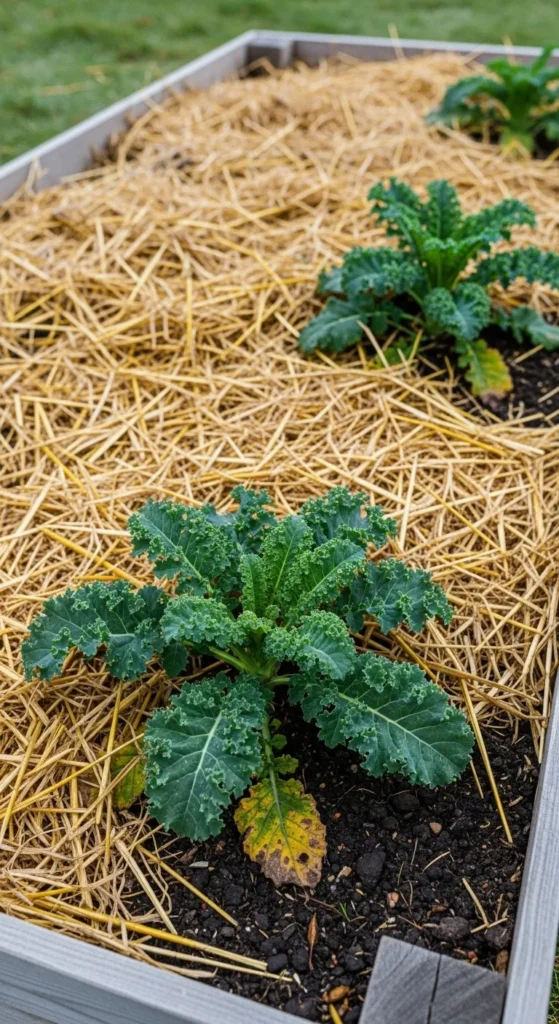
Straw mulch is light, insulating, and perfect for winter vegetable gardens. It prevents soil erosion and keeps overwintering roots, like garlic and onions, from freezing. Apply loosely so air can circulate. Avoid hay—it often carries weed seeds. Come spring, work leftover straw into the soil for organic matter.
5. Refresh Wood Chips Around Trees
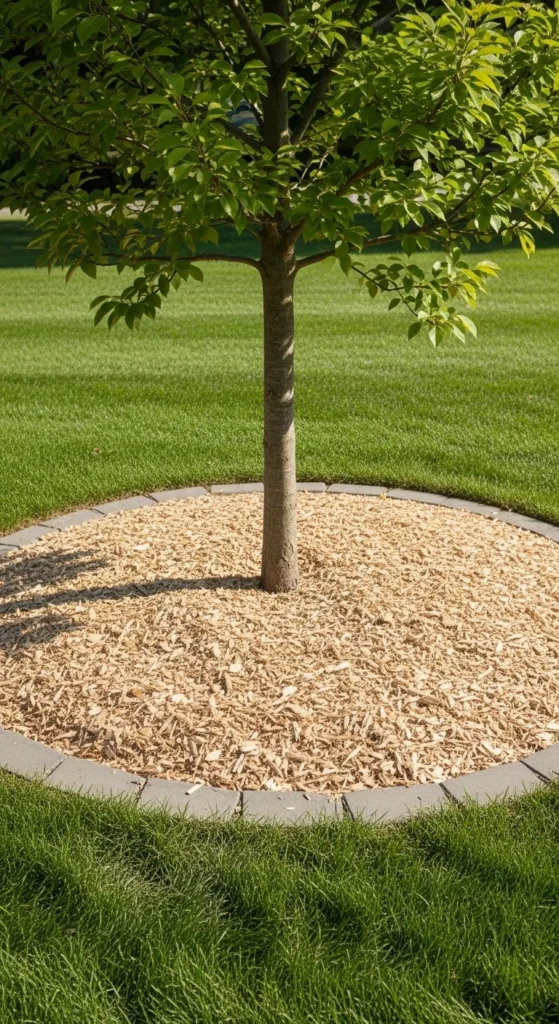
A ring of wood chips protects trees from frost cracks and root stress. Keep the mulch 3–4 inches thick but leave a small gap around the trunk. It traps soil heat and reduces water loss. Choose coarse chips that allow airflow and resist compacting. This small detail helps trees handle freeze-thaw cycles better.
6. Mix Pine Needles for Acid-Loving Plants
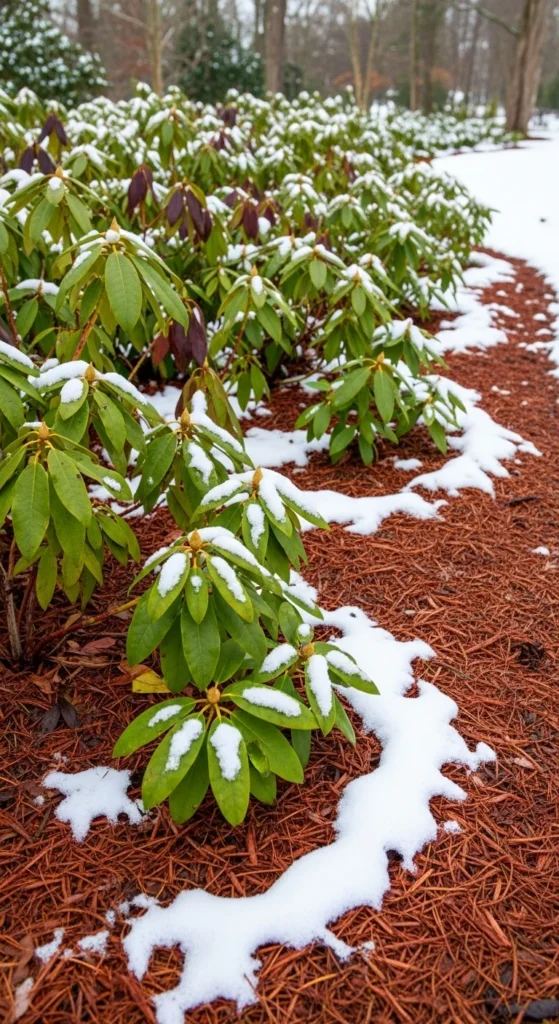
If you grow azaleas, blueberries, or rhododendrons, pine needles are ideal. They create a soft, breathable mat that slowly lowers soil pH. Spread evenly but keep thickness under 3 inches. Pine needles also stay put during strong winter winds—perfect for exposed gardens.
7. Add a Layer of Leaf Mold
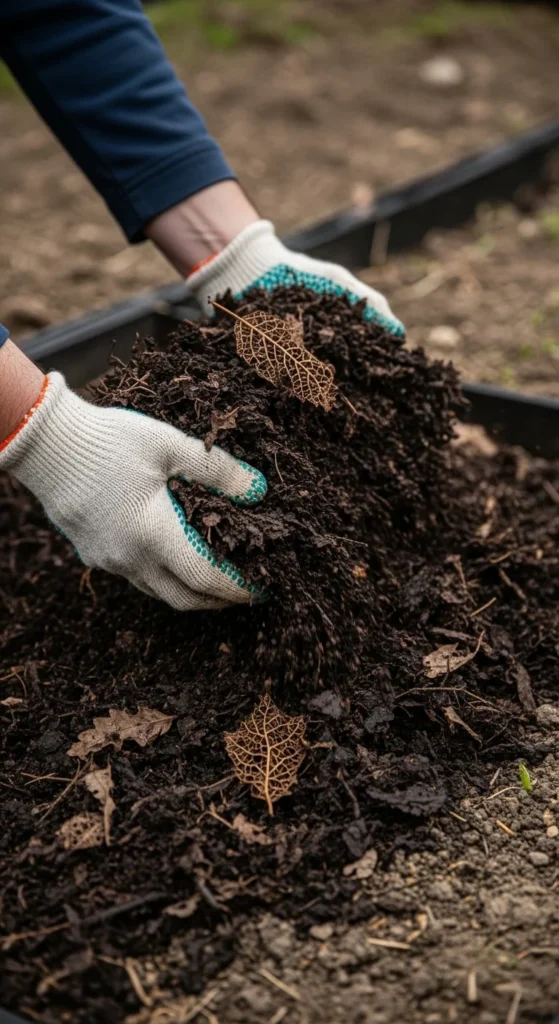
Leaf mold acts as nature’s mulch—light, moisture-retentive, and full of life. Collect autumn leaves, let them break down, then spread over beds. It encourages beneficial fungi and improves soil texture. The earthy scent alone signals healthy, protected soil ready for spring revival.
8. Combine Mulch Types for Layered Insulation
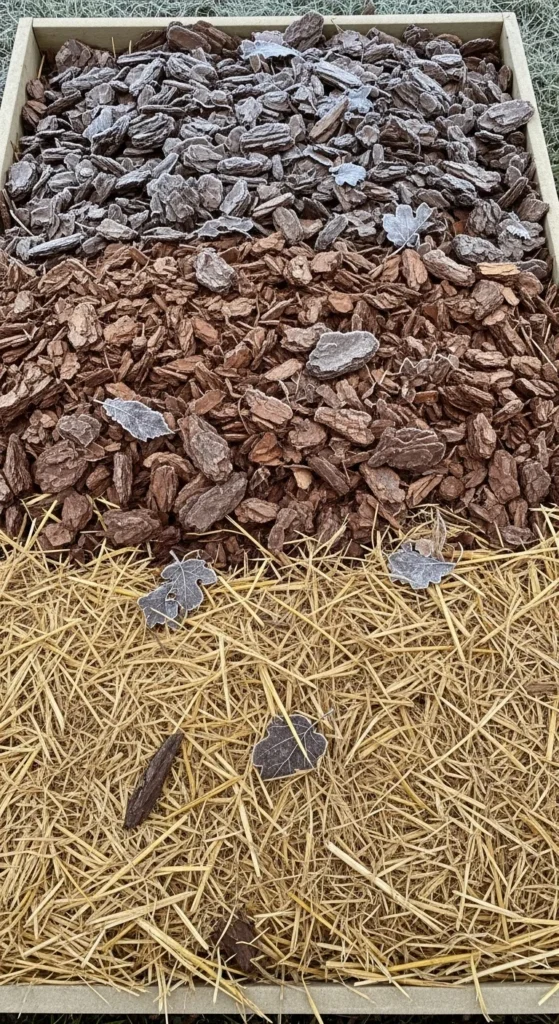
Mix materials like straw beneath bark chips for both insulation and appearance. The lower layer traps warmth, while the top prevents blow-away loss. Layering also supports slow, even decomposition. It’s especially useful for perennial borders where you want both function and beauty.
9. Use Grass Clippings in Thin Layers
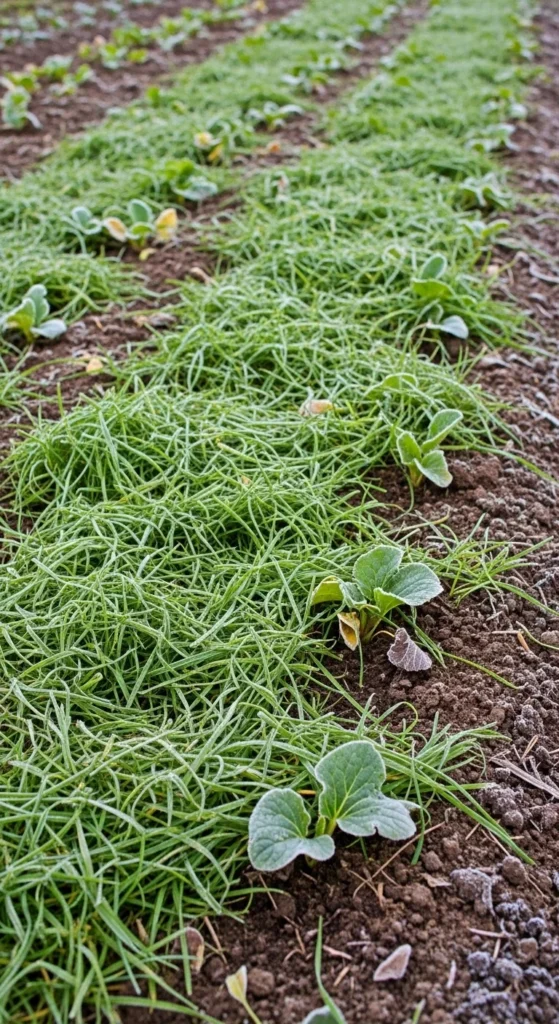
If you still have dry grass clippings stored, they can serve as light winter mulch. Spread thinly to avoid matting. The nitrogen they add benefits soil when spring growth resumes. Combine with wood chips or leaves for balance between carbon and nitrogen.
10. Refresh Paths and Walkways
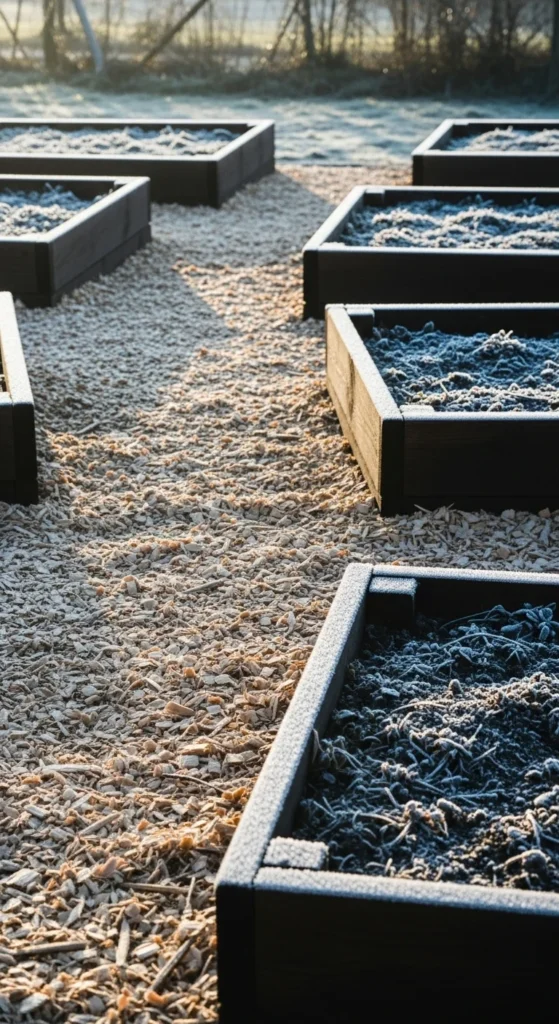
Mulching isn’t just for beds—garden paths deserve a refresh too. A fresh wood chip layer cushions steps and suppresses weeds even in winter. Keep the path edges defined with bricks or logs. It keeps the whole garden looking tidy while protecting the soil structure below.
11. Cover Potted Plants with Bark
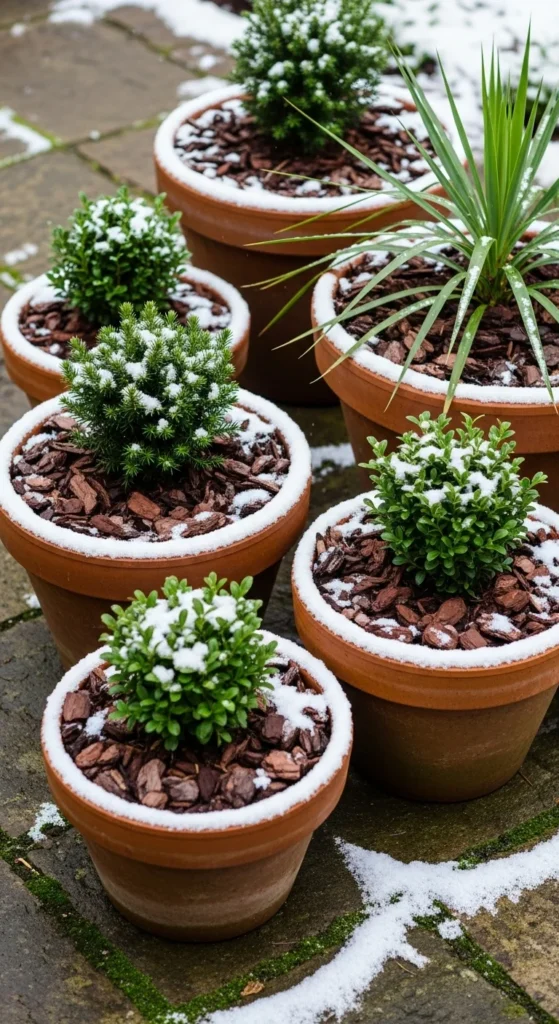
Outdoor containers lose heat quickly. Add bark mulch to insulate potted roots through temperature drops. It also prevents soil from drying out on sunny winter days. For extra protection, group pots close together against a wall and top them all with bark or straw.
12. Use Coconut Coir for Moisture Control

Coconut coir stays fluffy and evenly moist, making it excellent for small gardens or container setups. It prevents waterlogging while keeping roots warm. Simply soak dry coir bricks, fluff them, and apply a 2-inch layer. It’s reusable, lightweight, and decomposes slowly, giving a clean modern finish.
13. Reuse Old Mulch Wisely
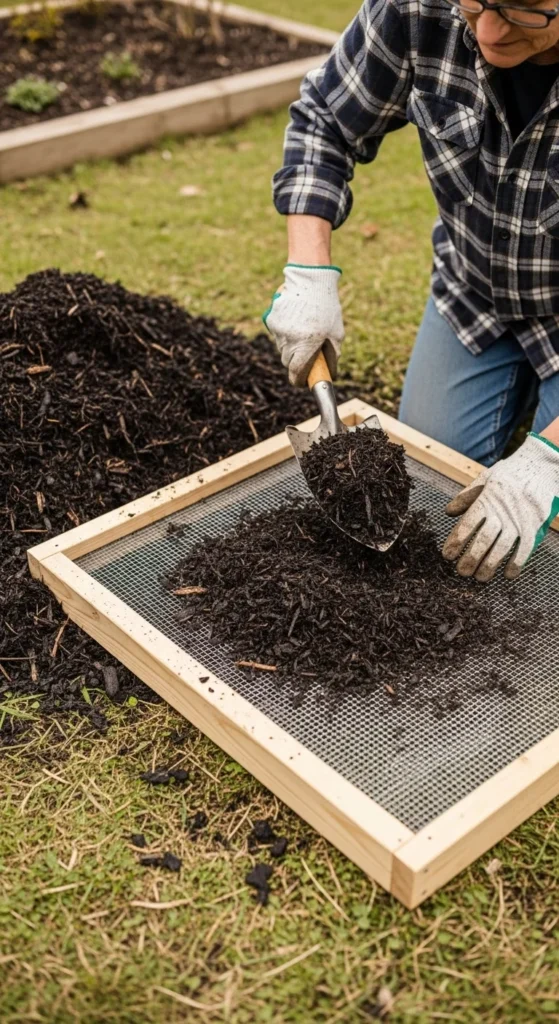
Don’t discard last season’s mulch—screen and reuse it. Separate fine decomposed material to mix into soil and spread the intact pieces back on top. This refresh saves money and maintains organic matter. Just check for mold or insects before reusing.
14. Protect Perennials With Evergreen Boughs
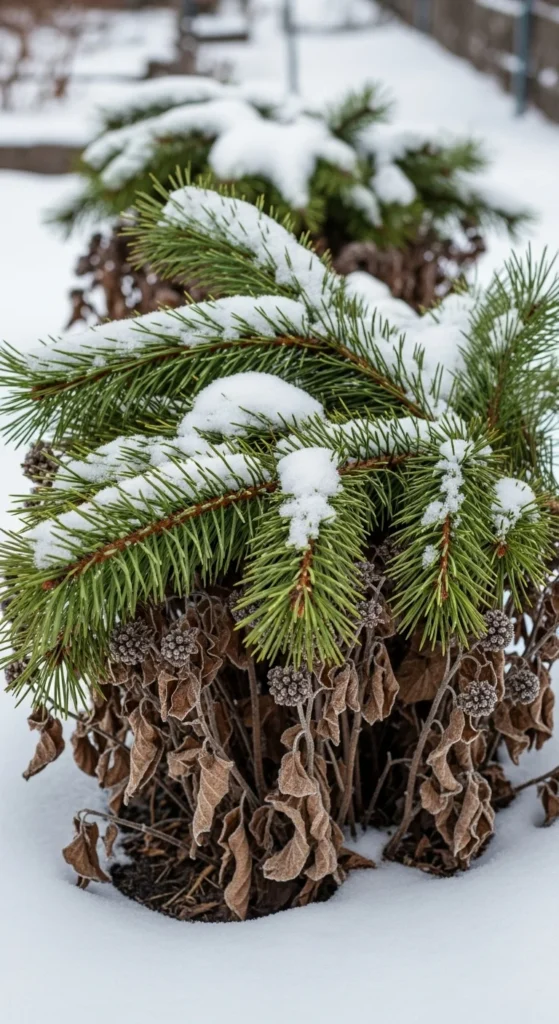
After trimming evergreens, reuse the branches. They make breathable, natural insulating covers over perennials like hostas or peonies. The air pockets trap warmth while still allowing moisture exchange. Remove them gradually as temperatures warm in spring.
15. Add Decorative Mulch to Entry Beds

For visible areas, choose decorative organic mulches like cocoa shells or dyed bark for visual polish. They hold color through winter and make entry beds pop against snow. Just keep layers thin (1–2 inches) to prevent mold growth in damp conditions.
16. Mulch Roses with Compost Mix
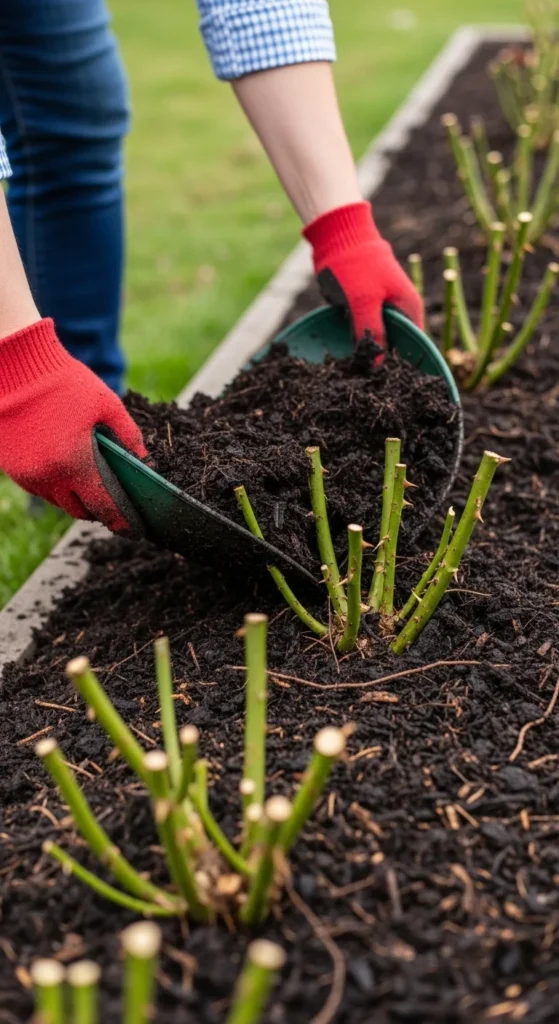
Roses benefit from extra warmth at the crown. Mix compost with shredded bark and mound gently around the base. It insulates roots, prevents frost heave, and feeds new spring growth. In early spring, pull mulch back to expose fresh shoots.
17. Use Gravel Mulch for Drainage

]
For areas that stay wet, gravel mulch keeps roots dry while providing insulation from rapid temperature changes. It’s ideal for succulents or alpine beds. Use pea gravel or crushed stone, and rake evenly for a clean look. It lasts for years with almost no maintenance.
18. Apply Mushroom Compost in Vegetable Beds

Mushroom compost adds warmth, nutrition, and texture to winter beds. Spread it 2 inches thick, and it doubles as mulch and slow-release fertilizer. It’s slightly alkaline, so use it for crops that appreciate higher pH, like brassicas. It enriches the soil while keeping winter weeds suppressed.
19. Add Cardboard Under Mulch Layers
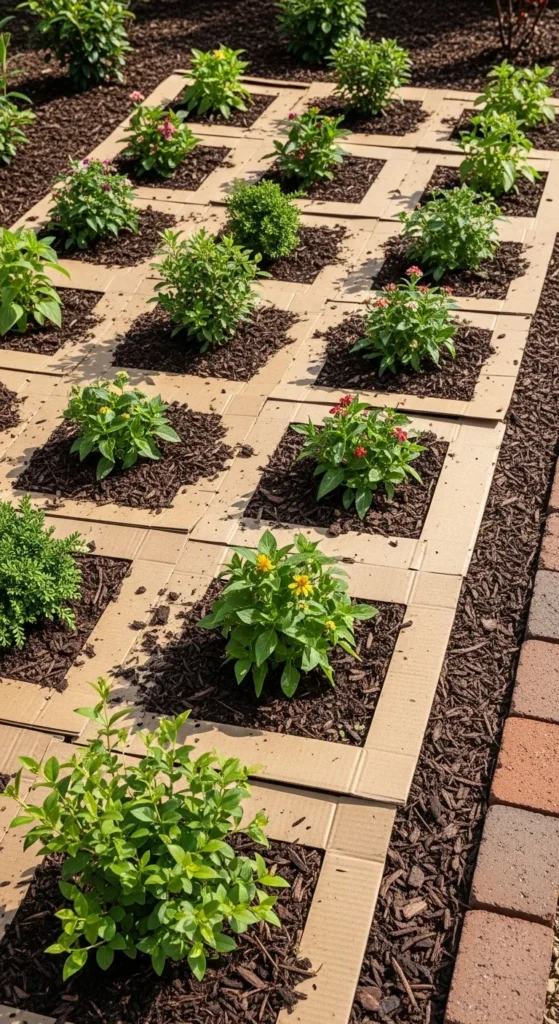
Lay plain cardboard (no glossy print) before spreading mulch. It decomposes slowly and blocks weeds for months. Cut slits for existing plants. It’s an easy, low-cost trick that adds an insulation barrier while feeding worms underneath.
20. Mulch Around Fruit Trees with Compost
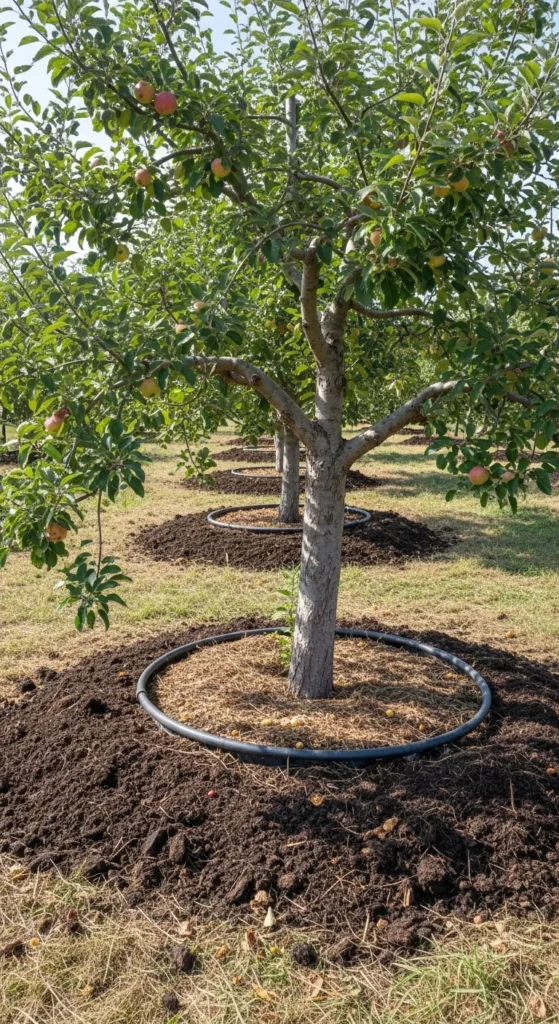
Winter is the best time to give fruit trees a nutrient-rich mulch ring. Use compost mixed with leaves or straw to build a soft mound around the drip line. It moderates soil temperature and feeds the tree slowly through thaw cycles. Keep mulch a few inches away from the trunk to prevent rot.
21. Add a Mulch Windbreak
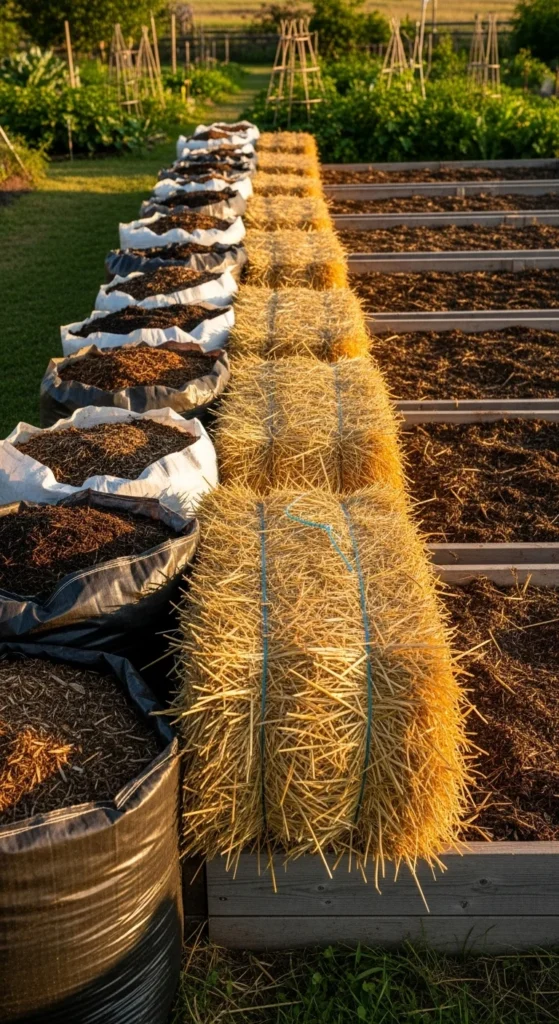
In exposed areas, build small mulch windbreaks. Line beds with straw bales or filled mulch bags to protect delicate roots from wind chill. It’s practical and reusable—move them wherever frost stress is highest. The barrier effect helps prevent rapid soil freezing.
22. Revive Bare Soil with Bark Fines
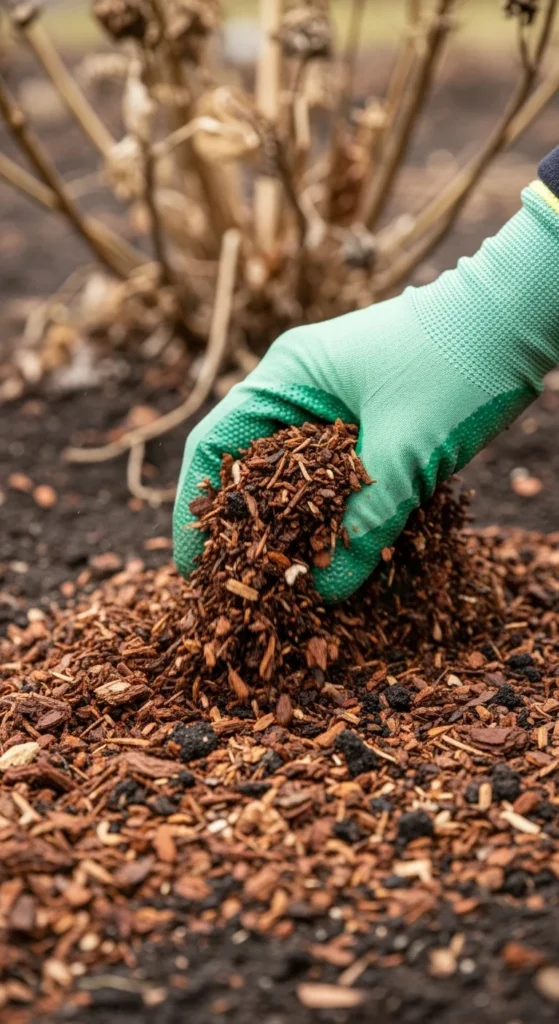
Bare patches are prone to erosion and frost damage. Cover exposed soil with bark fines—small shredded wood that spreads easily and locks in warmth. It breaks down quickly into rich humus by spring, giving your soil a soft, renewed texture.
23. Use Mulch Mats for Perennials
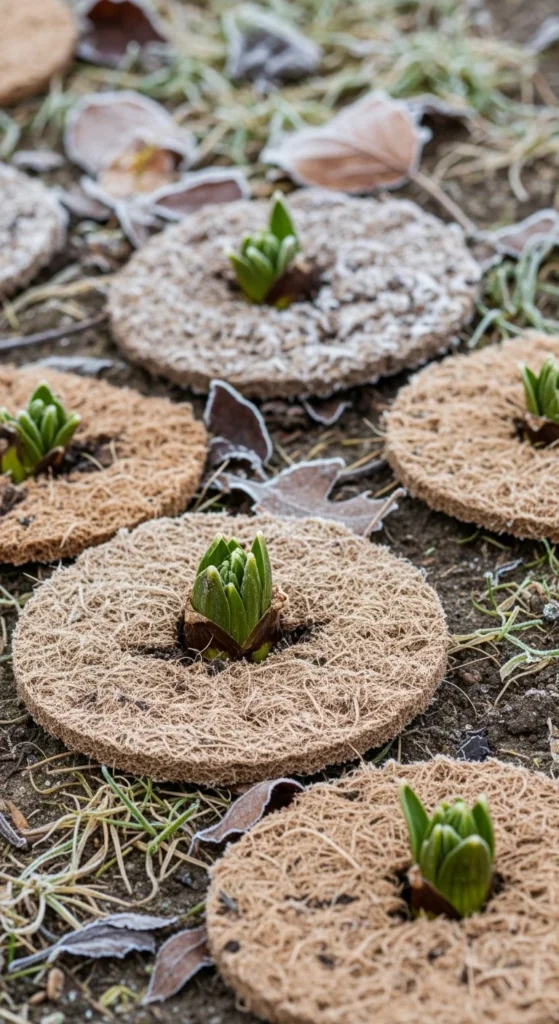
Mulch mats made from jute or coir simplify root protection. Place them around base plants to hold warmth and deter weeds. They’re neat, natural-looking, and biodegradable. Use for ornamentals or herbs you want to overwinter cleanly.
24. Refresh Garden Borders with Colored Mulch

A fresh colored mulch can redefine garden edges instantly. Choose eco-friendly dyes and spread a thin coat over existing mulch for an updated look. The renewed surface improves curb appeal while maintaining winter insulation. It’s an easy way to refresh without redoing everything.
Conclusion
Refreshing mulch in winter is quiet maintenance with lasting results. It protects plant roots, prevents soil erosion, and feeds life below ground while your garden rests. Whether you use bark, straw, compost, or pine needles, these techniques keep your beds insulated and healthy until spring returns. Start small this New Year—just a few refreshed layers will make a visible difference when your garden wakes again.

Leave a Reply