

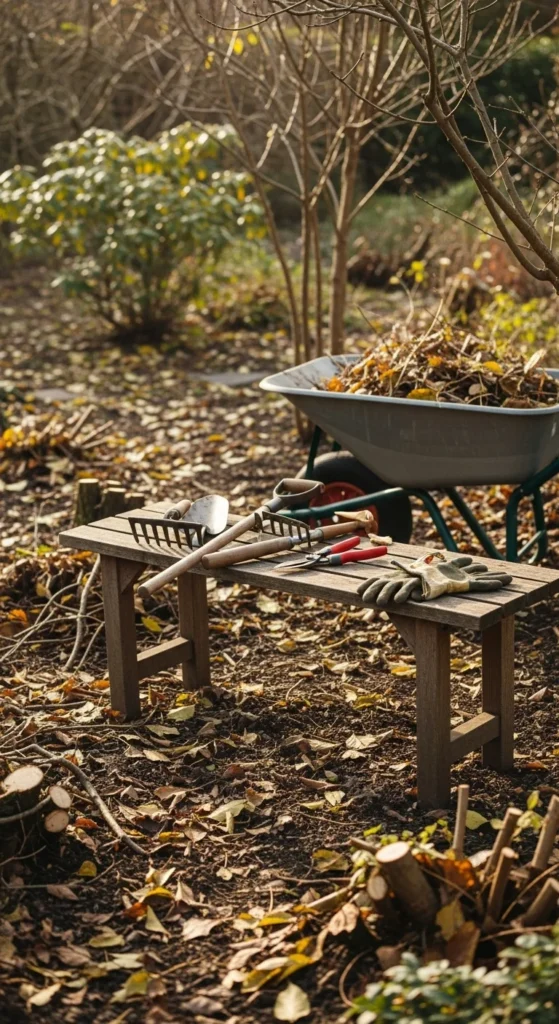
A New Year garden cleanup helps set the stage for smooth planting seasons ahead. Clearing debris, trimming plants, preparing soil, and organizing tools make the garden easier to manage later. These simple checklists help you break tasks into small, doable steps so you don’t feel overwhelmed. With low-cost ideas and easy actions, you can refresh your outdoor space and keep it tidy without spending much time or money.
1. Clear Fallen Leaves and Debris
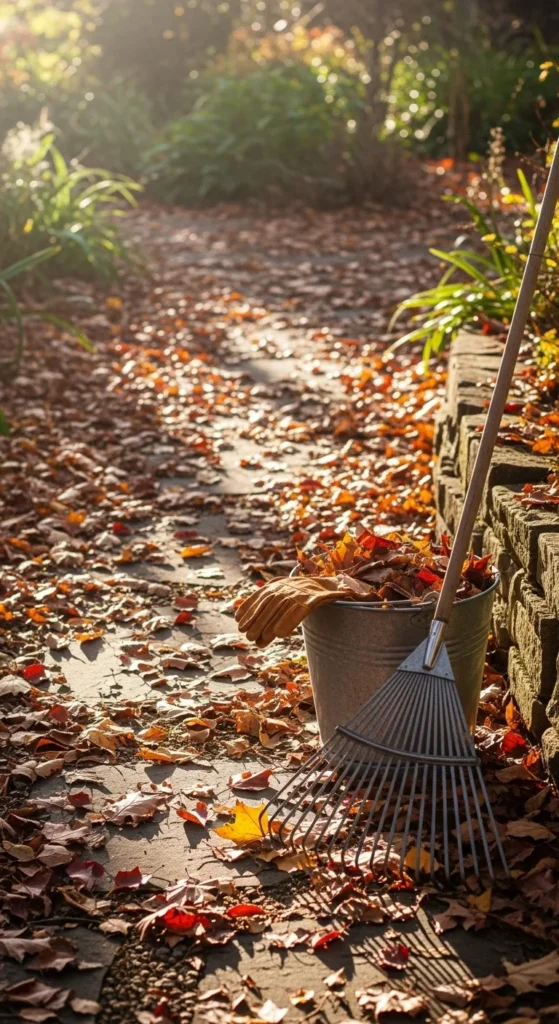
Start by removing loose leaves, twigs, and debris from the lawn and beds. Gather everything into one pile using a rake or broom. This keeps the ground tidy and helps you see what areas need more attention. If you want to save money on bags, use old buckets or baskets to collect material. Add the leaves to your compost pile or shred them to use as mulch. Work in small areas so the task feels simple. A quick sweep each week helps keep things under control.
2. Prune Dead or Damaged Branches
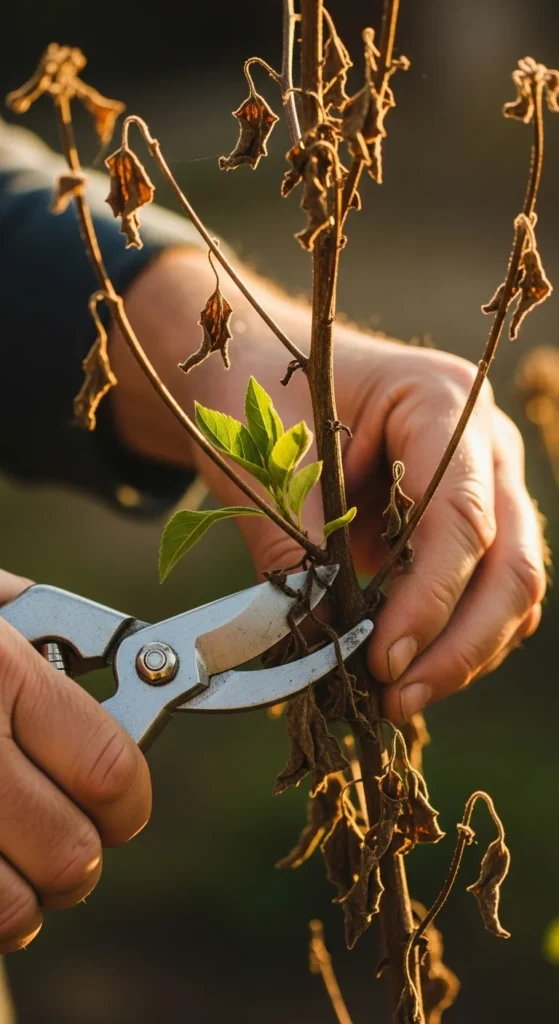
Check shrubs, trees, and potted plants for dry or broken branches. Snip anything that looks weak or brittle. Use sharp shears to make clean cuts. This helps plants grow stronger during warmer months. Keep a small bucket nearby to collect trimmings as you go. If you have larger branches, cut them into smaller pieces for easy disposal. Move around the garden slowly and focus on one plant at a time.
3. Remove Old Annuals and Spent Plants
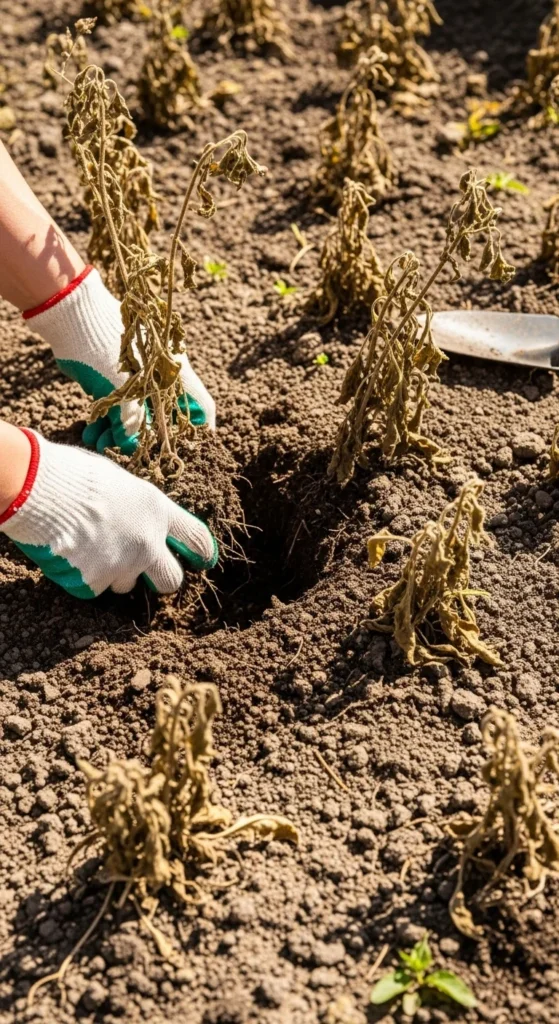
Pull out old annuals that died during cold weather. Remove the roots completely so they don’t take up space. Shake off loose soil so the bed stays tidy. Use a small trowel to loosen tough roots. This makes room for new plants later. If the stems are soft and healthy-looking, add them to compost. Otherwise, toss them out. This quick step instantly refreshes the beds.
4. Clean and Sharpen Garden Tools
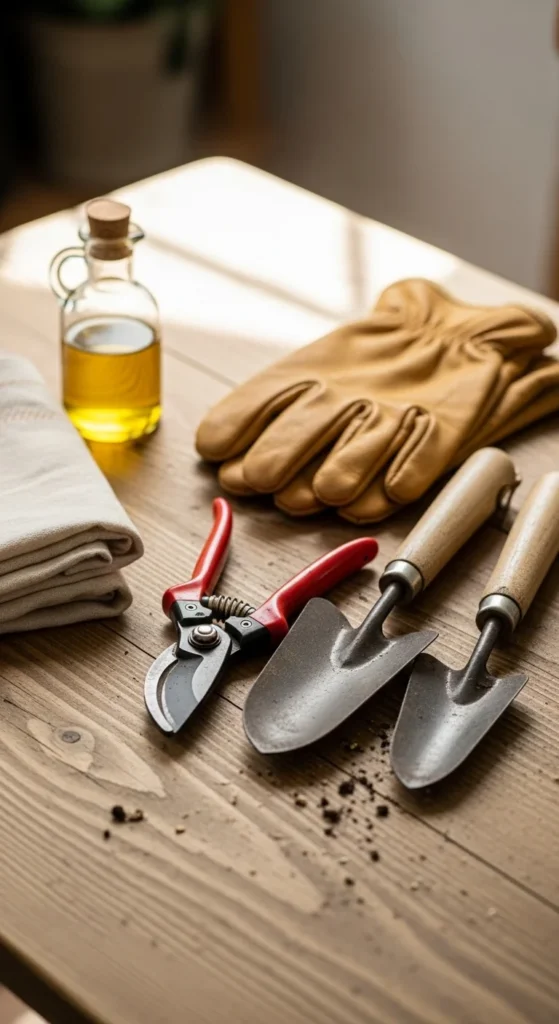
Gather all your tools and wipe off dirt with an old rag. Dry them well to prevent rust. If the blades feel dull, sharpen them using a small file. Add a drop of oil to hinges to keep movement smooth. This helps tools last longer and makes future tasks easier. Store everything in a clean bucket or hang them on hooks for easy access.
5. Tidy Up Garden Paths
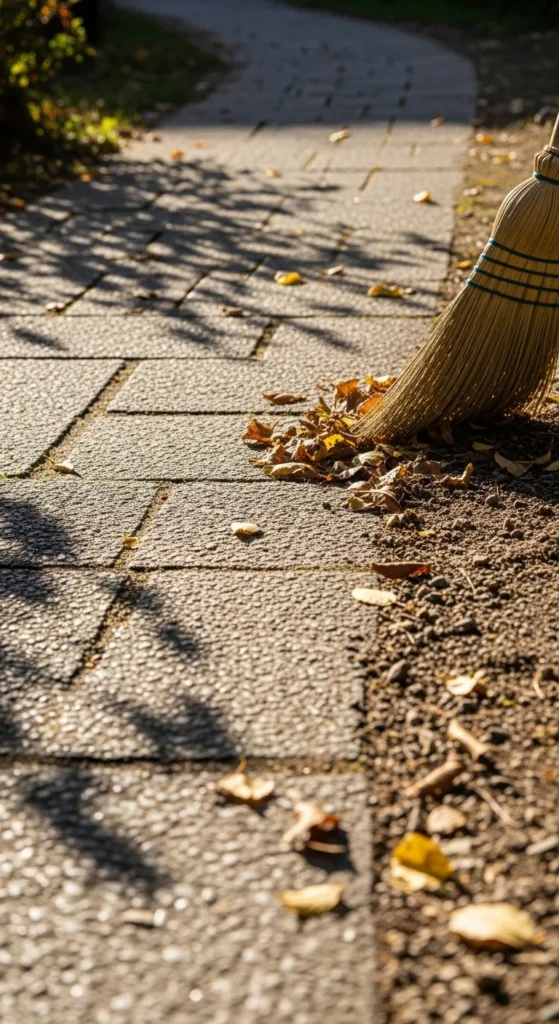
Sweep pathways to remove dirt and loose debris. If you have gravel or stones, rake them evenly to smooth the surface. Pull small weeds that pop through cracks. This gives your garden a clean, organized look. Add new gravel only if needed. You can also use a stiff brush to scrub algae off stone slabs.
6. Refresh Mulch Around Plants
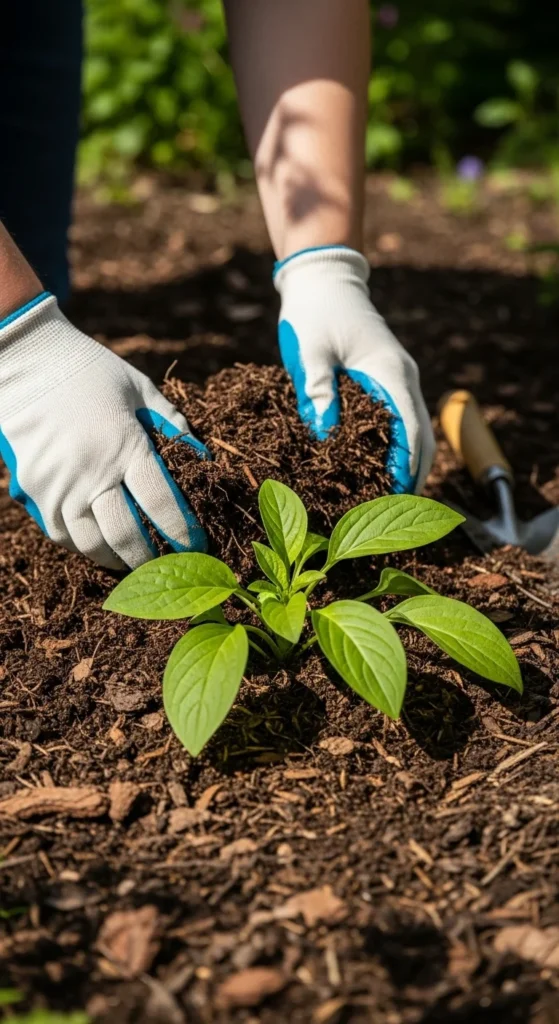
Check old mulch for decay or bare spots. Add a thin layer of new mulch to cover exposed soil. This helps maintain moisture and reduces unwanted weeds. You can use shredded leaves if you want a budget-friendly option. Keep mulch a few inches away from the plant stem to avoid trapping moisture. A small bucket works well for spreading.
7. Pull Weeds Before They Spread
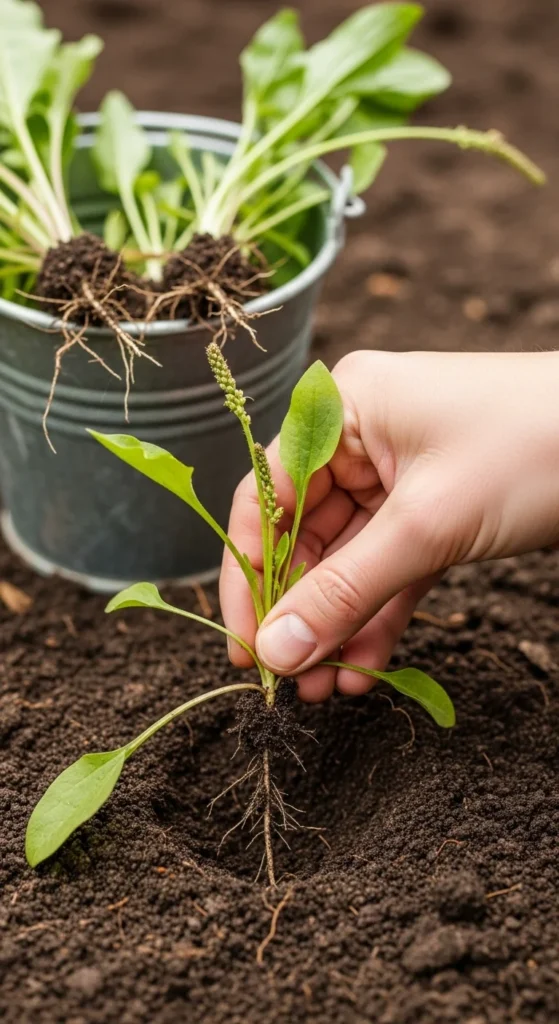
Remove weeds while they are small and easy to handle. Pull them out by the roots so they don’t return quickly. Use a hand weeder or simple trowel for tougher spots. Collect weeds in a container as you go. Work for ten minutes at a time if the task feels too large. A tidy garden bed helps new plants grow better.
8. Clear Out Old Pots and Planters
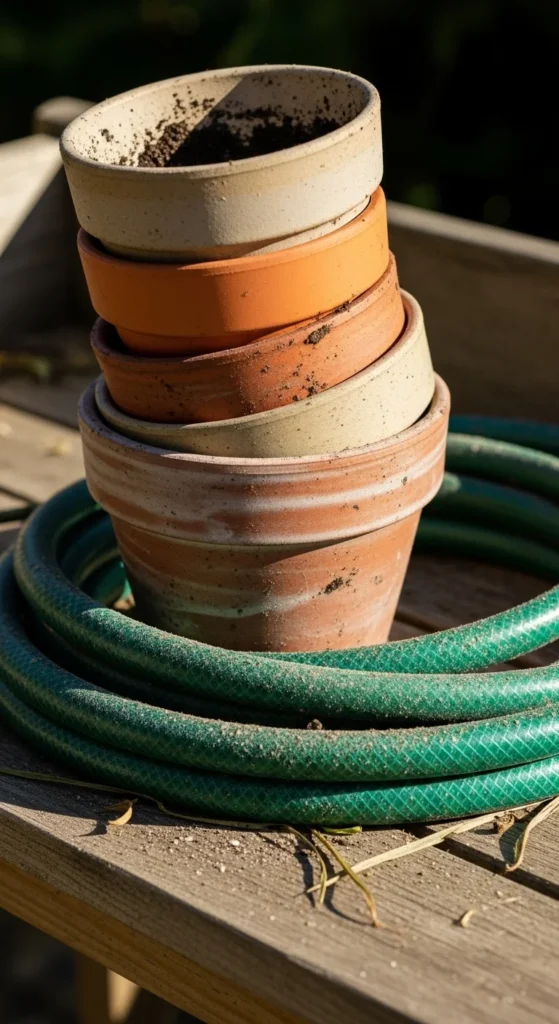
Gather unused pots and rinse them clean. Remove old soil and scrub stubborn dirt with a brush. Let them dry before stacking. This keeps your storage area organized and ready for new planting. If a pot is cracked, repurpose it for drainage shards or small succulent planting.
9. Compost Pile Reset
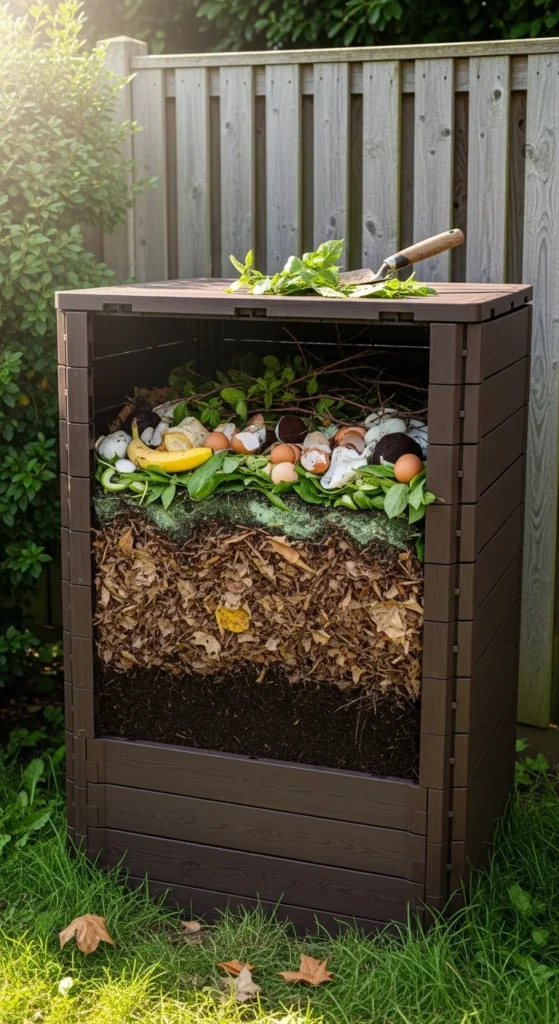
Turn your compost pile with a shovel. Break large chunks into smaller pieces. Add dry leaves if the pile feels too wet. Add water if it feels too dry. Keeping the pile balanced helps it break down faster. Use a pitchfork if you want to make turning easier. This helps create rich material for future planting beds.
10. Inspect Soil Quality
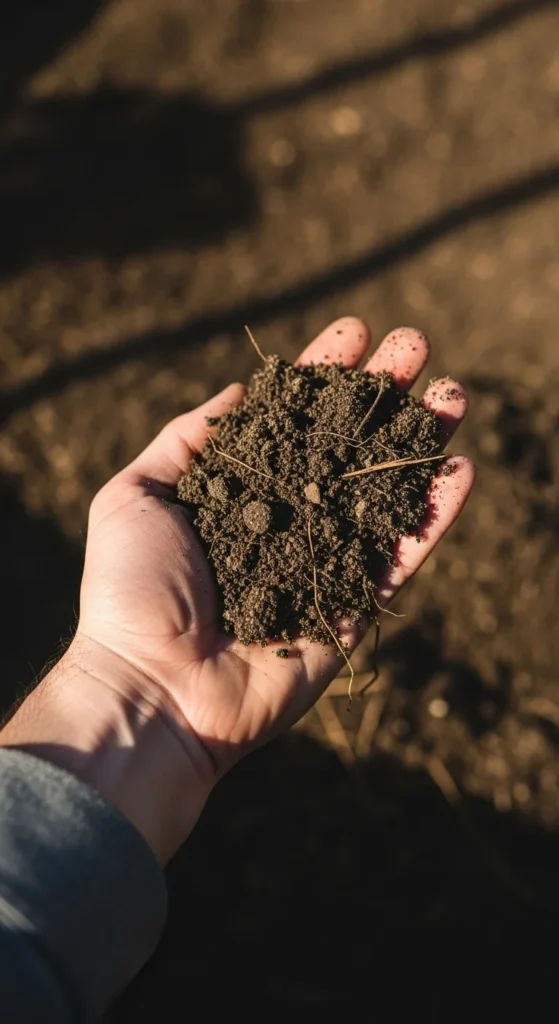
Scoop a bit of soil from your beds and check the texture. If it feels too hard, mix in compost. If it feels too loose, add some garden soil. A small adjustment helps plants settle better. Work slowly and mix soil in small batches. You don’t need fancy tools. A simple trowel works fine.
11. Clean Watering Cans and Hoses
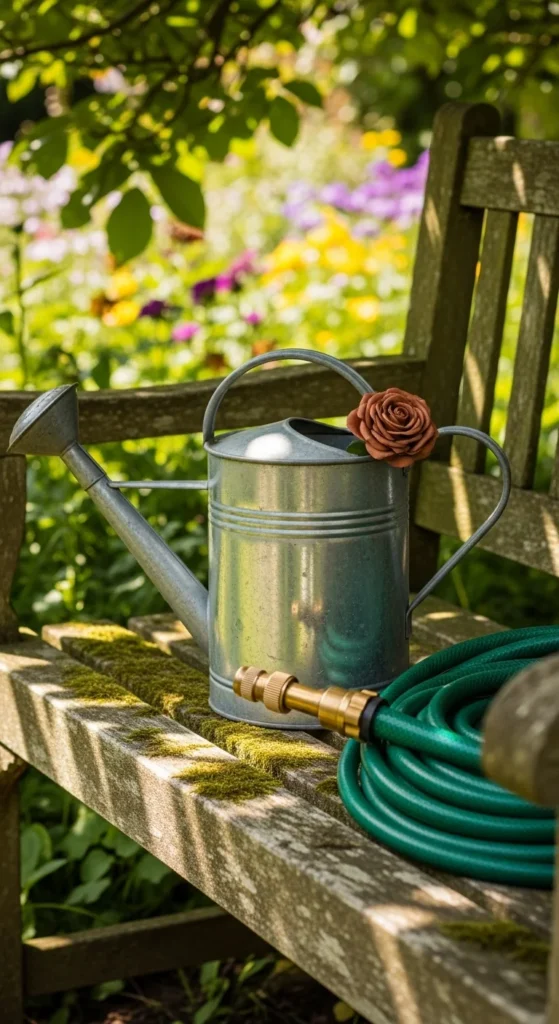
Rinse watering cans to remove algae or sediment. Check hose connections for leaks. Coil the hose neatly and hang it on a hook. If the nozzle is clogged, soak it in warm water for a few minutes. This keeps your watering tasks easier later.
12. Organize Garden Storage Area
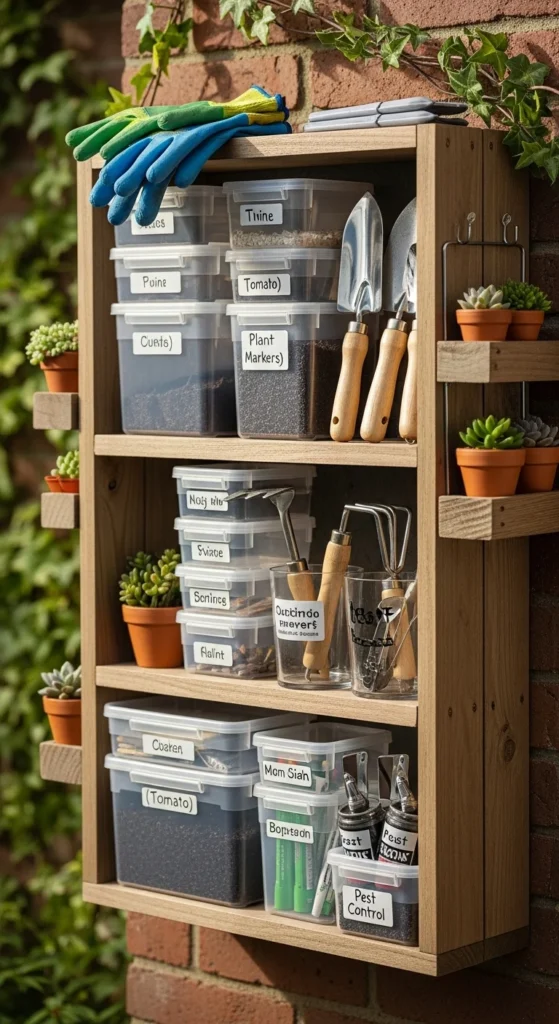
Sort through your storage shelf. Group similar tools together so you can find them easily. Place smaller items like seeds and labels in jars or boxes. Wipe dust from shelves and discard broken items. This helps keep your workspace clear for upcoming planting tasks.
13. Wash Down Patio or Deck
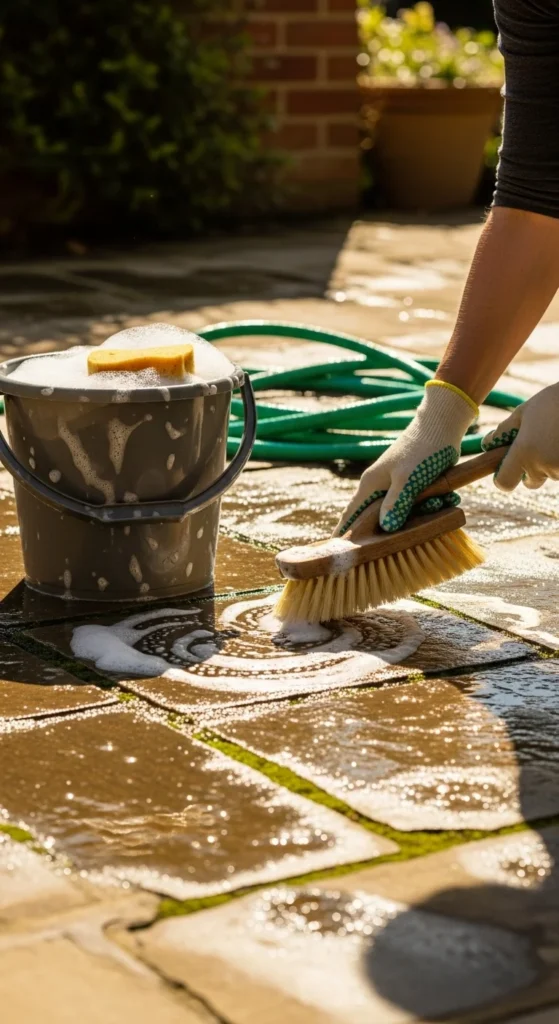
Scrub the patio or deck with soapy water to remove dirt. Focus on corners where moss gathers. Rinse with a hose. This makes the outdoor area feel clean and ready for new pots or furniture. You can also brush away cobwebs and dust on nearby walls.
14. Check Plant Supports and Stakes
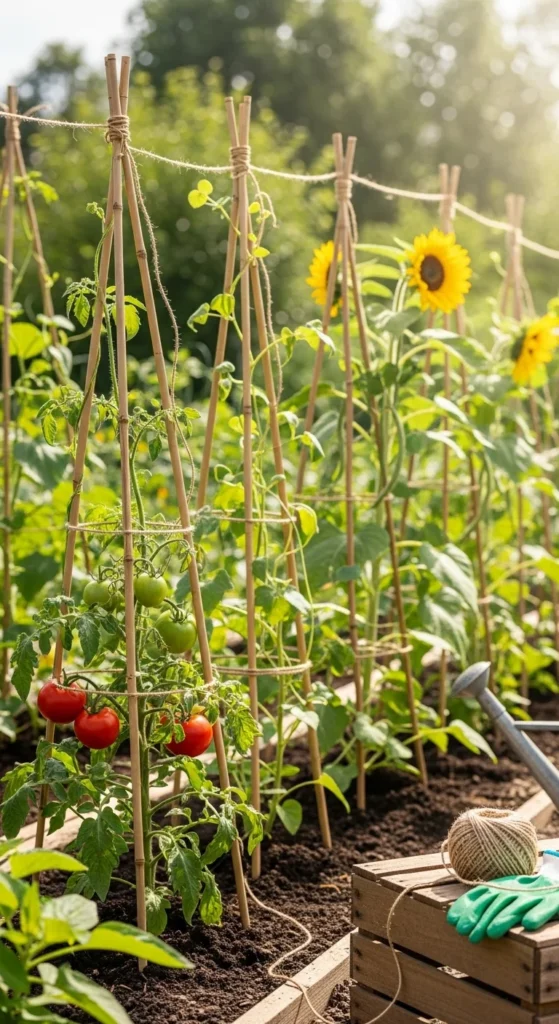
Look for loose or broken plant supports. Replace damaged stakes with new ones or repurpose old branches. Tighten twine where needed. This helps your plants stay upright during windy weather. Keep a roll of twine in your pocket for quick fixes.
15. Brush Soil Away From Path Edges
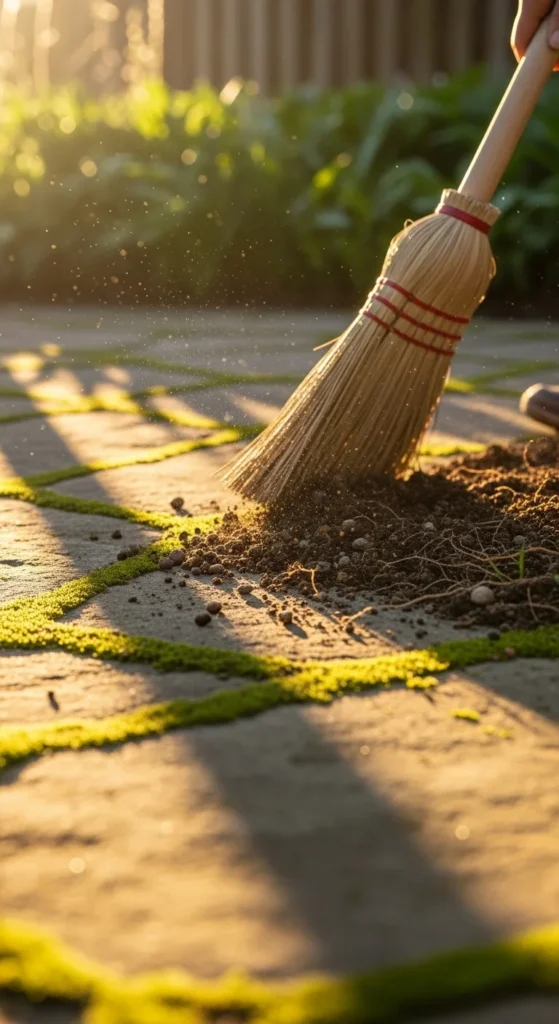
Soil often spills onto paths during rain. Brush it back into the beds to keep things tidy. Add a little compost to level low spots. This quick step keeps your garden looking neat with minimal effort.
16. Gather and Store Garden Furniture
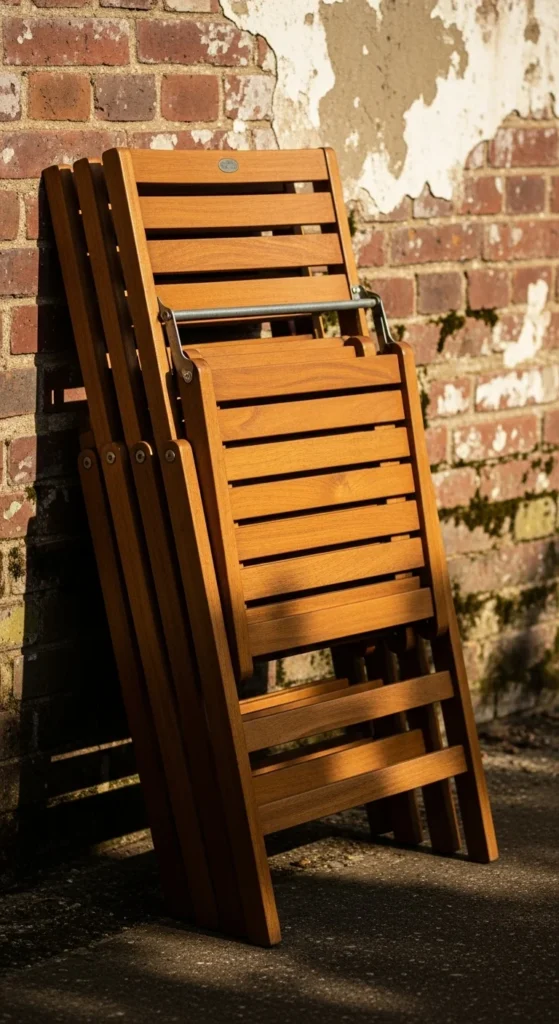
Fold chairs and stack them against a wall. Wipe them clean before storing. Move fragile items indoors. This frees up garden space and prevents damage during cold weather.
17. Trim Overgrown Groundcover
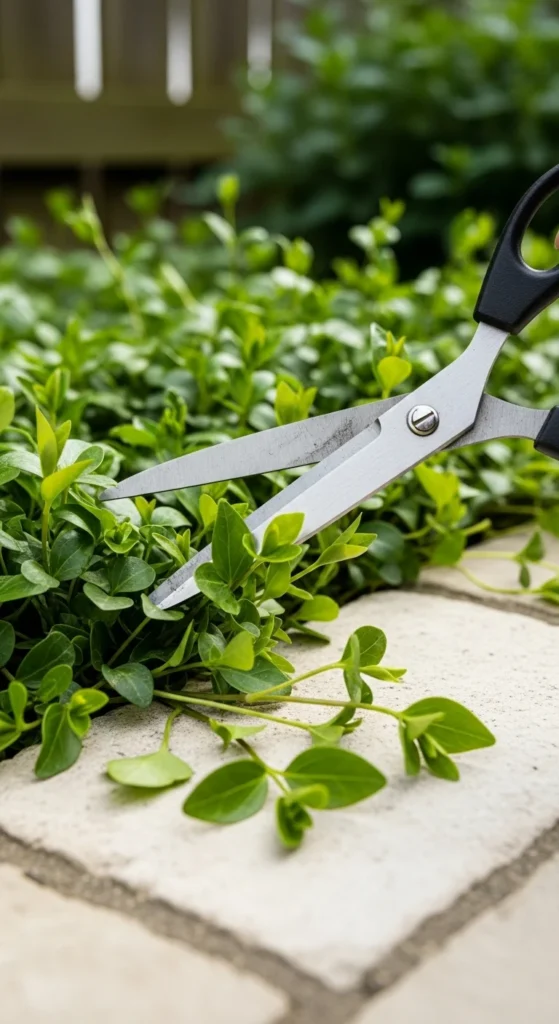
Cut back groundcover that spreads into walkways. Use scissors for small areas. Keep the edges neat to make the garden easier to move around. Add clippings to compost if they’re healthy.
18. Collect Fallen Seeds and Pods
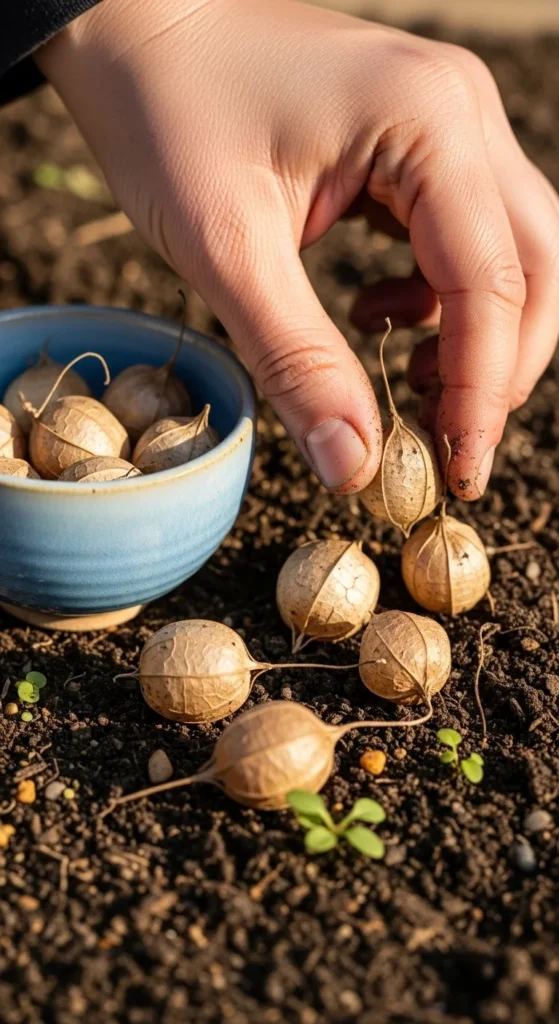
Pick up stray seeds and pods from the ground. Store them in labeled envelopes if you want to grow them later. Sweep the area clean so new weeds don’t form.
19. Refresh Bird Baths and Feeders
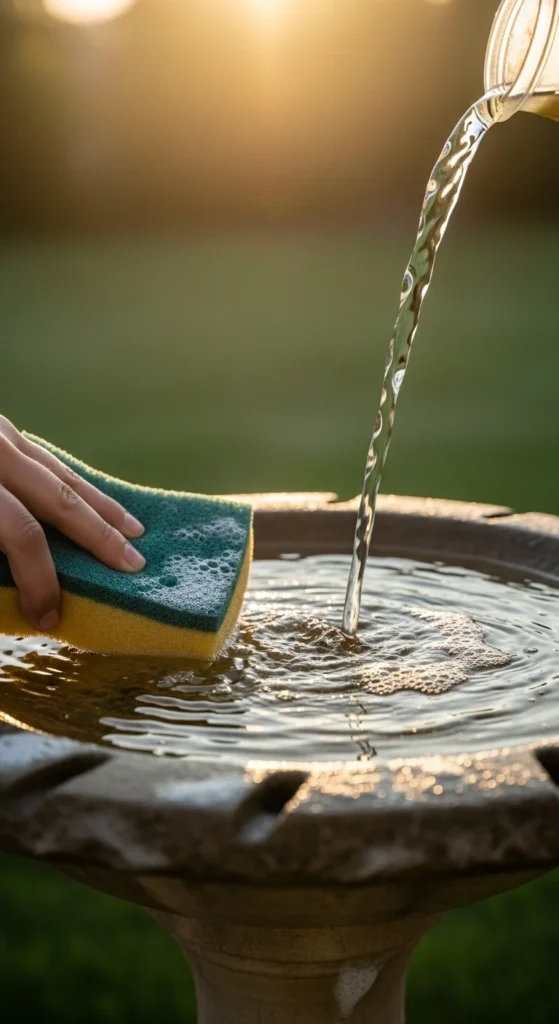
Scrub bird baths to remove algae. Rinse feeders and refill with clean seed. This invites helpful wildlife into your garden. Keep these items near plants that attract pollinators.
20. Wash Garden Gloves
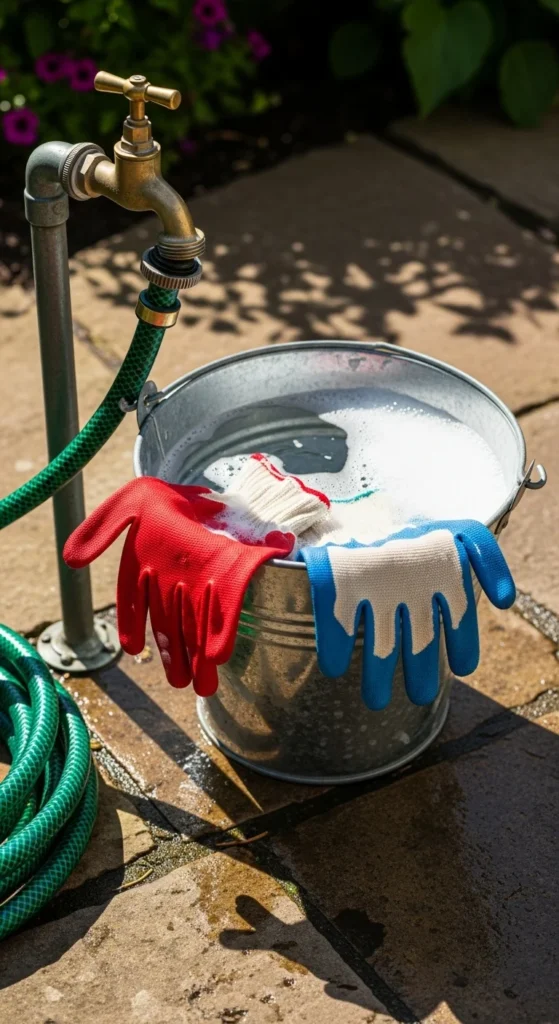
Soak gloves in warm soapy water to remove dirt. Rinse and let them dry in the sun. This makes them comfortable to use again and keeps your hands clean during future tasks.
21. Check Drainage in Pots
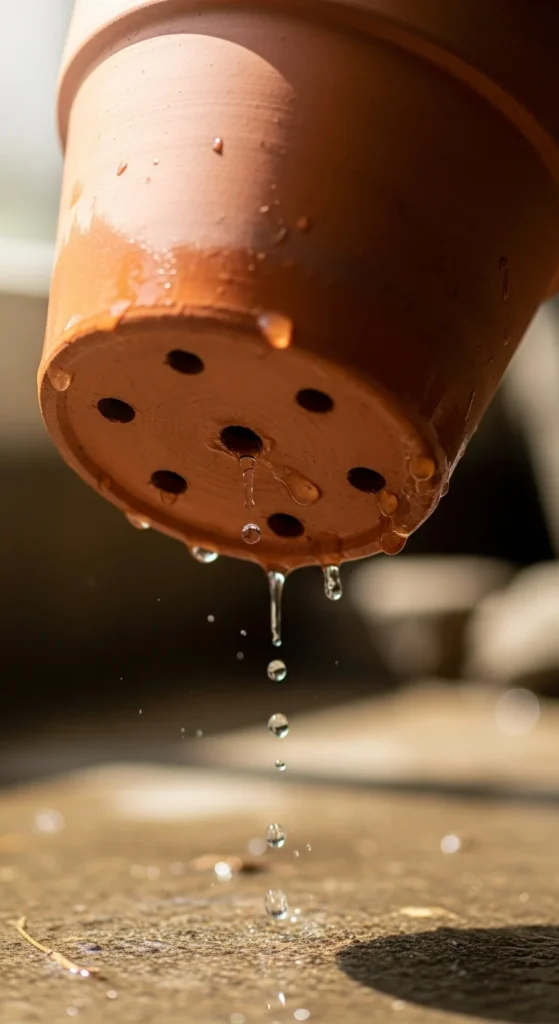
Look under pots to see if drainage holes are blocked. Use a stick or small tool to clear them. This prevents soggy soil and keeps plants healthier. Add small stones inside if the pot drains too fast.
22. Create a Simple To-Do Checklist
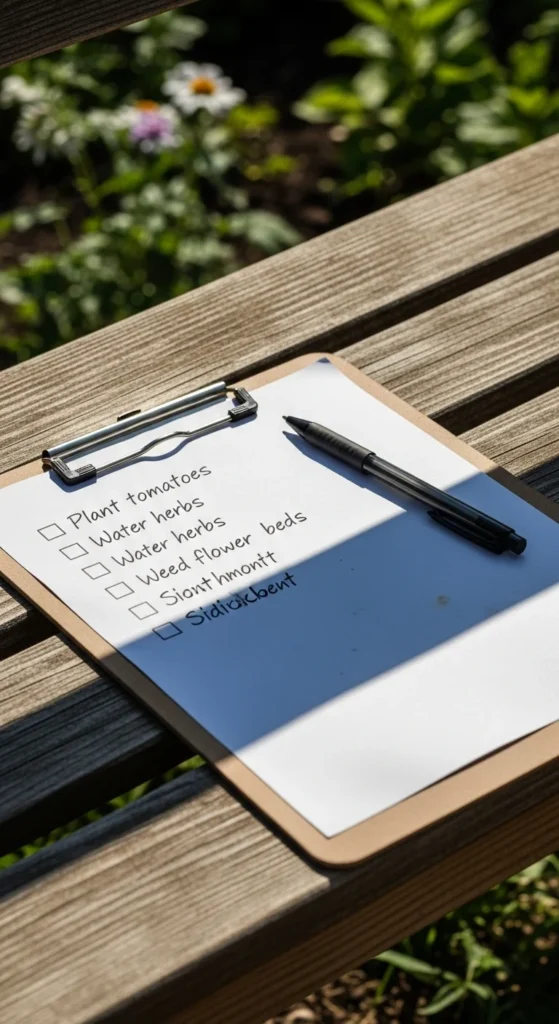
Write a short checklist based on your space. Break tasks into small steps. Keep it near your tools so you can update it anytime. This helps you stay organized without feeling overloaded.
Conclusion
A New Year cleanup sets the foundation for a smooth gardening season. By breaking tasks into small, simple steps, you can manage the entire garden without stress or extra expense. These checklists help you clear clutter, refresh soil, tidy paths, and prepare tools so the garden feels ready for new growth. Use these ideas as a flexible guide to keep your outdoor space neat and approachable all year.

Leave a Reply