

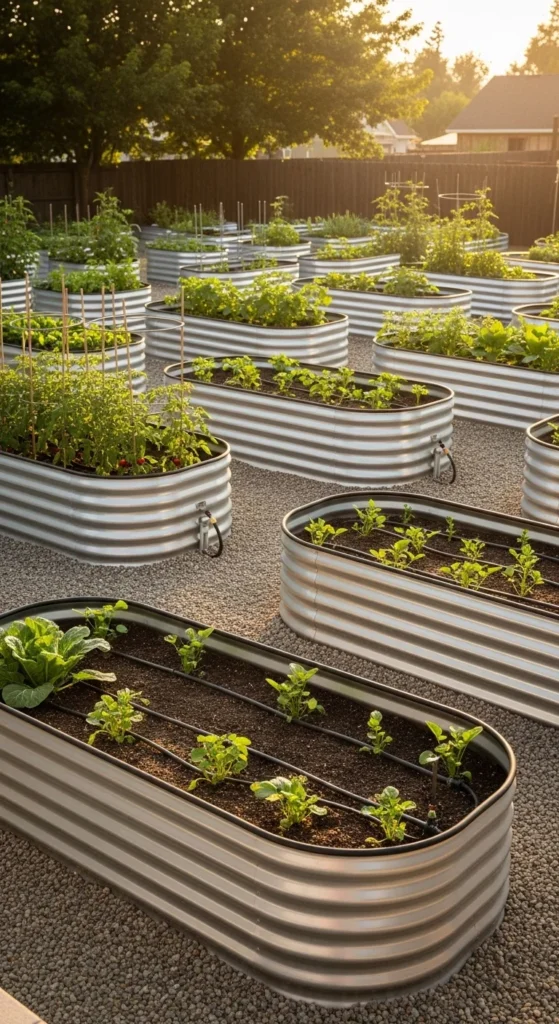
Metal raised garden beds are becoming the long-term solution for home gardeners who want durability without constant repairs. Unlike wood, steel won’t rot, warp, or attract termites. Many galvanized and Zn-Al-Mg coated beds last 20 years or more. They assemble quickly. They look clean and modern. And they perform well in hot summers and freezing winters. Below are 21 practical styles and ideas you can use to build a garden that stays strong for years.
1. Long-Lasting Galvanized Steel Classic
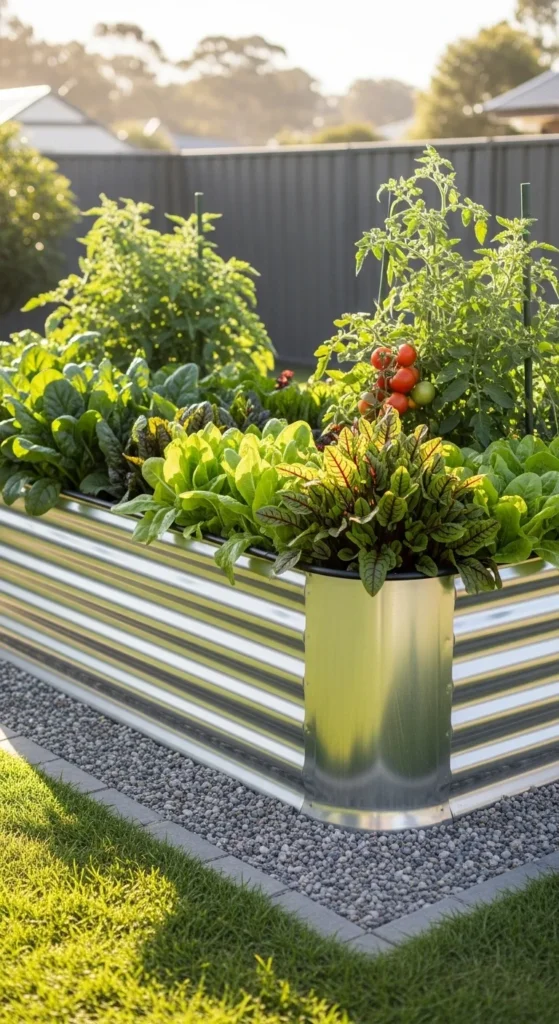
A basic galvanized steel bed is a strong starting point. It resists rust far longer than untreated wood. Many models hold up for decades with little upkeep.
Choose a 4×8-foot size for easy planning. Lay cardboard underneath to block weeds. Fill the bottom with branches and yard debris to cut soil costs.
Rounded safety edges protect hands and kids. Assembly usually takes under an hour.
If you’re on a budget, start with one bed. Expand later.
This simple setup works well for tomatoes, lettuce, carrots, and peppers.
2. Modular 9-in-1 Layout Kits
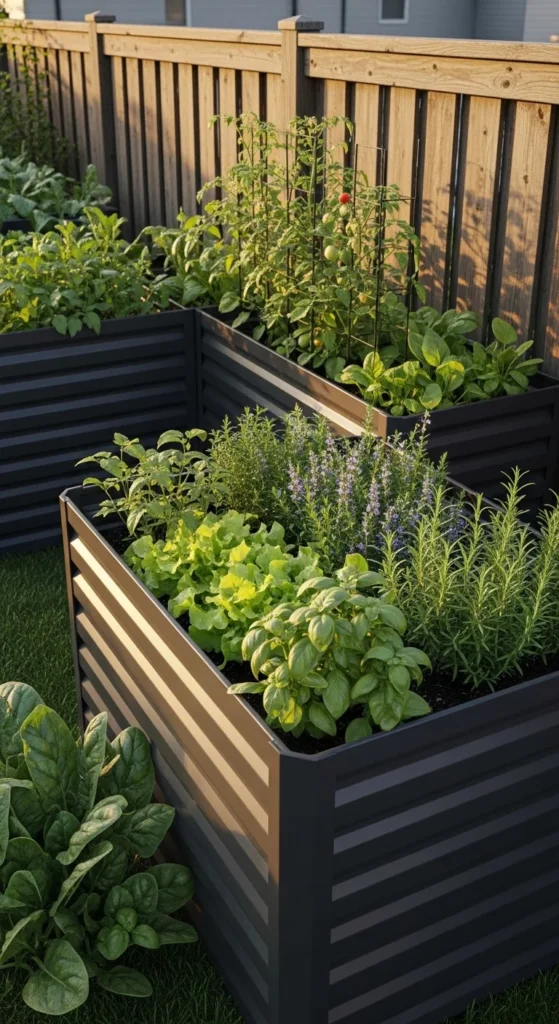
Modular kits let you build multiple shapes from one box. Long rows. L-shapes. Compact squares.
They’re great for awkward yard spaces.
Measure first. Leave walking paths between beds.
Install irrigation before adding soil.
Start small. Add panels next season if you want to expand.
3. Extra-Tall Comfort Beds
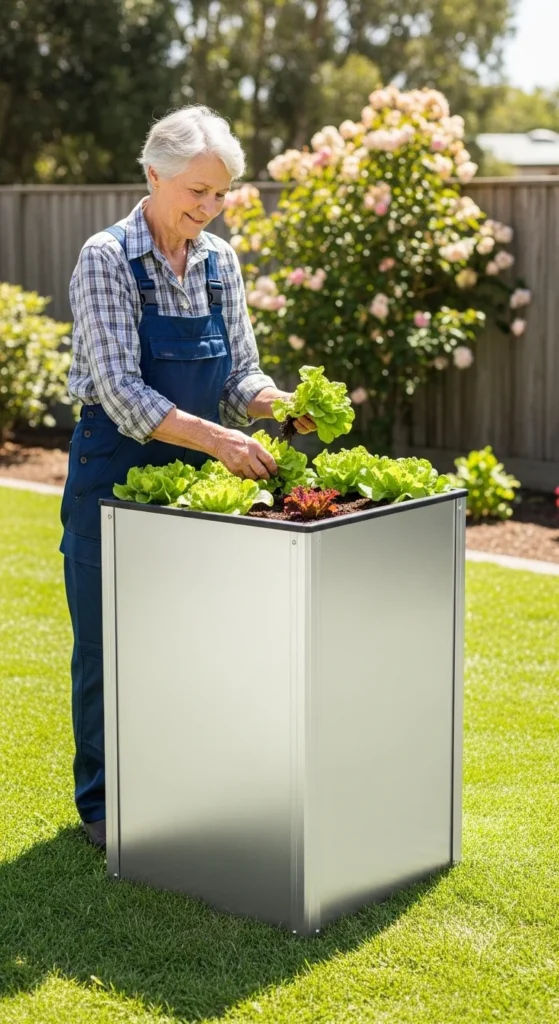
Taller beds reduce bending.
Heights between 24 and 32 inches are popular.
Fill the lower half with logs or cardboard to save money.
They warm earlier in spring.
Great for gardeners with back pain.
4. Modern Round Beds
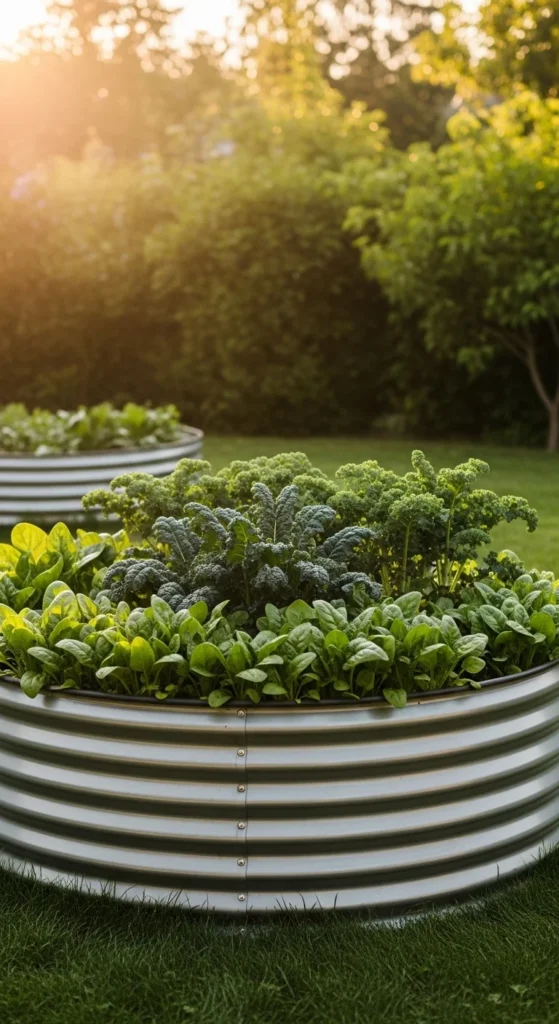
Round beds create a strong focal point.
They soften straight landscape lines.
Plant in circular rows for a neat look.
Stack shorter kits for extra height.
5. Hexagon Garden Layout
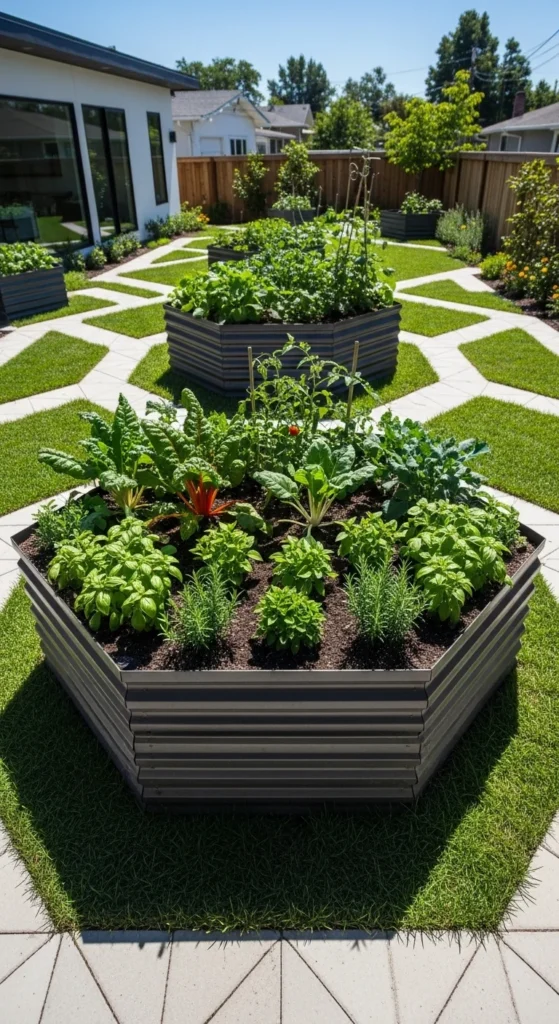
Hexagon beds maximize space.
They fit nicely near patios.
Plant tall crops in the center.
Use landscape fabric underneath for weed control.
6. Irrigation-Ready Steel Beds
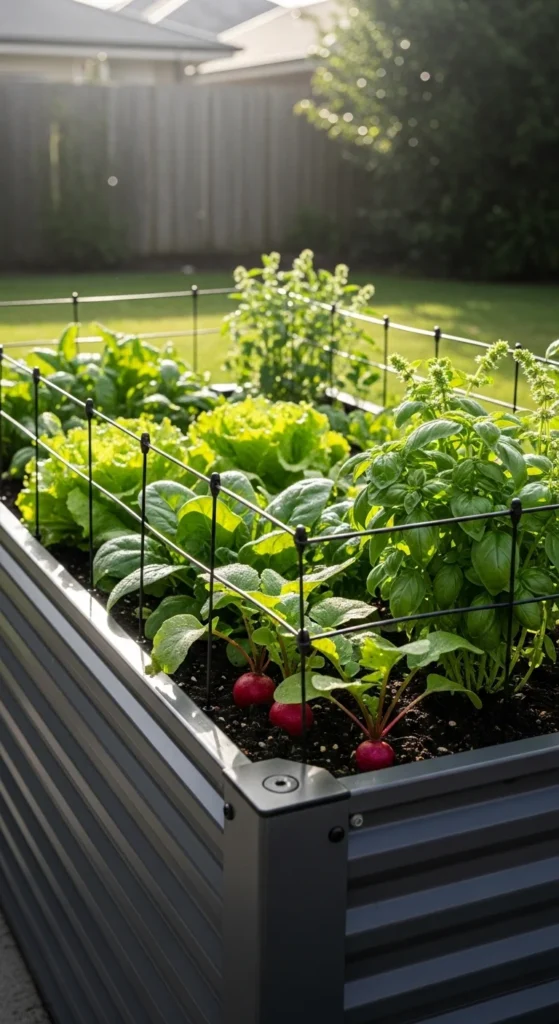
Steel sides make it easy to attach drip lines.
Secure tubing with clips.
Water deeply once or twice weekly.
Gravity-fed barrels keep costs low.
7. Cold-Weather Tough Beds
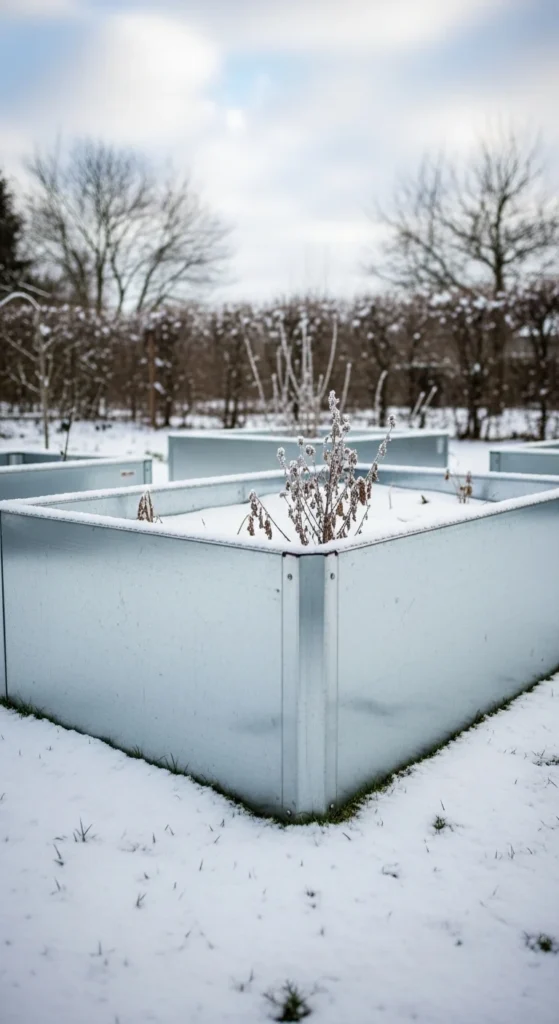
Steel handles freezing weather well.
Add mulch before winter.
No rotting boards in spring.
Low maintenance year after year.
8. Heat-Smart Metal Beds
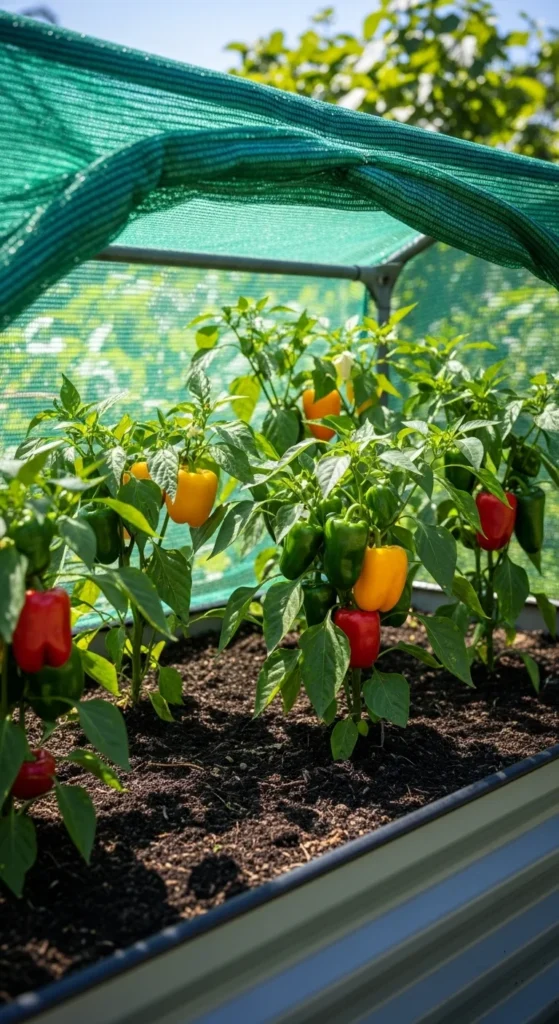
Steel warms quickly in spring.
In hot areas, use shade cloth.
Mulch protects roots.
Morning sun placement works best.
9. Decorative Heart-Shaped Beds
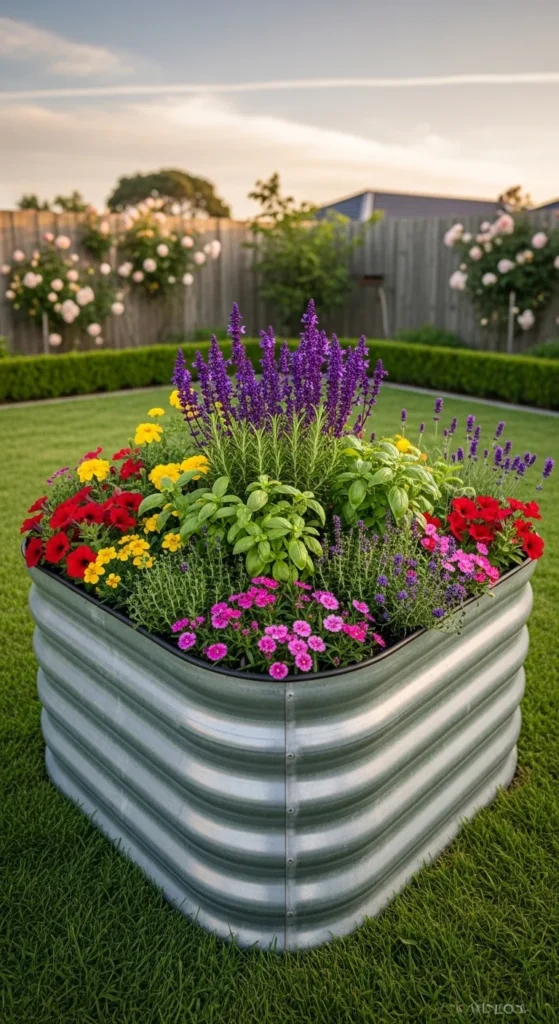
Heart-shaped beds add personality.
Perfect for herb gardens.
Place near patios for visibility.
Great for small decorative spaces.
10. Crescent Moon Layout
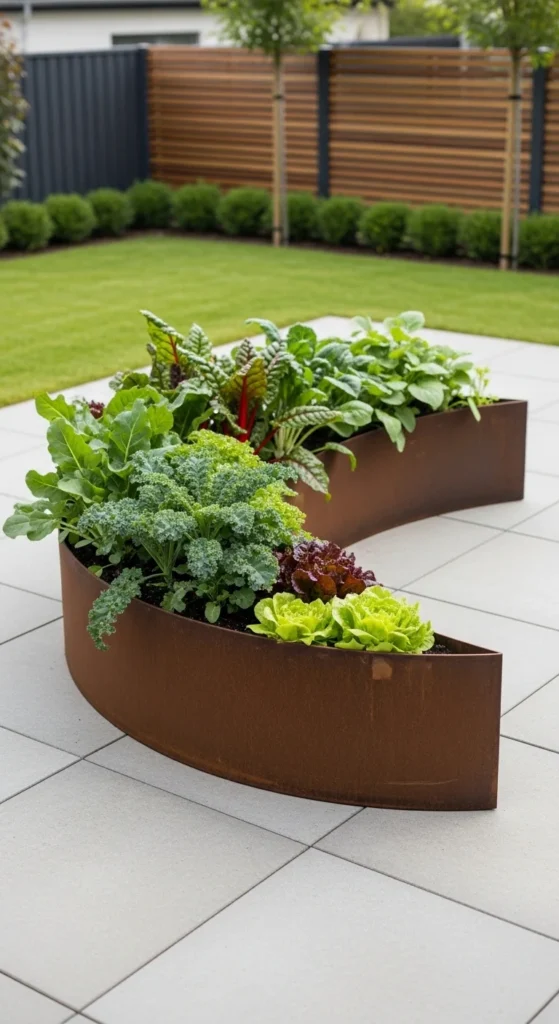
Moon shapes create visual interest.
Ideal for corner yards.
Mix vegetables and flowers.
Compact yet productive.
11. Add-On Bench Bed
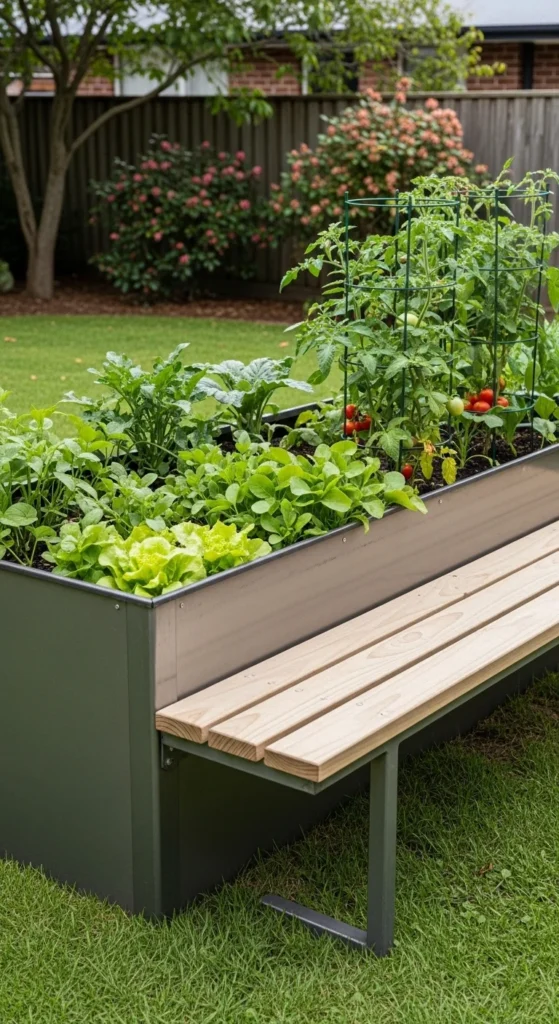
Some beds can support bench attachments.
Makes planting more comfortable.
DIY a wooden seat across the top.
Adds convenience without rebuilding.
12. Hugelkultur-Filled Metal Beds
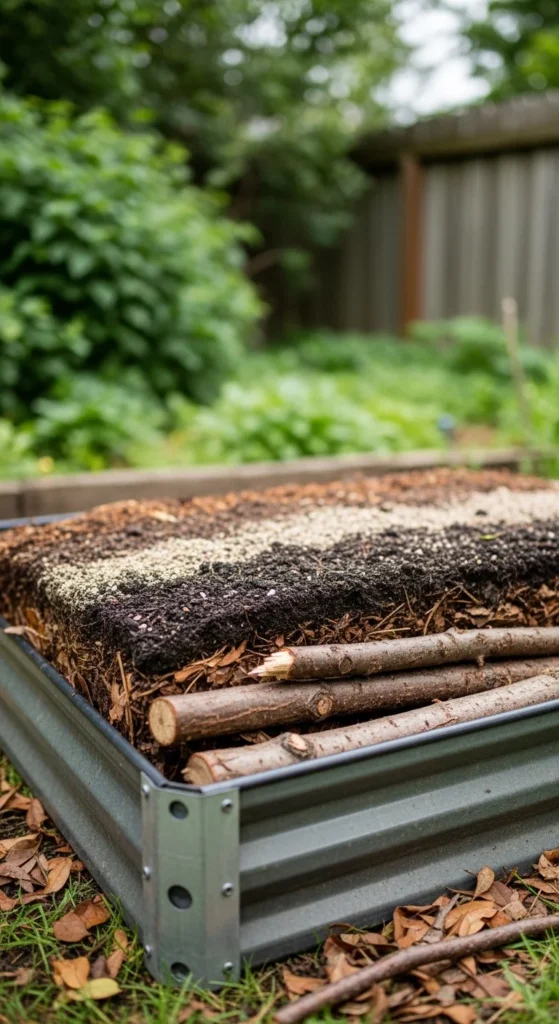
Layer logs and yard waste at the bottom.
Reduces soil cost.
Improves drainage.
Works well in tall beds.
13. Slim Side-Yard Beds
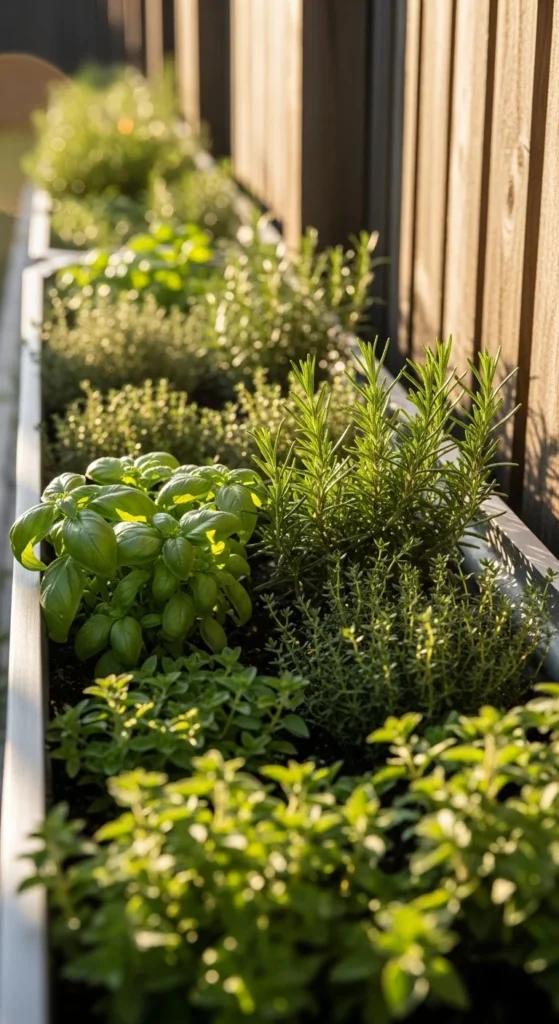
Narrow beds fit tight spaces.
Great for herbs and lettuce.
Place along fences.
Use gravel paths for easy access.
14. Trellis-Backed Steel Beds
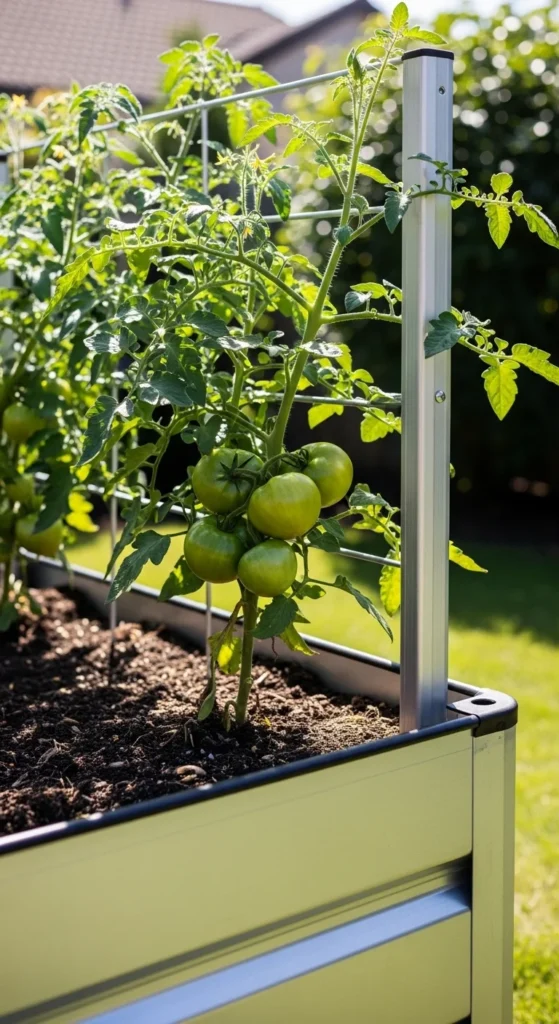
Attach a trellis to the rear panel.
Grow tomatoes and cucumbers vertically.
Saves space.
Increases airflow around plants.
15. Painted Modern Finish Beds
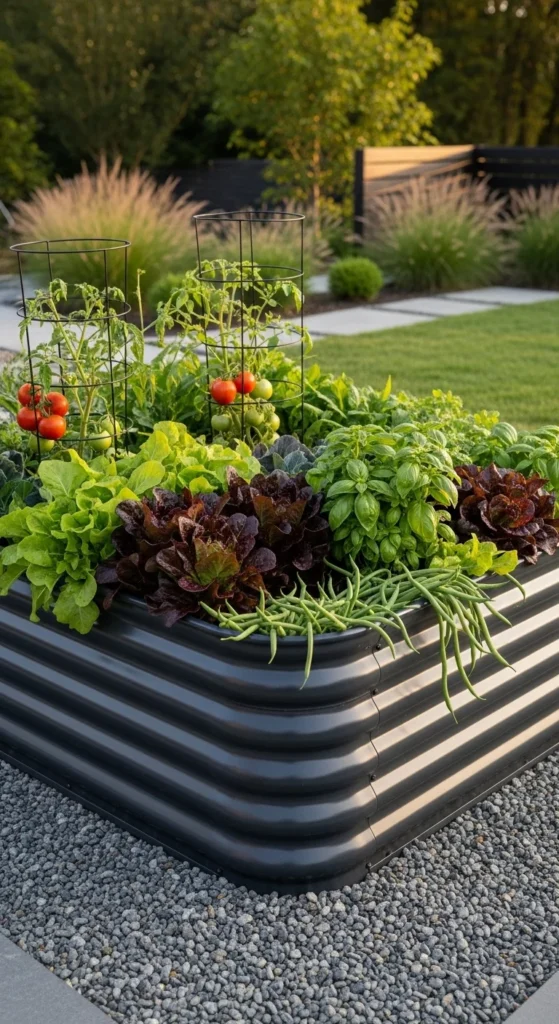
Some beds come in coated colors.
Charcoal and green are popular.
Match your home exterior.
Adds clean design appeal.
16. Mobile Wheeled Beds
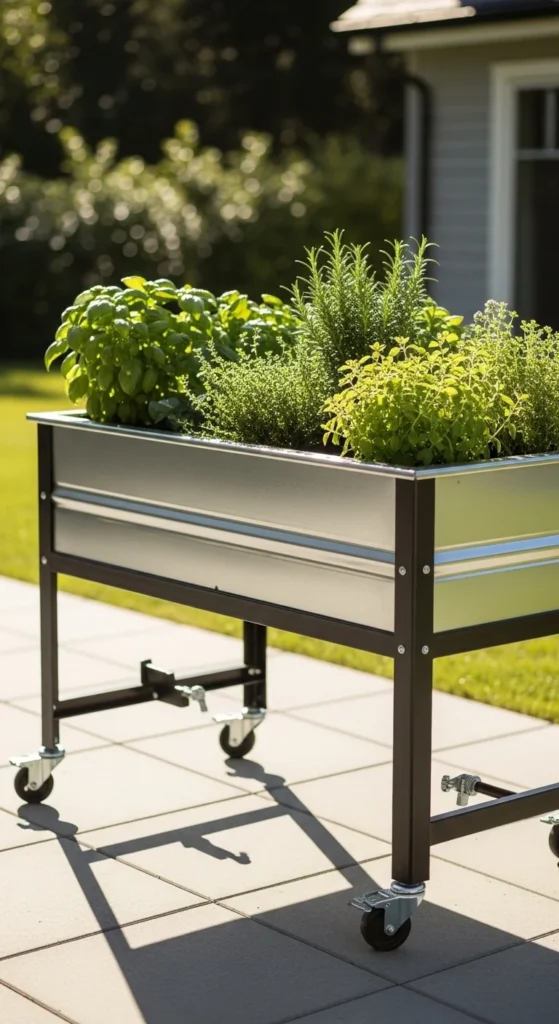
Some models include wheels.
Great for patios.
Move to adjust sunlight.
Perfect for renters.
17. Compact Urban Beds
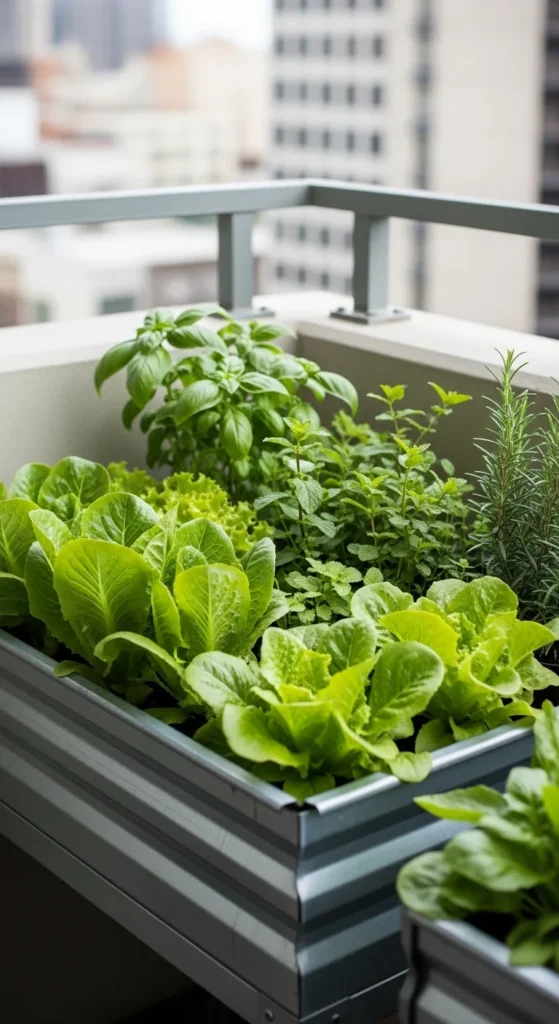
Smaller metal beds work on balconies.
Lightweight but sturdy.
Grow salad greens.
Ideal for city living.
18. Large Family-Sized Beds
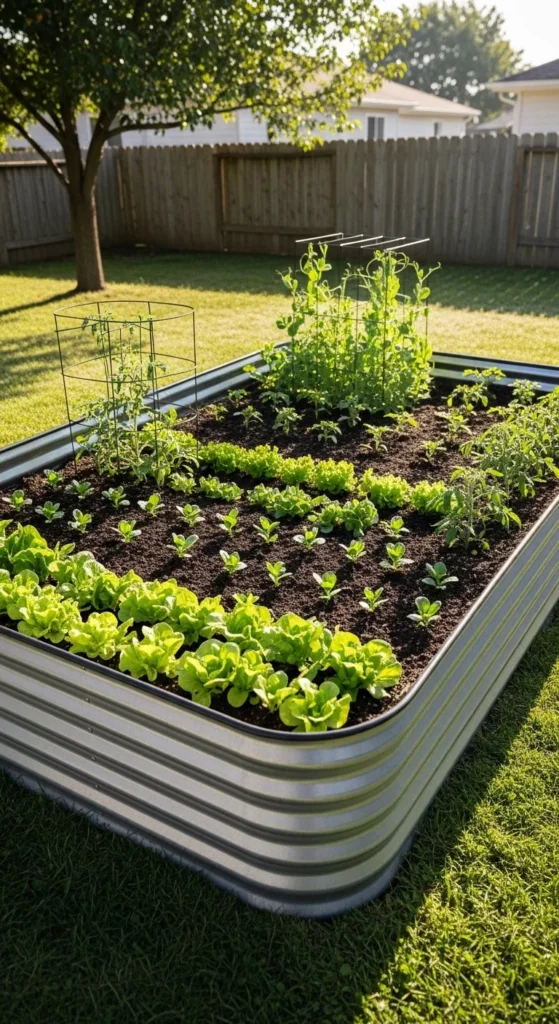
Big beds grow food for families.
Divide rows clearly.
Install drip irrigation early.
Plan crop rotation yearly.
19. Storage-Integrated Beds
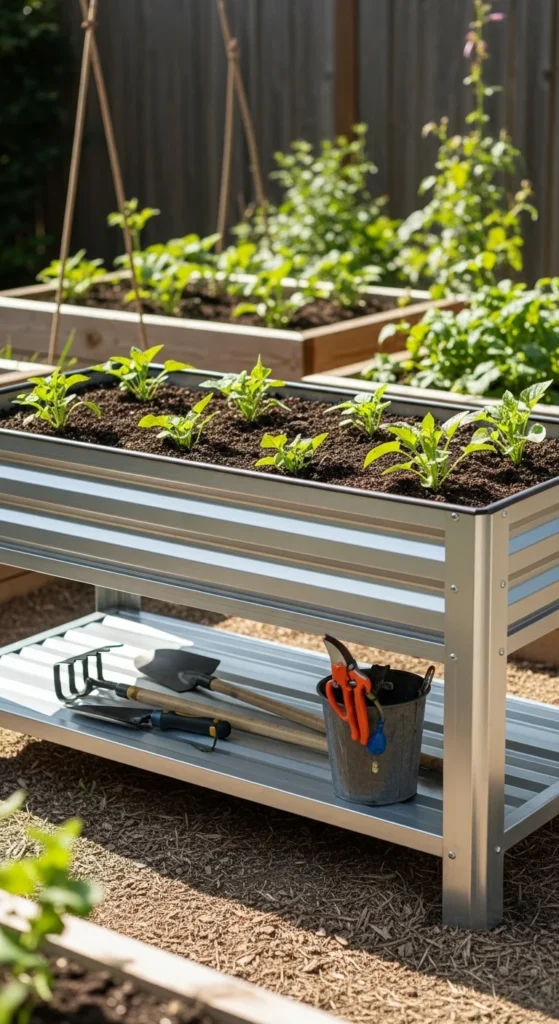
Some designs include shelves.
Store tools below.
Keeps garden organized.
Simple and practical.
20. Rounded Safety Edge Beds
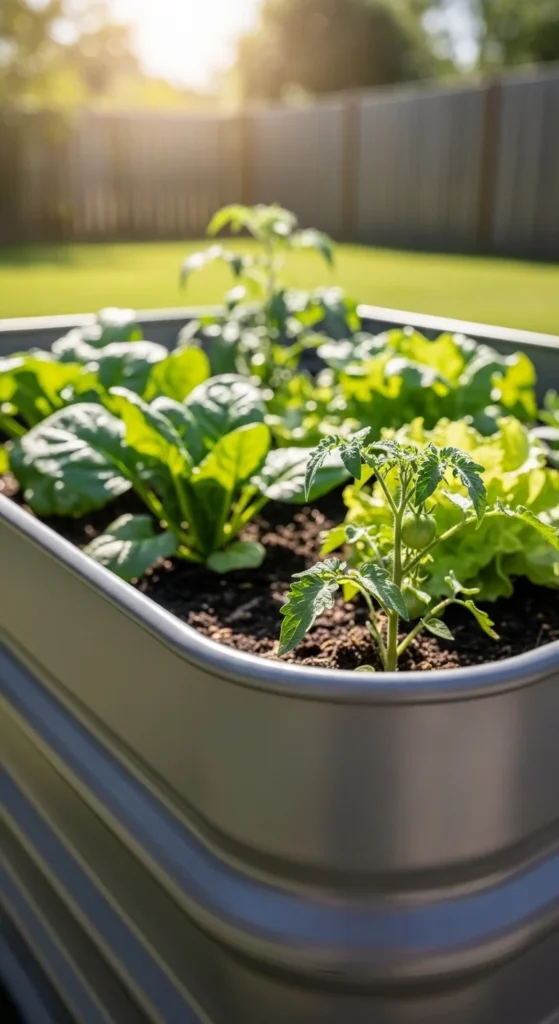
Rounded edges prevent cuts.
Safer for children.
Smooth finish improves comfort.
Worth the small extra cost.
21. Multi-Bed Garden Systems
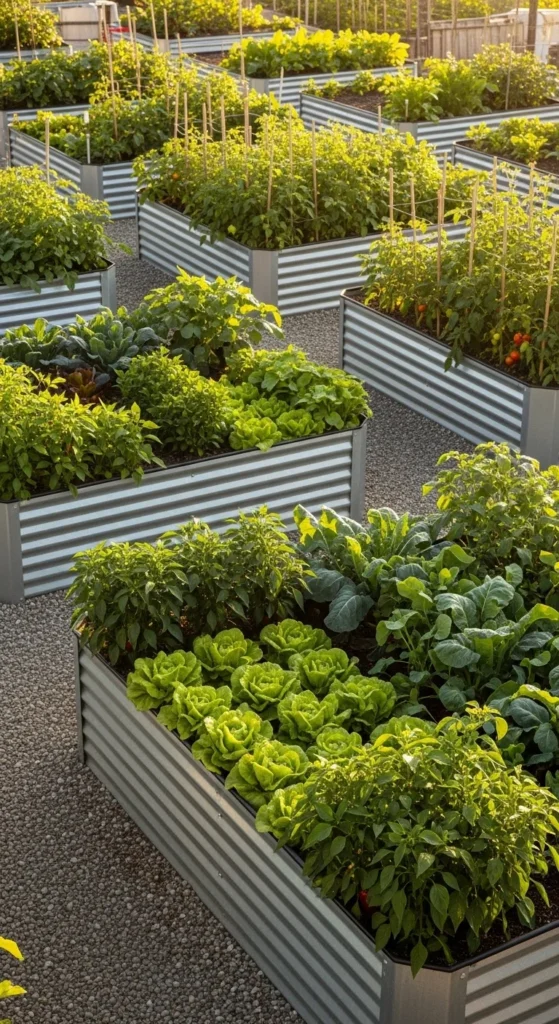
Create rows of matching beds.
Leave walking space between.
Add drip irrigation lines.
Expand gradually each season.
Build your garden step by step.
Conclusion
Metal raised garden beds offer strength, clean design, and long-term reliability. They resist rot, handle harsh weather, and require little maintenance. From tall ergonomic beds to modular shapes and decorative layouts, there’s an option for every yard and budget. Start with one solid bed. Plan your layout carefully. With simple setup and steady care, these beds can support your garden for decades.

Leave a Reply