

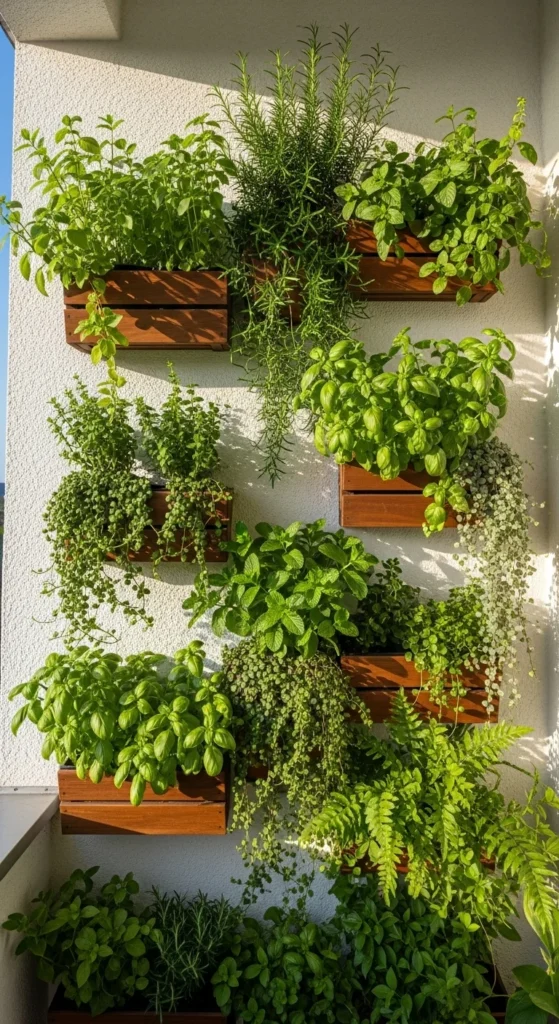
No backyard? No problem. A vertical garden lets you grow your favorite plants — herbs, succulents, or even veggies — without needing extra square footage. Whether you live in an apartment or a cozy home with limited outdoor space, this creative gardening method turns blank walls, fences, or balconies into living art.
Building your own vertical garden is easier than you might think, and it instantly brings color, texture, and freshness to small spaces. Here’s how to get started.
Choose the Right Location
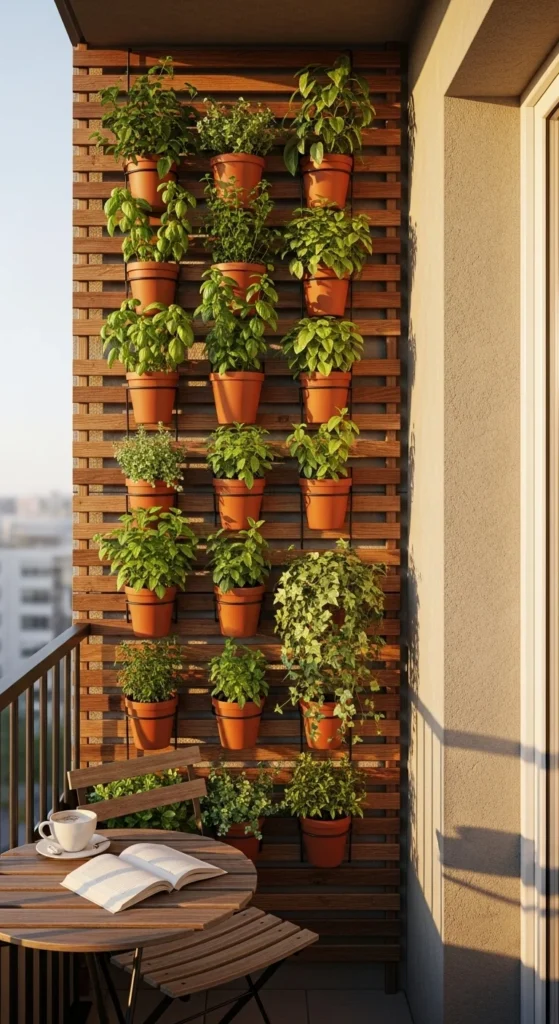
Your plants will only thrive if you pick the right spot. Look for a wall, fence, or railing that gets plenty of sunlight — most herbs and vegetables prefer at least 4–6 hours of direct light daily.
Tips for picking the perfect spot:
- South-facing walls usually get the most consistent sunlight.
- For shadier areas, choose plants that enjoy low light, like ferns or pothos.
- Make sure there’s easy access to water and drainage nearby.
If you’re gardening indoors, consider placing your vertical setup near a sunny window or supplementing with a grow light.
Pick Your Structure Style
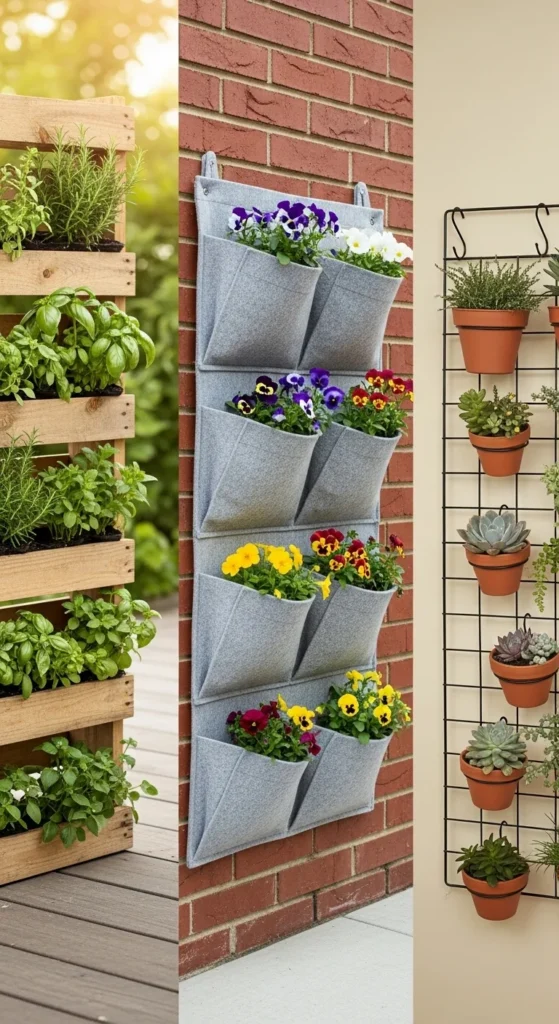
Vertical gardens come in all shapes and materials. Choose one that fits your space, style, and skill level.
Popular styles:
- Wooden Pallet Garden: Recycle a pallet, line it with landscape fabric, and fill the gaps with soil and plants.
- Pocket Planters: Use fabric planters with built-in pockets — ideal for herbs and smaller flowers.
- Hanging Pots: Suspend lightweight pots from a sturdy metal grid or trellis.
- Gutter Garden: Mount cut sections of rain gutters horizontally to create multi-level planting rows.
Each option offers a different look, so think about whether you prefer rustic wood, modern metal, or colorful fabric.
Select the Right Plants
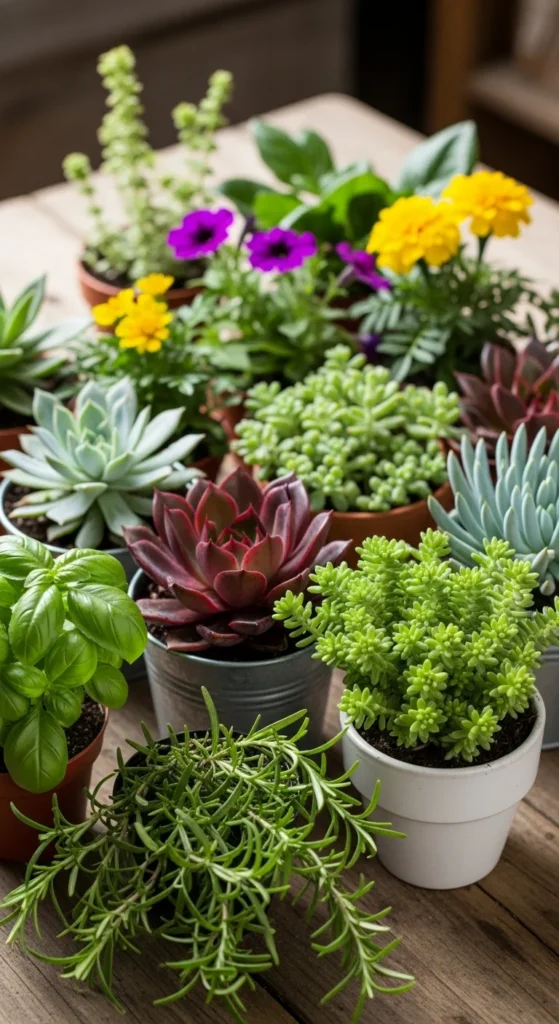
The success of your vertical garden depends on choosing the right mix of plants. Go for varieties that thrive in the same conditions and don’t require deep soil.
Great choices for vertical gardens:
- Herbs: Basil, parsley, thyme, mint, and chives.
- Leafy Greens: Spinach, lettuce, kale, and arugula.
- Flowers: Petunias, begonias, pansies, and marigolds.
- Succulents: Sedum, echeveria, and string of pearls for low maintenance.
Mix textures and colors to keep your wall visually interesting. For beginners, start small — you can always expand as your plants grow.
Build Your Base and Add Soil
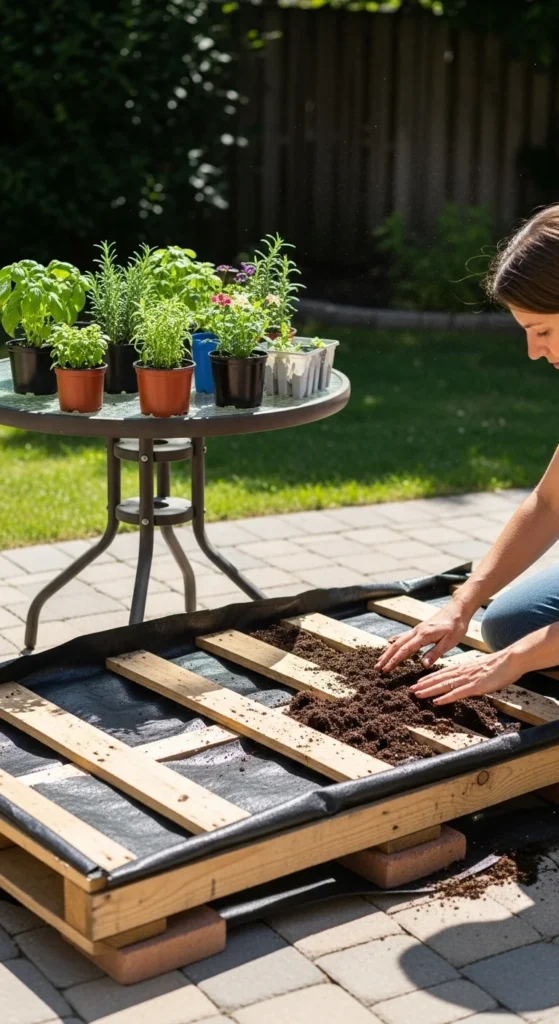
Once you’ve chosen your structure, it’s time to prepare it for planting.
- Line it properly. If using wood or metal, add landscape fabric or coco liners to hold soil in place.
- Add lightweight potting mix. Use high-quality soil mixed with compost for nutrients. Avoid dense garden soil — it can compact and block roots.
- Secure the base. Make sure your wall or frame is anchored firmly before hanging or adding heavy plants.
If your setup includes containers, ensure each has drainage holes so excess water can escape.
Plant and Arrange Thoughtfully
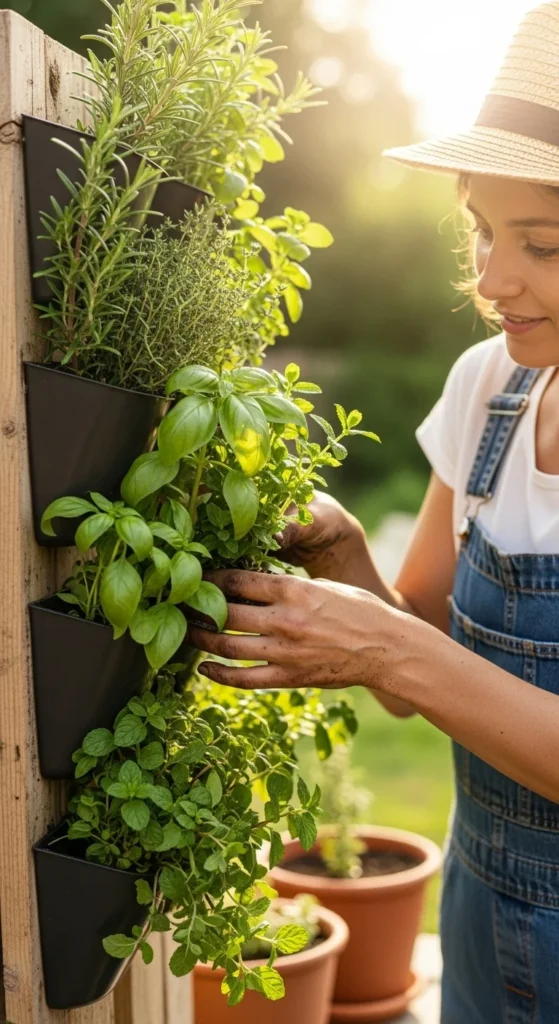
When planting, think about how each plant will grow. Taller or trailing ones should go near the top, while compact or shade-loving varieties belong near the bottom.
Arrangement tips:
- Group plants with similar watering habits.
- Alternate colors and leaf shapes for visual contrast.
- Leave room for growth — don’t overcrowd the planters.
Once planted, water thoroughly to help the roots settle into their new environment.
Watering and Maintenance
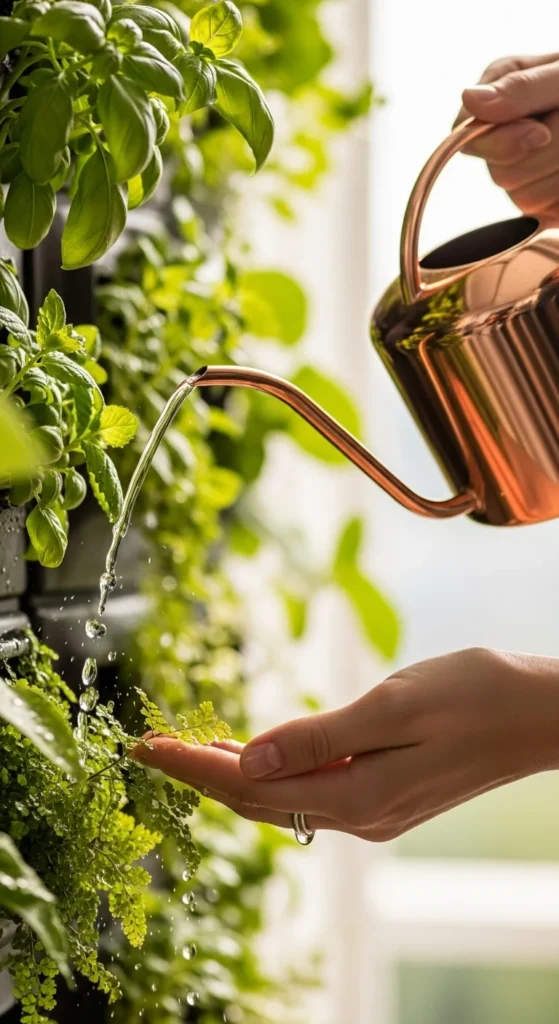
Consistent watering is key, especially since vertical gardens can dry out faster than traditional beds.
Easy maintenance ideas:
- Install a drip irrigation system or self-watering planter if you travel often.
- Water slowly from the top to allow even absorption.
- Check for yellowing or wilted leaves regularly — they’re signs of over or under-watering.
- Trim dead foliage to encourage new growth.
For indoor setups, mist your plants occasionally to maintain humidity and prevent dust buildup.
Add Personality with Decor
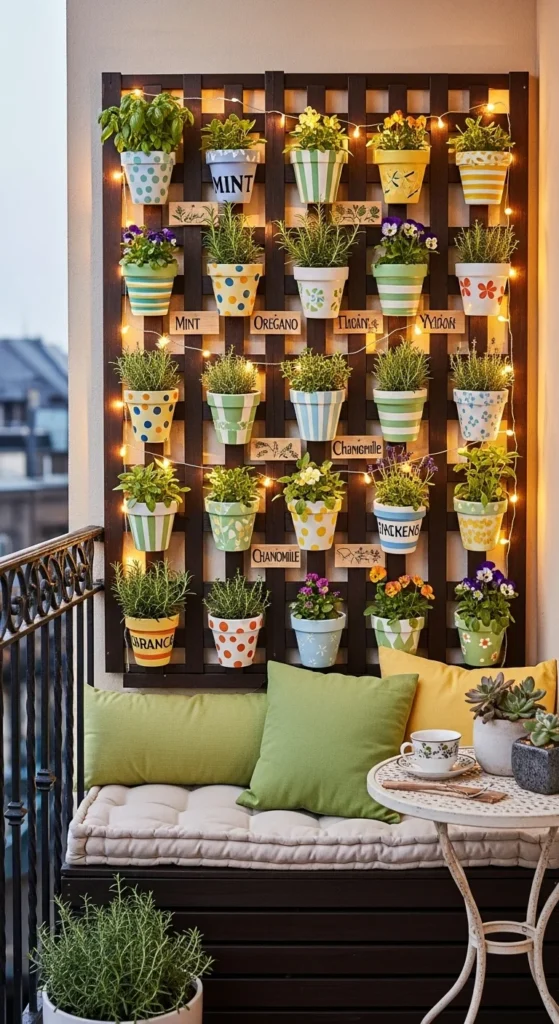
Your vertical garden doesn’t just have to be functional — it can also be a design feature. Add personality with decorative touches that make it your own:
- Paint or stain your wooden frame for color contrast.
- Label plants with chalkboard tags or wooden signs.
- Hang fairy lights or lanterns for evening ambiance.
- Add small garden ornaments or ceramic accents for charm.
These little details make your garden wall feel intentional and welcoming.
Conclusion
Building a vertical garden is one of the easiest ways to make a small space bloom with life. It’s practical, beautiful, and endlessly customizable — perfect for apartment dwellers or anyone short on space.
Start with a single frame, a few favorite plants, and the sunlight you already have. Before long, you’ll have your very own wall of green to admire, harvest, and share.
Leave a Reply