

If garden pests are chewing through your plants faster than you can pick them, you’re not alone. Aphids, mites, and caterpillars can turn thriving greens into sad skeletons overnight. The good news? You can fight back—without resorting to harsh chemicals.
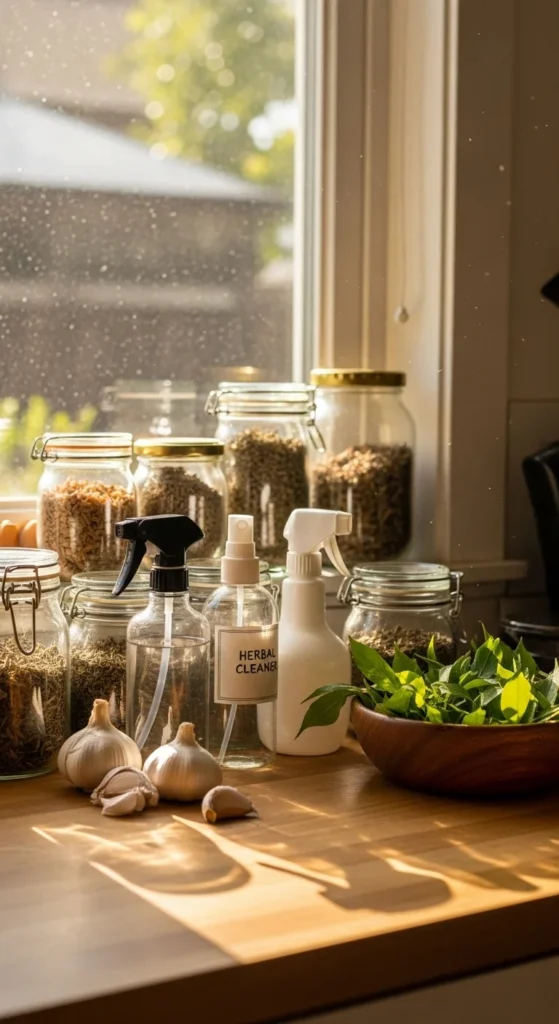
Making your own organic pest spray at home is simple, affordable, and safe for your garden, pets, and the environment. With a few everyday ingredients, you can protect your plants and keep your garden healthy all season long.
Why Go Organic?
Chemical pesticides might kill pests quickly, but they also harm beneficial insects, pollute soil, and even affect the food you eat. Organic sprays, on the other hand, use natural ingredients like garlic, neem oil, or chili—powerful enough to deter pests but gentle on the ecosystem.
Here’s what makes homemade sprays so popular:
- They’re non-toxic and biodegradable.
- You know exactly what’s in them—no mystery chemicals.
- They’re budget-friendly and easy to make.
- They can be adjusted based on your garden’s needs.
Step 1: Gather Your Ingredients
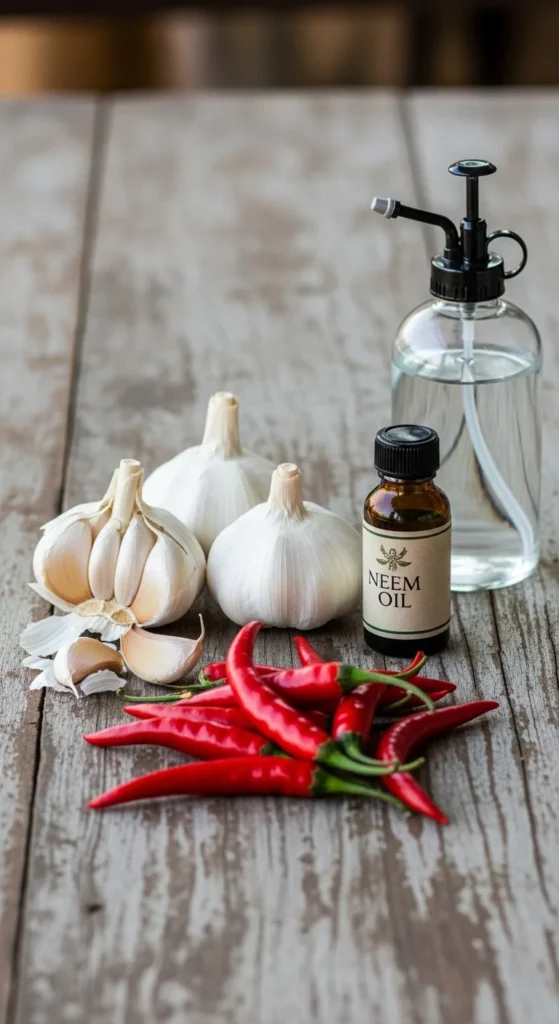
The ingredients you choose depend on the type of pests you’re dealing with. Most natural sprays use one or more of the following base ingredients.
Common Ingredients:
- Garlic – Repels aphids, beetles, and caterpillars.
- Chili peppers – Keeps away chewing insects.
- Neem oil – Deters aphids, mites, and whiteflies.
- Soap (mild dish soap or Castile) – Breaks down insect exoskeletons and helps spray stick to leaves.
- Essential oils – Peppermint or rosemary oil help repel bugs naturally.
Step 2: Make the Base Mixture
Here’s a simple, multipurpose garlic-chili spray recipe that works for most garden pests.
Ingredients:
- 2 whole bulbs of garlic
- 2–3 hot chili peppers (fresh or dried)
- 1 teaspoon mild dish soap
- 4 cups water
Directions:
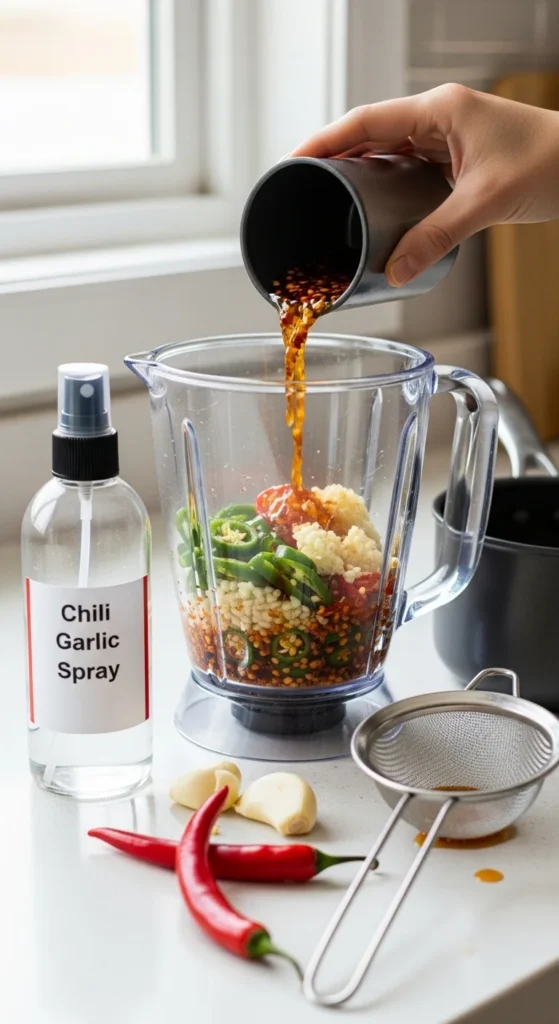
- Blend garlic and chili with 2 cups of water until smooth.
- Pour the mixture into a pot, add the remaining water, and let it sit overnight.
- Strain it through cheesecloth or a fine sieve.
- Stir in the dish soap.
- Pour the liquid into a clean spray bottle.
Keep your spray stored in the fridge—it’ll last for about a week. Shake well before each use.
Step 3: How to Apply It
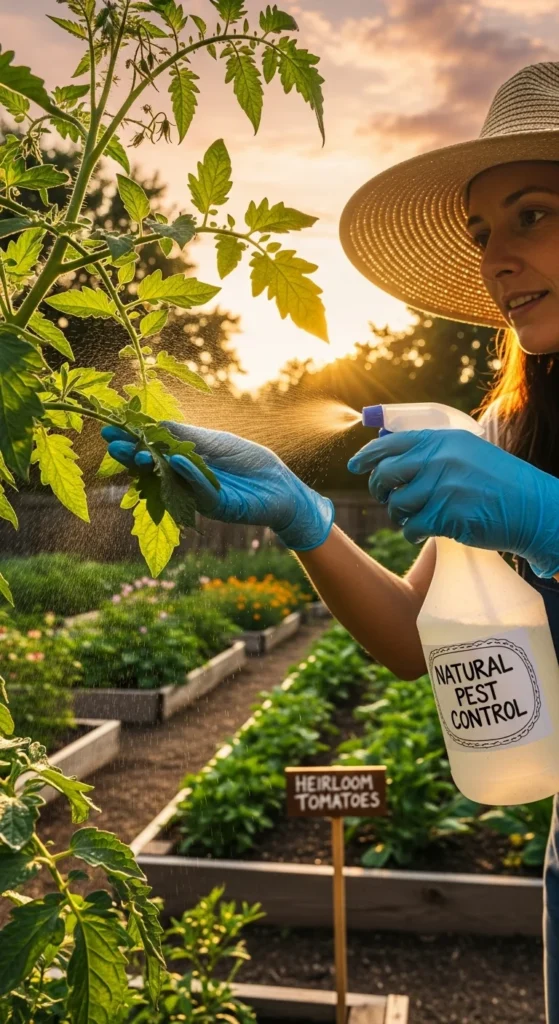
Timing and technique make a huge difference when using organic sprays. Apply your homemade spray in the early morning or evening, when the sun is low. This prevents leaf burn and allows the spray to work longer before evaporating.
Spraying Tips:
- Spray both tops and undersides of leaves—pests often hide underneath.
- Focus on affected areas, but treat nearby plants too to prevent spreading.
- Reapply every 3–5 days or after rain.
- Test the spray on a small section of the plant first to check for sensitivity.
If you notice any leaf discoloration, dilute the spray with more water before reapplying.
Step 4: Try Neem Oil Spray for Tough Pests
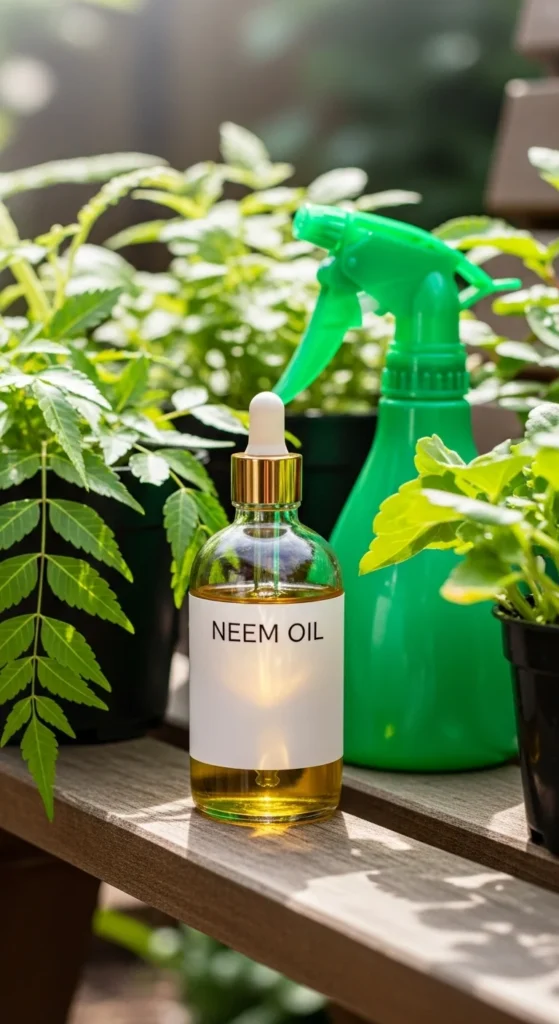
If you’re dealing with stubborn pests like whiteflies or spider mites, neem oil is your best friend. It’s a natural insecticide made from the seeds of the neem tree and works by disrupting insects’ feeding and breeding cycles.
Neem Oil Spray Recipe:
- 2 teaspoons neem oil
- 1 teaspoon mild dish soap
- 4 cups warm water
Mix all ingredients in a spray bottle and shake well. Apply weekly to both sides of leaves.
Neem oil not only fights pests—it also prevents fungal infections like mildew and blight.
Step 5: Use Essential Oils for an Extra Kick
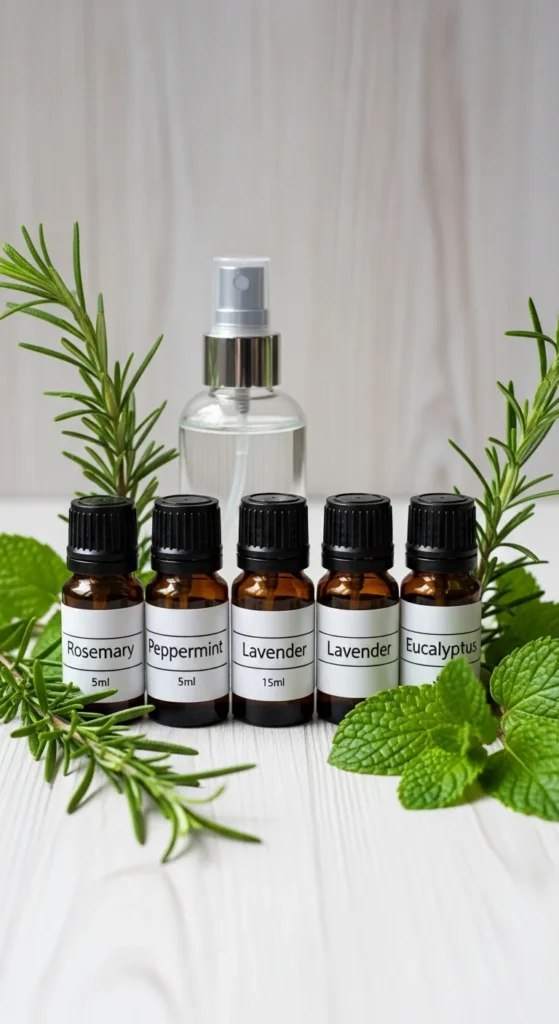
Want your garden to smell amazing while keeping bugs at bay? Essential oils like peppermint, rosemary, and eucalyptus make excellent natural repellents.
Quick Mix:
- 10 drops peppermint oil
- 10 drops rosemary oil
- 1 teaspoon soap
- 2 cups water
Shake it up and spray lightly around your garden. It keeps ants, aphids, and spider mites away—and smells fresh and herbal.
Step 6: Combine with Smart Gardening Habits
Organic sprays work best when paired with healthy gardening practices. Think of them as part of your garden’s natural defense system.
Here are a few tips to make your garden more pest-resistant:
- Encourage beneficial insects like ladybugs and lacewings—they eat harmful pests.
- Rotate crops each season to prevent pest buildup.
- Mulch and weed regularly to reduce hiding spots.
- Keep plants healthy—strong plants resist pests better.
When your garden is thriving naturally, you’ll rely on sprays less and enjoy cleaner, healthier produce.
Final Takeaway
Making your own organic pest spray is one of the easiest and most empowering things you can do as a gardener. With a few pantry staples and a little effort, you can protect your plants safely and sustainably.
Whether it’s garlic spray for aphids or neem oil for mites, your homemade blend will keep your garden pest-free—and chemical-free—all season long.

Leave a Reply