

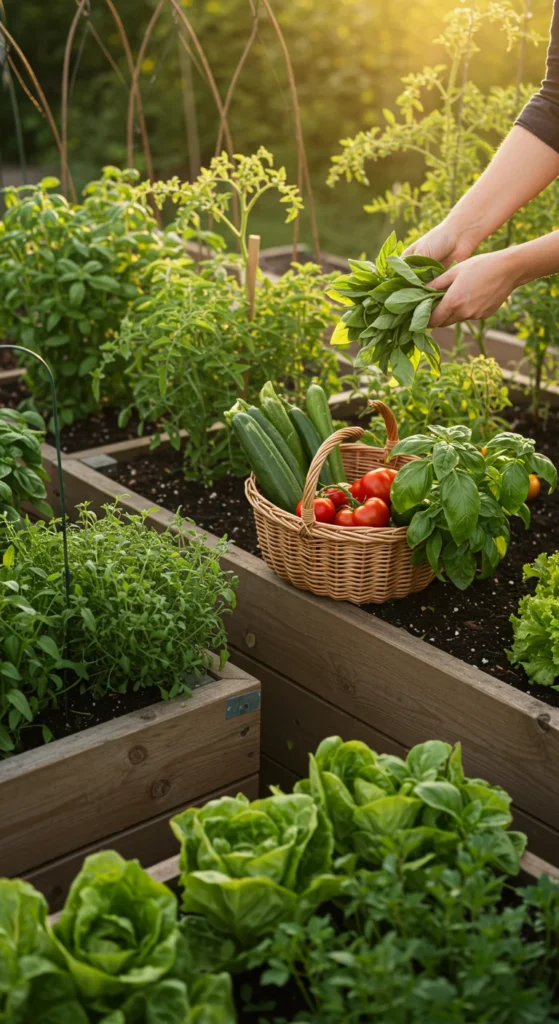
Growing your own kitchen garden means more than just saving trips to the grocery store—it’s about bringing flavor, freshness, and creativity to your cooking. Whether you have a sunny windowsill or a full backyard, there’s always room to grow something edible. These 25 kitchen garden ideas make it easy to turn any space into a mini paradise filled with herbs, veggies, and greens that make every meal better.
1. Grow Herbs on a Sunny Windowsill
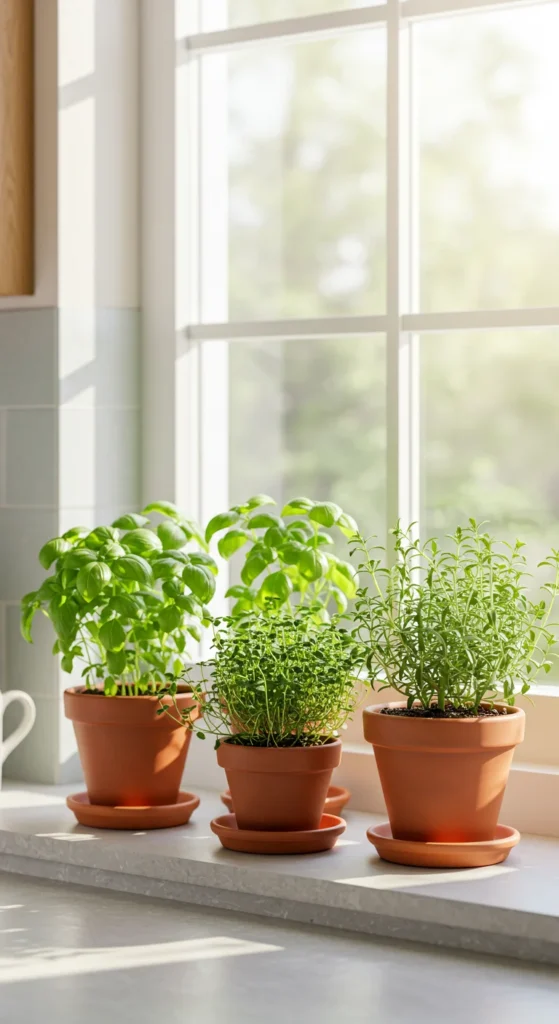
If space is tight, start small with herbs. Basil, parsley, and mint thrive on sunny windowsills. Use small terracotta or glass jars with good drainage. Snip what you need for pasta, salads, or teas. Keep soil moist but not soggy, and rotate pots weekly for even growth. It’s an easy, fragrant start to your homegrown kitchen garden.
2. Create a Vertical Garden
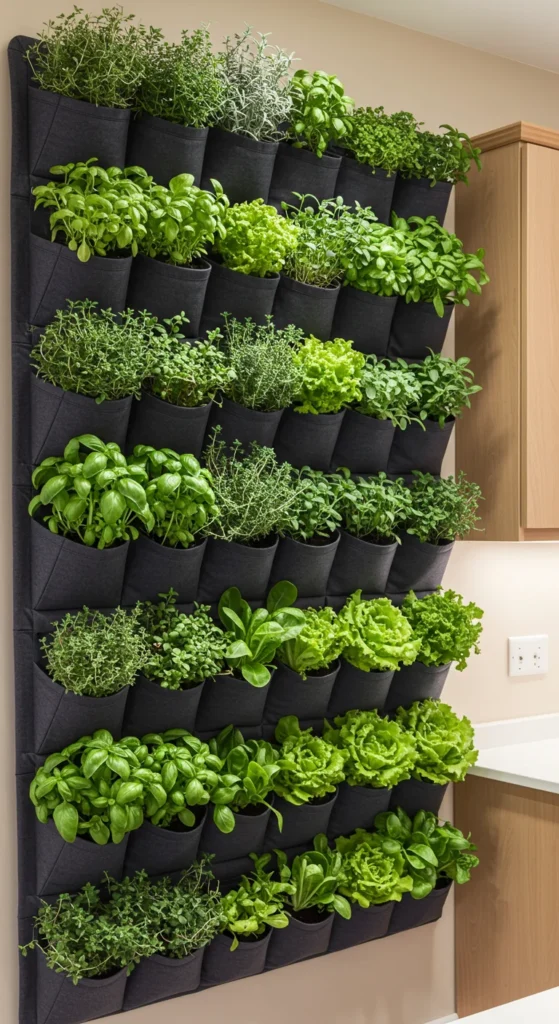
Short on space? Go vertical. Use wall planters, recycled pallets, or hanging pockets to grow lettuce, chives, or strawberries. Vertical gardens save floor space and add greenery to dull walls. Just remember to water frequently since soil dries faster. It’s a space-saving way to grow plenty of produce in a small kitchen or balcony.
3. Use Mason Jars for Herbs
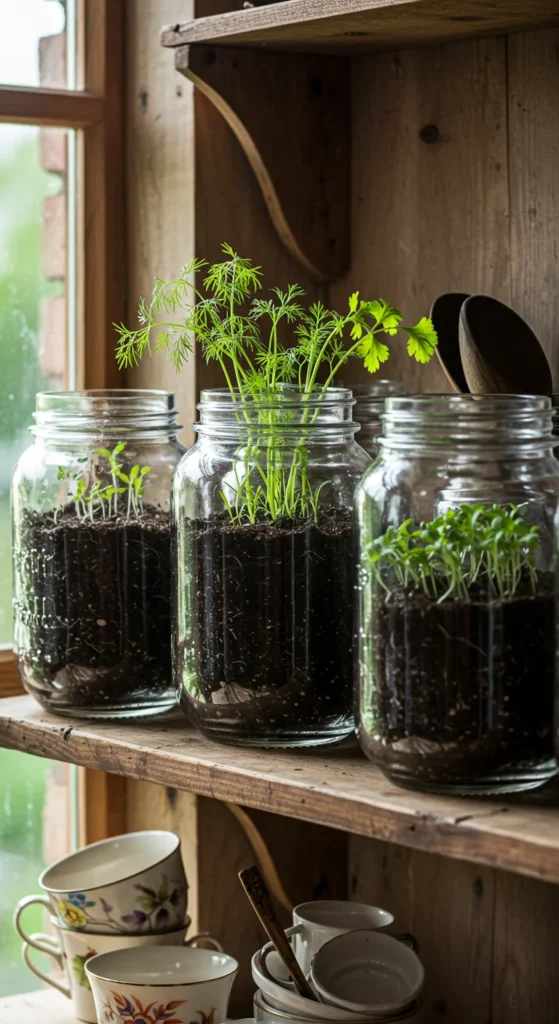
Mason jars double as cute and functional herb containers. Line the bottom with small pebbles for drainage and fill with quality potting mix. Plant seeds or cuttings of fast growers like cilantro or dill. Place them near a sunny spot and trim often to encourage regrowth. They’re easy to move around and look stylish on countertops.
4. Build a Raised Bed Garden
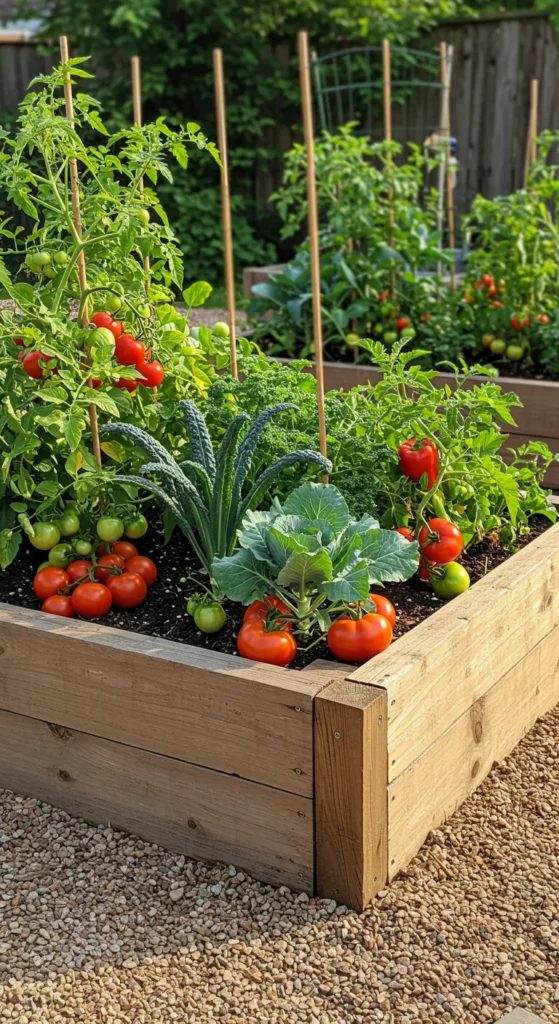
Raised beds make gardening simpler and more productive. They warm up faster in spring and drain better after rain. Use untreated wood or metal frames filled with nutrient-rich compost. Grow a mix of veggies and herbs in sections. This setup keeps weeds down and yields big harvests with less effort.
5. Grow Salad Greens Year-Round
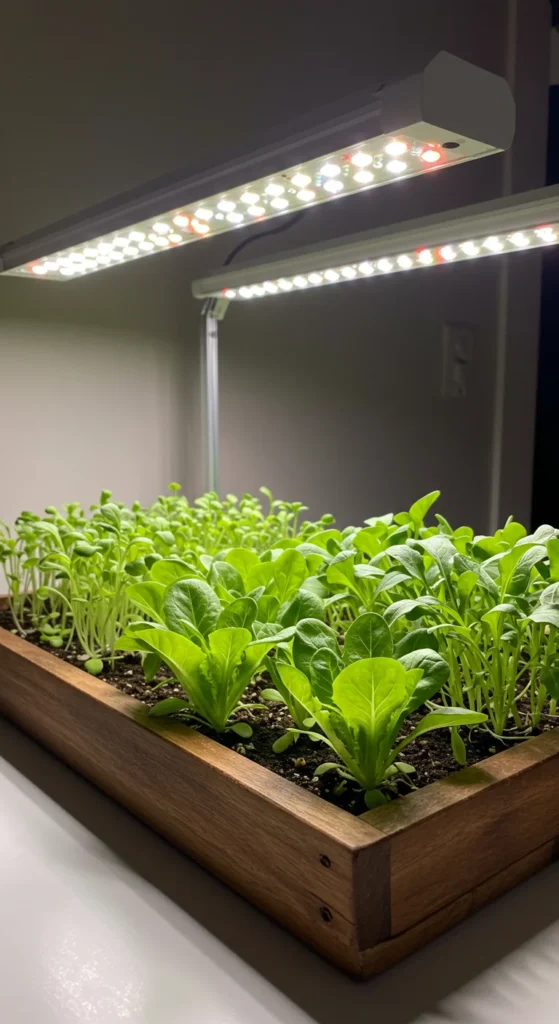
Salad greens like lettuce and spinach thrive indoors. Use shallow trays filled with rich soil or hydroponic systems under grow lights. Cut outer leaves regularly and let the rest regrow. Fresh greens on demand make weekday meals effortless and healthy—no supermarket runs required.
6. Start a Hanging Herb Garden
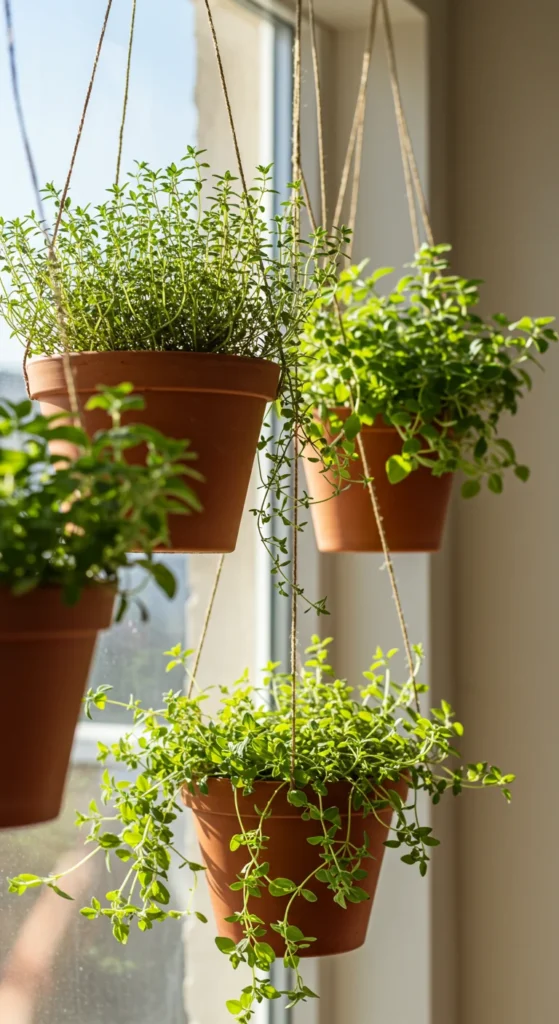
Hanging gardens look beautiful and save counter space. Choose herbs with cascading habits like thyme or oregano. Use macramé hangers or metal baskets lined with coconut coir. Keep soil light and water carefully to avoid drips. The result is an elegant display that’s both decorative and practical.
7. Repurpose Wooden Crates
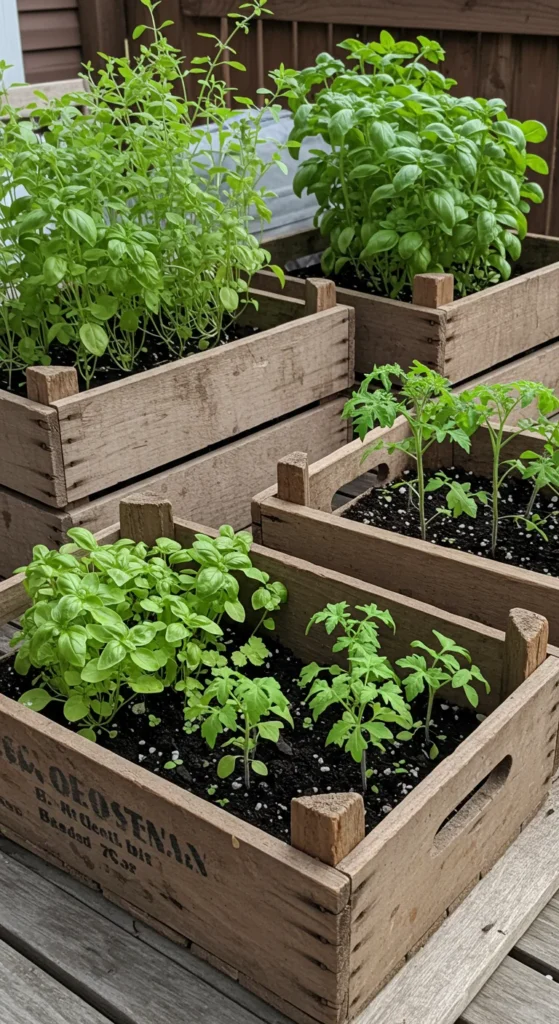
Wooden crates make great mini gardens. Line them with landscape fabric, fill with soil, and plant herbs or shallow-rooted vegetables. Stack crates for a layered look. This DIY idea costs little and gives your kitchen garden a charming rustic touch while keeping plants portable and organized.
8. Grow Microgreens Indoors
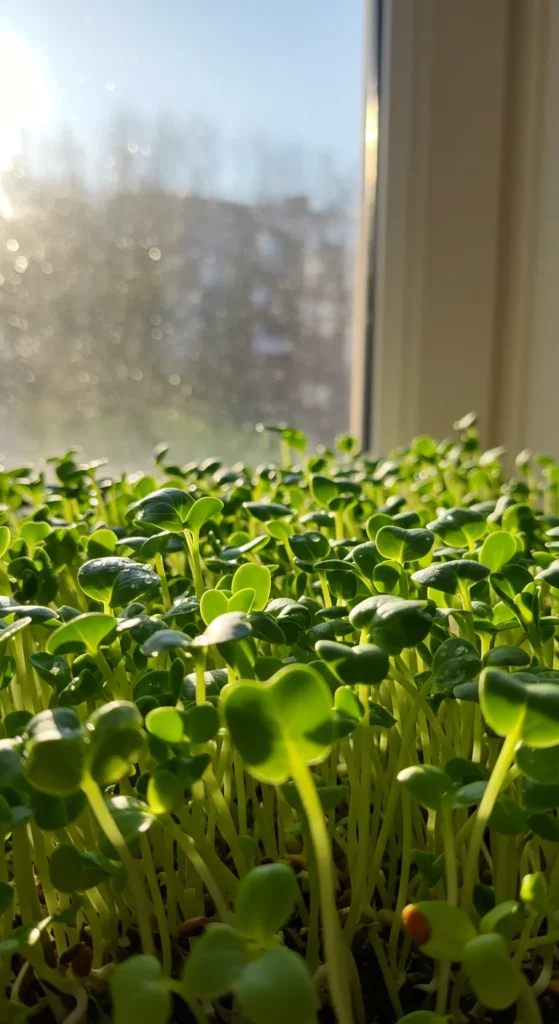
Microgreens grow fast and pack tons of nutrients. Use seed trays with damp soil and scatter seeds evenly. In just 10 days, you’ll have tiny greens ready to snip. Try radish, mustard, or sunflower shoots for salads and sandwiches. They need minimal space but deliver maximum freshness.
9. Mix Flowers and Edibles
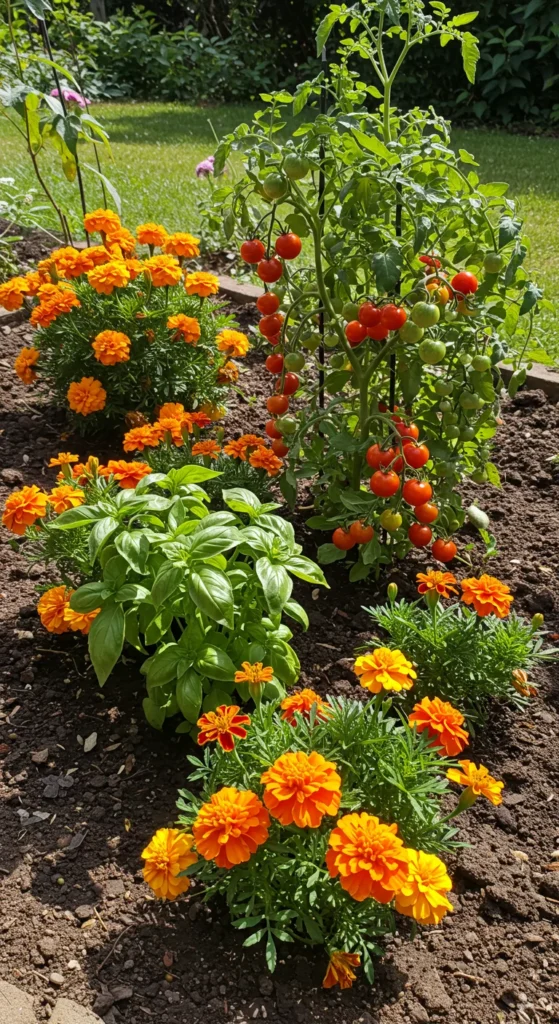
Add beauty and function by combining flowers with edibles. Marigolds repel pests, while basil improves tomato flavor. The mix keeps your garden healthy and colorful. Group plants with similar sunlight and water requirements. This setup attracts pollinators and gives your garden a lovely balance of color and produce.
10. Create a Balcony Kitchen Garden
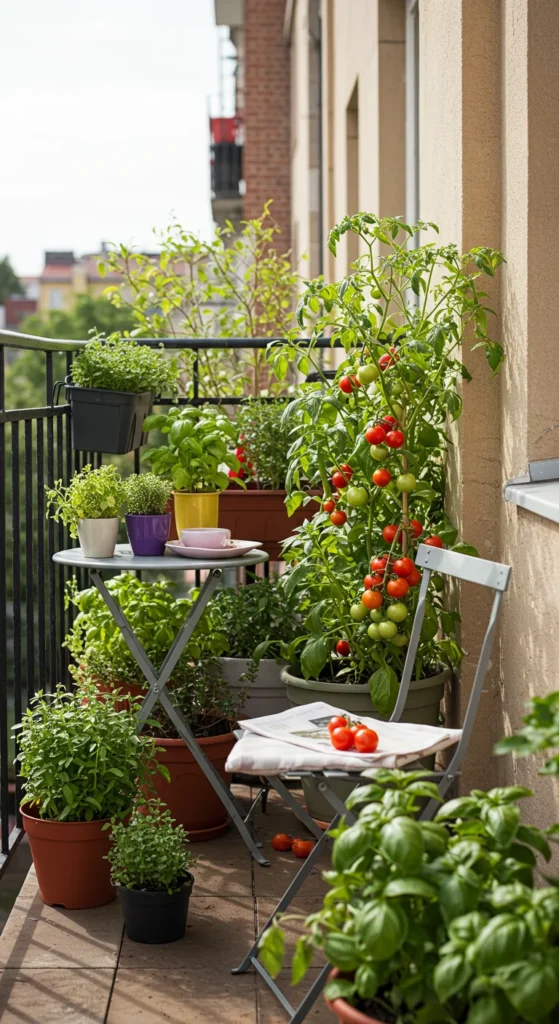
Even small balconies can produce plenty. Use rail planters or stackable pots to grow herbs and compact vegetables. Cherry tomatoes, peppers, and lettuce are perfect for tight spaces. Keep a watering can nearby, and enjoy cooking with ingredients you just picked a few steps away.
11. Grow Tomatoes in Buckets
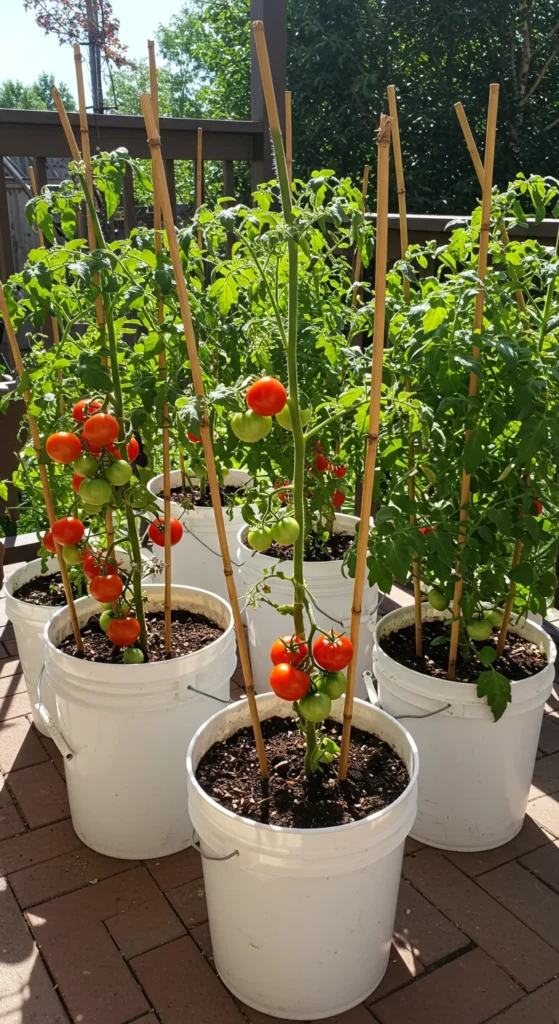
No garden beds? No problem. Grow tomatoes in 5-gallon buckets. Drill drainage holes and use potting mix enriched with compost. Choose determinate varieties that stay compact. Water regularly and stake the plants for support. You’ll have juicy, homegrown tomatoes perfect for salads and sauces.
12. Use Old Teacups as Planters
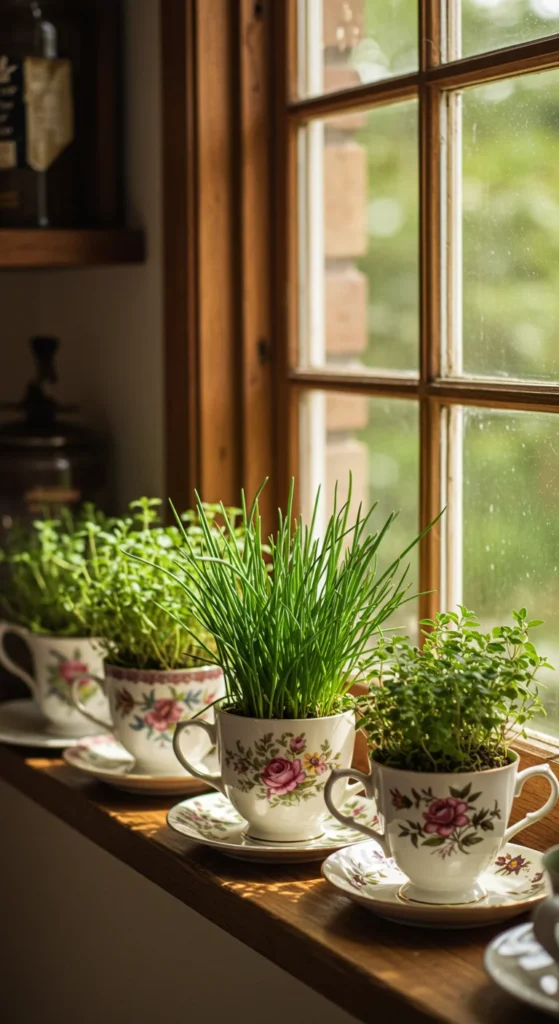
Old teacups make adorable mini planters. Add gravel for drainage and fill with soil. Plant herbs like chives or thyme for easy access during cooking. They’re ideal for decorative, small-scale gardening and make lovely gifts for friends who love both tea and plants.
13. Grow Herbs from Kitchen Scraps
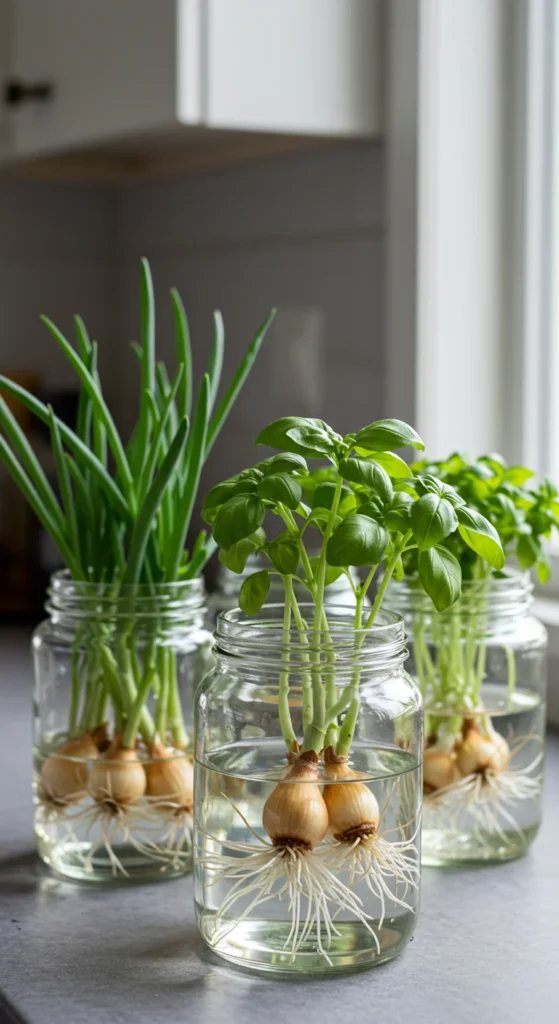
Regrow herbs and greens from scraps to save money. Place green onion ends, basil cuttings, or lettuce cores in water until roots form, then transplant them to soil. This method keeps your kitchen garden going without constant seed purchases and turns leftovers into new growth.
14. Plant Companion Crops
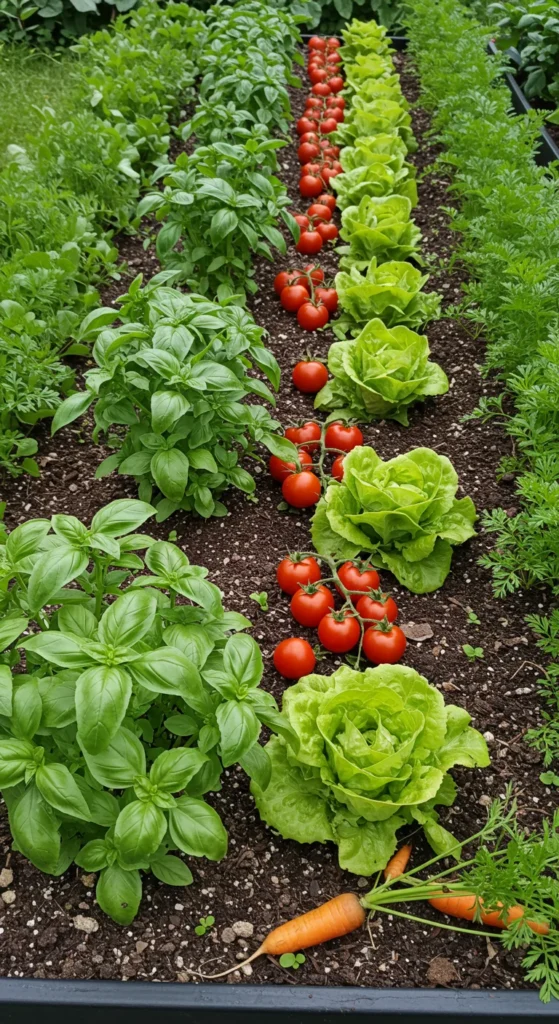
Certain plants help each other grow. Basil deters pests near tomatoes, and lettuce shades soil for carrots. Research companion pairs for your layout. This method improves yield naturally and reduces pesticide use while keeping your garden thriving season after season.
15. Add a Small Compost Bin
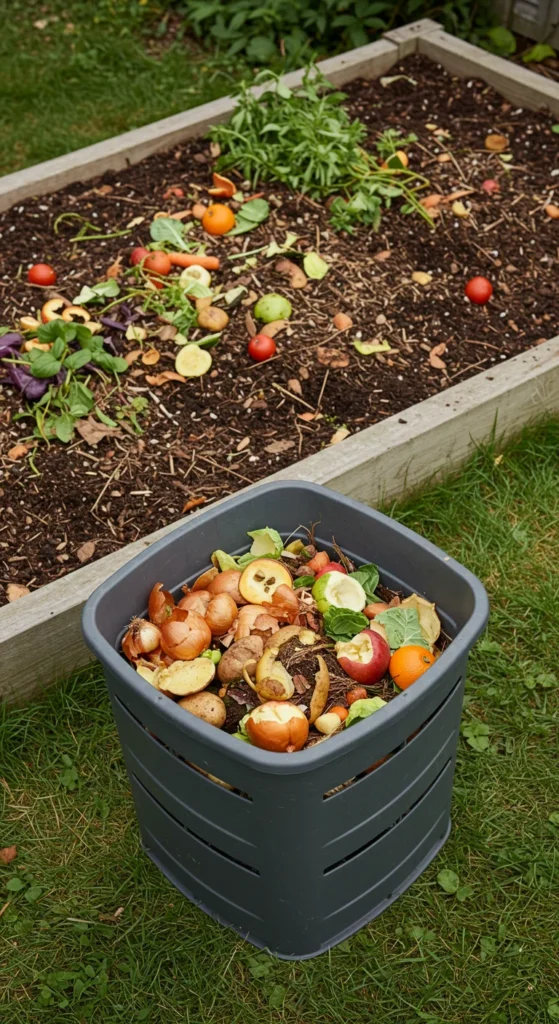
Composting turns kitchen waste into nutrient-rich soil. Use a small indoor compost bin or a rotating outdoor one. Add fruit peels, eggshells, and veggie scraps—avoid meat and dairy. Over time, this “black gold” feeds your plants and keeps your garden eco-friendly.
16. Try Hydroponic Gardening
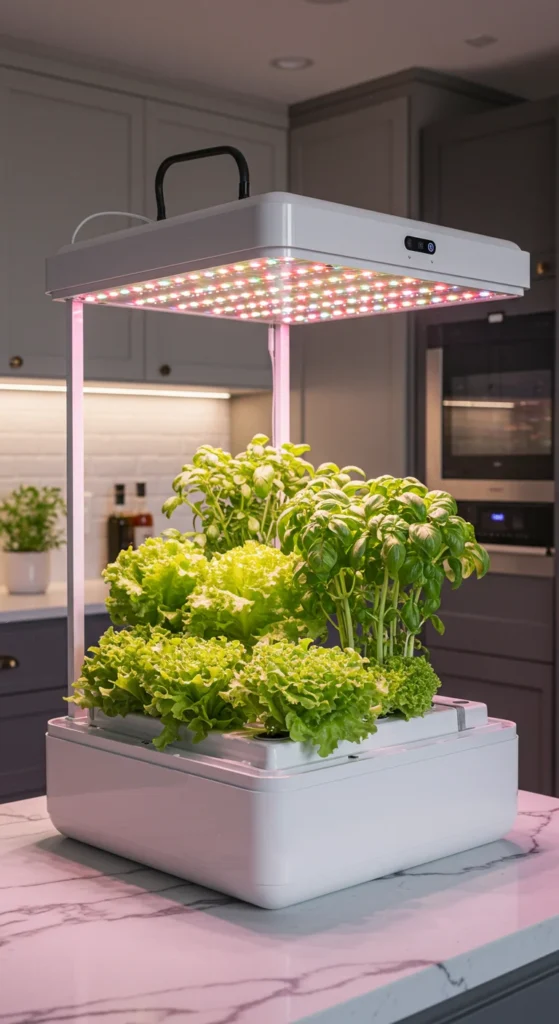
Hydroponic kits make growing simple indoors. They use water and nutrients instead of soil, giving you clean, fast-growing herbs and greens. Place the setup near a power outlet and keep water levels steady. It’s efficient, low-maintenance, and ideal for year-round gardening.
17. Make a Kitchen Herb Ladder
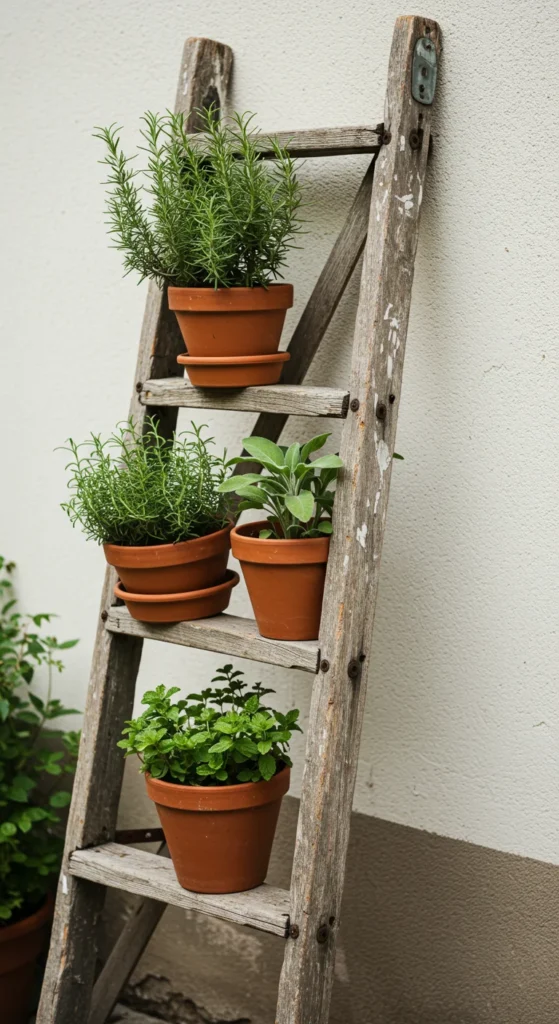
Repurpose an old ladder into a vertical herb display. Secure pots on each rung and fill with herbs of varying colors and scents. Place near a sunny window or on a balcony. It’s a creative, space-saving way to grow multiple herbs in one compact area.
18. Grow Lemons Indoors
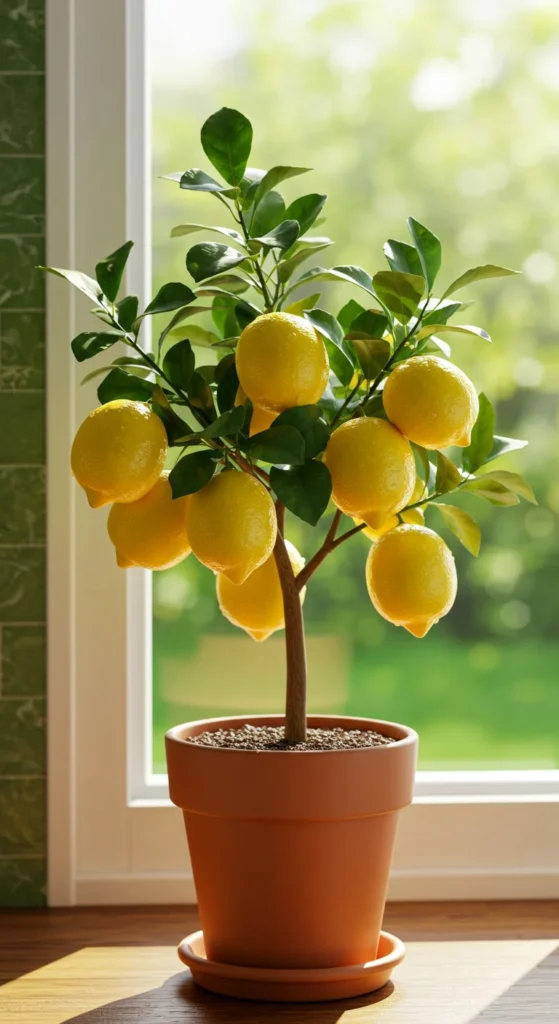
Yes, you can grow citrus indoors. Choose a dwarf variety like Meyer lemon, and place it near a bright window. Water when the top inch of soil dries out. The fragrant blooms and mini lemons add life to your kitchen—and they’re perfect for drinks or desserts.
19. Reuse Plastic Bottles as Planters
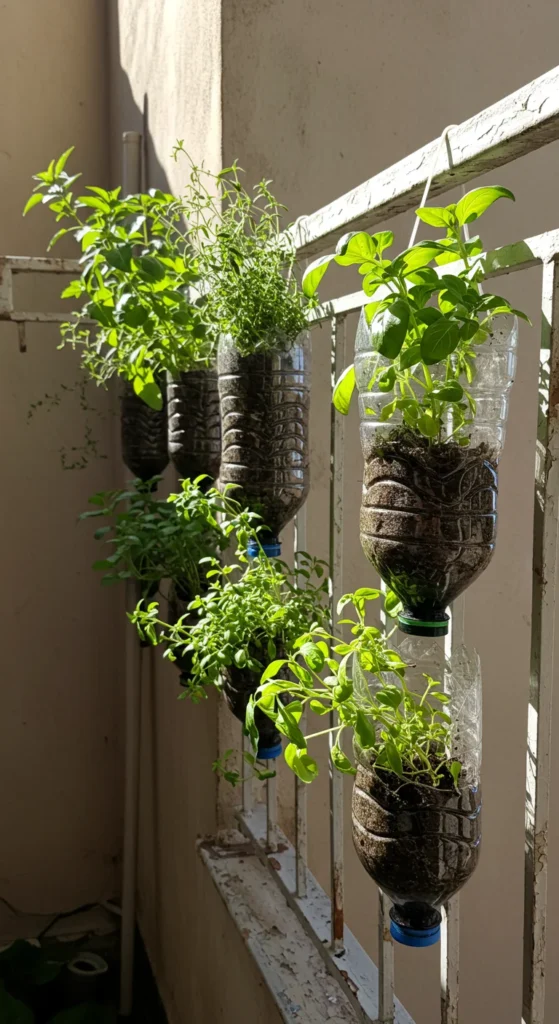
Recycle bottles by cutting them in half, adding drainage holes, and filling with soil. Hang them along windows or fences. They’re great for herbs, lettuce, or small flowers. This eco-friendly hack keeps plastic out of landfills while adding a playful touch to your garden.
20. Grow Strawberries in Hanging Pots
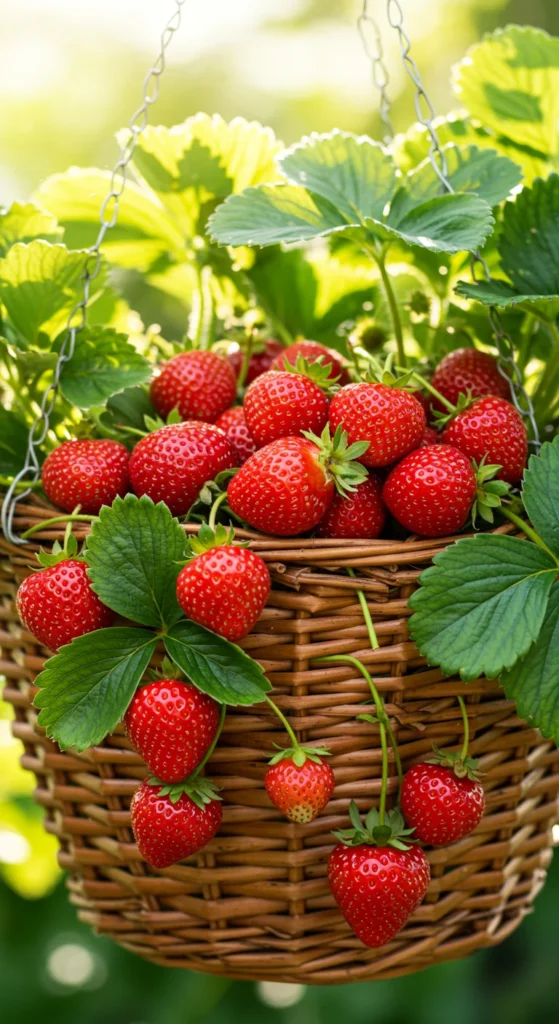
Strawberries thrive in hanging pots. Use lightweight soil and position them where they’ll get six hours of sunlight. Water regularly and snip runners to keep plants compact. Their cascading look adds charm while keeping fruits off the ground and pest-free.
21. Add Edible Flowers
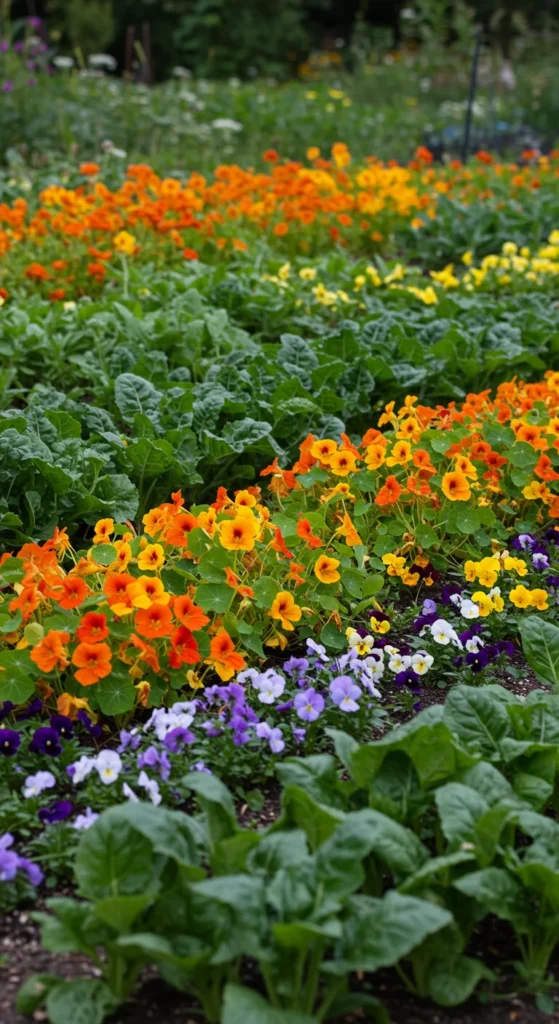
Edible flowers add color to your dishes and your garden. Nasturtiums, pansies, and calendulas are easy to grow and look stunning in salads or desserts. Mix them with herbs or greens in beds or containers for a decorative and delicious touch.
22. Build a Tiered Herb Tower
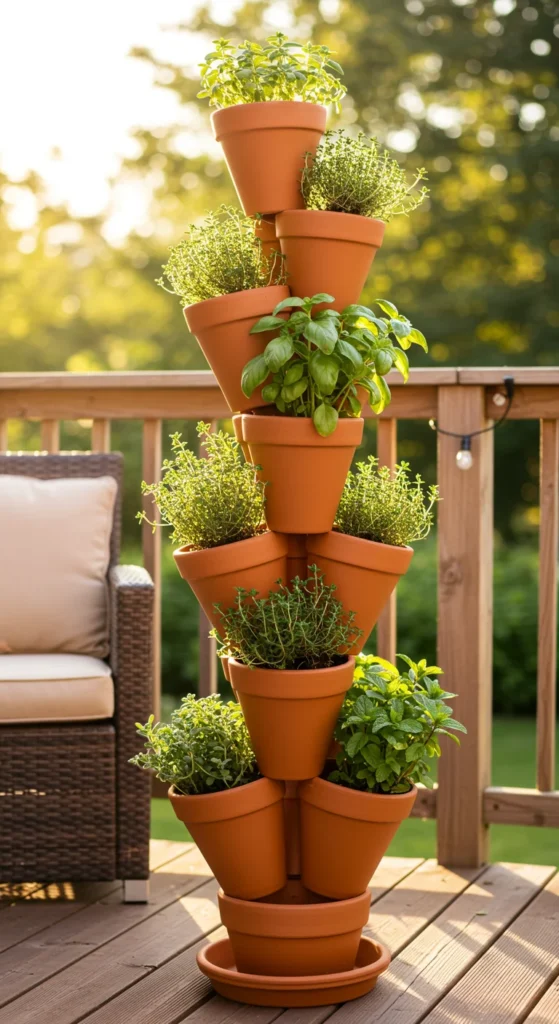
Stack pots of descending sizes to create an herb tower. Plant different herbs in each layer and water from the top so moisture trickles down. It’s perfect for small patios or balconies and makes caring for multiple herbs effortless.
23. Use Reclaimed Pallets
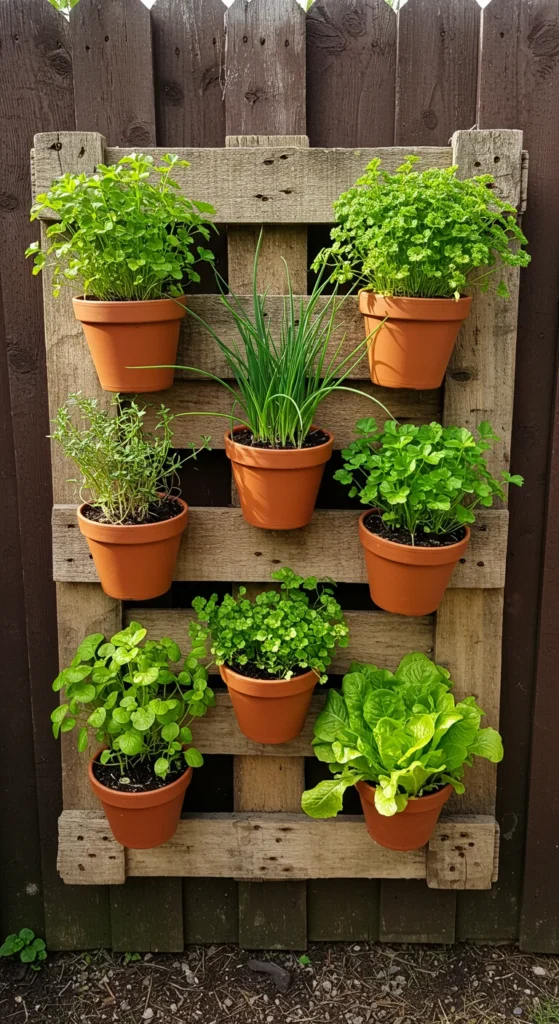
Reclaimed pallets are budget-friendly and easy to transform. Attach small containers or fill slats with soil to grow herbs and leafy greens. Mount it vertically for an eye-catching display that also saves ground space.
24. Try Container Veggie Gardening
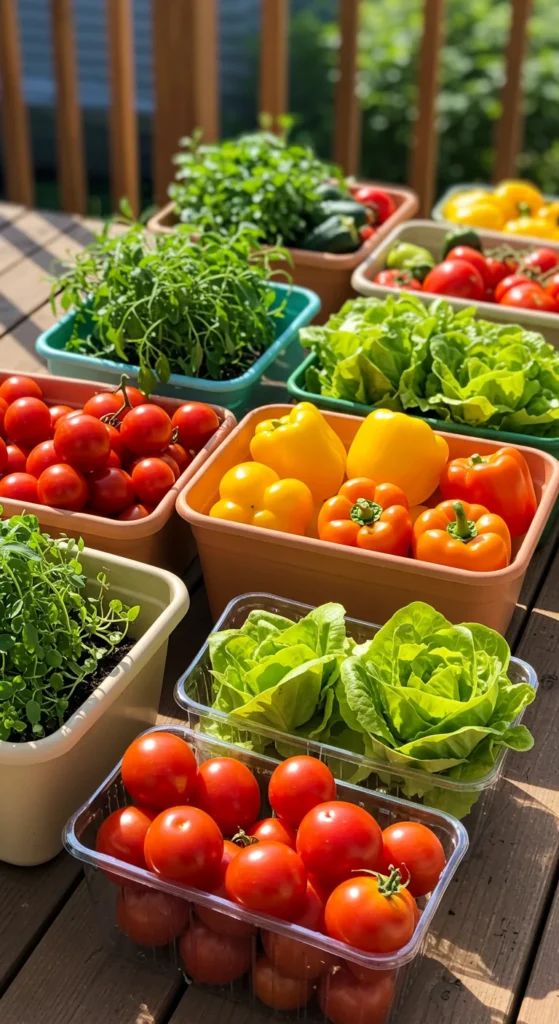
Don’t have a garden bed? Grow vegetables in containers. Choose pots at least 12 inches deep for roots and fill with rich compost mix. Compact varieties of tomatoes, cucumbers, and peppers do well in pots. This setup makes rearranging plants simple when sunlight changes.
25. Design a Kitchen Garden Corner
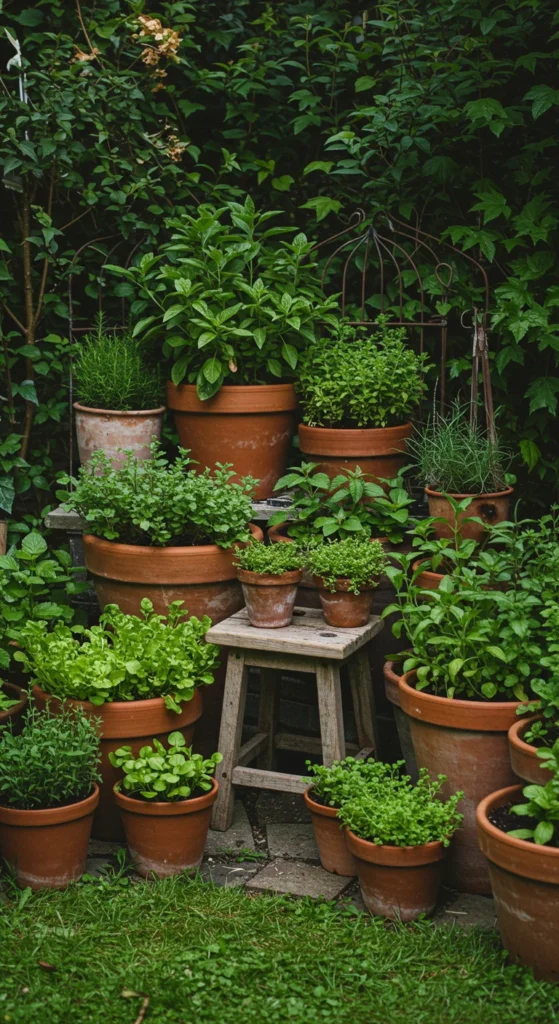
If you have extra outdoor space, dedicate a corner to your kitchen garden. Combine herbs, vegetables, and edible flowers in one zone. Add a small stool and watering can for charm. It’s a beautiful, functional nook that keeps your ingredients just steps away from your kitchen.
Conclusion
A kitchen garden turns everyday meals into something special—fresh, flavorful, and homegrown. Whether it’s a tiny indoor shelf or a full outdoor setup, these ideas make growing food simple and enjoyable. Start small, stay consistent, and let your garden inspire your next dish. 🌿

Leave a Reply