

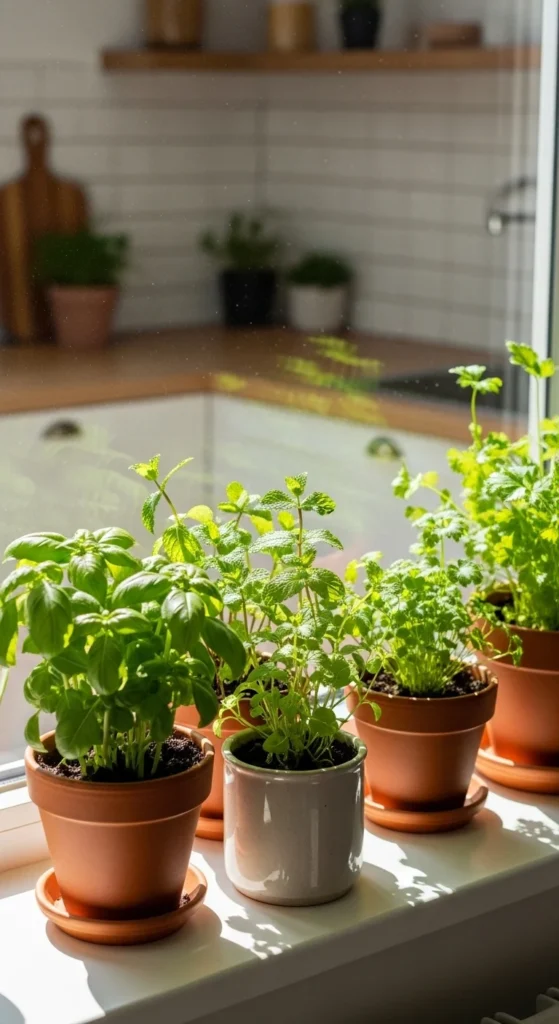
Growing herbs indoors is one of the easiest ways to enjoy homegrown flavor all year. With the right light, containers, and simple care habits, even beginners can keep basil, mint, and parsley thriving in small spaces. Indoor herb garden ideas today focus on sunny windowsills, smart watering, compact setups, and low-maintenance systems that fit apartments and busy homes. Use these practical ideas to build a productive indoor herb garden that looks beautiful and keeps your kitchen stocked.
1. Start With Foolproof Herbs
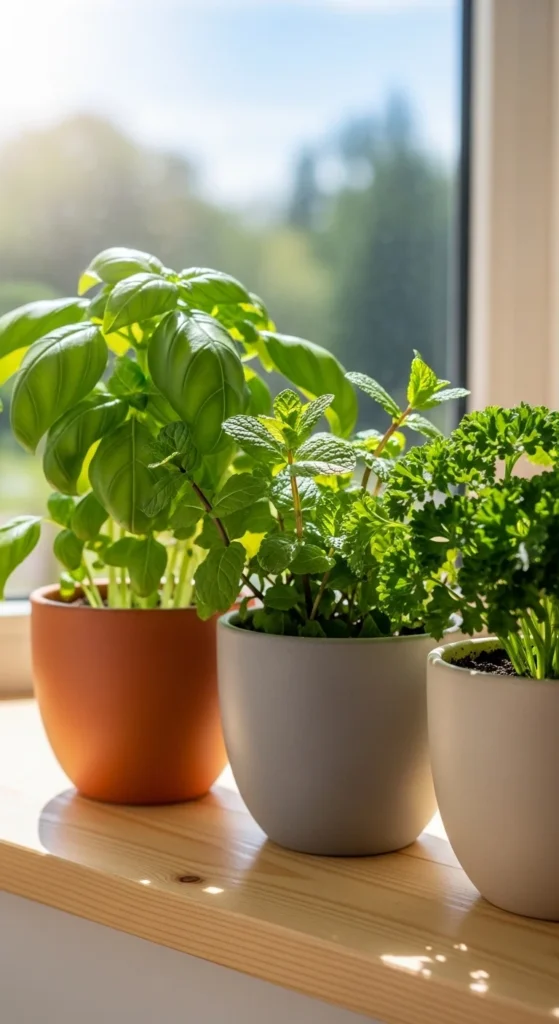
Begin with herbs that grow reliably indoors. Basil, mint, parsley, chives, and oregano are excellent starter choices.
These herbs tolerate minor mistakes better than delicate varieties. That makes them perfect for first-time growers.
Start with two or three herbs instead of filling the whole windowsill. Smaller setups are easier to manage.
Watch how each plant responds to your home’s light and temperature. You’ll learn faster this way.
Once you feel comfortable, expand your collection slowly.
Starting with dependable herbs builds quick success and keeps frustration low.
2. Claim Your Sunniest Windowsill
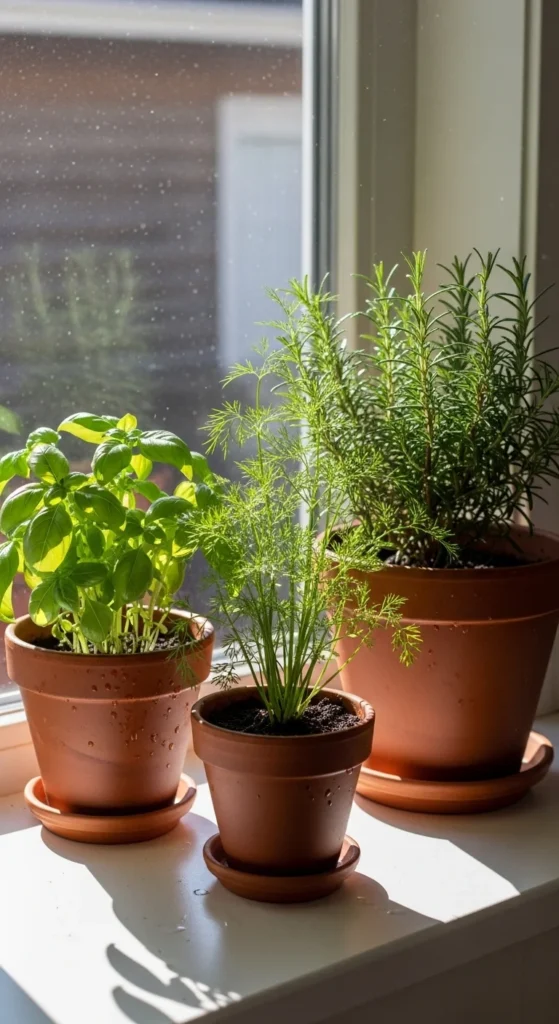
Indoor herbs thrive with at least six hours of direct sun.
South-facing windows usually provide the strongest light. East-facing windows work for gentler light lovers like parsley.
Spend a day observing sunlight patterns in your home. Light shifts more than most people expect.
If the window feels dim, rotate plants weekly so all sides receive light.
Good placement solves many indoor herb problems before they begin.
3. Use Pots With Proper Drainage Holes
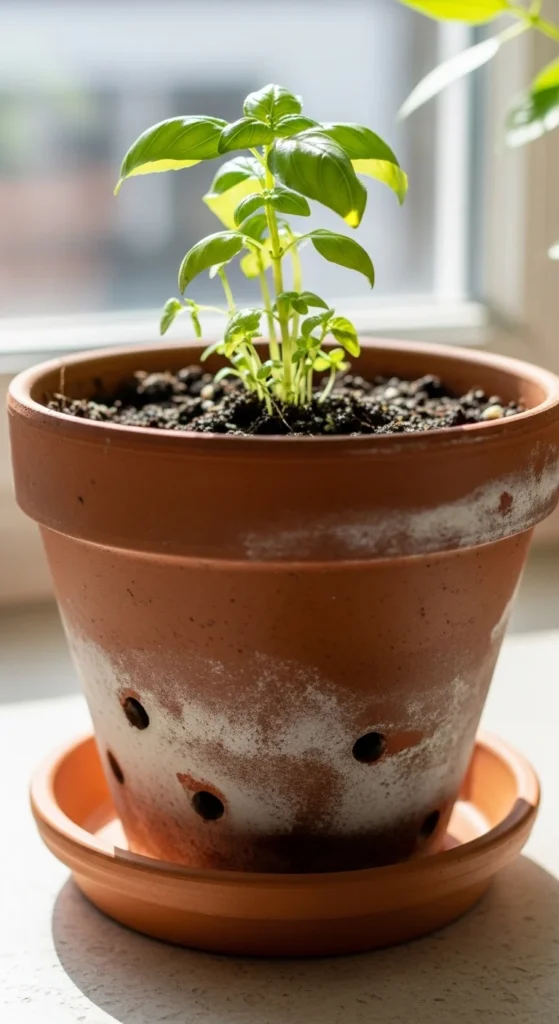
Poor drainage is the fastest way to lose indoor herbs.
Always choose containers with clear drainage holes at the bottom. Place a saucer underneath to catch excess water.
If you love decorative pots without holes, use them as outer covers only.
Roots sitting in water often develop rot quickly.
This small detail makes a huge difference in plant health.
4. Mix a Simple Well-Draining Soil
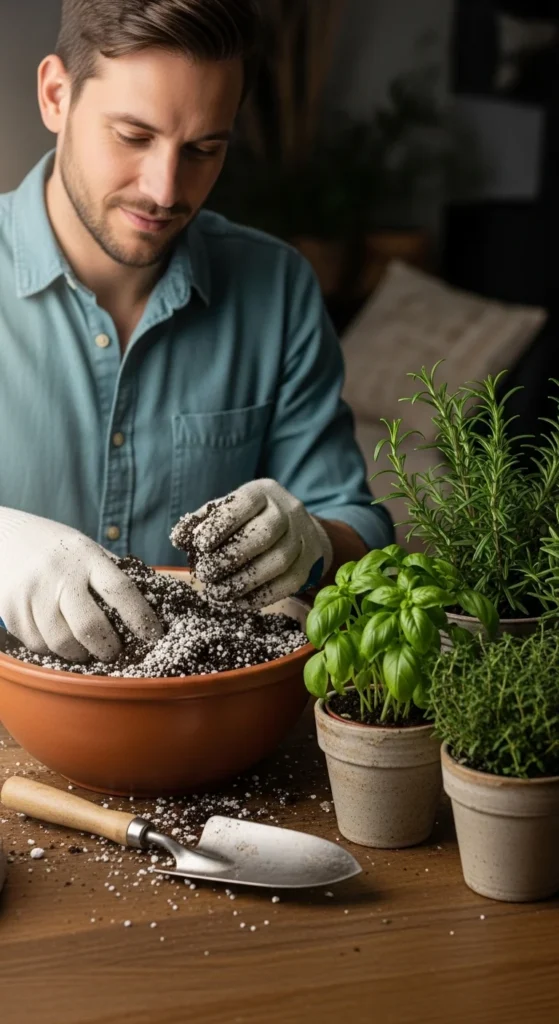
Indoor herbs prefer light, airy soil.
A simple mix works well: two parts potting mix and one part perlite. This improves drainage and root health.
Avoid using heavy garden soil indoors. It compacts too easily in containers.
Fill pots loosely. Do not pack soil tightly.
Good soil structure supports steady growth with fewer watering problems.
5. Water Using the One-Inch Rule
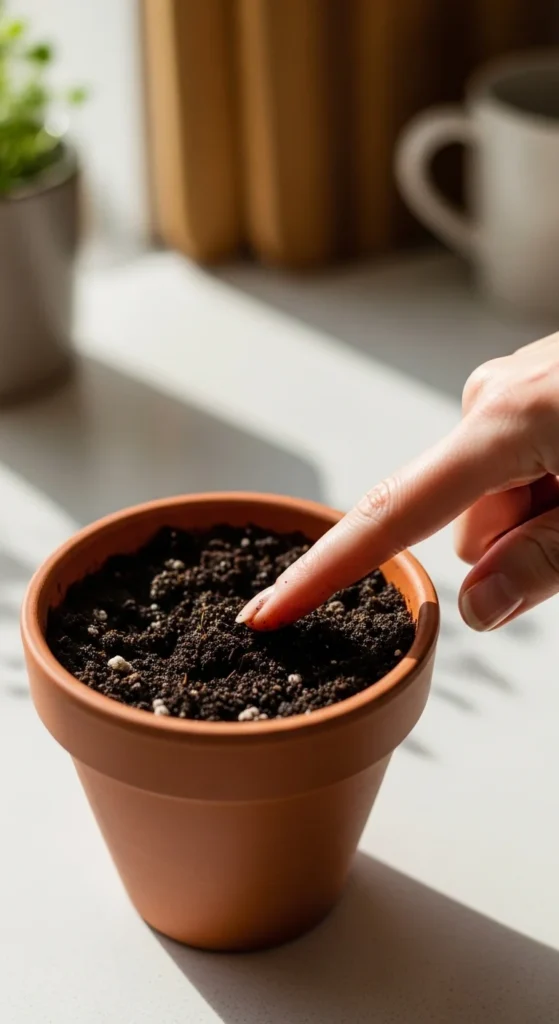
Overwatering is the number one indoor herb killer.
Check soil by pressing a finger about one inch deep. If dry, water thoroughly. If damp, wait.
Most herbs prefer slightly dry soil between waterings.
Use room-temperature water and pour slowly until excess drains out.
Simple checks prevent soggy roots and stressed plants.
6. Try Bottom Watering for Healthier Roots
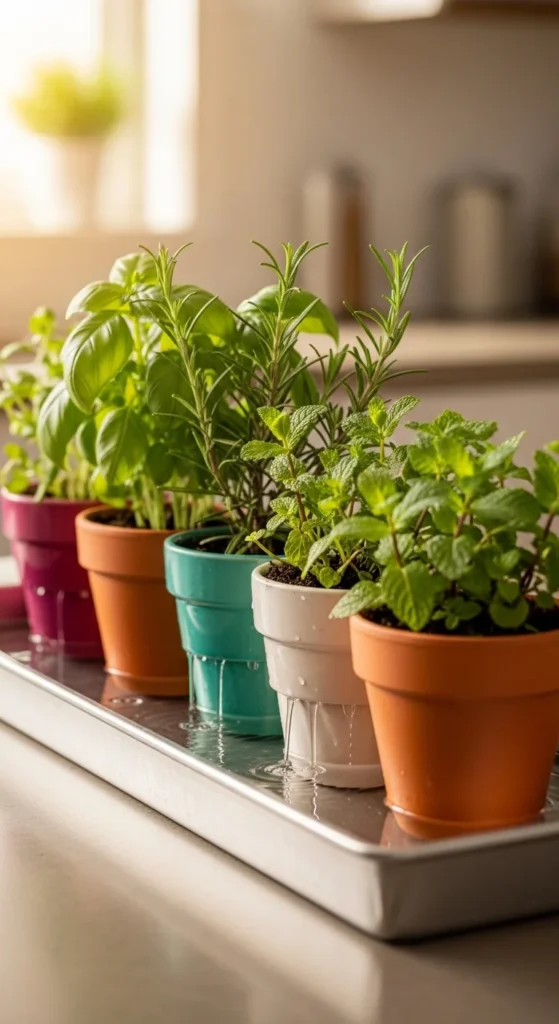
Bottom watering keeps leaves dry and roots strong.
Place pots in a shallow tray of water for 10–15 minutes. Soil absorbs moisture from below.
Remove pots and let excess drain.
This method reduces fungus gnat problems and surface mold.
Use it once or twice weekly depending on dryness.
It’s a quiet upgrade to your watering routine.
7. Add LED Grow Lights for Low-Light Homes
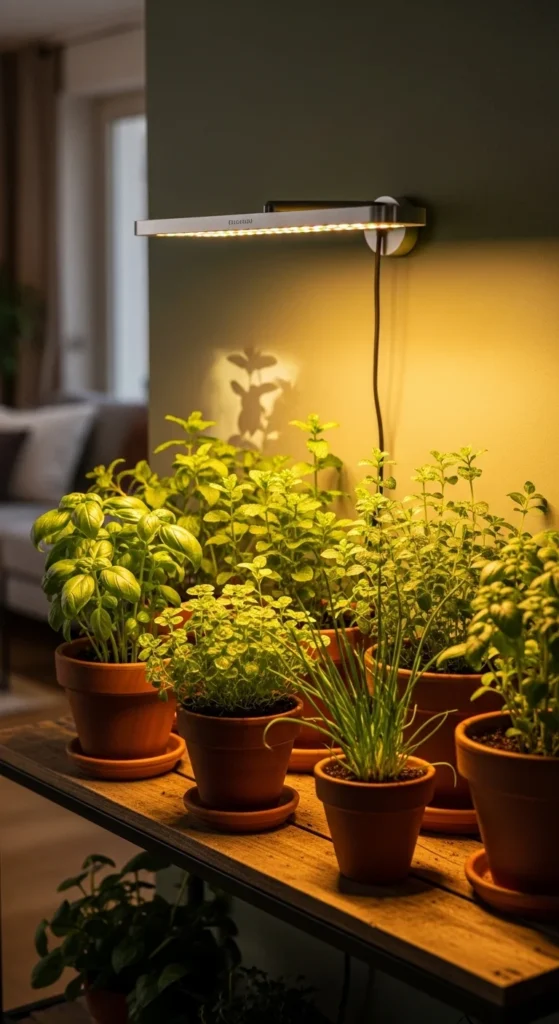
Not every home has bright windows.
LED grow lights help herbs thrive year-round. Aim for 12–16 hours of light in winter.
Simple clamp lights work well for beginners.
Keep lights about 6–12 inches above plants.
Timers make the routine automatic and stress-free.
Artificial light opens many indoor growing possibilities.
8. Group Sun-Loving Herbs Together
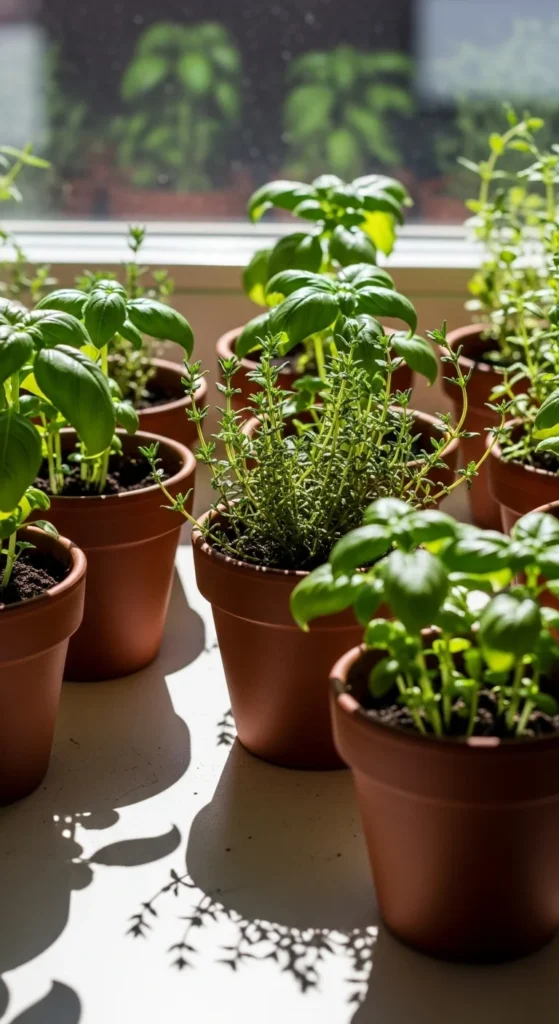
Herbs with similar light needs grow better when grouped.
Place basil, thyme, and oregano in the brightest area. Keep parsley or mint slightly farther from intense sun.
Grouping simplifies watering and care schedules.
It also creates a tidy, attractive display.
Small layout changes improve plant performance indoors.
9. Prune Often for Bushy Growth
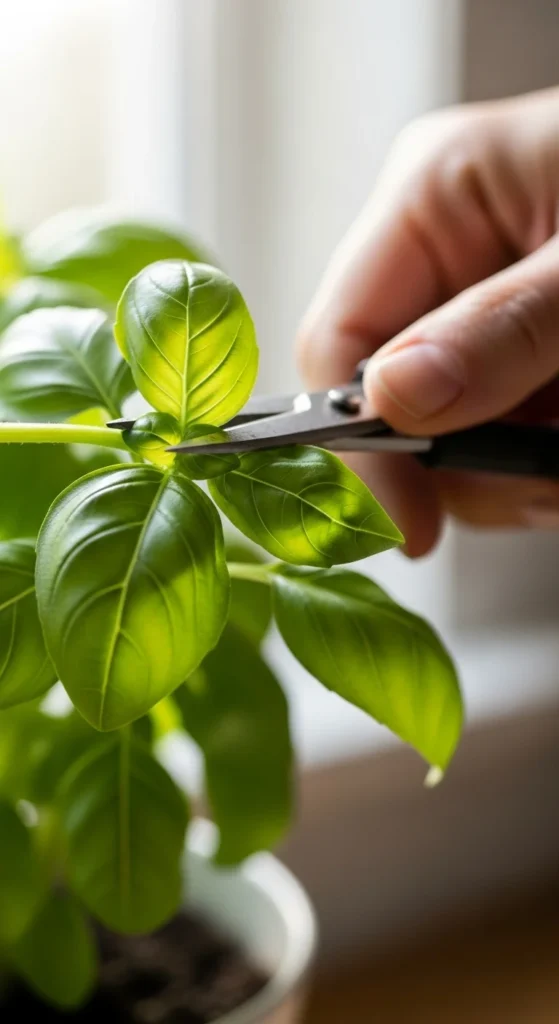
Regular trimming keeps herbs compact and productive.
Pinch basil just above a leaf pair. Cut chives from the base.
Frequent harvesting encourages new shoots instead of tall, thin stems.
Never remove more than one-third of the plant at once.
Use clean scissors for neat cuts.
Pruning turns small plants into full, leafy producers.
10. Feed Monthly With Gentle Organic Fertilizer
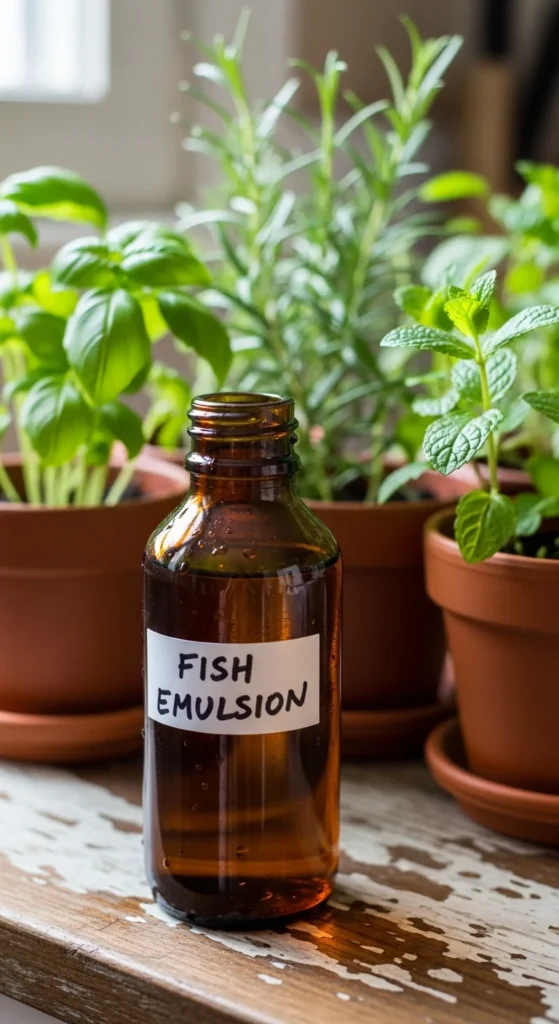
Container herbs slowly use up nutrients.
Feed once per month with diluted organic liquid fertilizer such as fish emulsion.
Use half-strength solution to avoid overfeeding.
Apply to moist soil, not dry roots.
Light feeding keeps growth steady without overwhelming plants.
11. Create a Simple Humidity Tray
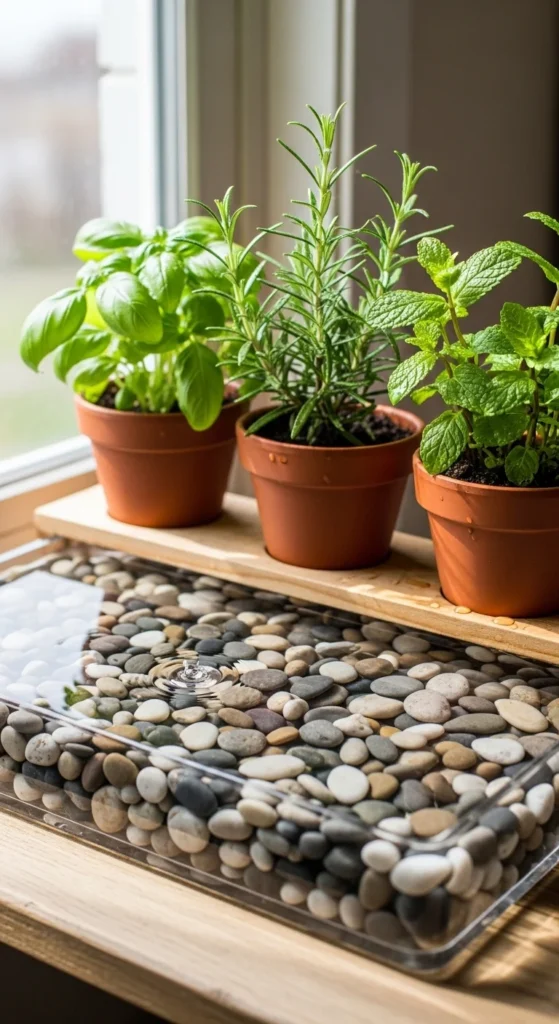
Indoor air can be dry, especially in winter.
Fill a shallow tray with pebbles and water. Place pots on top without letting roots sit in water.
As water evaporates, humidity around the plants rises slightly.
This helps prevent crispy leaf edges.
It’s inexpensive and easy to maintain.
12. Rotate Pots Weekly
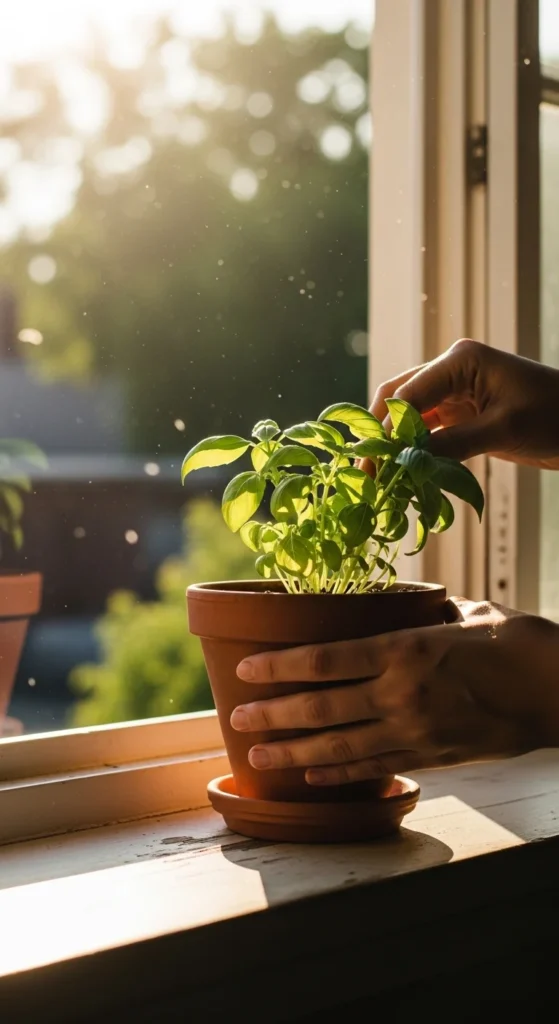
Indoor plants lean toward light.
Turn pots a quarter turn each week.
This keeps growth balanced and prevents lopsided plants.
It takes only a few seconds but keeps herbs looking neat.
Make it part of your weekly routine.
13. Start New Plants From Cuttings
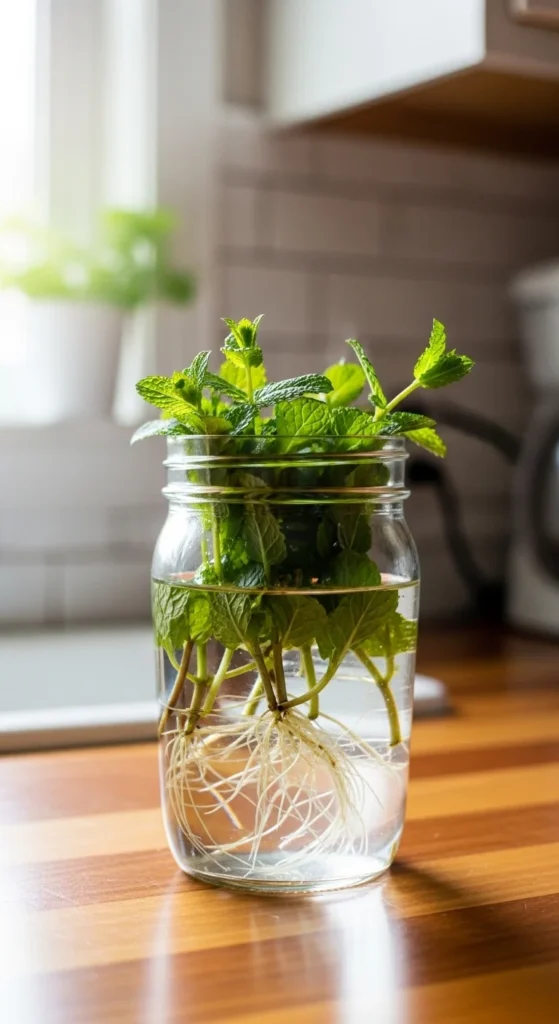
Many herbs grow easily from cuttings.
Snip a healthy stem and place it in water. Mint, basil, and oregano root quickly.
Once roots reach about one inch, transplant into soil.
This method saves money and multiplies your plants.
It’s perfect for sharing with friends too.
14. Try Compact Herb Varieties
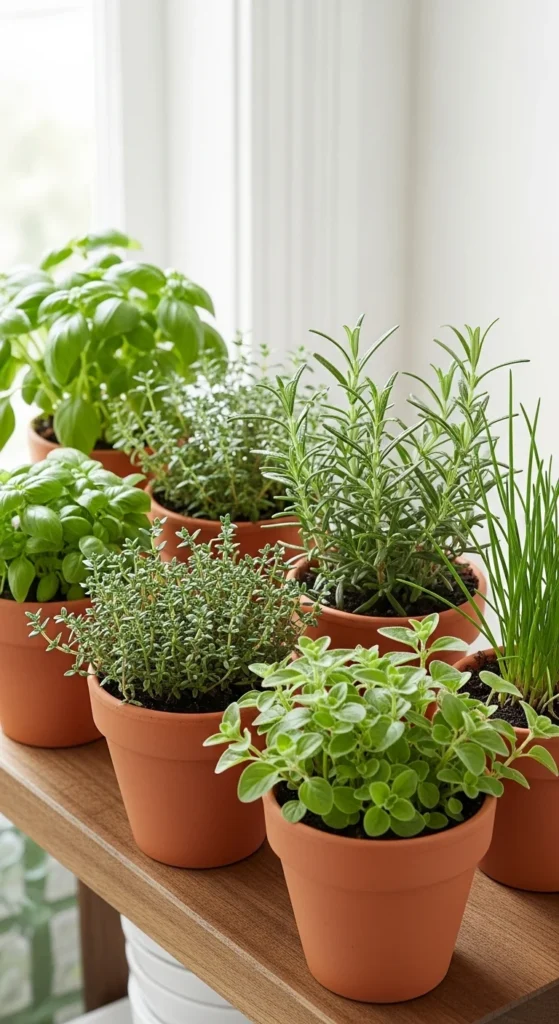
Some herbs stay naturally smaller.
Look for compact basil, dwarf thyme, or mini parsley varieties.
They fit better on crowded counters.
Smaller plants also require less frequent pruning.
Compact choices are great for apartments.
15. Use Self-Watering Pots for Busy Weeks
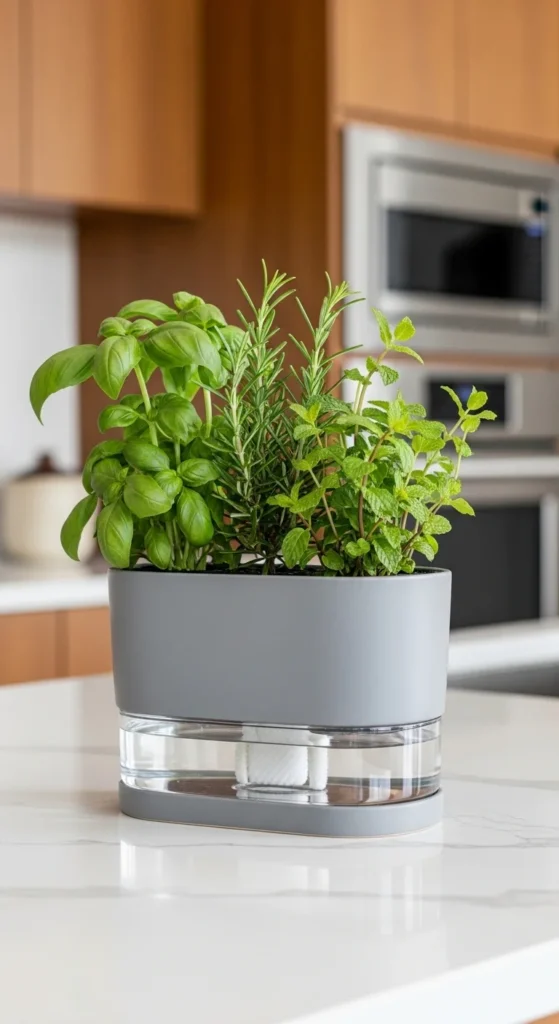
Self-watering containers help maintain steady moisture.
They work well for busy households.
Fill the reservoir and let the pot handle the rest.
Check levels weekly.
They reduce watering mistakes, especially for beginners.
16. Watch Room Temperature
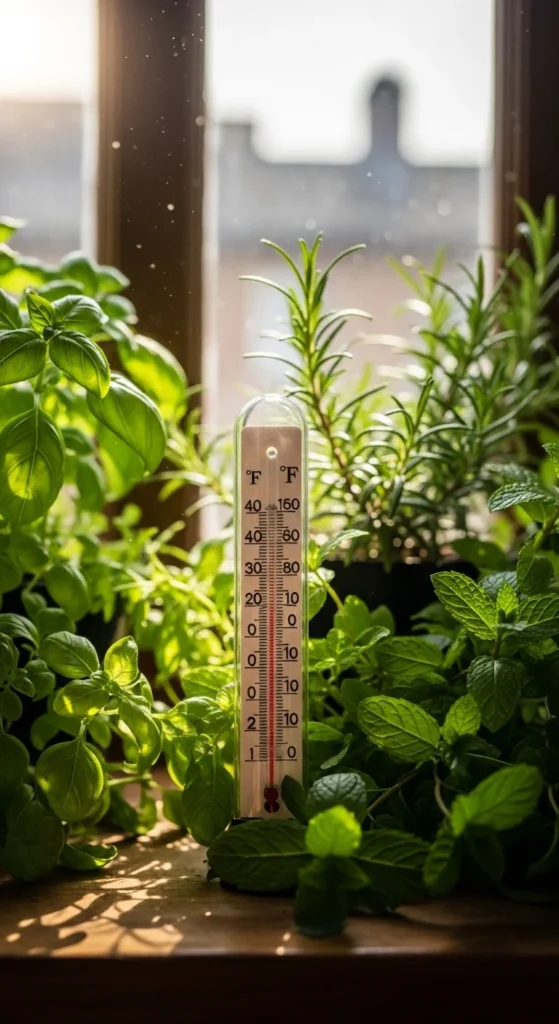
Most herbs prefer temperatures around 65–75°F (18–24°C).
Keep plants away from cold drafts and heating vents.
Sudden temperature swings stress indoor herbs.
Stable indoor conditions support steady growth.
17. Control Indoor Pests Early
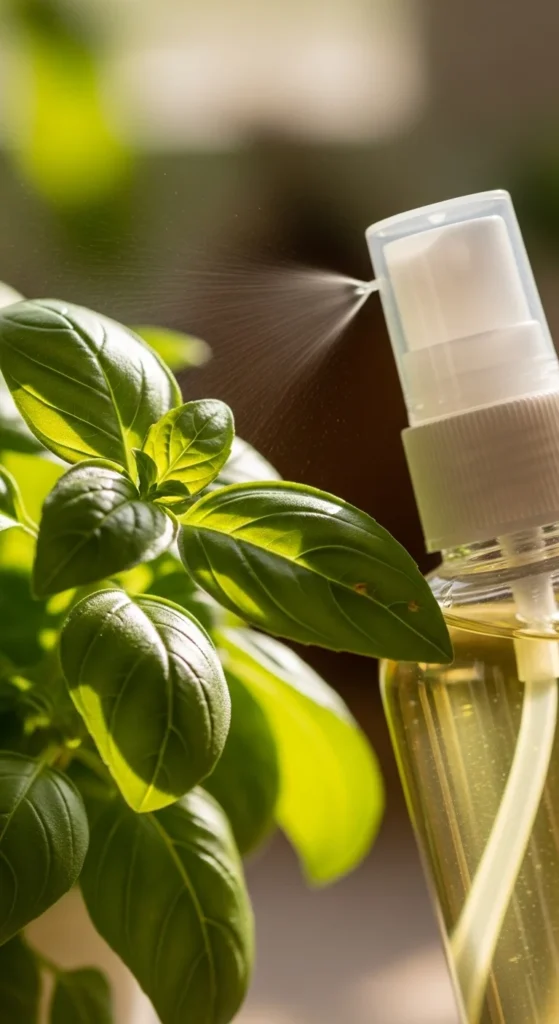
Indoor herbs can still attract pests.
Check leaves weekly for aphids or tiny flies.
If needed, spray lightly with diluted neem oil in the evening.
Good airflow and careful watering prevent most problems.
Early action keeps infestations small.
18. Build a Vertical Herb Shelf
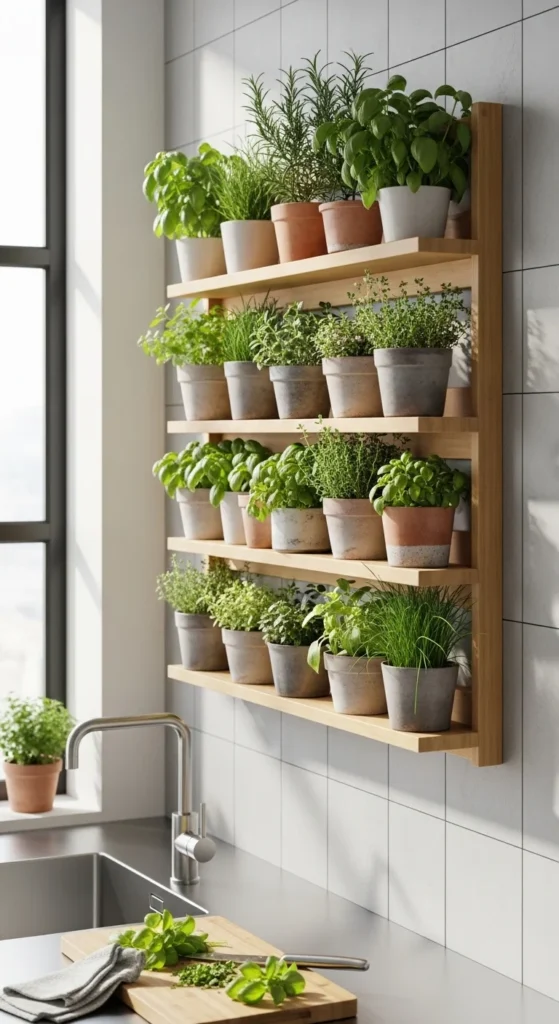
Vertical shelves save counter space.
Use wall-mounted racks or tiered stands.
Place strongest light at the top level.
Vertical setups work well in small kitchens.
They also create a decorative green wall effect.
19. Try a Simple Hydroponic Kit
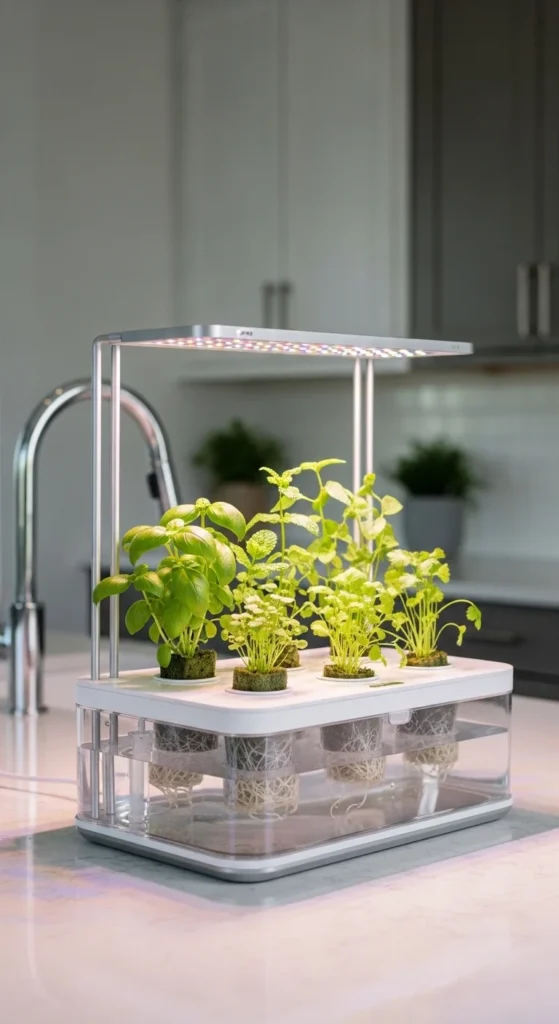
Hydroponic kits grow herbs without soil.
They are clean and beginner-friendly.
Most include lights and automatic watering.
They work well for year-round growing.
Start with one small unit to test the system.
20. Succession Plant Every Few Weeks
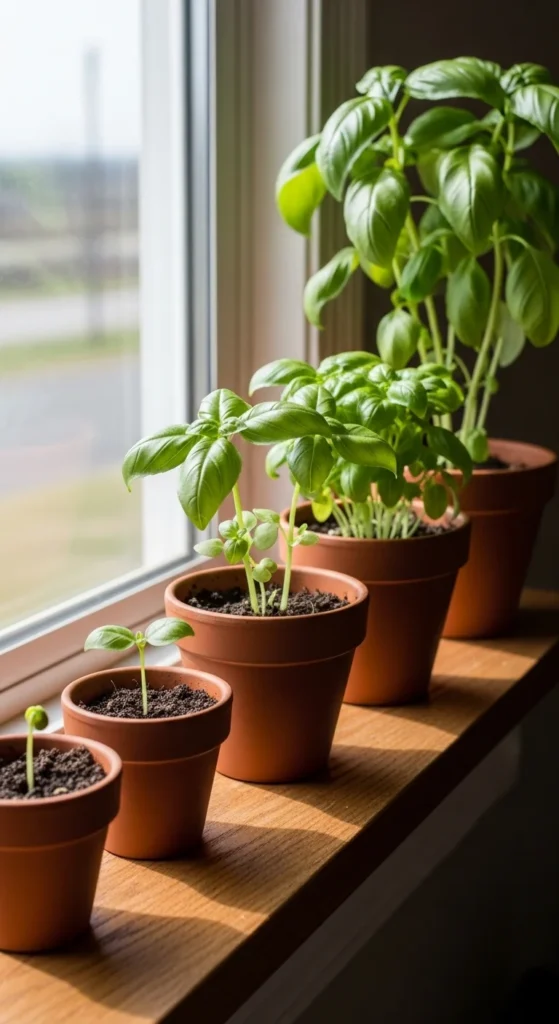
Indoor herbs eventually slow down.
Start new seeds or cuttings every 4–6 weeks.
This keeps your supply steady.
Staggered planting prevents gaps in harvest.
It’s a simple habit that keeps herbs available.
21. Grow Endless Chives From the Base
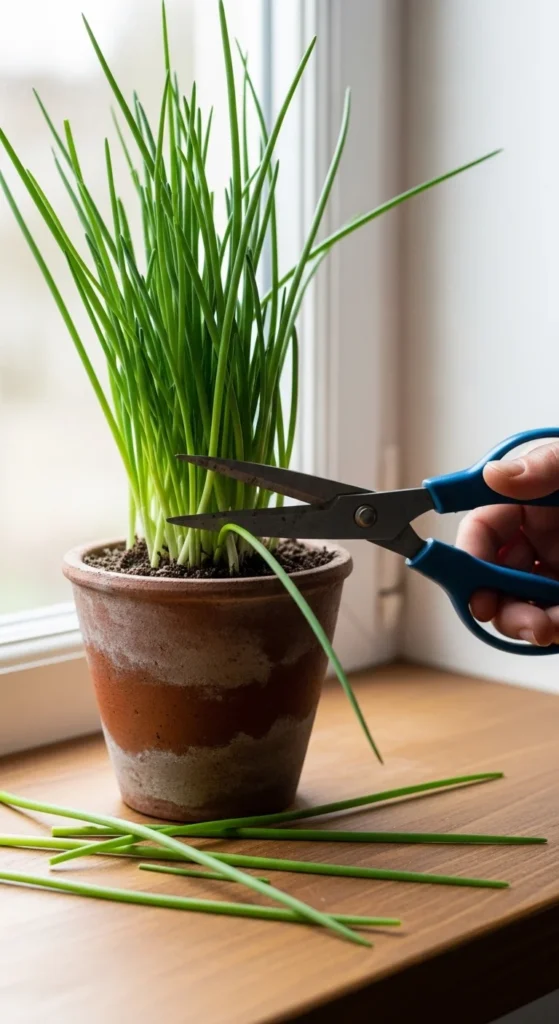
Chives regrow repeatedly after cutting.
Harvest by snipping near the base.
Leave about one inch of growth.
New shoots appear quickly.
This herb is perfect for continuous indoor harvest.
22. Freeze Extra Herbs in Ice Cubes
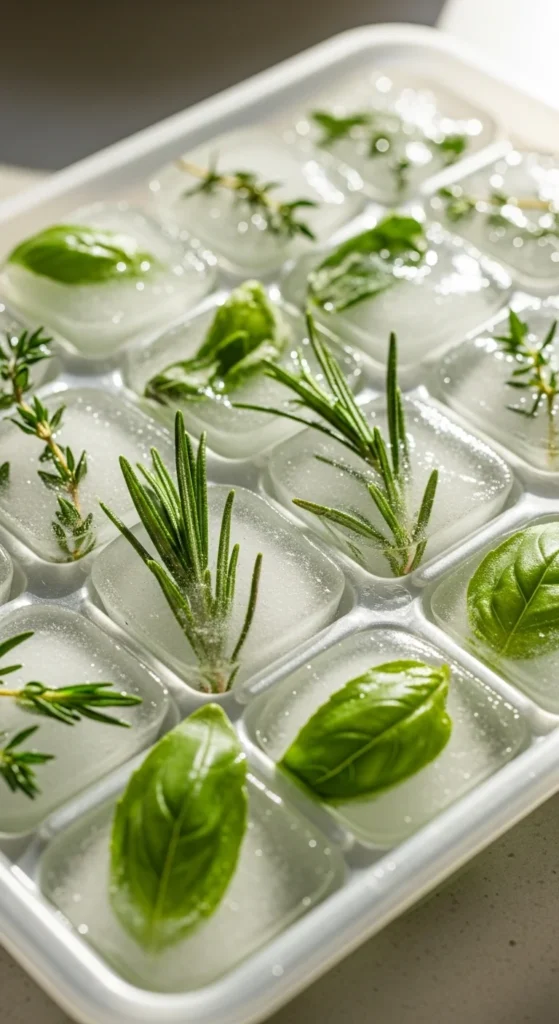
When harvest exceeds your kitchen use, preserve it.
Chop herbs and freeze them in olive oil or water using ice trays.
Store cubes in freezer bags.
They are ready for soups and sauces later.
This prevents waste from heavy harvest weeks.
23. Keep Your Setup Simple and Expand Slowly
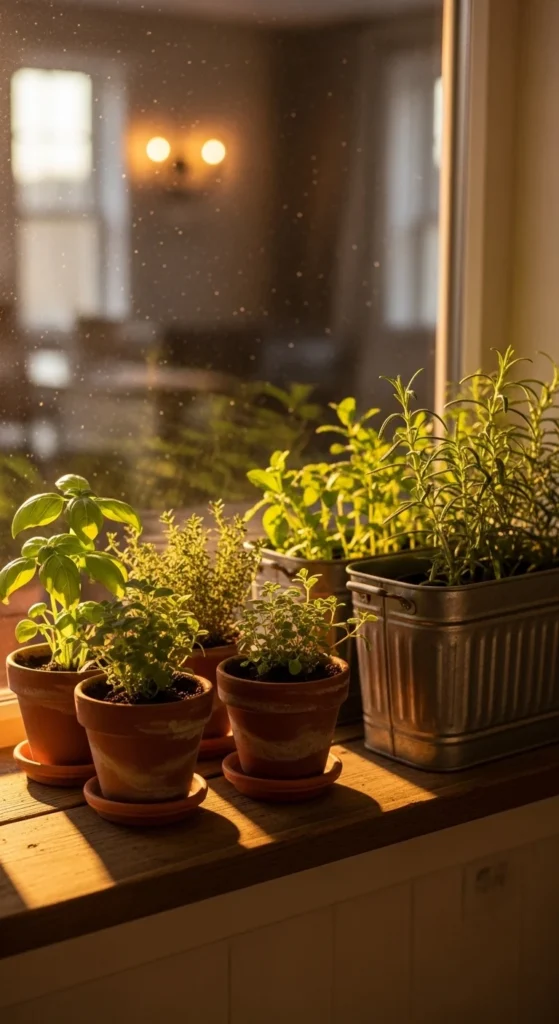
Indoor herb gardening works best when kept simple.
Start with a few reliable plants.
Learn their watering and light patterns.
Add new varieties slowly.
Steady expansion prevents overwhelm and keeps plants healthy.
Small consistent care leads to long-term success.
Conclusion
Indoor herb gardening becomes easy when you focus on light, drainage, and simple care habits. Start with reliable herbs, place them in strong light, and water carefully. With a few smart setups and steady pruning, even a small windowsill can produce herbs year-round. Begin with one pot today and expand as your confidence grows.
Leave a Reply