

Healthy soil is the heart of every thriving garden. But you don’t need synthetic fertilizers or harsh treatments to get rich, fertile earth. By working with nature, you can build soil that nourishes plants season after season. The best part? These methods are simple, affordable, and eco-friendly.
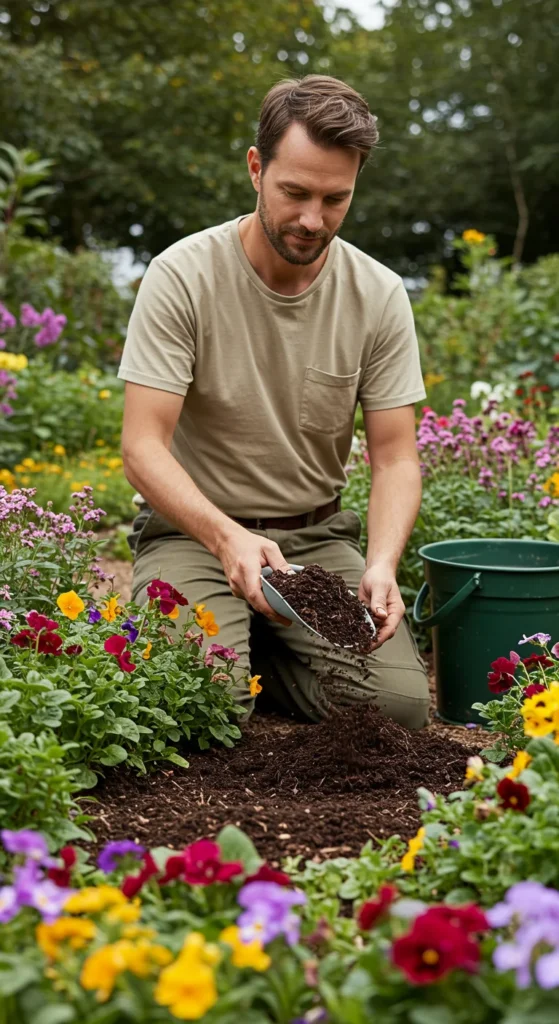
Let’s explore natural ways to give your garden soil a major upgrade—without a single chemical.
Add Compost for Rich Nutrients
Compost is one of the easiest and most effective ways to improve soil naturally.
- Collect kitchen scraps like fruit peels, vegetable ends, eggshells, and coffee grounds.
- Mix them with yard waste such as leaves, grass clippings, and small branches.
- Over time, they break down into nutrient-rich “black gold” for your garden.
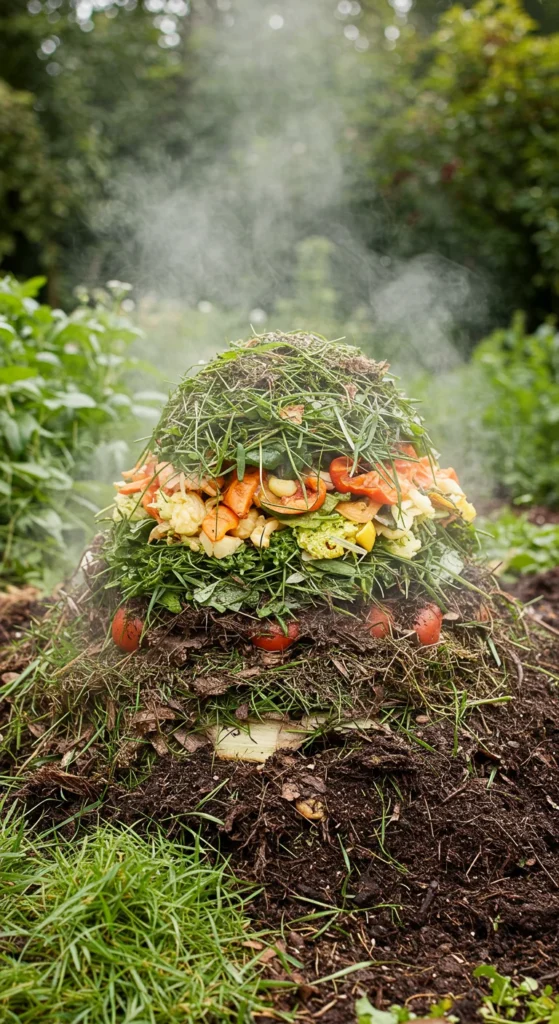
Spread 1–2 inches of compost on your beds every season. It adds nutrients, improves texture, and supports healthy plant growth.
Mulch to Protect and Enrich Soil
Mulching is more than just making your garden look neat—it works wonders for soil health.
- Use natural mulches like straw, shredded leaves, or wood chips.
- Mulch keeps moisture in, regulates soil temperature, and breaks down slowly to feed the earth.
- It also prevents weeds from stealing nutrients.
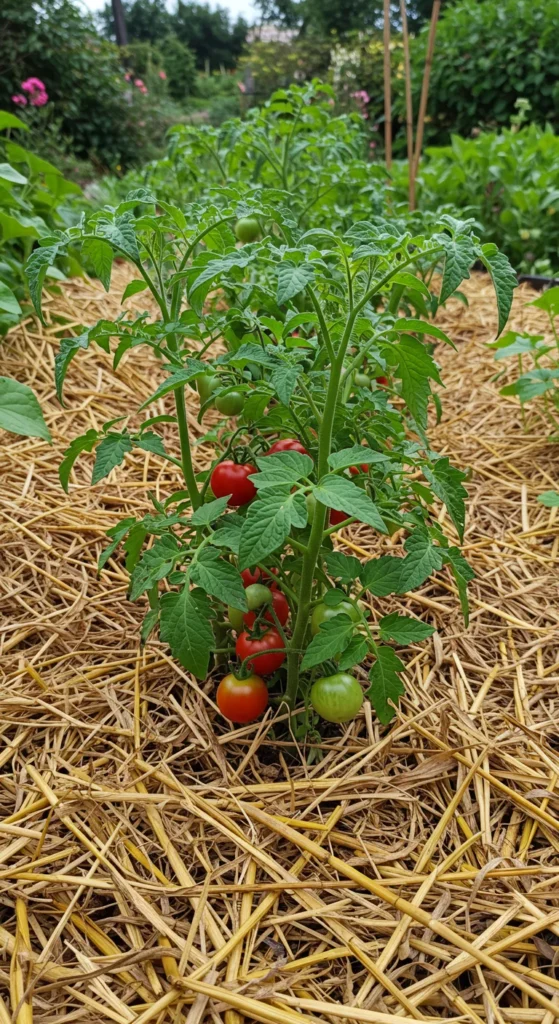
Refresh mulch yearly to keep the cycle going strong.
Plant Cover Crops
Cover crops aren’t just for farms—they’re fantastic for backyard gardens too.
- Clover, rye, and vetch enrich soil by fixing nitrogen.
- They protect bare soil from erosion in the off-season.
- When tilled back into the ground, they add organic matter for better structure.
This method is perfect for gardeners who want to improve their soil naturally during winter or between planting cycles.
Use Worm Castings
Worms are nature’s little soil builders. Their castings (a fancy term for worm manure) are packed with nutrients and beneficial microbes.
- Start a small worm bin with red wigglers in a plastic tub.
- Feed them scraps like veggie peels and shredded newspaper.
- Harvest their castings and mix them into your garden beds.
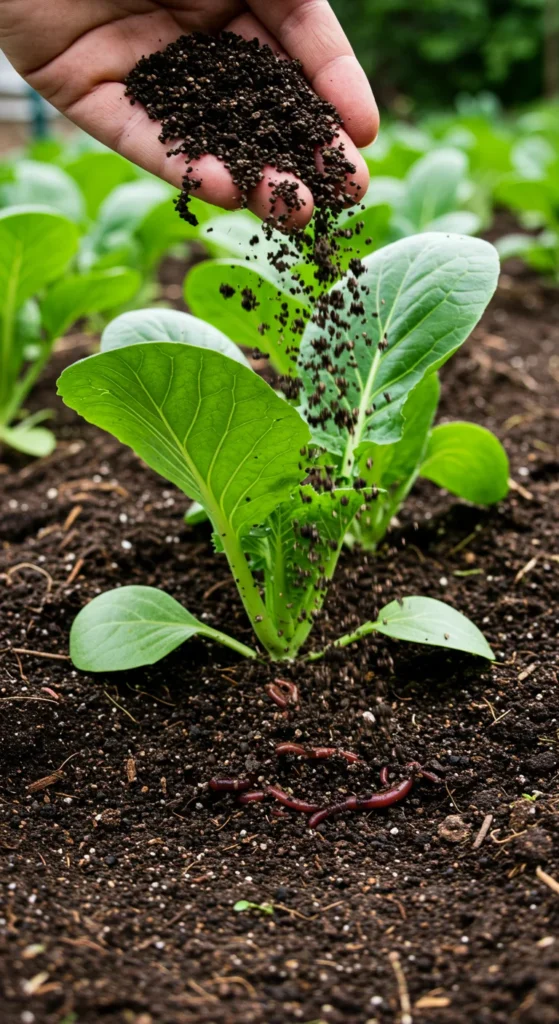
It’s like giving your plants a natural vitamin boost without chemicals.
Rotate Crops Each Season
Growing the same plant in the same spot year after year drains the soil. Crop rotation helps restore balance.
- Follow heavy feeders like tomatoes with nitrogen-fixing plants like beans.
- Alternate leafy greens with root vegetables.
- Rotate flowers as well to prevent pests and diseases.
This simple switch keeps soil fertile and reduces the need for outside inputs.
Make Your Own Natural Fertilizers
You don’t need chemical mixes when homemade options work just as well.
- Banana peels: Chop and bury near roses for potassium.
- Eggshells: Crush and sprinkle to add calcium.
- Grass clippings tea: Soak in water for a quick liquid fertilizer.
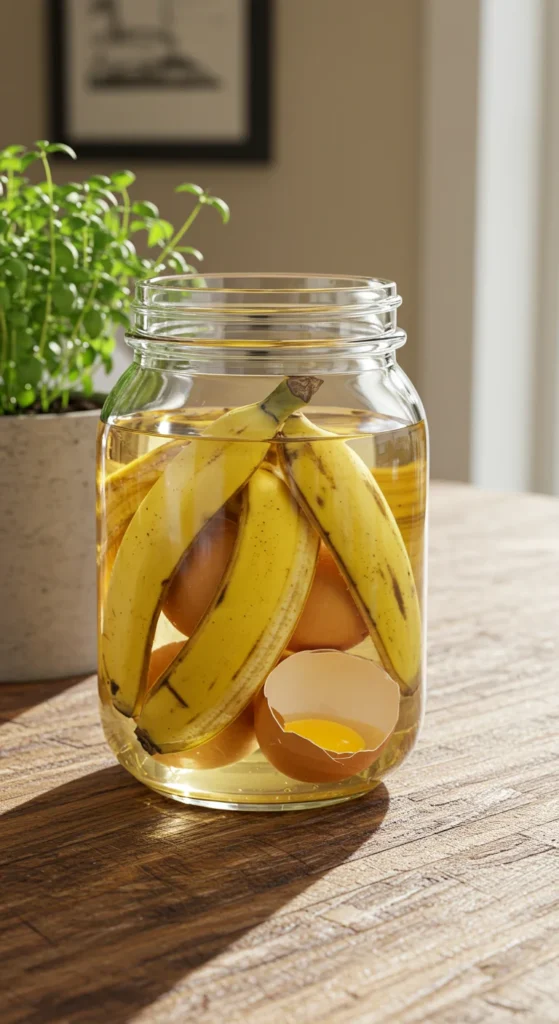
These DIY solutions recycle waste and keep your soil healthy naturally.
Let Microbes Do the Work
Soil is alive with billions of tiny organisms that support plant health. Encourage them by avoiding chemicals and feeding them organic matter.
- Add compost tea to boost microbial life.
- Avoid disturbing soil too much—no-dig gardening keeps microbes happy.
- Keep soil covered with plants or mulch to maintain balance.
The more active your soil life, the healthier your plants will be.
Water the Right Way
How you water affects soil quality too. Overwatering can wash nutrients away, while underwatering stresses plants.
- Use soaker hoses or drip irrigation for even moisture.
- Water deeply but less often to encourage strong roots.
- Collect rainwater for a natural, chemical-free option.
Healthy watering habits maintain soil structure and save money on utilities.
Final Takeaway
Improving your garden soil doesn’t require chemicals—just thoughtful, natural practices. By composting, mulching, rotating crops, and feeding the soil with organic matter, you’ll create a living system that supports plants year after year.

Leave a Reply