

Starting a garden from scratch can feel overwhelming—but it doesn’t have to be. Whether you dream of fresh vegetables, colorful flowers, or a calming green space, gardening is one of the most rewarding things you can do. You don’t need fancy tools, expert knowledge, or a huge yard. You just need a clear plan and a little patience.
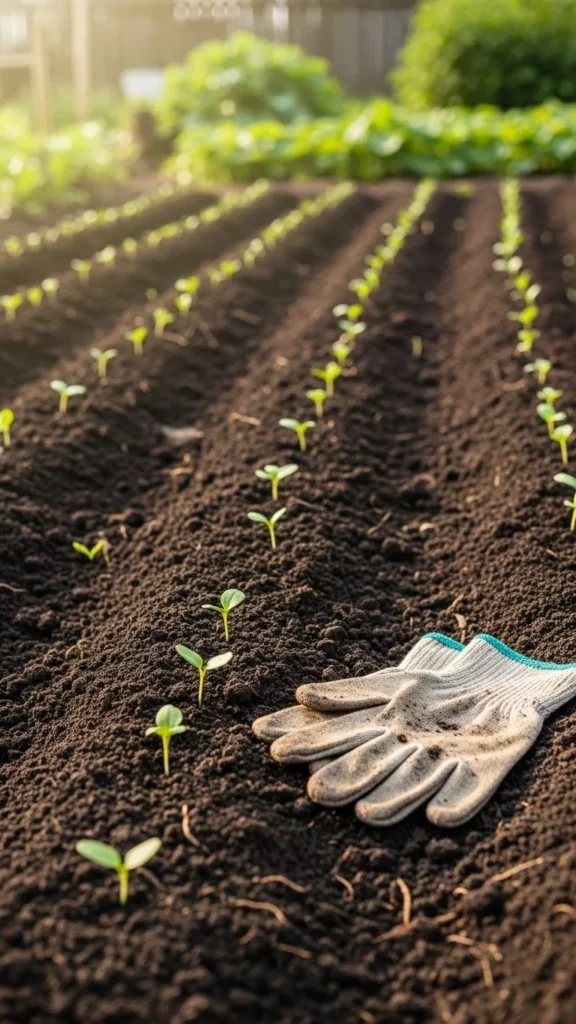
This guide breaks everything down into simple, beginner-friendly steps so you can confidently grow your first garden from the ground up.
Step 1: Choose the Right Spot
Your garden’s success starts with location. Plants are picky about where they live.
Look for a spot that gets:
- At least 6–8 hours of sunlight per day
- Good drainage (no standing water after rain)
- Easy access to water
Walk around your yard or balcony at different times of day. Notice where the sun hits longest. That’s your prime gardening real estate.
Quick tip:
If you don’t have a yard, containers on a balcony or near a sunny window work just as well.
Step 2: Decide What You Want to Grow
Don’t try to grow everything at once. Start small and simple.
Beginner-friendly plants include:
- Lettuce
- Tomatoes
- Herbs (basil, mint, parsley)
- Radishes
- Marigolds or zinnias for flowers
Ask yourself:
- Do I want food, flowers, or both?
- How much time can I realistically give each week?
Starting with 3–5 plants helps you learn without stress.
Step 3: Prepare the Soil Properly
Healthy soil equals healthy plants. This step matters more than most beginners realize.
If planting in the ground:
- Remove weeds and rocks
- Loosen the soil 8–12 inches deep
- Mix in compost or organic matter
If using containers:
- Use quality potting mix, not garden soil
- Make sure pots have drainage holes
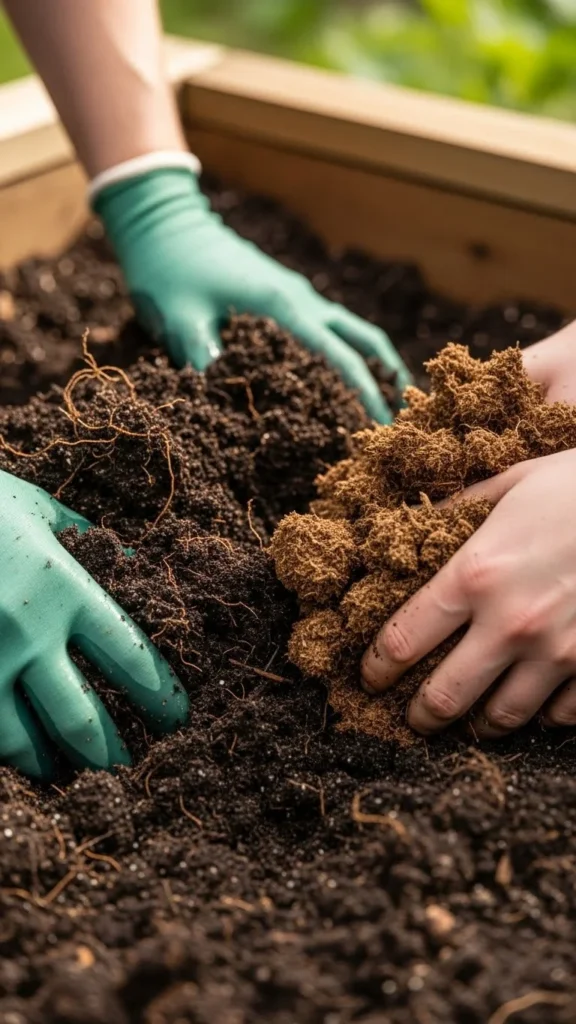
Soil shortcut:
Bagged compost from a garden center is perfectly fine when you’re starting out.
Step 4: Plan Your Garden Layout
Before planting, take a minute to plan where everything goes.
Keep in mind:
- Taller plants shouldn’t block shorter ones
- Leave space for growth
- Group plants with similar water needs
A simple sketch on paper works. You don’t need perfection—just clarity.
Beginner mistake to avoid:
Planting too close together. Crowded plants compete for nutrients and light.
Step 5: Plant Seeds or Seedlings the Right Way
You can start with seeds or young plants from a nursery. Both work.
For seeds:
- Follow depth instructions on the packet
- Water gently after planting
For seedlings:
- Dig a hole slightly larger than the root ball
- Place the plant at soil level
- Press soil gently around it
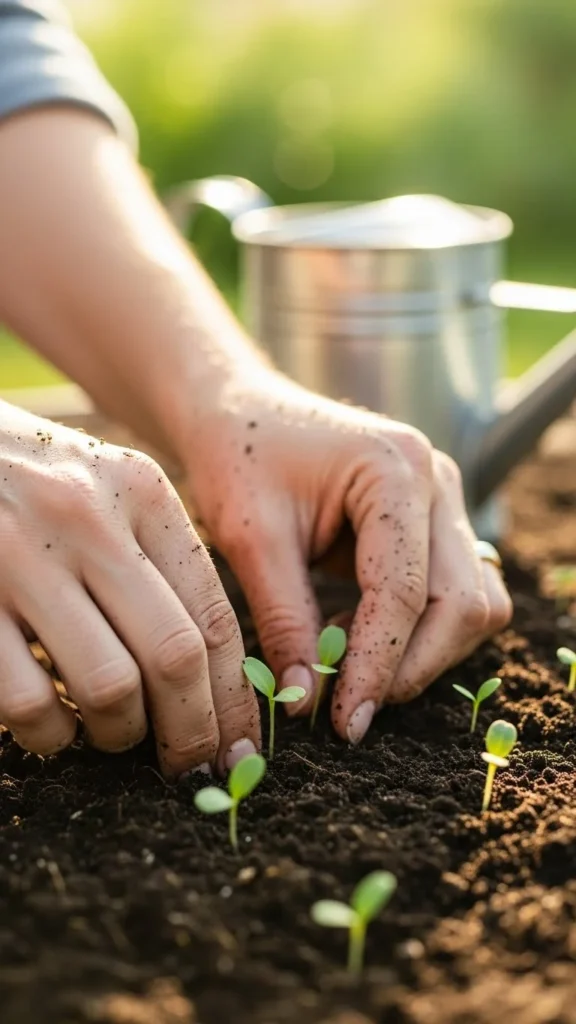
After planting, water thoroughly but don’t flood the soil.
Step 6: Water Consistently (Not Excessively)
Watering is where many beginners go wrong.
General rules:
- Water deeply, not lightly
- Early morning is best
- Check soil before watering—if it’s damp, wait
Most plants prefer consistent moisture, not soggy roots.
Simple test:
Stick your finger into the soil. If the top inch is dry, it’s time to water.
Step 7: Maintain and Care for Your Garden
Once your garden is planted, maintenance is simple but important.
Weekly basics:
- Remove weeds
- Check for pests
- Trim dead leaves
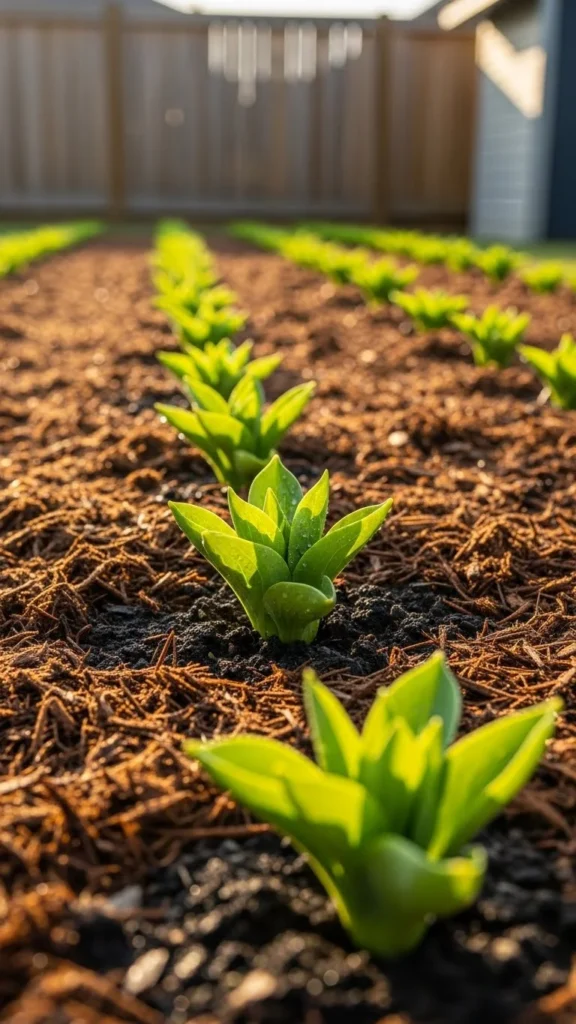
- Add mulch to retain moisture
Mulch also keeps soil cool and reduces weeds.
Don’t panic over imperfections.
Every gardener loses a plant or two. That’s part of learning.
Step 8: Be Patient and Observe
Gardens don’t grow overnight. Take time to notice changes.
Pay attention to:
- Leaf color
- Growth speed
- Signs of stress (wilting, yellowing)
Your garden will teach you what it needs—if you watch closely.
Final Thoughts: Start Small, Grow Confident
Starting a garden from scratch is less about perfection and more about progress. Every seed you plant builds confidence. Every mistake teaches you something valuable.
You don’t need a green thumb. You grow one.
Start small. Stay curious. Enjoy the process.
Leave a Reply