

Healthy plants don’t start with seeds—they start with soil. If your garden soil is rich, balanced, and alive, plants grow stronger, taste better, and resist pests naturally. The good news? You don’t need chemicals or expensive products to prepare great soil. Nature already provides everything you need.
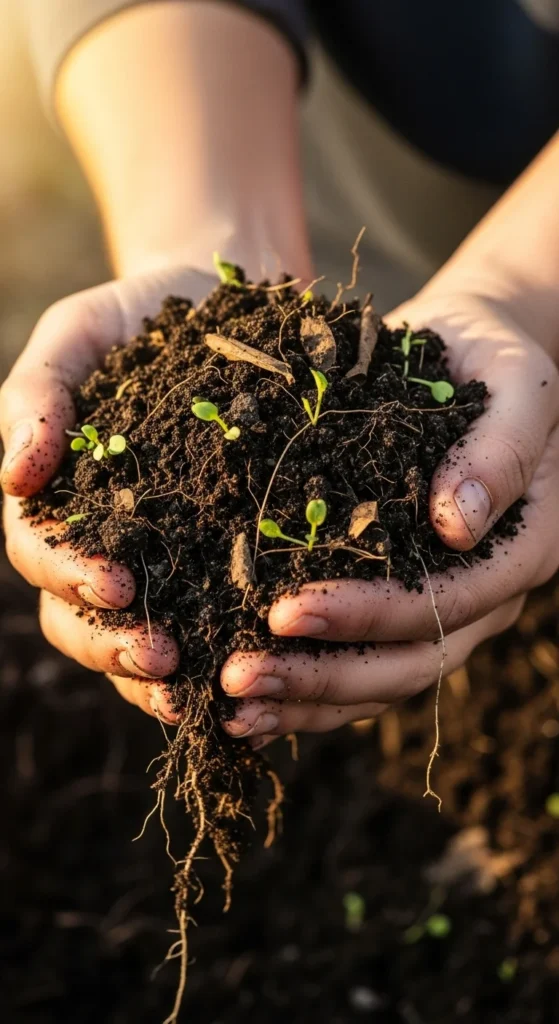
Whether you’re planting vegetables, flowers, or herbs, learning how to prepare soil naturally is one of the best skills you can develop as a gardener. Let’s break it down into simple, practical steps that actually work.
Understand Your Soil Before You Start
Before adding anything to your soil, take a moment to understand what you’re working with. Different soils behave very differently.
Most garden soils fall into these categories:
- Sandy soil: Drains fast, low nutrients
- Clay soil: Holds water, compacts easily
- Loamy soil: Balanced, ideal for most plants
A quick test:
- Grab a handful of moist soil and squeeze it
- If it falls apart → sandy
- If it forms a hard ball → clay
- If it holds shape but crumbles easily → loam
Knowing this helps you choose the right natural amendments.
Clear the Area Gently (Don’t Strip the Soil)
Many gardeners make the mistake of aggressively digging and stripping soil bare. This disrupts beneficial organisms living underground.
Instead:
- Remove weeds by the roots
- Leave fine roots in place—they decompose naturally
- Avoid turning soil too deeply unless absolutely needed
Healthy soil is a living ecosystem. Treat it gently, and it will reward you.
Add Organic Matter (The Heart of Natural Soil)
Organic matter is the single most important ingredient in natural soil preparation. It improves structure, drainage, and nutrient availability.
Best natural options include:
- Compost (homemade or store-bought)
- Well-rotted animal manure
- Leaf mold
- Kitchen compost
Spread 2–3 inches of organic matter over the soil surface and gently mix it into the top layer.
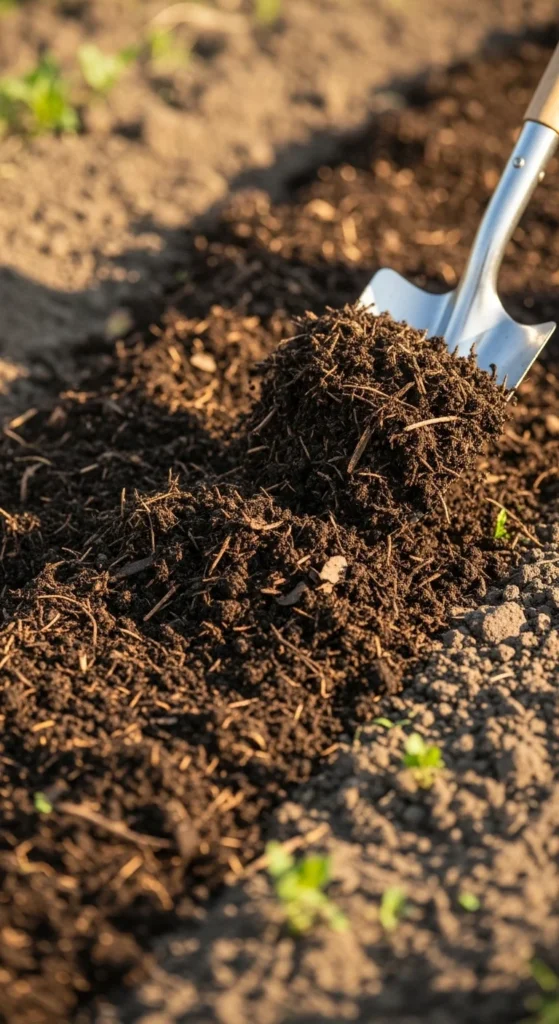
This feeds both plants and beneficial soil microbes.
Improve Soil Structure Naturally
Good soil should drain well but still hold moisture. Organic matter helps, but you can fine-tune based on your soil type.
For sandy soil:
- Add compost and leaf mold
- Mulch heavily to retain moisture
For clay soil:
- Add compost regularly
- Avoid working soil when wet
- Use coarse organic material like straw
Over time, natural amendments change soil texture without damaging it.
Feed the Soil, Not Just the Plants
Natural gardening focuses on feeding soil life rather than force-feeding plants.
Helpful natural nutrients:
- Worm castings: Gentle, nutrient-rich
- Bone meal: Supports root development
- Wood ash (small amounts): Adds potassium
- Green manure crops: Improve fertility naturally
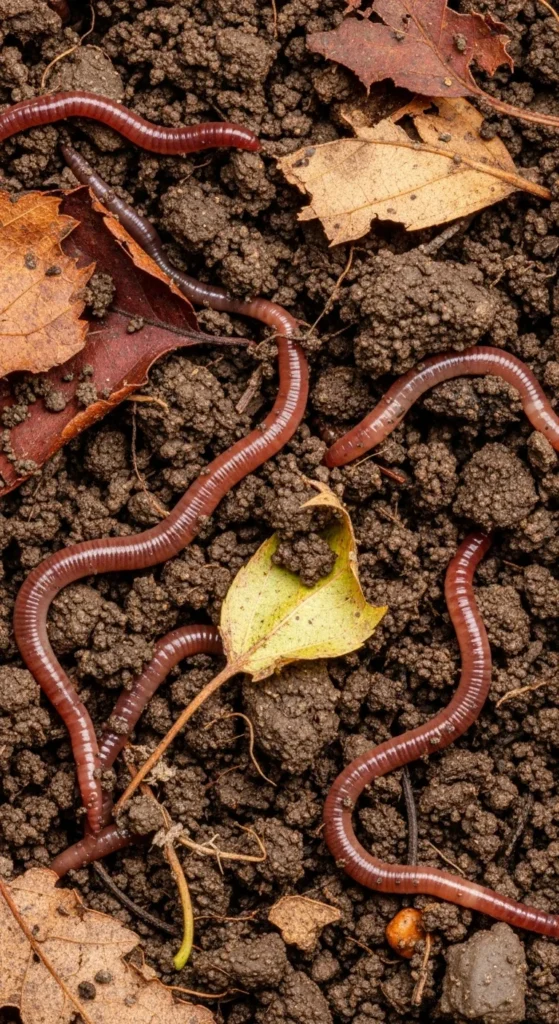
When soil microbes thrive, they make nutrients available exactly when plants need them.
Let Nature Work With Mulch
Mulching is one of the easiest ways to protect and improve soil naturally.
Benefits of mulch:
- Retains moisture
- Prevents weeds
- Regulates temperature
- Breaks down into organic matter
Natural mulch options:
- Dry leaves
- Straw
- Grass clippings (thin layers)
- Wood chips (for paths and perennials)
Apply mulch 2–3 inches thick, keeping it slightly away from plant stems.
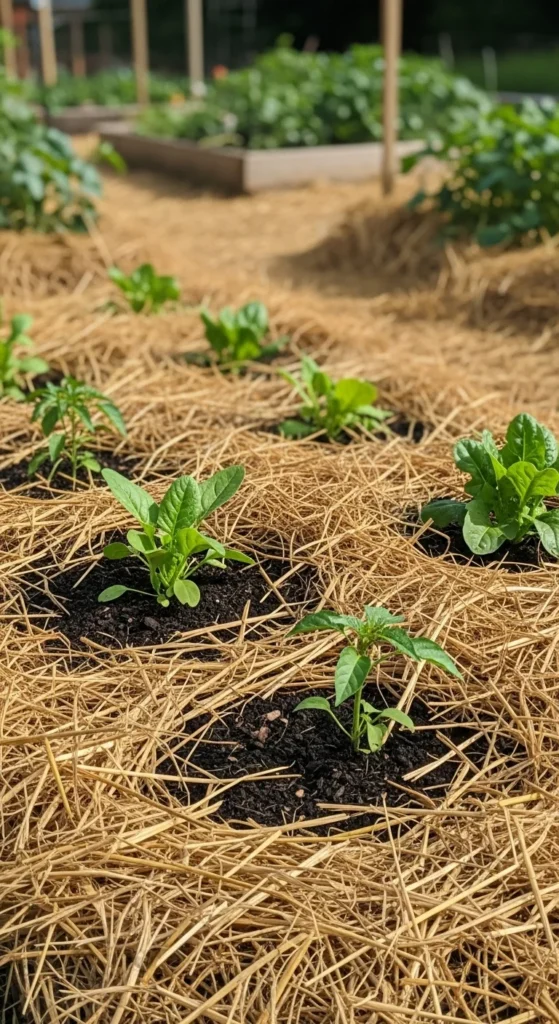
Give Soil Time to Rest and Recover
Soil improves over time—not overnight. After amending, give it time to settle and activate biologically.
Helpful habits:
- Prepare soil a few weeks before planting
- Rotate crops each season
- Avoid compacting soil by walking on beds
If possible, cover unused soil with mulch or cover crops instead of leaving it bare.
Use Natural Liquids to Boost Soil Life
Liquid feeds can give soil an extra boost without chemicals.
Easy options:
- Compost tea
- Vermicompost tea
- Soaked banana peels (potassium-rich water)
Apply lightly and infrequently—natural soil thrives on balance, not excess.
Signs Your Soil Is Ready for Planting
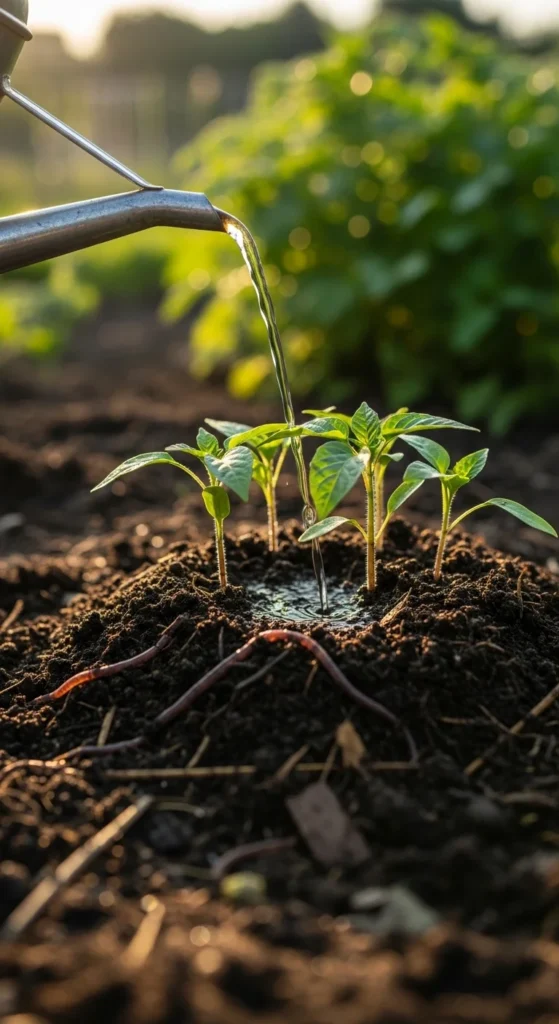
Well-prepared natural soil looks and feels different.
You’ll notice:
- Dark, crumbly texture
- Earthy smell
- Good drainage
- Presence of worms
These are signs your soil is alive and ready to support healthy growth.
Final Takeaway 🌱
Preparing soil naturally is one of the most powerful things you can do as a gardener. By adding organic matter, protecting soil life, and working with nature instead of against it, you create a foundation that improves every season.
Healthy soil means healthier plants, better harvests, and fewer problems down the road.
Save this guide for later and come back whenever you’re getting ready to plant! 🌿
Leave a Reply