

Got a bare wall that feels wasted?
Instead of hanging art… grow food on it.
Pocket vertical gardens turn small walls, balconies, and fences into lush green living walls using fabric pockets or felt panels. They’re soft, lightweight, and perfect for herbs, lettuce, and succulents — basically the easiest way to add a garden where there’s “no space.”
It’s like hanging a shoe organizer… but for plants.
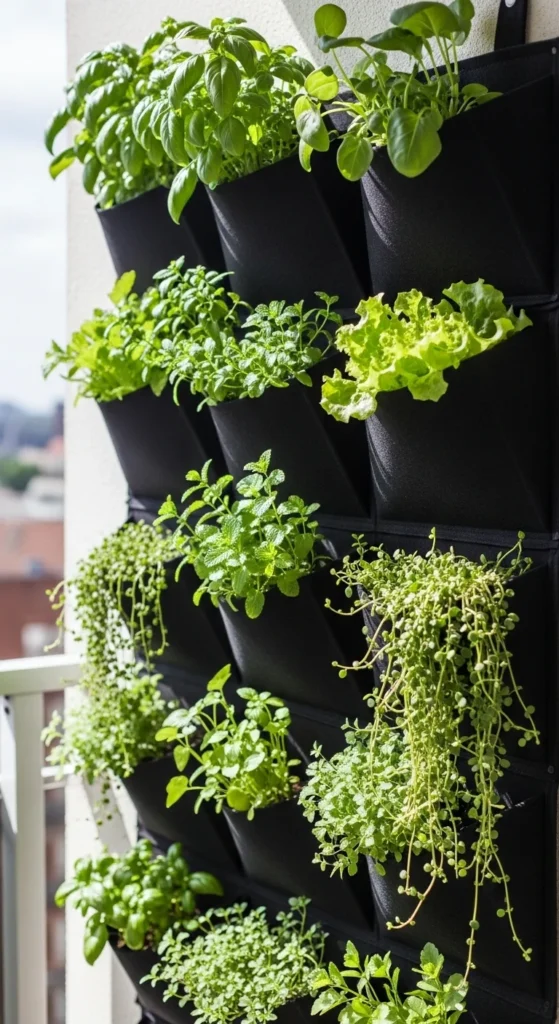
Let’s build your own step-by-step.
Why Pocket Gardens Are Perfect for Small Spaces
Pocket planters solve the biggest urban gardening problem: space.
They’re:
- Slim and wall-mounted
- Lightweight compared to pots
- Easy to install
- Budget-friendly
- Great for shallow-root plants
- Beautiful “green wall” decor
Plus, fabric pockets let roots breathe better than plastic containers.
If you have even a 2–3 foot wall, you can grow a surprising amount of food.
What You’ll Need
You can buy ready-made pocket panels or DIY your own.
Basic supplies:
- Fabric or felt pocket planters (or DIY geotextile/fabric bags)
- Wooden frame (2×4 or 2×6 boards)
- Screws + washers
- Drill
- Potting soil + compost
- Plants or seedlings
Optional upgrades:
- Plastic liner/backing board
- Drip irrigation tubing
- LED grow lights (for indoors)
- Level
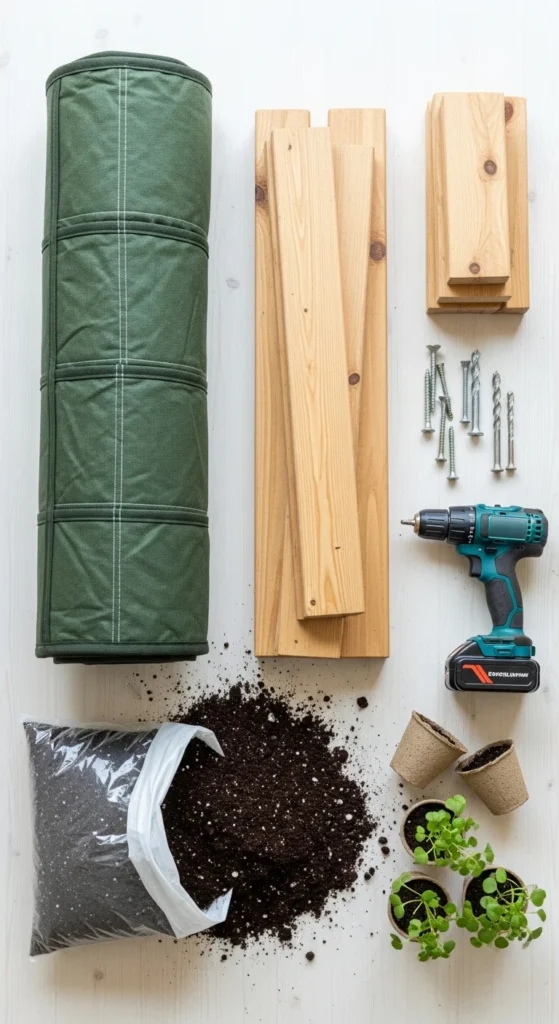
Keep it simple for your first build — you can always upgrade later.
Step 1: Build a Simple Support Frame
Even lightweight pockets get heavy when wet.
So you need a solid base.
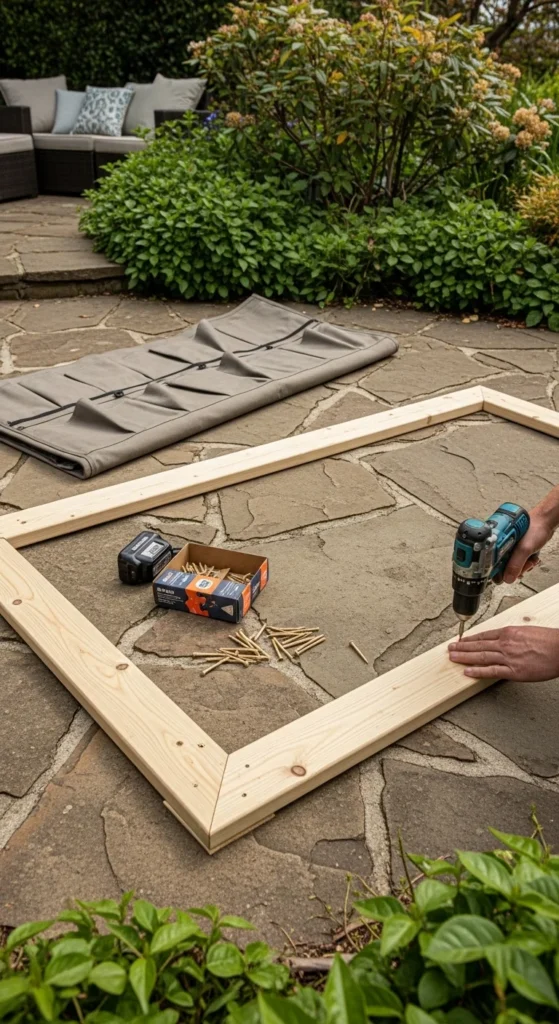
Easy frame design:
- Two vertical 2×4 posts
- Two or three horizontal stringers
- Rectangle shape that fits your wall
Screw it together like a picture frame.
Why not mount directly to the wall?
Because:
- It improves airflow
- Prevents moisture damage
- Makes the garden easier to remove
Before installing, hold a level to keep everything straight.
Crooked green walls are very noticeable.
Step 2: Protect Your Wall (Don’t Skip This)
Water + soil + walls = potential damage.
Add protection layers:
- Plastic sheet
- Pond liner
- Waterproof board
Attach this backing behind the frame.
This keeps moisture from soaking into walls or fences.
Especially important for:
- Indoor walls
- Wood fences
- Painted surfaces
Think of it as insurance for your house.
Step 3: Attach the Pocket Planters
Now for the fun part.
Most fabric pockets have grommets at the top and sides.
How to mount:
- Hold the pocket panel against the frame
- Predrill small holes
- Screw through grommets with washers
- Attach every 18–22 inches
Washers help distribute weight so fabric doesn’t tear.
Make sure it’s tight and flat — sagging pockets lead to uneven watering later.
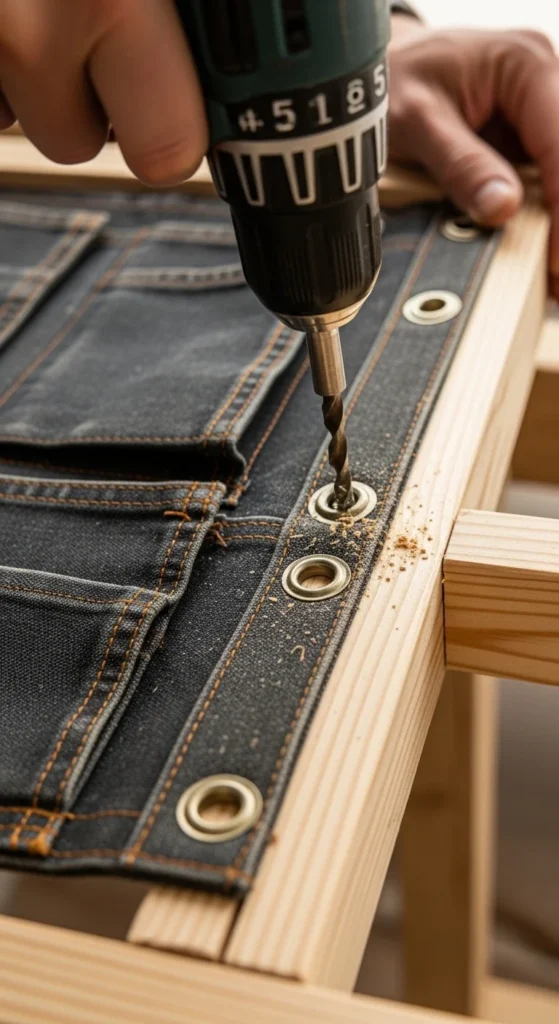
Already looks like a mini living wall, right?
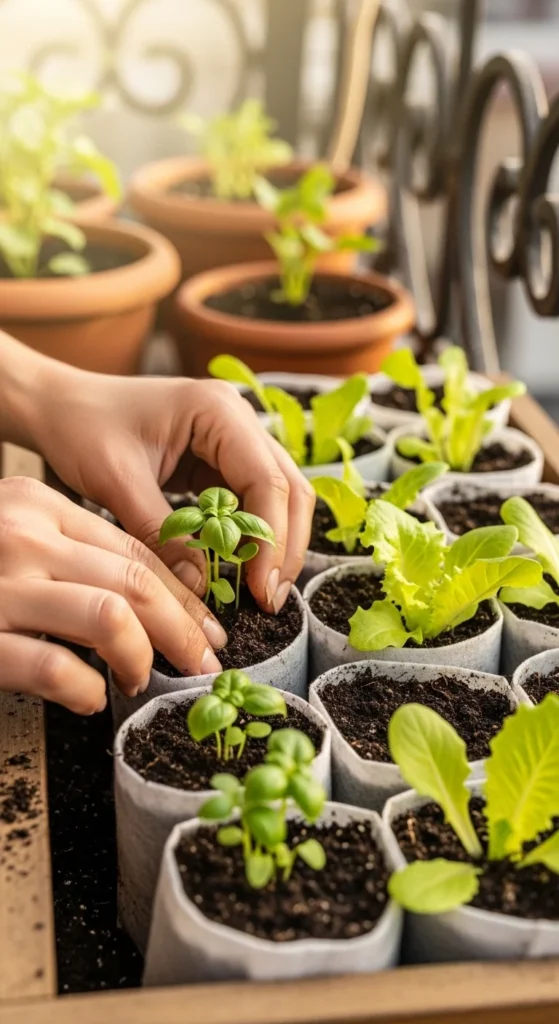
Step 4: Add Soil and Plant Smartly
Pocket gardens are shallow, so soil choice matters.
Best mix:
- 70% potting soil
- 30% compost
Fill each pocket halfway first.
Then:
- Insert 2–3 plants per pocket
- Add more soil around roots
- Press gently
Planting multiple per pocket makes the wall look full faster.
Best plants for pockets:
🌿 Herbs
- Basil
- Mint
- Parsley
- Thyme
🥬 Leafy greens
- Lettuce
- Spinach
- Arugula
🌵 Low-maintenance
- Succulents
- Pothos
- Ferns
Avoid heavy or deep-root crops like tomatoes or peppers.
Step 5: Install Simple Irrigation (Optional but Helpful)
Vertical gardens dry out fast — especially top rows.
Manual watering works, but drip irrigation saves time.
Easy setup:
- Run thin “spaghetti tubing” along the top row
- Poke tiny holes above each pocket
- Connect to hose or reservoir
Water slowly trickles down evenly.
No dry spots. No soggy spots.
If indoors, water gently with a watering can and let gravity do the rest.
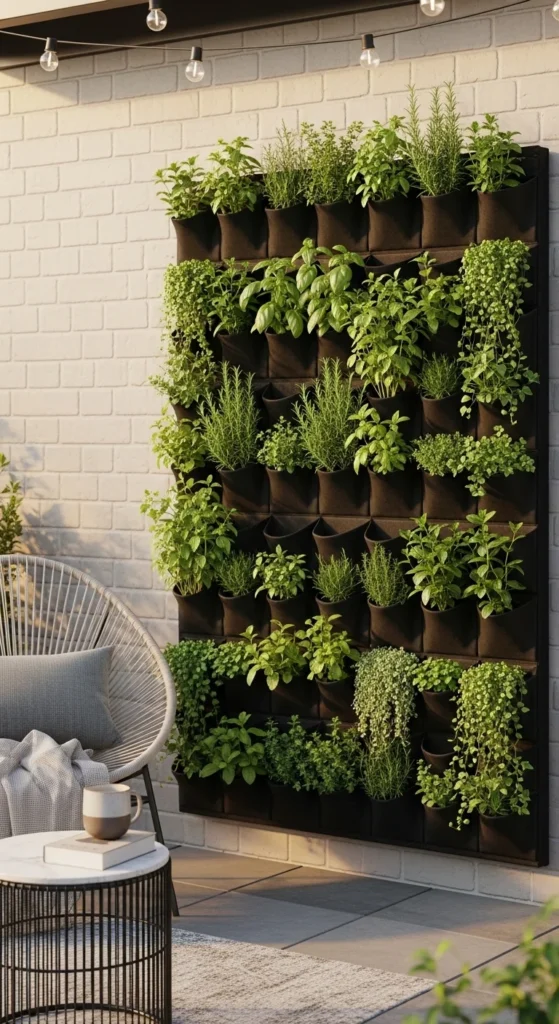
Step 6: Style It So It Looks Amazing
Pocket gardens are practical — but they can also look stunning.
Try:
- Mixing herbs and trailing plants
- Grouping colors (all green or mixed textures)
- Adding labels
- Installing fairy lights
- Using black fabric for a modern look
- Painting the frame to match décor
Treat it like living art.
Easy Care Tips
Pocket gardens are low effort, but consistency matters.
Water
- Top rows first
- Check daily in hot weather
Feed
- Liquid fertilizer every 2–3 weeks
Prune
- Trim herbs often to keep compact
Rotate
Swap plants if some grow faster than others
Regular pruning keeps the wall neat and prevents overcrowding.
Final Thoughts
A pocket vertical garden is one of the smartest ways to grow more in less space.
Soft, flexible, lightweight — and perfect for tiny walls that would otherwise stay empty.
In just a few hours, you can turn a blank surface into a lush, edible green wall.
Fresh herbs. Fresh air. Zero wasted space.
Save this idea for later and start your pocket garden this weekend. 🌿
Leave a Reply