

A beautiful garden doesn’t have to mean endless watering, constant pruning, or spending every weekend battling weeds. In fact, the best gardens often work with nature instead of against it. With the right planning and a few smart choices, you can create a low-maintenance garden that looks lush, healthy, and intentional—without draining your time or energy.
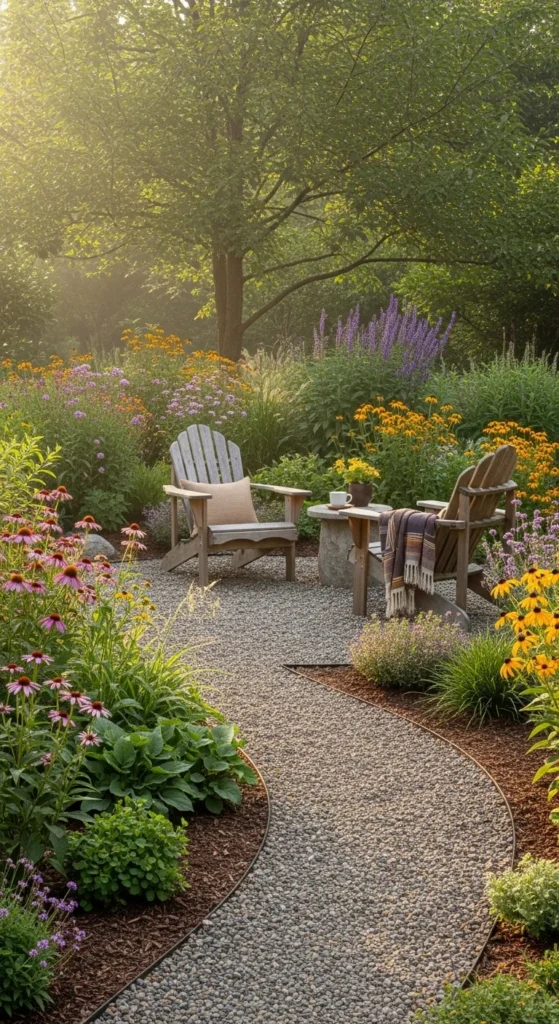
Whether you’re a beginner or just tired of high-effort landscaping, this guide will walk you through simple, practical steps to build a garden that truly thrives on its own.
Start With Smart Planning (Before You Plant Anything)
Low maintenance begins long before the first plant goes in the ground. A little planning upfront can save you years of extra work later.
Ask yourself:
- How much sun does your garden really get?
- Where does water naturally collect or drain?
- How much time do you honestly want to spend gardening?
Choose areas that match your lifestyle. It’s better to have a smaller, well-designed garden than a large space that becomes overwhelming.
Quick planning tips:
- Observe sunlight for a few days before planting
- Group plants with similar water needs
- Leave space for paths so you’re not stepping on soil
Good layout = less fixing later.
Choose Plants That Love Your Climate
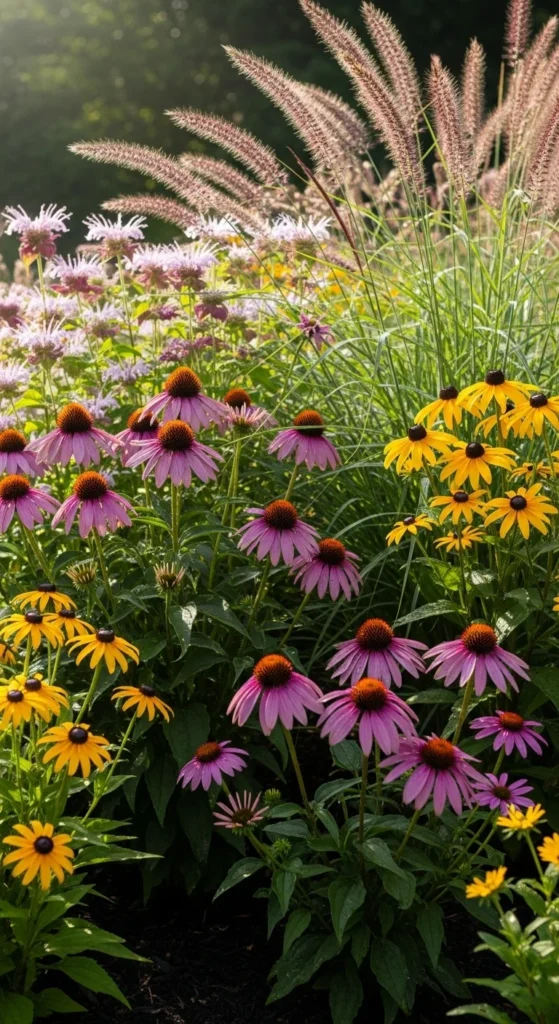
The easiest way to reduce garden work is to stop fighting your local climate. Plants that naturally grow well in your area need less water, fewer fertilizers, and almost no babysitting.
Native and climate-adapted plants are your best friends.
Benefits of the right plant choices:
- Better drought tolerance
- Fewer pests and diseases
- Stronger growth with less effort
If you want an even easier route, look for:
- Perennials instead of annuals
- Slow-growing shrubs
- Plants labeled “drought-tolerant” or “low-water”
They may cost slightly more upfront—but they pay you back in time saved.
Improve Soil Once, Not Forever
Healthy soil is the quiet hero of a low-maintenance garden. When your soil is rich and well-structured, plants grow stronger and need less help from you.
Instead of constantly feeding plants later, focus on soil now.
Simple soil upgrades:
- Mix compost into planting areas
- Avoid over-tilling (it damages soil structure)
- Add organic matter once or twice a year
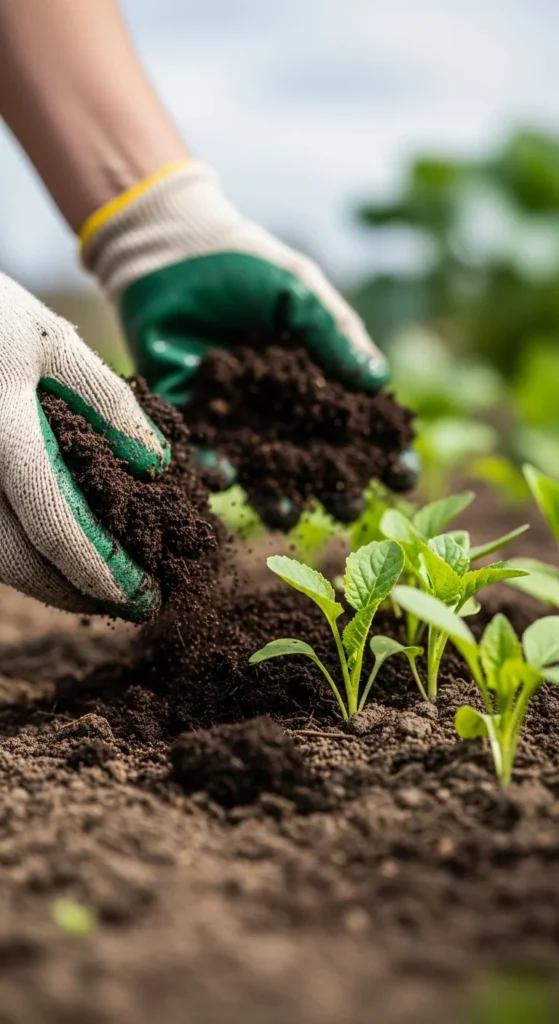
Good soil:
- Holds moisture longer
- Reduces need for fertilizer
- Encourages deeper root growth
Think of soil prep as a one-time investment that keeps paying off.
Use Mulch Like a Pro
Mulch is one of the most underrated tools in gardening. It quietly handles several chores at once—saving you time every single week.
Why mulch matters:
- Locks in moisture
- Suppresses weeds
- Regulates soil temperature
Organic mulches like bark chips, shredded leaves, or straw work especially well.
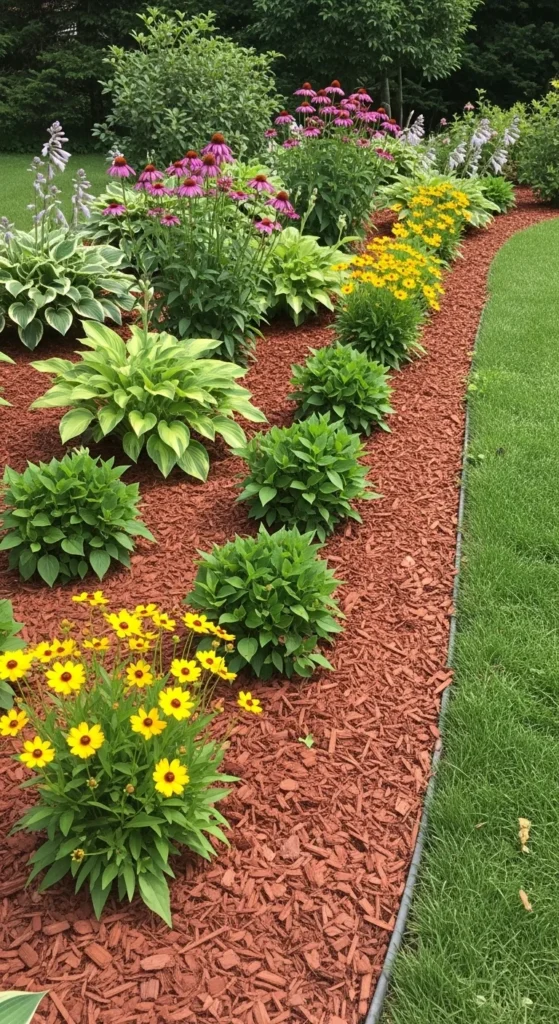
Mulching tips:
- Apply 2–3 inches thick
- Keep mulch slightly away from plant stems
- Refresh once a year, not every season
Once mulched properly, you’ll notice fewer weeds and less watering almost immediately.
Design for Less Watering
Watering is one of the biggest time commitments in gardening—but it doesn’t have to be.
Design choices that reduce watering:
- Group plants by water needs
- Shape soil to guide water toward roots
- Use drip irrigation or soaker hoses
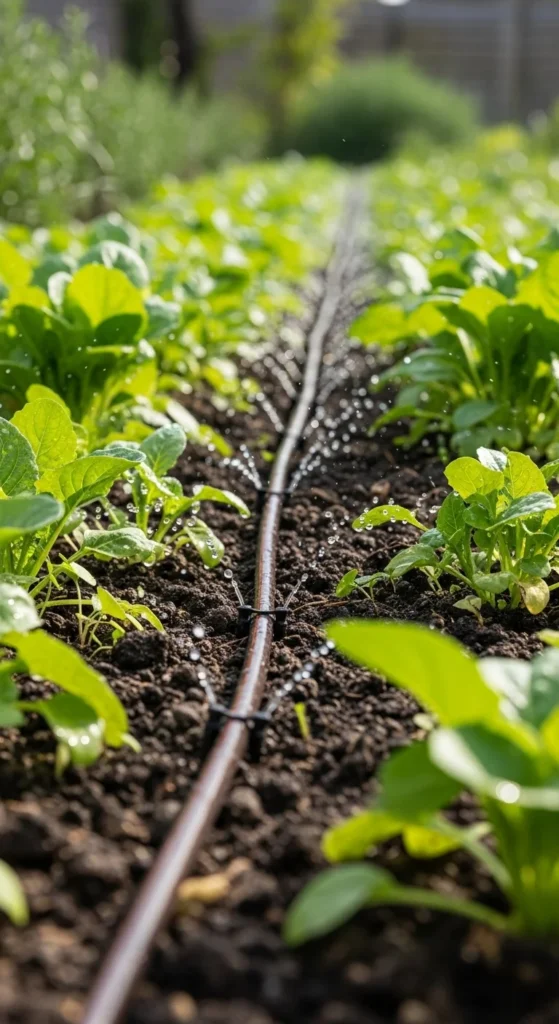
Drip systems:
- Deliver water directly to roots
- Reduce evaporation
- Can be automated with timers
This means healthier plants and fewer reminders on your phone to water.
Reduce Lawn, Increase Ease
Traditional lawns are surprisingly high maintenance. If you want a truly easy garden, consider shrinking your lawn space.
Low-effort alternatives:
- Ground covers
- Gravel or stone paths
- Mulched seating areas
These options:
- Never need mowing
- Look intentional and modern
- Save water and time
Less lawn doesn’t mean less beauty—it often means more.
Let the Garden Mature (Don’t Overdo It)
One of the biggest mistakes gardeners make is doing too much. Low-maintenance gardens improve with time, not constant interference.
Healthy habits to adopt:
- Prune lightly, not aggressively
- Let plants fill in naturally
- Accept a little wildness
Nature balances itself better than we think.
Final Takeaway
A low-maintenance garden isn’t about doing nothing—it’s about doing the right things once. With smart plant choices, healthy soil, proper mulch, and thoughtful design, your garden can thrive with minimal effort.
If you want a garden that looks good even when life gets busy, this approach works.
🌿 Save this guide for later and start building a garden that gives back more than it takes.
Leave a Reply