

If your plants struggle no matter how much you water or care for them, the real problem might be hiding underground. Healthy soil is the foundation of every thriving garden. The good news? You don’t need chemicals or expensive products to fix it. With a few natural methods and a little patience, you can turn tired soil into a rich, living environment your plants will love.
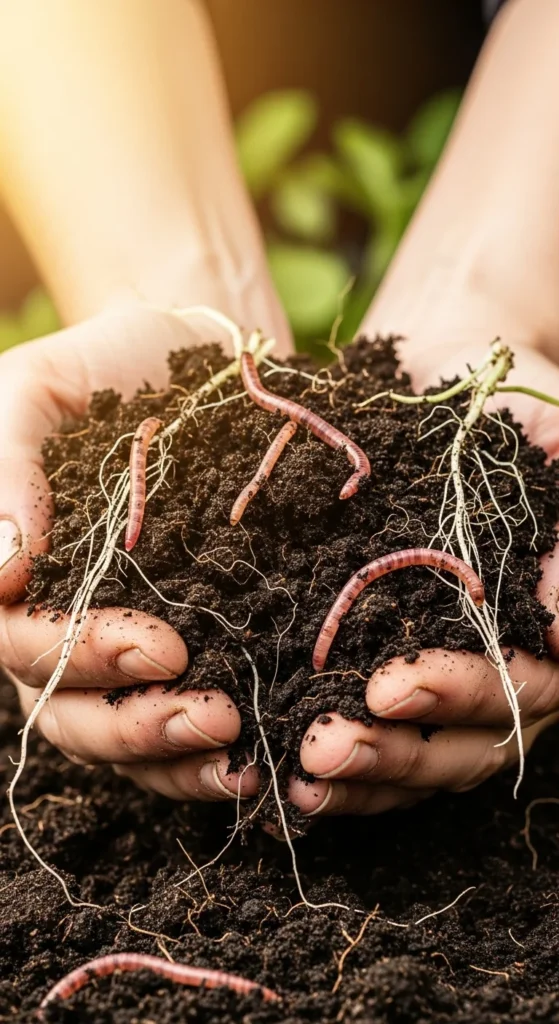
Why Healthy Soil Matters More Than Anything Else
Soil isn’t just dirt—it’s a living ecosystem. Good soil holds nutrients, drains well, and supports beneficial organisms that feed your plants naturally.
Healthy soil helps:
- Roots grow deeper and stronger
- Plants resist pests and disease
- Water is absorbed and retained properly
- Flowers bloom brighter and vegetables taste better
Improving soil naturally works with nature instead of against it.
Step 1: Understand What Your Soil Needs
Before adding anything, observe what you already have.
Quick soil clues:
- Hard and compacted: Needs organic matter and air
- Sandy and dry: Needs moisture-holding materials
- Sticky and soggy: Needs better drainage
You don’t need lab tests to start—your soil will tell you what it needs.
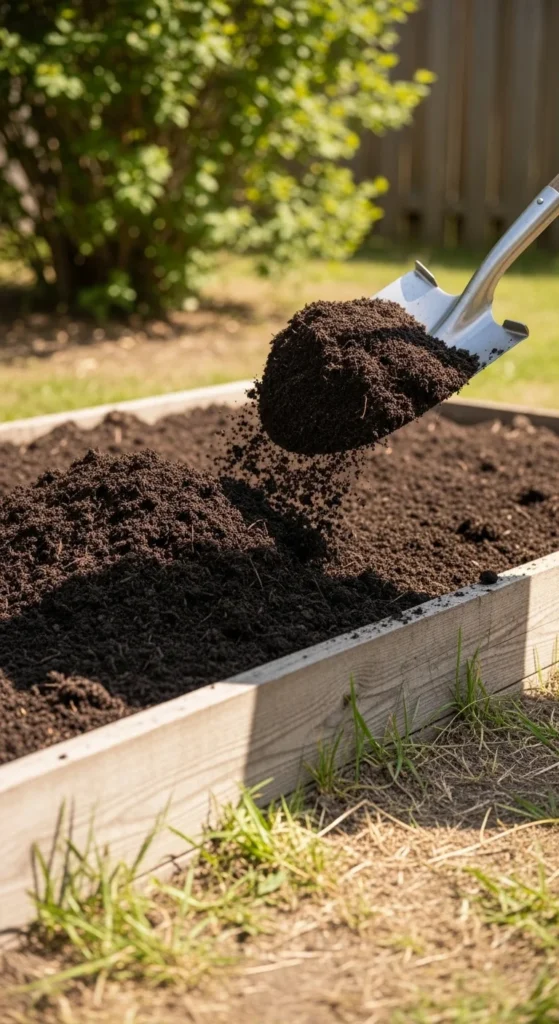
Step 2: Add Compost (The Ultimate Soil Booster)
Compost is the single best way to improve soil naturally. It feeds plants and improves soil structure at the same time.
Benefits of compost:
- Adds nutrients slowly
- Improves drainage in clay soil
- Helps sandy soil hold moisture
- Encourages beneficial microbes
Spread 2–3 inches of compost over garden beds and gently mix it into the top layer.
Step 3: Feed Soil With Organic Matter
Compost is just the beginning. Organic matter builds long-term soil health.
Great natural additions:
- Aged manure
- Leaf mold (decomposed leaves)
- Grass clippings (thin layers only)
- Kitchen compost scraps
These materials break down slowly, feeding the soil over time instead of giving plants a quick, short-lived boost.
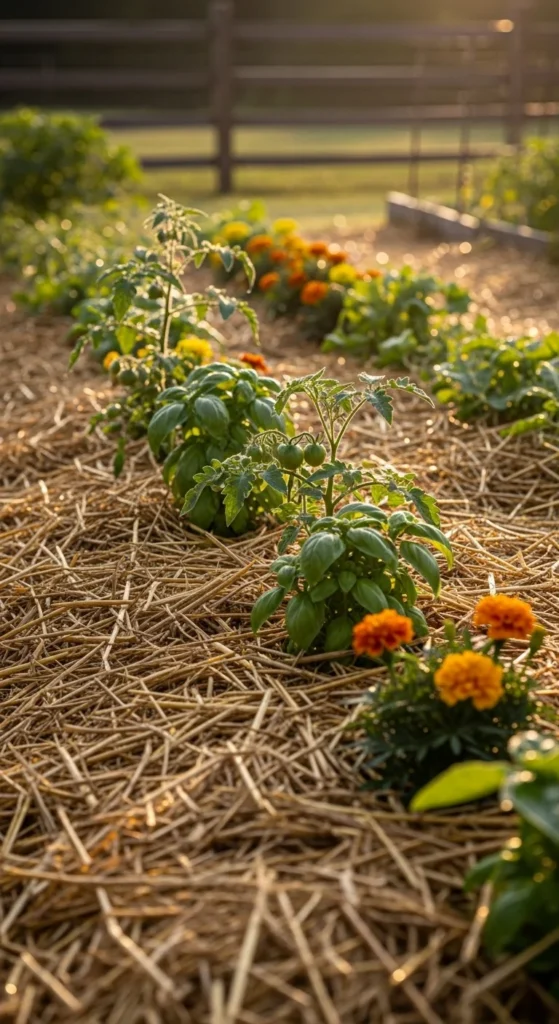
Step 4: Use Mulch to Protect and Improve Soil
Mulch is like a blanket for your garden. It protects soil while quietly improving it.
Why mulch matters:
- Prevents moisture loss
- Suppresses weeds
- Regulates soil temperature
- Breaks down into organic matter
Good mulch options include straw, shredded leaves, bark chips, and untreated wood mulch.
Step 5: Stop Digging Too Much
Overworking soil can destroy its structure and beneficial organisms.
Try this instead:
- Loosen soil gently with a fork, not a shovel
- Avoid turning soil deeply every season
- Let worms and microbes do the work
Minimal disturbance keeps soil life thriving and improves texture naturally.
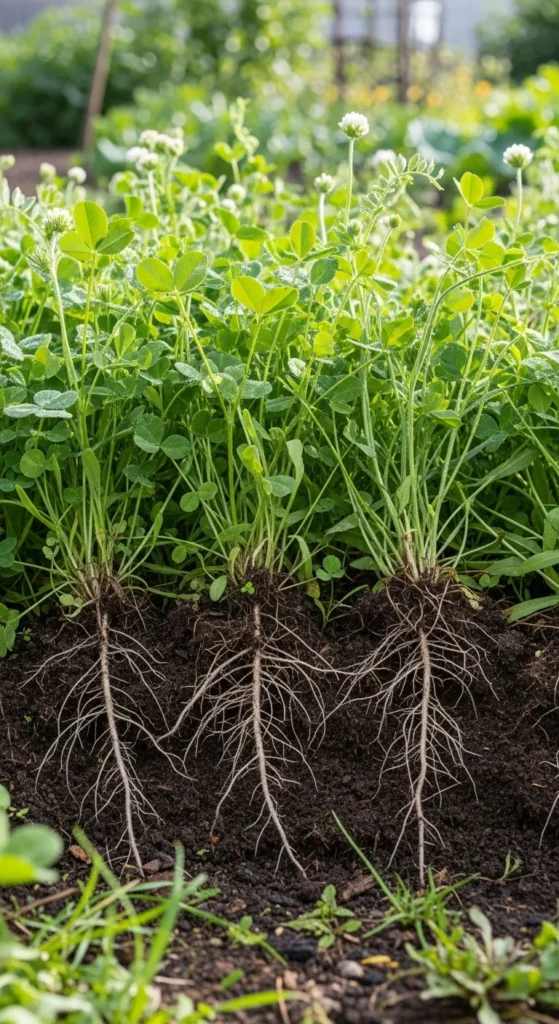
Step 6: Grow Plants That Improve Soil
Some plants actually help rebuild soil as they grow.
Soil-improving plants include:
- Legumes: Peas, beans, clover (add nitrogen)
- Deep-rooted plants: Daikon radish, comfrey
- Cover crops: Rye, oats, vetch
These plants break up compacted soil and add nutrients when cut back and left to decompose.
Step 7: Water the Right Way
Soil health and watering go hand in hand.
Smart watering habits:
- Water deeply, not frequently
- Avoid soaking soil constantly
- Use drip irrigation or soaker hoses
Proper watering encourages roots to grow deeper and prevents soil compaction.
Step 8: Encourage Beneficial Soil Life
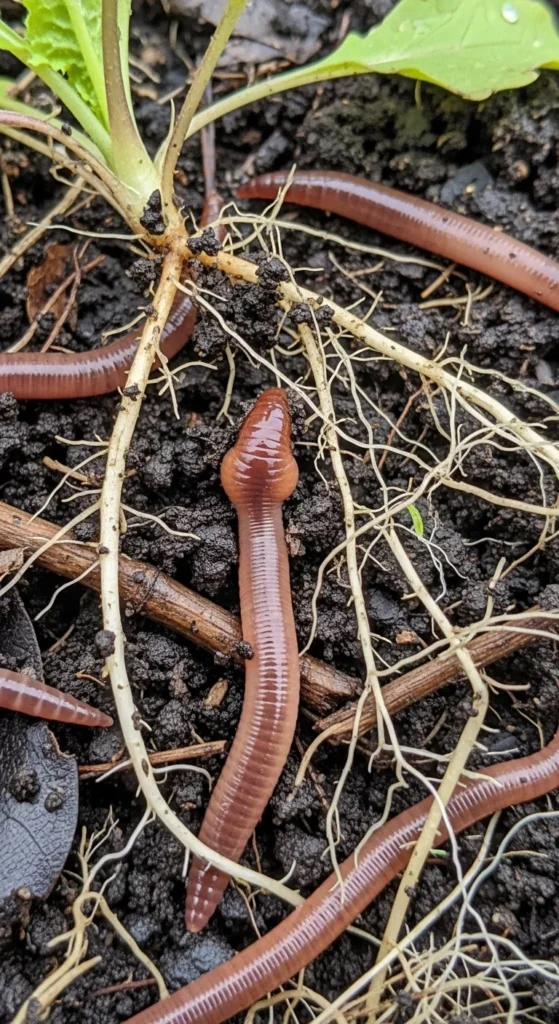
Healthy soil is alive with worms, fungi, and microbes.
How to support soil life:
- Avoid chemical fertilizers and pesticides
- Add compost regularly
- Keep soil covered with plants or mulch
Worms naturally aerate soil and recycle nutrients—think of them as free garden helpers.
Step 9: Be Patient and Consistent
Natural soil improvement takes time, but the results last longer.
What to expect:
- Better texture after one season
- Stronger plant growth within weeks
- Long-term fertility that improves every year
Small, consistent improvements beat quick fixes every time.
Final Takeaway
Improving garden soil naturally is one of the most powerful things you can do for your plants. Feed the soil, protect it, and let nature handle the rest.
🌱 Save this guide for later and start building healthier soil today!

Leave a Reply