

Growing your own vegetables at home sounds impressive—but it’s much easier than most people think. You don’t need a big backyard, fancy tools, or years of experience. With a few smart choices and simple steps, you can grow fresh, healthy vegetables right at home and actually enjoy the process 🌱
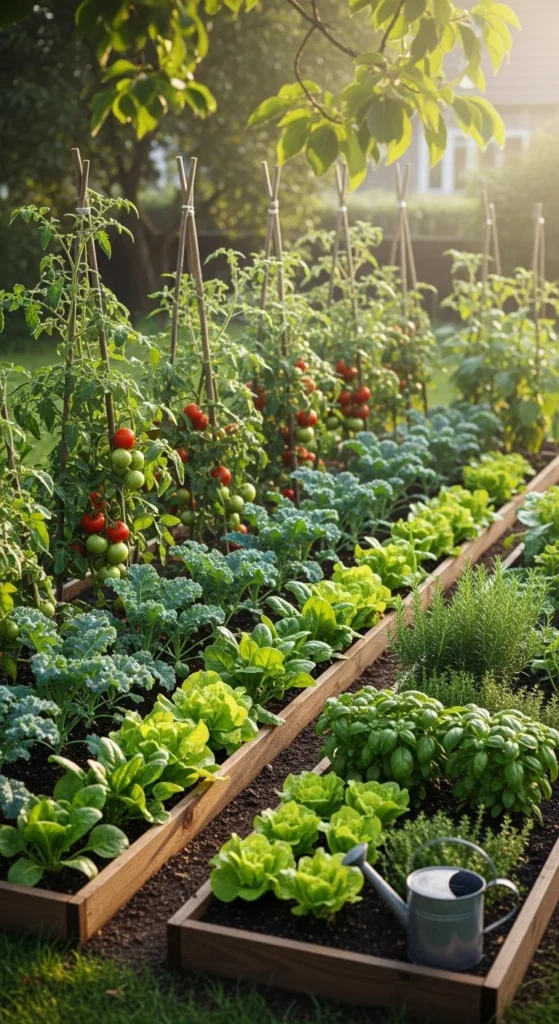
Whether you’re working with a backyard, balcony, or patio, this beginner-friendly guide will walk you through everything you need to know.
Why Growing Vegetables at Home Is Worth It
Before we dive into the how, let’s talk about the why.
Homegrown vegetables:
- Taste fresher and better
- Save money over time
- Are free from harmful chemicals
- Help reduce stress and boost mood
- Give you control over what you eat
And the best part? You don’t have to be perfect to succeed.
Step 1: Start With Easy Vegetables
As a beginner, success comes from choosing the right plants, not the most impressive ones.
Great vegetables for beginners:
- Lettuce and spinach
- Tomatoes
- Radishes
- Green beans
- Chilies or peppers
- Herbs like basil, mint, and coriander
These grow quickly, forgive small mistakes, and build confidence early on.
Step 2: Choose the Right Growing Space
You don’t need a large garden. Vegetables can grow almost anywhere with enough light.
Common options:
- Backyard garden beds
- Raised garden beds
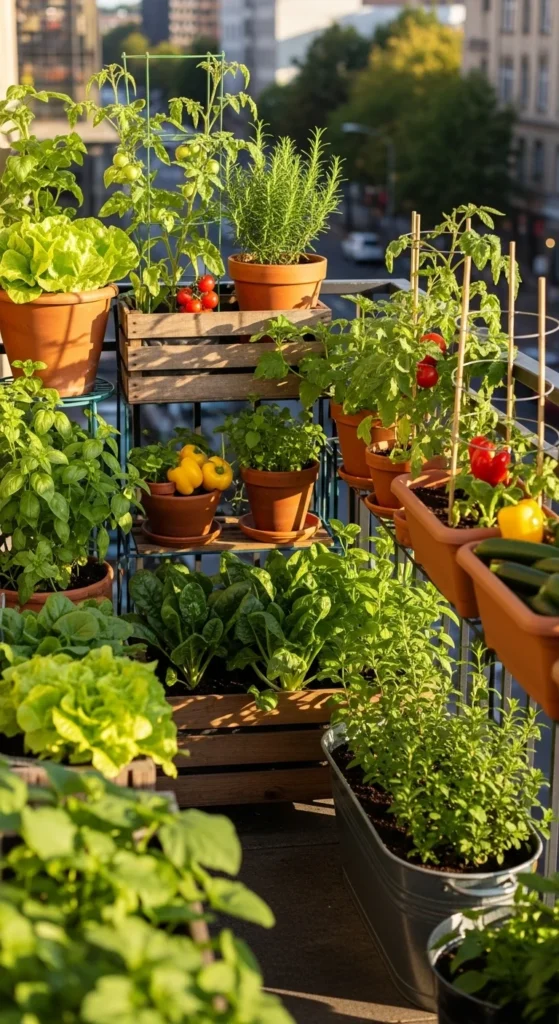
- Pots and containers
- Balcony or rooftop spaces
What matters most:
- 6–8 hours of sunlight daily
- Good drainage
- Easy access to water
Step 3: Use Good Soil (This Matters a Lot)
Healthy soil = healthy vegetables. Poor soil leads to weak plants no matter how much you water.
For beginners, the easiest option is:
- Ready-made vegetable or potting soil
- Mixed with compost for nutrients
If planting in the ground:
- Loosen the soil first
- Remove rocks and weeds
- Add compost before planting
Your soil should feel loose, dark, and slightly moist—not hard or dusty.
Step 4: Decide Between Seeds or Seedlings
Both options work—but one is easier.
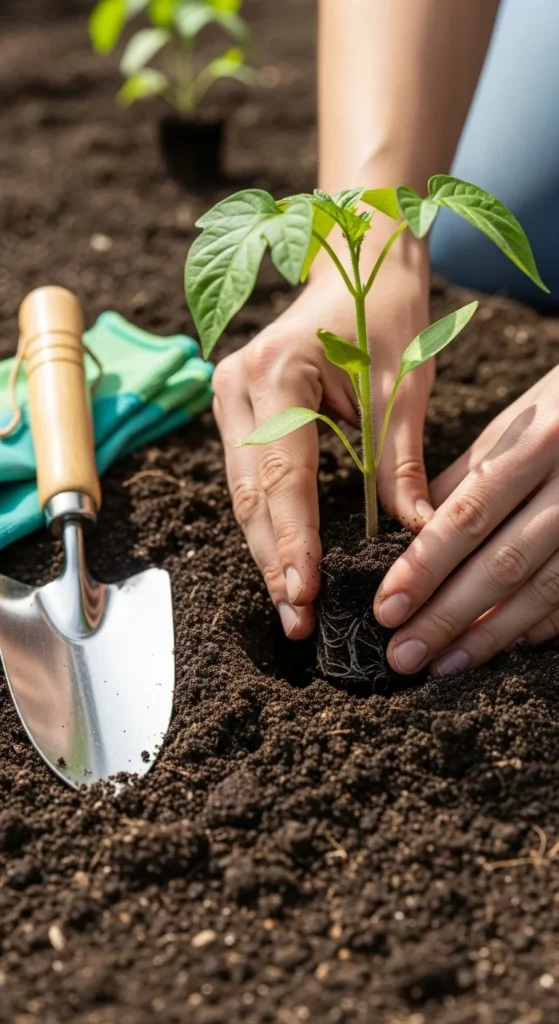
Seedlings (small plants):
- Faster results
- Higher success rate
- Ideal for beginners
Seeds:
- Cheaper
- More variety
- Require patience
If you’re new, start with seedlings and try seeds later once you’re comfortable.
Step 5: Water the Right Way
Overwatering is one of the most common beginner mistakes.
Simple watering tips:
- Water early in the morning
- Check soil before watering
- Water deeply, not lightly
- Avoid wetting leaves too much
A good rule: if the top inch of soil is dry, it’s time to water.
Step 6: Give Plants Enough Space
It’s tempting to plant everything close together—but crowded plants struggle.
Why spacing matters:
- Better airflow
- Fewer diseases
- Stronger growth
- Easier harvesting
Always follow spacing instructions on seed packets or plant tags. Plants need room to breathe.
Step 7: Protect Your Vegetables Naturally
You don’t need chemicals to protect your plants.
Beginner-friendly pest control:
- Hand-pick visible insects
- Spray neem oil or soapy water
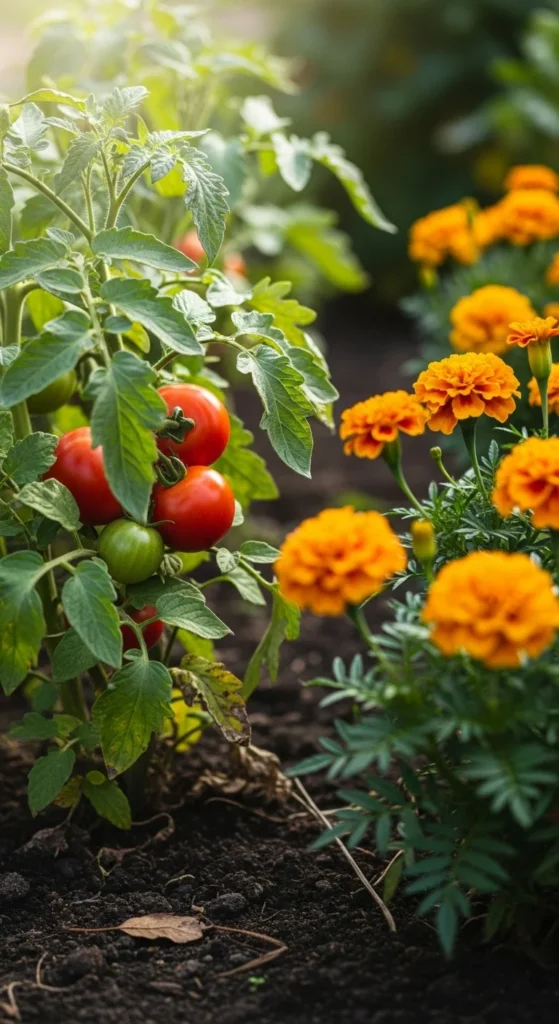
- Plant marigolds nearby
- Keep plants healthy (strong plants resist pests)
Check your plants every few days so problems don’t get out of control.
Step 8: Harvest Regularly and Enjoy
Harvesting encourages plants to produce more.
Tips for beginners:
- Pick vegetables when they’re young and tender
- Don’t wait too long—overripe veggies slow growth
- Use clean scissors or hands
The more you harvest, the more your garden gives back.
Common Beginner Mistakes to Avoid
Learning includes mistakes—but avoiding these helps:
- Overwatering
- Ignoring sunlight needs
- Planting too much at once
- Skipping soil preparation
Start small. A few healthy plants are better than many struggling ones.
Final Takeaway
Growing vegetables at home for beginners is about progress, not perfection. Choose easy plants, give them sunlight and good soil, and check on them regularly. With time, you’ll gain confidence—and fresh vegetables.
🥕 Save this guide and start your first home vegetable garden today!
Leave a Reply