

There’s something incredibly satisfying about growing plants in pots. Whether you’re working with a sunny balcony, a tiny patio, or just a windowsill, container gardening lets you create a lush, green space almost anywhere. The trick? Doing it the right way so your plants don’t just survive—but truly thrive.
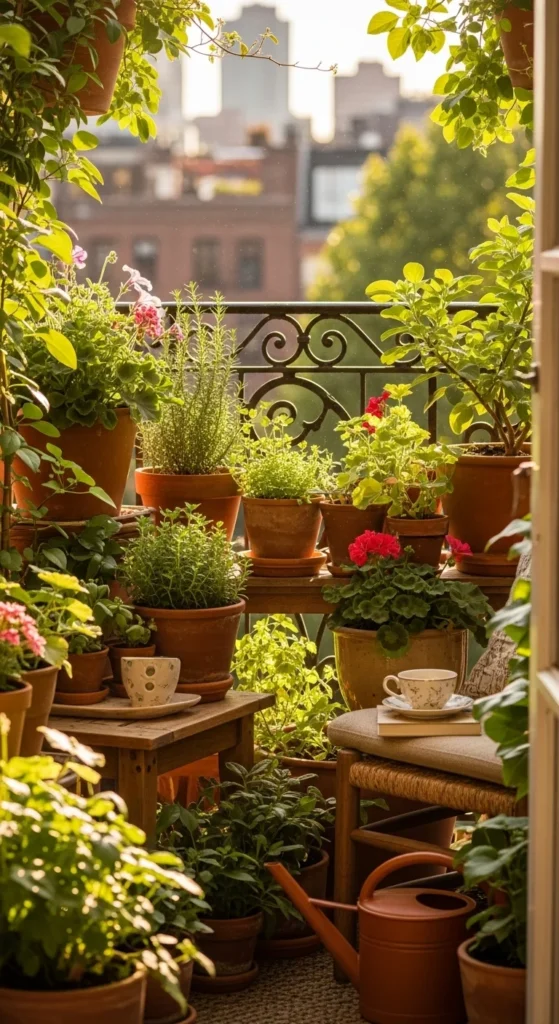
If you’ve ever dealt with yellowing leaves, soggy soil, or plants that just won’t grow, don’t worry—you’re not alone. Let’s break container gardening down into simple, practical steps that actually work.
Choose the Right Pot (It Matters More Than You Think)
Not all pots are created equal. The container you choose affects water flow, root health, and even plant temperature.
Here’s what to look for:
- Drainage holes are non-negotiable. They prevent root rot by letting excess water escape.
- Size matters. Small pots dry out fast; oversized pots can hold too much moisture. Match the pot size to the plant’s root system.
- Material makes a difference.
- Terracotta: breathable but dries out quickly
- Plastic: lightweight and moisture-retaining
- Ceramic: stylish but often heavy
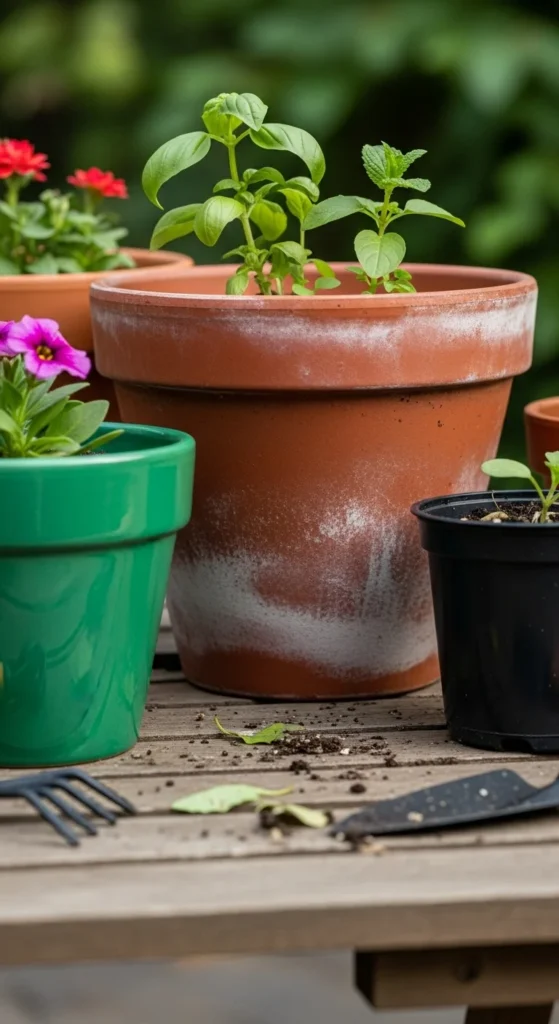
Quick tip: If you love a pot without drainage holes, use it as a decorative cover for a nursery pot with holes.
Use the Right Potting Mix (Not Garden Soil)
This is one of the most common mistakes beginners make. Regular garden soil is too dense for containers and can suffocate roots.
Instead, use a high-quality potting mix designed for containers. It:
- Drains well
- Holds just enough moisture
- Allows roots to breathe
You can also customize your mix:
- Add perlite for better drainage
- Add compost for nutrients
- Add coco coir to help retain moisture
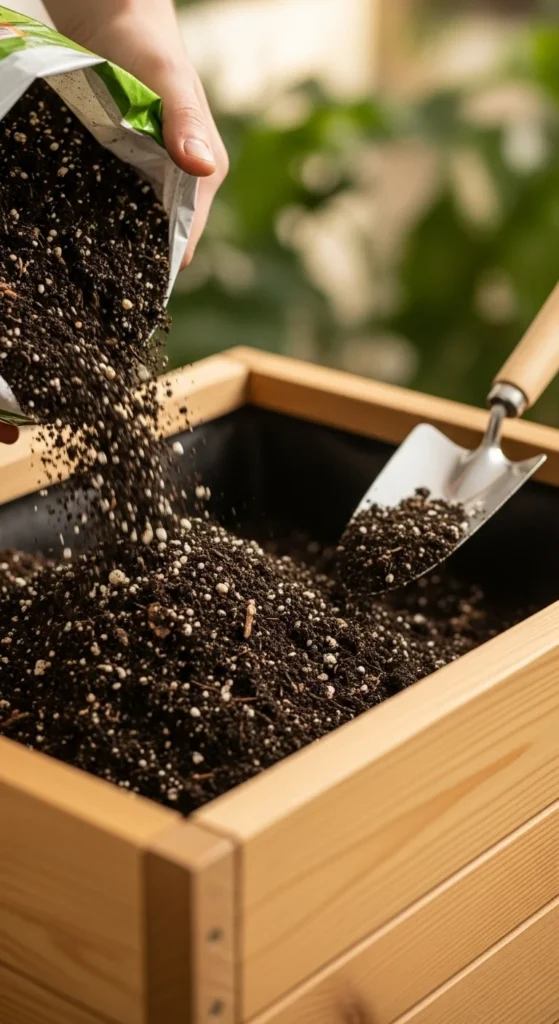
Avoid: Packing the soil down too tightly. Roots need air pockets to grow strong.
Match Plants to Light Conditions
Before planting anything, take a few days to observe your space. Light exposure can make or break your potted plants.
General guidelines:
- Full sun (6–8 hours): Tomatoes, peppers, herbs, flowering plants
- Partial sun (3–5 hours): Lettuce, spinach, begonias
- Shade: Ferns, snake plants, pothos
If your light changes throughout the season, choose adaptable plants or rotate pots as needed.
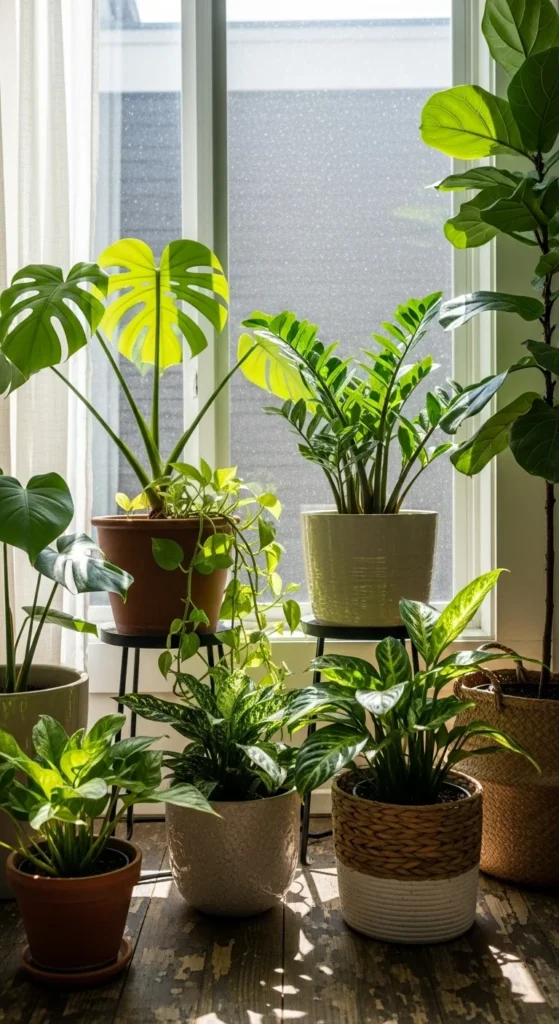
Pro tip: South-facing spaces get the strongest light; east-facing is gentler and great for beginners.
Water Smart, Not More
Overwatering is the fastest way to kill potted plants. Containers don’t behave like garden beds, so watering needs a little strategy.
Water the right way:
- Stick your finger 1–2 inches into the soil
- Water only when the top layer feels dry
- Water deeply until it drains from the bottom
Signs you’re overwatering:
- Yellow leaves
- Mushy stems
- Moldy soil surface
Signs you’re underwatering:
- Wilting leaves
- Dry, pulling-away soil
- Crispy edges
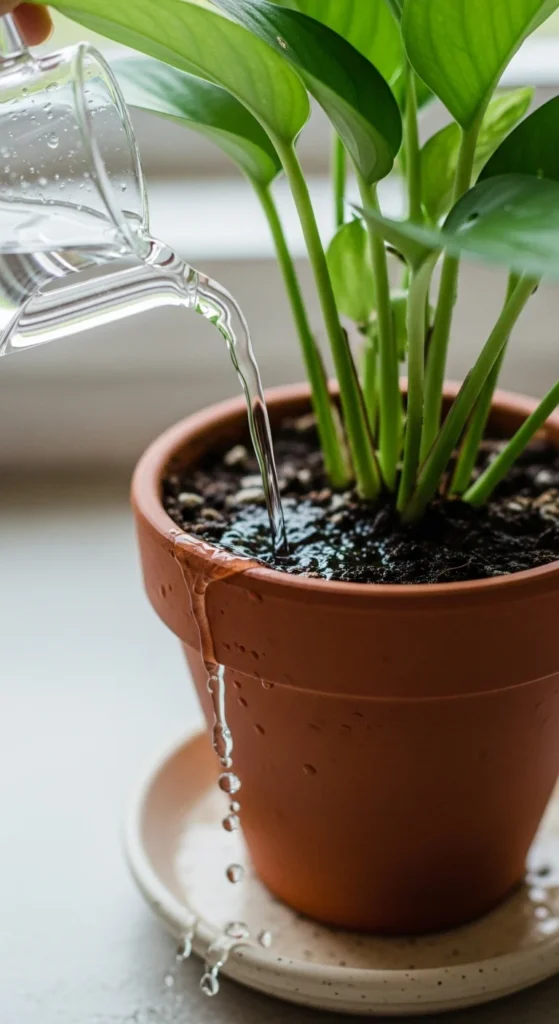
Best time to water: Early morning or late afternoon to reduce evaporation.
Feed Your Plants Regularly
Plants in pots rely entirely on you for nutrients. Over time, watering washes nutrients out of the soil.
Simple feeding tips:
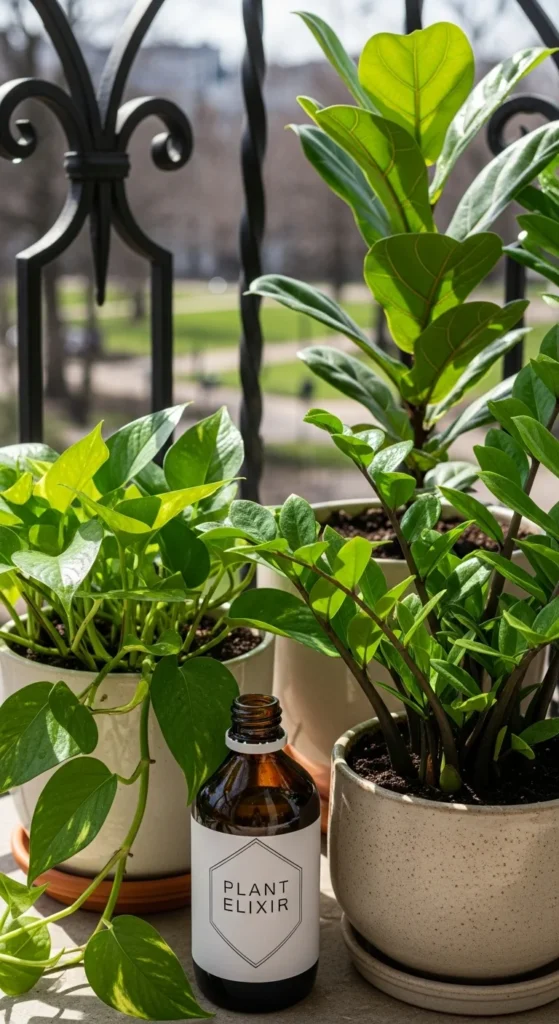
- Use a balanced liquid fertilizer every 2–4 weeks
- Slow-release pellets work well for busy gardeners
- Flowering plants benefit from extra phosphorus
- Leafy plants love nitrogen
Always follow label directions—more fertilizer doesn’t mean faster growth.
Repot When Plants Outgrow Their Home
If your plant looks tired despite good care, it may be root-bound.
Watch for these signs:
- Roots circling the bottom of the pot
- Water running straight through
- Slower growth than usual
When repotting:
- Go up just one pot size
- Refresh with new potting mix
- Water well after transplanting
This small upgrade can completely revive a struggling plant.
Final Thoughts: Small Pots, Big Wins 🌱
Growing plants in pots doesn’t require a big yard or fancy tools—just a little know-how and consistency. When you choose the right pot, use proper soil, match plants to light, and water wisely, container gardening becomes easy and rewarding.
Start small, learn as you go, and don’t be afraid to experiment.
Save this guide for later and come back whenever your plants need a refresh! 🌿
Leave a Reply