

There’s something incredibly satisfying about snipping fresh herbs right when you need them. A few leaves of basil for pasta. Mint for tea. Coriander for a quick garnish. Growing herbs at home isn’t just convenient—it’s one of the easiest and most rewarding ways to start gardening 🌿
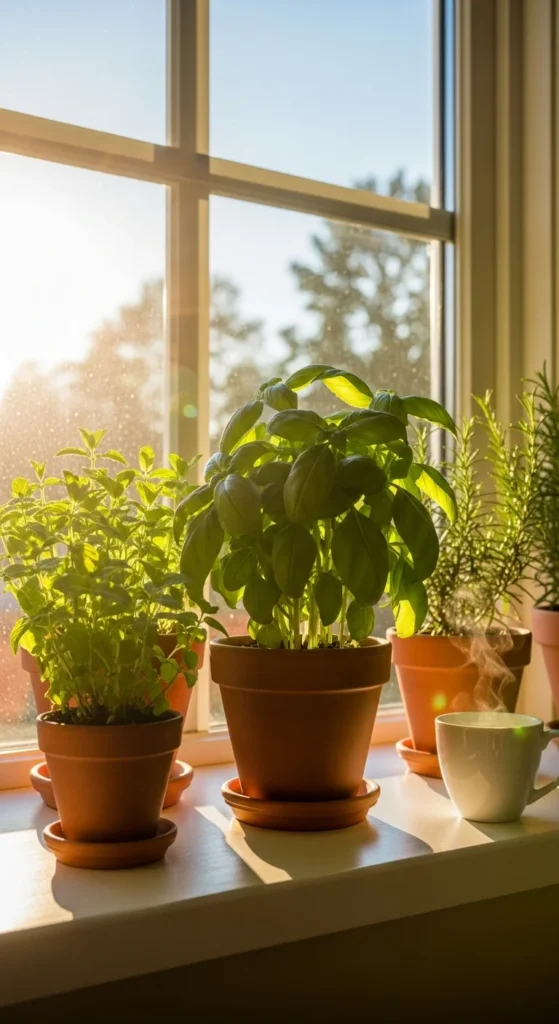
The best part? You don’t need a big garden or years of experience. With the right setup and a little care, anyone can grow herbs at home successfully.
Why Growing Herbs at Home Is So Easy
Herbs are beginner-friendly for a reason. Most grow quickly, need minimal space, and bounce back even after mistakes.
Benefits of homegrown herbs:
- Fresher flavor than store-bought
- Saves money over time
- Easy to grow in small spaces
- Encourages healthy cooking habits
- Looks beautiful indoors or outdoors
If you’ve ever thought about gardening but felt unsure—herbs are the perfect place to start.
Step 1: Choose the Right Herbs for Beginners
Not all herbs grow the same way. Start with herbs that are forgiving and productive.
Great beginner herbs:
- Basil – fast-growing and versatile
- Mint – very hardy (best grown in pots)
- Coriander (cilantro) – quick harvest
- Parsley – slow but steady grower
- Chives – low maintenance
- Rosemary – long-lasting and aromatic
Start with 3–4 herbs instead of everything at once. It’s easier to manage and more enjoyable.
Step 2: Decide Where to Grow Your Herbs
Herbs grow well in many spaces—as long as they get enough light.
Popular growing spots:
- Kitchen windowsills
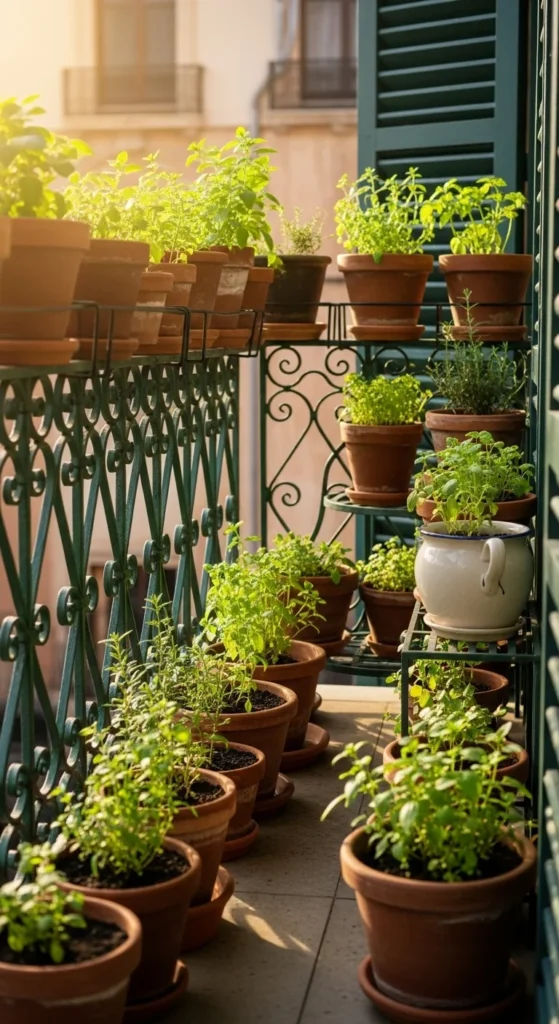
- Balconies or patios
- Raised garden beds
- Outdoor pots or containers
What herbs need most:
- 5–7 hours of sunlight daily
- Good air circulation
- Easy access to water
If sunlight is limited indoors, place herbs near the brightest window you have.
Step 3: Use the Right Pots and Containers
Containers matter more than most beginners realize.
Choose pots that:
- Have drainage holes at the bottom
- Are at least 6–8 inches deep
- Allow roots room to grow
Avoid planting multiple herbs in one small pot unless they have similar needs. Mint, in particular, should always be planted alone—it spreads fast.
Step 4: Start With Good Soil
Healthy soil is the foundation of successful herb growing.
Best soil choice:
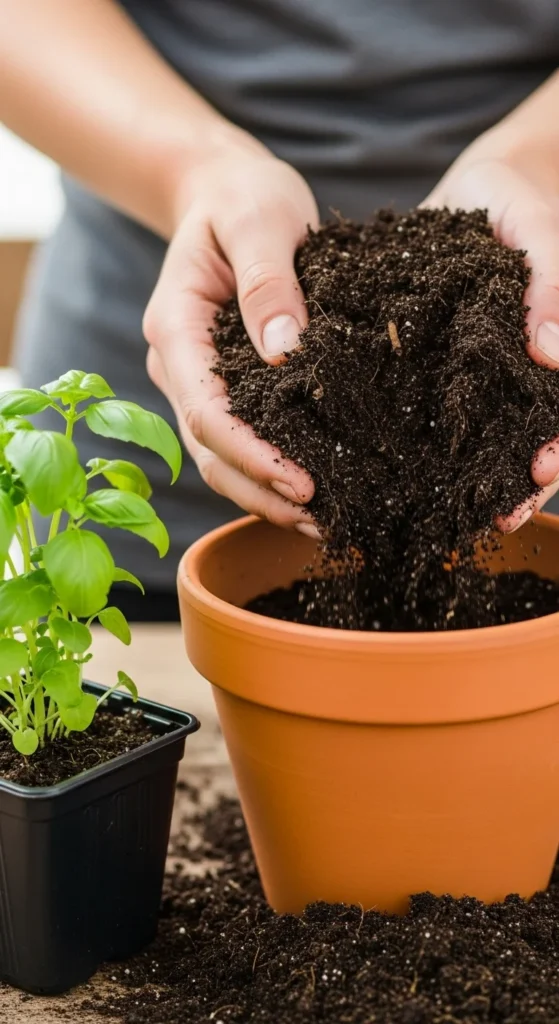
- Light, well-draining potting mix
- Mixed with a little compost for nutrients
Avoid heavy garden soil in containers—it holds too much water and can suffocate roots. Herbs prefer soil that drains well and doesn’t stay soggy.
Step 5: Plant Seeds or Seedlings the Easy Way
You can grow herbs from seeds or seedlings—but beginners often find seedlings easier.
Seedlings:
- Faster results
- Higher success rate
- Less waiting
Seeds:
- Cheaper
- More variety
- Require patience
If planting seeds, follow depth instructions carefully. Most herb seeds need light covering—too deep and they won’t sprout.
Step 6: Water Herbs Correctly (Less Is More)
Overwatering is the most common mistake when growing herbs.
Simple watering tips:
- Check soil before watering
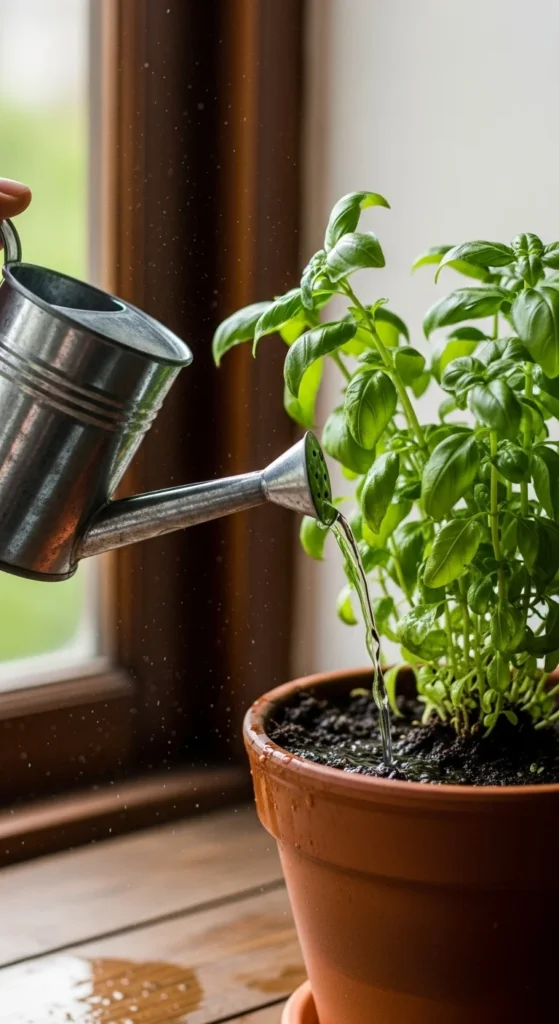
- Water only when the top inch feels dry
- Water at the base, not on leaves
- Empty trays so roots don’t sit in water
Herbs like slightly dry soil more than soggy roots.
Step 7: Feed Herbs Lightly
Herbs don’t need heavy feeding. Too much fertilizer can reduce flavor.
Best options:
- Compost mixed into soil
- Diluted liquid fertilizer once a month
- Organic slow-release fertilizer
Strong-smelling, flavorful herbs usually grow best with light feeding.
Step 8: Harvest the Right Way for Continuous Growth
Harvesting herbs regularly actually helps them grow better.
How to harvest:
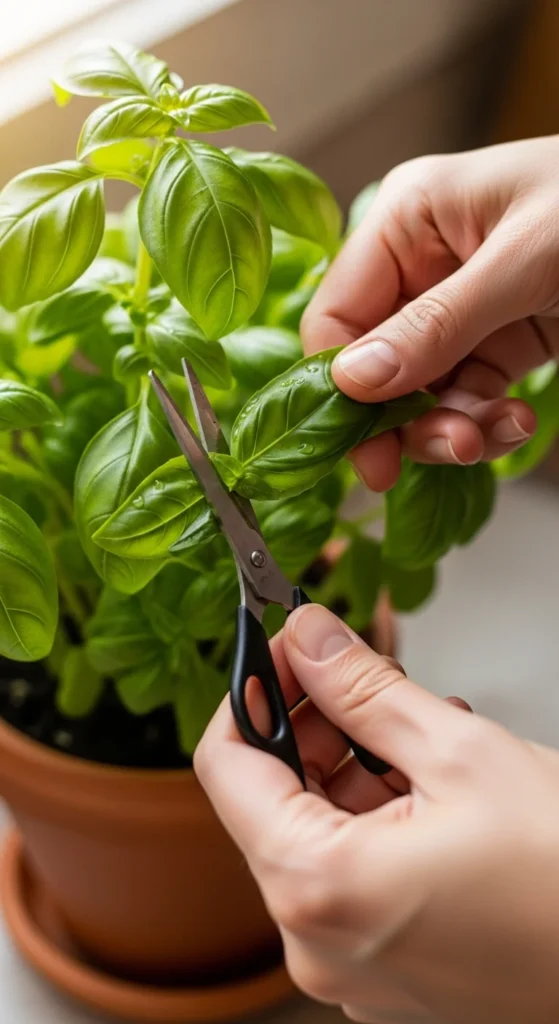
- Cut leaves from the top, not the base
- Never remove more than one-third of the plant
- Use clean scissors or fingers
Pinching herbs like basil and mint encourages bushier growth and prevents early flowering.
Step 9: Watch for Common Problems
Herbs are tough, but small issues can still pop up.
Watch out for:
- Yellow leaves (often from overwatering)
- Slow growth (not enough sunlight)
- Insects like aphids (wash off with water)
Regularly checking your plants keeps small problems from becoming big ones.
Final Takeaway
Growing herbs at home successfully is simple, rewarding, and perfect for beginners. Start with easy herbs, give them sunlight and well-draining soil, water carefully, and harvest often. Before you know it, fresh herbs will be part of your everyday cooking.
🌱 Save this guide and start growing your own herbs today!
Leave a Reply