

Think you need a big backyard to grow a garden? Think again. Some of the most productive and beautiful gardens grow in the smallest spaces—balconies, patios, windowsills, and even tiny corners of a yard.
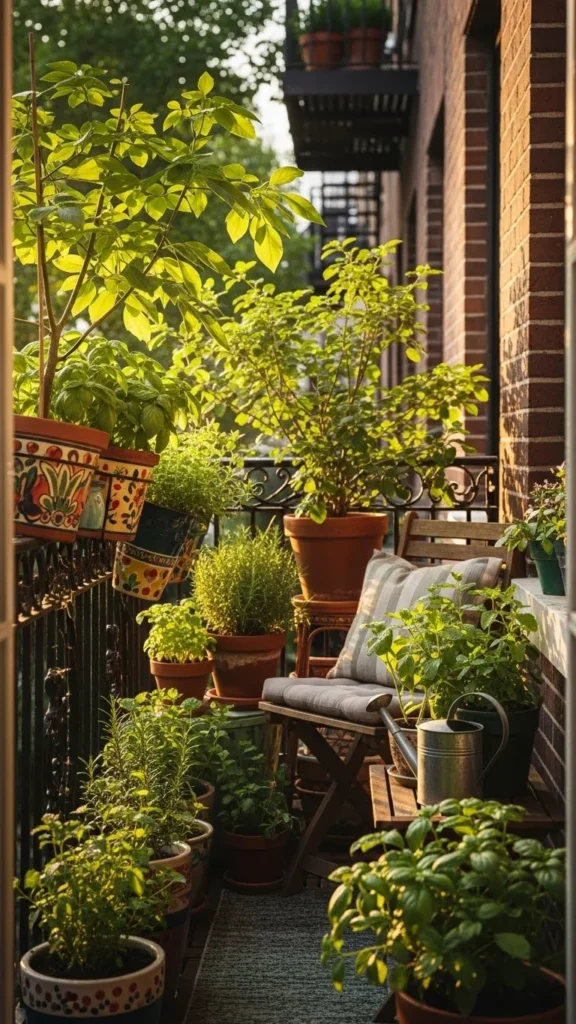
If you’ve ever looked at your limited space and thought, “I can’t garden here,” this guide will change your mind. With the right approach, a small garden can be easier to manage, more productive, and just as satisfying as a large one.
Start With the Space You Have (Not the Space You Wish You Had)
The first rule of small-space gardening is acceptance. You don’t need more room—you need a better plan.
Take a quick look at your available space:
- Balcony or patio
- Front porch or steps
- Windowsill with good light
- Narrow side yard
- Sunny corner indoors
Notice how much sunlight the area gets. Most plants need 6–8 hours, but many herbs and greens are happy with less.
Mindset shift:
A small garden isn’t a limitation. It’s an advantage.
Choose Plants That Love Small Spaces
Not all plants are good roommates. In tight spaces, plant choice matters more than ever.
Great options for small gardens include:
- Herbs (basil, thyme, mint, chives)
- Leafy greens (lettuce, spinach, arugula)
- Compact tomatoes
- Peppers
- Strawberries
- Dwarf flowers
Avoid plants that sprawl aggressively unless you can train them upward.
Quick win:
Start with plants you actually eat or love seeing every day.
Go Vertical to Multiply Your Growing Area
When floor space is limited, grow up.
Vertical gardening ideas:
- Wall-mounted planters
- Hanging baskets
- Trellises for climbing plants
- Stackable pots
- Shelving units near windows
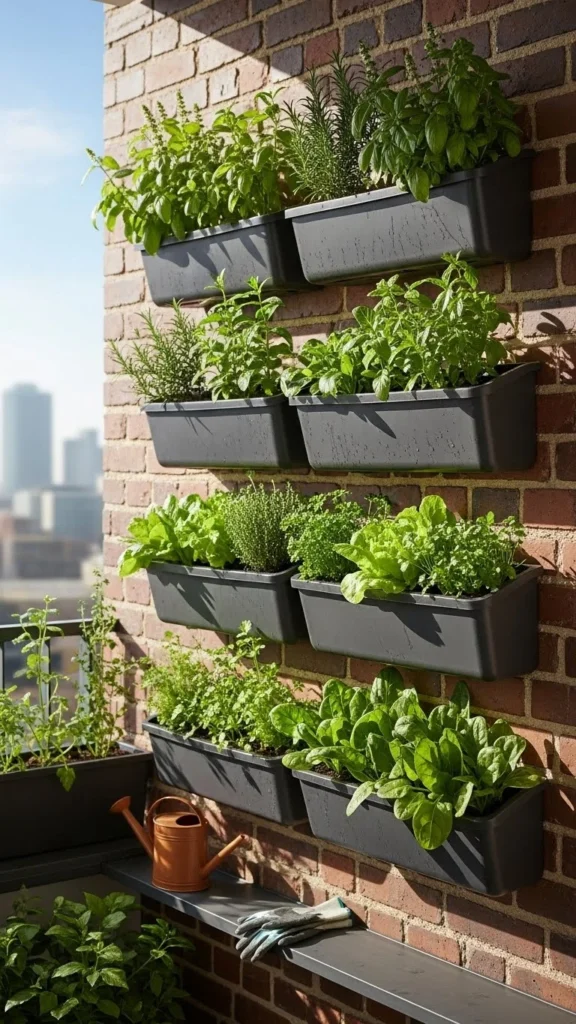
Climbing plants like beans, peas, and some tomatoes thrive when trained upward—and they take up very little ground space.
Design tip:
Keep heavier pots lower and lighter ones higher for balance and safety.
Pick the Right Containers (This Matters More Than You Think)
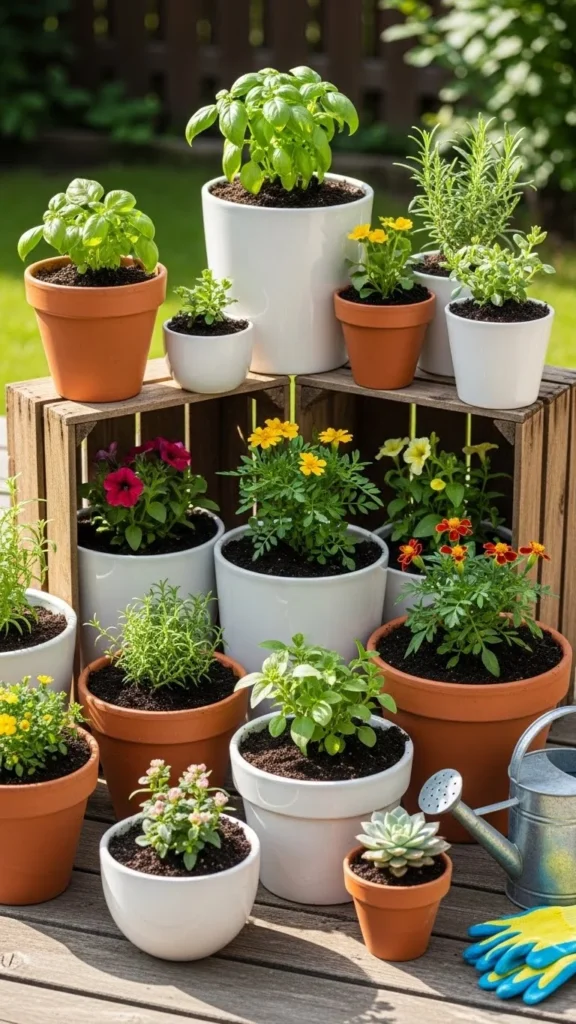
Containers are the backbone of small gardens. The wrong ones can limit growth fast.
Look for:
- Drainage holes (non-negotiable)
- Lightweight materials for balconies
- Enough depth for roots
General container size guide:
- Herbs: 6–8 inches deep
- Greens: 8–10 inches
- Tomatoes & peppers: 12+ inches
Pro tip:
Bigger containers dry out slower and reduce watering stress.
Use High-Quality Soil and Feed Regularly
In small gardens, soil quality matters more because plants can’t search for nutrients.
Always use:
- Fresh potting mix (not garden soil)
- Compost or organic fertilizer
- Mulch on top to retain moisture
Feed plants lightly every few weeks, especially vegetables.
Simple rule:
Healthy soil = fewer problems later.
Water Smart, Not More
Small containers dry out quickly, but overwatering is just as harmful.
Best watering practices:
- Water deeply, not often
- Check soil with your finger first
- Water in the morning when possible
Self-watering containers or trays can be a game-changer for busy schedules.
Watch for signs:
Wilting doesn’t always mean dry—it can also mean roots are drowning.
Plan for Easy Access and Daily Enjoyment
A small garden should fit into your life, not feel like another chore.
Keep tools nearby.
Place plants where you’ll see them often.
Leave room to reach every container.
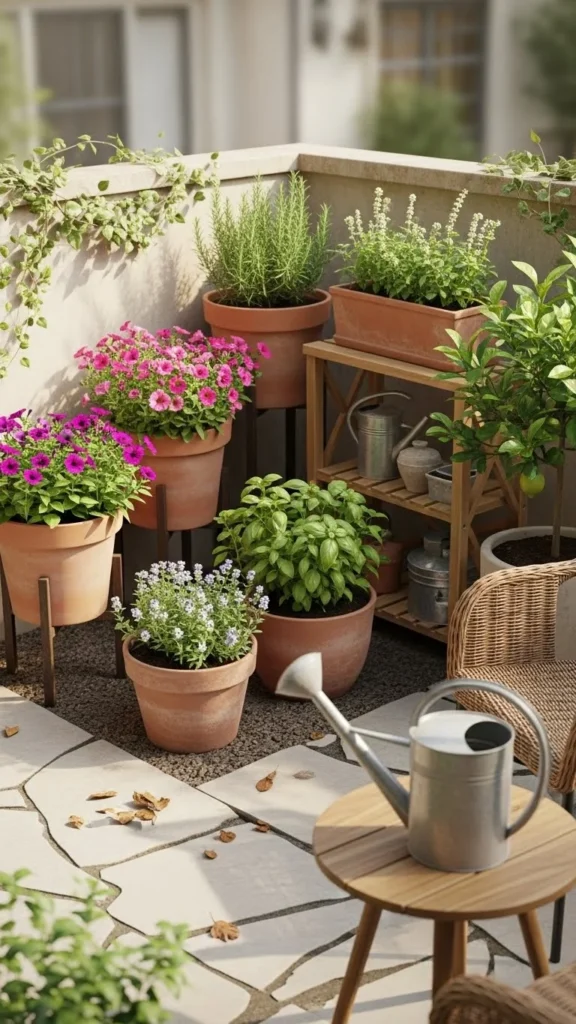
The more accessible your garden is, the more attention it gets—and plants thrive on attention.
Rotate, Refresh, and Replant Often
One of the biggest perks of small gardening? Flexibility.
When one plant finishes:
- Pull it out
- Refresh the soil
- Plant something new
Leafy greens, herbs, and fast-growing vegetables are perfect for quick cycles.
Think in seasons:
Your small space can grow multiple crops throughout the year.
Final Thoughts: Small Gardens, Big Rewards
You don’t need land. You don’t need perfection. You just need a little light, the right plants, and the willingness to start.
Small gardens:
- Are easier to maintain
- Cost less to set up
- Teach you faster
- Bring daily joy
Leave a Reply