

There’s something deeply rewarding about stepping into your kitchen, grabbing a pair of scissors, and snipping fresh herbs or vegetables you grew yourself. A kitchen garden doesn’t require a big backyard or years of experience—just a little planning and consistency. Whether you grow on a balcony, terrace, windowsill, or small patch of ground, a home kitchen garden can fit almost any lifestyle.
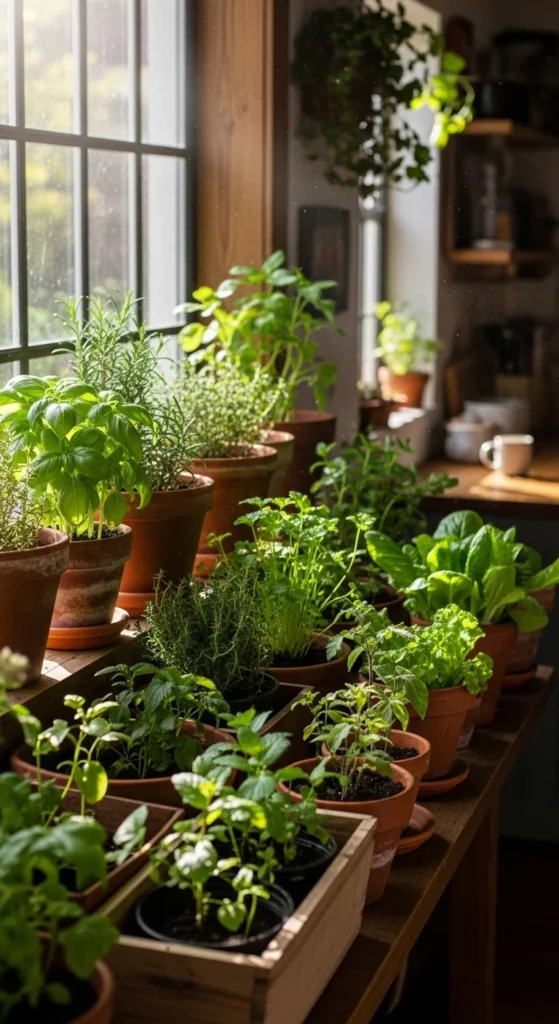
If you’ve ever wanted fresher food, lower grocery bills, and a calming daily routine, this guide will walk you through how to grow a kitchen garden at home—step by step.
Choose the Right Spot for Your Kitchen Garden
The success of your kitchen garden starts with location. Most edible plants love sunlight, so this step is key.
Look for a space that gets:
- At least 4–6 hours of sunlight daily
- Good air circulation
- Easy access for daily care
Great options include:
- A balcony or terrace
- A sunny windowsill
- A small backyard corner
- Rooftop spaces
If natural light is limited, focus on herbs and leafy greens—they’re more forgiving than fruiting plants.
Decide What to Grow (Start Small)
It’s tempting to grow everything at once, but starting small makes success more likely.
Begin with easy, fast-growing plants:
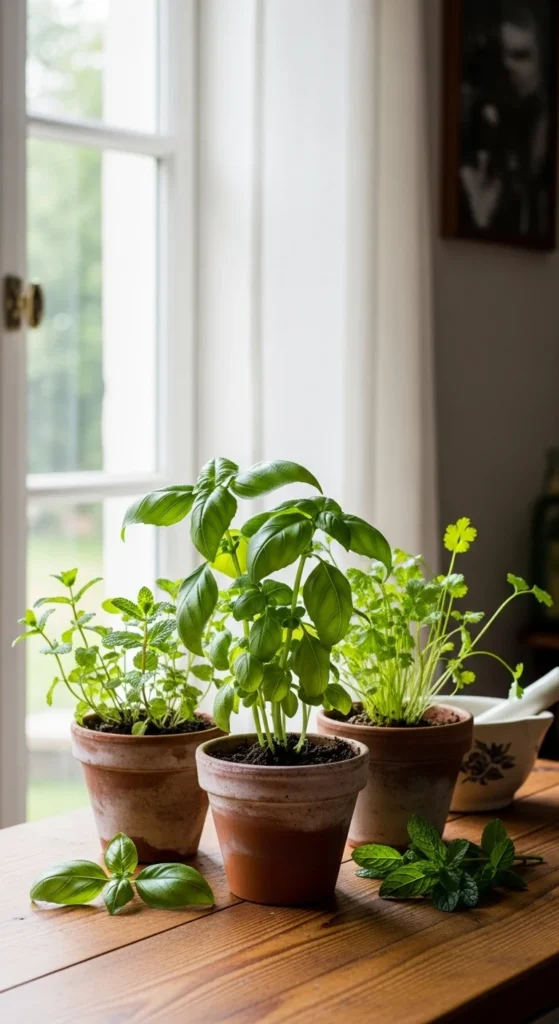
- Herbs: Basil, mint, coriander, parsley
- Leafy greens: Spinach, lettuce, fenugreek
- Vegetables: Cherry tomatoes, chilies, green onions
Choose plants you actually use in your cooking. This keeps motivation high and reduces waste.
Pick the Right Containers and Soil
You don’t need fancy planters—what matters is function.
Container basics:
- Always use pots with drainage holes
- Match pot size to the plant’s root system
- Use trays underneath to catch excess water
For soil, skip garden dirt. Instead, use a light, well-draining potting mix.
A simple soil mix:
- Potting soil
- Compost for nutrients
- A little sand or perlite for drainage
Healthy soil means stronger roots and better harvests.
Plant Smart and Give Them Space
Crowded plants compete for water, nutrients, and light—leading to weak growth.
Planting tips:
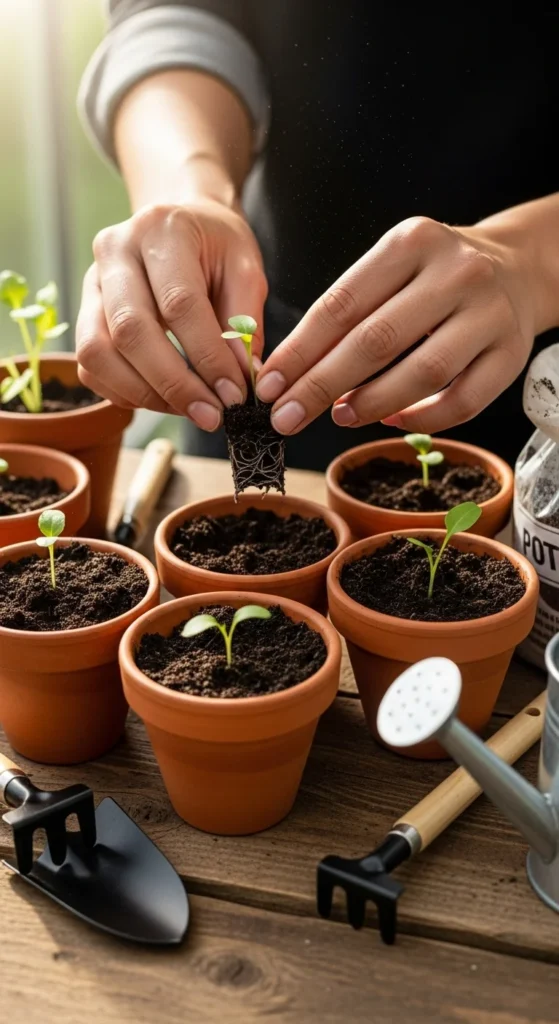
- Follow spacing guidelines on seed packets
- Don’t plant too deep—most seeds need shallow planting
- Gently water after planting to settle the soil
Label your pots if you’re growing multiple plants—it saves confusion later.
Water Consistently (But Don’t Overdo It)
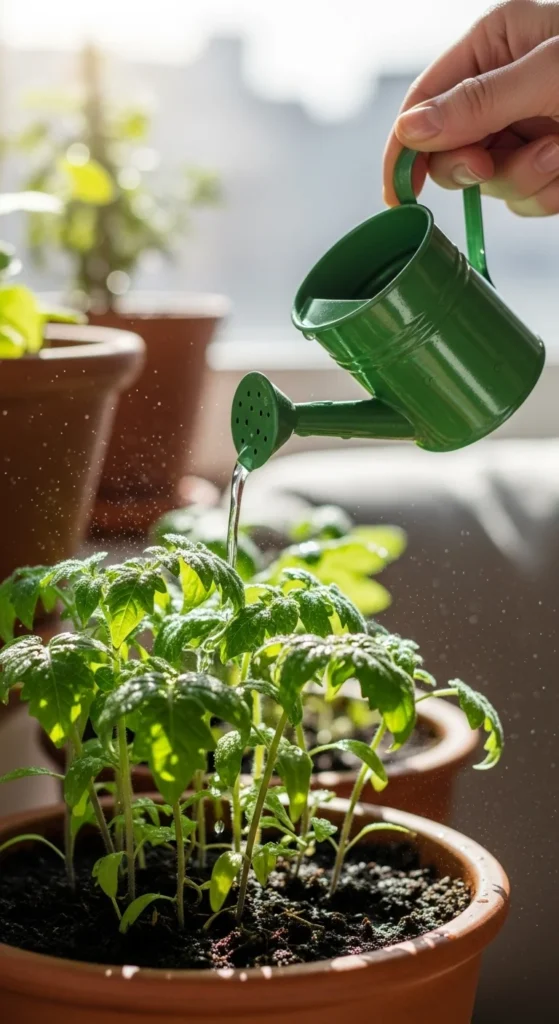
Watering is where many beginners struggle. Kitchen garden plants like consistent moisture, not soggy soil.
Water the right way:
- Check soil with your finger before watering
- Water early in the morning or evening
- Let excess water drain out completely
Signs of overwatering:
- Yellow leaves
- Mushy stems
Signs of underwatering:
- Wilting
- Dry, cracked soil
Learning your plants’ signals takes time—don’t stress if it’s not perfect at first.
Feed Your Plants Naturally
Since kitchen garden plants grow in containers, they rely on you for nutrients.
Easy feeding options:
- Compost or vermicompost every 2–3 weeks
- Liquid organic fertilizer once a month
- Kitchen compost tea for leafy greens
Avoid over-fertilizing—slow, steady growth produces better flavor.
Harvest Regularly for Better Growth
Harvesting isn’t just the reward—it actually helps plants grow more.
Harvest tips:
- Pick herbs often to encourage bushy growth
- Harvest leafy greens from the outside first
- Don’t let vegetables over-ripen on the plant
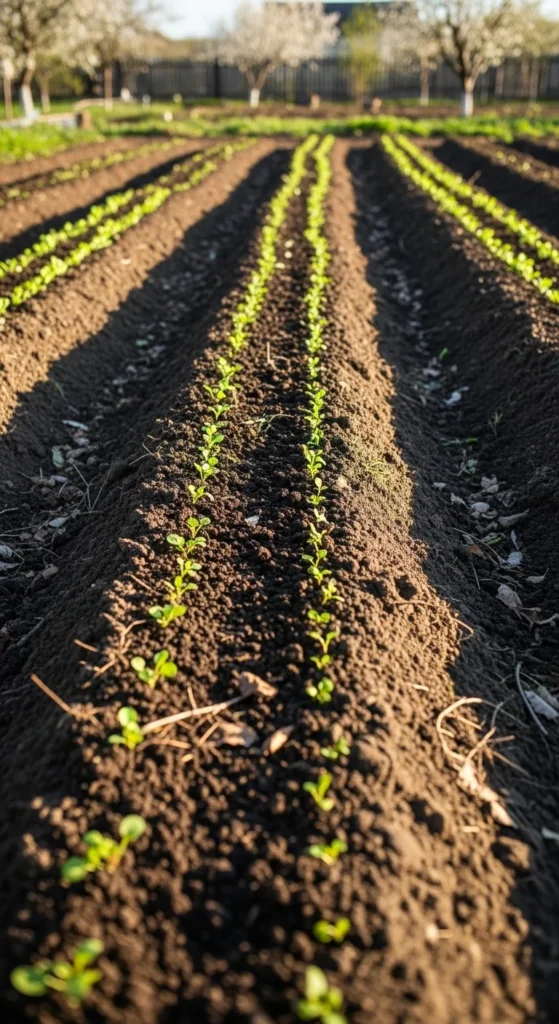
Frequent harvesting keeps plants productive and prevents bitterness.
Keep It Simple and Enjoy the Process
A kitchen garden isn’t about perfection—it’s about connection. Some plants will thrive, others may fail, and that’s part of learning.
To stay consistent:
- Check plants daily for a minute or two
- Keep tools nearby
- Celebrate small wins, like the first harvest
Even a few pots can make a big difference in how fresh and joyful your meals feel.
Final Takeaway 🌱
Growing a kitchen garden at home is easier than it looks—and more rewarding than you expect. With the right spot, simple containers, good soil, and regular care, you can enjoy fresh, homegrown ingredients year-round.
Start small, grow what you love, and let your kitchen garden become part of your daily routine.
Save this guide for later and come back whenever you’re ready to grow again! 🌿
Leave a Reply