

Designing a backyard garden can feel overwhelming at first—but it doesn’t have to be. Whether you’re starting with bare soil or trying to tame an overgrown yard, a step-by-step approach makes the process fun, creative, and totally doable. The goal isn’t perfection. It’s creating a space you actually enjoy spending time in 🌿
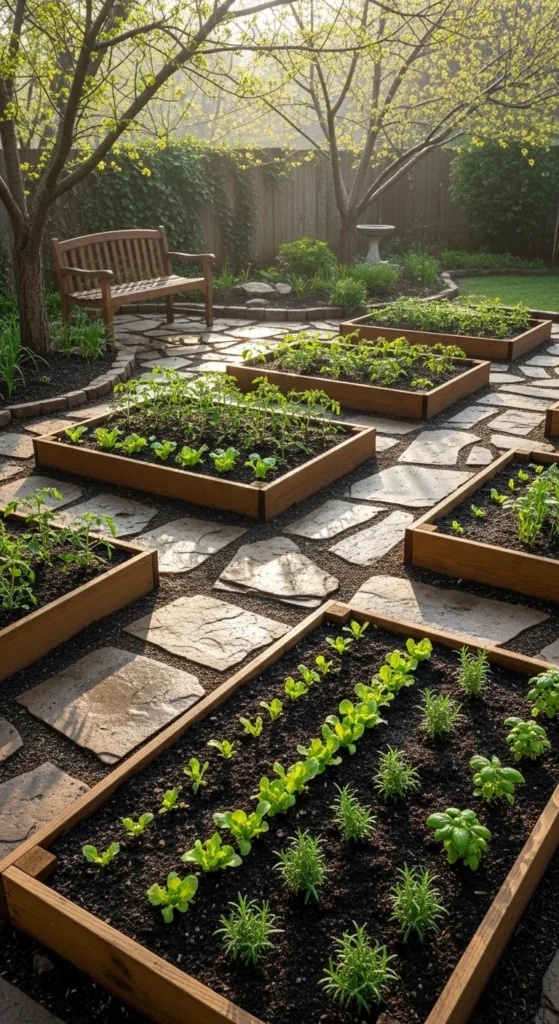
Let’s walk through the process in simple, practical steps so you can design a backyard garden that fits your space, lifestyle, and budget.
Step 1: Observe Your Space First
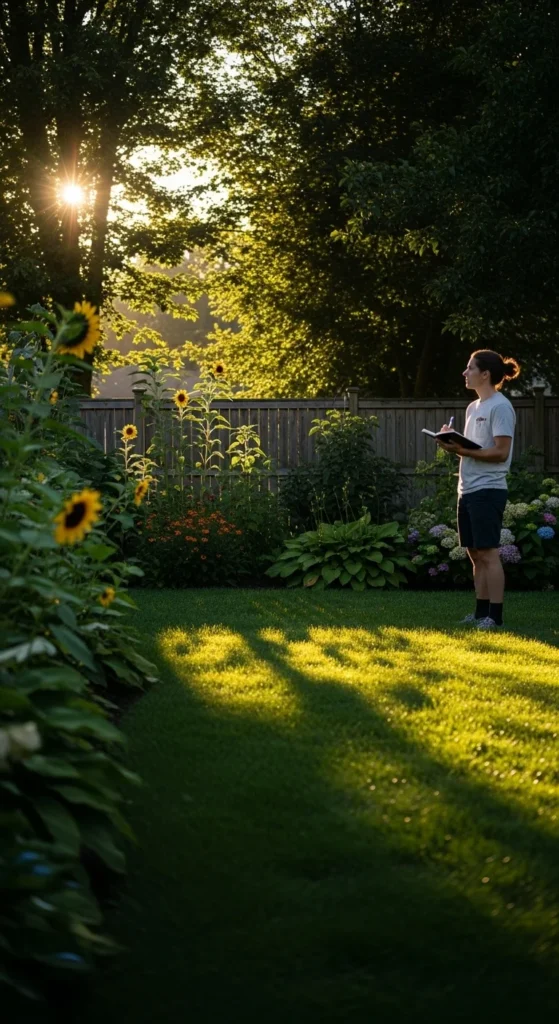
Before you buy plants or sketch layouts, spend time looking at your backyard. This step saves money and frustration later.
Pay attention to:
- Sunlight patterns (morning sun, afternoon shade, full sun spots)
- Soil condition (dry, sandy, compacted, or rich)
- Drainage issues after rain
- Existing features like trees, fences, patios, or slopes
Take photos and jot down notes. A garden that works with your space will always look better and be easier to maintain.
Step 2: Decide How You Want to Use the Garden
A beautiful garden is great—but a useful garden is even better. Think about how you actually want to spend time outdoors.
Ask yourself:
- Do I want space to relax or entertain?
- Am I growing vegetables, flowers, or both?
- Do I need kid-friendly or pet-safe areas?
- How much time can I realistically maintain this garden?
Popular backyard garden zones include:
- Seating or dining areas
- Vegetable or herb beds
- Flower borders
- Pathways for easy movement
Once you know your priorities, the design becomes much clearer.
Step 3: Sketch a Simple Garden Layout
You don’t need fancy software—pen and paper works just fine. Start with a rough sketch of your yard and block out zones.
Focus on:
- Keeping paths wide and practical
- Placing tall plants at the back and shorter ones in front
- Leaving room for plants to grow
- Making sure key areas are easy to access
This step helps you visualize the flow of your garden before anything goes in the ground.

Step 4: Choose Plants That Match Your Conditions
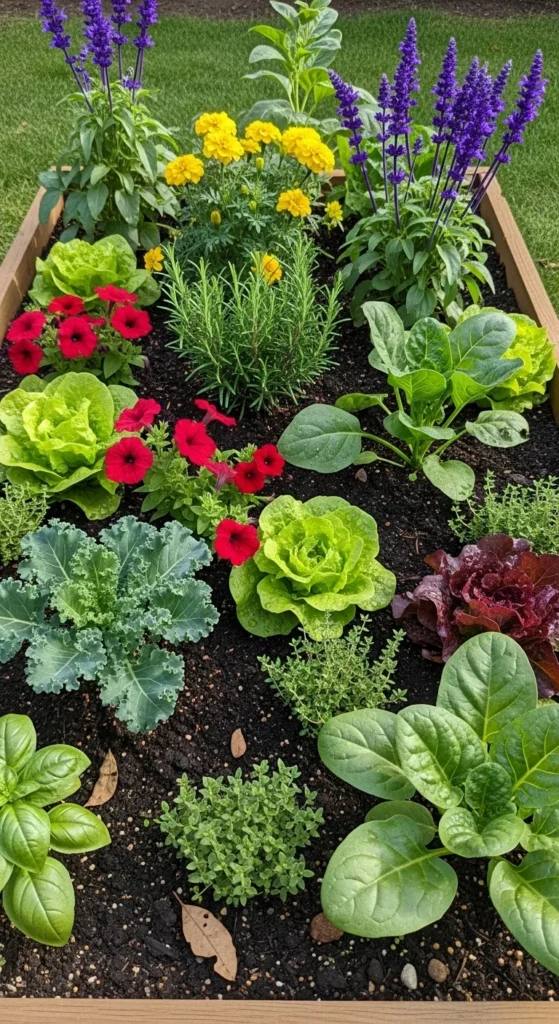
This is where many gardens struggle—choosing plants that look good but don’t suit the environment. Instead, match plants to your space.
Consider:
- Sun-loving vs. shade-tolerant plants
- Your local climate and seasons
- How much watering you want to do
Beginner-friendly options:
- Native plants
- Perennials that return every year
- Herbs and low-maintenance shrubs
Mix textures and heights for visual interest, and don’t forget some evergreen plants for year-round structure.
Step 5: Build Structure With Hardscaping
Hardscaping gives your garden shape and makes it easier to use. Even simple elements can make a big difference.
Ideas to include:
- Gravel or stone pathways
- Raised garden beds
- Edging with bricks or wood
- Small patios or seating nooks
Keep it simple and budget-friendly. Many materials can be installed DIY and instantly make the garden feel intentional instead of random.
Step 6: Plant in Stages, Not All at Once
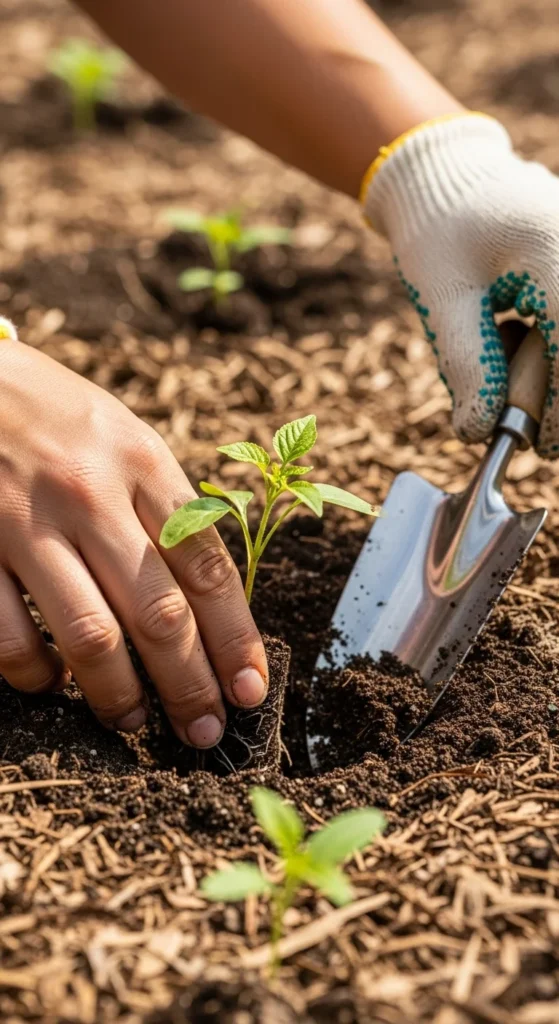
You don’t need to finish everything in one weekend. In fact, planting in stages often leads to better results.
Start with:
- Trees and large shrubs first
- Then main garden beds
- Finally accents like containers or borders
This approach lets you adjust the design as you go and prevents costly mistakes.
Step 7: Add Personal Touches That Make It Yours
This is the fun part. Small details turn a garden into your garden.
Easy personal touches:
- String lights or lanterns
- Garden art or handmade signs
- Colorful pots
- A bench or hammock
These details don’t need to be expensive. Thrifted or DIY pieces often add the most charm.
Step 8: Plan for Easy Maintenance
A well-designed garden should support your lifestyle—not become a chore.
Design with maintenance in mind:
- Mulch to reduce weeds
- Group plants with similar watering needs
- Leave space to move and prune
- Install simple drip irrigation if possible
Less maintenance means more time enjoying your backyard.
Final Takeaway
Designing a backyard garden step by step makes the process simple, flexible, and enjoyable. Start with observation, plan with purpose, and build slowly. Your garden will grow and evolve—just like your skills.
🌱 Save this guide for later and start designing your backyard garden today!

Leave a Reply