

No yard? No problem. Container gardening makes it possible to grow plants almost anywhere—on a balcony, patio, rooftop, porch, or even inside your home. With the right approach, a few pots can turn the smallest space into a lush, green retreat that feels both calming and productive.
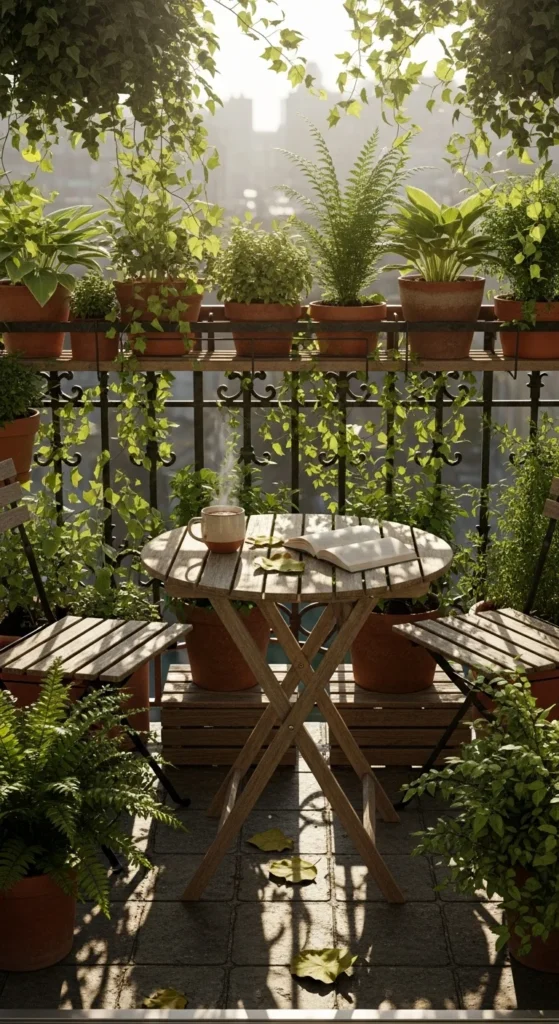
Whether you want fresh herbs, colorful flowers, or even vegetables, this guide will show you how to create a container garden anywhere—step by simple step.
Choose the Best Spot You Have
The beauty of container gardening is flexibility, but plants still need the right environment.
Before placing your pots, observe:
- How many hours of sunlight the area receives
- Whether it’s exposed to strong wind or rain
- How easy it is to water regularly
Most plants thrive with 4–6 hours of sunlight, but leafy greens and many houseplants can manage with less.
Balconies, windowsills, stair landings, patios, and rooftops can all work beautifully with the right plant choices.
Pick Containers That Actually Work
Containers don’t have to be expensive or decorative to be effective—but they do need to function well.
What matters most:
- Drainage holes at the bottom
- Enough space for roots to grow
- Stable placement so pots don’t tip over
Popular container options include:
- Clay or terracotta pots
- Plastic planters
- Buckets, crates, or recycled containers (with holes added)
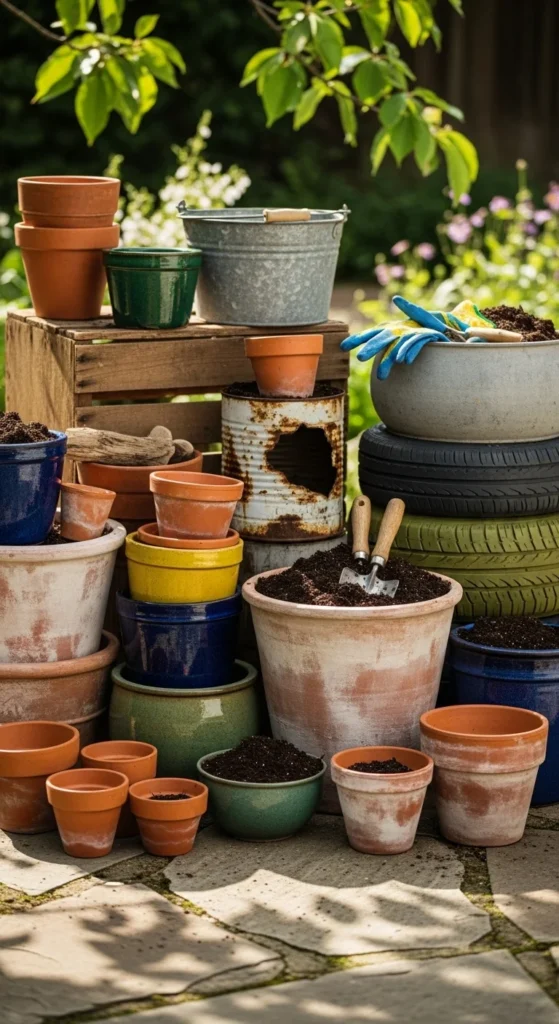
If a pot doesn’t have drainage holes, use it as a decorative cover for a functional inner pot.
Use the Right Soil for Containers
Garden soil is too heavy for pots and can lead to poor drainage. Container plants need light, airy soil to grow well.
Choose:
- High-quality potting mix
- Soil labeled specifically for containers
- A mix that includes compost and perlite
You can improve store-bought soil by adding:
- Compost for nutrients
- Coco coir to retain moisture
- Perlite or sand for drainage
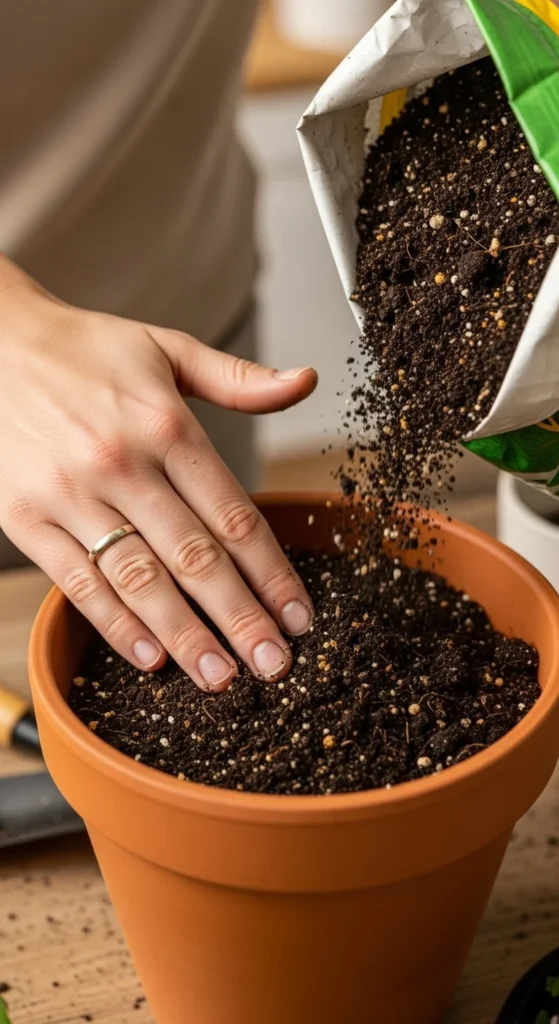
Good soil is the foundation of a healthy container garden.
Choose Plants That Fit Your Space
Not every plant thrives in a container, but many do surprisingly well.
Great container-friendly plants:
- Herbs: Basil, mint, thyme, parsley
- Vegetables: Tomatoes, chilies, lettuce, spinach
- Flowers: Petunias, marigolds, geraniums
- Foliage plants: Ferns, snake plants, pothos
Match plants to:
- Sunlight availability
- Pot size
- Climate and season
Starting small helps you learn what works best in your space.
Water Smart, Not More
Container plants dry out faster than garden beds, but overwatering can still cause problems.
Watering tips:
- Check soil moisture before watering
- Water slowly until excess drains out
- Empty saucers to avoid root rot
In hot weather, containers may need daily watering. In cooler months, much less.
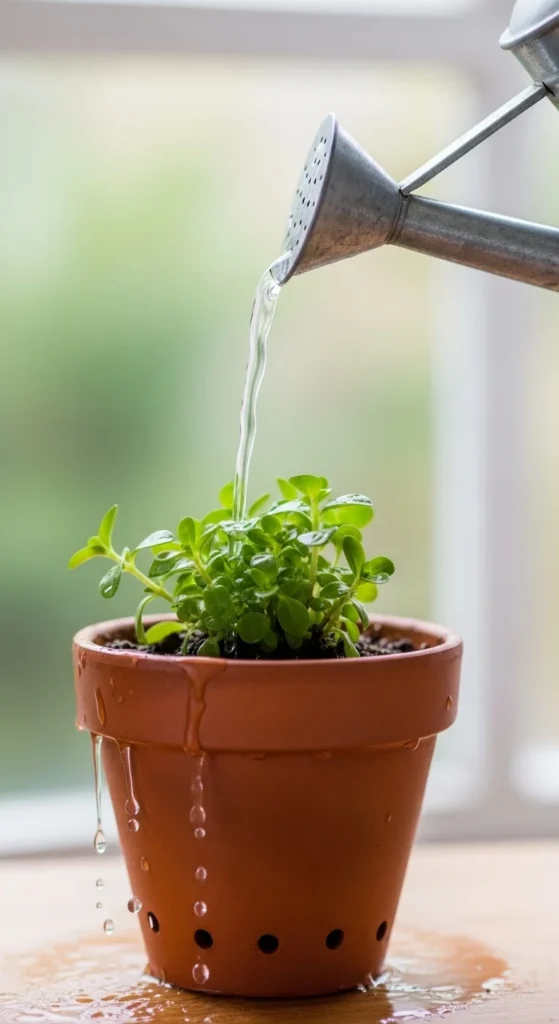
Consistency matters more than quantity.
Feed Plants Regularly
Because nutrients wash out of containers quickly, feeding is important.
Simple feeding options:
- Liquid fertilizer every 2–3 weeks
- Slow-release fertilizer mixed into soil
- Compost or vermicompost for organic feeding
Always follow instructions—too much fertilizer can damage plants.
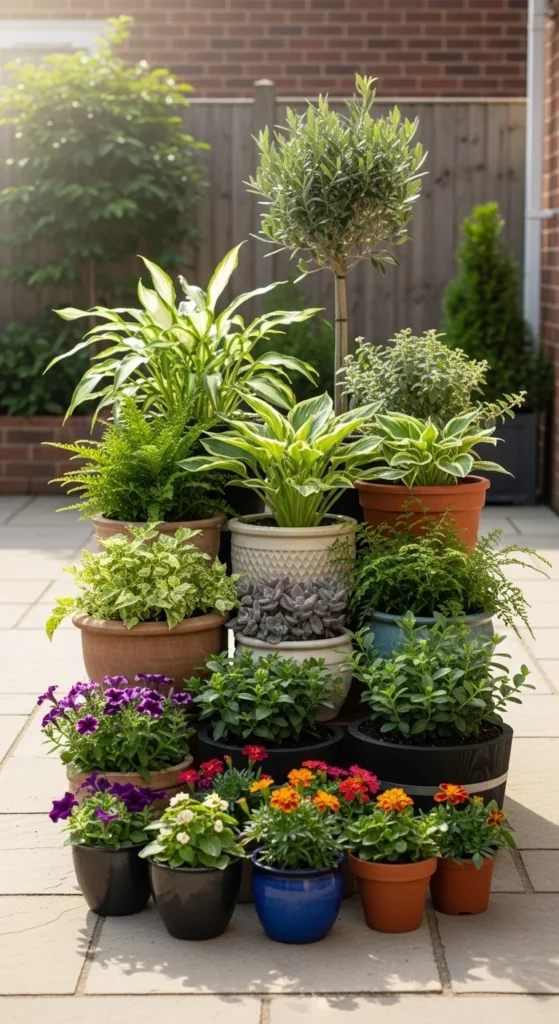
Arrange Pots for Visual Impact
Container gardens aren’t just practical—they’re decorative too.
Design tips:
- Group pots in odd numbers
- Mix tall, medium, and trailing plants
- Use matching containers for a cohesive look
Try placing taller plants at the back and shorter ones in front to create depth, even in small spaces.
Move and Adjust as Needed
One major advantage of container gardening is mobility.
You can:
- Move plants to chase sunlight
- Protect them from extreme weather
- Rearrange layouts seasonally
If a plant isn’t thriving, shifting its location can make all the difference.
Final Takeaway 🌿
Creating a container garden anywhere is all about working with what you have. With the right containers, good soil, thoughtful plant choices, and consistent care, even the smallest space can become a thriving garden.
Start with a few pots, experiment, and grow from there.
Save this guide for later and come back whenever you’re ready to refresh your container garden! 🌱
Leave a Reply