

There’s something deeply satisfying about stepping into your backyard and harvesting vegetables you grew yourself. Whether it’s a basket of tomatoes, a handful of herbs, or crisp lettuce for dinner, a backyard vegetable garden turns everyday meals into something special. The best part? You don’t need acres of land or years of experience—just a clear plan and a little patience.
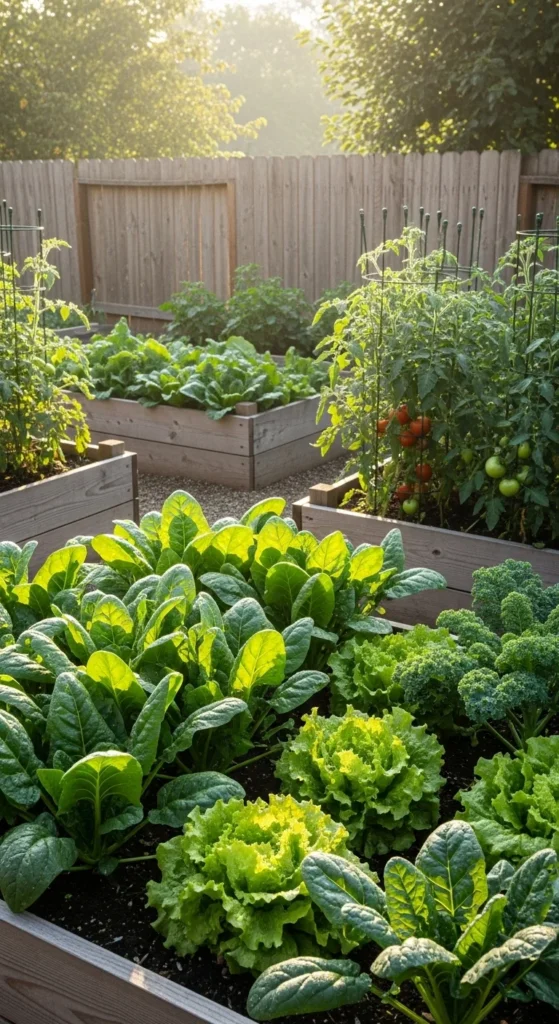
Step 1: Choose the Right Spot in Your Backyard
Location is everything when it comes to vegetables. Even the best soil won’t help if your plants don’t get enough light.
Look for a spot that offers:
- 6–8 hours of direct sunlight daily
- Good drainage (no standing water after rain)
- Easy access to a water source
Try to keep your garden close to the house. You’ll be more likely to water, weed, and harvest regularly.
Step 2: Decide on Garden Beds or Containers
Backyard gardens can be as simple or structured as you like.
Popular options include:
- In-ground beds: Traditional and budget-friendly
- Raised beds: Better drainage, fewer weeds, easier on your back
- Containers: Perfect for patios or limited space
Raised beds are especially beginner-friendly because you control the soil quality from the start.
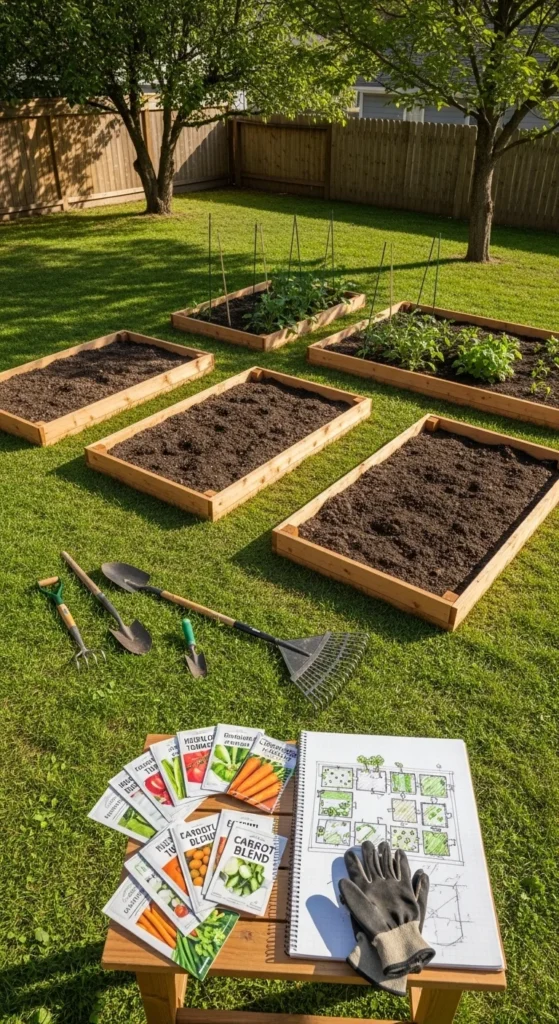
Step 3: Start With Easy Vegetables
The key to success is choosing vegetables that grow well in home gardens.
Beginner-friendly vegetables:
- Tomatoes
- Lettuce and spinach
- Zucchini
- Peppers
- Radishes
- Green beans
Start small. A few successful plants are better than a crowded garden that feels overwhelming.
Step 4: Prepare the Soil Properly
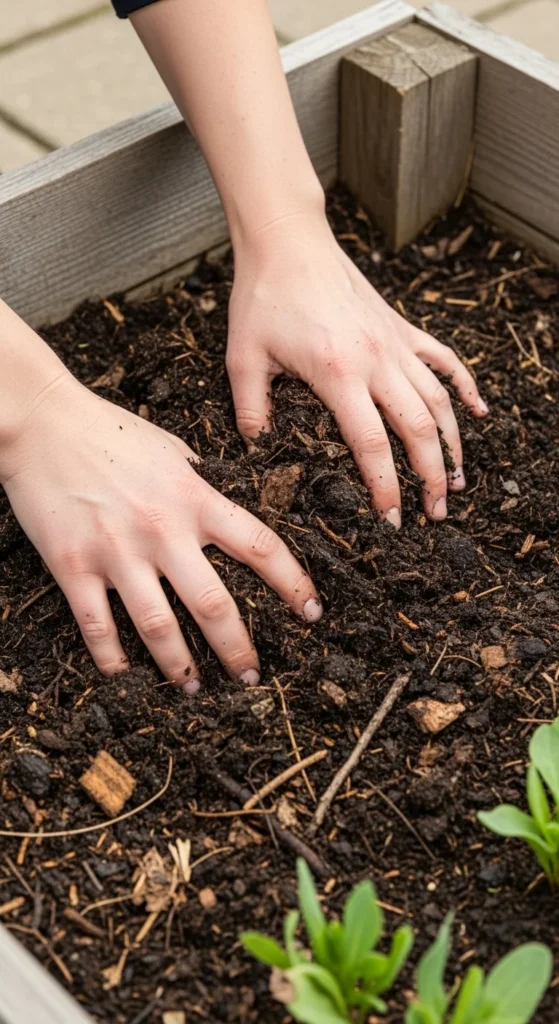
Healthy vegetables start with healthy soil. This step makes all the difference.
Soil prep basics:
- Loosen soil 8–12 inches deep
- Remove weeds and rocks
- Mix in compost or aged organic matter
If using raised beds, fill them with a mix of garden soil, compost, and organic matter for the best results.
Step 5: Plan Plant Spacing and Layout
Crowded plants compete for nutrients, water, and sunlight.
Simple layout tips:
- Place tall plants like tomatoes at the back
- Keep low-growing greens toward the front
- Leave walking paths between beds
Always follow spacing guidelines on seed packets or plant labels—it prevents disease and improves yields.
Step 6: Plant Seeds or Seedlings Carefully
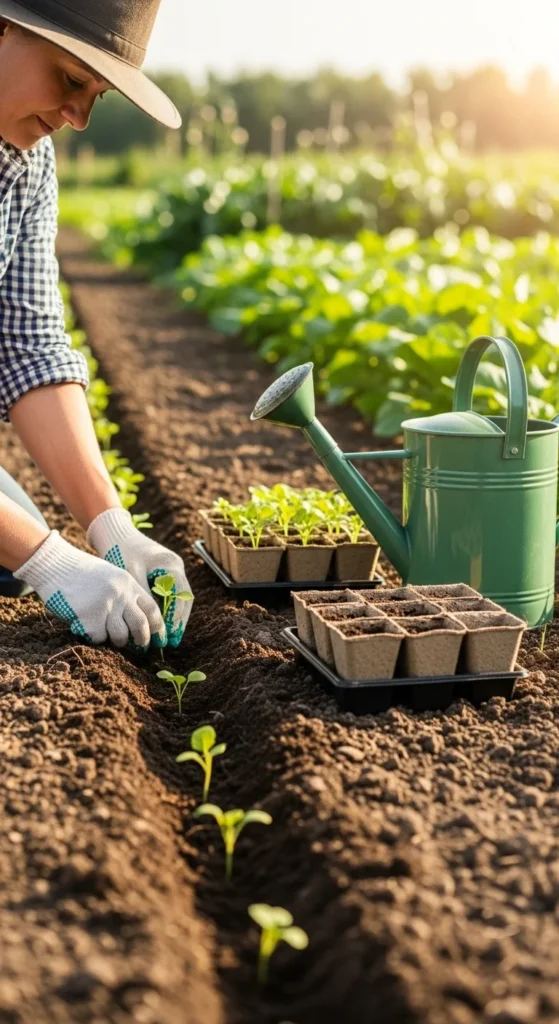
You can grow vegetables from seeds or buy young plants from a nursery.
Planting tips:
- Water soil before planting
- Plant seeds at the recommended depth
- Gently loosen roots of seedlings before planting
Water everything well after planting to help roots settle in.
Step 7: Water Consistently (But Don’t Overdo It)
Vegetables need consistent moisture, especially during hot weather.
Smart watering habits:
- Water deeply 1–2 times per week
- Check soil moisture before watering
- Water early in the morning
Mulching around plants helps retain moisture and keeps weeds under control.
Step 8: Feed and Maintain Your Garden
Vegetables are heavy feeders, but they don’t need complicated care.
Easy maintenance routines:
- Add compost mid-season
- Use a balanced fertilizer every few weeks
- Remove weeds while they’re small
Spend a few minutes each day checking plants—it prevents small issues from becoming big problems.
Step 9: Harvest Often for Better Growth
Regular harvesting encourages plants to keep producing.
Harvesting tips:
- Pick leafy greens frequently
- Harvest vegetables when they’re young and tender
- Use clean scissors or garden shears
Freshly harvested vegetables taste better and grow back stronger.
Step 10: Learn and Improve Each Season
No garden is perfect, especially the first time. Every season teaches you something new.
Keep notes on:
- What grew well
- What struggled
- Where sunlight was strongest
Each year, your backyard vegetable garden will get easier—and more productive.
Final Takeaway
Creating a backyard vegetable garden is about starting simple, staying consistent, and enjoying the process. With the right setup and a little care, your backyard can become a reliable source of fresh, healthy food.
🥕 Save this guide for later and start building your backyard vegetable garden today!
Leave a Reply