

If you’ve ever seen a gorgeous bucket garden on Pinterest and thought, “I can do that!”—you absolutely can. But here’s the secret: the bucket matters more than most beginners realize. The wrong container can crack in the sun, grow algae, overheat roots, or (worst-case) raise safety concerns for edible plants.
This guide will help you pick buckets that are safe, sturdy, and perfectly sized—so your plants thrive from day one.
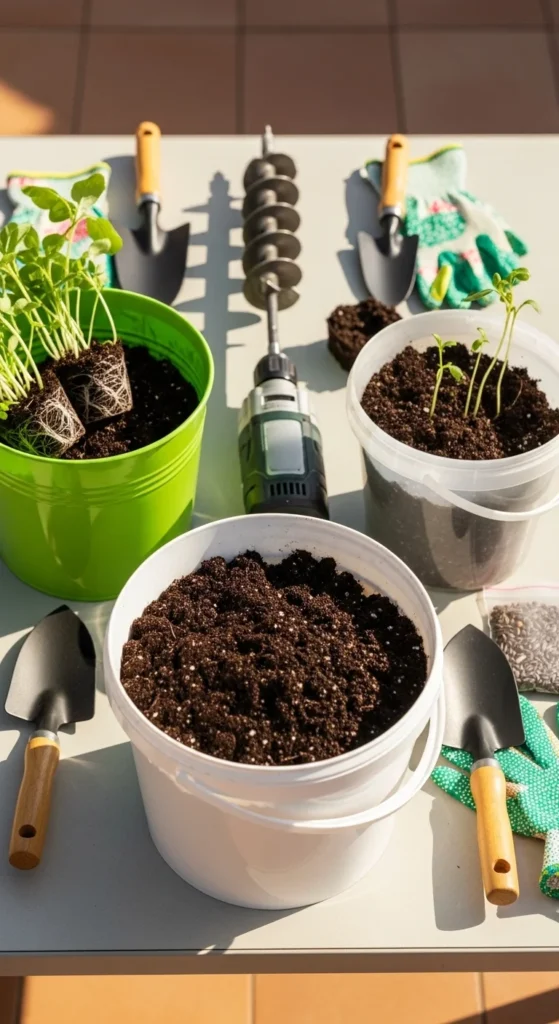
Start With Safety: What “Food-Grade” Really Means
If you’re growing anything you plan to eat, safety is the first filter.
Best choice for edibles:
- Food-grade #2 HDPE buckets (look for the recycling triangle with a “2”)
Why people prefer these: #2 HDPE is commonly recommended to reduce worries about chemical leaching into soil used for vegetables.
Red flags to avoid immediately:
- Buckets that previously held paint, chemicals, asphalt, solvents, cleaners
- Buckets with unknown history (especially industrial buckets)
- Strong lingering odors even after washing
Quick safety checklist (fast but effective):
- ✅ Look for “food safe/food grade” labeling if possible
- ✅ Check recycling symbol (triangle) and aim for #2
- ✅ Choose buckets that clearly came from food (like deli/bakery) if reusing
- ❌ Skip anything with chemical residue or mystery stains
Material Matters: Plastic vs Metal (and Why Color Counts)
For most beginner bucket gardens, plastic wins because it’s lightweight, affordable, and easier to modify.
Plastic buckets (beginner-friendly)
Pros:
- Light and easy to move
- Cheap and widely available
- Less likely to overheat roots than metal
Cons:
- Some thin plastics crack in sun/frost
- Translucent plastic can encourage algae growth
Metal buckets (can work, but with cautions)
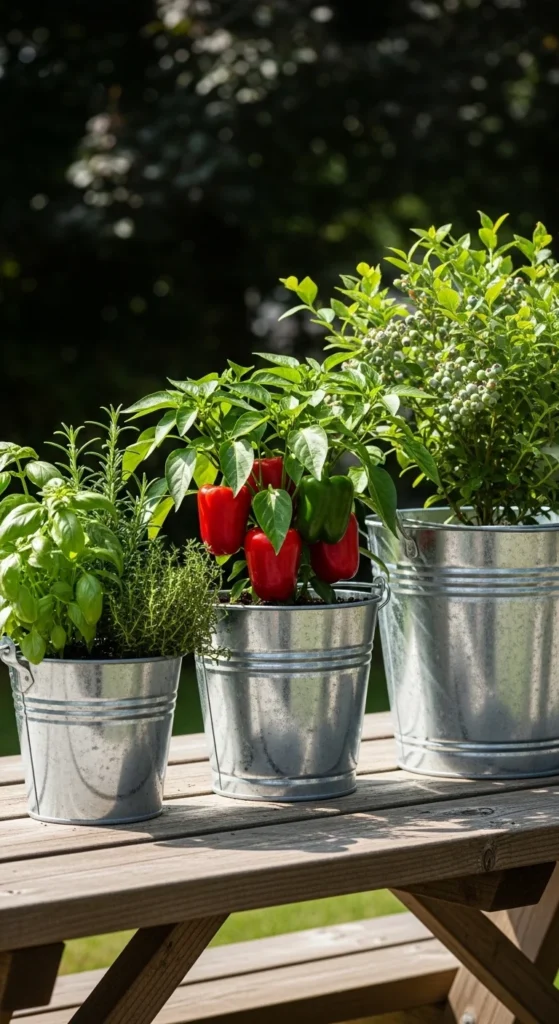
Galvanized metal can be durable, but it can also:
- Heat up faster in full sun (stress roots)
- Rust over time if scratched or kept constantly wet
If you’re in a hot climate, plastic—especially light-colored/white—is usually easier to manage.
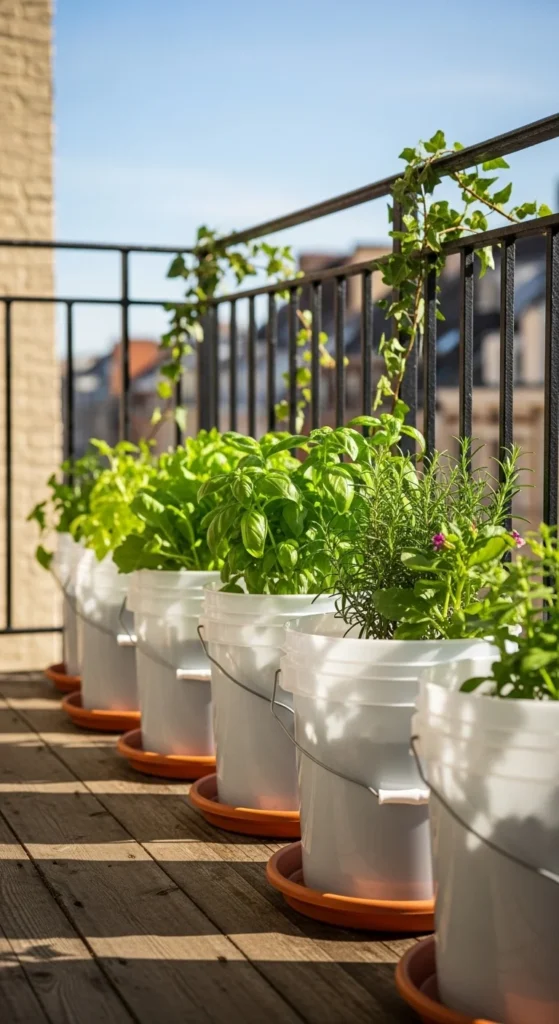
Pro tip: choose white or opaque buckets
- They block light from hitting roots (reduces algae in soil)
- They stay cooler than dark colors in strong sun
Durability Checklist: Don’t Buy Buckets That Crack in One Season
A thriving bucket garden needs containers that survive sun, water, and moving around.
Look for these durability upgrades:
- Thicker walls (often labeled like “heavy duty” or thicker mil rating)
- UV-resistant plastic (helps prevent cracking outdoors)
- Sturdy handles (huge for mobility)
- Matching lids (great for storing soil or overwintering)
Avoid:
- Thin, flimsy buckets that flex easily
- Translucent buckets (more algae, more heat/light penetration)
- Brittle plastic that feels “chalky” or sun-faded
Quick test before you plant:
- Fill the bucket with water
- Set it on a dry surface
- Wait 10–15 minutes
- Check for leaks and weak spots
If it leaks now, it’ll be a mess later.
Pick the Right Size Bucket (So Plants Don’t Get Stunted)
Bucket size isn’t just about “bigger is better.” It’s about matching the root system to the container.
The easy size guide
5-gallon (the all-around winner):
- Tomatoes (especially compact/patio varieties)
- Peppers
- Eggplant
- Cucumbers (with trellis)
- Most “one big plant per bucket” veggies
2–3 gallon (compact crops):
- Herbs (basil, parsley, cilantro, mint)
- Smaller greens
- Some root crops like beets (depending on variety)
10+ gallon (big root systems / long-term plants):
- Shrubs
- Large vines
- Bigger perennial-style container plants
Rule of thumb:
If the plant gets tall and heavy—or produces lots of fruit—it usually needs more soil volume to hold moisture and nutrients.
Features That Make Bucket Gardening Easier (and Prettier)
Once you’ve nailed safety + size, look for “comfort” features that make you enjoy your garden more.
Nice-to-have features:
- Handles for moving buckets to chase the sun
- Lids for storing extra potting mix or overwintering soil
- Stackable buckets if you’re short on storage space
- Smooth sides (easier to wrap/paint/decorate)
Want to make cheap buckets look expensive? Try:
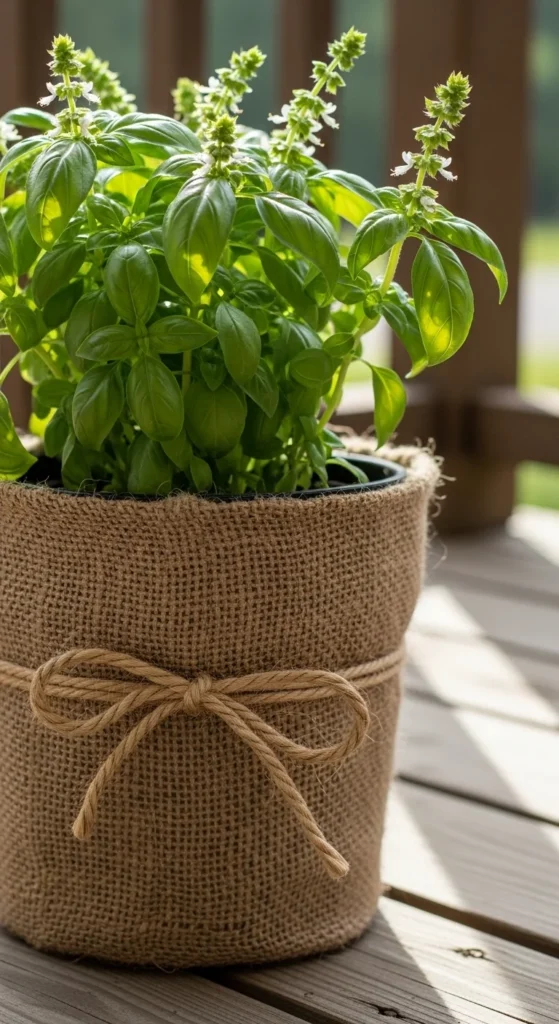
- Burlap/jute wrap + twine
- Outdoor spray paint (fully cured before planting)
- Rope trim around the rim
Just keep paint and adhesives on the outside only, especially for edibles.
Where to Find Good Buckets (Without Spending a Lot)
You don’t always need to buy brand-new.
Budget-friendly bucket sources:
- Local bakeries (frosting buckets)
- Delis (pickle buckets)
- Restaurants (food storage buckets)
- Big-box stores (look for “food safe” buckets)
Before using any reused bucket:
- Wash with warm soapy water
- Rinse thoroughly
- Let it air out completely
- If odor remains, don’t use it for edibles
Final Takeaway
The right gardening bucket is safe, opaque, durable, and correctly sized for what you’re growing. If you remember just three things, make them these:
- Choose food-grade #2 HDPE for edible plants
- Use opaque/white, sturdy buckets that won’t crack outdoors
- Match bucket size to the root depth and plant weight
Save this guide, and next time you spot a bucket deal, you’ll know exactly what to grab.
📌 Save this article for later—and start building your bucket garden the smart way!
Leave a Reply