

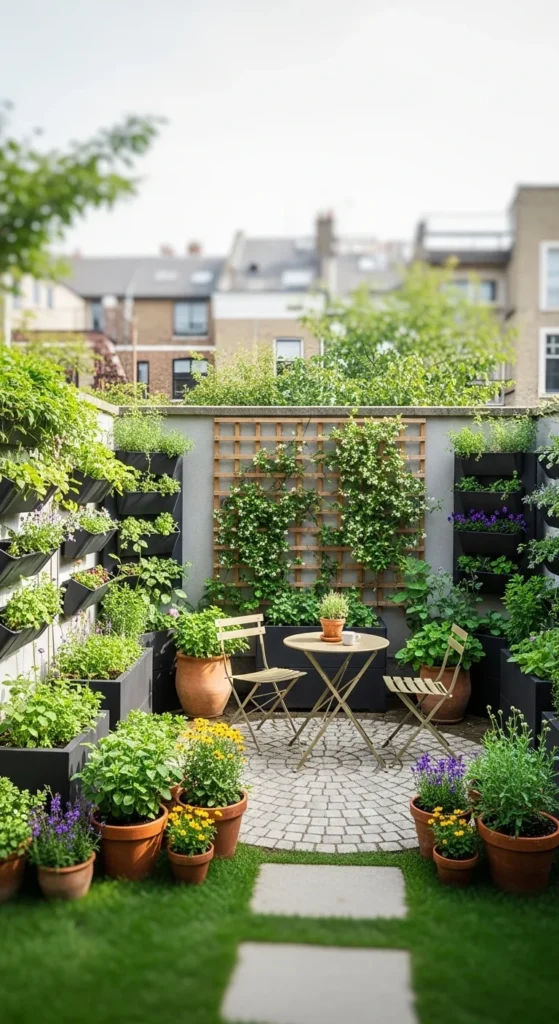
Home gardens today focus on making small spaces work harder while staying easy to care for. You do not need acres of land or expensive materials. A balcony, patio, or compact yard can still feel welcoming and useful. The ideas below lean into vertical layouts, containers, and simple layouts that suit real homes. Each one is practical, budget-aware, and realistic for beginners. You can try one idea or mix several together. Small steps can change how your outdoor space looks and how often you use it.
1. Vertical Wall Planters for Tight Spaces
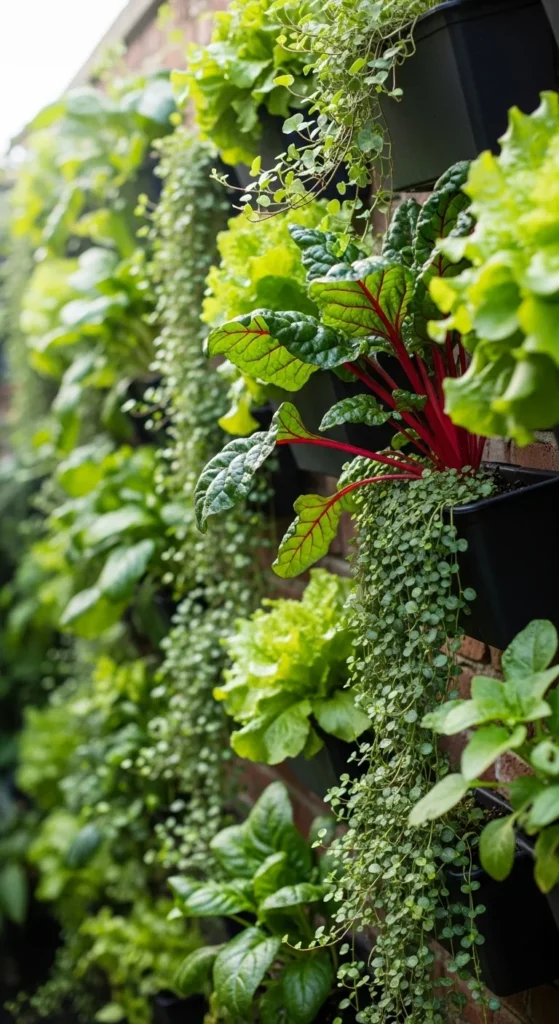
Vertical wall planters turn blank walls into growing space. They work well on balconies, fences, and narrow yards. Lightweight fabric pockets or plastic modules cost less and install with basic tools. Herbs, leafy greens, and trailing flowers grow best here. Water flows downward, helping roots stay evenly damp.
Keep space between pockets so air can move. This reduces drying and stress. For a low-cost option, reuse plastic bottles or wooden crates lined with fabric. Mount them in simple rows. Water by hand or use a basic drip line. Trim often to stop shading. Vertical planting keeps floors open and makes small gardens feel larger.
2. Raised Beds That Reduce Weeding
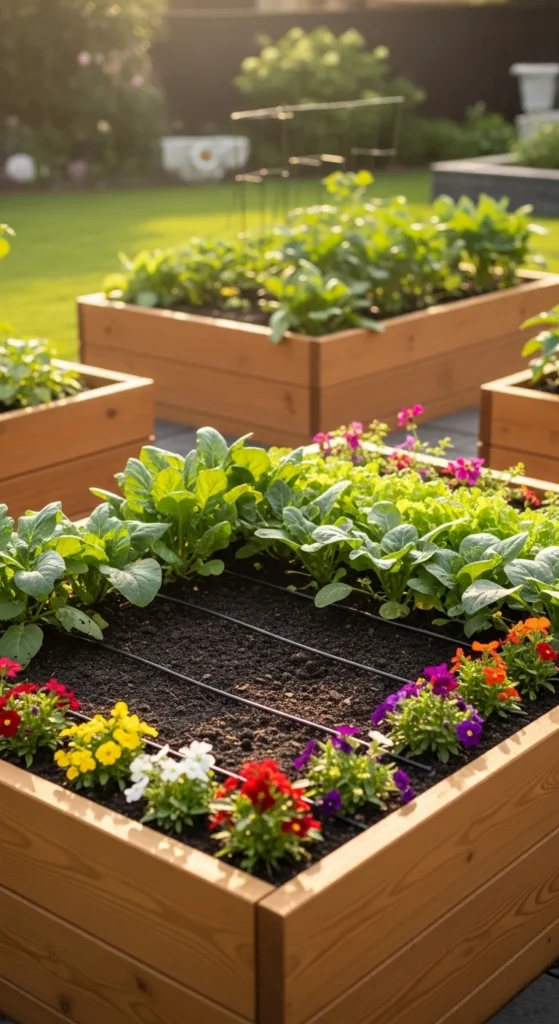
Raised beds bring order to compact gardens. They lift plants above packed soil and help drainage. Fewer weeds appear, which saves time. Ready-made kits work well, though simple frames built from untreated wood cost less.
Fill beds with bagged garden soil mixed with compost. This avoids digging and improves growth from day one. Keep beds narrow so you can reach the center without stepping inside. Raised beds suit vegetables, flowers, or both together. Line the bottom with cardboard to block grass. Replace it once a year if needed.
3. Patio Container Gardens That Feel Lush
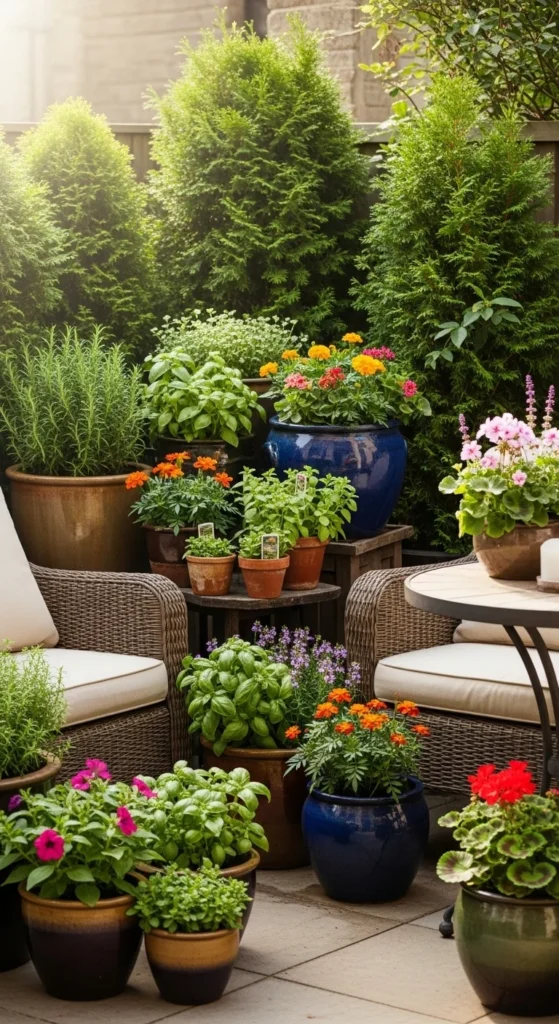
Containers can turn patios into full gardens. Choose pots in different heights to avoid a flat look. Larger containers hold moisture longer and reduce watering. For savings, use fewer big pots instead of many small ones.
Evergreen shrubs give structure. Herbs and flowers fill gaps. Move pots to follow sunlight during the season. Always check drainage holes. Broken clay pieces or gravel at the base help water flow. Container gardens suit renters and busy households. You can rearrange layouts without digging.
4. Pet-Safe Plant Corners
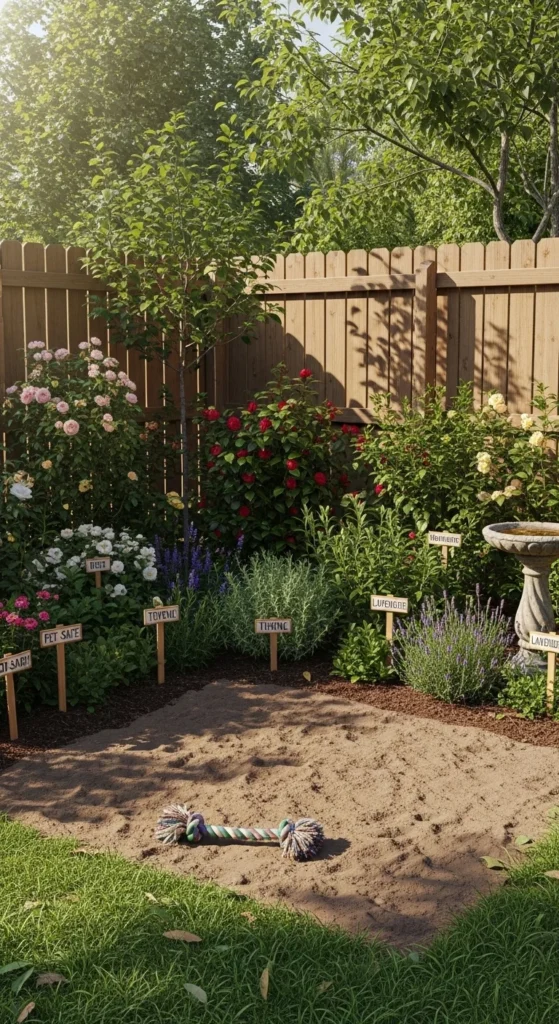
Gardens shared with pets work best with clear zones. Use non-toxic shrubs and sturdy herbs that handle light traffic. Leave open space for movement. Avoid sharp planters and loose gravel.
Create a small play or dig area using sand or mulch. Border it with logs or stones found locally. Pets learn where play is allowed. Skip cocoa mulch and strong chemical feeds. Simple planning protects pets and keeps plants lasting longer.
5. Pollinator-Friendly Mini Meadows
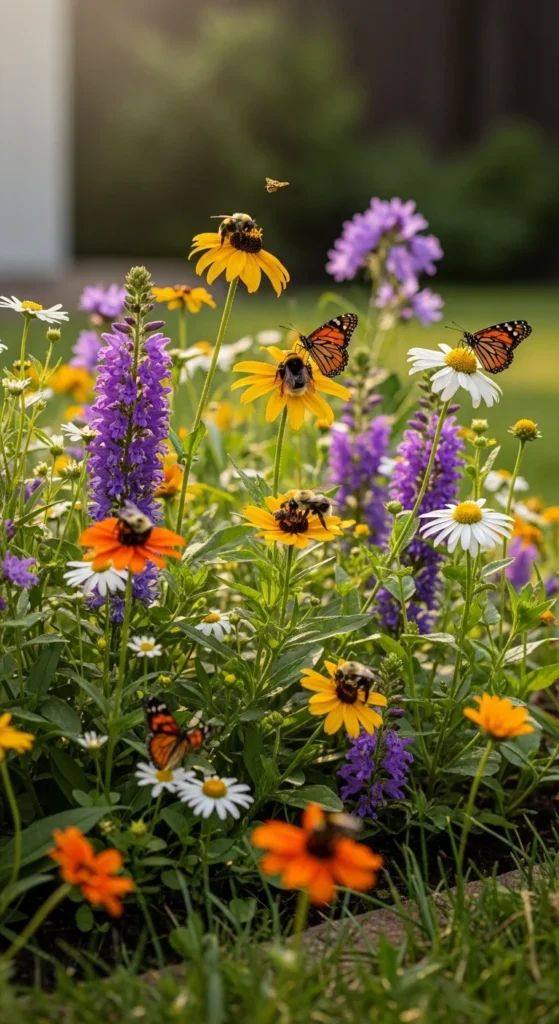
Mini meadows replace lawns with purpose. Regional seed mixes cost less than sod and use less water. Clear grass and loosen soil before planting. Scatter seeds by hand and water lightly for the first few weeks.
Once established, rain handles most care. Trim edges to keep a tidy look. Meadows bring movement and color without weekly mowing. Each year, growth becomes thicker with little effort.
6. Edible Borders Along Walkways
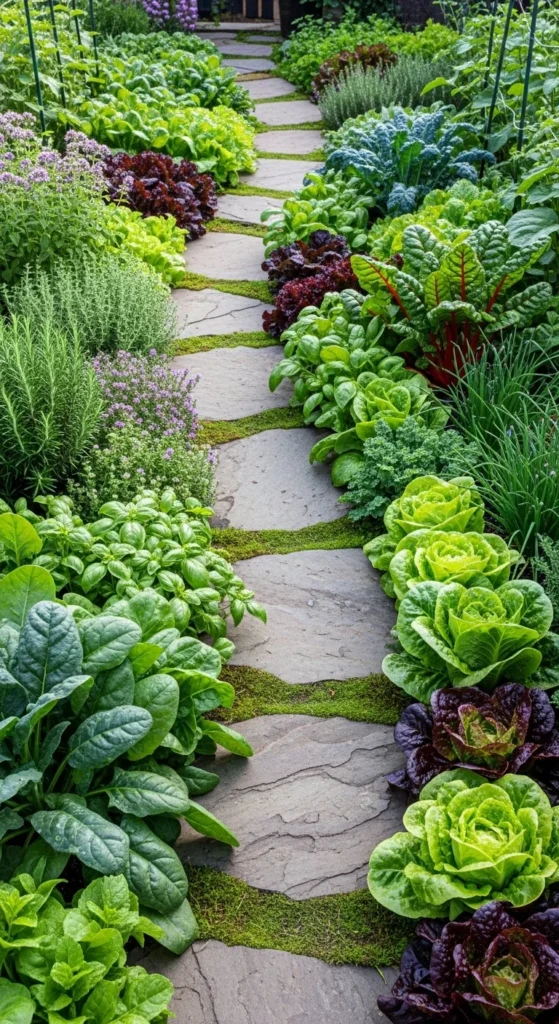
Edible borders mix beauty with daily use. Herbs like thyme, sage, or chives stay low and smell great when brushed. Leafy greens fit between stepping stones.
Harvest often to control size. This replaces store-bought herbs and cuts waste. Start with one short path. Edible borders soften hard edges and keep gardens useful.
7. Muted Color Plant Palettes
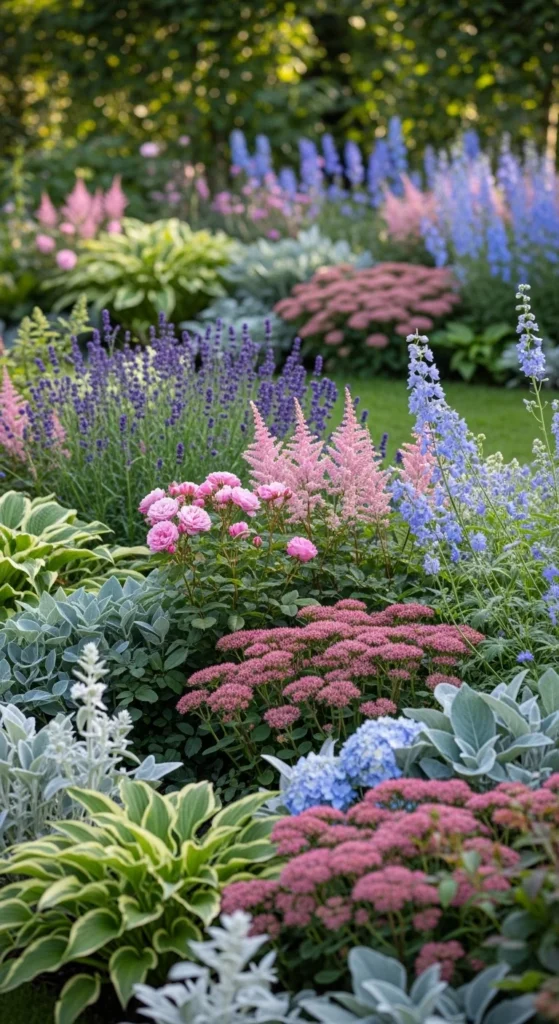
Muted plant colors create calm outdoor spaces. Dusty blues, soft pinks, and gentle greens pair well together. Use foliage plants to carry color through the season.
Group similar tones instead of many bright shades. This reduces visual clutter. Muted palettes work well in small yards where balance matters. They also age better over time.
8. Arched Trellises as Garden Focal Points
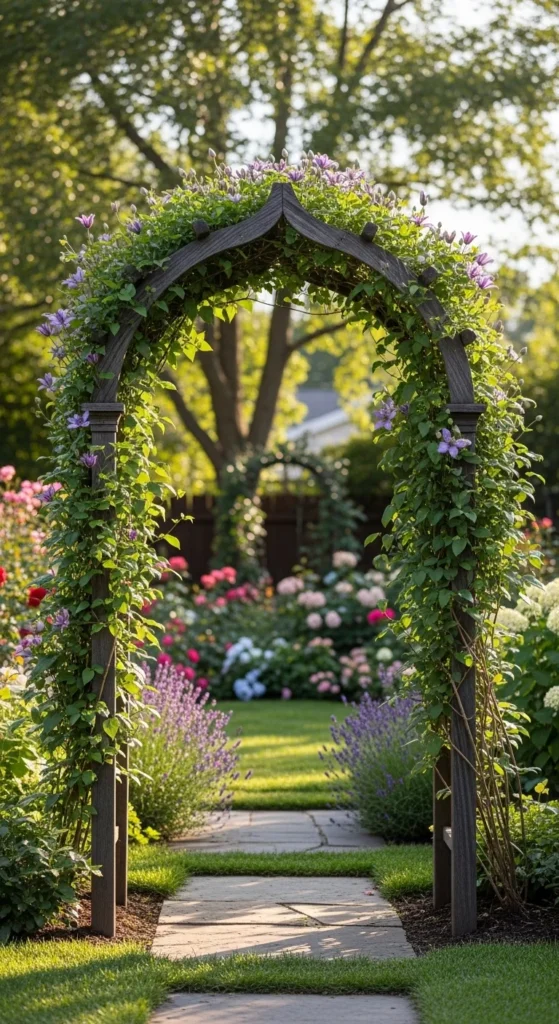
Arched trellises draw the eye upward. They add height without using floor space. Basic metal or wood arches cost less and install easily.
Climbing plants like beans, peas, or flowering vines work well. Place arches over paths or entrances. This creates structure and makes small gardens feel planned.
9. Container Herb Stations Near the Kitchen
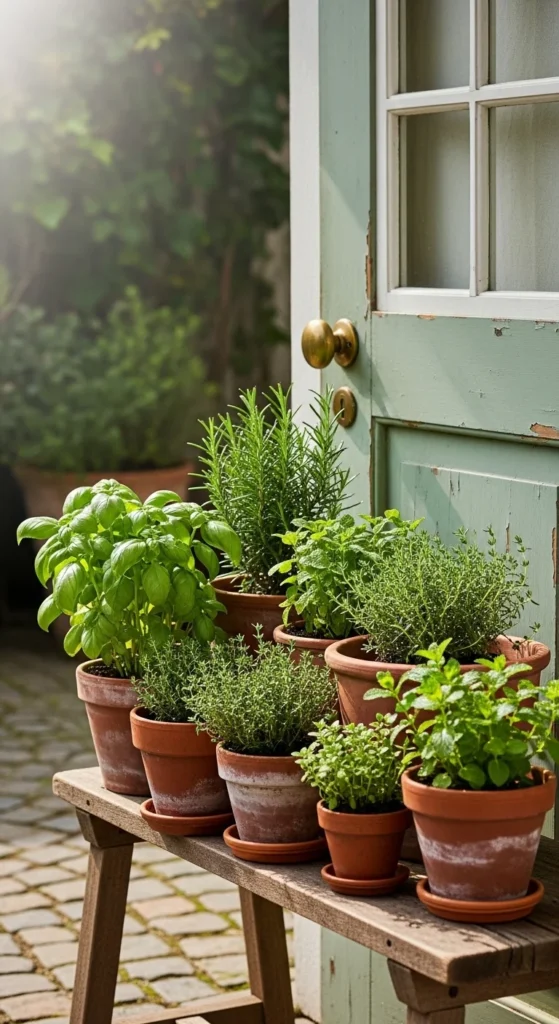
Herb containers near doors save steps. Use matching pots for a tidy look. Terracotta works well and stays affordable.
Group herbs by water needs. Water deeply, not daily. Clip often to keep plants compact. This setup supports cooking habits and reduces grocery trips.
10. Faux Grass Paths for Easy Care
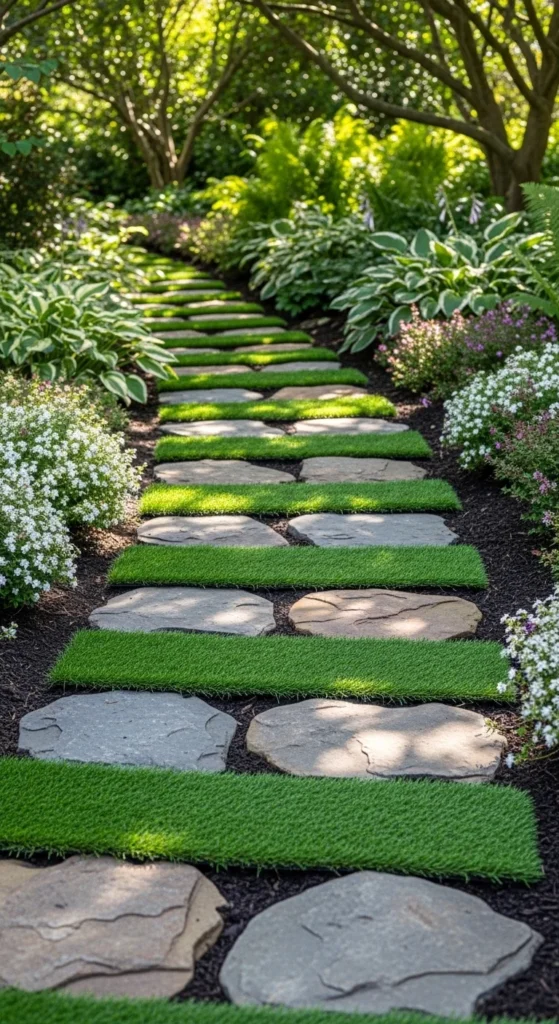
Faux grass paths cut mowing and watering. They stay green year-round and suit busy homes. Install over compacted sand for stability.
Use stepping stones to break up long runs. Clean with a quick rinse. Faux grass works best in low-traffic areas.
11. Zoned “Mini-Room” Garden Layouts
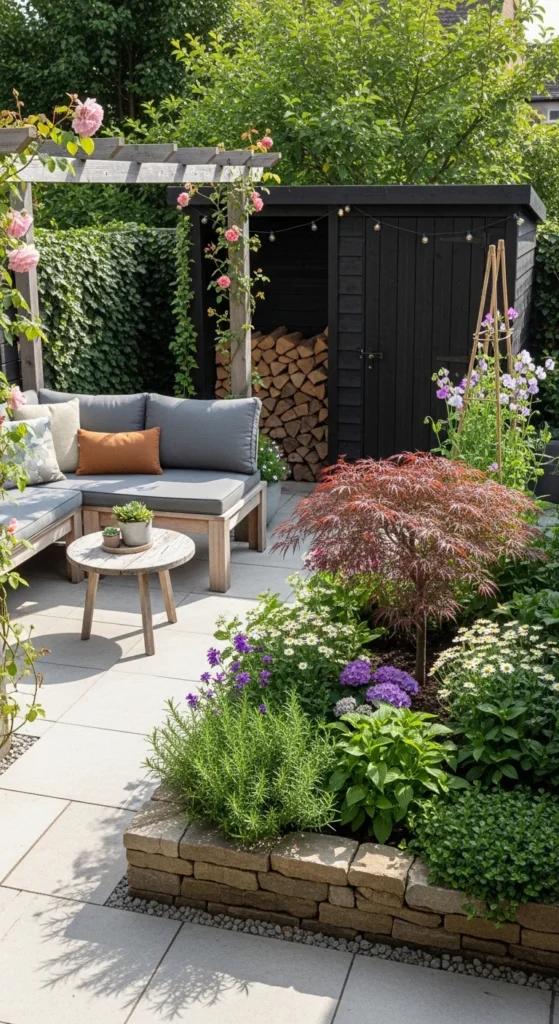
Zoning helps small gardens feel organized. Use planters, low fences, or changes in ground material to mark areas.
One zone can seat two chairs. Another holds plants. A third stores tools. Clear zones make spaces easier to use daily.
12. Smart Watering on a Budget
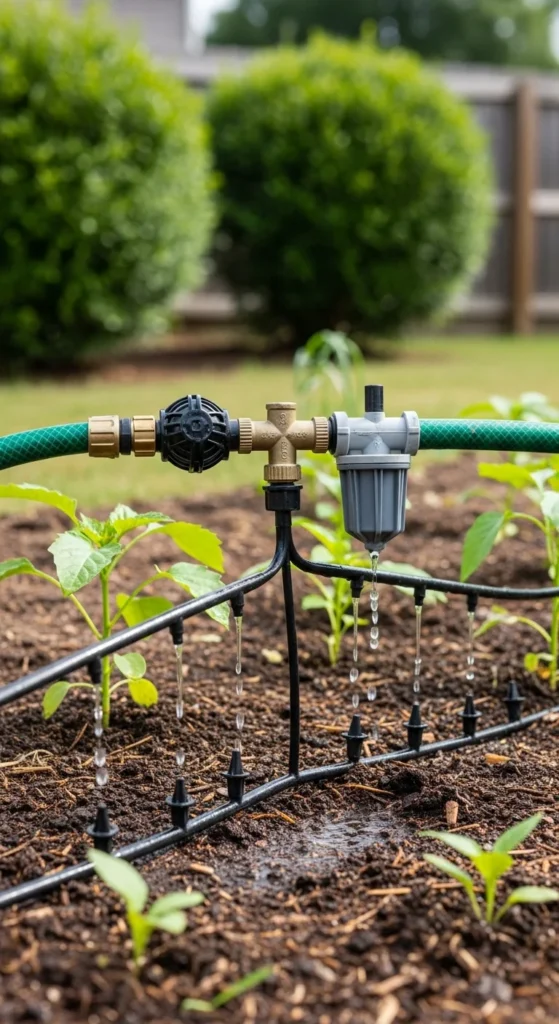
Basic timers and drip lines save water. They cost little and reduce guesswork. Set them to run early morning.
This works well for containers and raised beds. Fewer missed waterings mean steadier growth with less effort.
13. Ornamental Edibles in Flower Beds
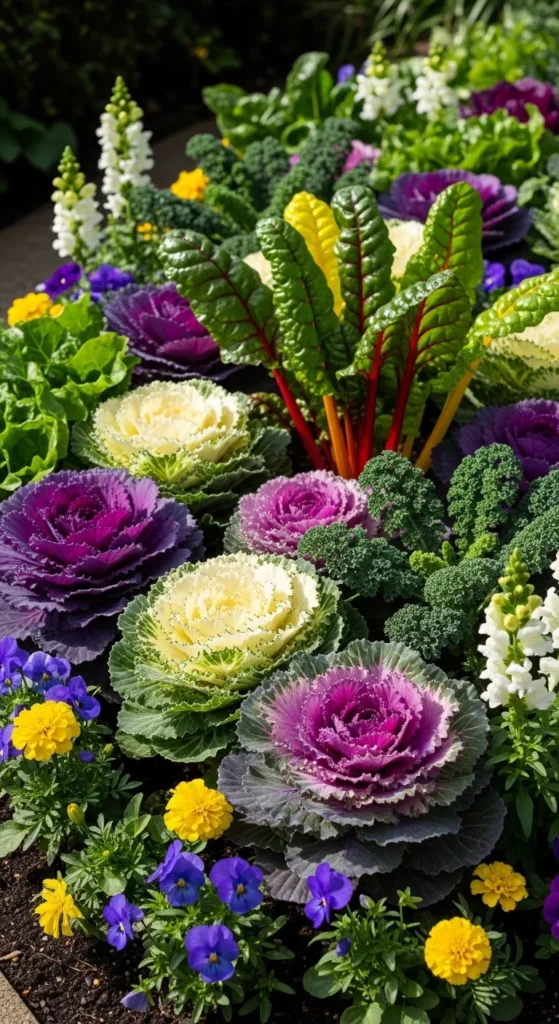
Some vegetables look great in borders. Decorative cabbage, kale, and chard add texture and color. Mix them with flowers.
Harvest outer leaves to keep shape. This keeps beds useful and attractive through cooler months.
14. Layered Forest-Style Planting
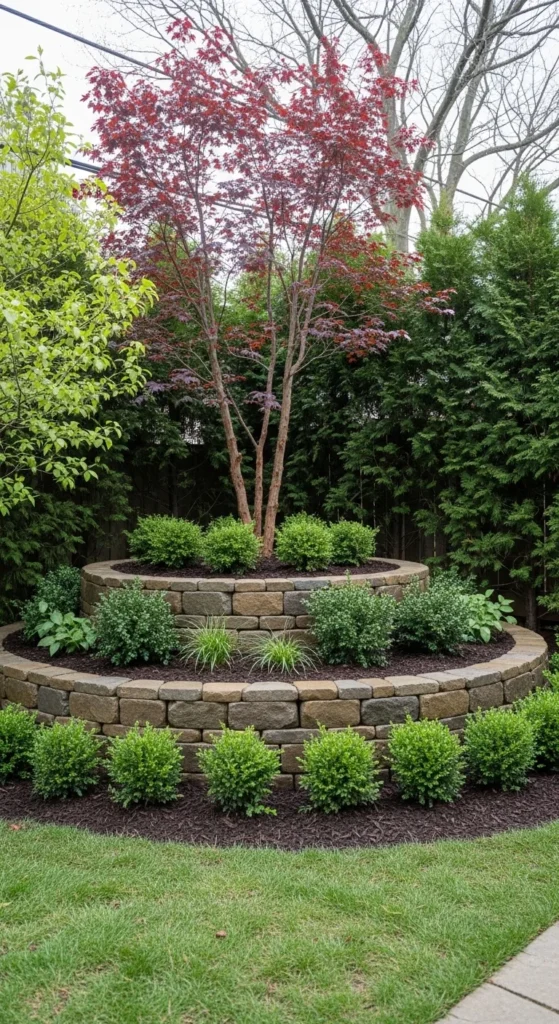
Layered planting copies nature. Use taller plants at the back, shrubs in the middle, and groundcover below.
This shades soil and reduces weeds. It also supports steady growth with less watering.
15. Rare Plant Highlights in Containers
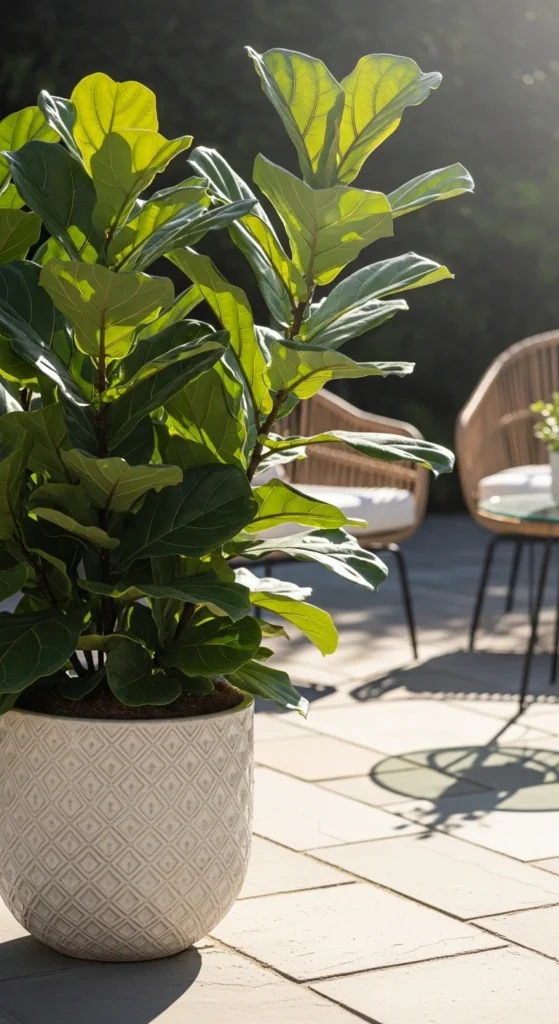
One statement plant draws attention. Use a single bold plant in a container instead of many small ones.
This saves money and keeps care simple. Rotate it seasonally to protect from weather.
16. Garden Benches for Quiet Breaks
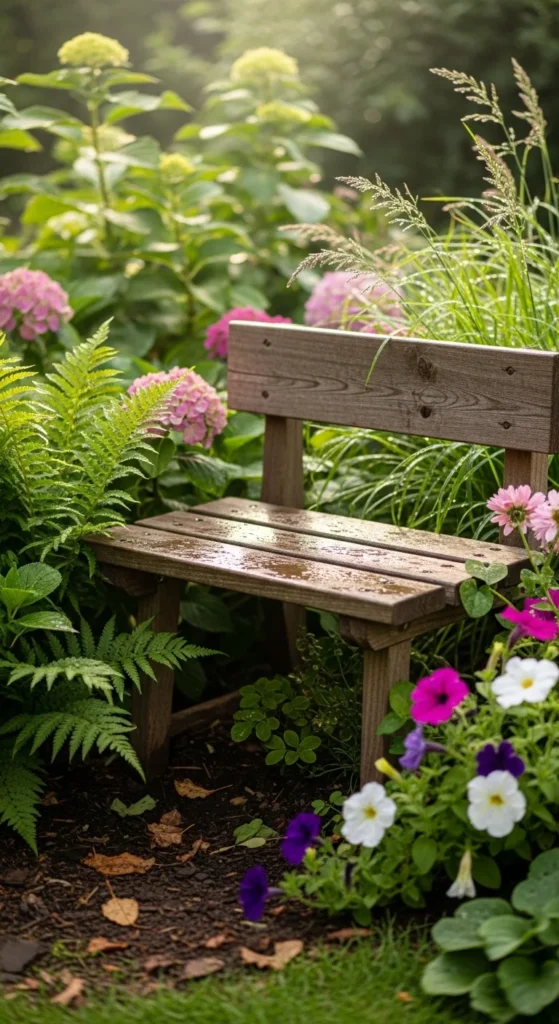
A simple bench invites use. Place it where shade falls part of the day. Surround it with low plants.
Benches can be DIY from wood planks. Seating turns gardens into places, not projects.
17. String Lights for Evening Use
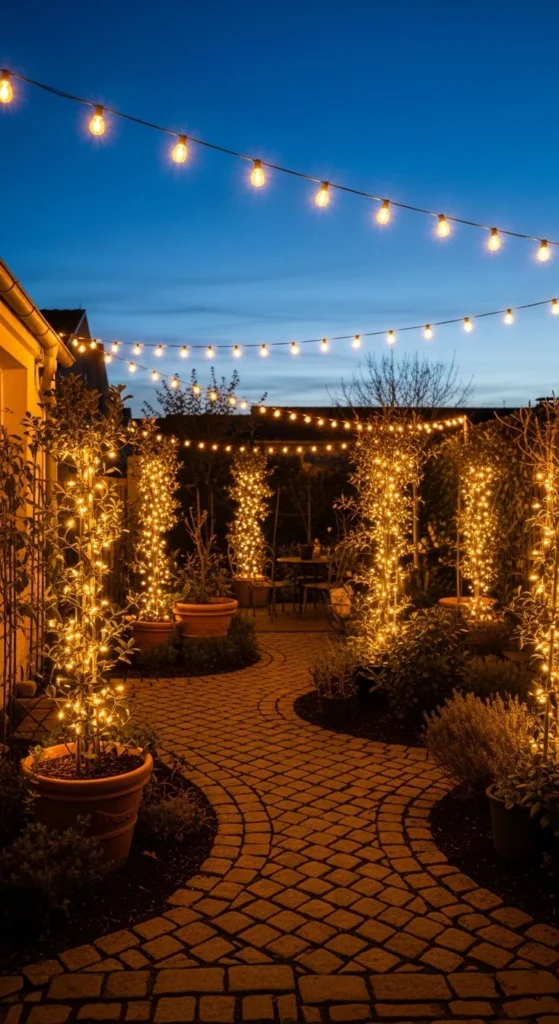
String lights extend garden time. Solar sets cost little and install fast. Hang them along fences or overhead lines.
Soft lighting adds comfort without wiring. It makes evening use easy.
18. Repurposed Wheelbarrow Planters
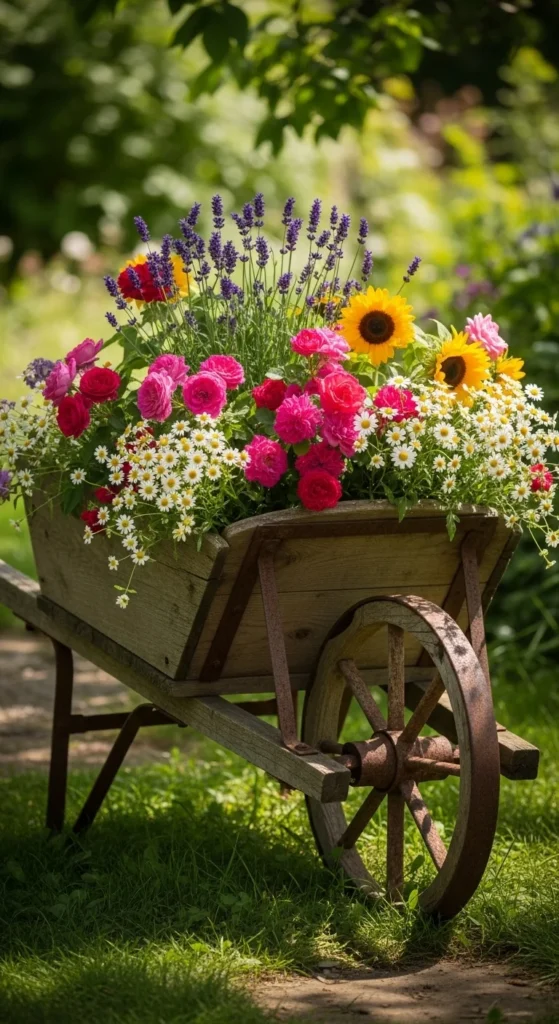
Old tools can become planters. Wheelbarrows work well and drain easily. Line with fabric before adding soil.
Place them where you want color. They move easily and cost nothing if reused.
19. Rock Gardens for Sloped Areas
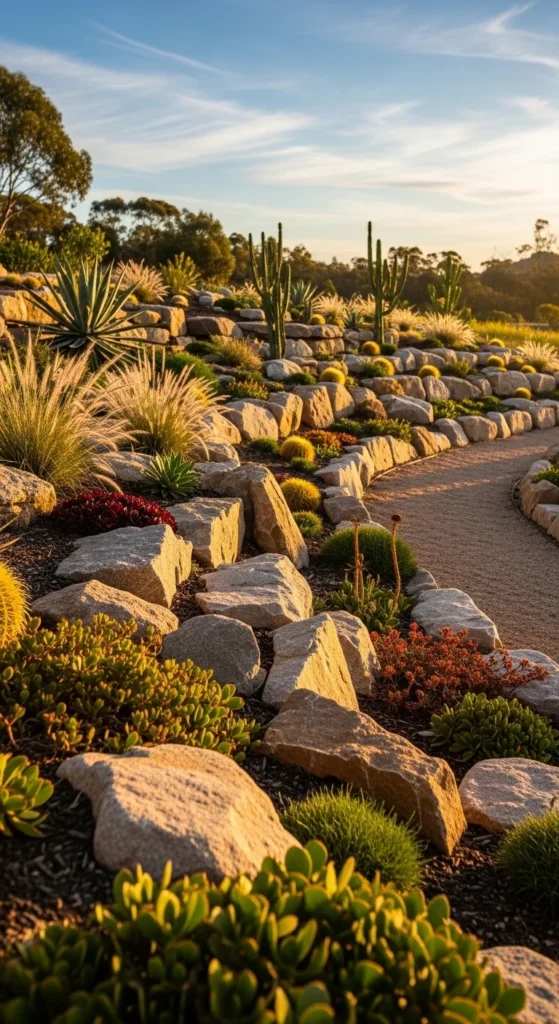
Rock gardens suit uneven ground. Stones hold soil and reduce erosion. Choose plants that handle dry conditions.
Once set, care stays light. Rock gardens also add texture to hard spots.
20. Fragrant Plant Borders
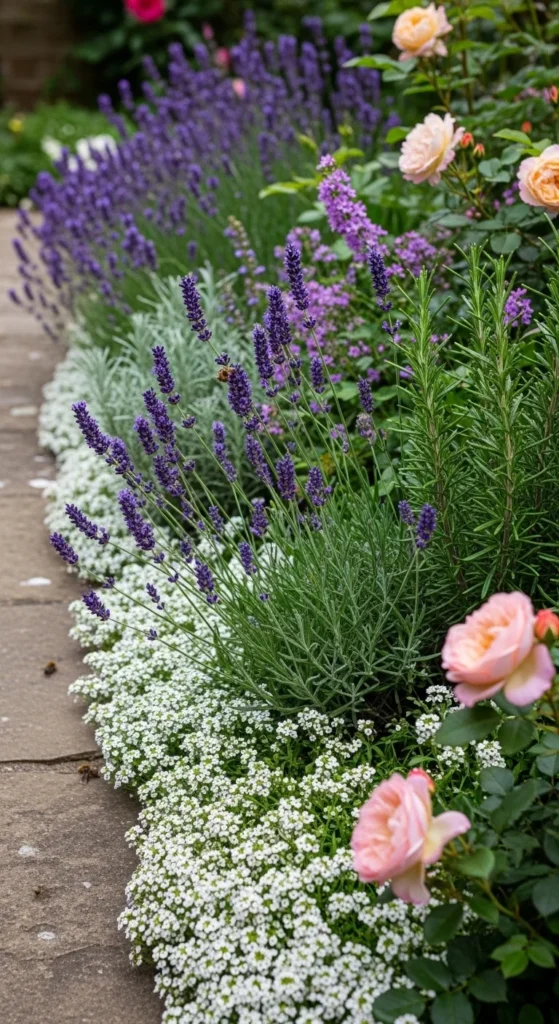
Fragrance adds another layer to gardens. Place scented plants near paths or doors.
Light trimming keeps them neat. This adds enjoyment without adding work.
21. Tiered Terracotta Pot Displays
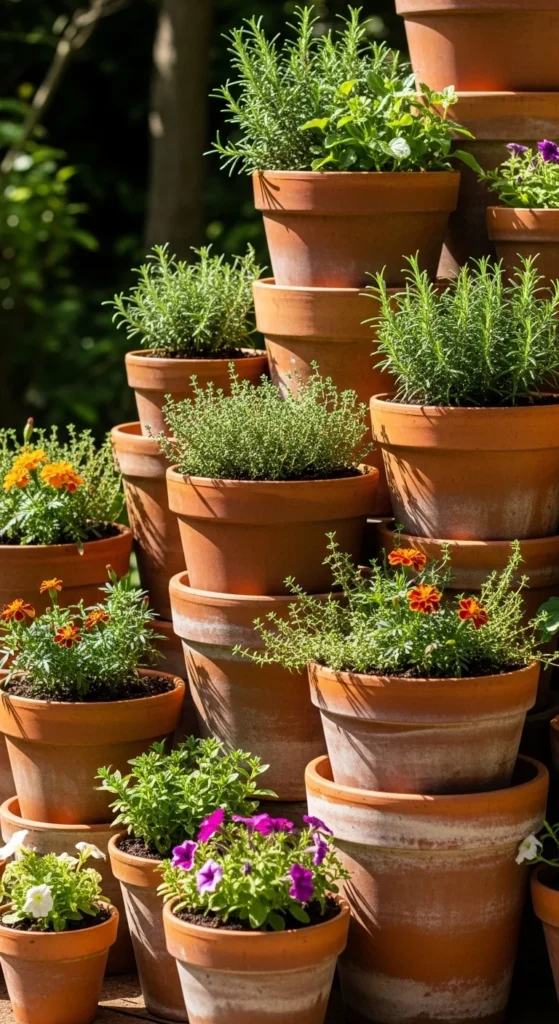
Tiered pots add height. Terracotta stays affordable and breathable. Stack sizes carefully for balance.
Use trailing plants on top and compact ones below. This suits patios and corners.
22. Compact Compost Corners
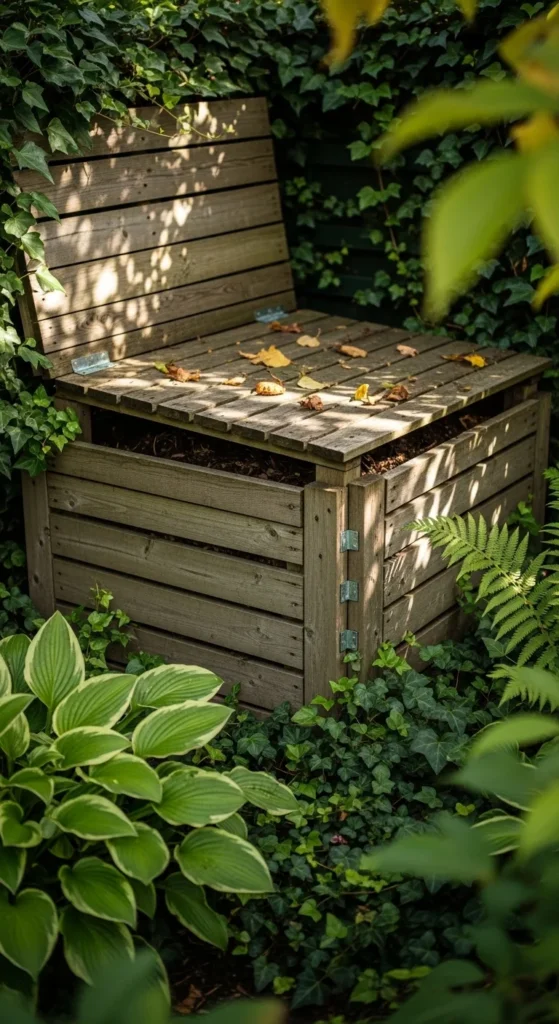
Small compost bins fit tight spaces. They recycle kitchen scraps and reduce waste.
Keep lids closed and mix dry material in. Compost improves soil without store-bought bags.
23. Narrow Side Yard Makeovers
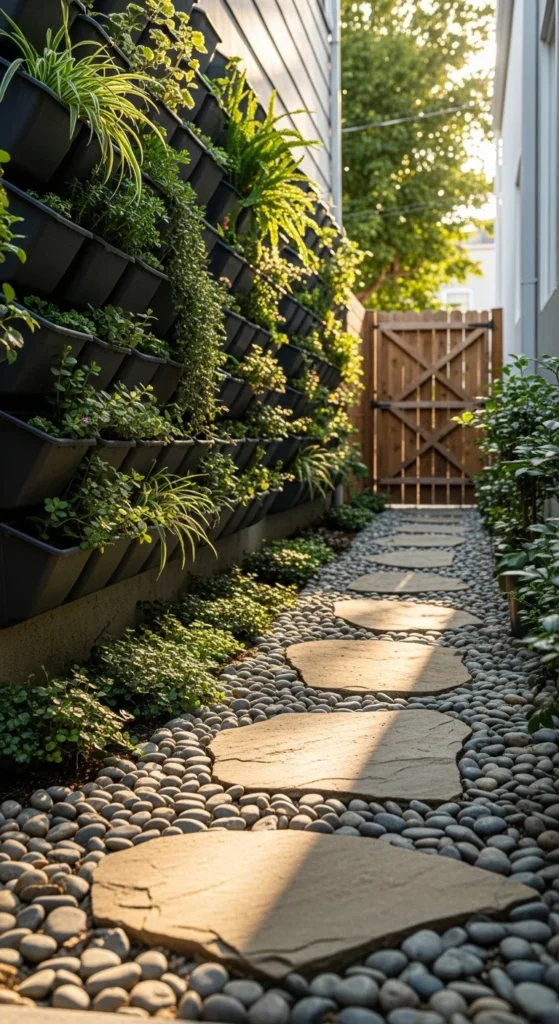
Side yards often get ignored. Add stepping stones and vertical plants to make them useful.
Light gravel or mulch keeps costs low. These paths connect spaces and add storage or planting.
24. Shade-Friendly Garden Corners
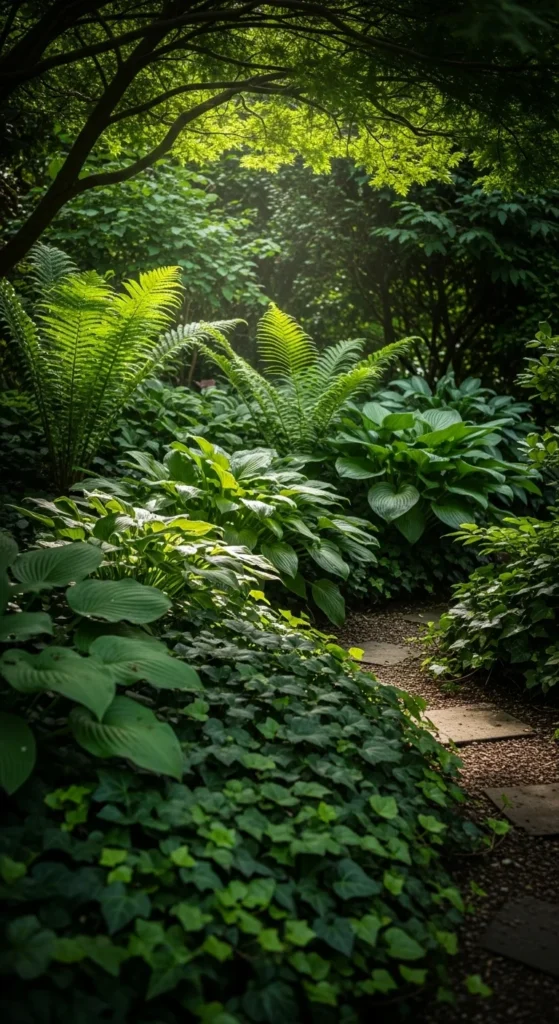
Shady areas still grow plants. Use leafy varieties that enjoy less sun.
Group pots to hold moisture. Shade gardens stay cooler and calm.
25. Balcony Rail Planters
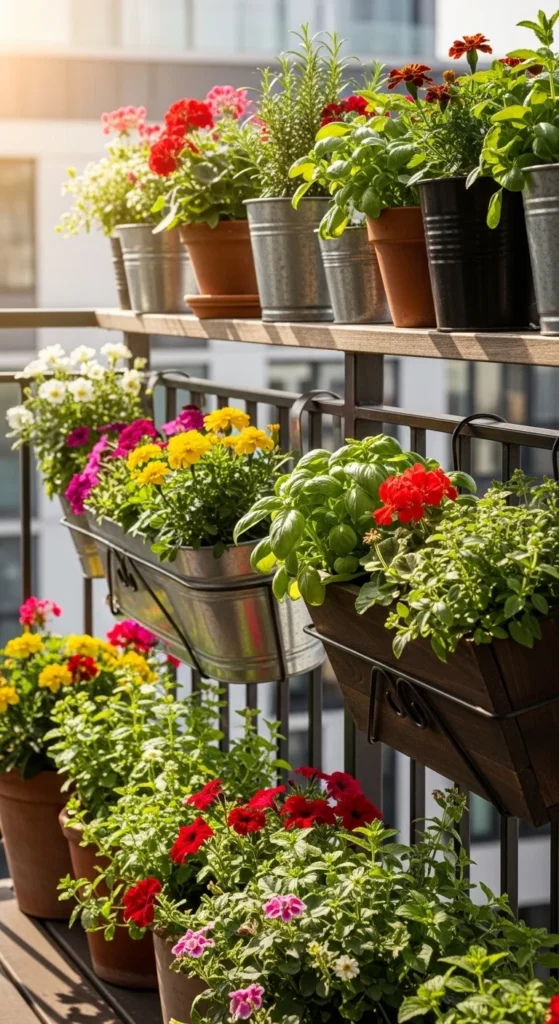
Rail planters free floor space. They install without drilling on many rails.
Use lightweight soil and secure hooks. This adds greenery without crowding.
Conclusion
A beautiful home garden does not depend on size or budget. Smart layouts, containers, and simple materials make small spaces work better. Each idea here supports easy care and real use. Try one change at a time. Small updates add up, and your garden can grow alongside your habits.
Leave a Reply