

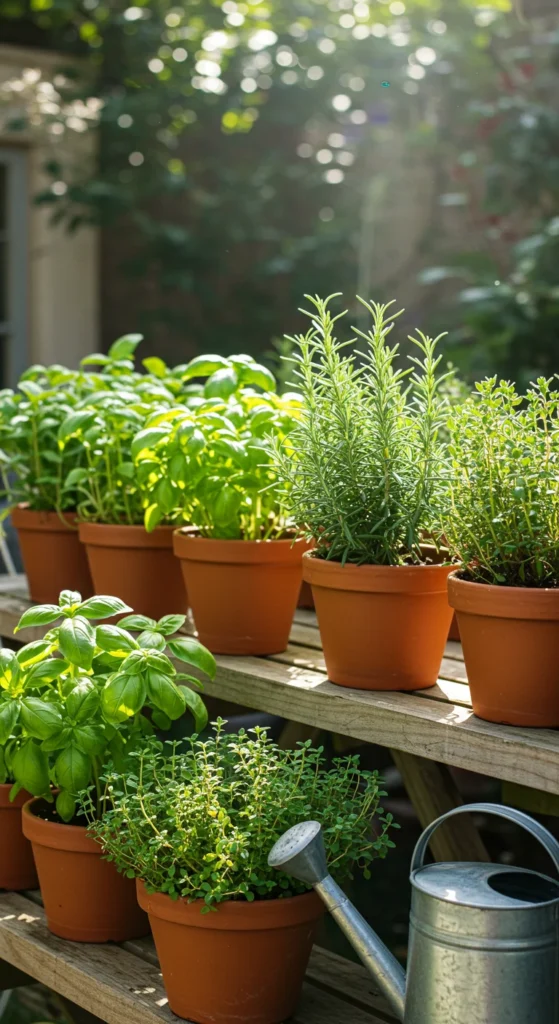
Fresh herbs bring life to any meal. Growing your own means flavor at your fingertips all year long. Whether you have a sunny balcony, a kitchen windowsill, or a backyard plot, herbs thrive with just a little care. These 24 irresistible herb garden tips will help you save space, keep plants healthy, and enjoy flavor in every season.
1. Start Small with Easy Herbs
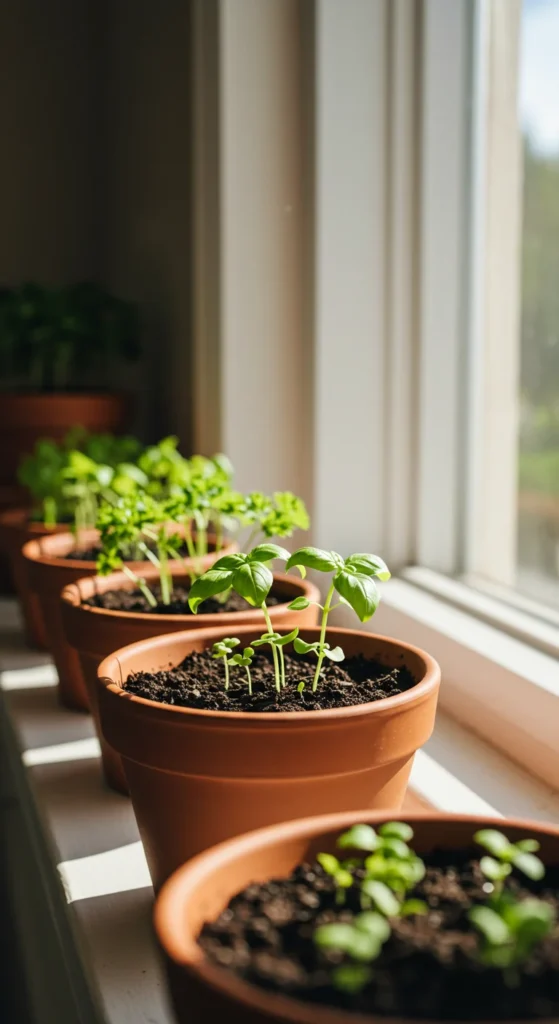
If you’re new to herb gardening, begin with simple herbs. Basil, parsley, and mint grow quickly and forgive small mistakes. Place them in pots near your kitchen for quick snipping. Starting small keeps things manageable while giving you herbs you’ll actually use. Choose containers with drainage holes and use lightweight potting soil. With just a little water and sun, you’ll see results in a matter of weeks.
2. Use Terracotta Pots for Better Drainage
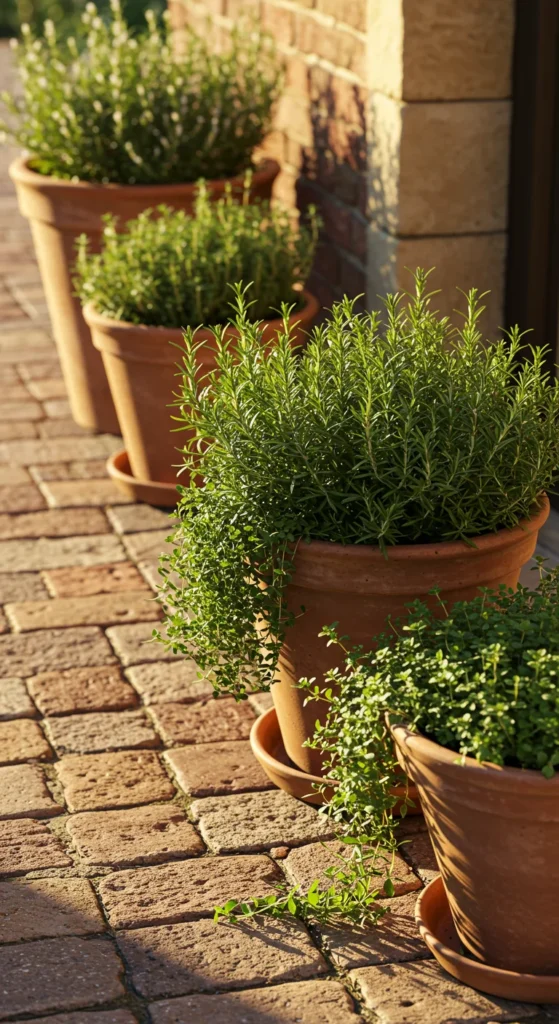
Terracotta pots are classics for a reason. They let soil breathe and prevent soggy roots. Herbs like rosemary and thyme thrive in them since they prefer drier conditions. Group several pots together for a Mediterranean vibe. Seal the pots if you want them to hold moisture longer. Terracotta is budget-friendly and readily available, making it a practical choice for growing herbs.
3. Grow Herbs Indoors on a Sunny Windowsill
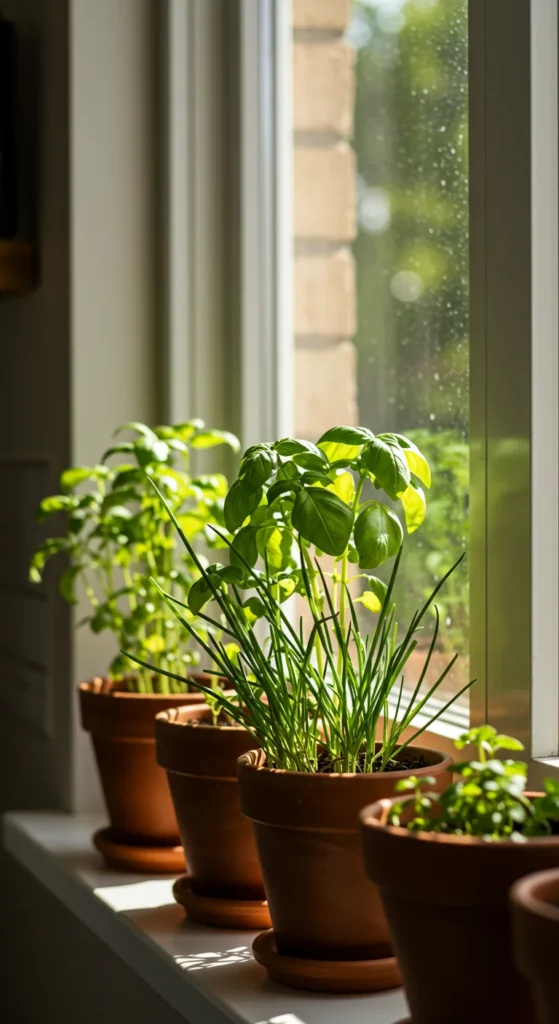
Even without outdoor space, herbs can flourish indoors. A sunny kitchen windowsill is perfect for herbs like chives, basil, and cilantro. Keep the soil lightly moist and rotate the pots every few days so plants grow evenly. Add a small tray under the pots to catch extra water and prevent mess. Having them within arm’s reach encourages you to use them daily in your cooking.
4. Pair Herbs with Similar Watering Needs
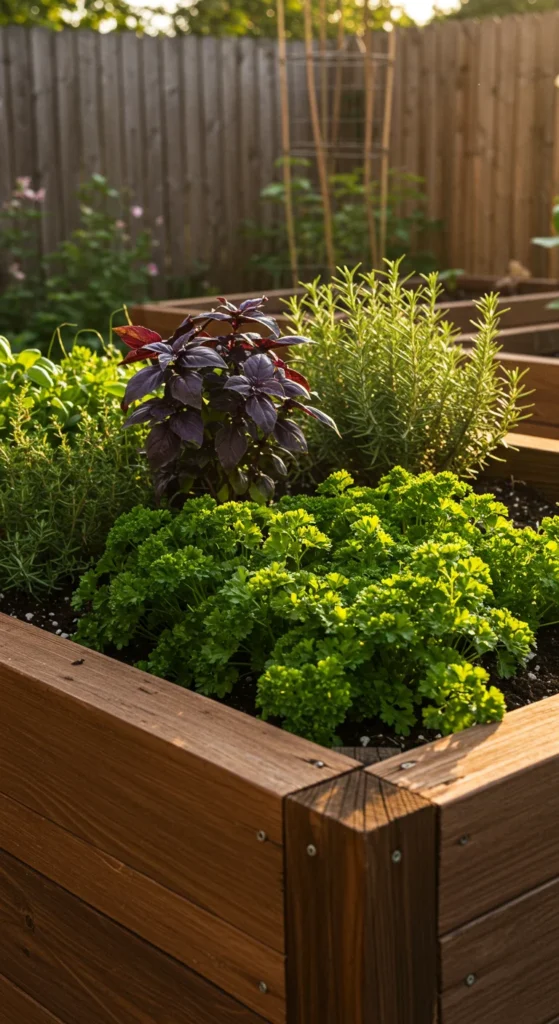
Not all herbs like the same conditions. Basil and parsley thrive in moist soil, while rosemary and thyme prefer it dry. Planting them side by side helps you water correctly without stressing plants. Grouping herbs by their preferences makes maintenance easier and prevents over- or under-watering. It’s a simple way to keep your herb garden thriving.
5. Harvest Often for Better Growth
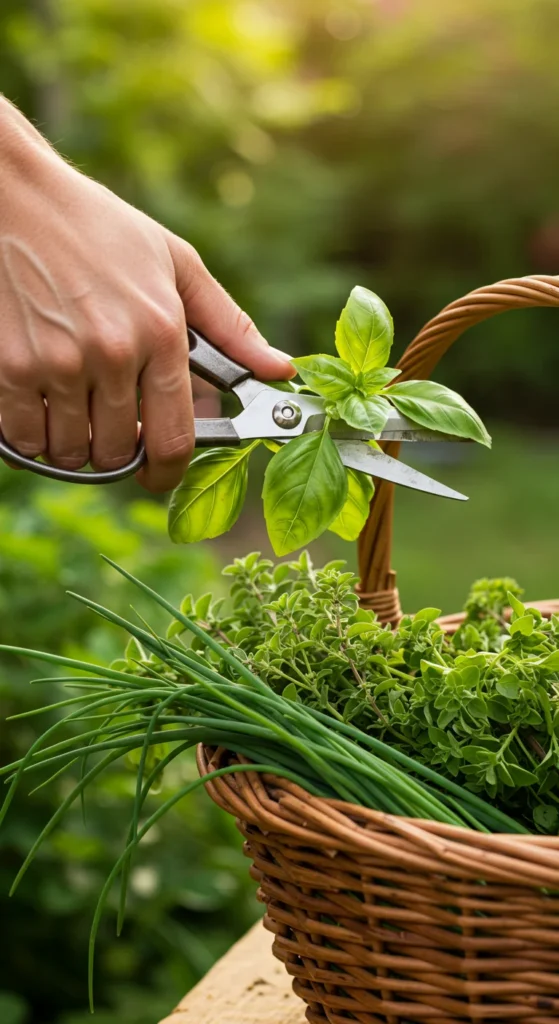
Don’t be afraid to cut herbs often. Harvesting encourages new growth. Snip just above a leaf node to let the plant branch out. Regular trimming keeps herbs bushy and productive. For basil, avoid letting it flower by pinching off buds. Harvesting often gives you more flavor in the long run and prevents herbs from turning woody.
6. Add Compost for Richer Flavor
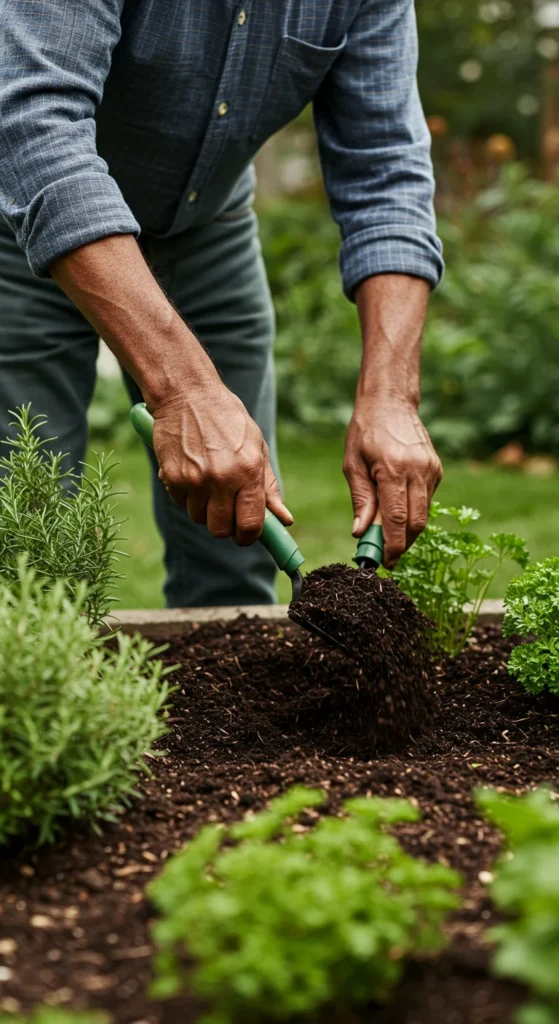
Healthy soil means flavorful herbs. Mix compost into your potting soil or garden beds to give plants the nutrients they need. Compost improves drainage and adds organic matter. It’s easy to make at home using kitchen scraps like vegetable peels and coffee grounds. Herbs grown in compost-rich soil taste more vibrant and thrive longer.
7. Try Hanging Baskets for Space Saving
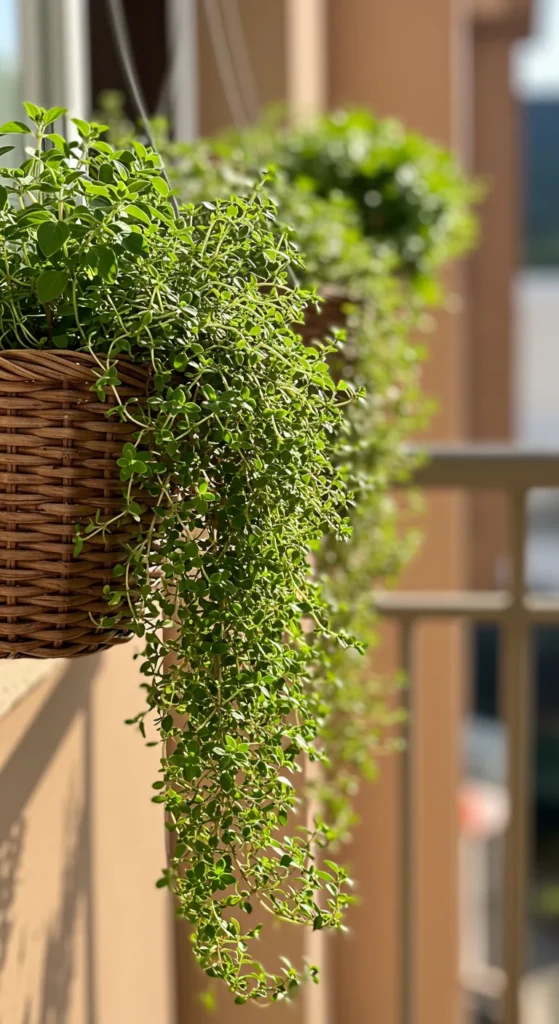
Short on ground space? Use hanging baskets for herbs that trail, like oregano, thyme, or mint. Hanging baskets save floor space and add greenery at eye level. Make sure the baskets have drainage holes and water them regularly, as they dry out faster than pots. This setup is perfect for balconies and patios.
8. Label Your Plants Clearly
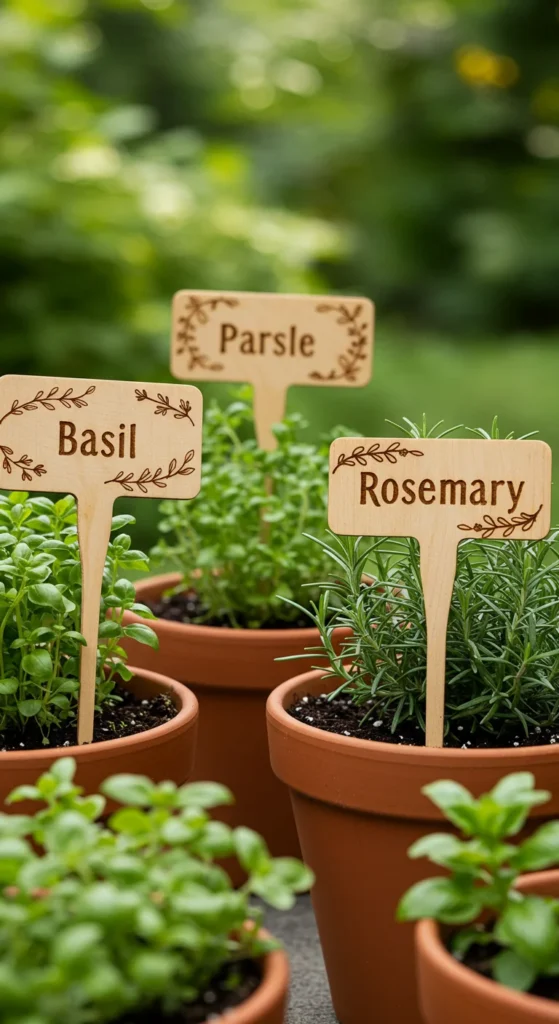
Herbs can look alike when young. Avoid confusion by labeling each pot. Wooden sticks, chalkboard tags, or painted stones make fun DIY labels. Not only do labels keep you organized, but they also add personality to your garden. It’s an inexpensive and creative touch.
9. Rotate Indoor Herbs for Balanced Growth
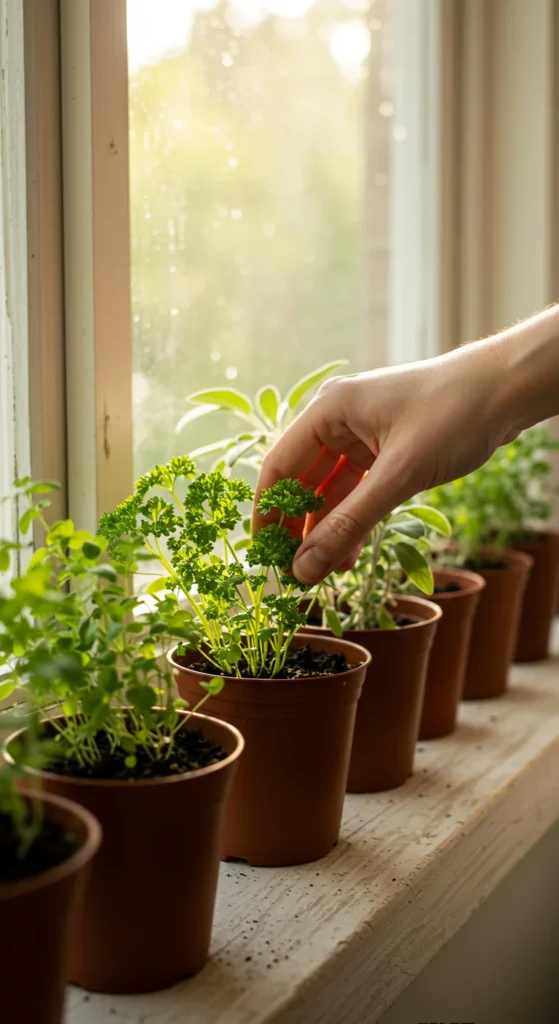
Indoor herbs naturally grow toward the light. Rotate pots every few days so plants stay upright and balanced. This simple habit prevents leggy growth and helps leaves develop evenly. Healthy, evenly lit plants look better and produce more leaves for harvest.
10. Use Raised Beds for Outdoor Herbs
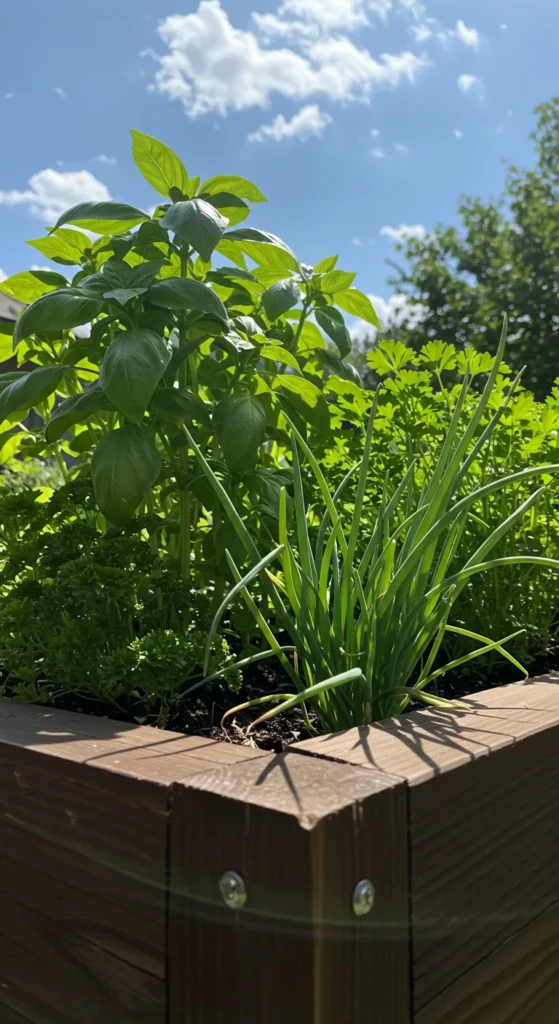
Raised beds give herbs a cozy home. They warm up faster in spring and drain better than traditional soil beds. You can fill them with a custom soil mix that suits your herbs. Raised beds also make gardening more comfortable since you won’t have to bend as much when harvesting.
11. Start from Seeds to Save Money
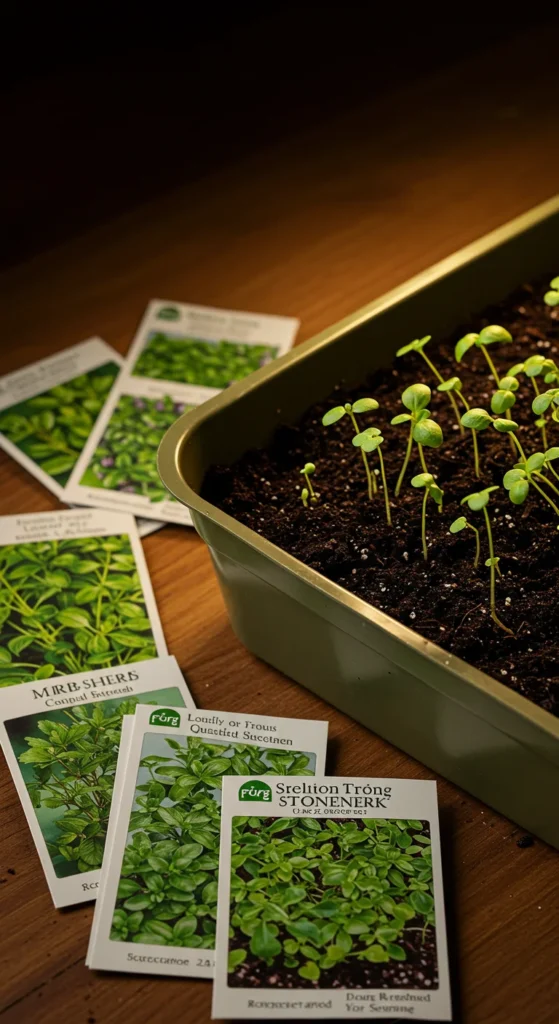
Growing herbs from seeds is inexpensive and rewarding. Many herbs like dill, cilantro, and basil sprout quickly. Start them indoors in trays or small pots before moving them outside. Keep the soil moist until seedlings are established. A single packet of seeds can give you months of harvest for just a few dollars.
12. Water in the Morning
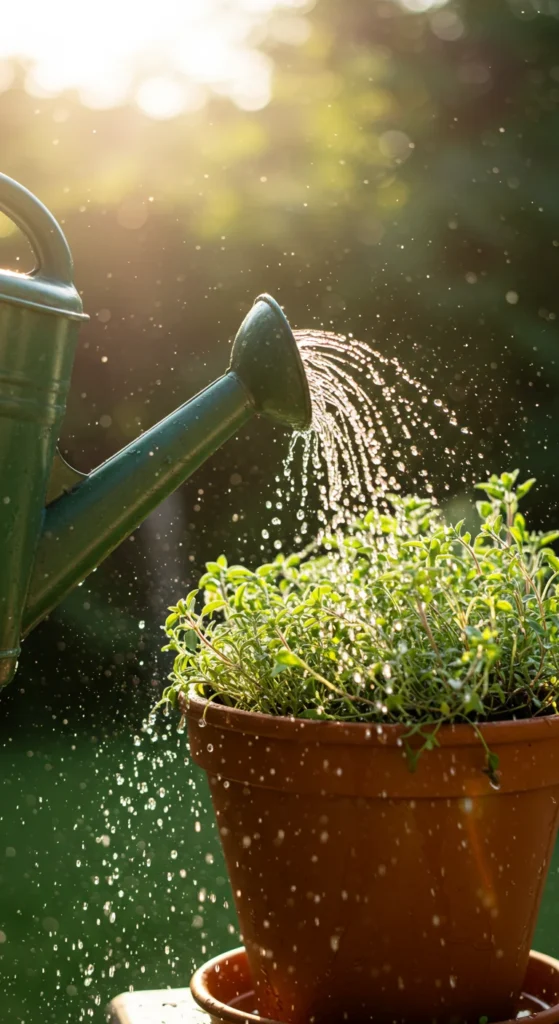
Watering herbs early in the day keeps soil hydrated and reduces evaporation. Leaves dry quickly, lowering the risk of disease. Morning watering also prepares plants for the heat of the day. Use a small watering can or drip hose for gentle watering at the base of plants.
13. Companion Plant Herbs with Vegetables
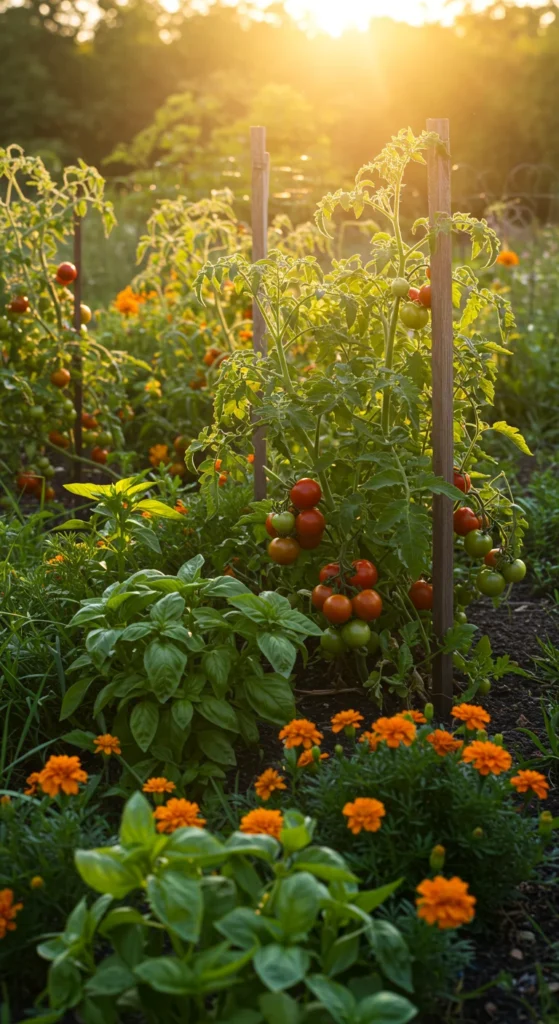
Herbs aren’t just for flavor—they help vegetables too. Plant basil near tomatoes to improve flavor and deter pests. Dill attracts pollinators that help cucumbers. Pairing herbs and veggies creates a natural partnership in your garden, saving space while helping both thrive.
14. Dry Herbs for Winter Use
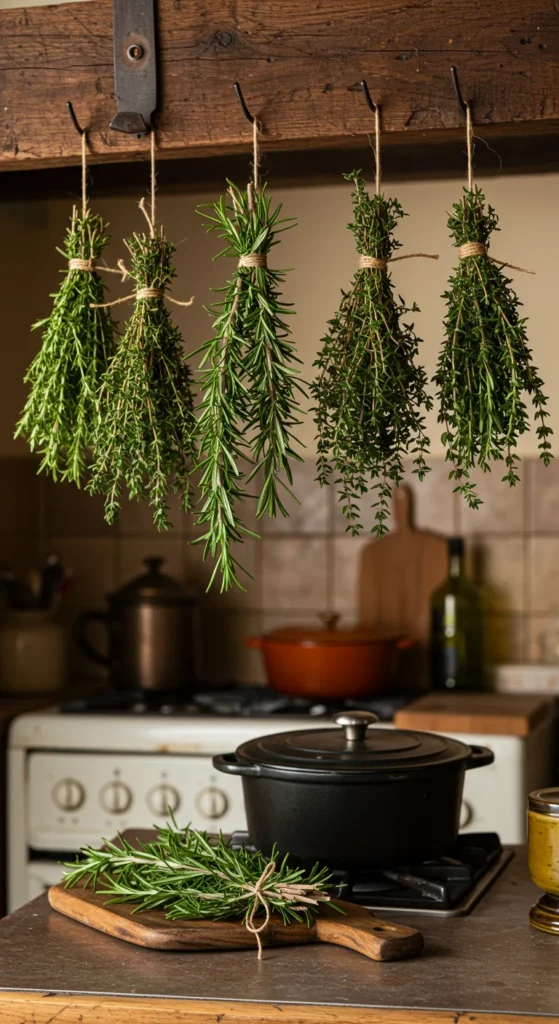
Don’t let extra herbs go to waste. Dry them for use later. Tie small bundles and hang them upside down in a dry, airy space. Once dry, store them in jars for soups, teas, and seasoning. Drying keeps your harvest useful even after the growing season ends.
15. Freeze Herbs in Ice Cubes
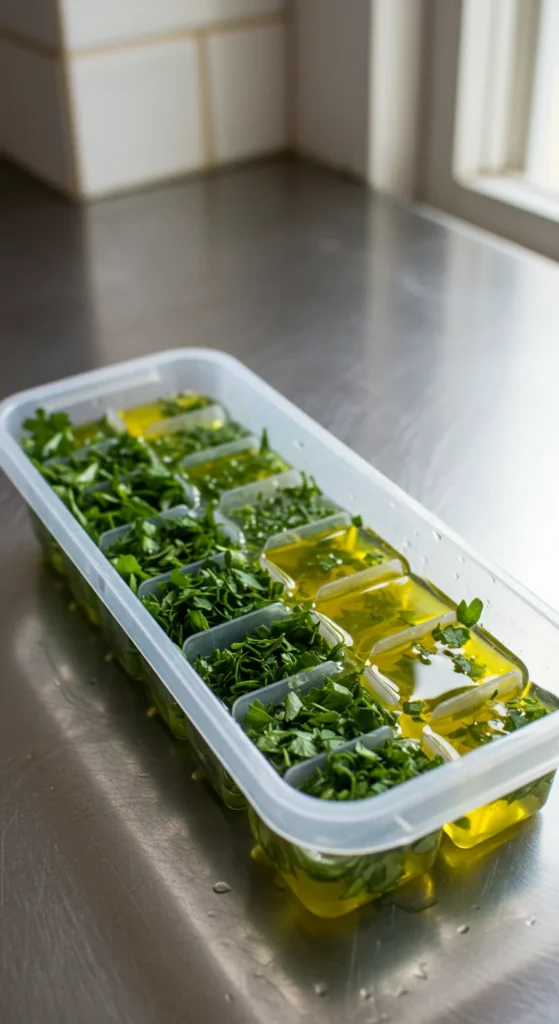
Another way to preserve herbs is by freezing them. Chop herbs, place them in an ice cube tray, and cover with water or olive oil. Freeze and store the cubes in bags. These ready-to-use cubes make cooking easier, especially in winter when herbs are less available.
16. Grow Herbs Year-Round with Grow Lights
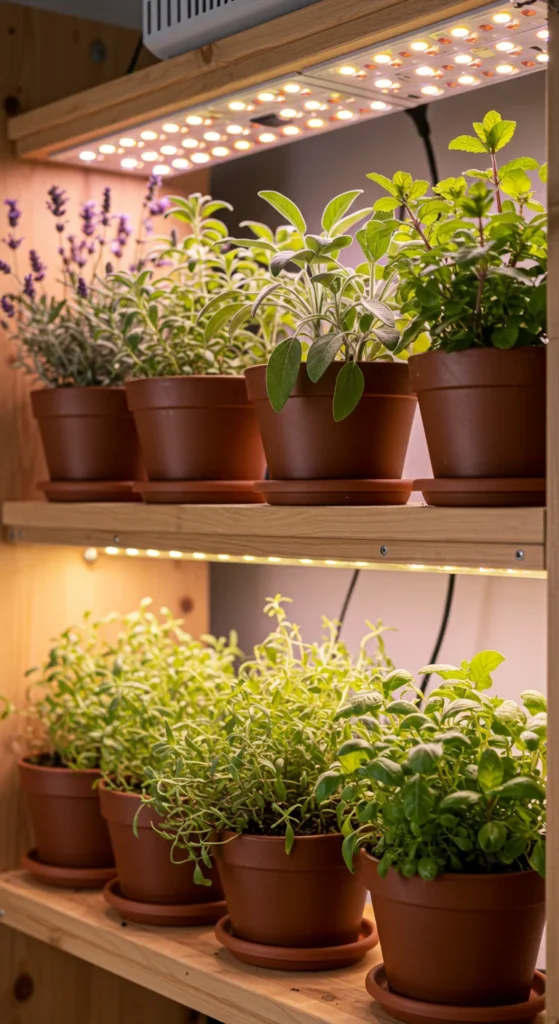
If sunlight is scarce, use grow lights. Herbs like basil, parsley, and cilantro do well under artificial light. Place lights close to plants for 12–14 hours daily. Affordable LED grow lights are widely available and help you keep harvesting even in colder months.
17. Pinch Flowers to Keep Herbs Leafy
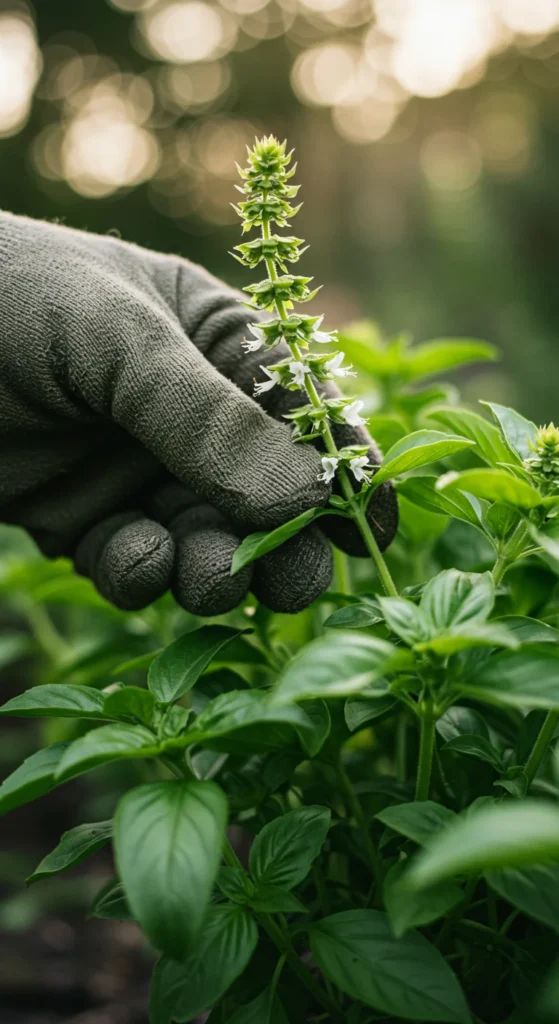
When herbs flower, they put energy into seeds instead of leaves. Pinch off flower buds as soon as they appear. This keeps plants leafy and flavorful. Regular pinching extends the life of herbs like basil, mint, and oregano.
18. Use Mulch to Hold Moisture
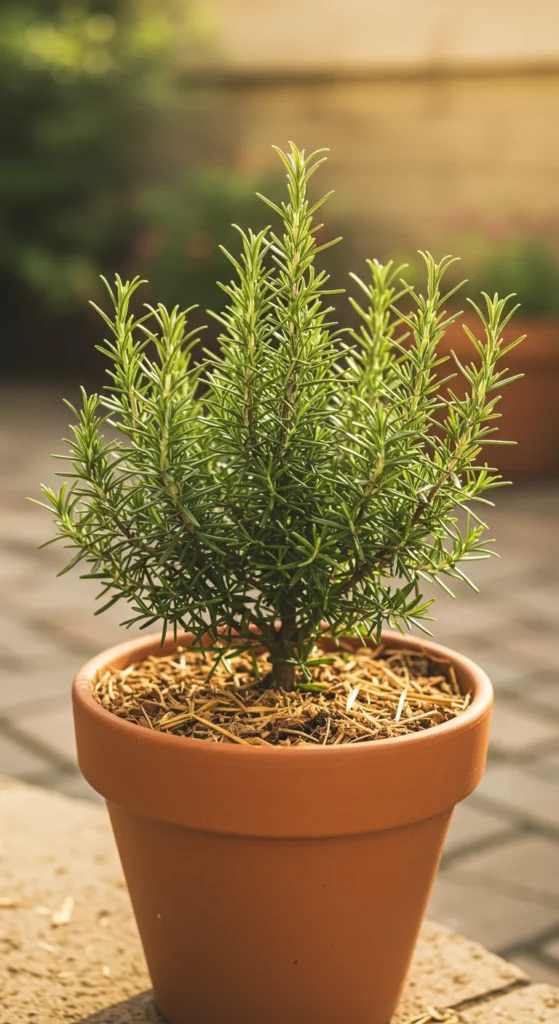
Mulch isn’t just for big gardens. Add a thin layer of straw or shredded leaves to herb pots. It holds moisture, keeps roots cool, and reduces watering needs. Mulching also gives pots a tidy look.
19. Try Hydroponic Herb Kits
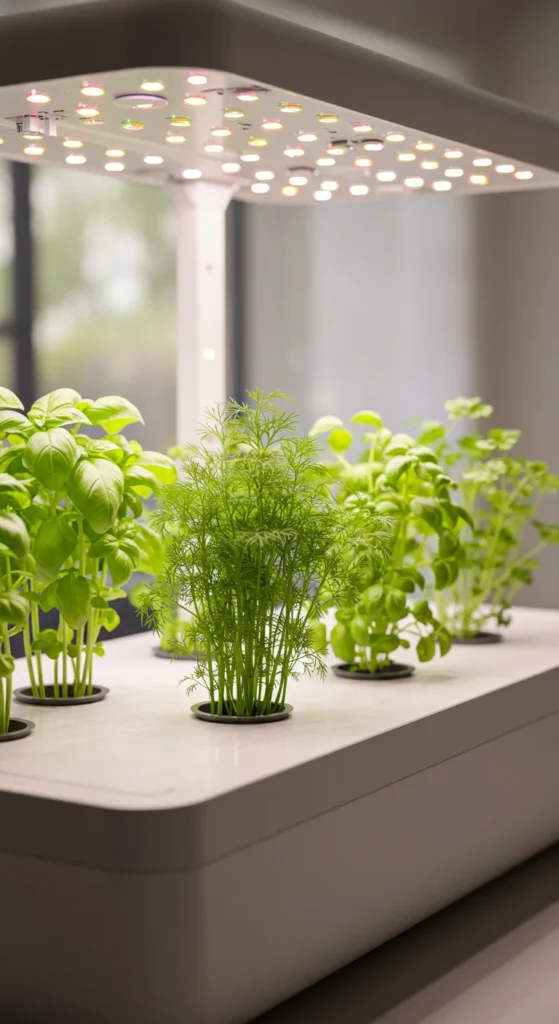
Hydroponic kits let you grow herbs indoors without soil. These kits use water and nutrients to grow plants quickly. They’re perfect for small apartments or kitchens. Many are compact enough to fit on a counter, giving you fresh herbs with minimal effort.
20. Clip Herbs with Sharp Scissors
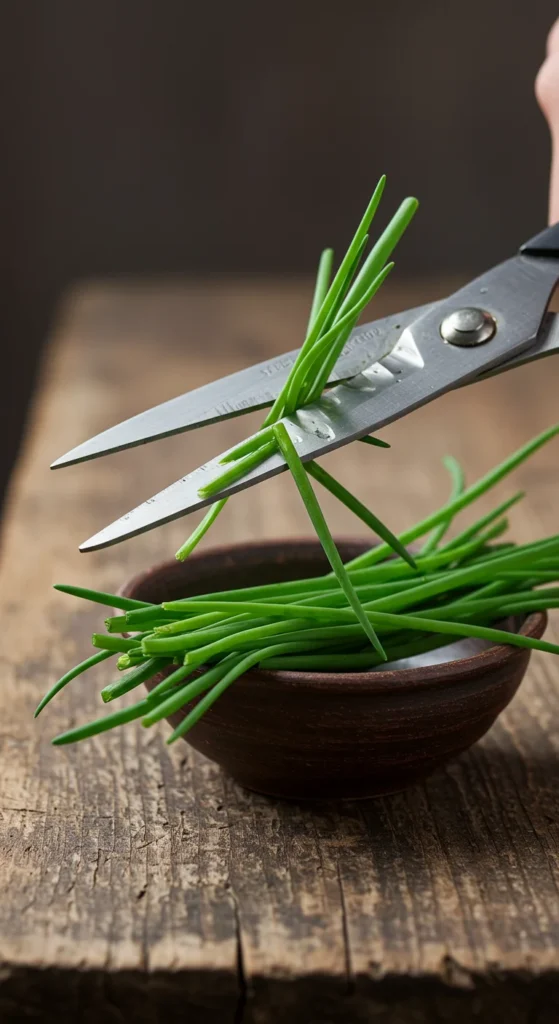
Use clean, sharp scissors when harvesting herbs. This makes neat cuts and reduces stress on plants. Avoid tearing leaves with your fingers. Dedicated scissors or snips make harvesting faster and tidier.
21. Fertilize Sparingly
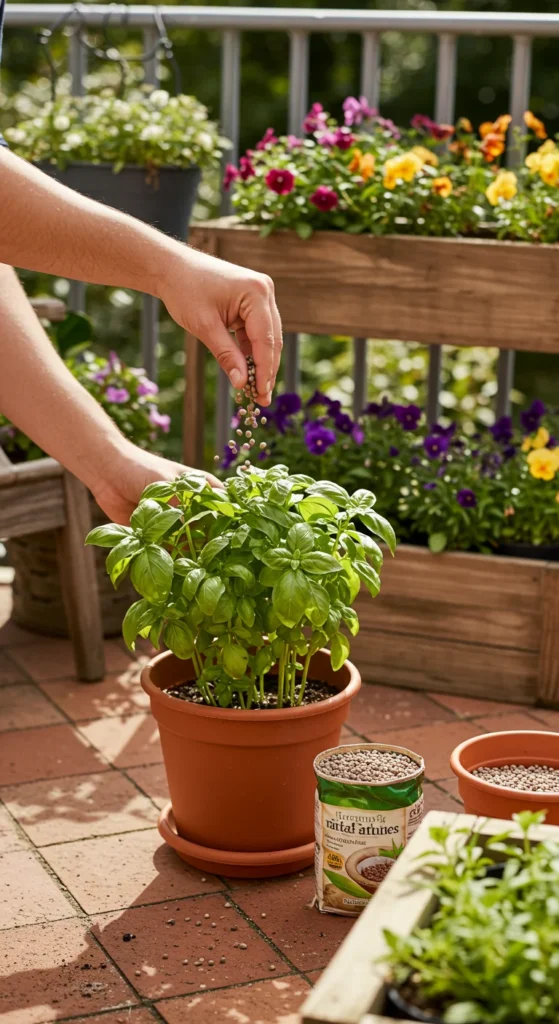
Herbs don’t need heavy feeding. Too much fertilizer makes them leafy but less flavorful. Use a light organic fertilizer every few weeks. For container herbs, liquid fertilizer mixed with water works well.
22. Grow Mint in Its Own Pot
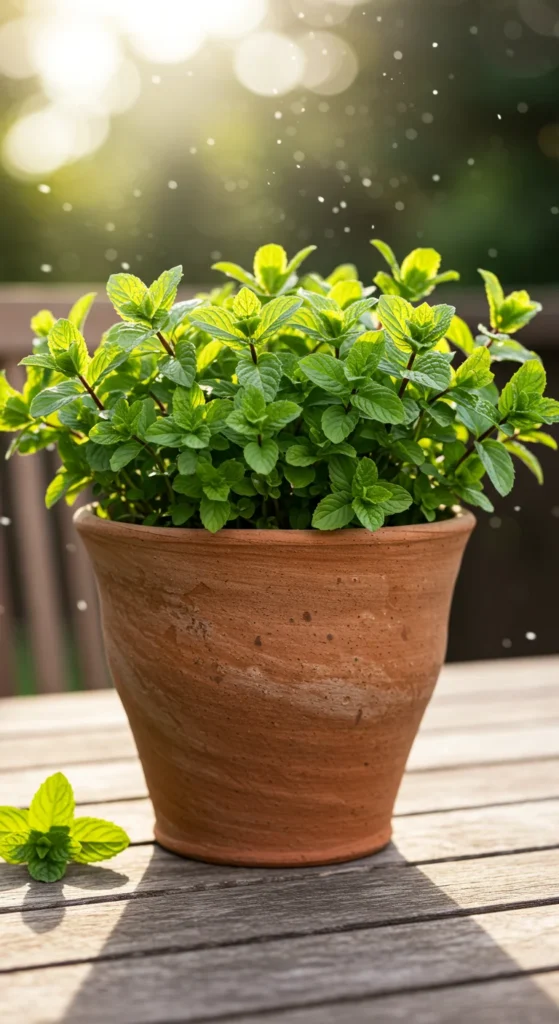
Mint spreads aggressively and can take over other herbs. Plant it in its own container to keep it under control. It thrives in pots and grows quickly with regular watering. Keep a pot of mint near your kitchen for easy access to flavor.
23. Reuse Kitchen Scraps for Fertilizer
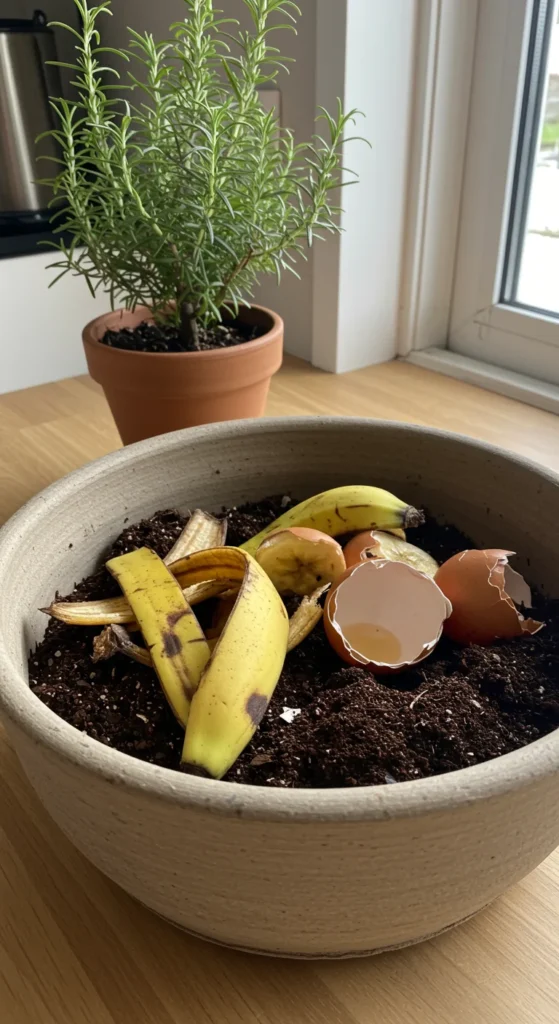
Kitchen scraps make excellent fertilizer. Crushed eggshells provide calcium, banana peels add potassium, and coffee grounds improve soil texture. Sprinkle small amounts directly into pots or mix them into compost. This is an affordable way to enrich your herb garden naturally.
24. Keep Herbs Close to the Kitchen
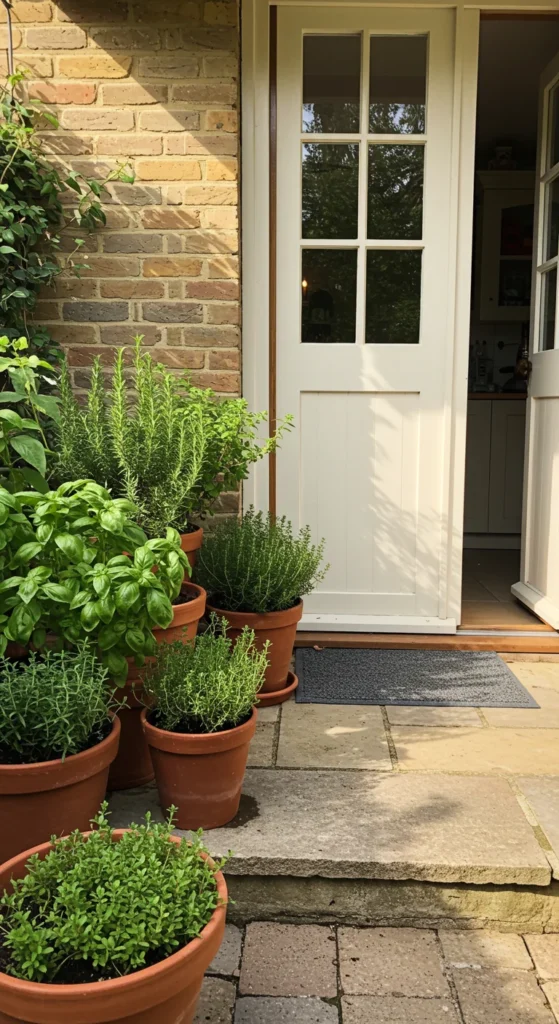
The easier your herbs are to reach, the more you’ll use them. Place them near the kitchen or dining area. Quick access encourages daily use and makes harvesting part of your cooking routine. A small step outside or a grab from the windowsill can add flavor instantly.
Conclusion
Growing herbs is simple, rewarding, and full of flavor. With these 24 tips, you can keep your herb garden thriving year-round, indoors or outdoors. From preserving harvests to smart planting tricks, these ideas make herbs part of your everyday life. Start small today, and enjoy the taste of homegrown flavor in every meal.
Leave a Reply