

There’s nothing quite like the smell of freshly picked herbs — basil’s sweetness, rosemary’s earthy aroma, or mint’s refreshing scent. Harvesting herbs at the right time and in the right way can make all the difference between a healthy, thriving plant and one that struggles to regrow. Whether you’re snipping a few sprigs for dinner or drying a full batch for storage, learning how to harvest without harm is a gardener’s secret to endless flavor and fragrance.
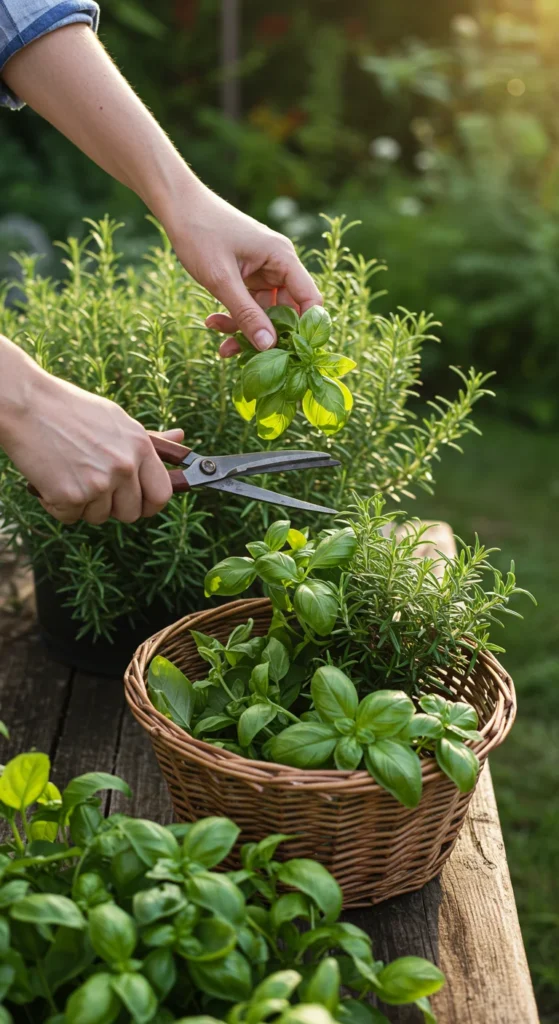
Step 1: Know When to Harvest
Timing is everything when it comes to herbs. The best time to harvest is right before the plant flowers — when its leaves are bursting with essential oils and flavor. Once herbs bloom, they focus on producing seeds, and the leaves can turn bitter or lose potency.
Here’s a quick guide:
- Basil, mint, and parsley: Harvest frequently to encourage bushier growth.
- Thyme, oregano, and sage: Pick right before flowering for maximum aroma.
- Cilantro and dill: Harvest early — they bolt quickly in warm weather.
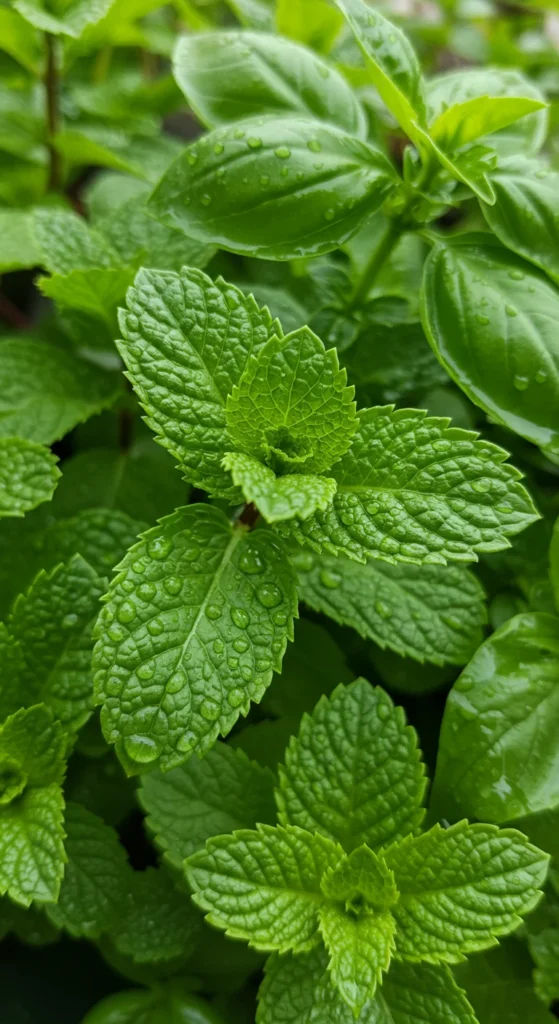
🌿 Pro Tip: Harvest herbs in the morning after the dew dries, but before the sun gets hot. That’s when the oils are most concentrated.
Step 2: Use the Right Tools
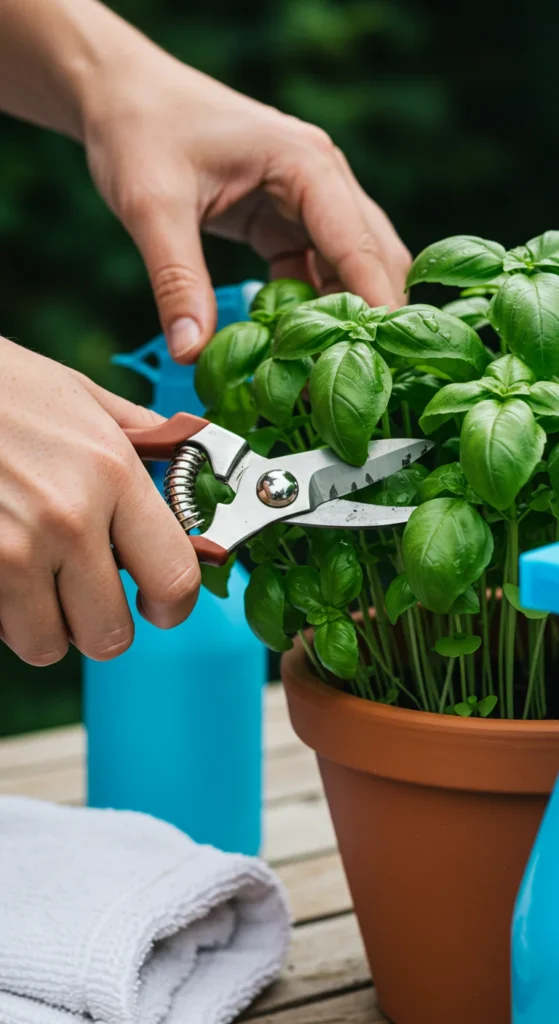
Your hands might be tempted to do the job, but clean, sharp tools make all the difference. Using dull or dirty scissors can tear stems, invite disease, and stunt regrowth.
What you’ll need:
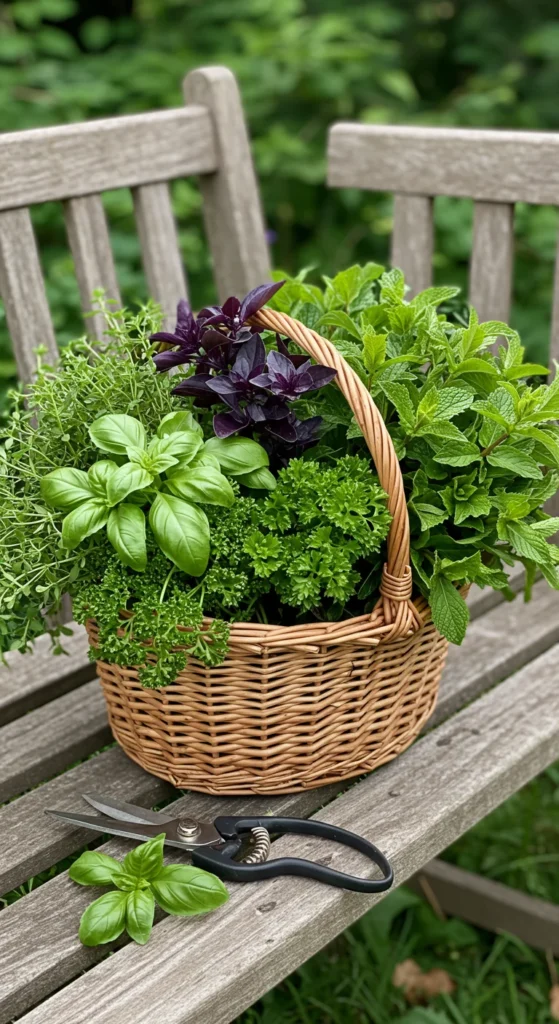
- Sharp herb shears or pruning snips
- Clean harvest basket or bowl
- Gloves for prickly herbs like rosemary or thyme
Before and after each use, wipe blades with rubbing alcohol to prevent spreading any plant diseases.
💡 Bonus Tip: If you’re harvesting tender herbs like basil or cilantro, pinch gently between your thumb and forefinger instead of using large scissors.
Step 3: Cut Correctly to Encourage Regrowth
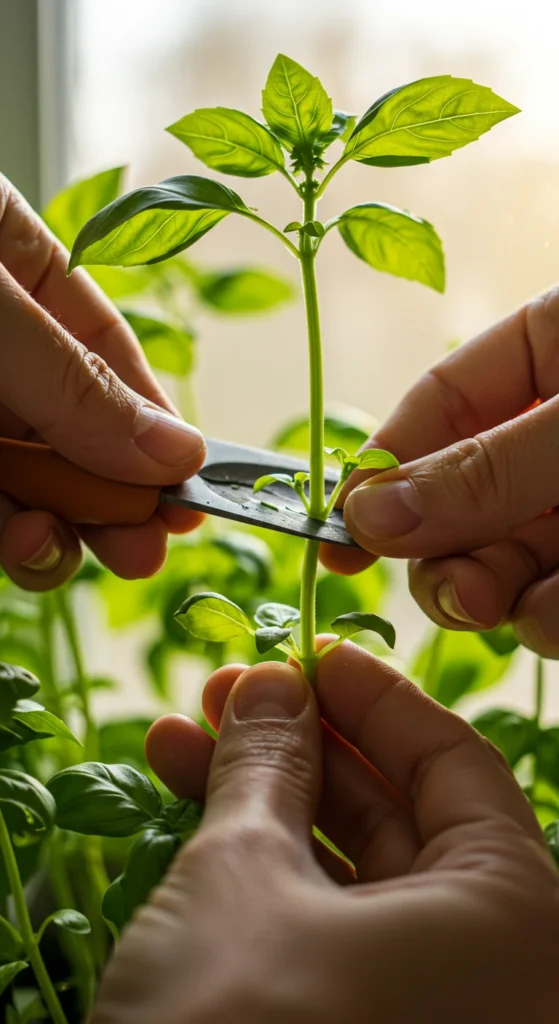
This is where many gardeners go wrong — snipping too much or cutting too low can shock the plant. The key is to harvest strategically so your herbs keep producing all season.
For leafy herbs like basil, mint, and parsley:
- Cut just above a leaf node (where two new leaves or stems branch out).
- Always leave at least one-third of the plant intact to allow recovery.
- Harvest from the top first to encourage bushier side growth.
For woody herbs like rosemary, thyme, and sage:
- Clip only the soft, green growth — avoid cutting into old, woody stems.
- Never remove more than one-third of the plant at a time.
- Focus on shaping gently rather than heavy cutting.
Step 4: Harvest in Small, Regular Batches
Instead of one big cut, take smaller harvests more often. This approach keeps your herbs productive and flavorful:
- Basil & Mint: Harvest every 7–10 days during the growing season.
- Oregano & Thyme: Every 2–3 weeks is ideal.
- Parsley & Cilantro: Snip outer leaves regularly to stimulate new inner growth.
Frequent harvesting actually stimulates growth, turning your herb bed into an endless supply rather than a one-time yield.
🌱 Remember: Overharvesting weakens plants, so always leave enough green growth for photosynthesis.
Step 5: Handle and Store Gently
Once you’ve harvested your herbs, handle them with care to preserve flavor and freshness.
For immediate use:
- Rinse lightly under cool water.
- Pat dry with a towel or spin in a salad spinner.
- Use within a few hours for the brightest flavor.
For short-term storage:
- Place stems in a jar of water like a bouquet and keep in the fridge.
- Cover loosely with a plastic bag to prevent drying out.
For long-term use:
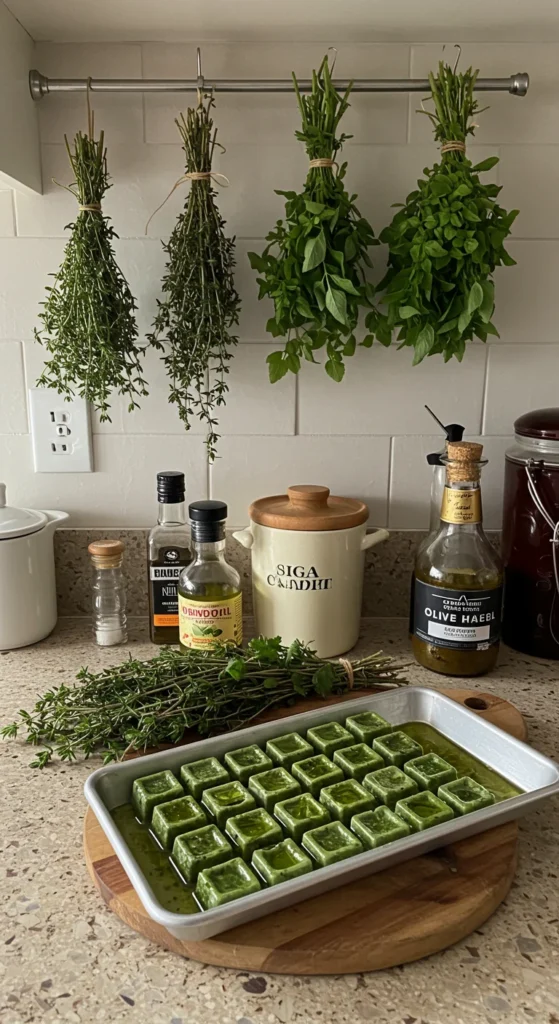
- Hang small bundles upside down in a cool, dark place to dry.
- Or freeze chopped herbs in olive oil cubes for instant cooking flavor.
💧 Pro Tip: Never stuff freshly washed herbs into airtight containers — let them dry completely first to avoid mold.
Step 6: Keep Your Plants Thriving After Harvest
After harvesting, your herbs deserve a little care to bounce back stronger:
- Water lightly if the soil feels dry.
- Feed monthly with compost tea or liquid fertilizer to replenish nutrients.
- Pinch off any flower buds that appear to keep flavor in the leaves.
Regular pruning keeps herbs full and productive, preventing them from getting leggy or woody.
Final Takeaway
Harvesting herbs isn’t just about cutting — it’s about nurturing. When done thoughtfully, your plants reward you with endless fresh sprigs all season long. With sharp tools, gentle hands, and mindful timing, you can enjoy fragrant, flavorful herbs again and again without ever harming the plant. 🌿

Leave a Reply