

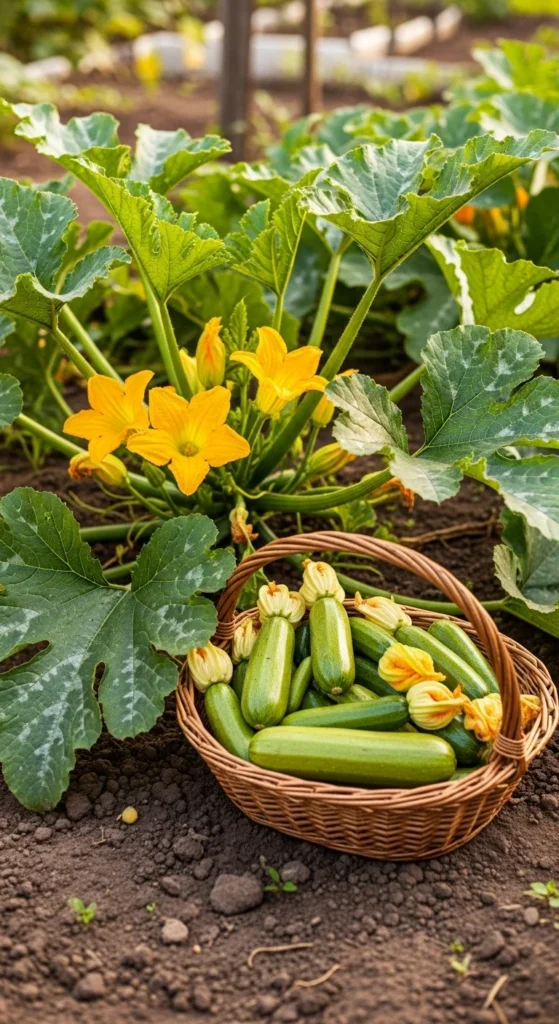
Few vegetables reward gardeners like zucchini. These fast-growing plants can go from blossom to harvest in just a few days — and when cared for properly, they’ll keep producing all summer long. Whether you’re growing in raised beds, containers, or a small backyard patch, you can enjoy a steady supply of tender, flavorful zucchinis with just a little know-how.
Here’s how to grow zucchini that keeps producing, week after week.
Start with the Right Variety
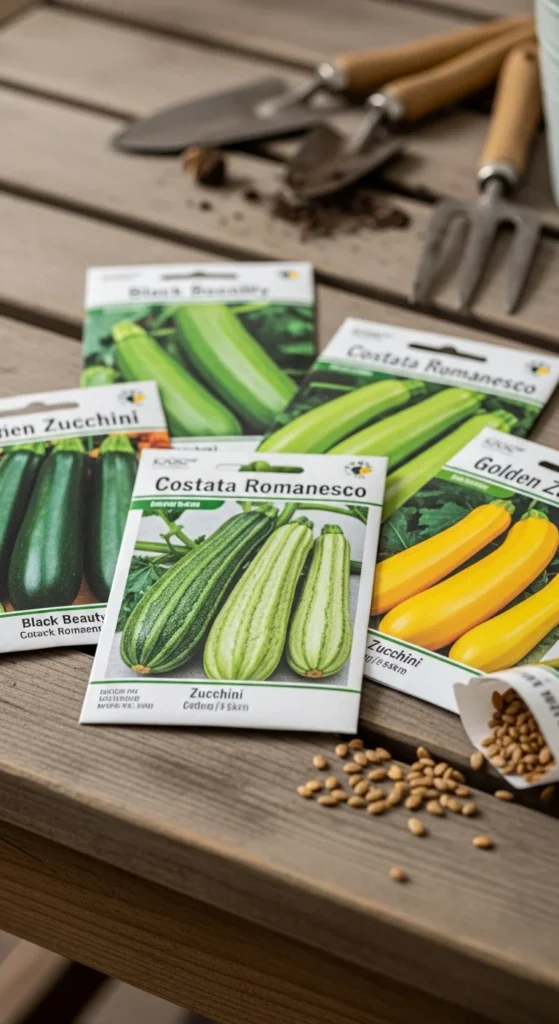
Choosing the right type of zucchini makes all the difference in how long and how well your plants produce. Some varieties are bred for heavy yields, while others are prized for unique color or flavor.
Productive favorites:
- Black Beauty: A classic, dependable producer with deep green skin.
- Costata Romanesco: Ribbed Italian variety with rich, nutty flavor.
- Golden Zucchini: Bright yellow fruits that stand out among the leaves.
- Bush Baby: Compact plants ideal for small spaces or containers.
If you have room, grow two or three varieties — it encourages pollination and extends your harvest season.
Give Them the Right Growing Conditions
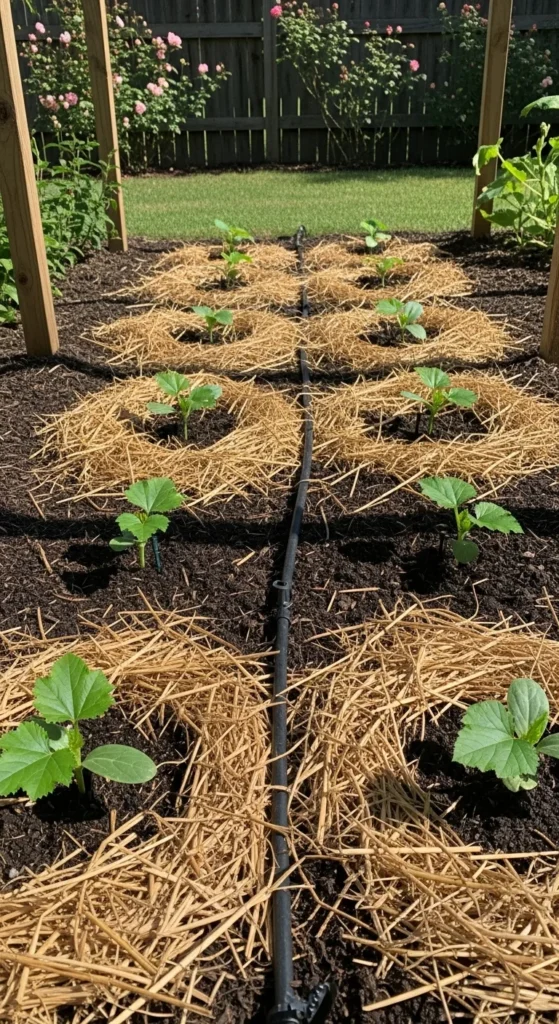
Zucchini love warmth and sunshine. Wait until all danger of frost has passed before planting outdoors. The soil should be at least 60°F (15°C) and well-draining.
Growing tips:
- Choose a spot with 6–8 hours of sunlight daily.
- Mix compost or aged manure into the soil for nutrients.
- Keep the soil slightly acidic (pH 6.0–6.8).
- Add mulch around plants to retain moisture and suppress weeds.
Zucchini are heavy feeders. A balanced organic fertilizer every few weeks keeps plants vigorous and productive.
Space and Airflow Matter
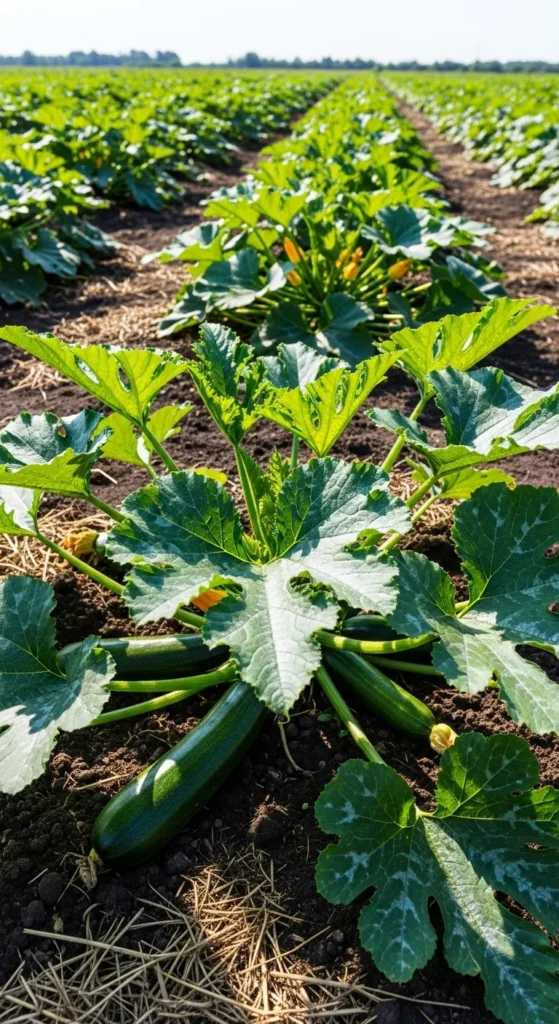
Crowded zucchini plants often struggle with powdery mildew and reduced yields. Each plant needs space to spread its broad leaves and allow good air circulation.
Spacing guide:
- In-ground gardens: Space plants 3–4 feet apart.
- Containers: One plant per 20-inch-wide pot.
- Raised beds: Stagger plants diagonally for airflow.
Prune lower or yellowing leaves as the plants mature. This keeps airflow strong and directs the plant’s energy toward fruit production.
Keep the Flowers Pollinated
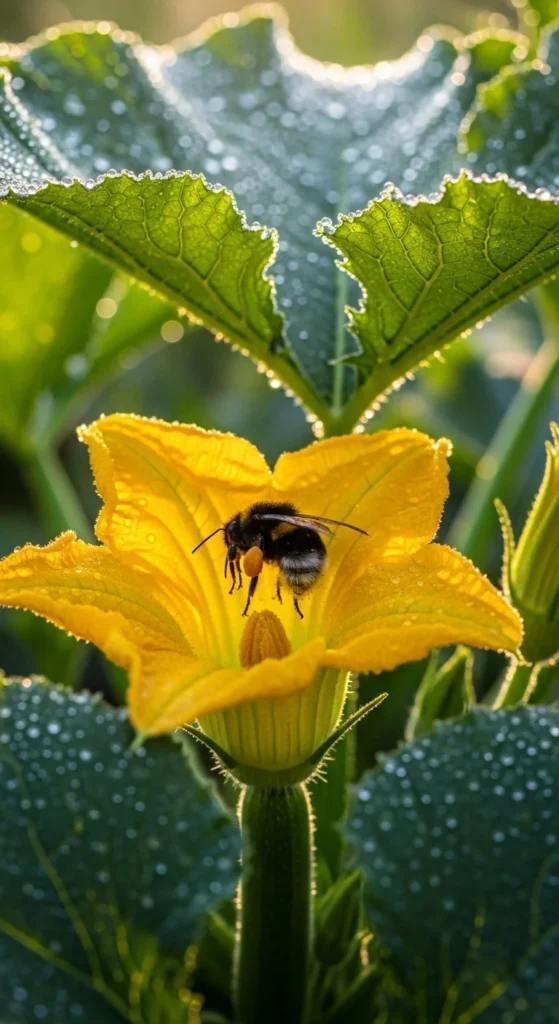
Each zucchini plant produces both male and female flowers, and pollination is key for continuous fruiting. Bees usually handle this job, but if your garden lacks pollinators, you can lend a hand.
How to hand-pollinate:
- Identify a male flower (long stem, no tiny fruit at base) and a female flower (short stem, small bulb-shaped fruit behind the bloom).
- Use a small brush or gently pick a male flower and rub its center inside the female blossom.
- Do this early in the morning when flowers are open.
Encourage more pollinators by planting bee-friendly flowers like marigolds, lavender, or basil nearby.
Water Deeply and Consistently
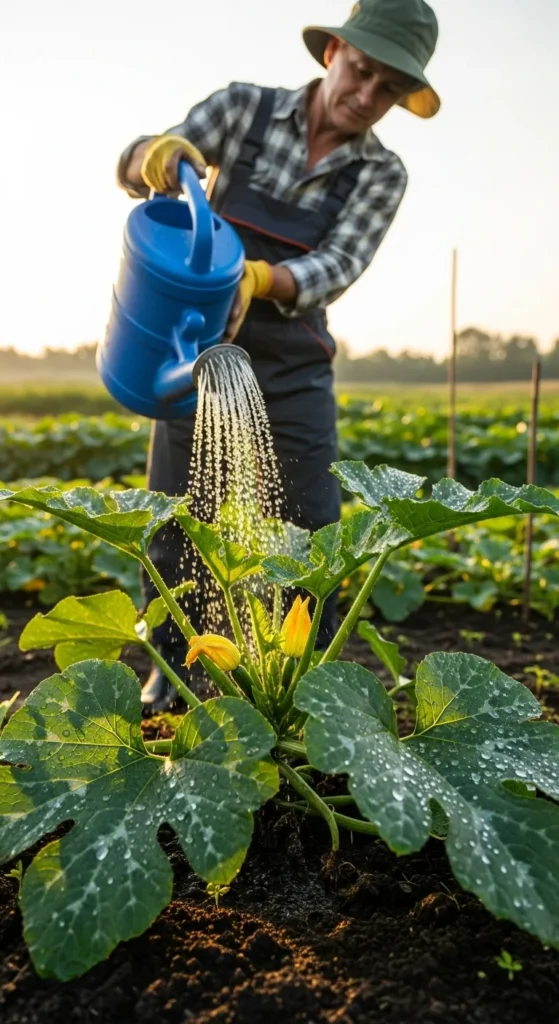
Zucchini plants thrive on consistent moisture, especially during flowering and fruiting. Uneven watering can cause the fruit to grow misshapen or bitter.
Watering tips:
- Water 1–2 inches per week, depending on rainfall.
- Always water at the base of the plant, not the leaves.
- Morning watering helps prevent mildew and disease.
- Mulch with straw or compost to keep roots cool and damp.
Skip the overhead sprinkler — wet leaves invite fungal problems.
Harvest Regularly to Keep Plants Productive
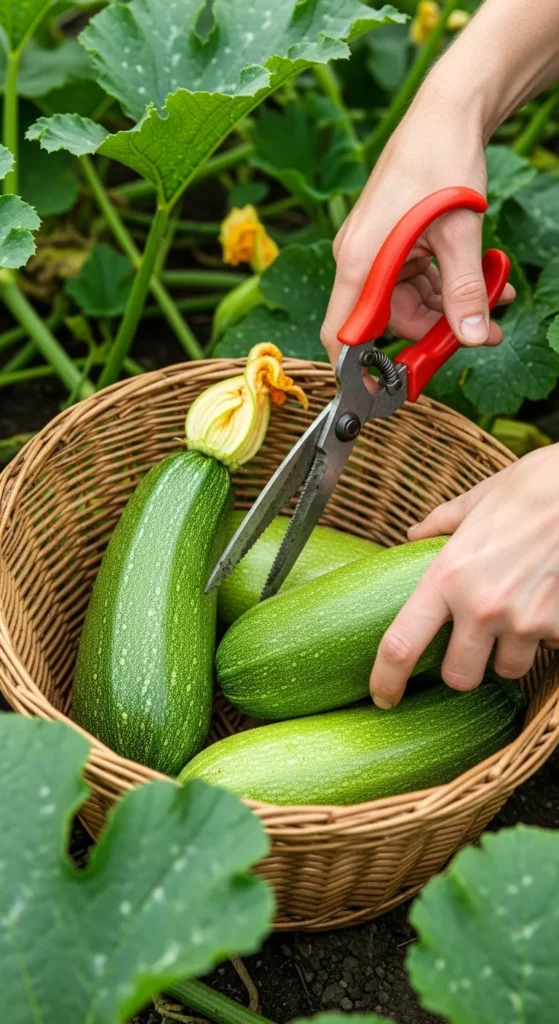
The secret to long-lasting production? Don’t let zucchinis get too big! When you harvest regularly, the plant keeps producing new fruit.
Harvesting tips:
- Pick zucchinis when they’re 6–8 inches long for best texture and flavor.
- Use garden shears or twist gently to avoid damaging the stem.
- Check your plants daily — zucchinis grow fast!
If fruits are left to overgrow, the plant may think its job is done and slow down on producing new ones.
Manage Pests and Disease Early
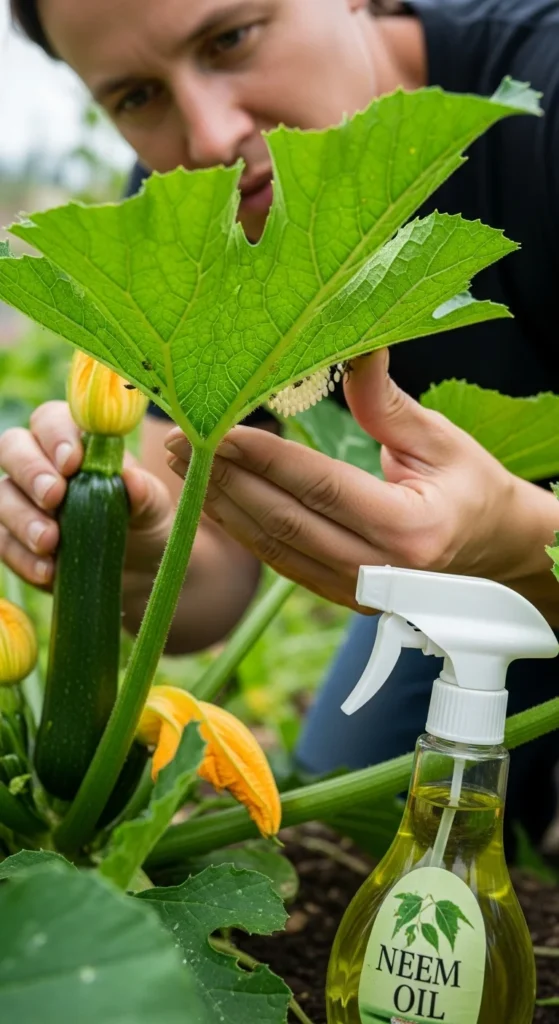
Even the healthiest zucchini can fall victim to pests like squash bugs, vine borers, or aphids. Early action keeps your plants alive and productive longer.
Natural defenses:
- Inspect leaves daily for eggs or pests.
- Remove any infested leaves.
- Use neem oil or insecticidal soap for mild infestations.
- Encourage beneficial insects like ladybugs and lacewings.
To prevent disease, avoid watering leaves, rotate crops yearly, and remove debris at season’s end.
Extend the Harvest Season
When temperatures start to drop, you can still keep your zucchinis going with a few simple tricks:
- Use row covers to protect from cool nights.
- Pinch off new flowers late in the season to help existing fruits mature.
- Grow succession crops by starting new plants every few weeks through mid-summer.
This staggered approach ensures fresh zucchinis keep coming, even when older plants slow down.
Conclusion
Zucchini are the garden’s overachievers — fast, generous, and easy to grow when given the right care. With consistent watering, plenty of sunlight, and regular harvesting, you’ll enjoy a steady stream of tender, tasty fruits from early summer through fall.

Leave a Reply