

Few flowers bring as much elegance and fragrance to a garden as roses. With their lush petals and timeless charm, roses are a gardener’s dream. But here’s the best part—you don’t have to settle for a few weeks of blooms. With the right care, roses can reward you with color and fragrance from spring through fall.

Let’s explore step-by-step how to grow roses that keep blooming all season long.
Choose the Right Rose Varieties
Not all roses are created equal. If you want blooms throughout the season, pick repeat-blooming varieties.
- Floribunda Roses: Produce clusters of flowers with consistent color.
- Hybrid Teas: Classic long-stemmed roses, perfect for cutting.
- Shrub Roses: Low-maintenance and hardy, with multiple bloom cycles.
- Climbing Roses: Great for trellises and fences, adding vertical beauty.
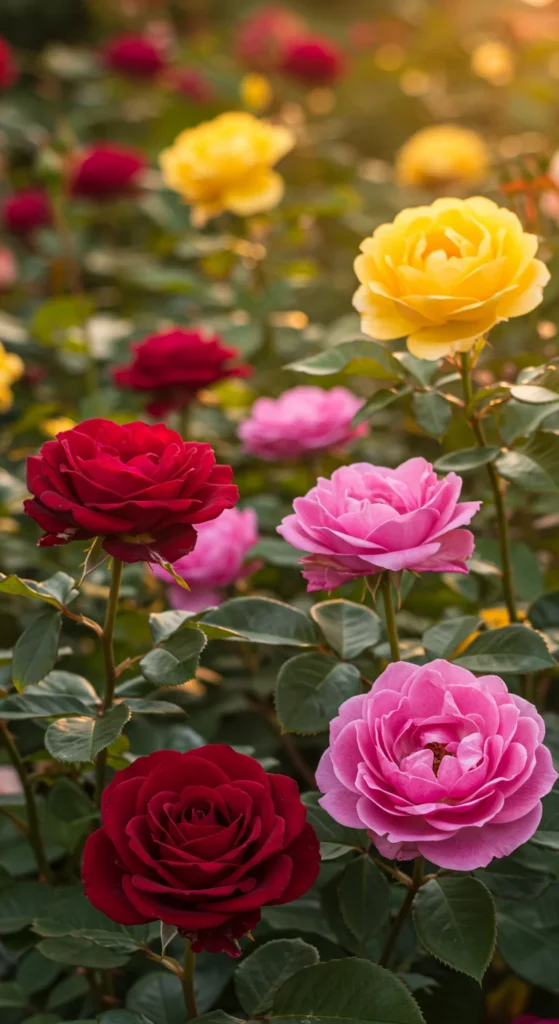
Visit a local nursery and ask about varieties suited to your climate. Choosing well at the start makes blooming much easier later.
Give Roses Plenty of Sun
Roses love sunshine. Aim for 6–8 hours of direct sunlight daily. Morning light is especially valuable since it dries dew from the leaves and reduces disease.
If you only have partial sun, choose varieties bred for shade tolerance. But remember, the more sun they get, the more blooms they’ll produce.
Place roses where they won’t be crowded by trees or tall shrubs. Good airflow is just as important as sunlight for healthy growth.
Prepare the Soil Richly
Roses thrive in fertile, well-draining soil. Before planting, enrich the ground with compost or aged manure.
- Soil pH between 6.0 and 6.5 is best.
- Mix in organic matter to improve drainage.
- Raised beds work beautifully for roses if your ground soil is heavy clay.
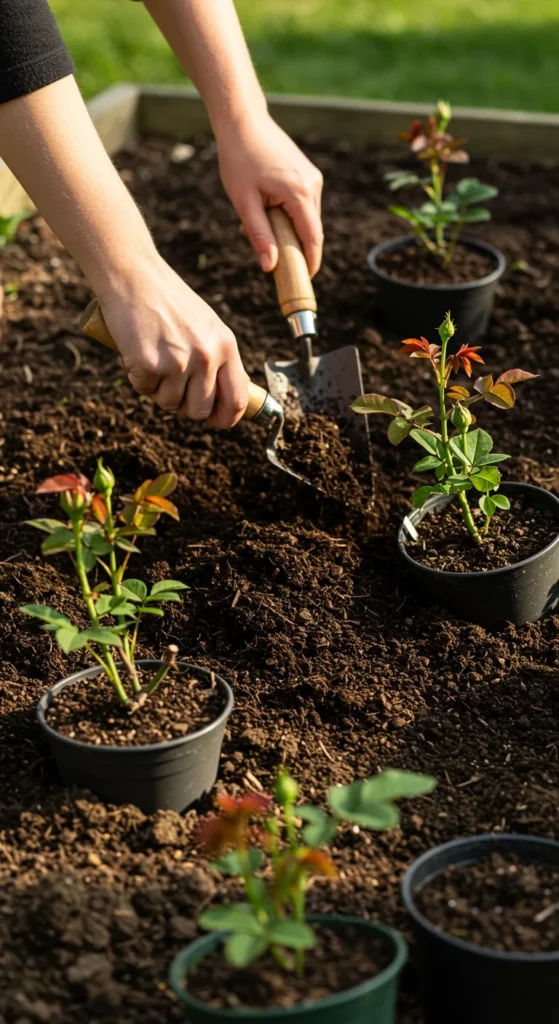
Healthy soil is the foundation for consistent blooms, so invest a little effort here—it pays off all season.
Water Roses the Smart Way
Roses prefer deep watering at the base rather than light sprinkling on the leaves. Wet foliage encourages disease.
- Water 2–3 times per week in summer.
- Use a soaker hose or drip irrigation for steady moisture.
- Mulch around the base to keep soil cool and reduce evaporation.
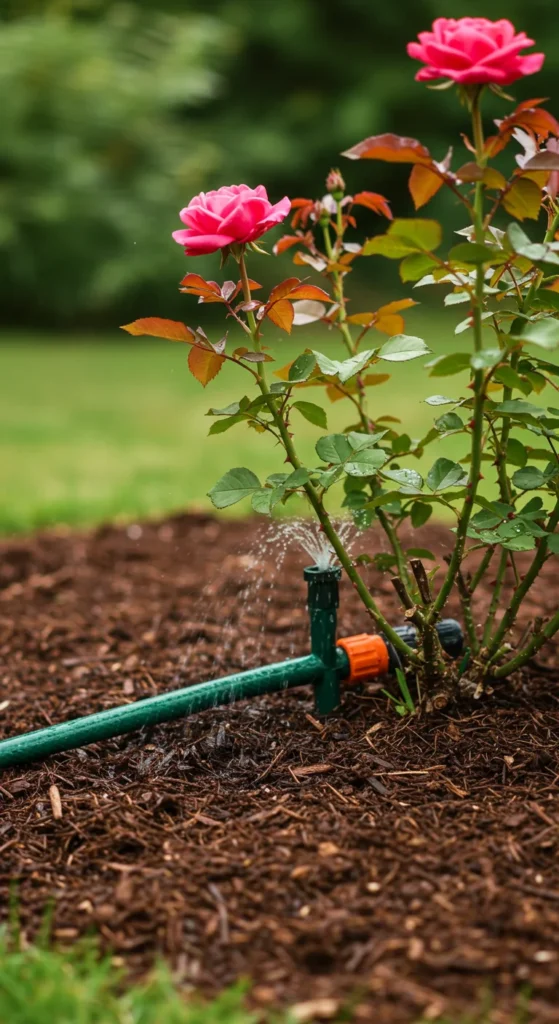
Consistency is key. Fluctuations between drought and flooding stress plants and reduce flower production.
Feed Regularly for More Blooms
Roses are heavy feeders. To encourage nonstop flowers, fertilize every 4–6 weeks during the growing season.
- Use a balanced rose fertilizer or organic options like fish emulsion and compost tea.
- Add Epsom salts once or twice in summer for magnesium, which promotes strong growth.
- Stop fertilizing about 6 weeks before frost to allow plants to rest.
Feeding roses consistently is like giving them fuel—they’ll thank you with waves of blooms.
Prune and Deadhead Often
Pruning and deadheading make a big difference in how long your roses bloom.
- Pruning: In early spring, trim dead or weak canes to encourage new growth.
- Deadheading: Cut off faded blooms just above a set of healthy leaves. This encourages the plant to redirect energy into producing more flowers.
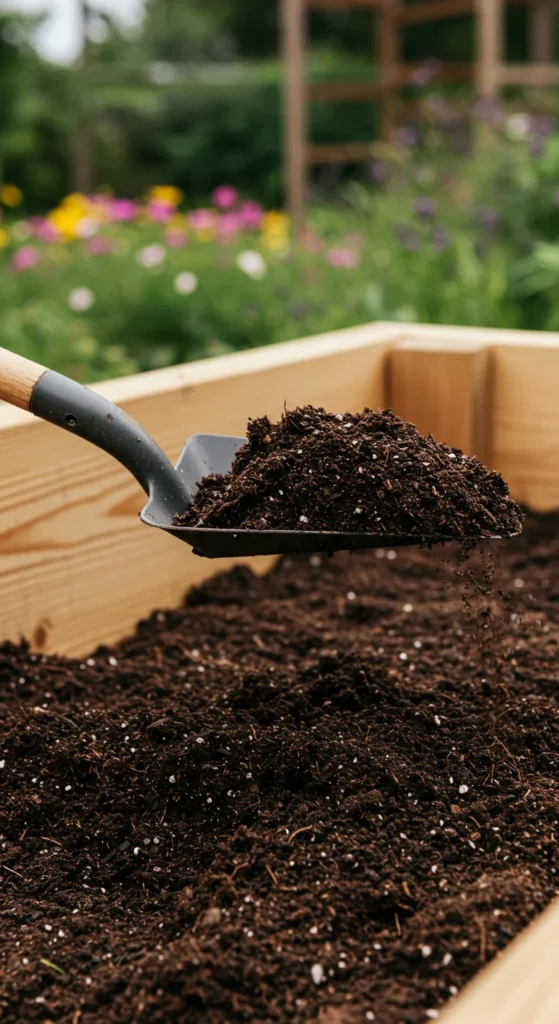
Don’t be afraid to prune throughout the season—it keeps plants tidy and blooming.
Protect from Pests and Disease Naturally
Roses can attract aphids, beetles, and fungal problems. But you don’t need harsh chemicals.
- Spray leaves with a simple mix of water and a few drops of dish soap for aphids.
- Use neem oil for fungal issues like black spot and powdery mildew.
- Encourage ladybugs and lacewings to patrol your garden—they love feasting on pests.
Good spacing and airflow also help prevent disease naturally.
Winter Care for Continuous Success
To enjoy roses year after year, give them proper winter care.
- Mound soil or mulch around the base to protect roots.
- For colder zones, cover bushes with burlap or protective cones.
- Prune lightly in late fall to remove weak stems.
Taking care of your roses through winter means they’ll wake up strong in spring, ready for another season of blooms.
Final Takeaway
Roses may seem fussy, but with the right choices and steady care, they can bloom beautifully all season long. Choose repeat-blooming varieties, give them sunshine, water wisely, feed often, and prune regularly. In return, your garden will overflow with color, fragrance, and charm.

Leave a Reply