

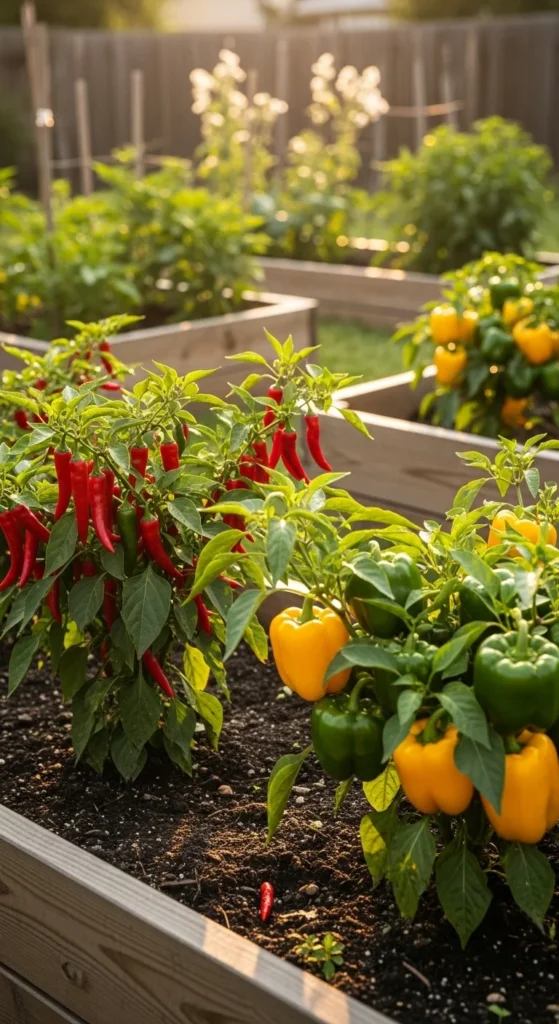
There’s something magical about harvesting peppers right from your backyard or balcony — whether you love the fiery kick of chilies or the gentle crunch of sweet bell peppers. Growing peppers at home isn’t just satisfying; it’s easy, rewarding, and full of flavor. With the right care and setup, you can enjoy a steady supply of these colorful garden stars from spring through late summer.
Choose Your Pepper Type
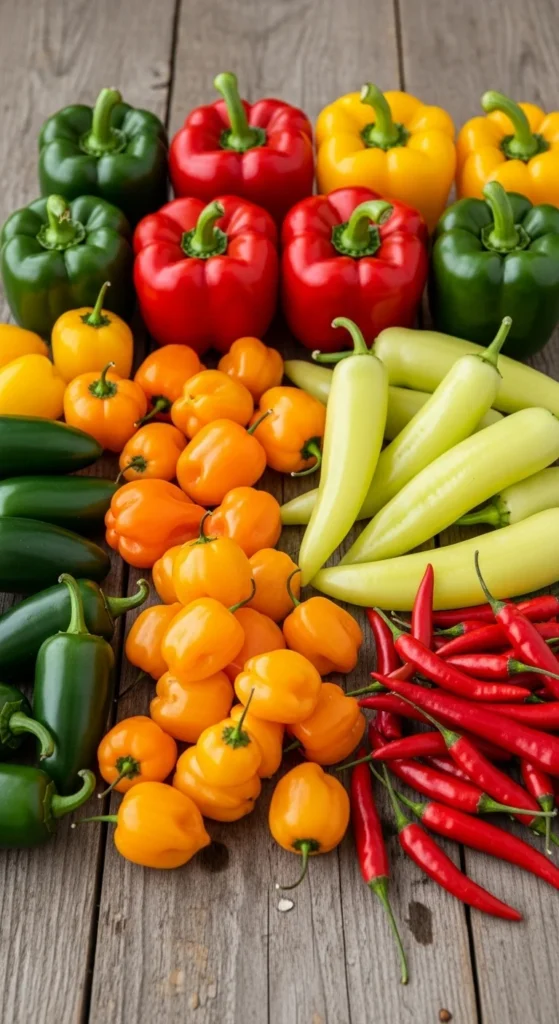
Start by deciding whether you’re after spicy or sweet peppers. Both grow under similar conditions, but each type offers a different vibe to your meals and garden.
- Sweet Peppers: Bell, banana, and pimento varieties thrive in full sun and have thick, juicy walls. They’re perfect for salads, grilling, or stuffing.
- Spicy Peppers: Jalapeños, cayennes, Thai chilies, and habaneros bring the heat. These tend to produce smaller fruits but pack more flavor per inch.
If space allows, grow a mix. You’ll enjoy color variety and different levels of spice throughout the season.
Start with Healthy Seeds or Seedlings
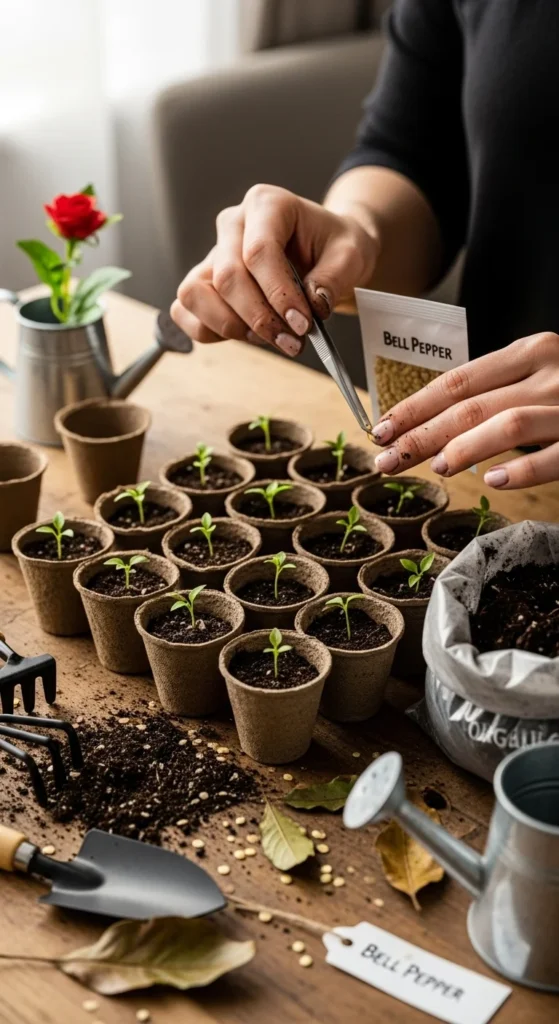
You can start peppers from seeds indoors or buy young plants from a nursery. If you’re growing from seed, start about 8–10 weeks before your last frost date. Peppers love warmth, so use:
- A seed tray or small pots
- A heat mat to maintain soil temperature around 80°F (27°C)
- A grow light for 14–16 hours daily if indoors
Once seedlings have two sets of true leaves, transplant them into larger containers or outdoor beds after the danger of frost has passed.
Pick the Perfect Growing Spot
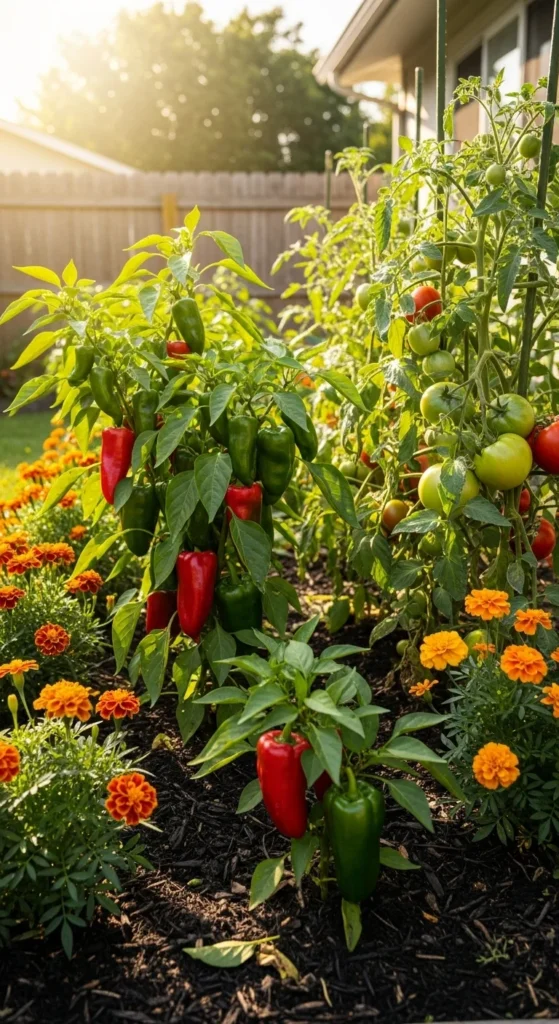
Peppers thrive in warmth and sunlight. Choose a spot that gets at least six to eight hours of direct light each day. The soil should be well-draining and rich in organic matter.
- Add compost or aged manure before planting.
- Maintain soil pH between 6.0 and 7.0.
- Space plants 18–24 inches apart for airflow and growth.
If you’re growing in containers, use pots at least 12 inches wide and filled with high-quality potting mix.
Water and Feed Consistently
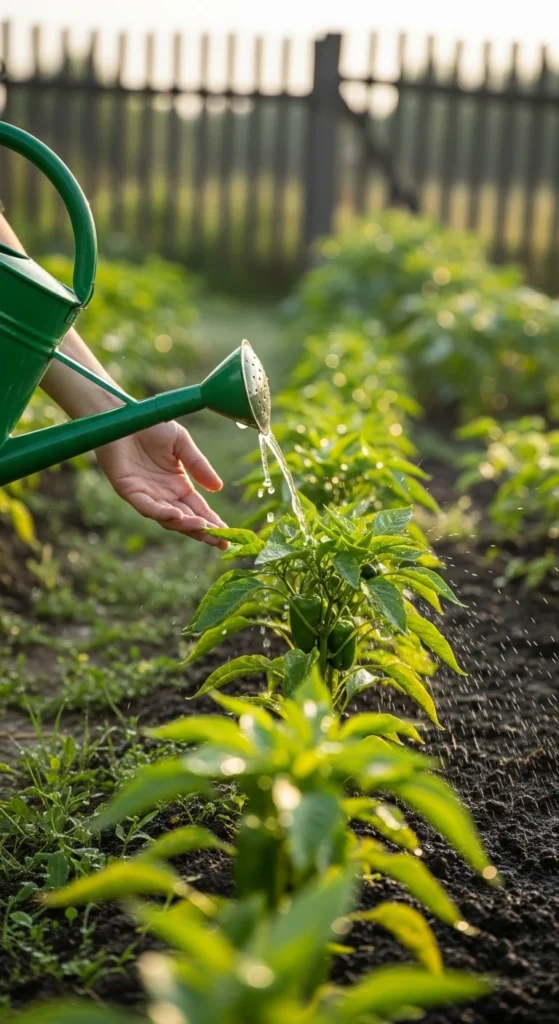
Peppers dislike inconsistent watering — too little makes them drop flowers; too much causes root rot. Aim for:
- Deep watering once or twice a week, keeping soil evenly moist.
- Mulching around the base to retain moisture and prevent weeds.
- Feeding every 2–3 weeks with a balanced liquid fertilizer or a low-nitrogen mix once flowering starts.
Avoid over-fertilizing, as it promotes leaf growth instead of fruit production.
Support and Prune Your Plants
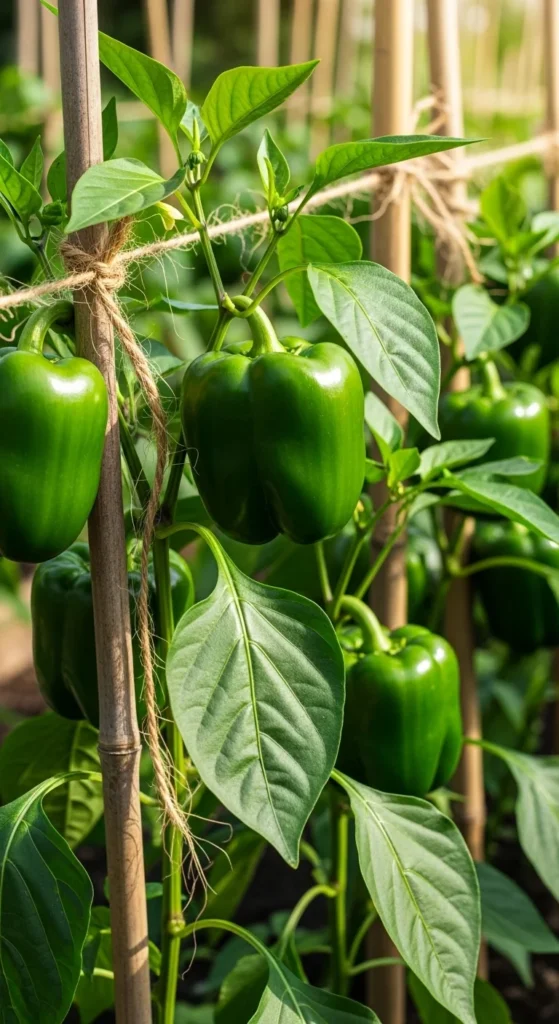
As your plants grow taller, use stakes or small cages to support them. Heavy fruit can bend or break stems, especially in windy conditions.
Light pruning helps peppers focus energy on fruiting. Trim off lower leaves touching the soil and any crowded inner growth to increase airflow and sunlight penetration.
Harvest at the Right Time
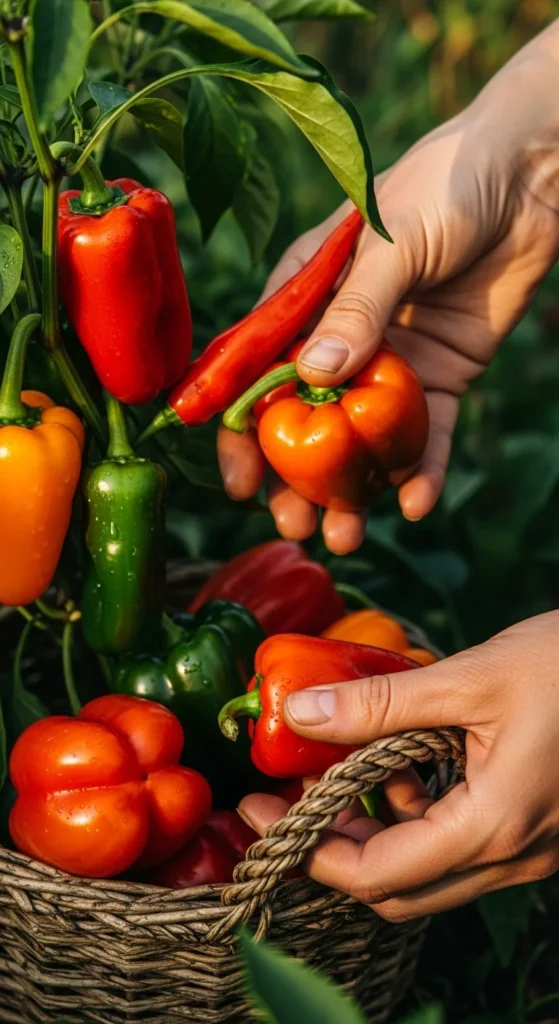
Peppers can be harvested green for a milder taste or left to ripen on the plant for deeper flavor and color. Sweet varieties turn red, yellow, or orange, while spicy ones deepen in heat as they mature.
- Use garden scissors to cut the stem cleanly — pulling can damage the plant.
- Regular harvesting encourages new fruit to form.
Dry extra hot peppers by stringing them up or freezing chopped pieces for future use.
Troubleshooting Common Problems
Even healthy plants may face minor issues. Here’s how to handle them:
- Yellow Leaves: Often from overwatering or nutrient imbalance. Adjust watering and add compost.
- Blossom End Rot: Caused by calcium deficiency or uneven moisture. Maintain consistent watering.
- Pests: Aphids or whiteflies can be rinsed off or treated with neem oil.
Keep an eye out for stressed leaves or stunted growth — small adjustments early on save the harvest later.
Conclusion
Growing peppers at home is equal parts art and patience. Once you find the right rhythm of sunlight, warmth, and care, these plants reward you with flavor-packed harvests that brighten your table — from mild bell peppers to fiery chilies.
Grab some seeds, prep your soil, and start your pepper patch this season. Your garden — and your taste buds — will thank you. 🌶️🌿
Leave a Reply