

There’s nothing quite like the charm of sweet peas climbing gracefully along a garden fence or trellis. Their pastel blooms, delicate tendrils, and soft perfume turn any backyard into a storybook scene. And while they look fancy, these flowers are surprisingly easy to grow with a bit of care and support.
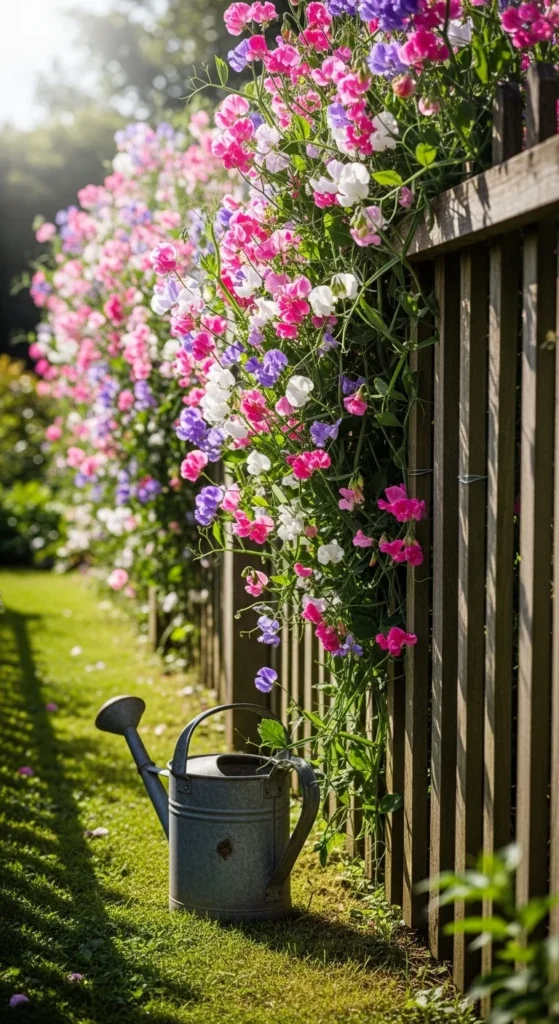
If you love color, fragrance, and old-fashioned garden beauty, sweet peas deserve a spot in your yard. Here’s how to plant, train, and enjoy these enchanting climbers like a pro.
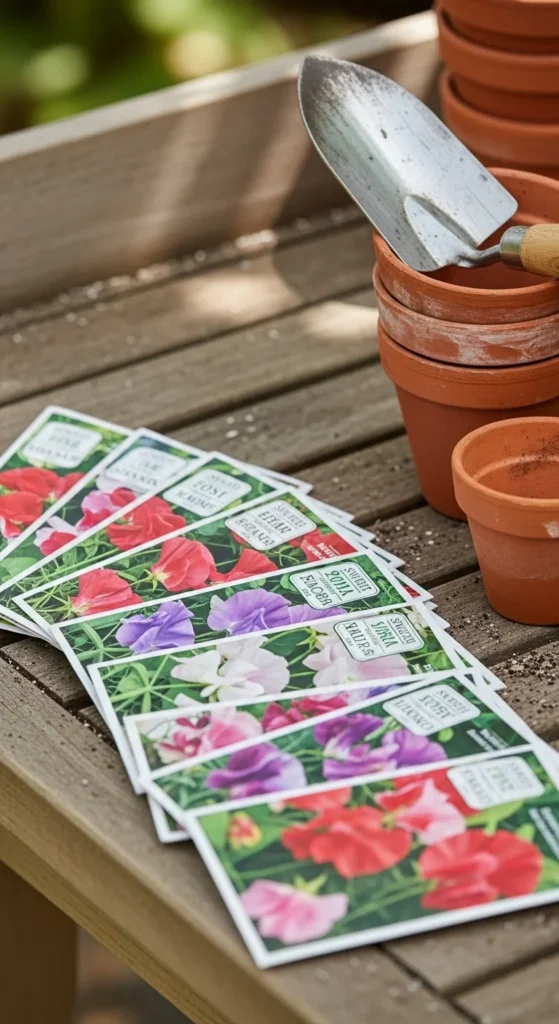
Choose the Right Sweet Pea Variety
Not all sweet peas are created equal — some are short and bushy, while others are vigorous climbers perfect for fences and trellises.
Best climbing varieties:
- ‘Spencer Mix’ – Large ruffled flowers in romantic pastel shades.
- ‘Cupani’s Original’ – Deep purple and magenta, one of the oldest heirlooms.
- ‘Mammoth’ Series – Tall growers that produce long stems ideal for cutting.
- ‘Old Spice Mix’ – Heat-tolerant and heavily scented.
For strong vertical growth, choose vining types labeled as climbing sweet peas. Dwarf varieties won’t cover your fence the same way but are great for pots and borders.
Prepare the Perfect Planting Spot
Sweet peas love cool weather, rich soil, and sunshine. The best planting spot gets at least 6 hours of direct sunlight and has well-draining soil.
Before planting:
- Mix compost or aged manure into the soil for nutrients.
- Work in a little bone meal or organic fertilizer to encourage strong roots.
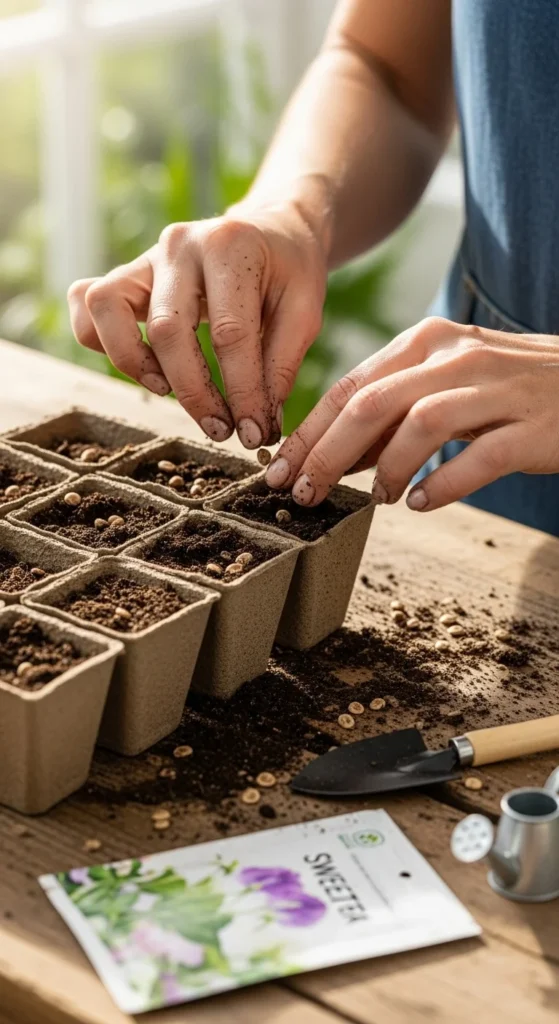
- Soak seeds in water overnight to help them germinate faster.
Sweet peas can be started from seed indoors 6–8 weeks before the last frost or sown directly outside once the soil warms up.
Give Them Something to Climb
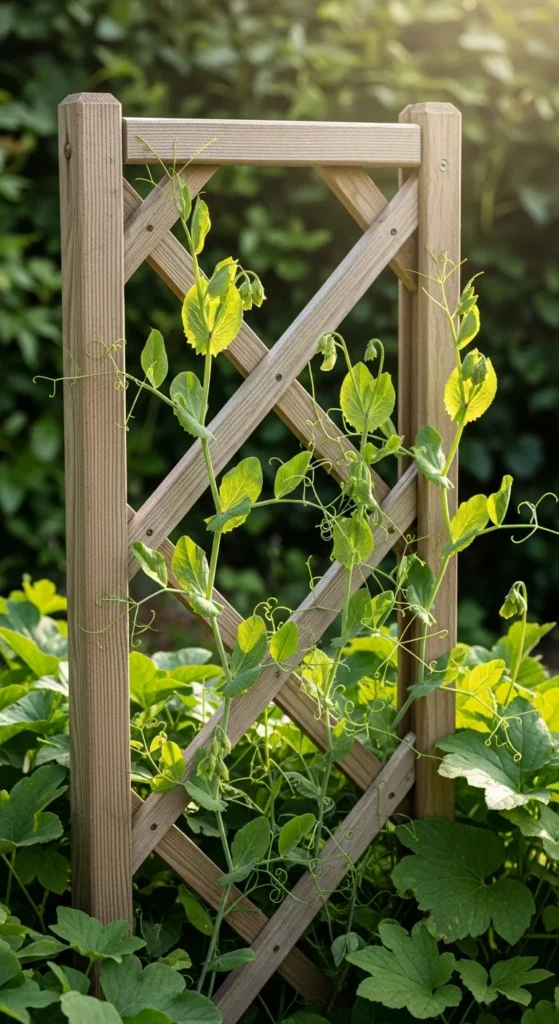
Sweet peas are natural climbers — their curling tendrils need something to grab onto. Without support, they’ll sprawl across the ground instead of reaching for the sky.
Best support ideas:
- Wire garden fences – Great for large plantings along borders.
- Wooden trellises – Perfect for small gardens or patio walls.
- String teepees – A fun DIY project for kids and compact spaces.
- Arches or obelisks – Add vertical drama and vintage charm.
Install your structure before planting to avoid damaging roots later. As the vines grow, gently guide the tendrils onto the support until they take hold naturally.
Water, Feed, and Pinch for Better Blooms
Once your sweet peas are in the ground, consistent care makes all the difference between average and jaw-dropping results.
Watering:
- Keep soil evenly moist — don’t let it dry out completely.
- Water at the base to avoid wetting leaves, which can cause mildew.
Feeding:
- Apply a balanced, all-purpose fertilizer every few weeks during the growing season.
- Once flowering starts, switch to a low-nitrogen fertilizer to encourage more blooms and fewer leaves.
Pinching:
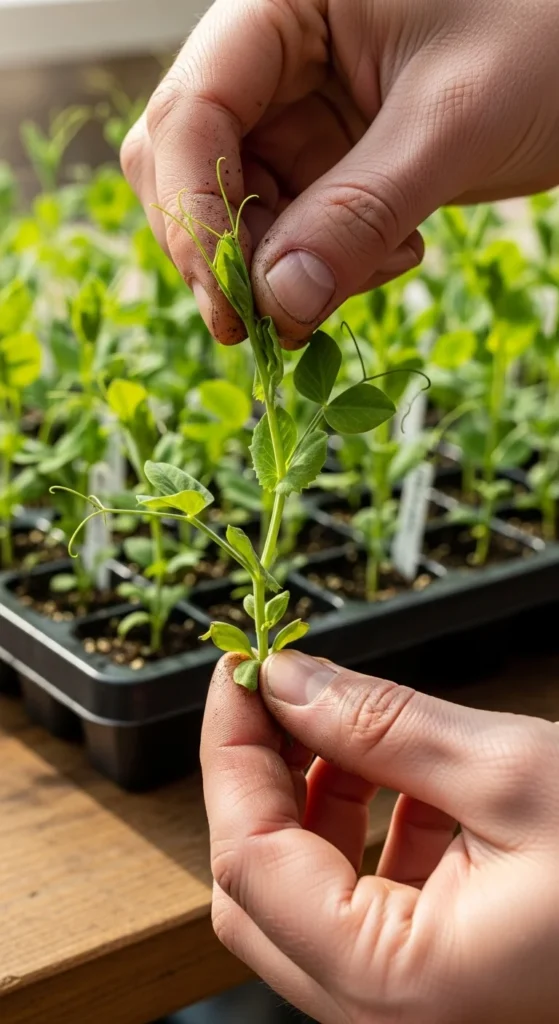
- When seedlings reach about 6 inches tall, pinch off the top set of leaves.
- This encourages bushier growth and more stems for flowers.
Pruning and Deadheading for Continuous Blooms
Sweet peas are generous bloomers if you keep up with regular deadheading — removing spent flowers before they form seed pods. Once seeds form, the plant thinks its job is done and stops producing new blooms.
Tips for extended flowering:
- Cut blooms frequently for indoor bouquets (sweet peas last up to 5 days in water).
- Snip off any faded flowers you missed.
- Trim back straggly stems to keep vines tidy and full.
With consistent picking, you can enjoy months of blooms from spring into midsummer.
Watch for Common Problems
Even hardy flowers like sweet peas can run into a few snags. Keep an eye out for:
- Powdery mildew: White patches on leaves — prevent with good air circulation.
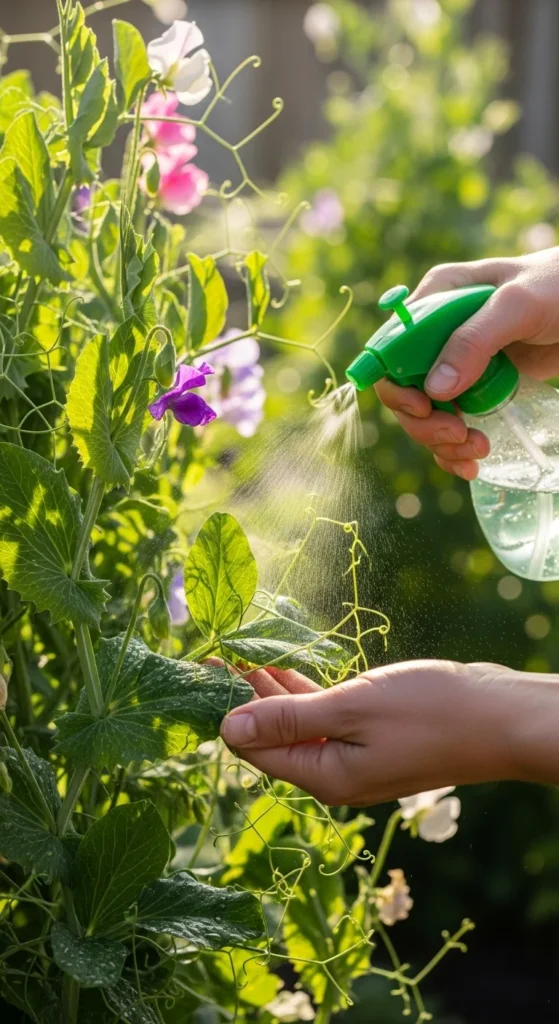
- Aphids: Tiny green insects — wash off with a spray of soapy water.
- Slugs and snails: Protect young seedlings with copper tape or organic slug bait.
Healthy soil and plenty of sunshine will help your plants resist most pests naturally.
Enjoy the Fragrance and Beauty
Once your fence or trellis is covered in blooms, step back and enjoy the show. Sweet peas add color, fragrance, and a romantic cottage-garden feel to any space.
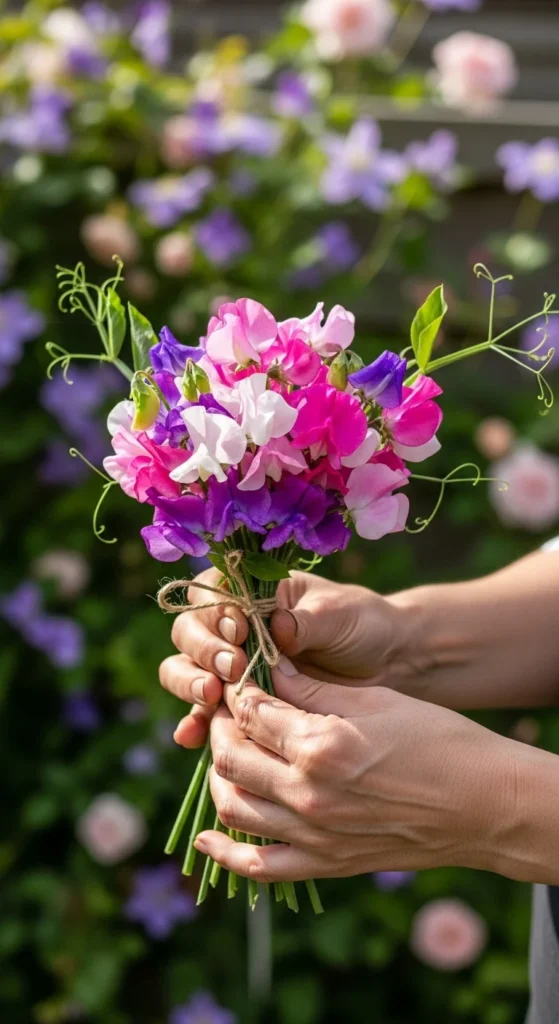
Cut a few stems for the house — their scent will fill a room with a soft, sweet aroma. Or simply enjoy watching bees and butterflies visit your garden each morning.
If you let a few pods mature at the end of the season, you can collect seeds for next year’s crop — a beautiful cycle that keeps on giving.
The Takeaway
Growing sweet peas on fences and trellises isn’t just gardening — it’s art in motion. With the right variety, good soil, and sturdy support, you’ll have a vertical garden bursting with scent and color in just a few months.
Leave a Reply