

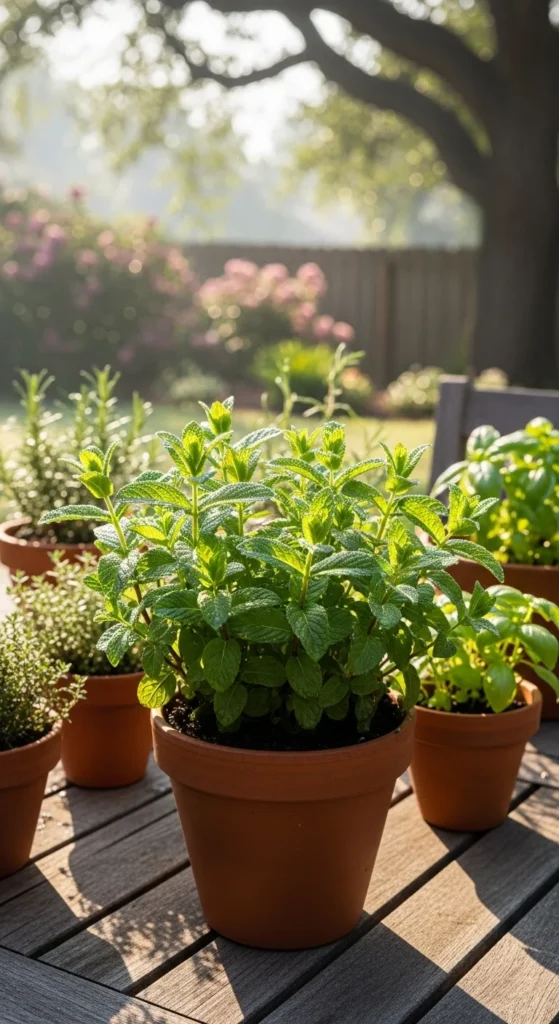
Mint is one of those herbs every gardener loves — until it takes over. Its refreshing scent, fast growth, and culinary versatility make it irresistible, but without boundaries, mint can quickly spread like a green wildfire. The good news? You can absolutely grow mint successfully without letting it invade your entire garden.
Here’s a simple, practical guide to growing mint smartly — full flavor, no chaos.
Choose the Right Mint Variety
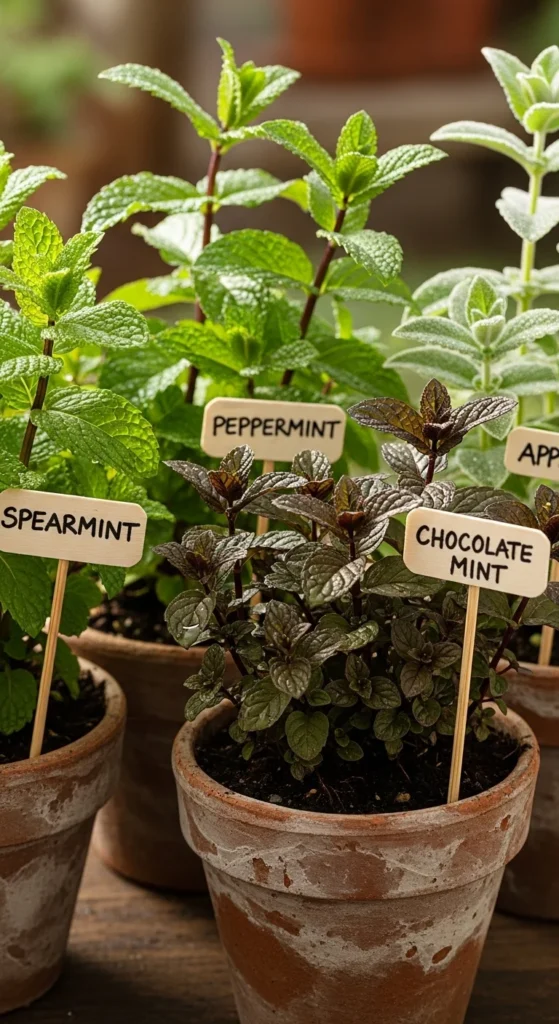
Before you plant, decide which mint you want. There are dozens of varieties, and each has a unique scent and use.
Popular choices:
- Spearmint: Classic choice for teas and cocktails.
- Peppermint: Stronger, sharper flavor — great for desserts.
- Chocolate Mint: Subtle cocoa aroma; perfect for sweet recipes.
- Apple Mint: Mild and fruity; great for salads.
Whichever type you choose, remember: mint spreads by underground runners, so the control method matters more than the variety.
Grow Mint in Containers — Even in the Ground
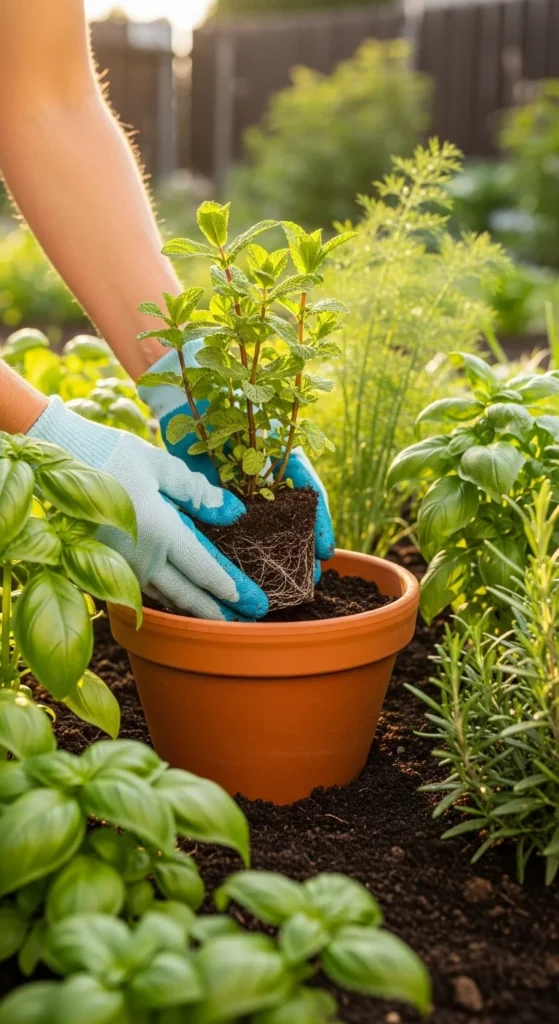
The easiest way to stop mint from taking over is to plant it in a container — even if you want it in your garden bed.
How to do it:
- Choose a pot at least 10–12 inches wide.
- Fill it with quality potting mix.
- Plant your mint and sink the pot into the ground, leaving about 2 inches of the rim above soil level.
This simple trick keeps the roots contained while still letting your mint thrive.
Prefer to keep it above ground? That works too! Just make sure your pot has good drainage and gets plenty of sun.
Give It the Right Growing Conditions
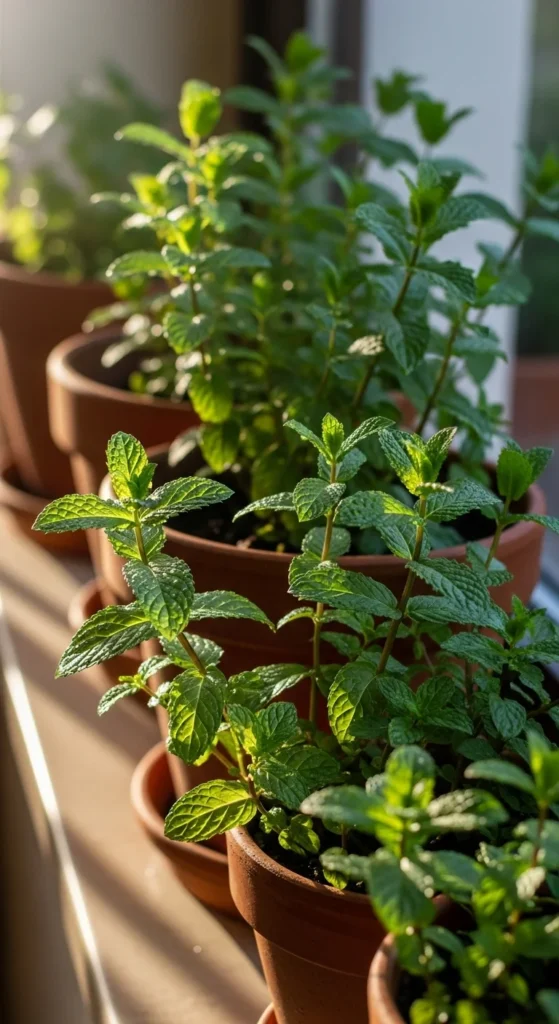
Mint is low-maintenance but thrives best with a little care.
Growing conditions:
- Light: Full sun to partial shade (about 4–6 hours daily).
- Soil: Rich, well-draining soil with organic matter.
- Water: Keep soil consistently moist, but never soggy.
- Temperature: Mint prefers mild weather — too much heat can stress it.
To keep the plant looking full, pinch off the growing tips regularly. This encourages bushier growth instead of long, leggy stems.
Prune Regularly to Control Growth
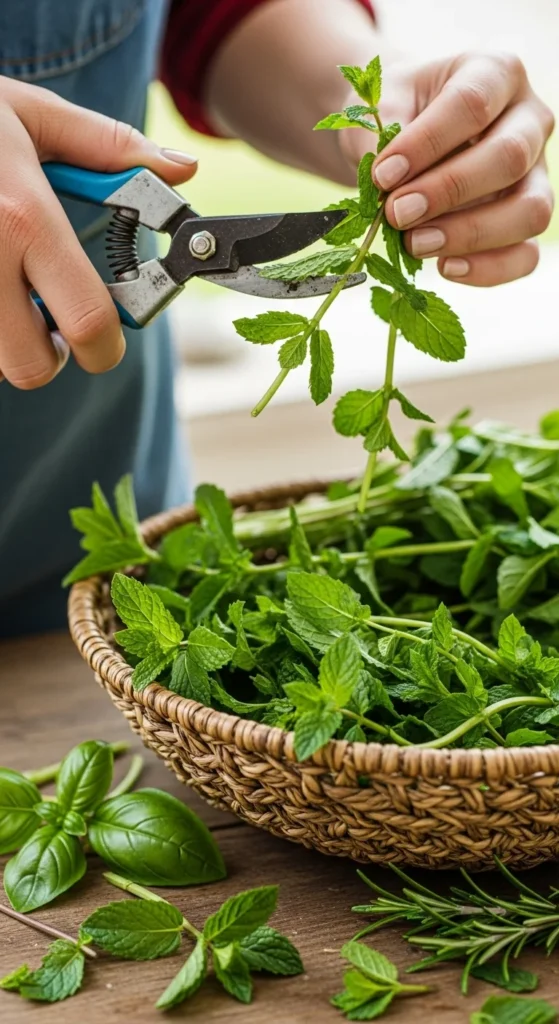
Mint grows fast — sometimes too fast. Regular pruning is the secret to keeping it contained and healthy.
How to prune:
- Every 2–3 weeks, cut stems back to 3–4 inches tall.
- Always leave some leaves for regrowth.
- Remove any flower buds as soon as they appear — flowering reduces leaf flavor.
- Use the trimmings for tea, drying, or freezing so nothing goes to waste.
By trimming often, you stop the plant from sending out runners and taking over neighboring soil.
Divide Every Few Years
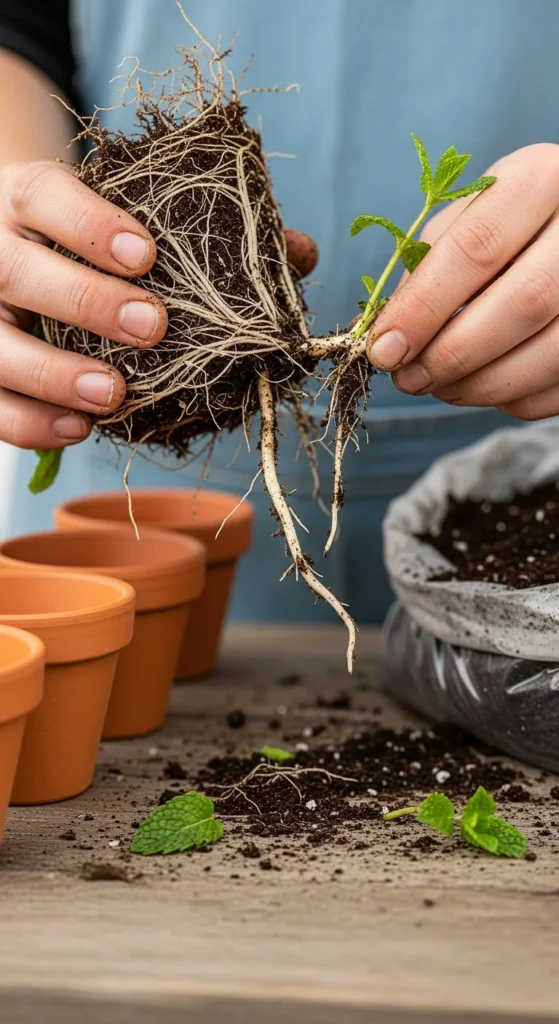
Even with containers, mint can get root-bound over time. Every 2–3 years, divide your plant to refresh growth and keep it manageable.
Easy steps:
- Gently remove the plant from the pot.
- Cut the root ball into 2–3 sections with a sharp knife.
- Replant one section and give the rest away (your friends will thank you).
This keeps the plant healthy and prevents overcrowding, which can lead to weak, woody stems.
Control Mint in the Garden (If You’re Planting Directly)
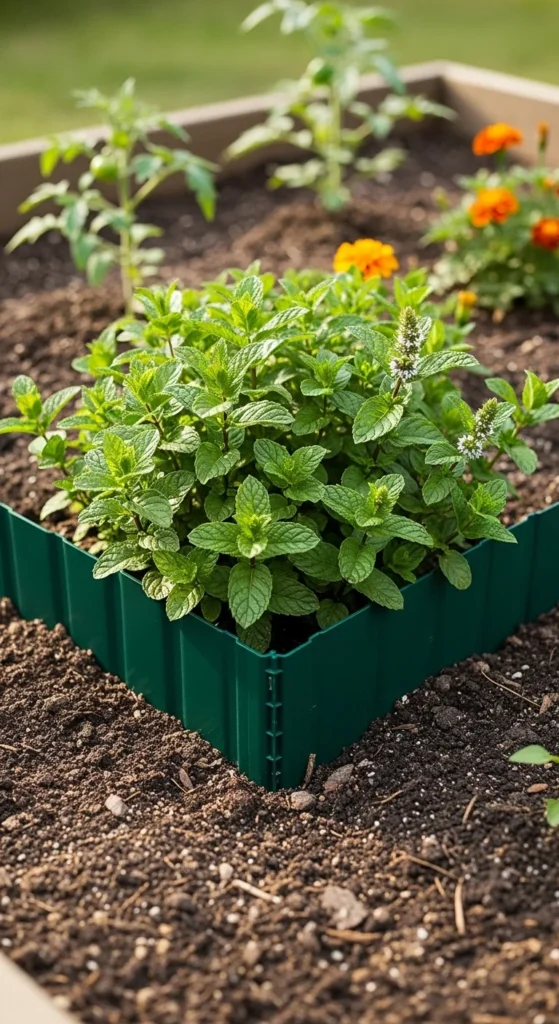
If you prefer to plant mint directly in the ground, it can still be done — just build barriers to contain it.
Ground control tips:
- Sink plastic edging or metal barriers at least 12 inches deep around the plant.
- Check every few months for escaping runners and cut them off.
- Keep your mint patch in a separate area away from other herbs.
It takes a little upkeep, but this lets you enjoy mint in your landscape without it creeping into your tomatoes and basil.
Harvest Often for Flavor and Control
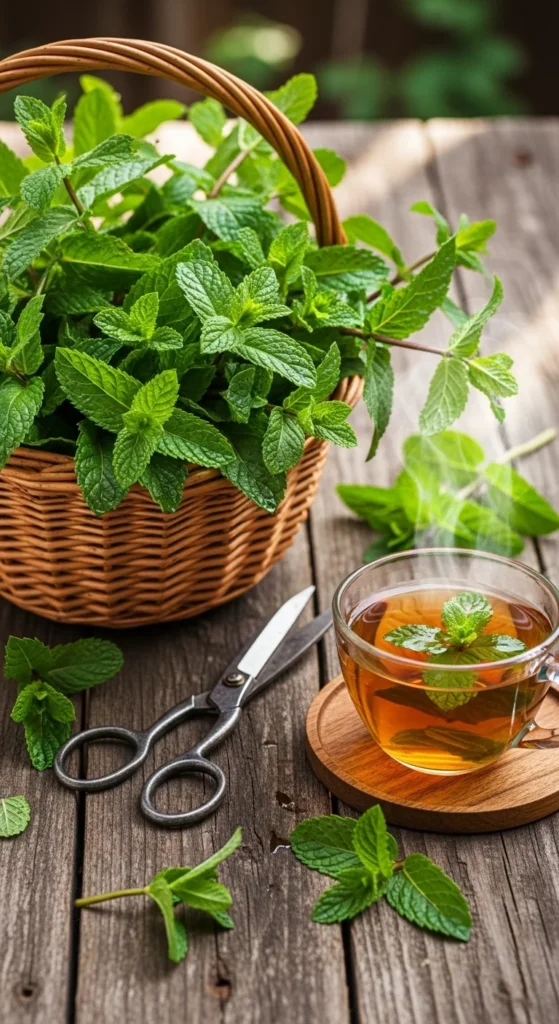
Frequent harvesting not only gives you a steady supply of mint but also keeps the plant from spreading too aggressively.
Harvesting tips:
- Pick leaves when the plant is 6–8 inches tall.
- Morning harvests have the best aroma.
- Use sharp scissors and avoid tearing the stems.
- Don’t remove more than one-third of the plant at a time.
The more you harvest, the more the plant will produce — just like pruning!
Bonus: Enjoy Mint Indoors in Winter
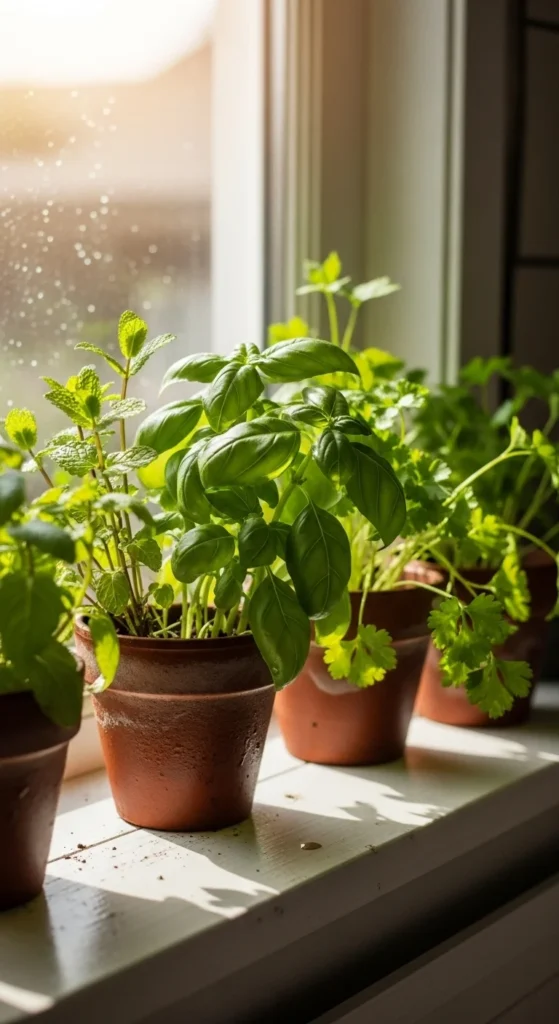
Bring your mint indoors when temperatures drop below 50°F (10°C). It grows beautifully on a sunny windowsill and adds a fresh scent to your home.
Keep it near a bright window, water lightly, and you’ll have mint leaves for tea, cooking, or garnishing desserts even in the middle of winter.
Conclusion
Mint is one of the most rewarding herbs to grow — fragrant, delicious, and fast-growing. But it also needs a bit of discipline to stay in its lane. Whether you grow it in a pot, raised bed, or garden corner, a few smart containment tricks can save you from a mint invasion.

Leave a Reply