

There’s nothing quite like harvesting a fresh head of lettuce straight from your own backyard. Store-bought lettuce often wilts quickly, but when you grow it yourself, you’ll enjoy crisp, flavorful leaves that make every salad taste better. The best part? Lettuce is one of the easiest vegetables to grow—even if you’re a beginner.
Pick the Right Variety
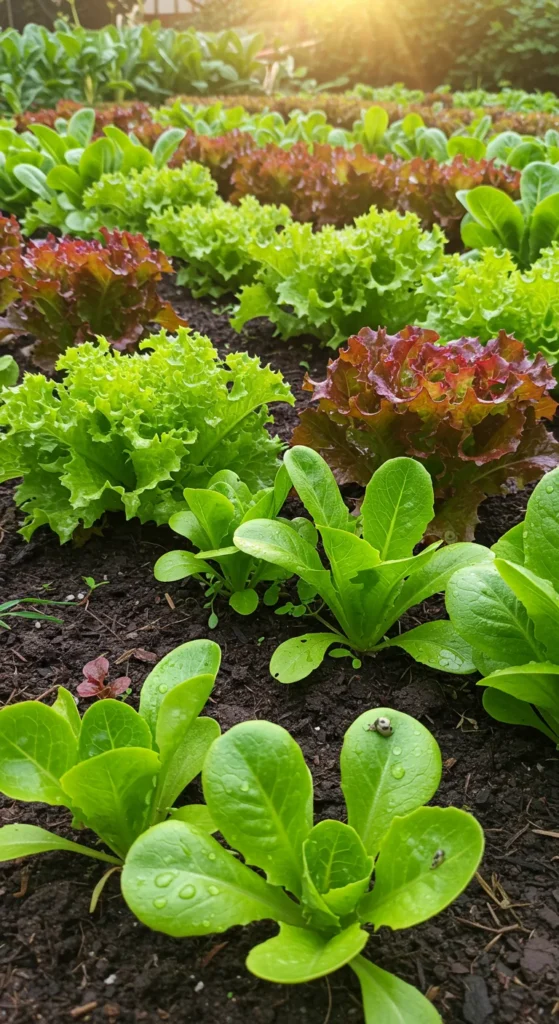
Lettuce comes in many types, and each has its own personality.
- Loose-leaf lettuce (like Green Leaf or Red Sails): Quick to grow, easy to harvest leaf by leaf.
- Romaine: Crunchy and sturdy, perfect for Caesar salads.
- Butterhead: Soft, tender leaves with a mild flavor.
- Crisphead (Iceberg): Classic, compact heads but trickier to grow in warm climates.
Tip: Mix different varieties for a colorful backyard salad bar.
Find the Perfect Spot
Lettuce loves cool weather and plenty of sunshine.
- Aim for 6 hours of sunlight daily.
- In hotter climates, partial afternoon shade helps prevent bolting (when plants flower too soon).
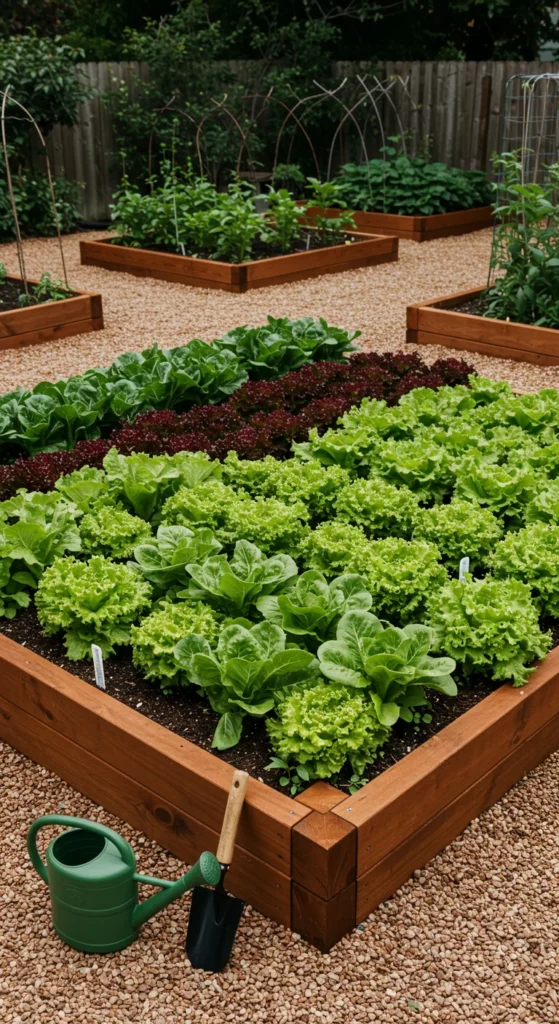
- Raised beds or containers work perfectly for small spaces.
Prepare the Soil
Healthy soil = healthy lettuce.
- Choose loose, well-draining soil.
- Add compost or aged manure for nutrients.
- Aim for soil that’s slightly moist but never soggy.
DIY Hack: Mix in shredded leaves or grass clippings as mulch to help retain moisture and keep weeds down.
Planting Lettuce Seeds
Lettuce seeds are tiny but mighty.
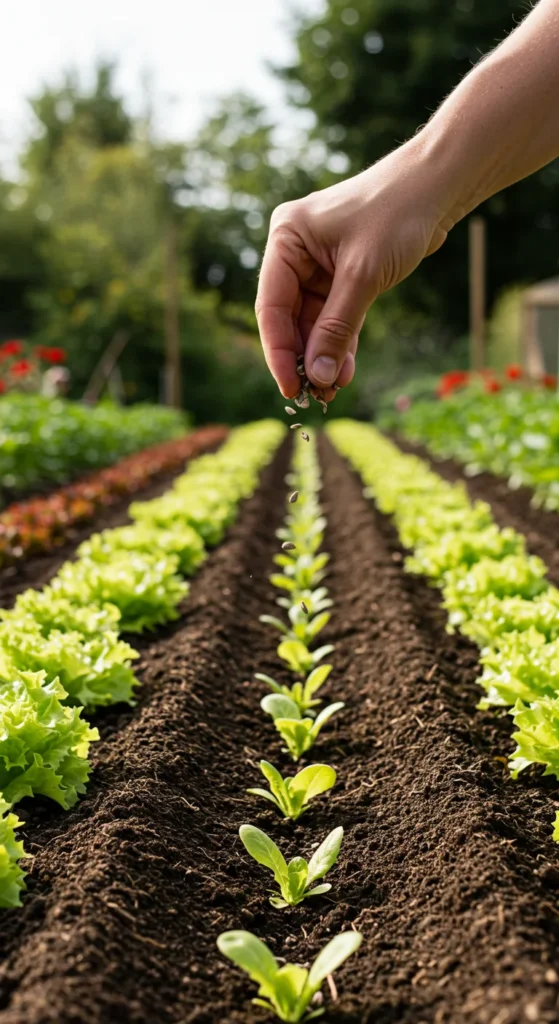
- Sow directly into the soil, about ¼ inch deep.
- Space rows about 12–18 inches apart.
- Thin seedlings once they sprout, leaving 6–8 inches between plants for good airflow.
Quick Tip: For a continuous harvest, plant new seeds every 2–3 weeks.
Water the Right Way
Lettuce loves consistent moisture, but overwatering leads to soggy roots.
- Water lightly but frequently to keep soil evenly moist.
- Use a gentle spray or drip irrigation to avoid washing away seeds.
- Morning watering is best to let leaves dry before evening.
Pro Tip: Adding mulch around plants helps regulate soil temperature and keeps moisture in.
Protect from Pests
Lettuce is irresistible—not just to you but also to pests.
- Watch out for slugs, aphids, and rabbits.
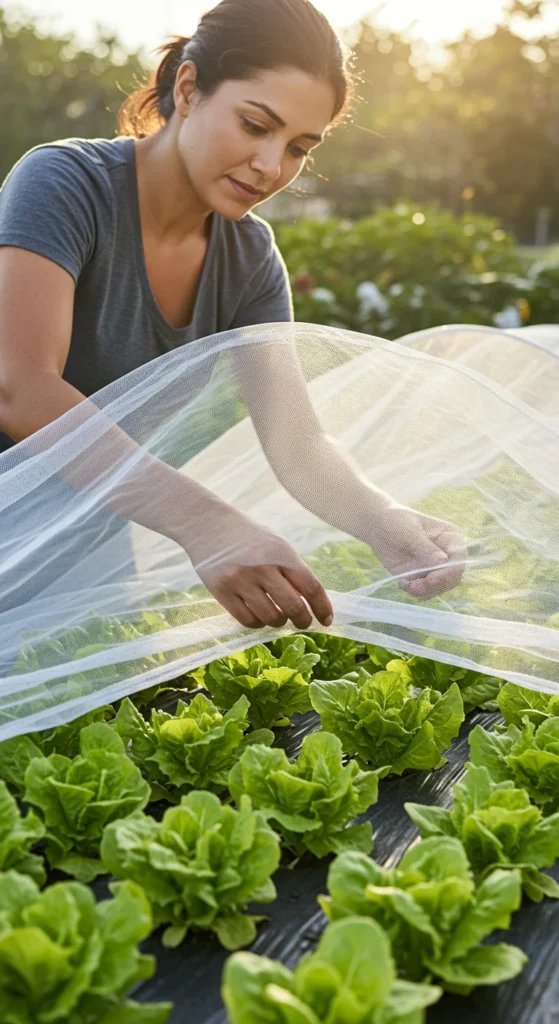
- Use row covers to protect young plants.
- Handpick pests or spray aphids with a mix of water and mild soap.
Harvest for Maximum Crispness
The best part is, you don’t have to wait long!
- Loose-leaf types: Start harvesting outer leaves when they’re big enough to eat, leaving the center to grow.
- Head varieties: Cut the entire head at the base once it feels firm and full.
- Harvest in the morning for the crispest, freshest leaves.
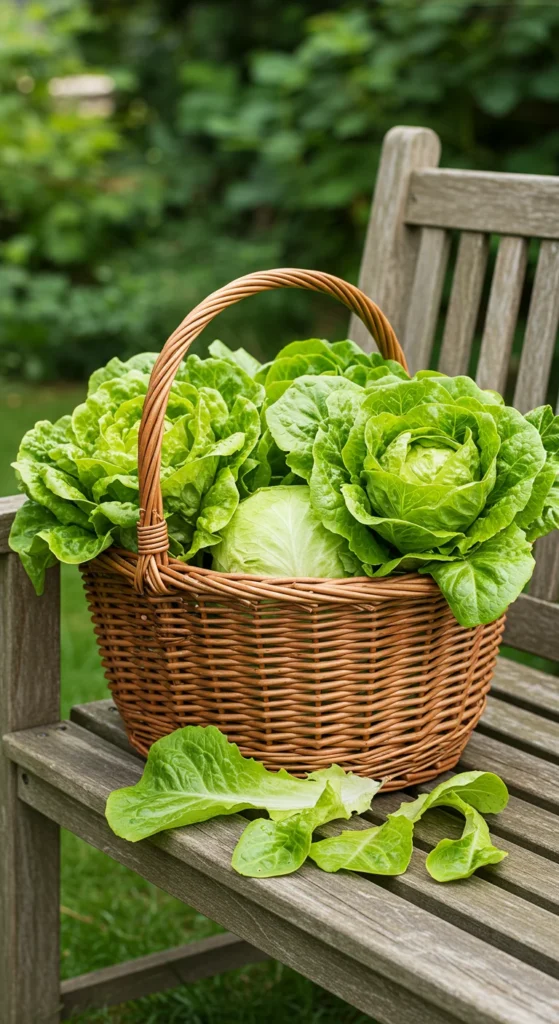
Store harvested lettuce in a damp cloth or paper towel in the fridge to keep it fresh longer.
Final Takeaway
Growing lettuce in your backyard is one of the easiest ways to add freshness to your meals. With the right variety, a little care, and steady watering, you’ll be enjoying salads that taste garden-fresh every time.
Leave a Reply