

Growing cabbage can feel like a battle—between worms, moths, aphids, beetles, and everything else that wants to chew on your crop before you get a chance to harvest it. But the truth is, you can grow beautiful, tight cabbage heads at home without constantly fighting pests. All it takes is a smart setup, a few natural tricks, and the right timing.
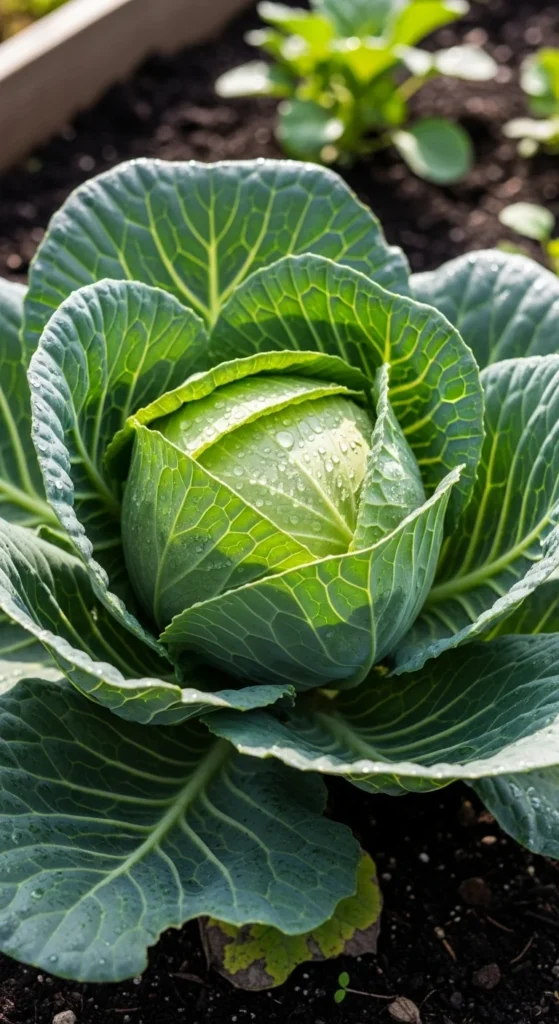
Here’s the easy, effective way to grow cabbage that stays clean, healthy, and pest-free.
Start With Timing: Plant When Pests Are Low
One of the biggest secrets to growing cabbage without pests is planting at the right time.
✅ Best Planting Times:
- Early spring before cabbage moths become active
- Late summer for a fall harvest when pest pressure drops
Cool weather keeps pests away and helps cabbage grow firm, sweet heads.
Why Timing Works
Pests like cabbage worms and loopers thrive in warm weather.
Growing in cooler seasons naturally reduces their numbers.
Choose Resistant or Hardy Varieties
Some cabbage varieties tolerate pests better than others.
✅ Great Varieties for Low-Pest Growing:
- Copenhagen Market
- Savoy Cabbage
- Early Jersey Wakefield
- Red Acre
- Golden Acre
These varieties grow faster or have tougher leaves that pests find less appealing.
Prepare Healthy Soil for Strong Plants
Healthy plants resist pests naturally. Weak plants attract them like magnets.
✅ Ideal Cabbage Soil:
- Loose, rich, and well-draining
- High in organic matter
- Slightly acidic to neutral (6.5–7.0 pH)
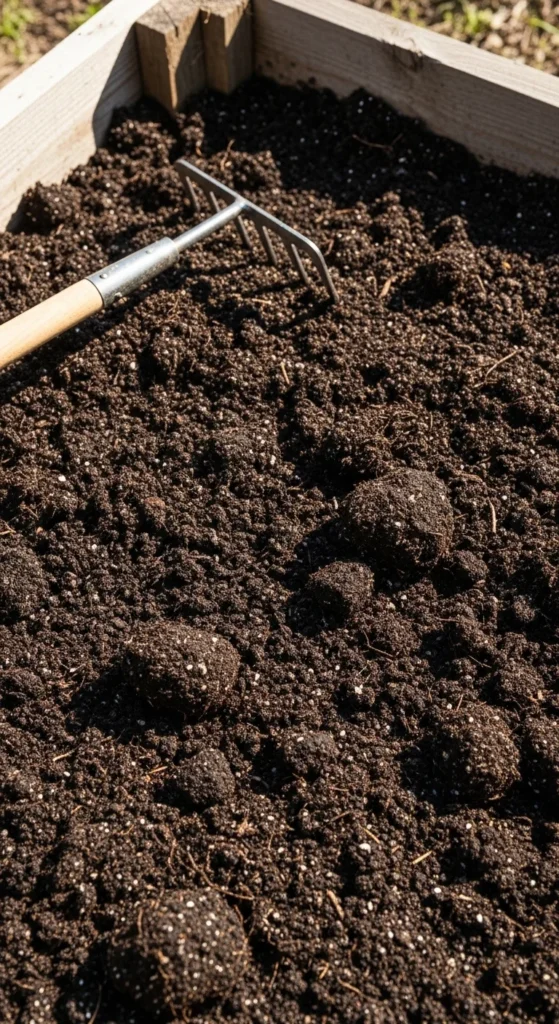
Before planting, mix in compost or aged manure so your plants have the nutrition needed to grow strong, thick leaves.
Use Physical Barriers: The Most Effective Pest Control
If you want cabbage without pests, this step is non-negotiable.
✅ Use Floating Row Covers
Row covers prevent:
- Cabbage worms
- Loopers
- Moths
- Flea beetles
- Aphids
These insects never get a chance to lay eggs on your plants.
How to Use Them:
- Place covers over plants immediately after transplanting.
- Secure edges tightly with stones or garden clips.
- Keep them on until heads begin to form.
This one step prevents 90% of cabbage pest problems.
Boost Growth With Regular Feeding and Watering
A fast-growing cabbage plant is harder for pests to damage and easier for you to harvest sooner.
✅ Watering
- Keep soil consistently moist.
- Water at base, not on leaves.
✅ Feeding
- Add compost monthly.
- Use a nitrogen-rich fertilizer early on.
- Switch to balanced fertilizer once heads start forming.
Strong, fast-growing plants = fewer pest problems.
Plant the Best Companions for Natural Pest Repellent
Companion planting is one of the easiest pest-control hacks.
✅ Best Companions for Cabbage:
- Dill – attracts beneficial predators
- Thyme – repels cabbage worms
- Onions & garlic – confuse pests with their scent
- Mint (keep in pot nearby)
- Marigolds – repel beetles naturally
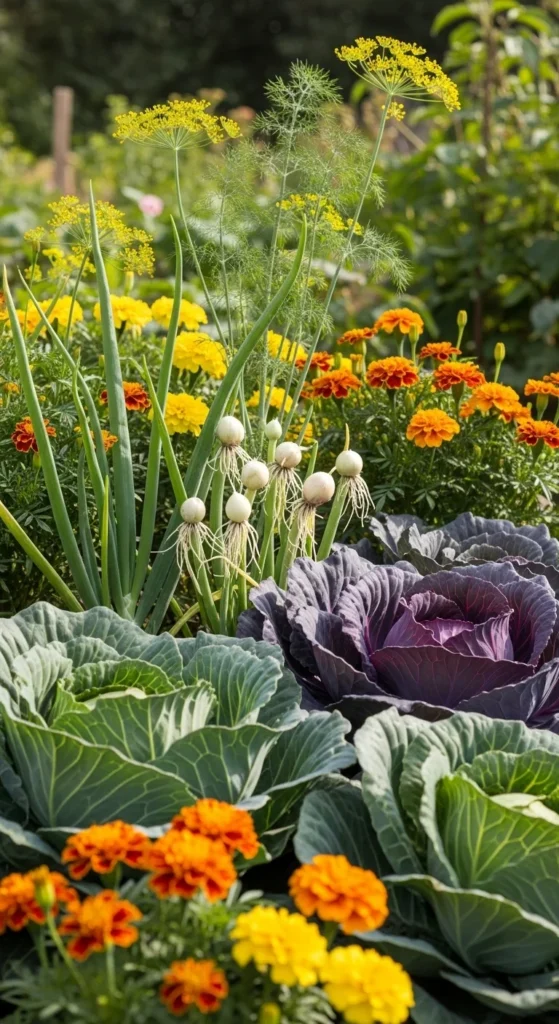
These plants keep cabbage predators away while improving garden biodiversity.
Apply Natural Pest Sprays Only If Needed
If you want organic cabbage without chemicals, natural sprays work extremely well—especially when used early.
✅ Best Natural Sprays:
- Neem oil
- BT (Bacillus thuringiensis) – safe, targets cabbage worms
- Soapy water – works against aphids
How to Use:
- Spray early morning or evening.
- Reapply after rain.
- Never spray during strong sun (leaf burn risk).
Use sprays as a backup—not your main strategy.
Mulch to Reduce Stress and Hide Odors From Pests
Mulching helps cabbage grow smoother, tighter heads.
Benefits:
- Retains moisture
- Prevents soil-borne pests from reaching leaves
- Reduces weeds (which attract insects)
- Keeps soil cool—cabbage loves cool roots
Use straw, wood chips, or shredded leaves around each plant.
Inspect Plants Often and Remove Eggs Immediately
Cabbage pests don’t appear overnight—they start with eggs.
✅ What to Look For:
- Tiny yellow eggs on undersides of leaves
- Small white or green worms
- Chewed holes
✅ What To Do:
- Remove eggs with your fingers
- Drop worms in soapy water
- Remove heavily damaged leaves
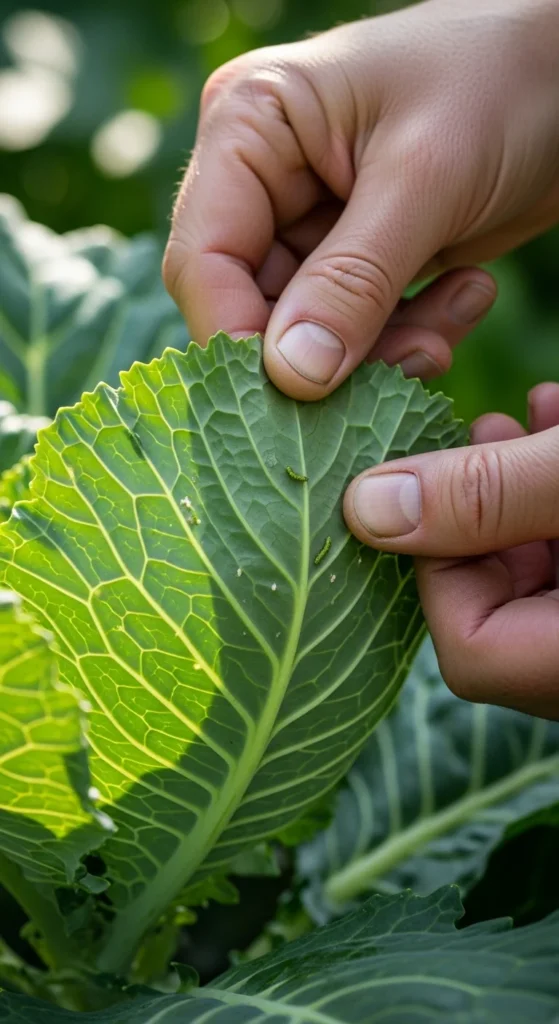
Frequent checks keep small issues from turning into big infestations.
Harvest at the Right Time
Don’t leave cabbage in the garden too long—overmature heads attract pests fast.
✅ When to Harvest:
- Heads feel firm when squeezed
- Leaves are tightly layered
- Size matches your variety’s description
Cut the head at the base but leave the stem—sometimes small side heads will form.
✅ Final Takeaway
You can grow beautiful, pest-free cabbage without chemicals by using smart timing, strong soil, row covers, companions, and simple natural protection. Once you follow these steps, you’ll enjoy tight, delicious cabbage heads with almost zero damage.
Leave a Reply