

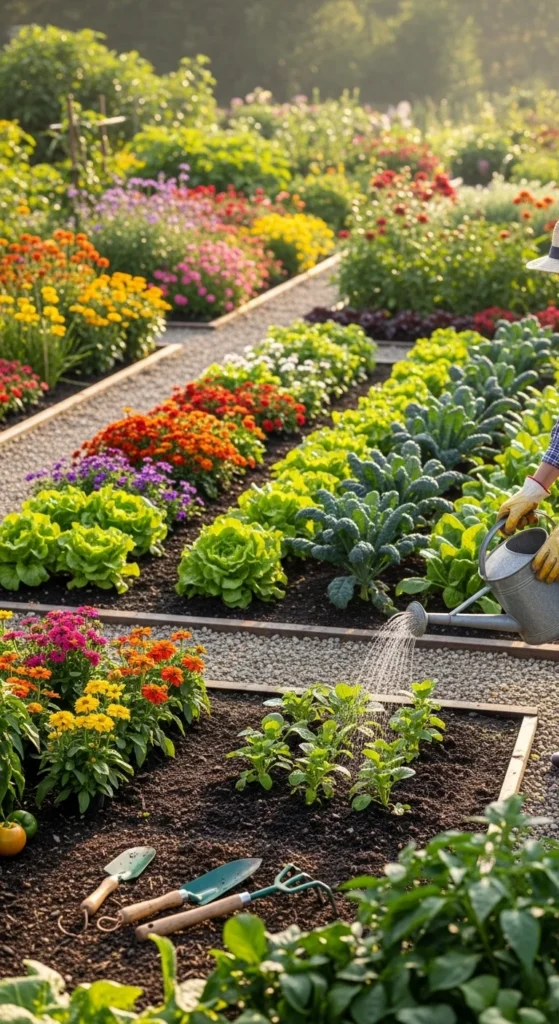
Gardening success doesn’t come from luck—it comes from smart habits practiced year-round. Whether you’re caring for vegetables, flowers, or herbs, the key is consistency and planning. With the right approach, your garden can thrive in every season. These 25 timeless gardening tips will help you grow healthier plants, save time, and enjoy a lush garden all year long—no matter your skill level or climate.
1. Know Your Growing Zone
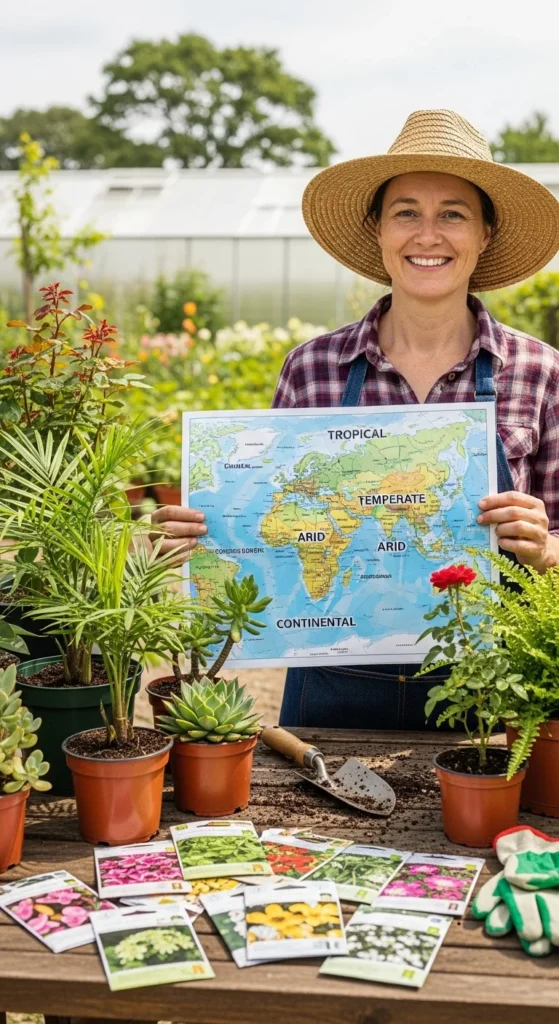
Before planting anything, learn your region’s growing zone. It determines which plants survive local temperatures and when to plant them. Look up your zone on a reliable gardening map and match it with seed labels. When you choose zone-friendly plants, they naturally thrive with less effort. This single step saves time and frustration throughout the year.
2. Test and Improve Your Soil
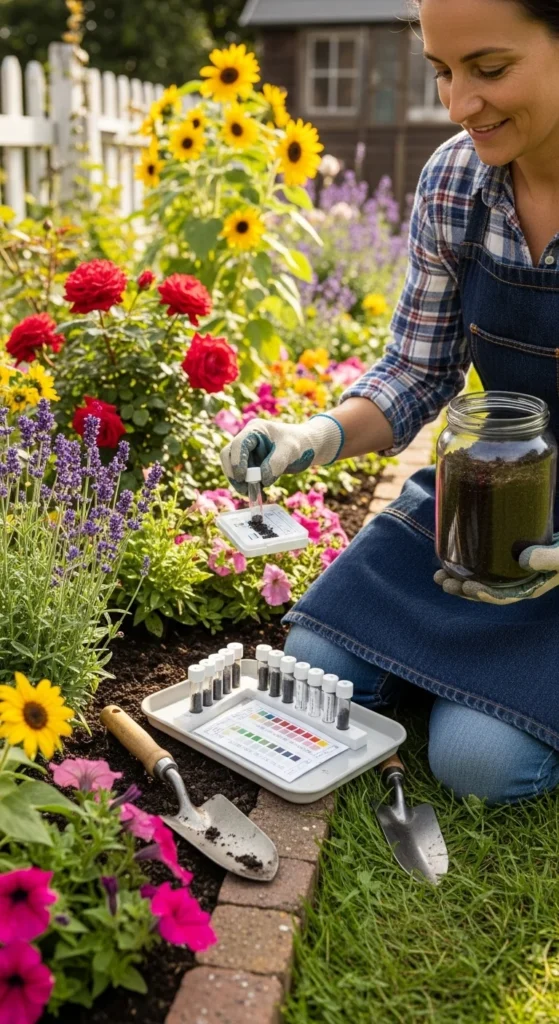
Healthy soil equals healthy plants. Use a basic soil test kit to check pH and nutrient balance. Most plants prefer slightly acidic soil. Add compost or aged manure to enrich it naturally. Avoid compacting soil by stepping only on paths, not beds. Over time, healthy soil creates stronger roots and better harvests without constant fertilizer use.
3. Start Composting Early
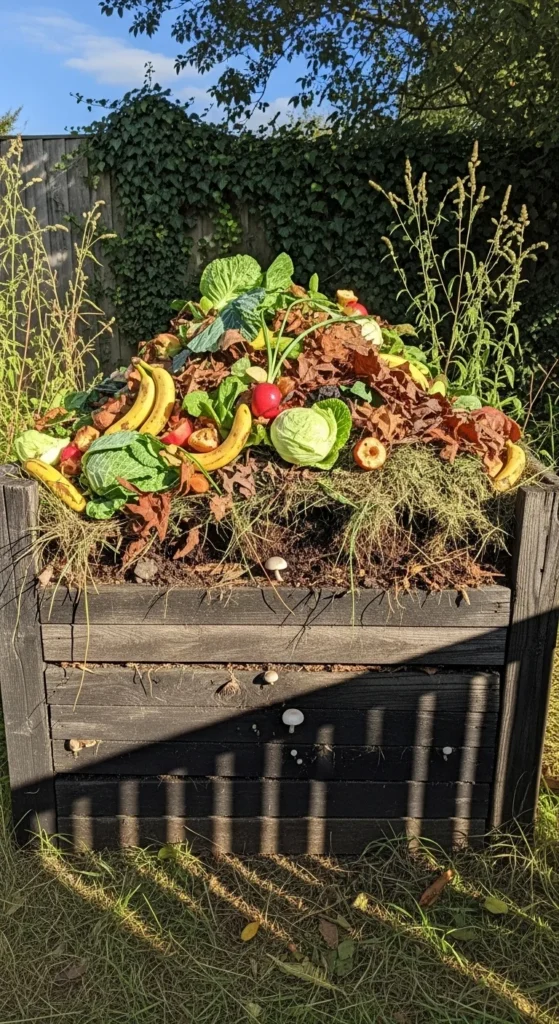
Composting turns kitchen scraps and yard waste into gold for your garden. Collect fruit peels, coffee grounds, and dry leaves in a compost bin. Keep it slightly moist and stir occasionally. Within months, you’ll have nutrient-rich compost ready to feed your plants. It’s eco-friendly, budget-saving, and keeps your soil alive with beneficial organisms.
4. Water Deep, Not Often
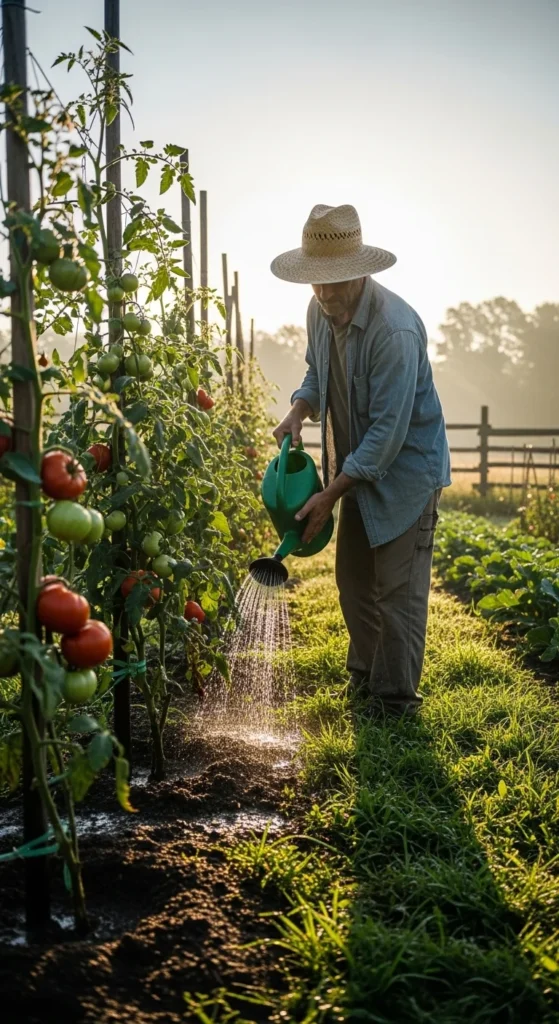
Frequent shallow watering creates weak roots. Instead, water deeply once or twice a week to encourage roots to grow downward. Morning is the best time—it reduces evaporation and disease risk. Use a drip system or watering can to target roots directly. Consistent deep watering helps plants handle heat and drought better.
5. Mulch to Conserve Moisture
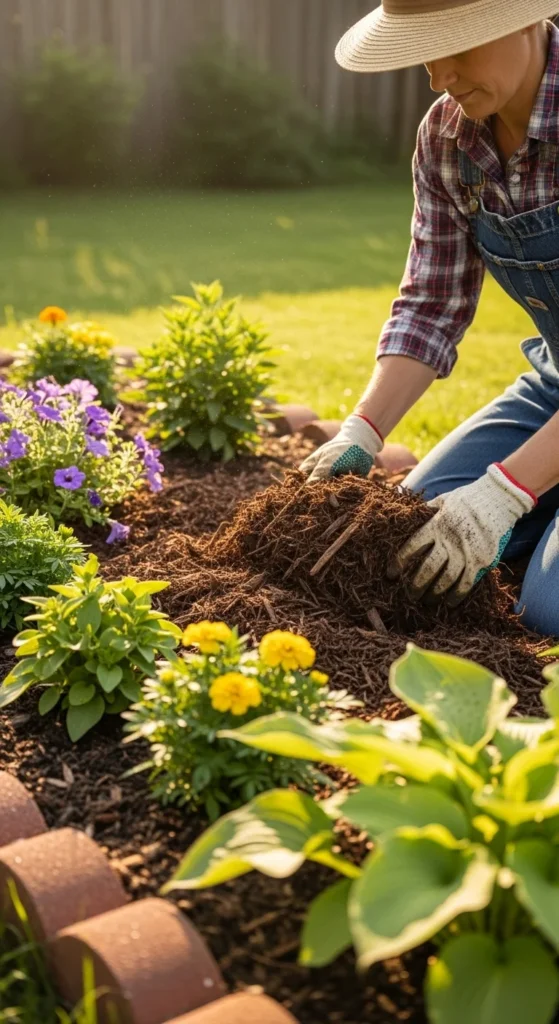
Mulch keeps soil cool, blocks weeds, and reduces water loss. Spread 2–3 inches of straw, wood chips, or shredded leaves around your plants. Avoid piling it against stems—it can cause rot. Reapply once or twice a year. This simple habit saves water, prevents weeds, and keeps your garden looking tidy all year.
6. Rotate Crops Each Season
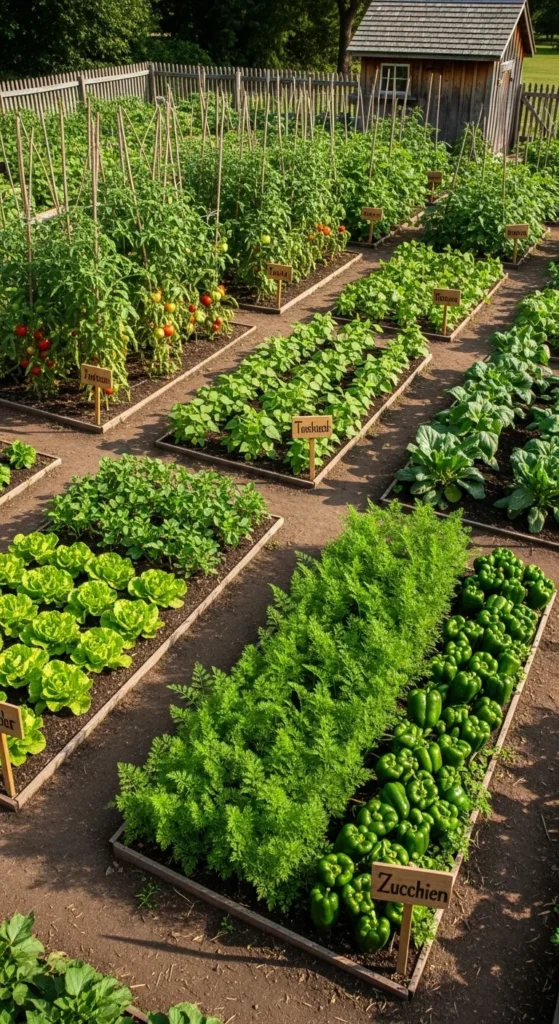
Planting the same crops in the same spot each year depletes soil nutrients and attracts pests. Rotate families—plant tomatoes one season, beans the next. This keeps soil healthy and breaks pest cycles. Even in small gardens, simple rotation patterns make a big difference over time.
7. Use Native Plants
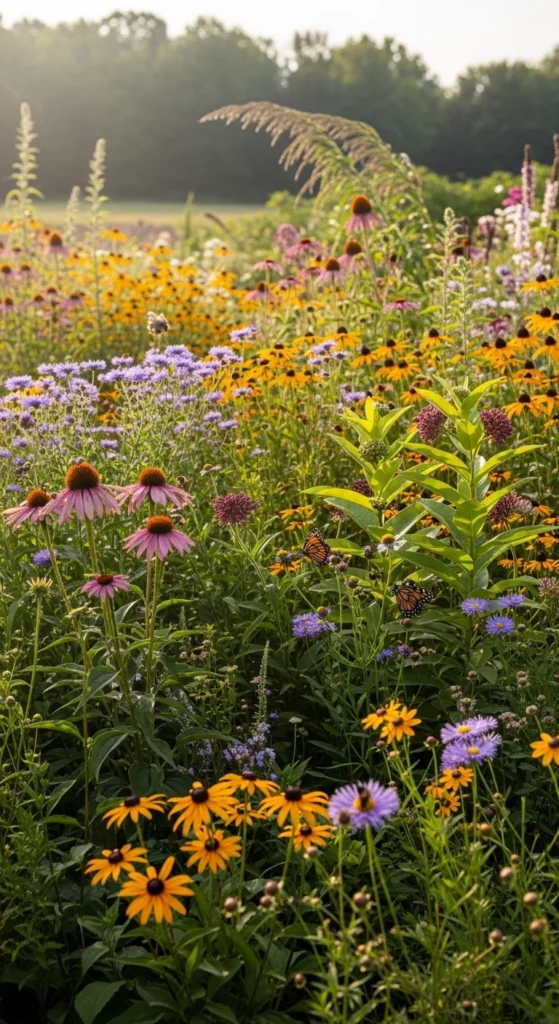
Native plants adapt to your local soil and climate, needing less water and care. They attract pollinators like bees and butterflies too. Visit local nurseries for native species suited to your area. Once established, they thrive with minimal maintenance—perfect for a sustainable, low-effort garden.
8. Feed Plants Naturally
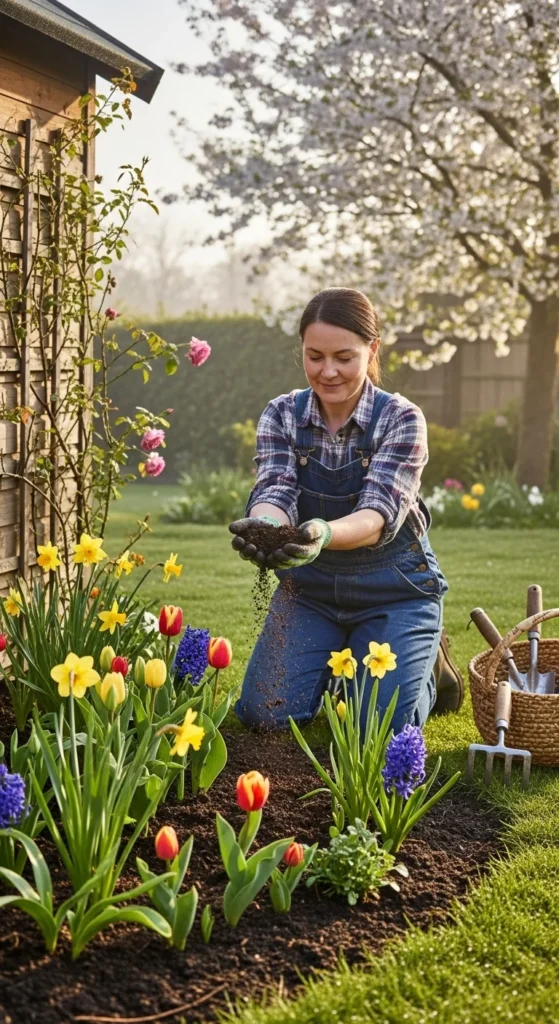
Chemical fertilizers can disrupt soil health. Instead, feed your plants naturally with compost, worm castings, or fish emulsion. These enrich the soil over time and release nutrients slowly. For potted plants, use organic liquid feeds every few weeks. Natural feeding keeps your garden productive without harming beneficial insects.
9. Prune for Health and Shape
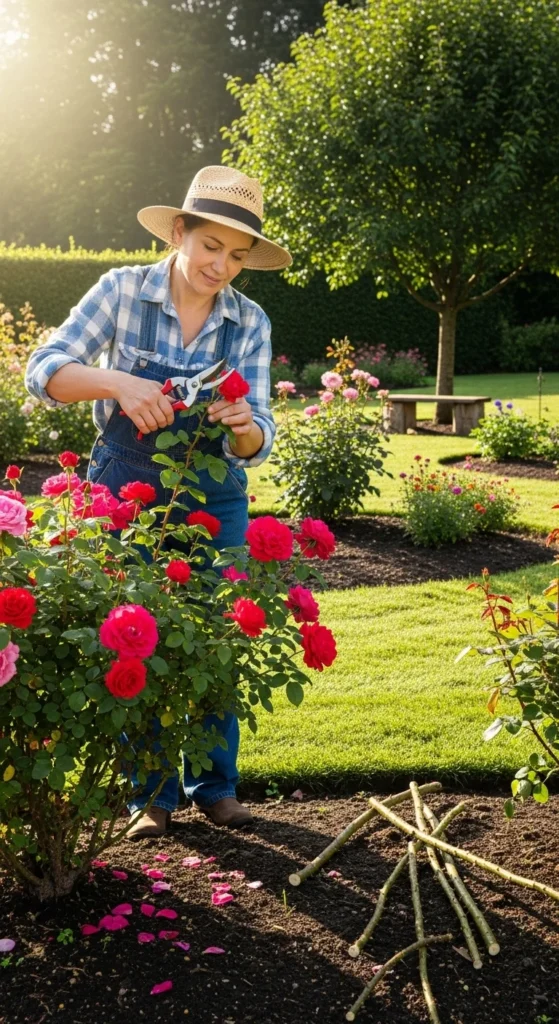
Regular pruning keeps plants strong and neat. Remove dead or crossing branches to allow airflow and sunlight. Prune after flowering or harvest, depending on the plant. Sharp, clean tools prevent disease spread. A few careful cuts each month make a big difference in overall growth and bloom quality.
10. Start Seeds Indoors
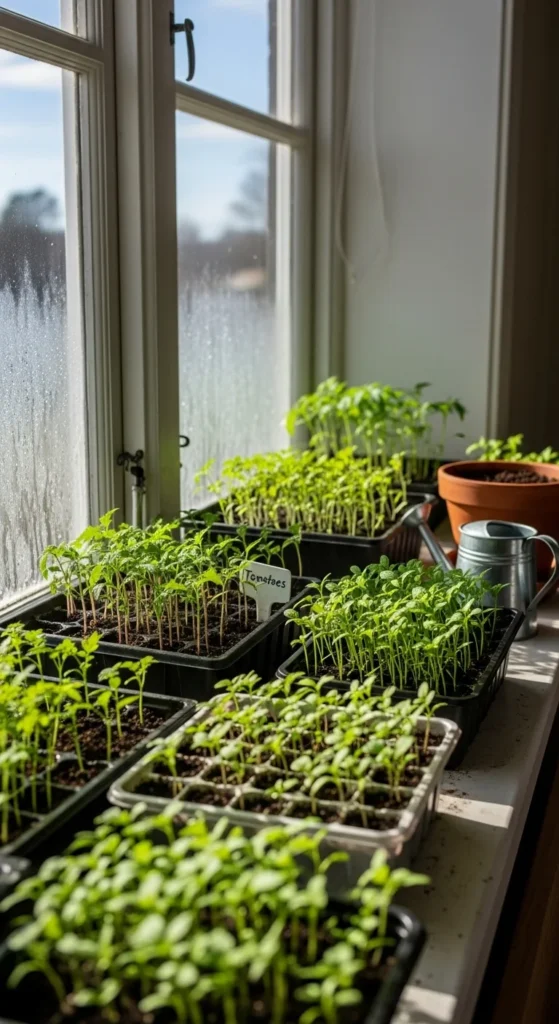
Starting seeds indoors gives you a head start before outdoor planting season. Use trays, good-quality seed mix, and gentle watering. Place near sunlight or under grow lights. Transplant once seedlings are sturdy and frost danger has passed. It’s affordable, fun, and lets you grow unique varieties not found in stores.
11. Attract Beneficial Insects
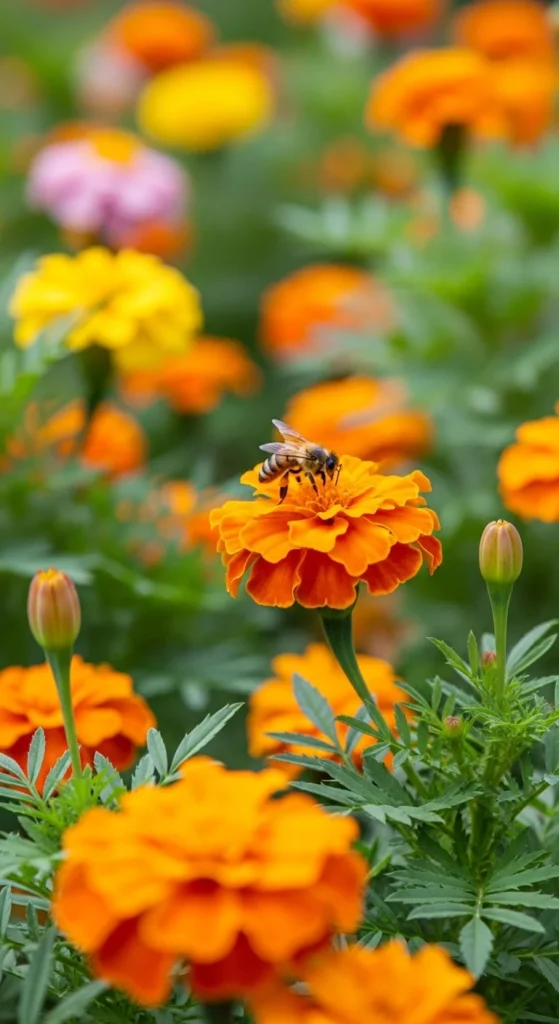
Not all bugs are bad. Ladybugs, bees, and lacewings protect your garden naturally by eating pests or helping pollinate. Grow flowers like lavender, marigolds, and dill to invite them. Skip chemical sprays—they harm helpful insects. Encouraging nature’s helpers keeps your garden balanced and productive.
12. Harvest Regularly
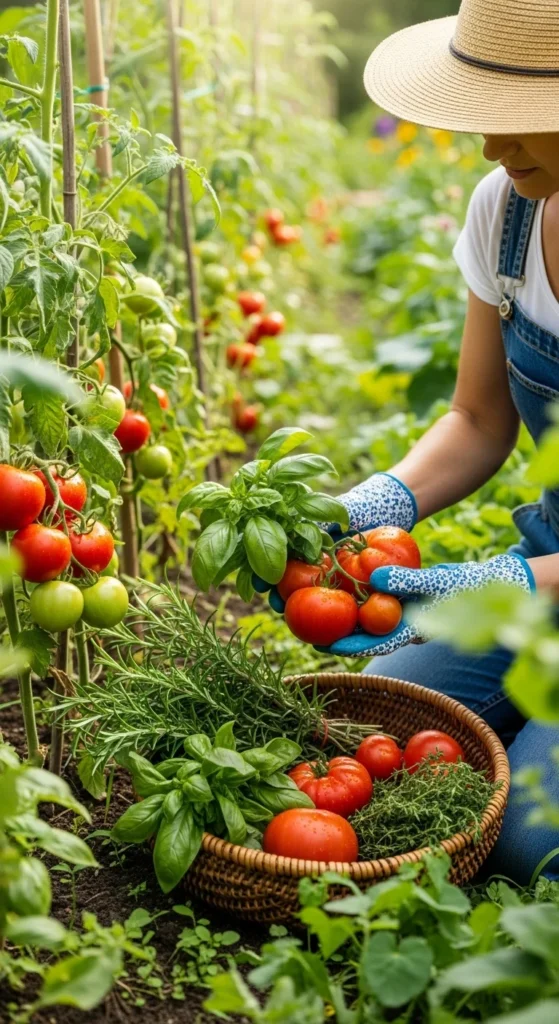
Frequent harvesting encourages plants to produce more. Pick vegetables and herbs as soon as they ripen. Leaving them too long signals the plant to slow down. Use clean scissors to avoid damage. Fresh produce tastes better and keeps your plants in active growth mode.
13. Keep Tools Clean and Sharp
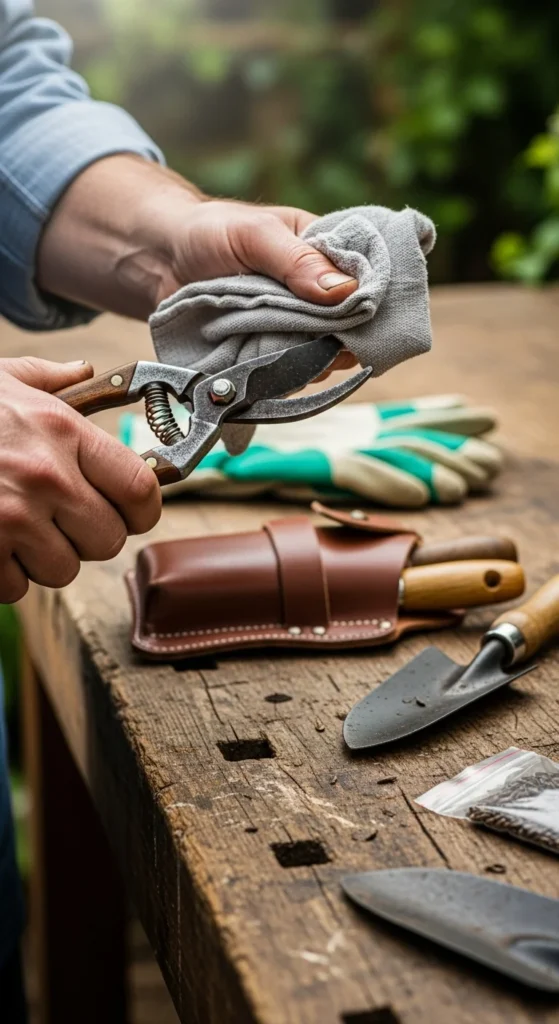
Clean tools work better and last longer. Wipe them after use and store in a dry place. A bucket of sand mixed with vegetable oil keeps metal parts rust-free. Sharpen blades regularly—it makes pruning smoother and safer. Well-kept tools save time and effort in every season.
14. Plan for All Seasons
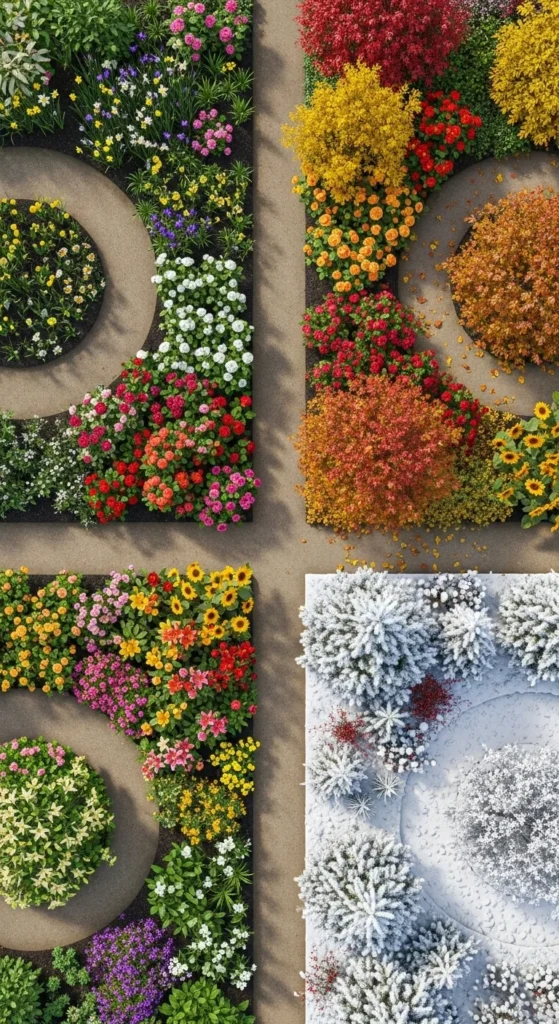
Design your garden for year-round interest. Choose plants that peak in different seasons—tulips for spring, dahlias for summer, mums for fall, and evergreens for winter. Add structure with shrubs or ornamental grasses that stay attractive even when blooms fade. This creates color and life in every month.
15. Build Raised Beds
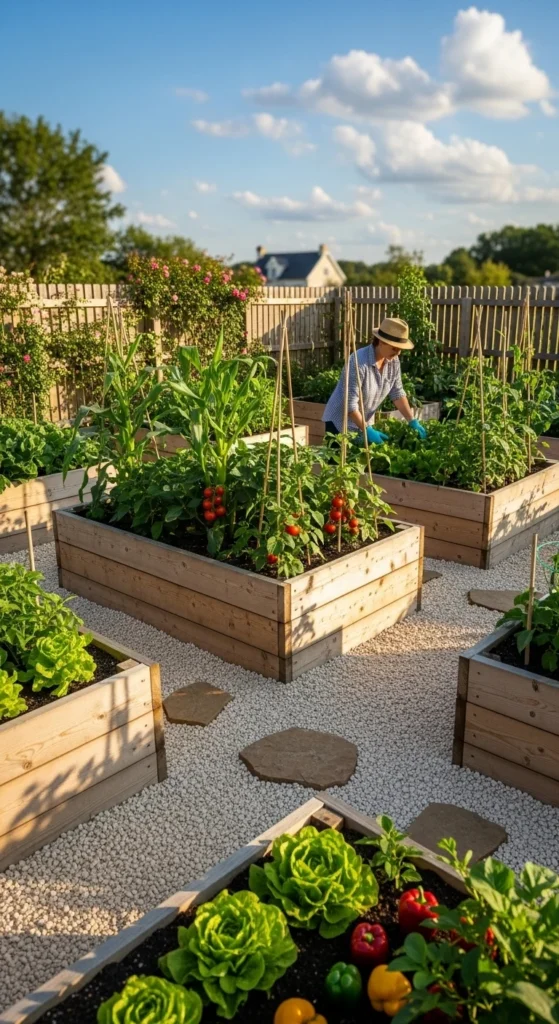
Raised beds make gardening more organized and comfortable. They improve drainage, reduce weeds, and warm up earlier in spring. Use untreated wood or bricks to build boxes. Fill with compost-rich soil for easy planting. Even small yards benefit from these tidy, efficient setups.
16. Practice Crop Companion Planting
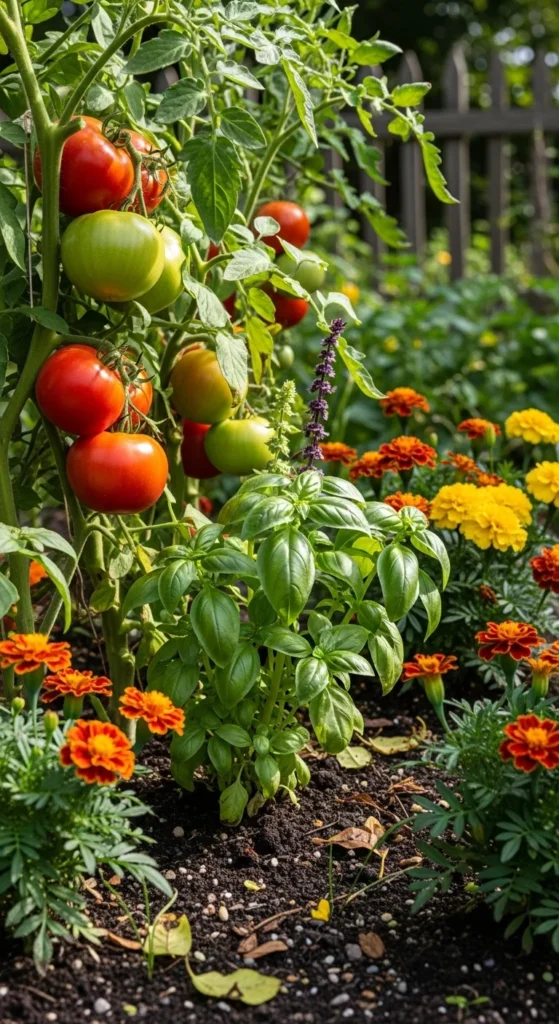
Certain plants grow better together. Basil improves tomato flavor and repels pests, while marigolds deter nematodes. Use companion planting charts to plan smart combinations. It’s an easy way to increase yields naturally and keep pests in check—no chemicals needed.
17. Reuse Rainwater
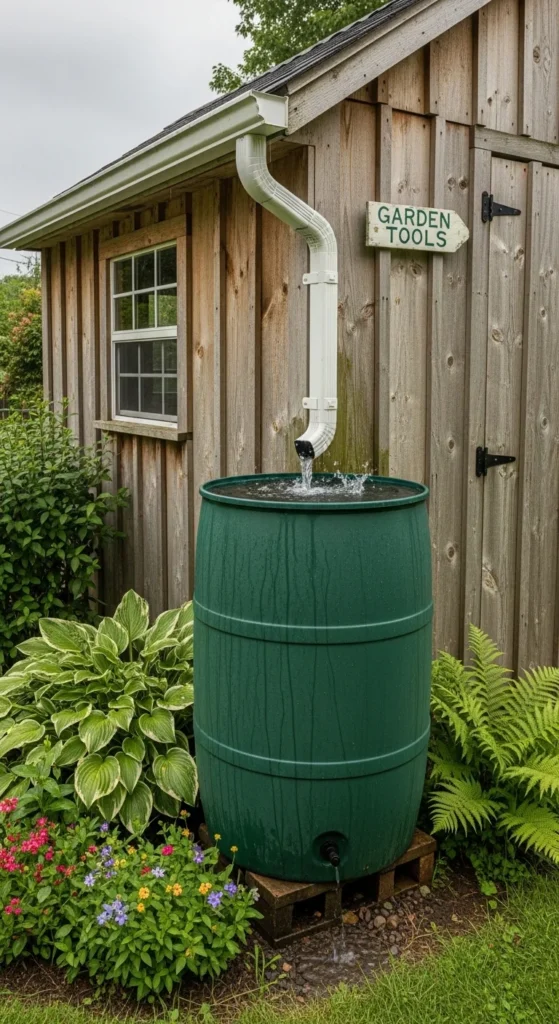
Rainwater is free and gentle on plants. Install a rain barrel to collect runoff from roofs. Use it to water garden beds or pots. Add a screen to keep debris out. It saves money, conserves resources, and helps your plants thrive during dry spells.
18. Weed Consistently
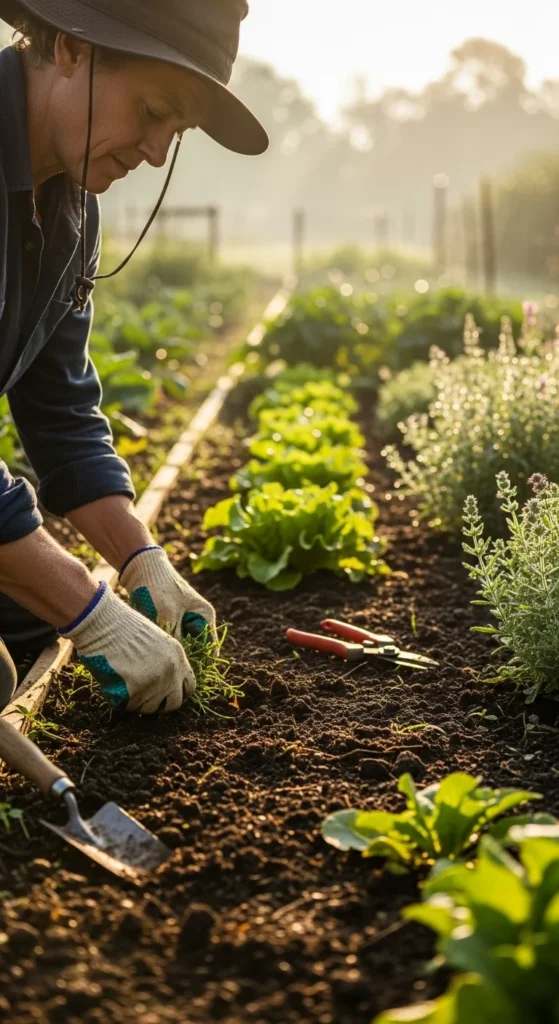
Weeds steal water and nutrients. Remove them regularly before they spread. It’s easier when the soil is moist. Use a hand weeder or hoe for efficiency. A few minutes a week prevents hours of cleanup later. Consistency is the secret to a neat, thriving garden.
19. Protect Plants in Winter
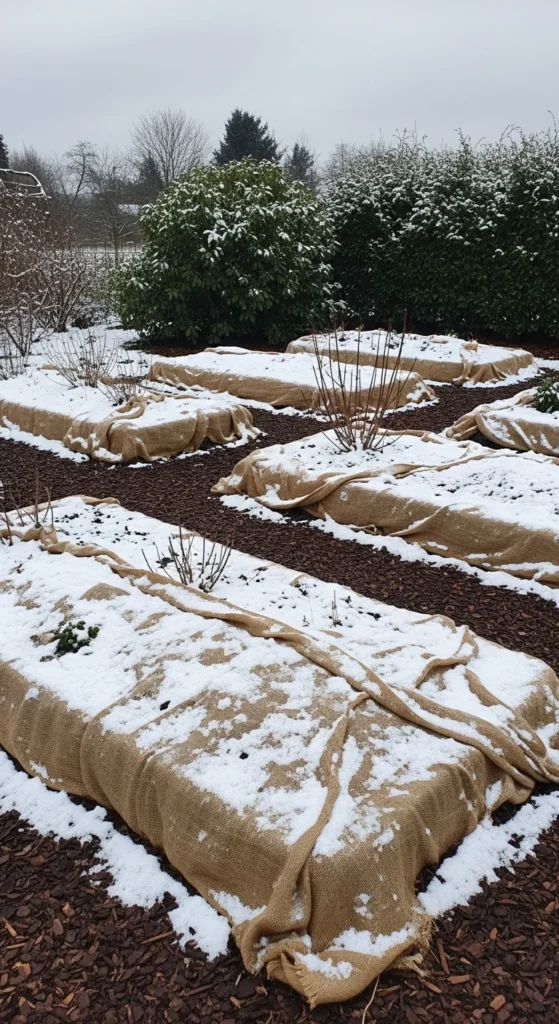
Cold weather can damage delicate plants. Use mulch, burlap, or frost covers to keep roots insulated. Move potted plants indoors or close to walls for warmth. Water lightly during dry winter days. This preparation keeps your garden alive until spring’s return.
20. Refresh Soil Each Spring
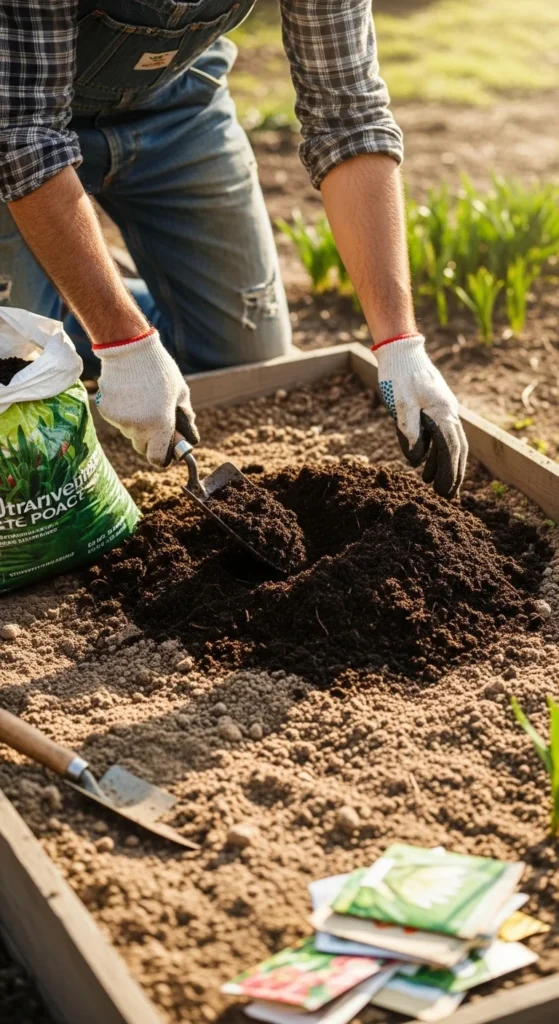
Winter can deplete soil nutrients. Before new planting, add compost or organic matter to restore fertility. Loosen compacted areas with a fork or tiller. Fresh soil encourages strong root systems and faster early growth. Make this a yearly ritual for long-term garden success.
21. Grow What You Love
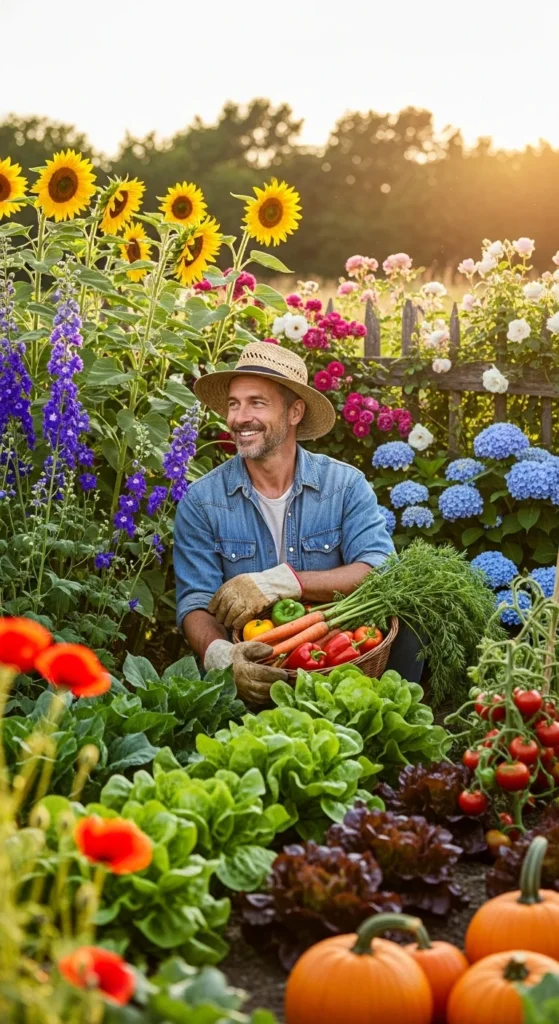
Gardens are most rewarding when they reflect your taste. Choose plants you enjoy seeing, smelling, or eating. Growing what you love keeps you motivated to care for it daily. Experiment, but don’t overwhelm yourself—start with favorites and build from there.
22. Label Everything
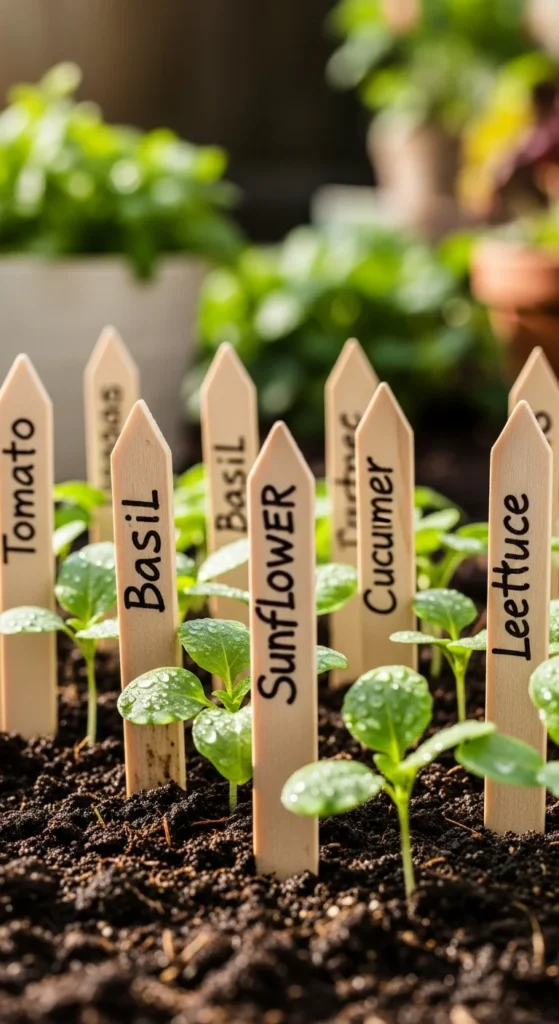
Labeling saves confusion later. Write plant names, varieties, and dates on waterproof tags. It helps with crop rotation and seasonal planning. Even decorative stones or painted sticks work. Organized labeling makes your garden easier to maintain year after year.
23. Take Notes Through the Year
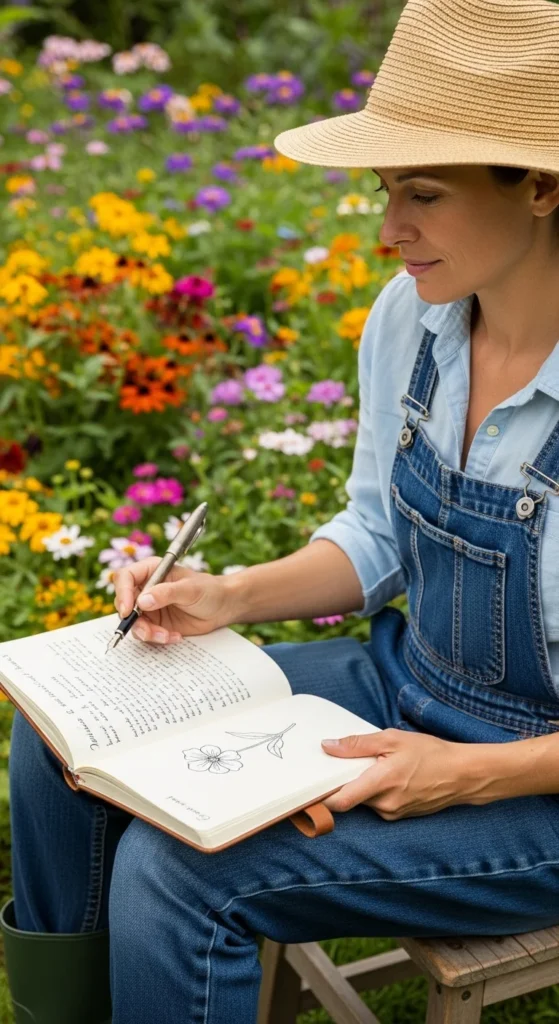
Keep a small notebook for your garden. Record planting dates, successes, and challenges. Note what grew well and what didn’t. Over time, this becomes your personalized guide for future seasons. Learning from your own experience is the best tool for progress.
24. Divide Perennials Every Few Years
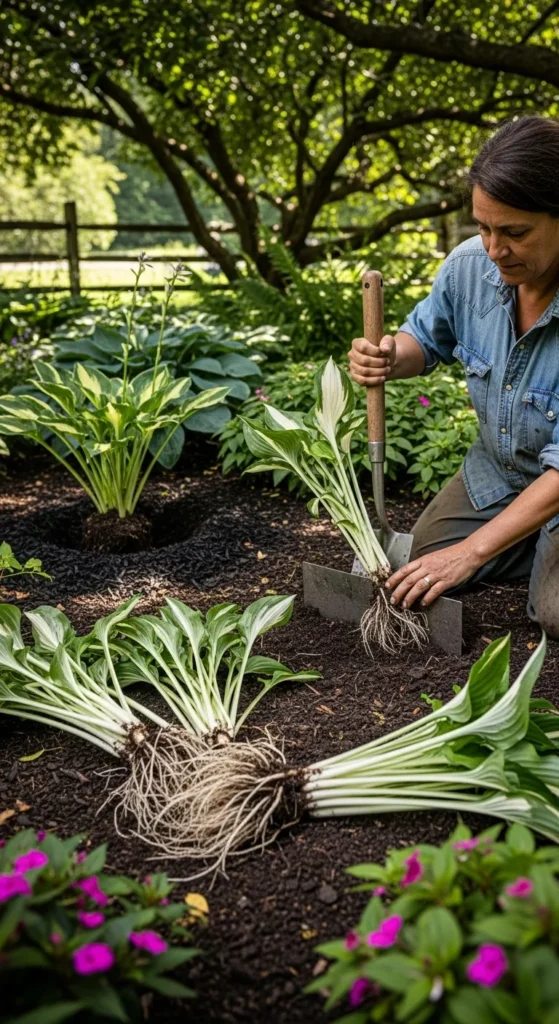
Perennial plants grow thicker each year, which can crowd roots and reduce blooms. Every few years, dig them up, divide the clumps, and replant in fresh soil. It rejuvenates growth and gives you free plants to expand your garden. Spring or fall is the perfect time for this simple refresh.
25. Enjoy the Process

Gardening isn’t just about results—it’s about the journey. Take time to appreciate your progress, even when things don’t go perfectly. Spend quiet moments observing growth, wildlife, and seasonal changes. A calm mind makes a better gardener. Enjoying the process keeps you connected to nature and motivated to keep growing.
Conclusion
Gardening success is built through habits, not luck. These 25 timeless tips help you create a thriving, balanced garden that stays productive and beautiful all year long. Start small, stay consistent, and let nature guide you. With care, patience, and a little dirt under your nails, you’ll enjoy the rewards of a garden that grows better with every season.
Leave a Reply