


Every gardener starts somewhere — often with a handful of advice passed down from neighbors, friends, or old books. But not all that wisdom holds true today. Many common gardening “rules” are outdated or just plain wrong, leading beginners to confusion or frustration. In this guide, we’ll debunk 22 popular gardening myths and share what actually helps plants thrive — saving you time, effort, and plenty of guesswork.
1. Myth: Water Plants Every Day
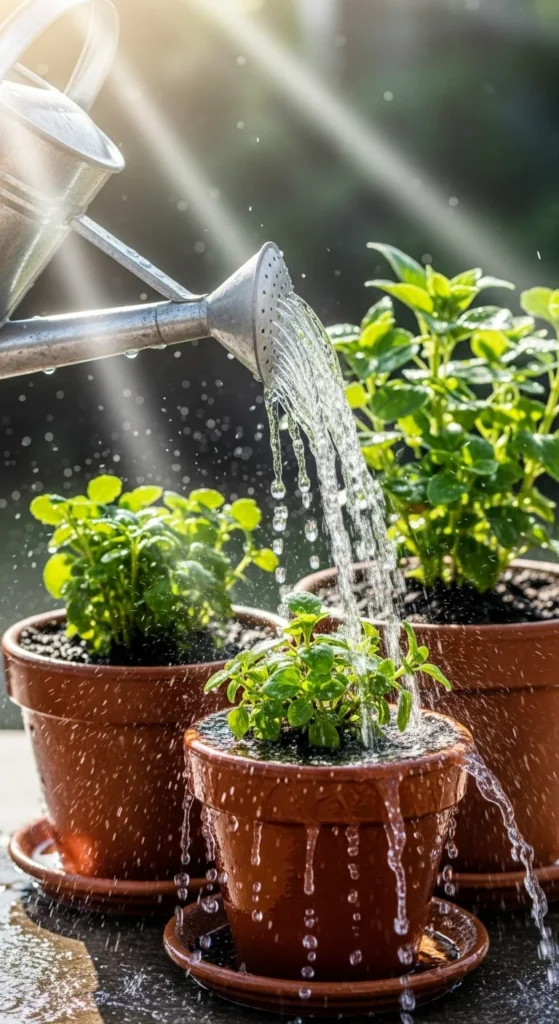
Overwatering is one of the most common mistakes. Most plants don’t need daily watering — their roots suffocate when soil stays constantly wet.
Check soil moisture by touching it; if the top inch feels dry, it’s time to water. Early morning watering helps reduce evaporation and disease. Deep, infrequent watering encourages stronger root systems and healthier growth.
2. Myth: Add Gravel to Pots for Drainage
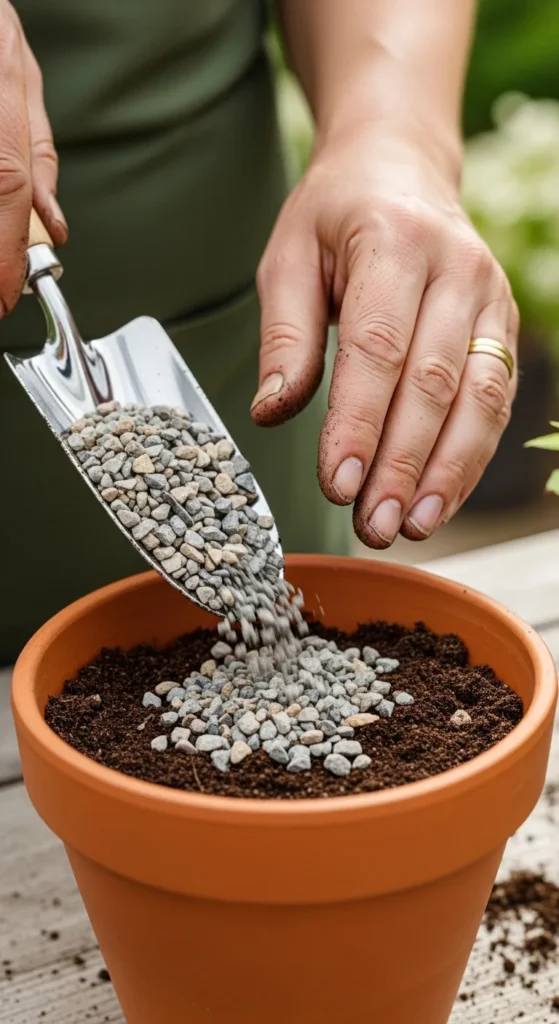
Gravel at the bottom of pots doesn’t improve drainage — it can actually trap water near roots.
Instead, use high-quality potting mix and make sure the container has a proper drainage hole. For extra protection, place a small piece of mesh over the hole to prevent soil loss without blocking water flow.
3. Myth: Plants Thrive in Full Sun Only
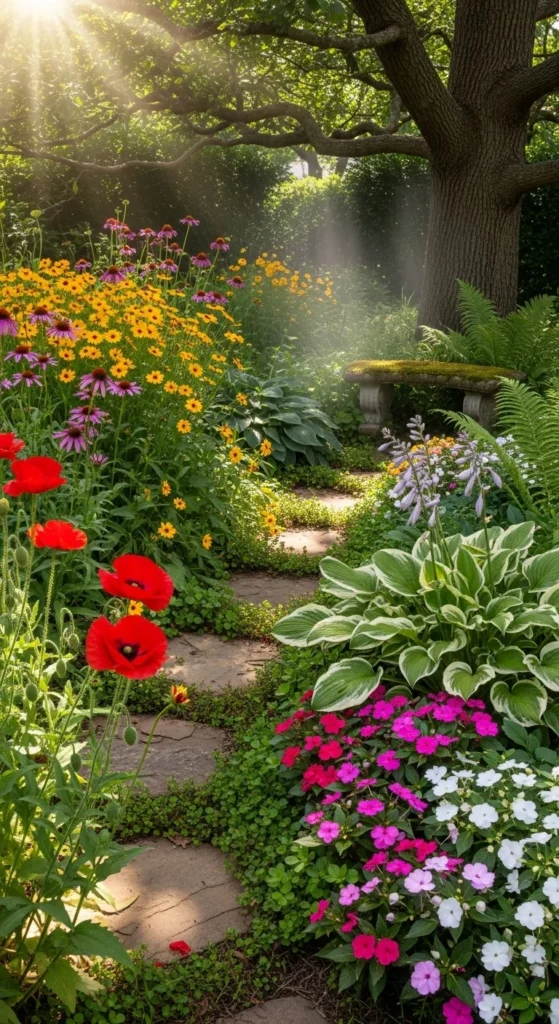
Not every plant loves direct sun. Many species — like ferns, begonias, or hostas — prefer partial shade.
Always check the light requirements before planting. Mixing sun and shade-loving plants creates a balanced garden that stays healthy through changing light conditions.
4. Myth: More Fertilizer Means Better Growth
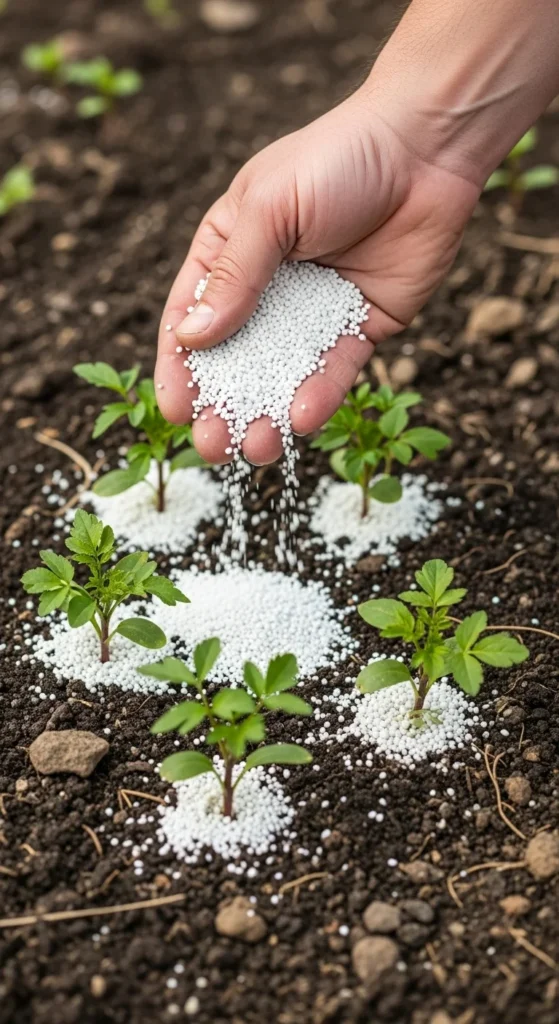
Too much fertilizer can harm plants, burning roots and disrupting natural nutrient balance.
Follow package directions closely and use compost for gradual nutrition. Plants often respond better to consistency than to heavy chemical feeding.
5. Myth: You Can’t Grow Plants Indoors Without Sunlight
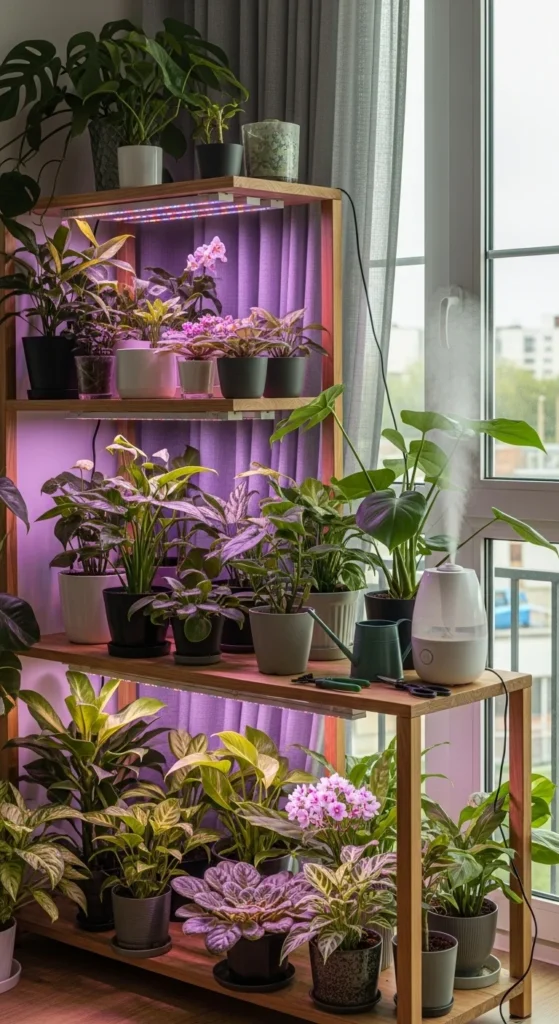
While sunlight is ideal, many indoor plants adapt well to artificial light.
LED grow lights mimic natural rays and can be adjusted for intensity. Position them 6–12 inches above your plants and set a timer for 10–12 hours daily for steady growth.
6. Myth: Coffee Grounds Help All Plants
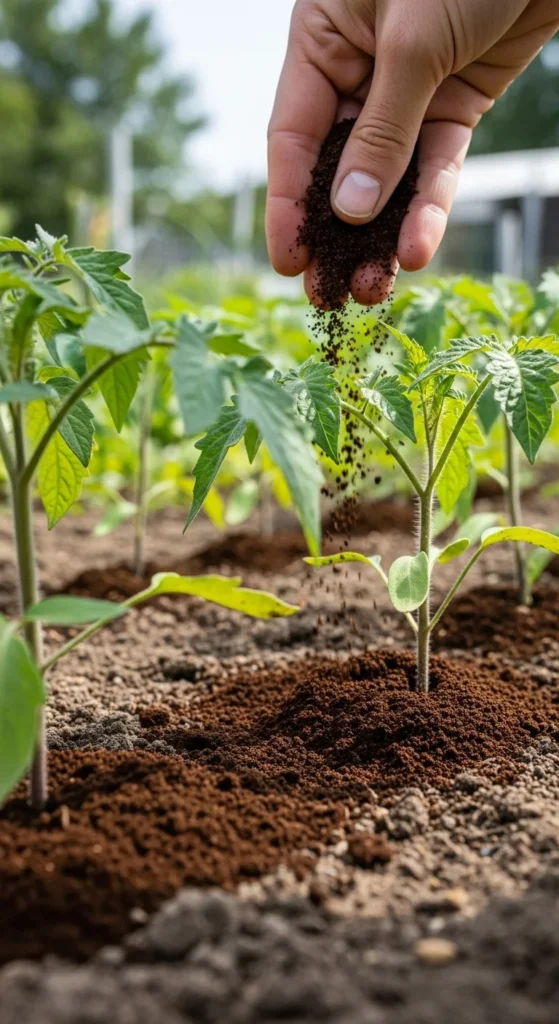
Coffee grounds are acidic and can harm certain plants when used excessively.
They’re great in compost but not as direct fertilizer for every crop. Use them sparingly or mix with neutral materials like dried leaves before applying.
7. Myth: Organic Pesticides Are Always Safe
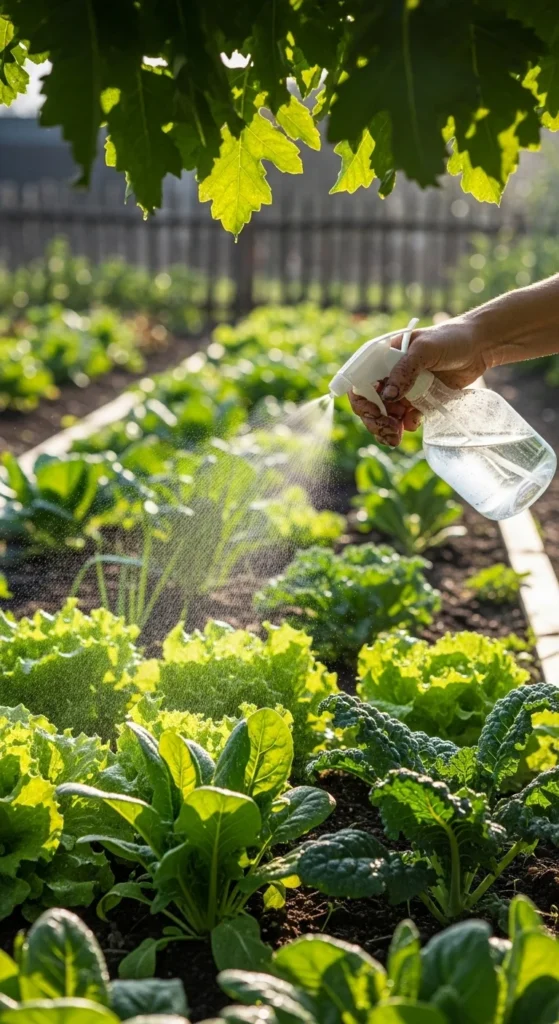
“Organic” doesn’t always mean harmless. Some natural sprays can still affect pollinators or soil organisms.
Always follow label directions and apply at dusk when bees are less active. Integrated pest management (IPM) — combining traps, pruning, and minimal spraying — is more effective and balanced.
8. Myth: Bigger Pots Mean Better Growth
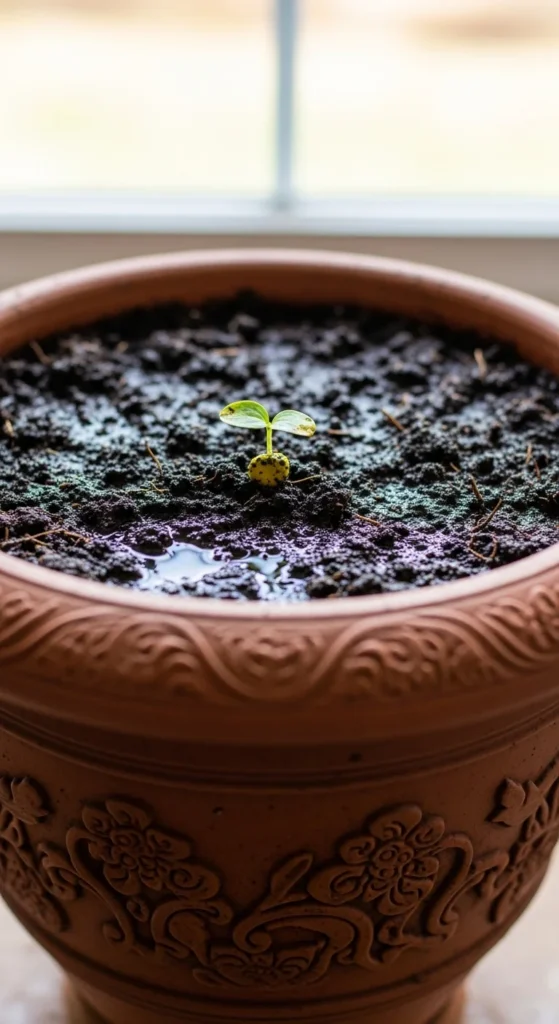
Oversized pots can cause overwatering and root rot because the soil stays wet longer.
Choose a container only 1–2 inches larger than the current root ball. Upgrade gradually as the plant grows, letting roots fill space naturally.
9. Myth: You Must Till the Soil Every Season
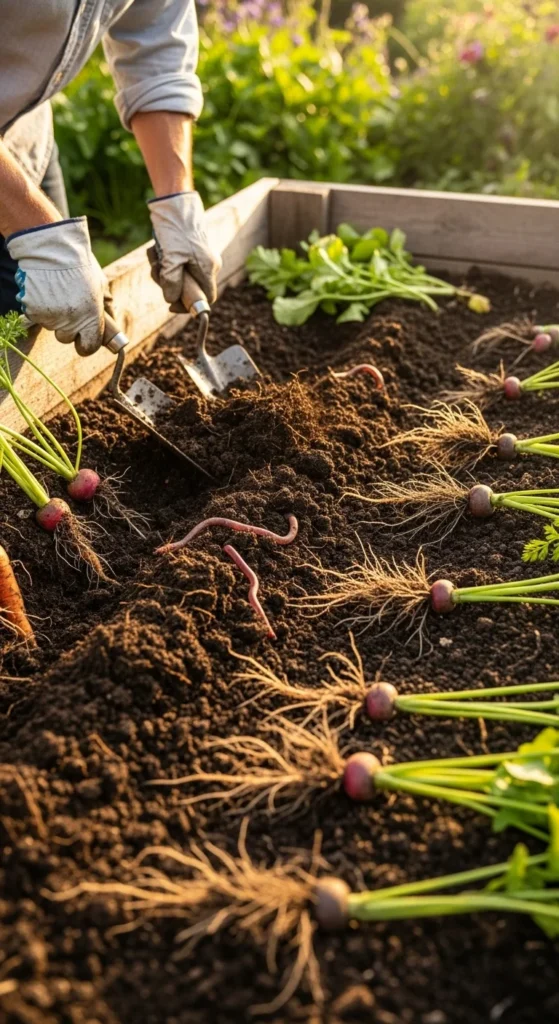
Frequent tilling disrupts soil structure and beneficial microbes.
Instead, practice no-till gardening by layering compost and mulch on top. This method maintains moisture and builds long-term soil health with less effort.
10. Myth: Rainwater Is Always Best
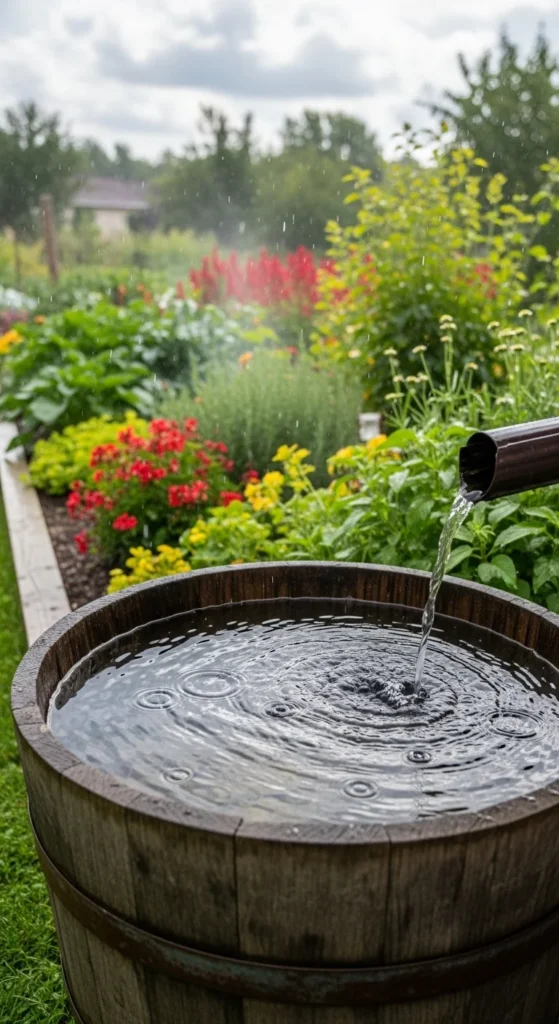
Rainwater is usually excellent — but if collected from roofs or gutters, it may contain debris or pollutants.
Filter or let it settle before using on vegetables. Clean your barrels regularly to keep water safe for plants and edibles.
11. Myth: Talking to Plants Makes Them Grow Faster
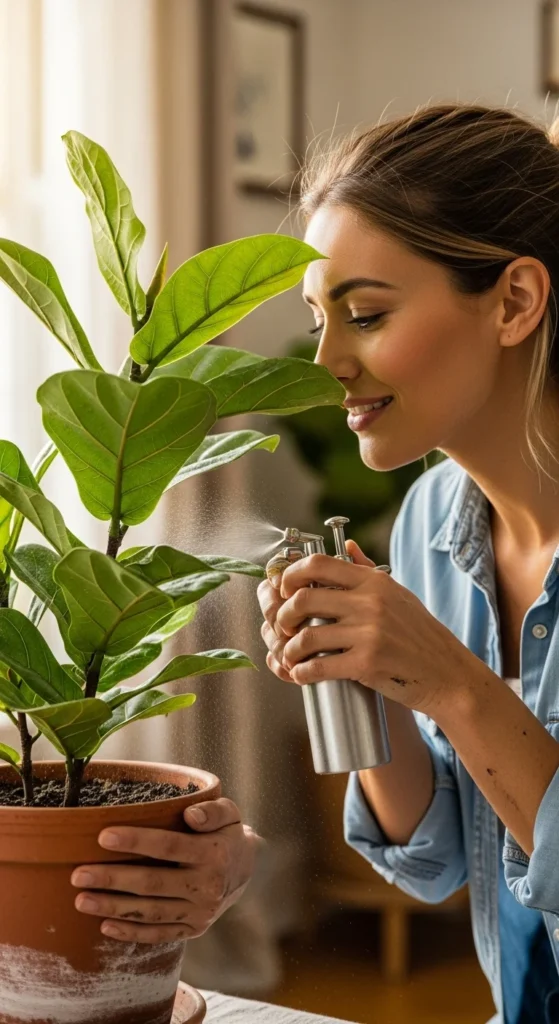
Talking itself doesn’t help, but the act of care does. When you’re near plants, you often check light, moisture, and overall condition more closely.
This consistent attention improves growth. The myth works indirectly — awareness, not words, makes the difference.
12. Myth: Dead Leaves Should Always Be Removed
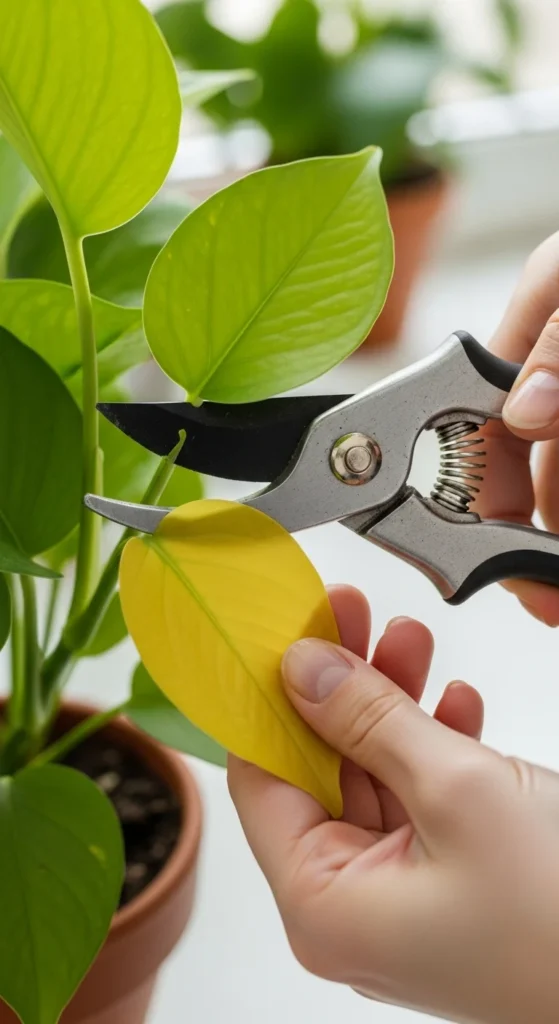
Some fallen leaves protect soil moisture and feed worms.
In garden beds, leave a few as mulch. Indoors, remove decaying leaves to prevent pests. Balance is key — tidy enough for airflow, but not too bare for healthy soil.
13. Myth: All Bugs Are Bad
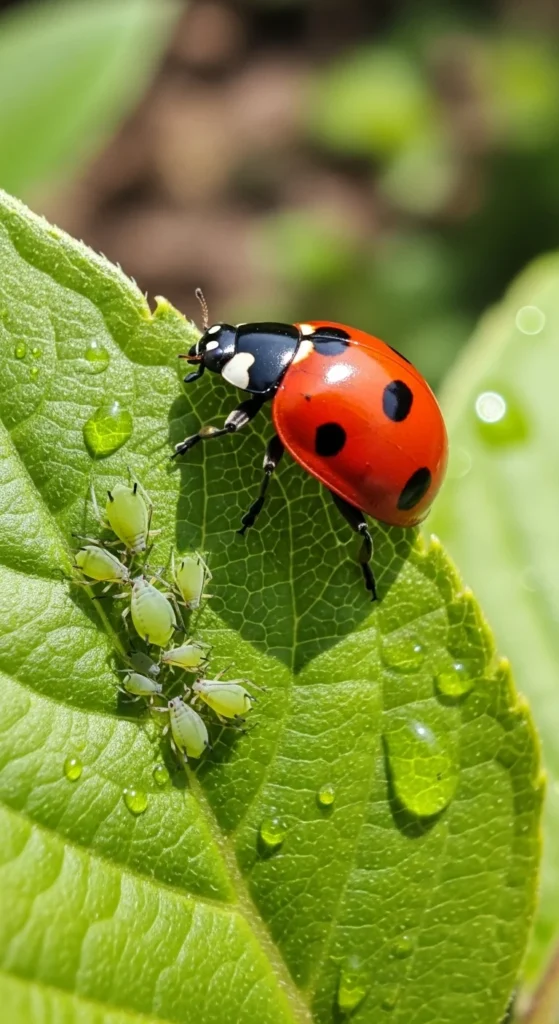
Many insects actually help your garden. Ladybugs, lacewings, and bees are vital allies.
Instead of using blanket pesticides, learn which bugs to keep. A thriving ecosystem supports balance naturally, without constant spraying or worry.
14. Myth: Pruning Hurts Plants
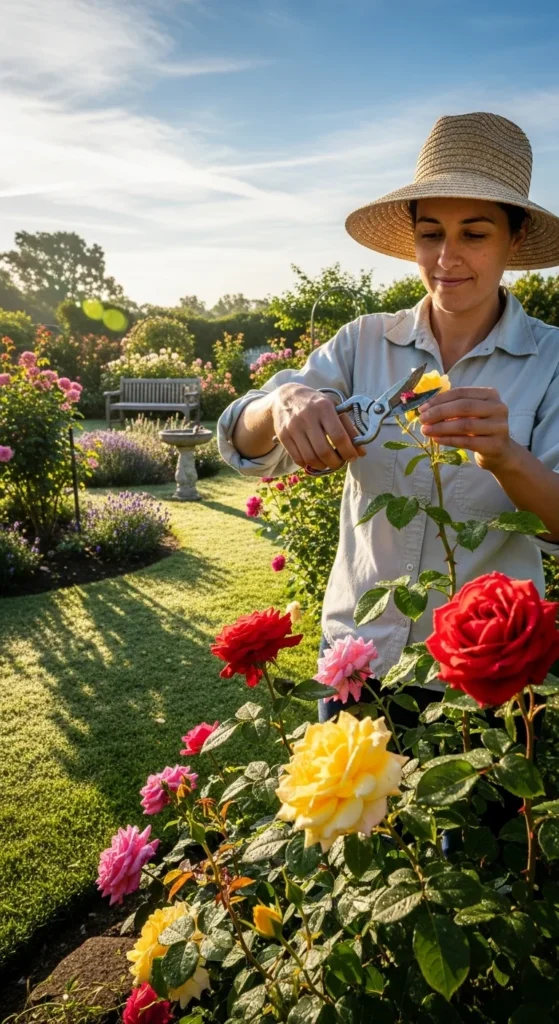
Proper pruning strengthens plants by removing weak or diseased parts.
Cut just above leaf nodes using clean tools. Late winter or early spring is ideal for most shrubs and trees. Regular trimming promotes air circulation and healthy growth.
15. Myth: Vegetables Need Chemical Fertilizers to Produce
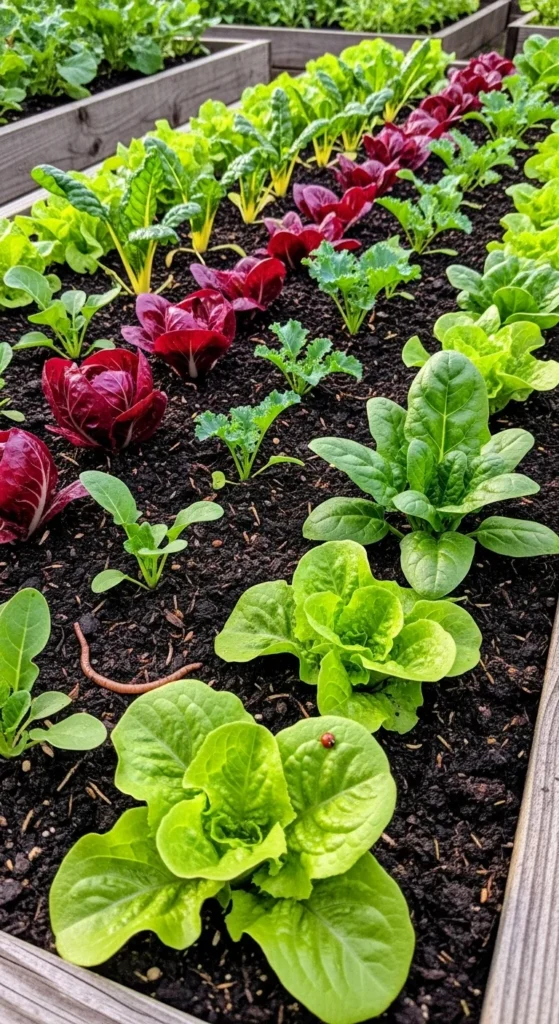
Compost and organic matter provide all the nutrition vegetables need.
Mix kitchen scraps, grass clippings, and leaves into your soil. It improves structure and nutrients naturally, reducing the need for synthetic fertilizers altogether.
16. Myth: You Can’t Grow Food in Shade
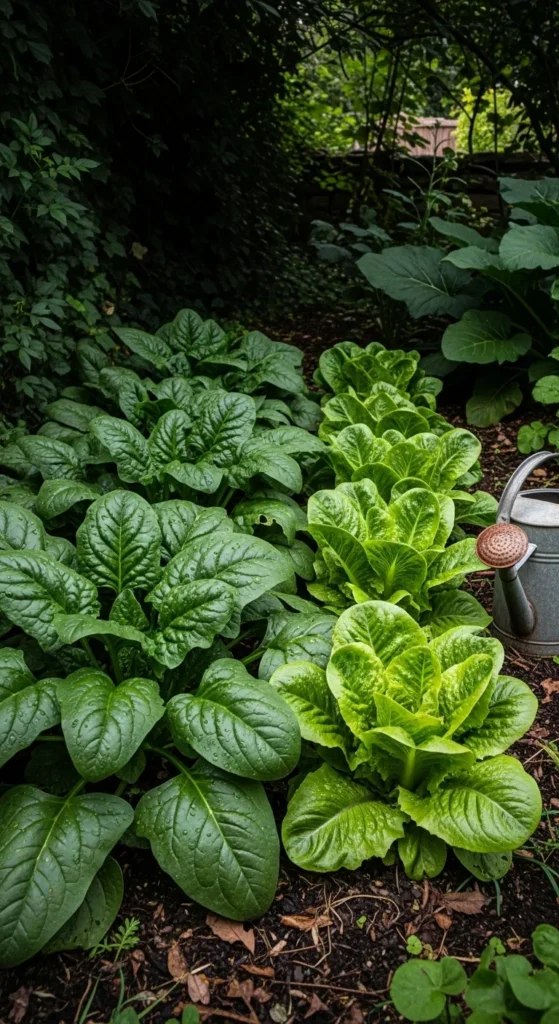
Plenty of vegetables tolerate partial shade — especially leafy greens.
Try spinach, kale, and chard in cooler, dimmer spots. Shade even helps prevent bolting in hot climates. Don’t let limited sunlight stop you from growing fresh produce.
17. Myth: Plants Stop Growing in Winter
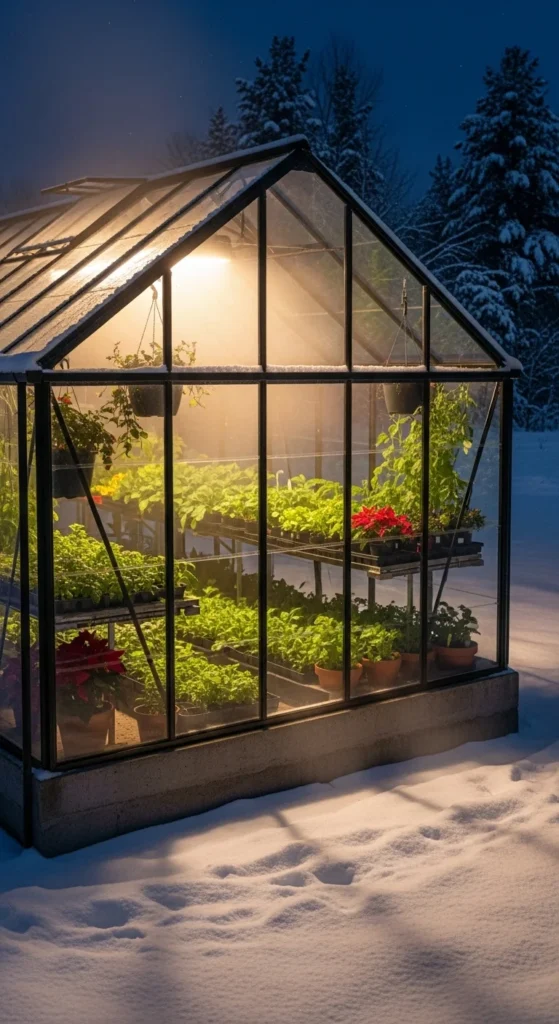
Growth slows but doesn’t stop entirely.
Use cold frames or greenhouses to protect crops like carrots or lettuce. Many hardy plants continue developing roots even when top growth pauses. Keep soil slightly moist and insulated.
18. Myth: Mulch Attracts Pests
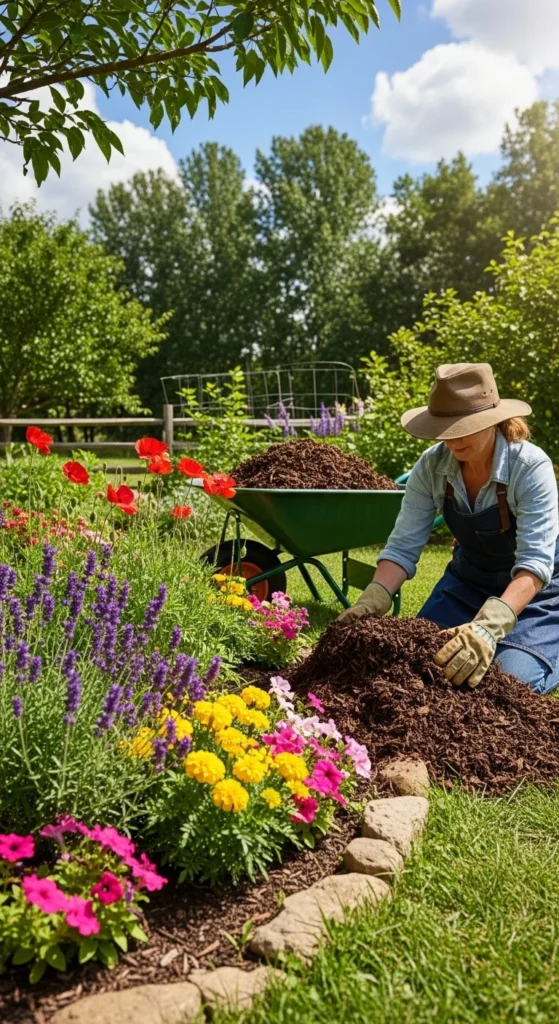
Mulch doesn’t attract pests — poor mulch placement does.
Keep it a few inches away from stems or trunks to avoid trapping moisture. Organic mulch improves soil temperature and reduces weeds when used properly.
19. Myth: Wilted Plants Always Need Water
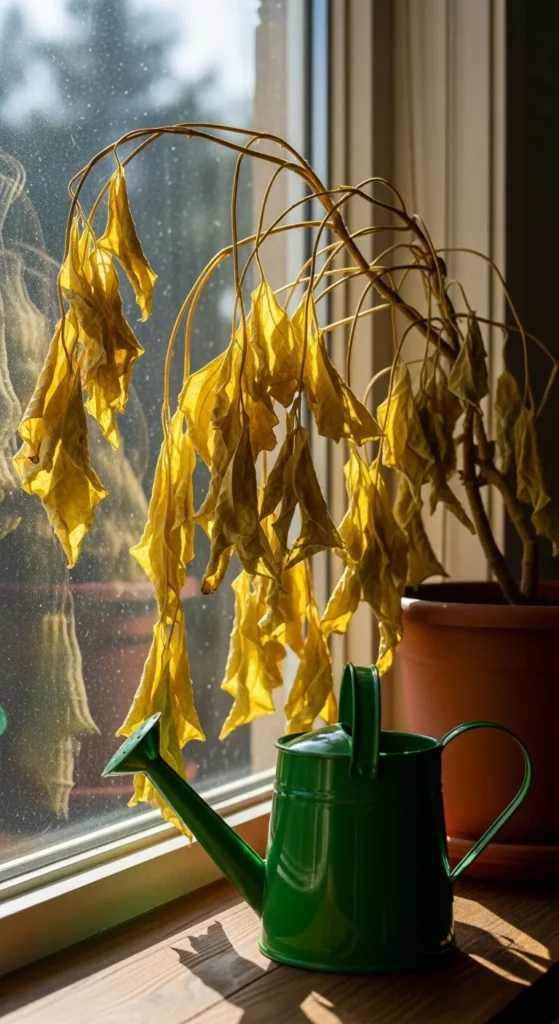
Wilting can mean overwatering or root damage, not just dryness.
Before adding water, feel the soil. If it’s damp, let it dry out first. Repot if roots appear brown or mushy — healthy roots should look firm and white.
20. Myth: You Can’t Mix Flowers and Vegetables
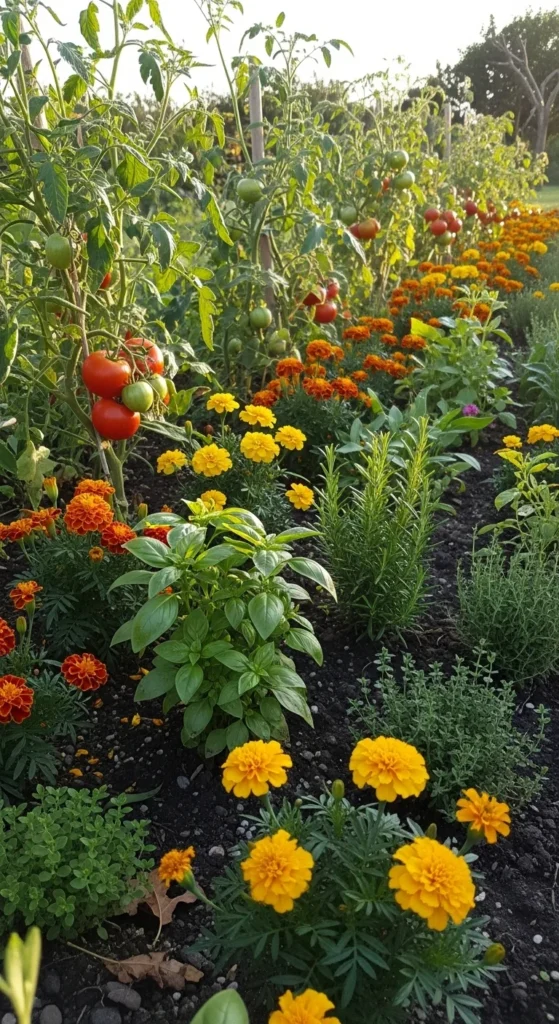
Flowers and vegetables can thrive together beautifully.
Marigolds deter pests, while pollinator-friendly blooms increase vegetable yields. Plant companion species that benefit each other — it looks stunning and functions smartly.
21. Myth: You Must Remove Weeds Completely
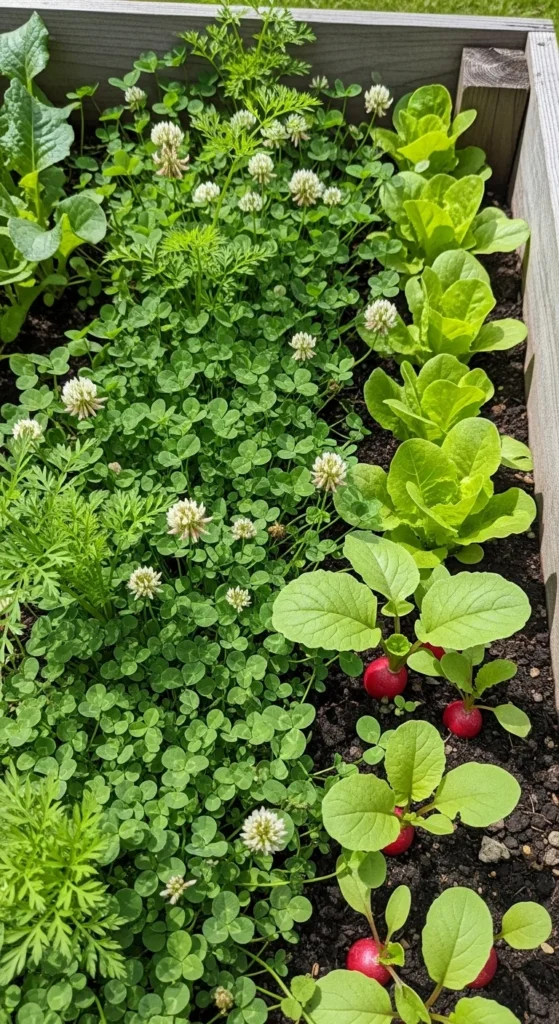
Not every “weed” is harmful. Clover, for example, enriches soil with nitrogen.
Pull only aggressive invaders that smother crops. Some wild plants support pollinators and improve soil when left in small patches.
22. Myth: Gardening Is Expensive to Start
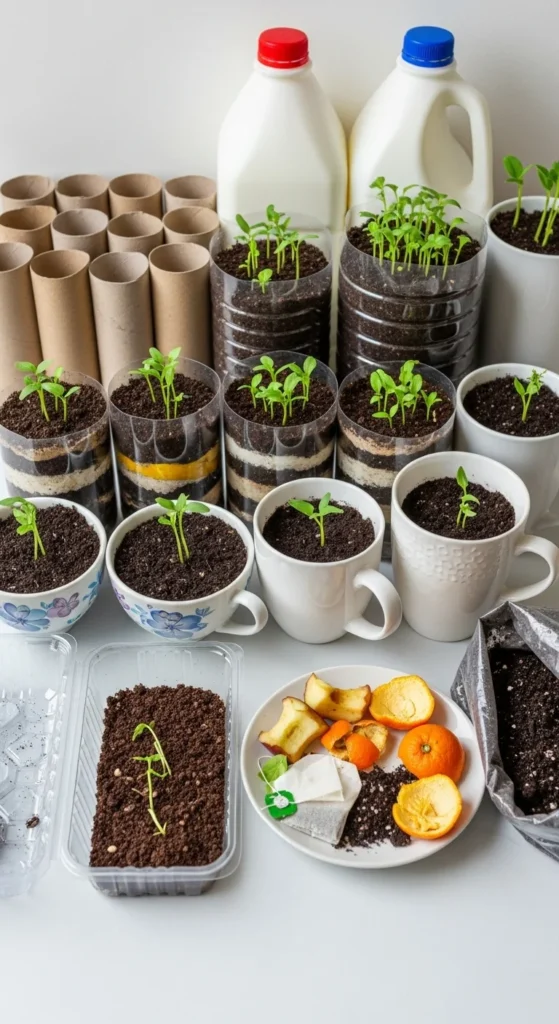
You can garden affordably with creativity.
Reuse containers, collect seeds from produce, and compost kitchen waste. Local plant swaps or community gardens are great ways to share resources. Gardening grows with your care, not your budget.
Conclusion
Many gardening myths sound convincing, but real success comes from observation and patience. Plants thrive when you understand their natural rhythms instead of following old advice. By questioning what you’ve heard and applying these truth-based tips, your garden — big or small — will reward you with healthier plants, richer soil, and more confidence every season.

Leave a Reply