

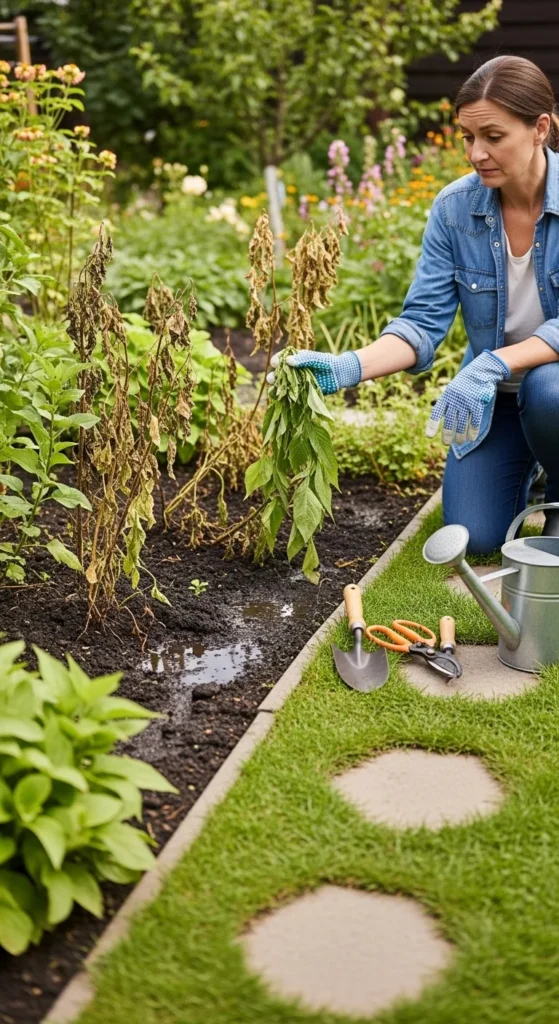
Gardening brings joy, color, and calm to life—but for beginners, it can also bring frustration. Many start with enthusiasm, only to face yellowing leaves, droopy plants, or empty patches of soil. The truth is, success comes from avoiding a few common mistakes rather than chasing perfection. This guide covers 24 common gardening mistakes that beginners make—and how to fix them easily. With these insights, you’ll grow stronger plants, save money, and actually enjoy your garden year-round.
1. Overwatering Plants
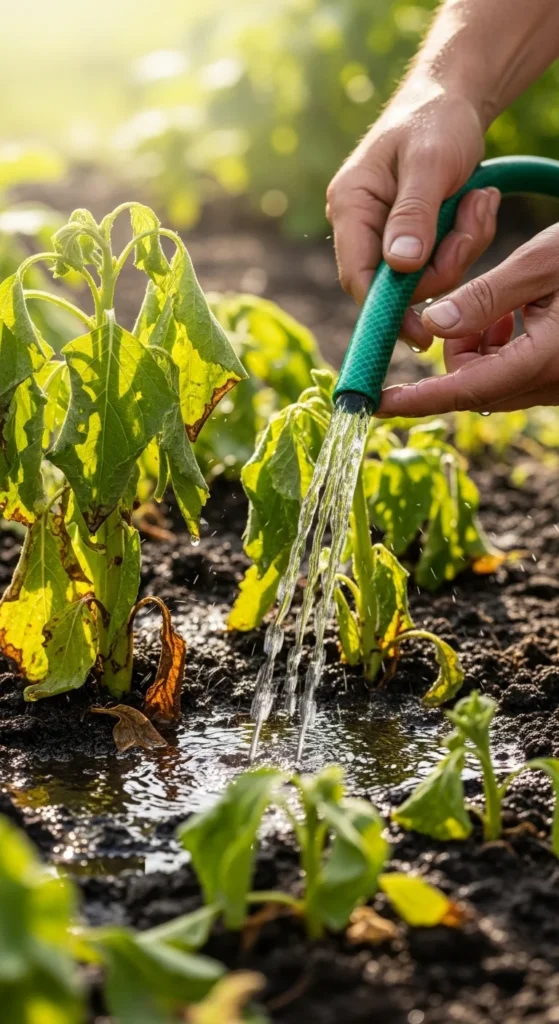
Too much water can drown roots and block oxygen flow. Many new gardeners think watering daily is helpful—but it can cause rot instead. Always check soil moisture by touching it; if it feels damp, wait before watering again. Use a watering can with a narrow spout for better control. Adding mulch helps soil stay moist longer, so you water less often. Plants prefer consistency, not puddles.
2. Planting in the Wrong Spot
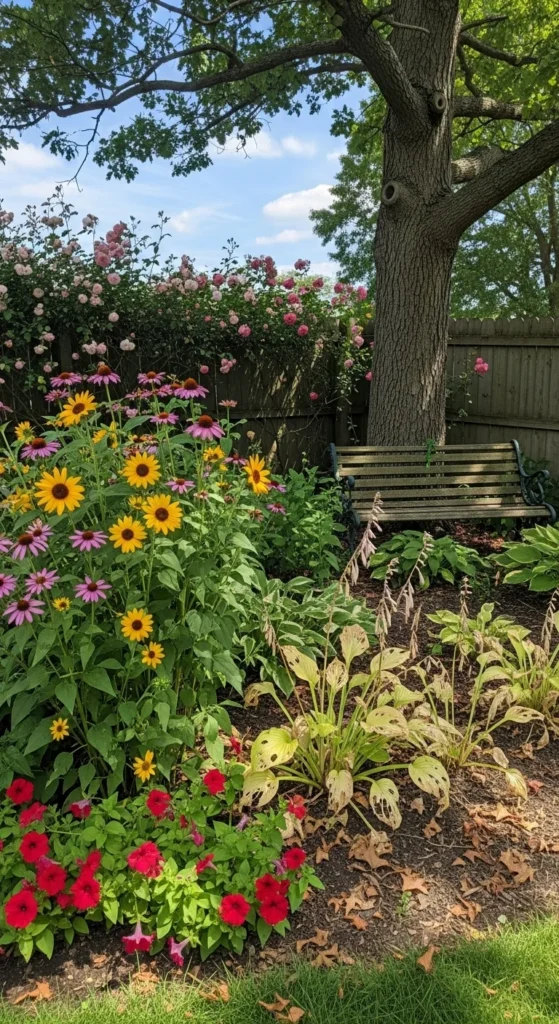
Every plant has its preferred sunlight level. Shade plants burn in full sun, while sun-lovers wilt in shade. Before planting, observe your yard for a few days to learn where sunlight falls. Group plants based on light needs. Use labels when buying new plants—they usually show what kind of light each one prefers. A little planning avoids a lot of disappointment later.
3. Ignoring Soil Quality
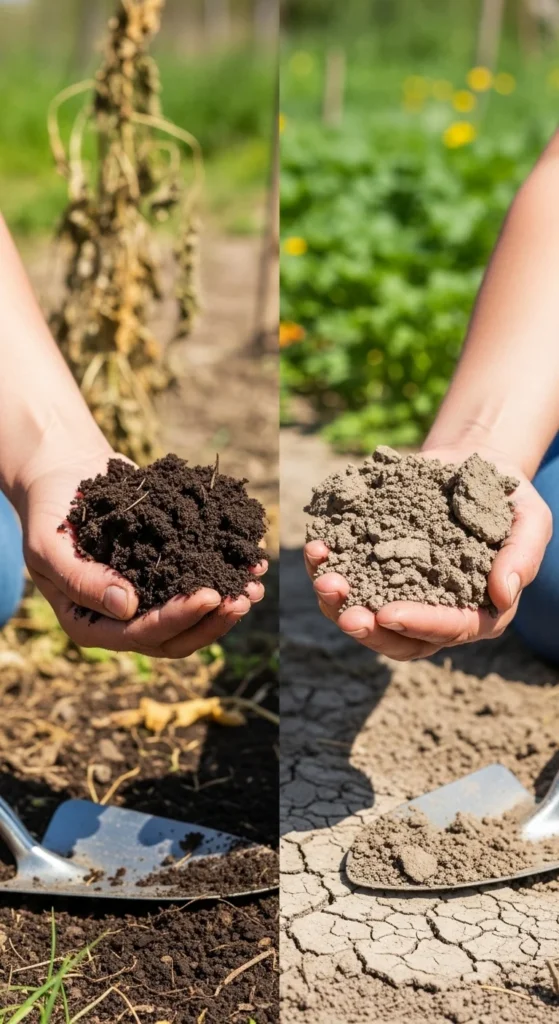
Healthy soil is the foundation of every great garden. Many beginners skip testing or improving it. Poor soil drains badly and lacks nutrients. Mix in compost or aged manure before planting to add life back into it. You can also test pH using inexpensive home kits. Most vegetables love slightly acidic soil. Fixing soil once saves years of poor growth.
4. Planting Too Close Together
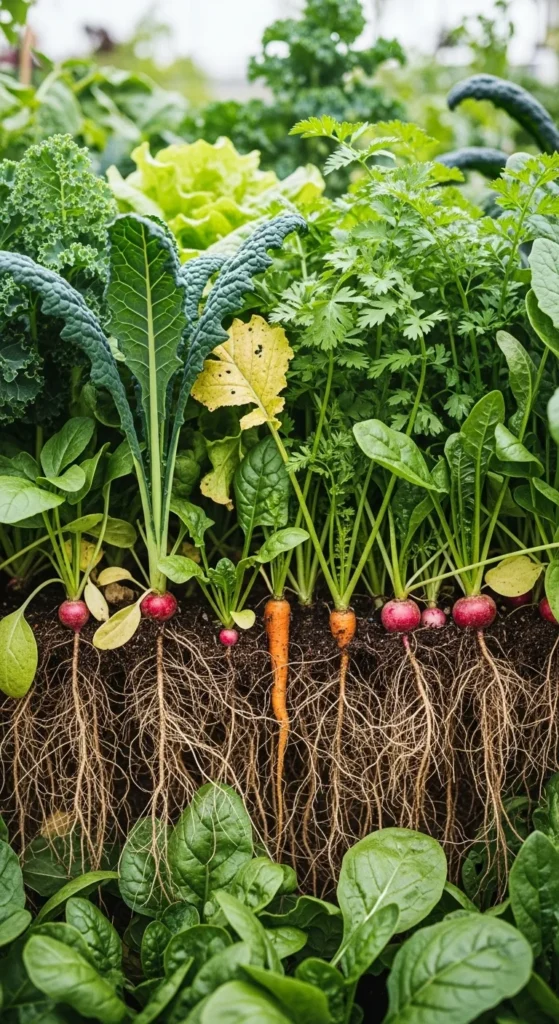
Cramming plants makes gardens look lush at first but hurts growth later. Crowded roots compete for water, air, and nutrients. Always follow spacing recommendations on seed packets or plant tags. If your garden is small, use vertical space with trellises or stacked planters. Give each plant breathing room—it grows bigger and stays healthier that way.
5. Skipping Mulch
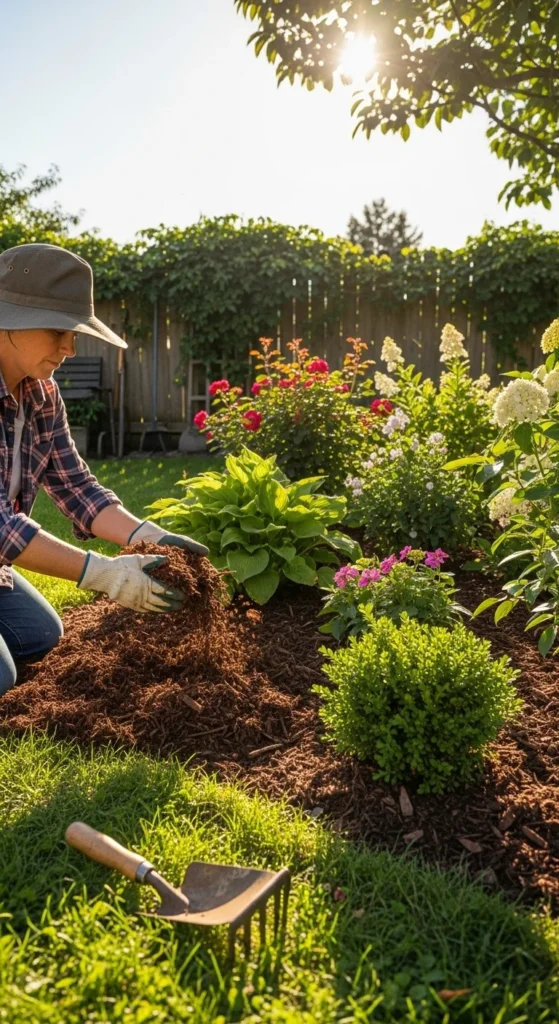
Mulch does more than look tidy. It locks moisture, keeps roots cool, and blocks weeds. Beginners often skip it, only to battle dry soil or constant weeding later. Spread a two-inch layer of straw, bark, or shredded leaves around plants. Keep it a few inches from the stems to prevent rot. This single step saves hours of maintenance each week.
6. Ignoring Local Climate
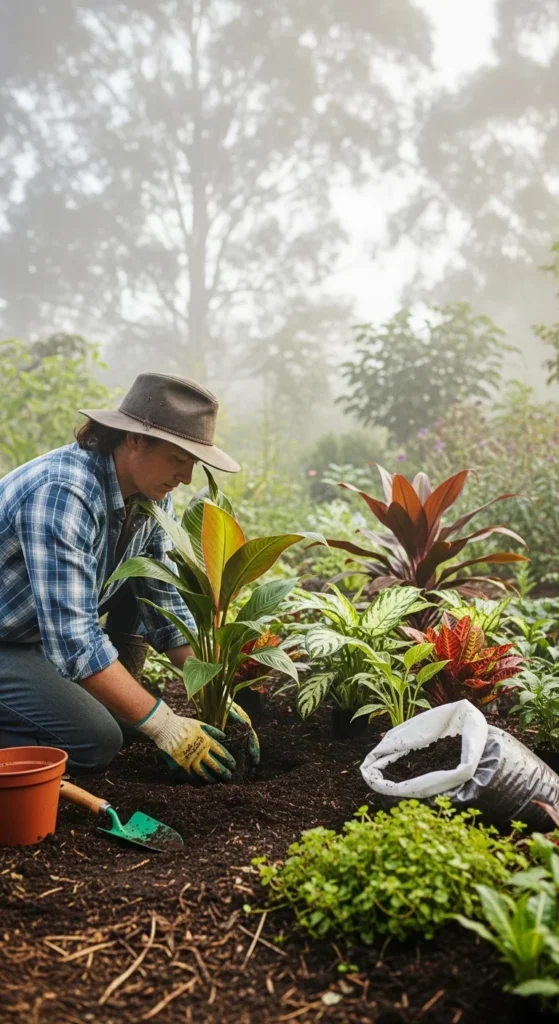
Planting the wrong species for your climate leads to endless frustration. Research your local growing zone before buying plants. Choose varieties adapted to your area’s temperature and rainfall patterns. Local nurseries often carry region-friendly options. Matching your plants to your weather makes gardening easier and more successful.
7. Using Chemical Fertilizers Too Early
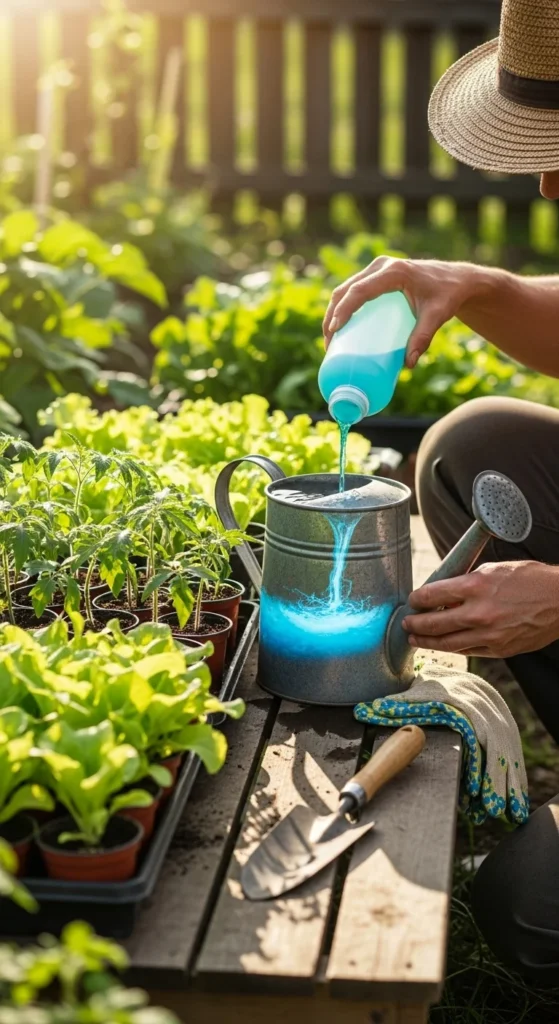
Beginners often think fertilizers fix every problem. But overusing them can burn roots and damage soil microbes. Focus first on healthy soil through compost and organic material. Use fertilizers sparingly and only during active growth. For beginners, slow-release organic options are safer and more forgiving. Your plants will thank you with steady, balanced growth.
8. Forgetting to Prune
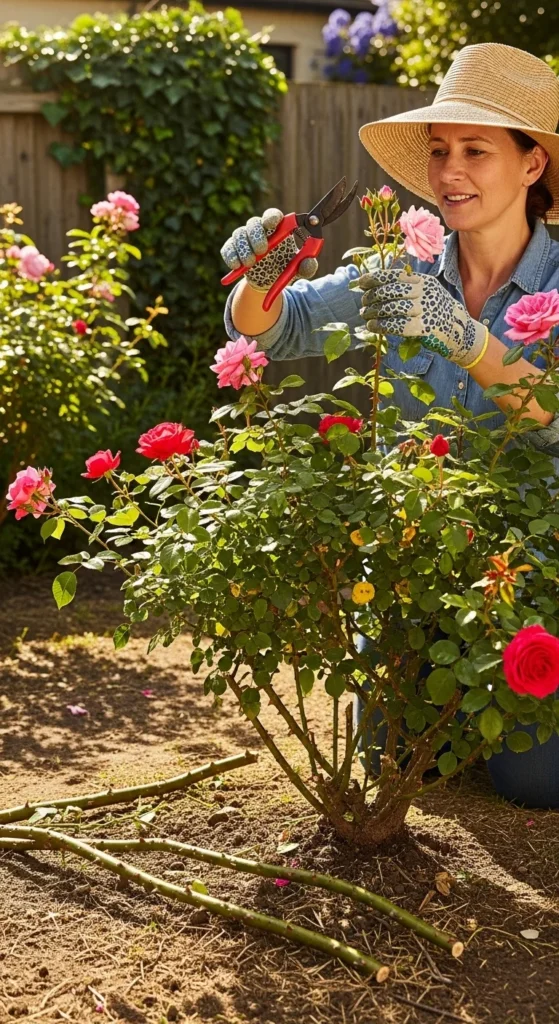
Unpruned plants get messy, weak, and less productive. Regular trimming encourages stronger stems and more blooms. Remove dead or crossing branches, and shape plants for airflow. Always use clean, sharp tools. Pruning once a season makes a huge difference in plant health. Don’t be afraid—plants usually bounce back stronger after a good cut.
9. Ignoring Pests Until It’s Too Late
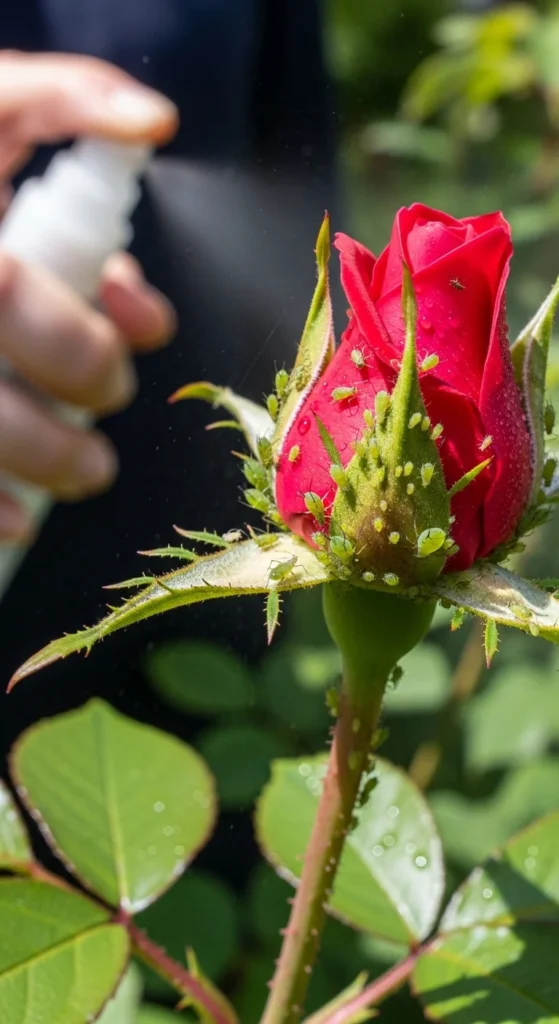
Aphids, snails, and caterpillars can destroy plants quickly. Many beginners overlook small infestations until damage spreads. Check leaves often—especially the undersides. Use simple remedies like neem oil, soap spray, or companion planting (e.g., marigolds near vegetables). Quick action prevents weeks of damage and keeps your garden thriving naturally.
10. Planting Too Early in Spring
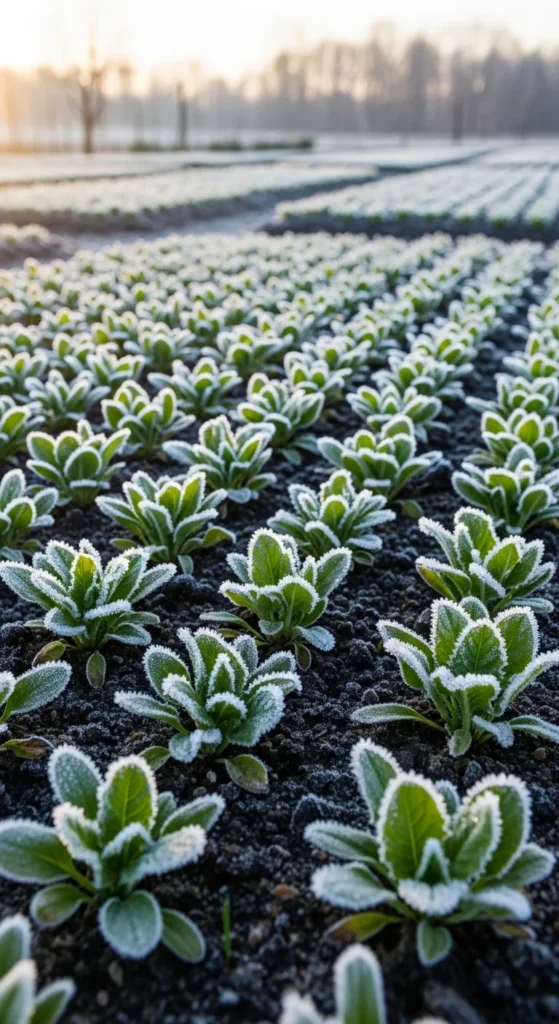
Warm spring days can be misleading. Planting too early risks frost damage. Always check your region’s last frost date before putting plants outside. Start seeds indoors if you’re eager to grow early. Use covers or cloches if weather turns cold unexpectedly. Waiting just a few weeks can mean healthier, longer-living plants.
11. Forgetting to Rotate Crops
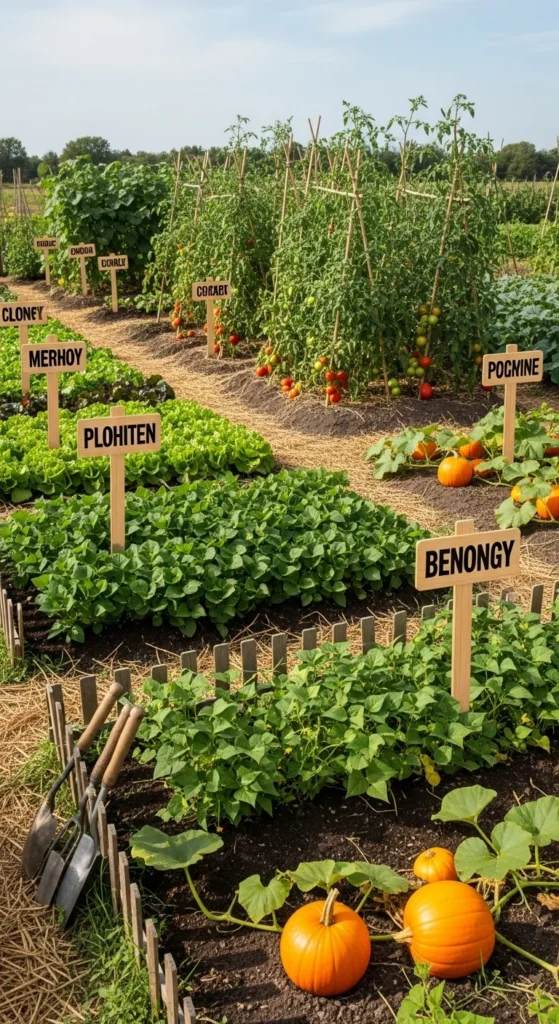
Growing the same crop in the same spot every year drains the soil and attracts pests. Rotate plant families—like tomatoes, beans, and lettuce—each season. This simple system keeps nutrients balanced and diseases under control. Even small gardens benefit from rotation. Mark sections with signs or notes to stay organized year after year.
12. Neglecting Weeds Early On
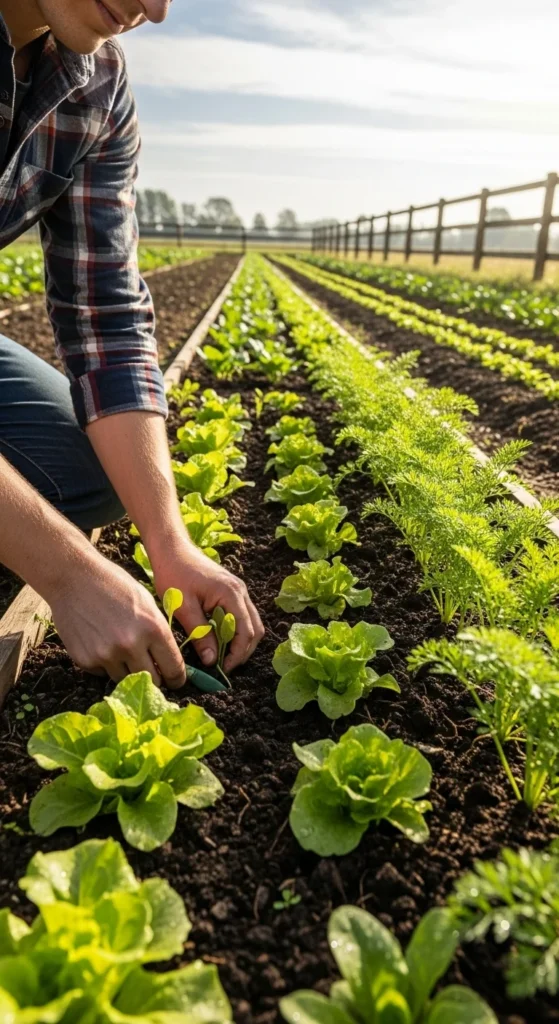
Letting weeds spread makes them harder to remove later. Pull them when they’re small—roots come out easily and won’t regrow. Use mulch to block light and prevent new weeds from sprouting. A few minutes each week keeps your beds clean and saves massive effort later. Consistency beats chaos in weeding.
13. Not Labeling Plants
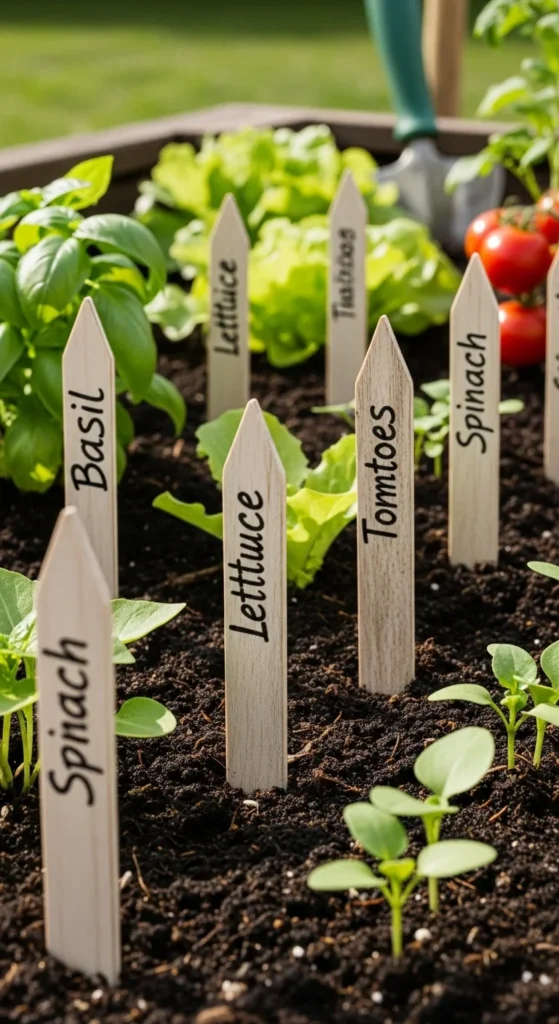
Forgetting what you planted where leads to confusion later. Always label plants as soon as you sow or transplant them. Use wooden stakes, stones, or recycled plastic tags. Waterproof pens prevent fading. Clear labeling helps track growth, spacing, and rotation plans. It’s a small habit that makes a big difference for planning future seasons.
14. Overcrowding Containers
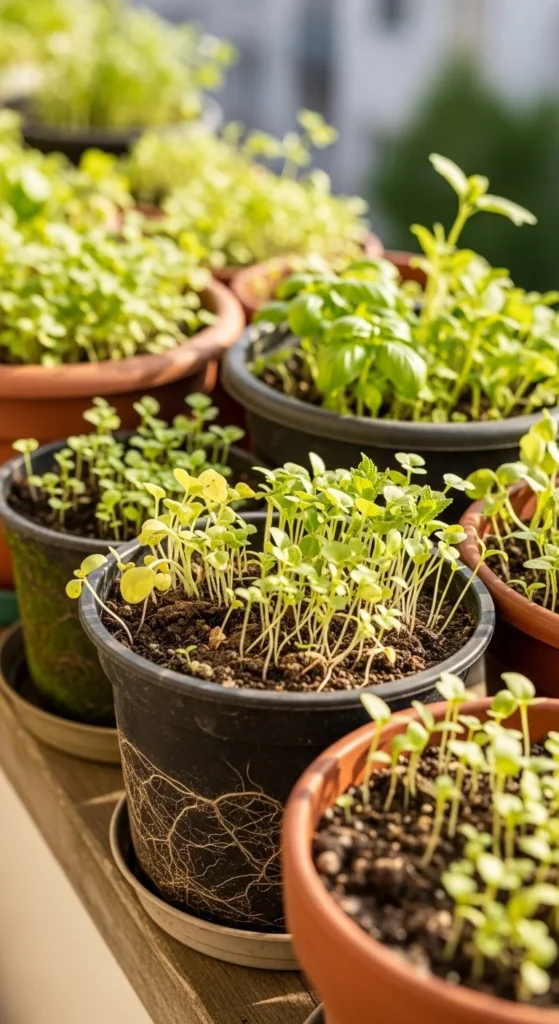
Container gardening is convenient—but overstuffing pots chokes roots and limits growth. Stick to one large plant per pot or a few small ones with similar needs. Use containers with proper drainage holes and fresh soil. If you want a fuller look, group pots together instead of crowding one. Healthy roots mean thriving plants.
15. Using Poor Drainage
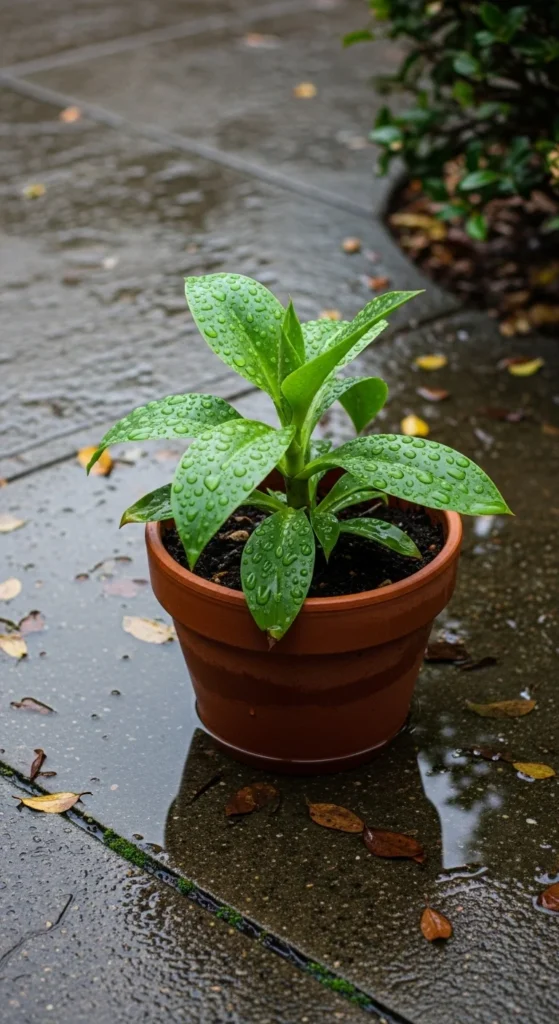
Plants hate “wet feet.” Without drainage, water sits in pots or soil and suffocates roots. Always drill holes in containers and add gravel or mesh at the bottom. In garden beds, mix sand or compost to loosen compacted soil. Check after rain—if water pools, it’s time to fix drainage before replanting.
16. Forgetting to Feed Plants Regularly
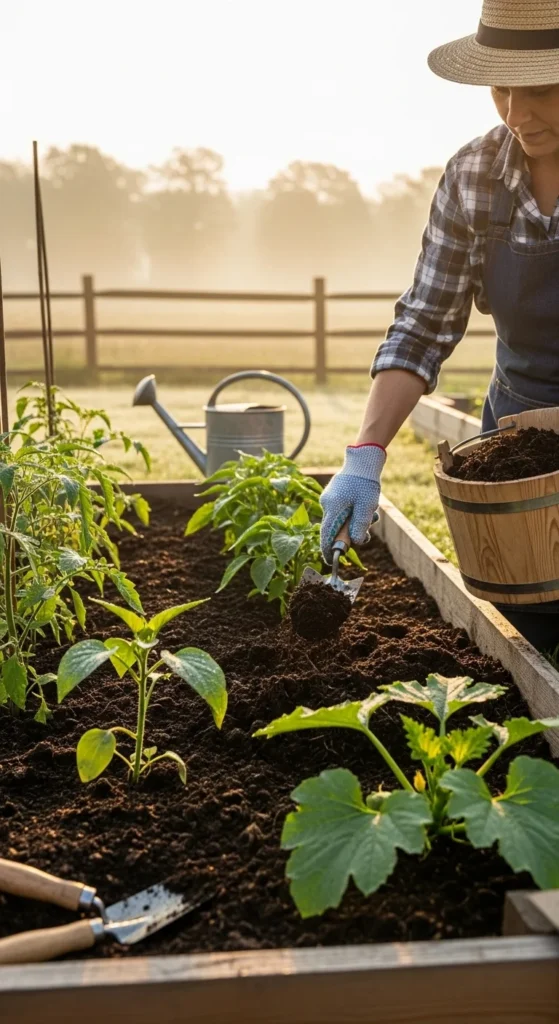
Even the best soil loses nutrients over time. Beginners often forget that plants need regular feeding. Add compost or organic fertilizer every few months. Liquid seaweed or fish emulsion also gives quick nutrition boosts. Healthy feeding schedules produce vibrant growth and higher yields—without depending on chemicals.
17. Ignoring Companion Planting
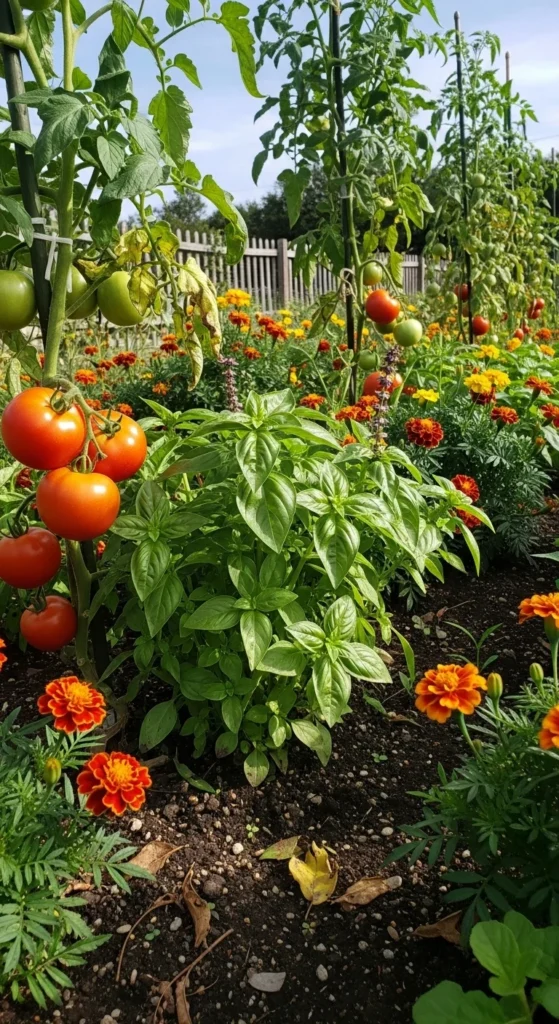
Some plants grow better together. For example, basil improves tomato flavor and repels pests, while marigolds keep nematodes away. Ignoring these natural partnerships makes your garden less productive. Research simple companion charts and mix compatible species. You’ll get stronger plants with fewer pest issues—all naturally.
18. Forgetting to Harvest on Time
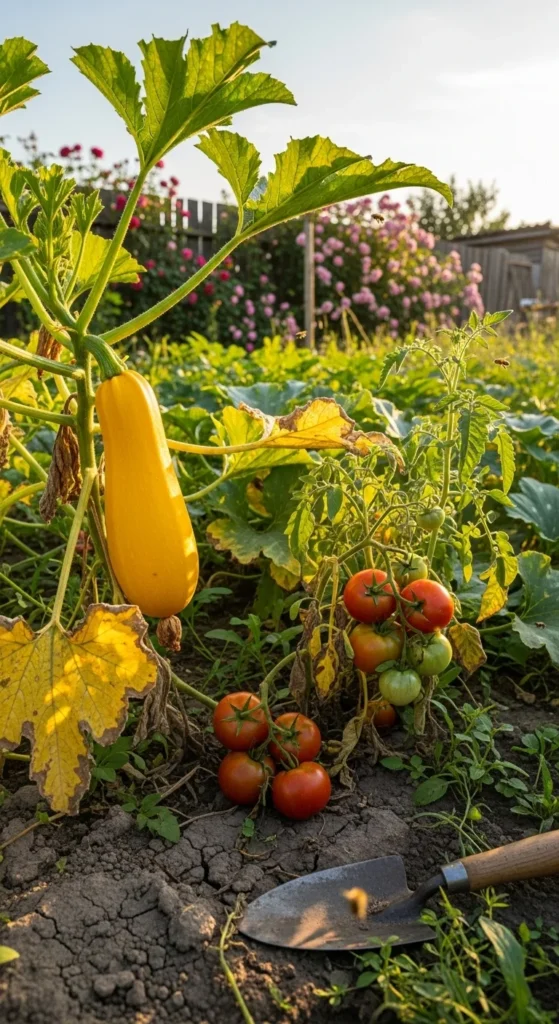
Leaving ripe crops on plants too long reduces new growth. It also attracts pests and mold. Harvest fruits and vegetables as soon as they mature. Use a basket or cloth bag to collect produce gently. Frequent harvesting encourages continuous production—especially for beans, cucumbers, and herbs.
19. Neglecting Pollinators
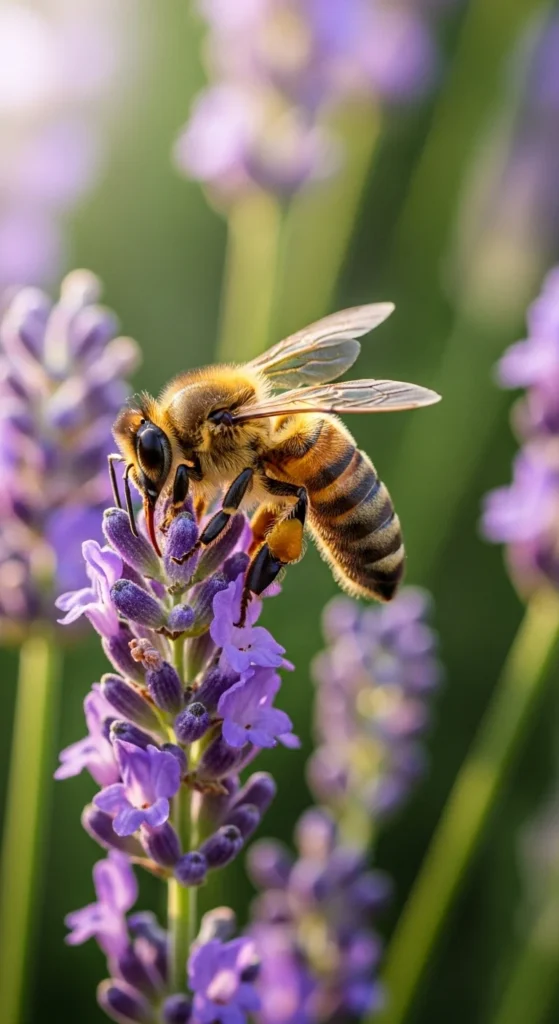
Without bees and butterflies, many plants won’t fruit. Beginners sometimes chase insects away, not realizing they’re essential. Plant pollinator-friendly flowers like lavender, cosmos, or sunflowers. Avoid pesticides that harm bees. Add a small water dish with pebbles for them to rest. A pollinator-friendly garden is always more vibrant and productive.
20. Forgetting to Check Soil Moisture Before Watering
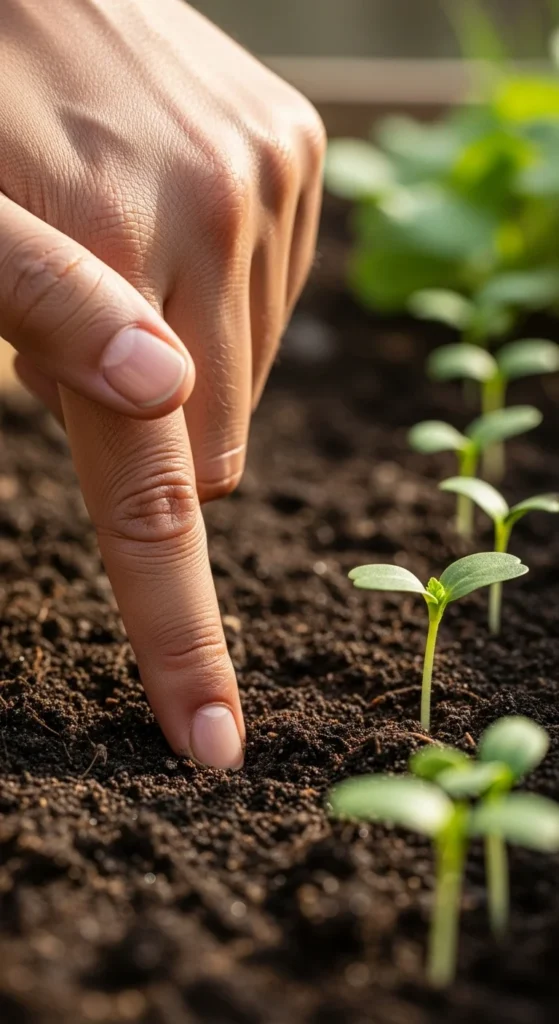
Guessing when to water leads to problems. Always test before pouring water. Stick a finger two inches deep into the soil—if it’s dry, it’s time to water. For large gardens, invest in a simple moisture meter. Learning this habit keeps roots healthy and saves gallons of wasted water.
21. Ignoring Seasonal Care
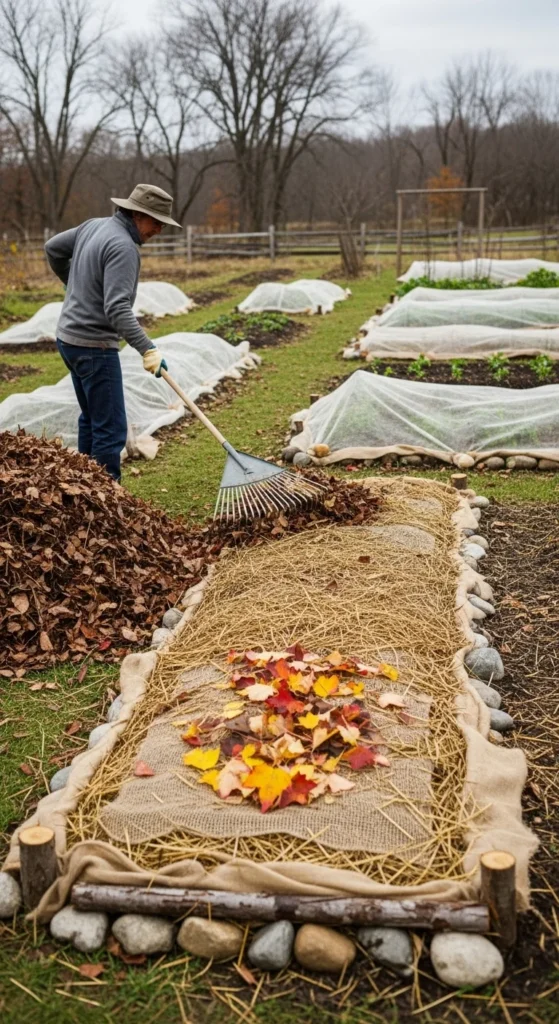
Each season requires different care. Many beginners treat gardens the same year-round. Trim perennials before winter, protect delicate plants from frost, and feed soil in spring. Schedule small seasonal chores to keep everything thriving. A little preparation now saves hours of repair later.
22. Forgetting to Enjoy the Process
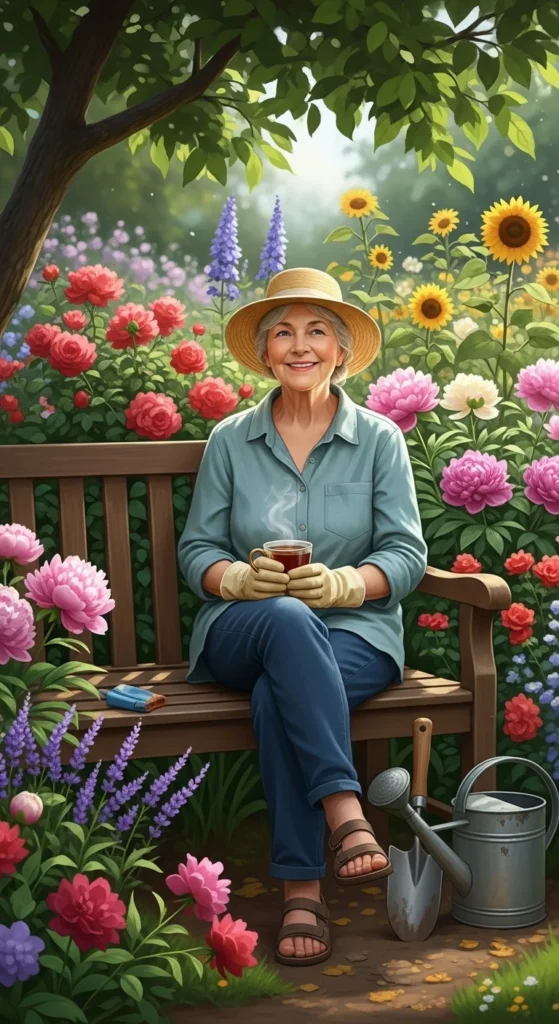
Gardening shouldn’t feel stressful. Beginners sometimes obsess over perfection and lose the joy of it. Accept small mistakes—they’re part of learning. Celebrate every bloom and harvest. Take time to sit, breathe, and enjoy what you’ve created. A happy gardener grows the happiest plants.
23. Not Planning for Growth Size
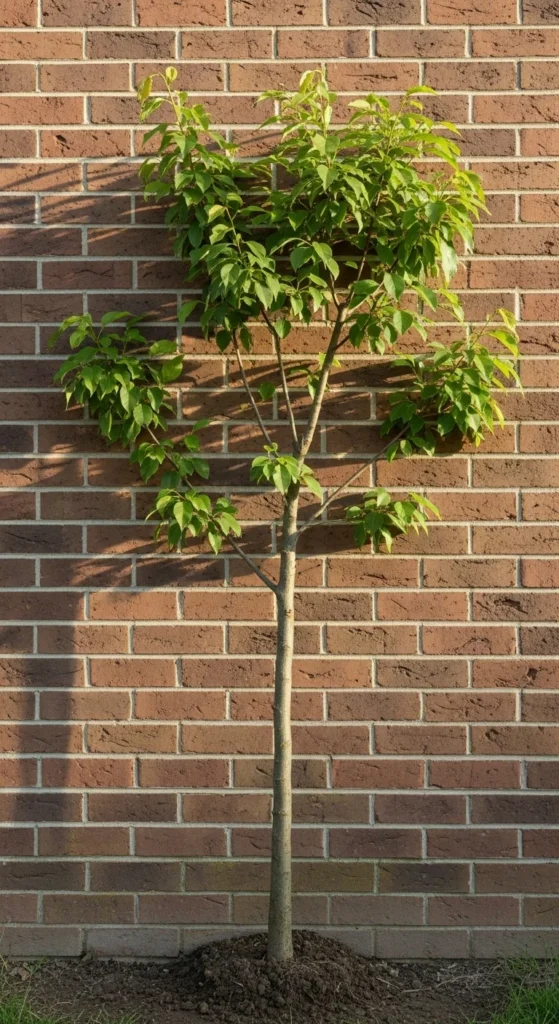
Tiny seedlings often grow into large plants. Many beginners underestimate their mature size. Check tags for height and spread information before planting. Leave extra room between shrubs and walls. This prevents crowding, root damage, and pruning headaches later. Smart spacing today saves costly corrections tomorrow.
24. Using Garden Tools Incorrectly
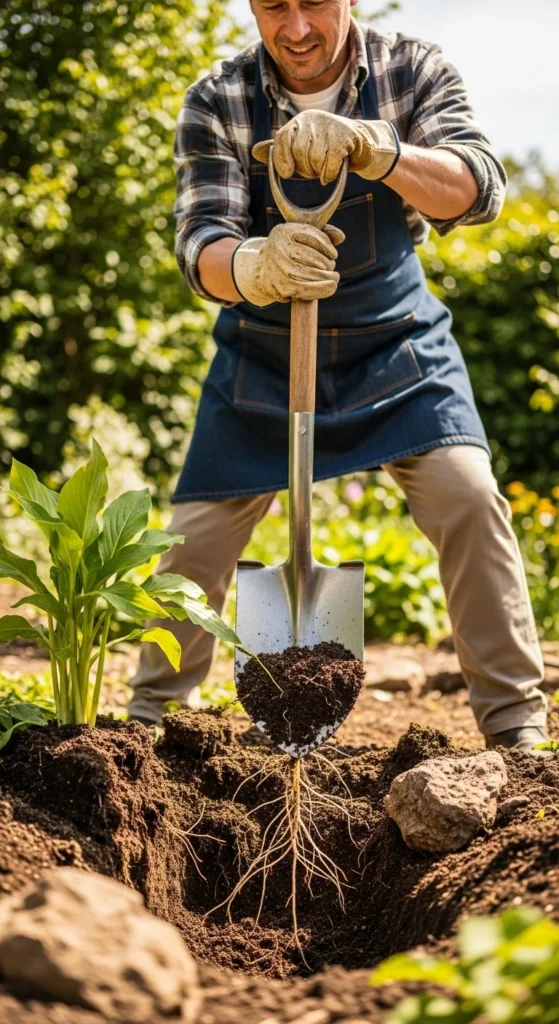
Improper tool use can harm plants and waste effort. Learn the basics—use a hand trowel for precision, a hoe for weeding, and a spade for digging holes. Clean and store tools after use to keep them sharp and rust-free. Having the right tool for each task makes gardening faster, safer, and far more enjoyable.
Conclusion
Every gardener starts somewhere, and mistakes are part of the journey. The key is learning quickly and making small improvements each season. By avoiding these 24 common gardening mistakes, you’ll save time, protect your plants, and see real progress faster. Stay curious, keep observing, and enjoy every moment—because gardening is just as much about growth in the soil as it is in you.
Leave a Reply