

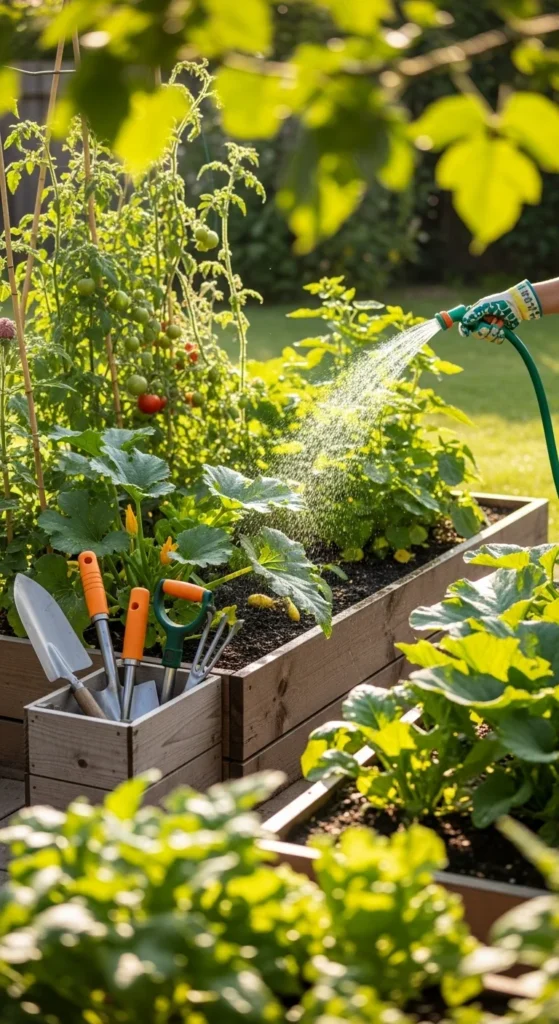
Gardening is relaxing—but it can also take a lot of time. From watering routines to pest control, small tasks add up. The good news? With a few smart tricks, you can make your garden easier to manage and more productive. These 22 brilliant gardening hacks save hours each week and simplify the entire process. Whether you’re a weekend grower or a daily digger, these tips keep your plants thriving with less effort and more joy.
1. Use Coffee Grounds as Fertilizer
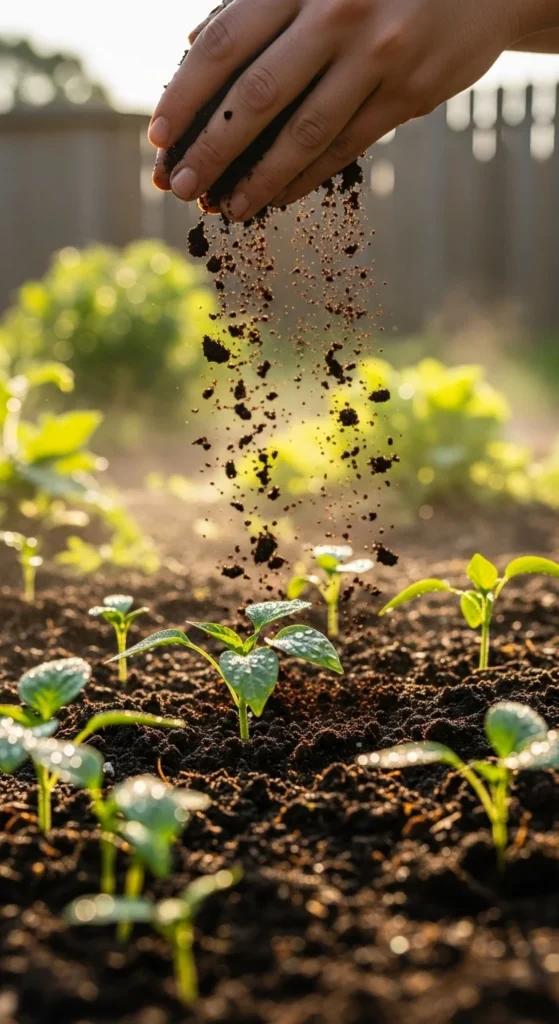
Coffee grounds are packed with nutrients like nitrogen, calcium, and potassium. Instead of tossing them out, mix them into your garden soil. They improve texture and help plants grow stronger roots. Sprinkle a thin layer around vegetables or flowers once a week. You can also mix coffee grounds with compost for richer soil. Just avoid piling too much—it can block airflow. This simple habit recycles waste and saves you from buying extra fertilizers.
2. Turn Plastic Bottles into Watering Devices
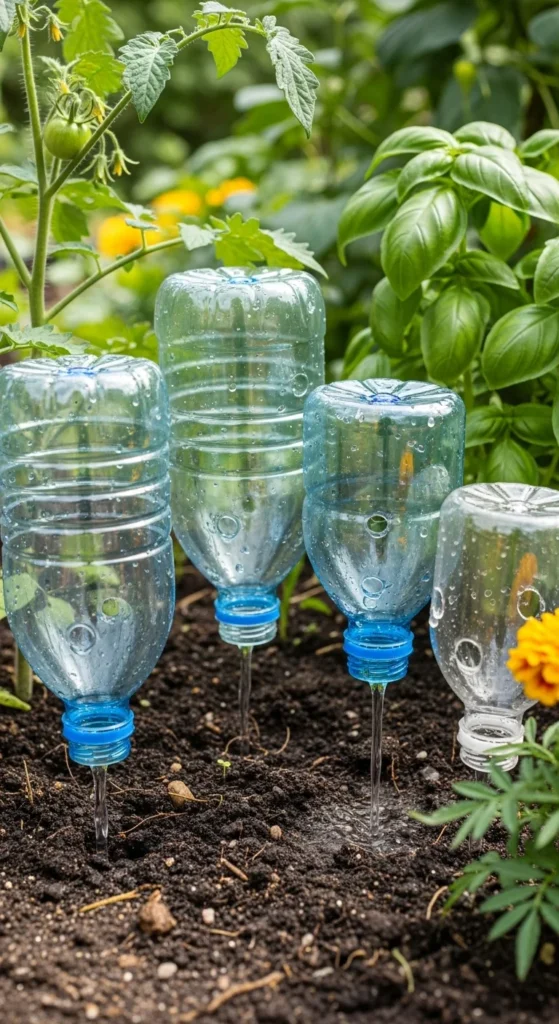
Don’t spend money on expensive irrigation systems. Take an old plastic bottle, poke a few holes in the cap, and bury it upside down near your plants. Fill it with water, and it will release moisture slowly into the roots. This DIY trick keeps soil consistently damp, even when you’re away. It’s perfect for tomatoes, herbs, and hanging planters. Refill every few days and save both time and water.
3. Save Eggshells for Stronger Soil
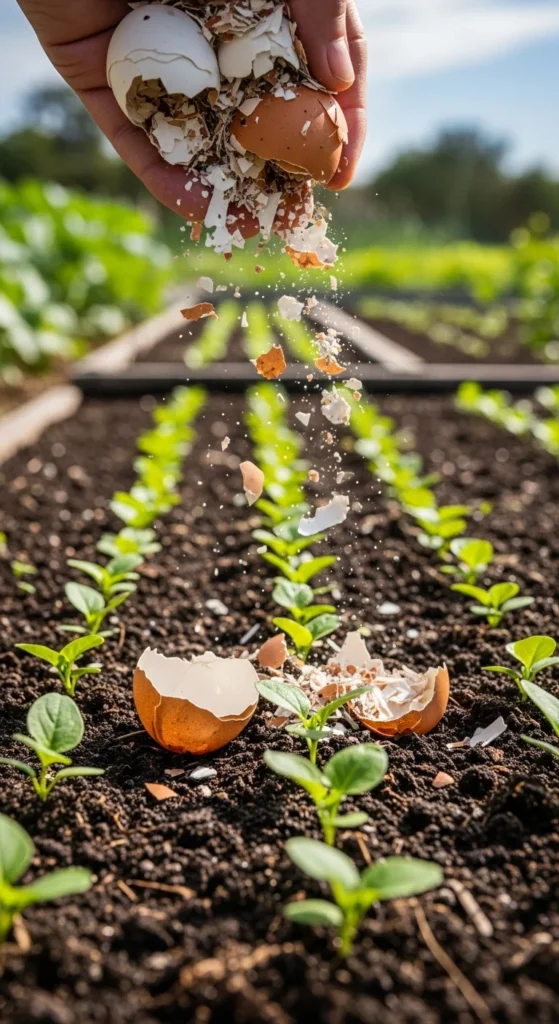
Eggshells are full of calcium, which helps prevent blossom-end rot in tomatoes and peppers. Rinse them, crush them, and sprinkle into your garden soil. They also deter snails and slugs because of their sharp edges. Add them to your compost pile or blend into powder for faster absorption. It’s a simple, zero-cost way to strengthen plants and cut down on chemical fertilizers.
4. Mulch with Grass Clippings
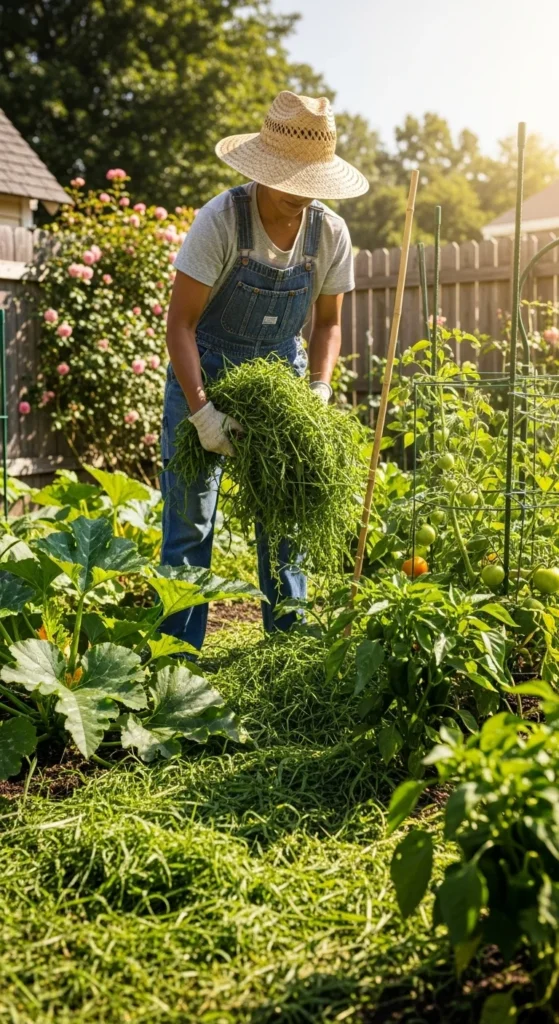
Grass clippings make an excellent mulch layer. Spread them around your plants to keep soil moist and reduce weeds. As they break down, they return nitrogen to the ground. Just use thin layers—too much can get soggy. This method keeps you from hauling bags of mulch and mowing waste. It’s quick, free, and keeps your garden hydrated for longer.
5. Reuse Kitchen Scraps for Compost
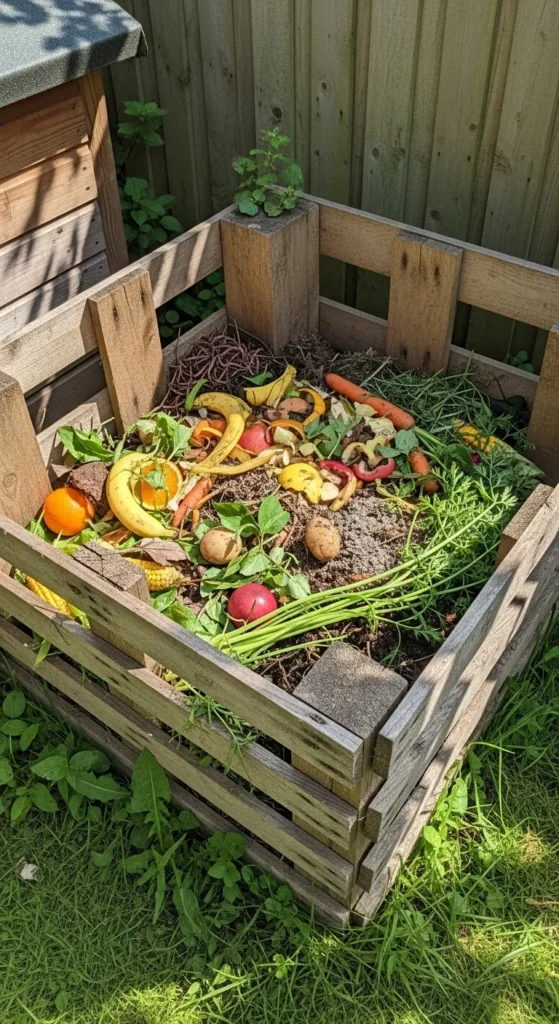
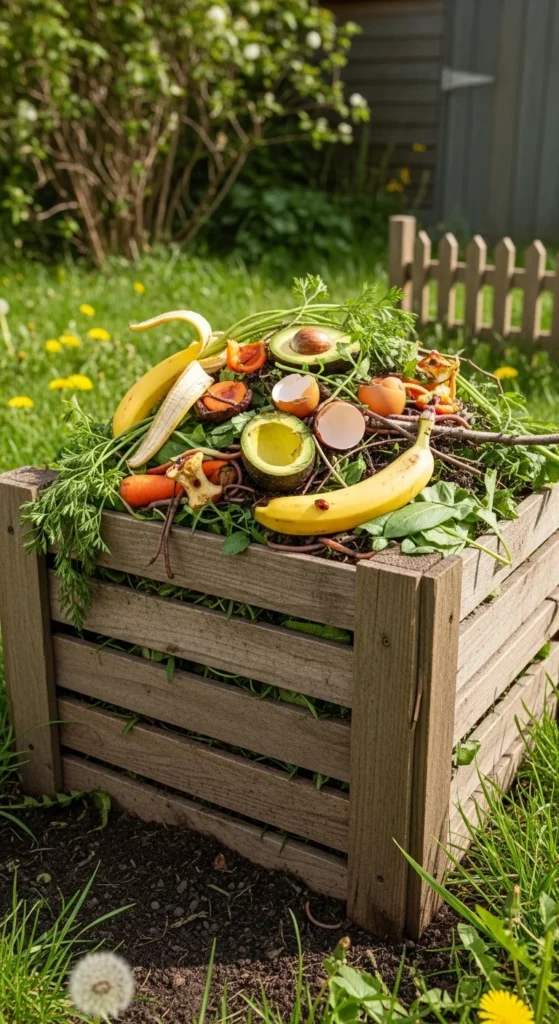
Turn kitchen waste into plant gold. Keep a small bin for vegetable peels, coffee filters, and eggshells. Mix them with dry leaves or cardboard to balance moisture. Within weeks, you’ll have nutrient-rich compost ready for garden beds. It saves money on fertilizers and keeps your plants thriving. Plus, it’s a sustainable way to reduce household waste.
6. Grow Herbs in Tin Cans
Empty tin cans make perfect planters for herbs. Drill a few drainage holes at the bottom, fill with soil, and plant seeds or cuttings. Place them on a sunny windowsill or balcony. They’re reusable, space-saving, and great for small gardens. Label each can for easy identification. This quick project keeps fresh herbs within reach without needing large garden beds.
7. Use Vinegar to Kill Weeds
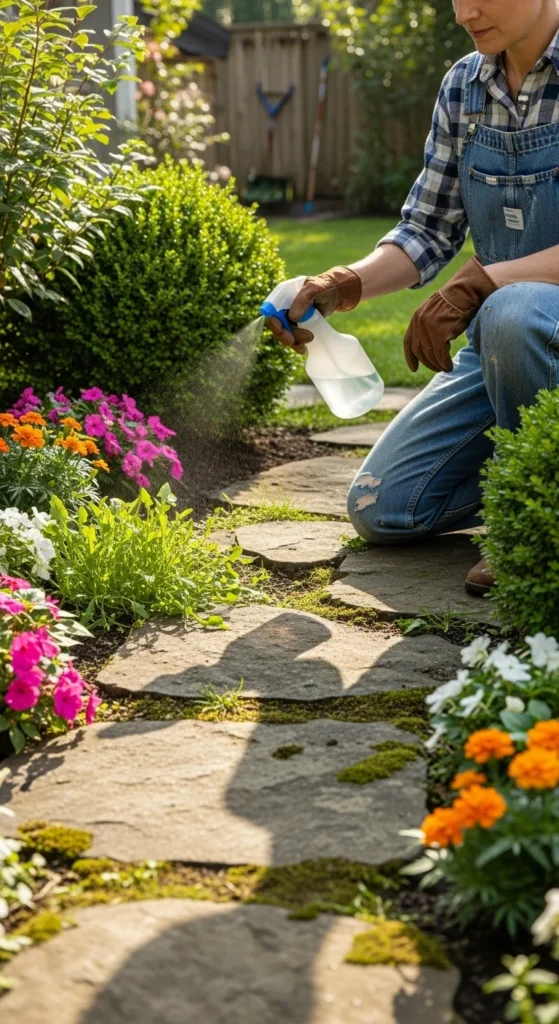
Skip chemical weed killers and go natural. Mix white vinegar with a few drops of dish soap and spray on unwanted weeds. The vinegar dries them out within hours. Use this on driveways, patios, or pathways—but avoid spraying near desired plants. It’s cheap, eco-friendly, and saves hours of manual weeding every season.
8. Line Pots with Coffee Filters
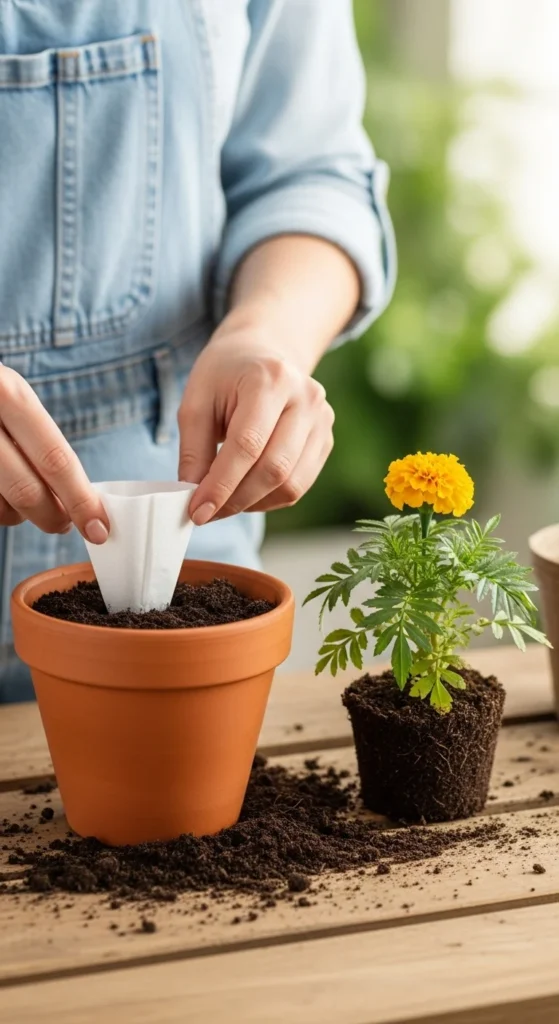
Before adding soil to a pot, place a coffee filter at the bottom. It stops soil from leaking while still letting water drain. This keeps patios and balconies clean and prevents messes after watering. It’s a small detail that saves cleanup time and keeps roots healthy. Plus, coffee filters decompose naturally in soil.
9. Plant in Raised Beds for Less Weeding
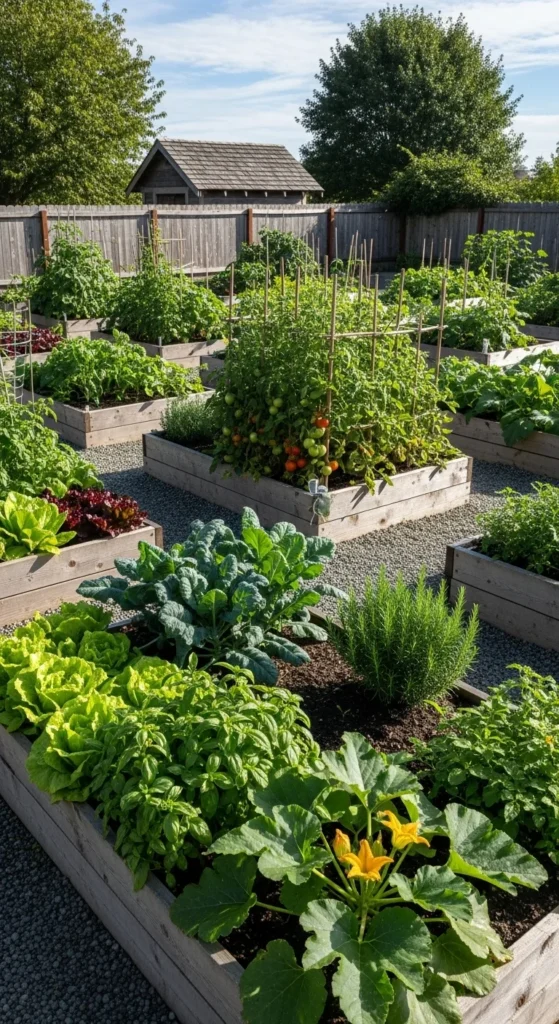
Raised beds make gardening easier on your back and simpler to maintain. The defined edges limit weed spread and improve drainage. You can control soil quality and plant density better. Use recycled wood or bricks to build them. Add mulch on top for even less weeding. It’s a smart setup for both small and large gardens.
10. Water Plants Early in the Morning
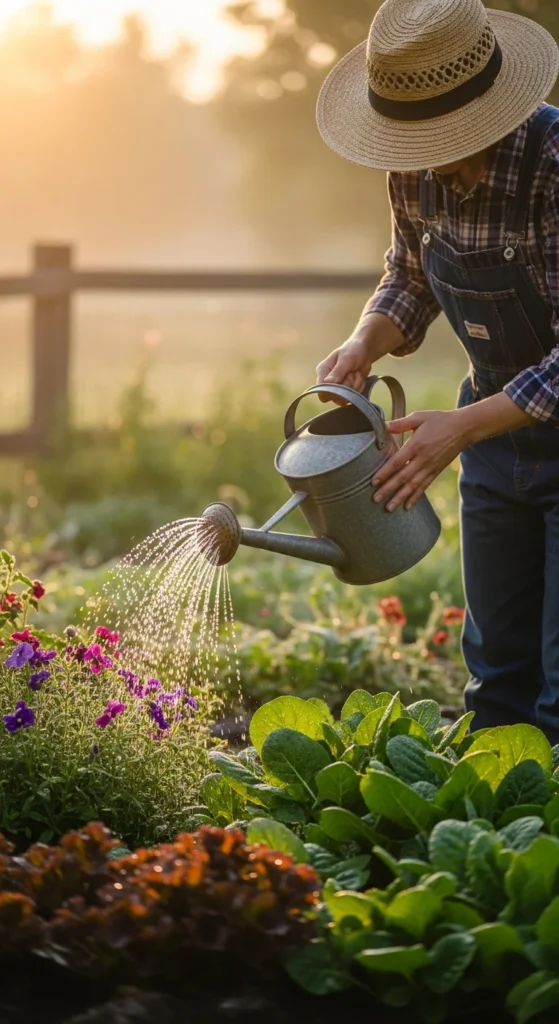
Morning watering reduces evaporation and gives plants a full day to dry. This helps prevent diseases caused by wet leaves overnight. It also saves water by delivering moisture directly when plants need it most. Set a timer or make it part of your morning routine. You’ll notice healthier growth and fewer pests.
11. Reuse Old Towels for Frost Protection

Cold nights can damage tender plants. Instead of buying covers, reuse old towels or blankets to protect them. Drape them loosely over shrubs or vegetables when frost is expected. Secure with clothespins or stones. Remove in the morning once temperatures rise. This quick fix prevents frostbite and keeps plants thriving through temperature swings.
12. Keep Tools Clean with Sand and Oil
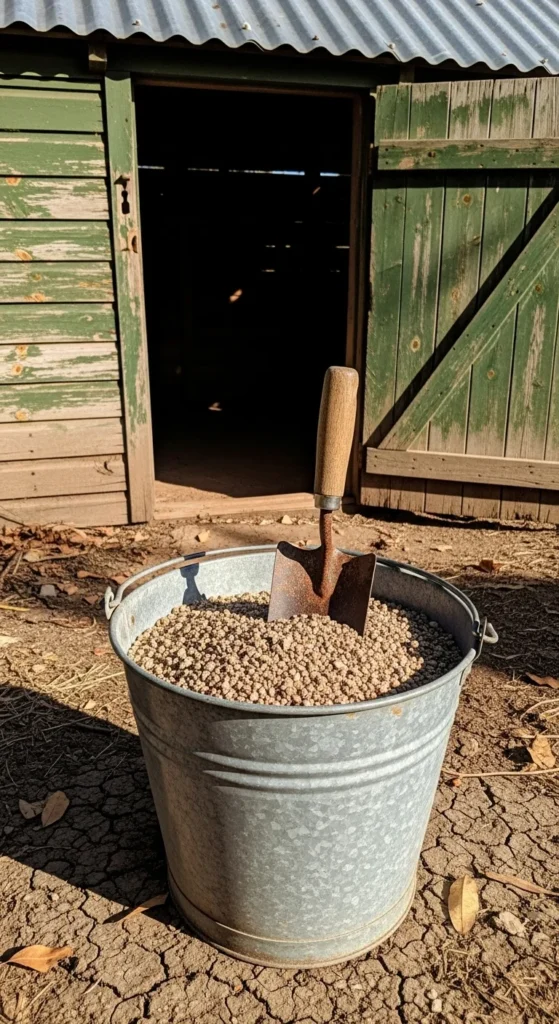
Fill a bucket with sand and mix in a little vegetable oil. Each time you finish using tools, stick them into the bucket. The sand cleans off dirt while the oil prevents rust. It keeps your tools sharp and ready without extra scrubbing. It’s a maintenance hack that saves time and extends tool life.
13. Use Epsom Salt for Greener Leaves
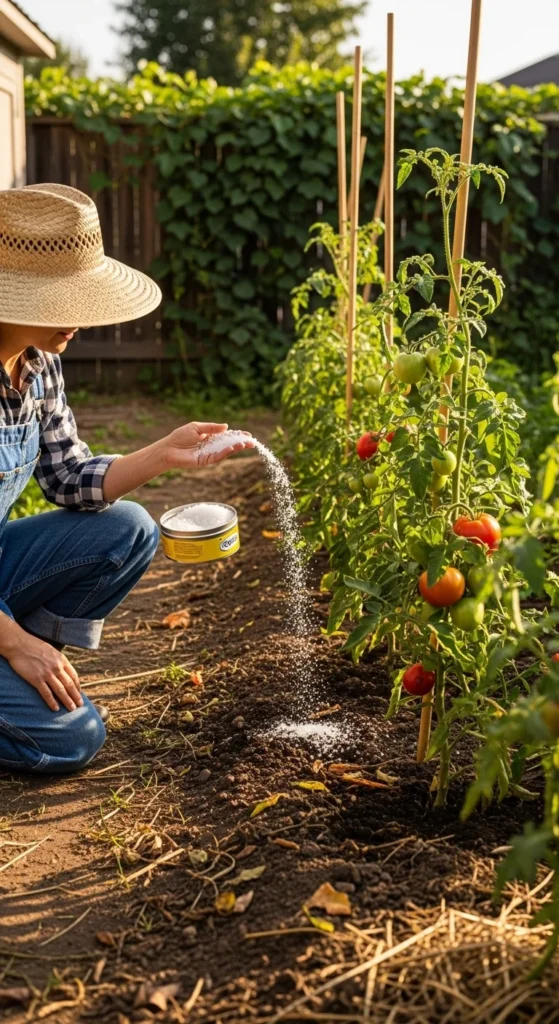
Epsom salt adds magnesium and sulfur—two minerals that help plants stay vibrant. Dissolve a tablespoon in a gallon of water and spray on leaves once a month. It improves color and helps produce better blooms. Tomatoes, peppers, and roses love it. Just avoid overusing it—moderation keeps plants balanced and healthy.
14. Grow Vertically to Save Space
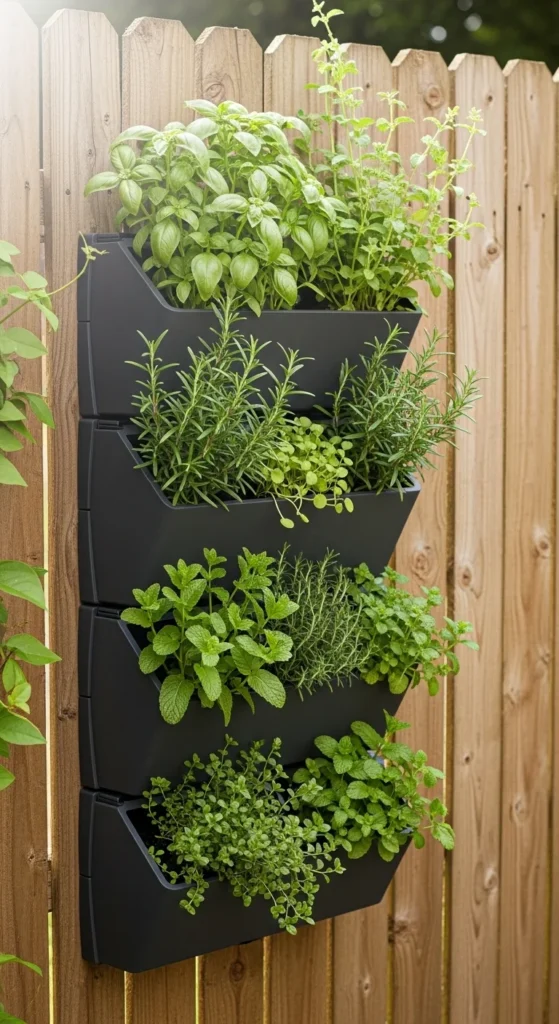
Vertical gardens maximize small spaces. Use trellises, wall planters, or hanging pots to grow herbs, strawberries, or climbing beans. This keeps the garden tidy and easy to harvest. It also improves air circulation around plants. You can even use recycled wooden pallets for a budget-friendly vertical garden wall.
15. Label Plants with Painted Rocks
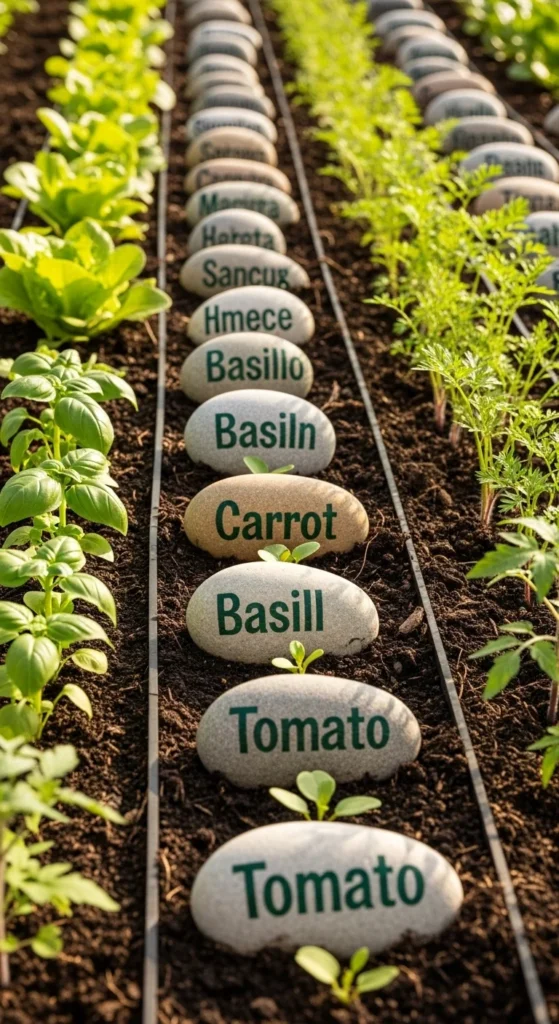
Forget plastic tags—use rocks instead. Paint each with the name of your plant and place it beside the crop. They’re durable, reusable, and add a decorative touch. It’s a fun weekend craft and keeps you from mixing up seedlings. You’ll never forget where your basil or zucchini is again.
16. Create a Drip System from Old Hoses
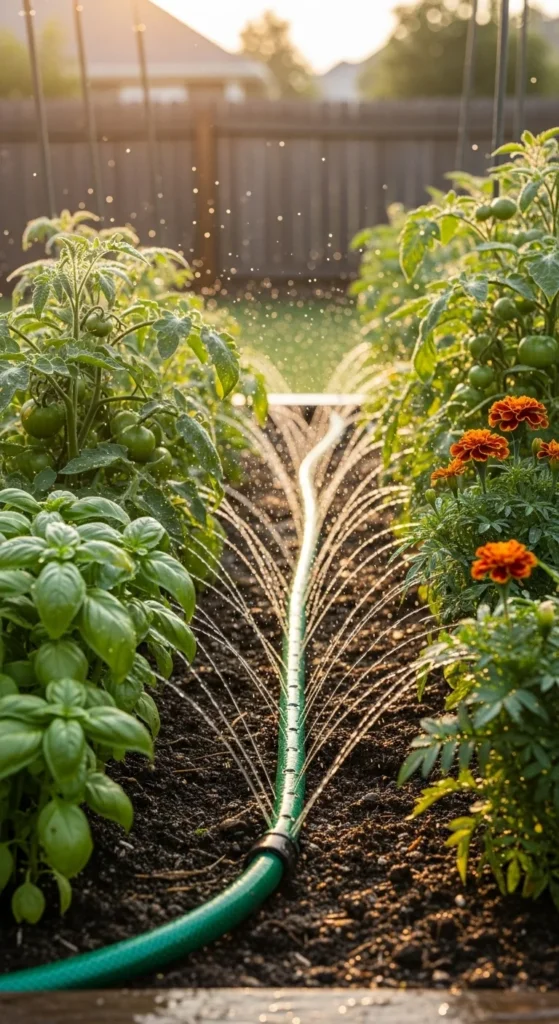
Have an old garden hose? Turn it into a DIY drip system. Poke tiny holes along its length, lay it between rows, and connect to a water source. The slow drip saves gallons and delivers water directly to roots. It’s perfect for busy gardeners or anyone managing large beds. Simple setup, lasting results.
17. Recycle Newspaper as Weed Barrier
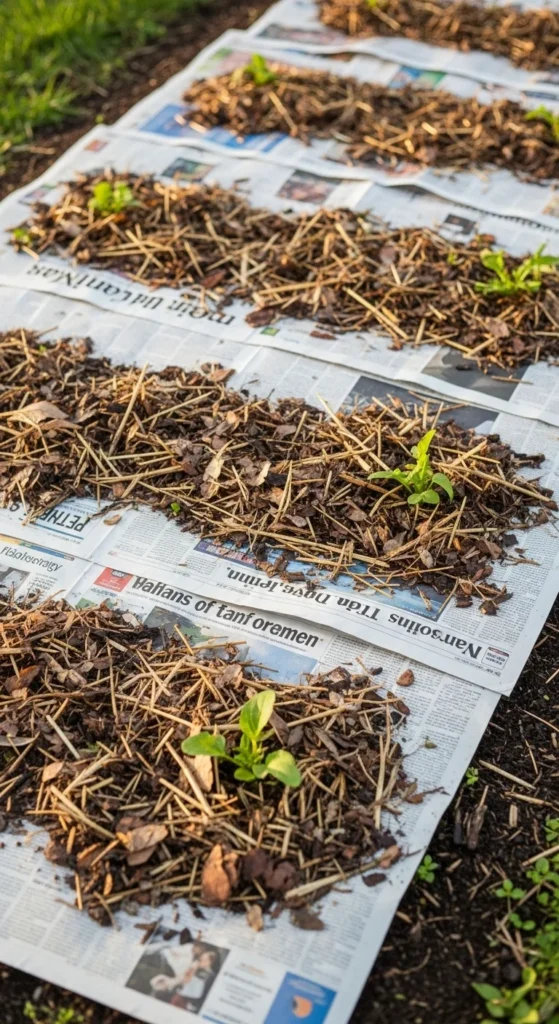
Before adding mulch, lay down sheets of newspaper. It blocks sunlight, stopping weeds from sprouting while allowing water through. Over time, the paper decomposes, enriching the soil. This hack is cheap, easy, and far more eco-friendly than plastic sheets. Replace once a year for lasting weed control.
18. Use Cinnamon to Stop Fungal Growth
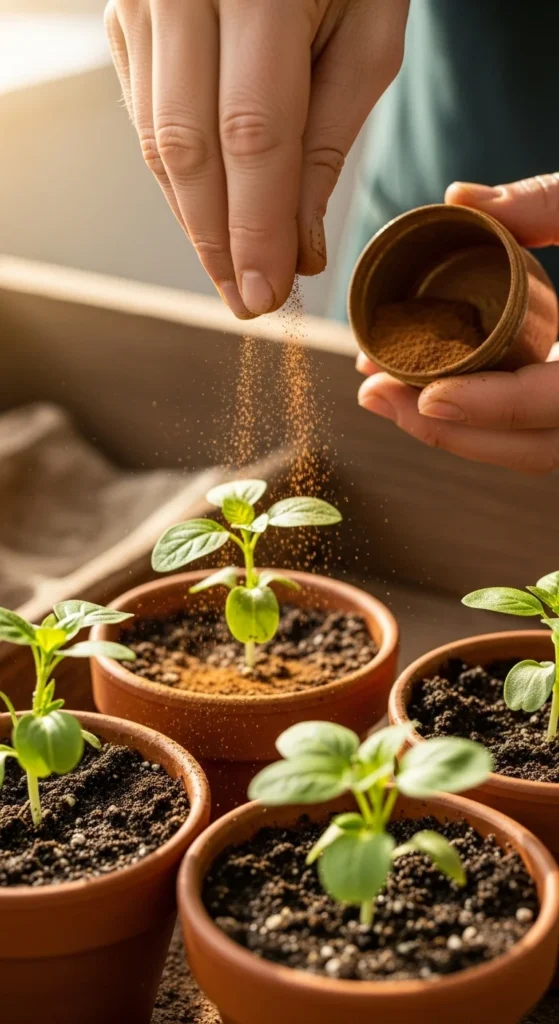
Cinnamon isn’t just for baking—it’s a natural antifungal. Sprinkle it on seedling soil to prevent mold and root rot. It also helps heal small cuts on plant stems. Keep a shaker in your garden kit for quick treatment. It’s safe, effective, and costs less than commercial sprays.
19. Start Seeds in Egg Cartons
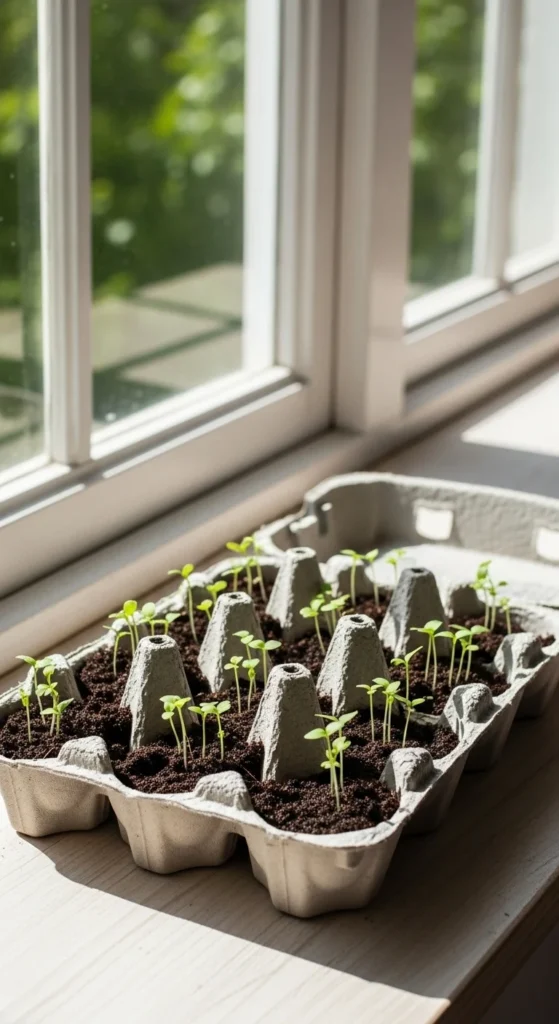
Egg cartons make perfect seed starters. Fill each cup with soil, plant seeds, and water lightly. When seedlings grow, cut each cup and plant it directly into the ground—the carton decomposes naturally. It’s mess-free and saves you from buying plastic trays. Great for herbs, flowers, or vegetables.
20. Store Seeds in Mason Jars
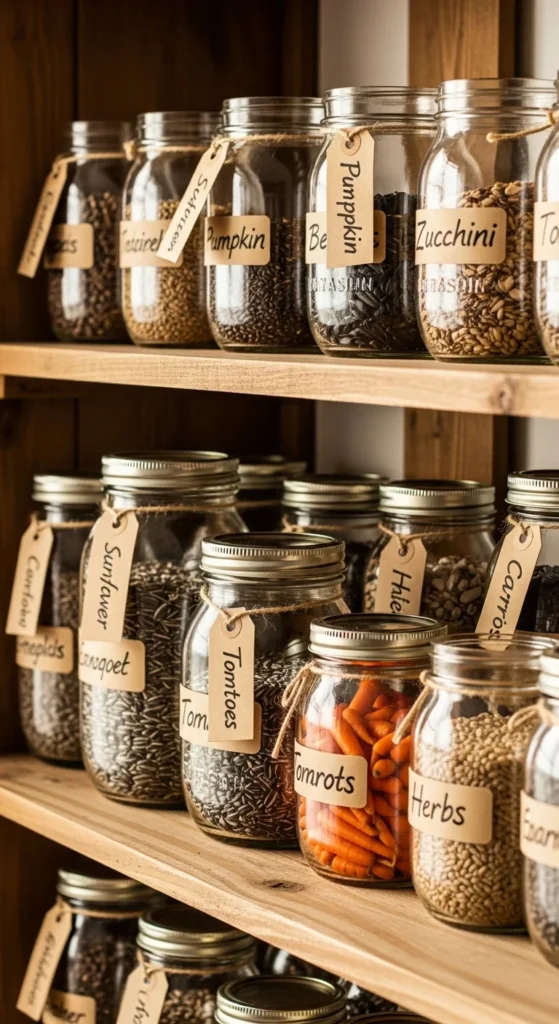
Keep seeds dry and organized using mason jars. Add silica gel packets to absorb moisture and label each jar by plant type. Store them in a cool, dark place for next season. This simple hack extends seed life and prevents waste. It also makes your gardening setup look tidy and intentional.
21. Use Baking Soda for Sweeter Tomatoes
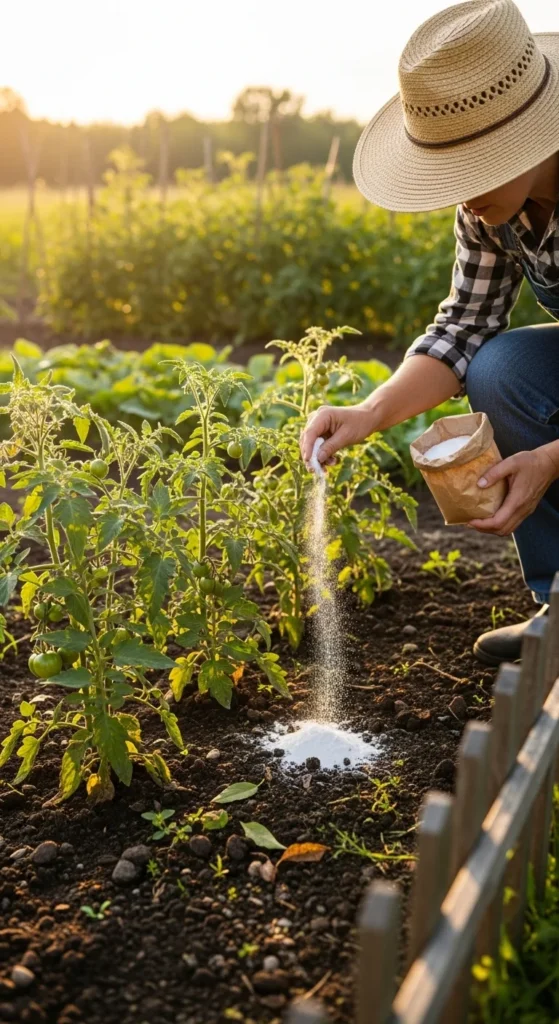
Sprinkle a little baking soda on the soil around tomato plants. It reduces acidity, leading to naturally sweeter fruit. Use just a light dusting every few weeks. This small step changes flavor without chemical additives. Your harvest will taste better, and you’ll save money on expensive fertilizers.
22. Reuse Water from Cooking
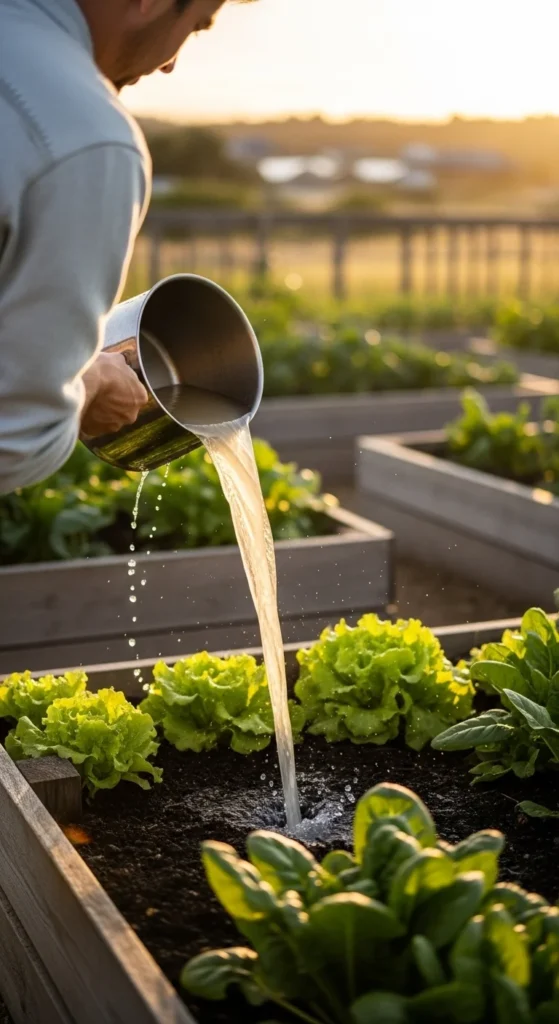
After boiling pasta, eggs, or vegetables, save the cooled water for your plants. It’s full of nutrients like calcium and starch that enrich the soil. Just make sure it’s salt-free and cooled down. This habit reduces waste and gives your plants a gentle nutrient boost with every watering.
Conclusion
Small changes make a big difference in gardening. These 22 hacks save time, money, and effort while keeping your plants strong and healthy. From reusing kitchen scraps to turning bottles into watering tools, each trick helps you garden smarter—not harder. Start applying a few today, and watch your garden thrive with less work and more satisfaction.
Leave a Reply