

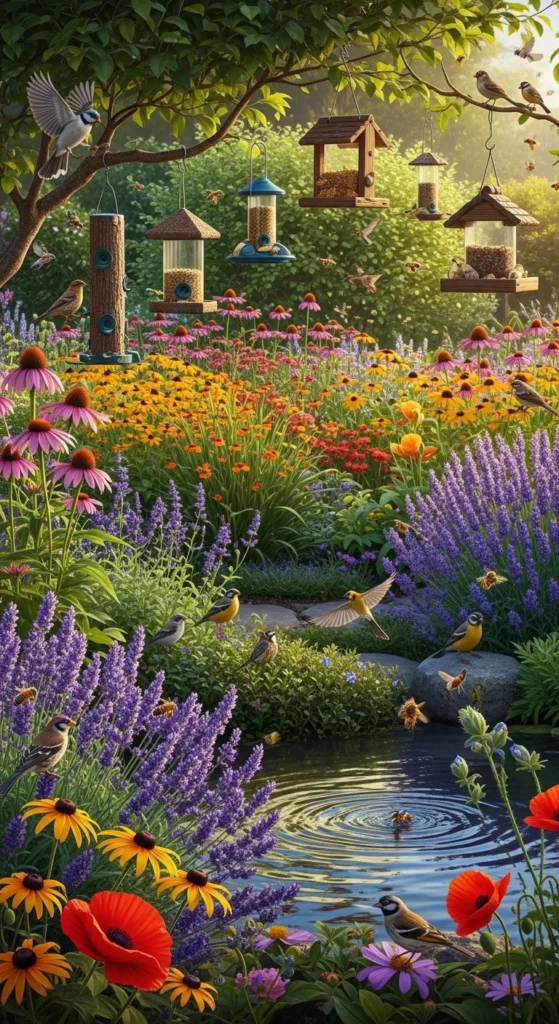
Gardens aren’t just for people—they can be thriving havens for wildlife too. By designing your outdoor space with birds, bees, and other beneficial creatures in mind, you can help create a balanced ecosystem right at home. Whether you have a large backyard or a small balcony, these 24 wildlife gardening tips will help you attract pollinators, songbirds, and other helpful visitors that bring your garden to life all year round.
1. Plant Native Flowers
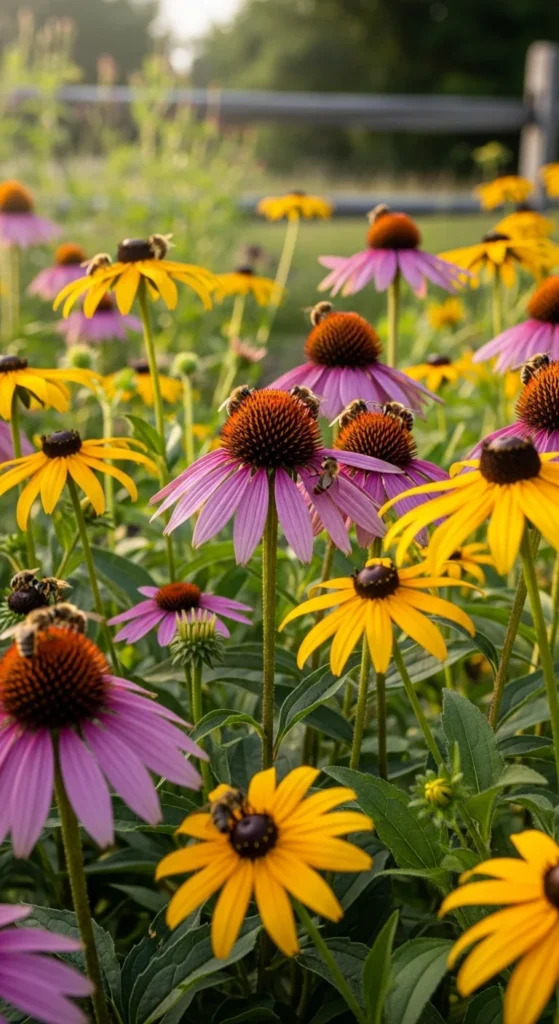
Native plants are the best food source for local pollinators. They’ve evolved to match the diets of native bees, butterflies, and birds. Choose wildflowers such as coneflowers, milkweed, or asters for your region. These require less watering and no chemical fertilizers. Group the same plants together so pollinators can easily find them.
2. Add a Bird Bath
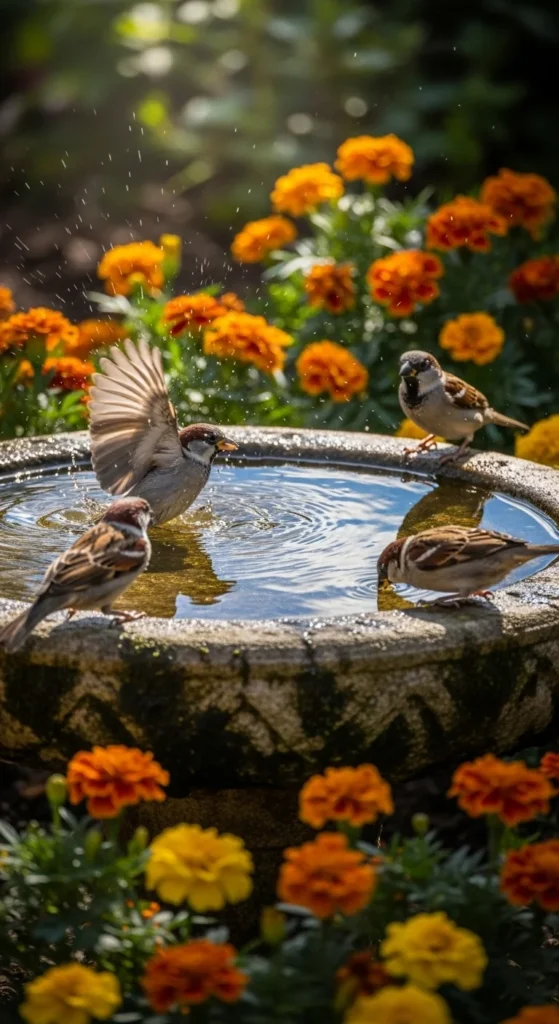
Birds love shallow water for drinking and bathing. Place a bird bath in a quiet, open spot where they feel safe. Keep the water clean and refill daily. Add a few pebbles for perching. In winter, use a heated model to prevent freezing. A bird bath turns your garden into a lively meeting spot for feathered friends.
3. Create a Bee Hotel
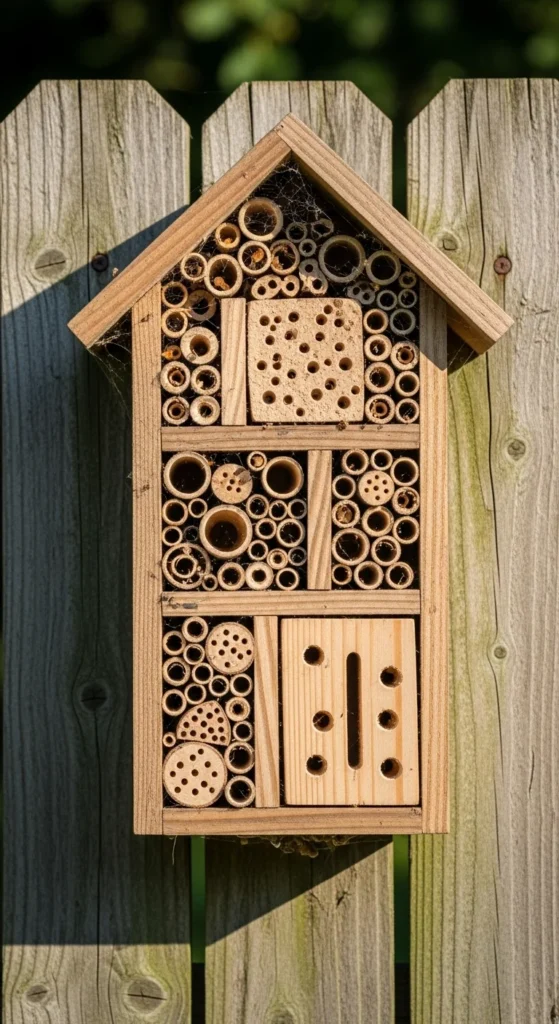
Bee hotels provide nesting spaces for solitary bees. You can make one using hollow bamboo sticks or drilled wood blocks. Hang it on a sunny wall facing southeast. Avoid painting the inside—it can confuse bees. These small shelters help local bee populations thrive while improving your garden’s pollination.
4. Grow Flowering Herbs
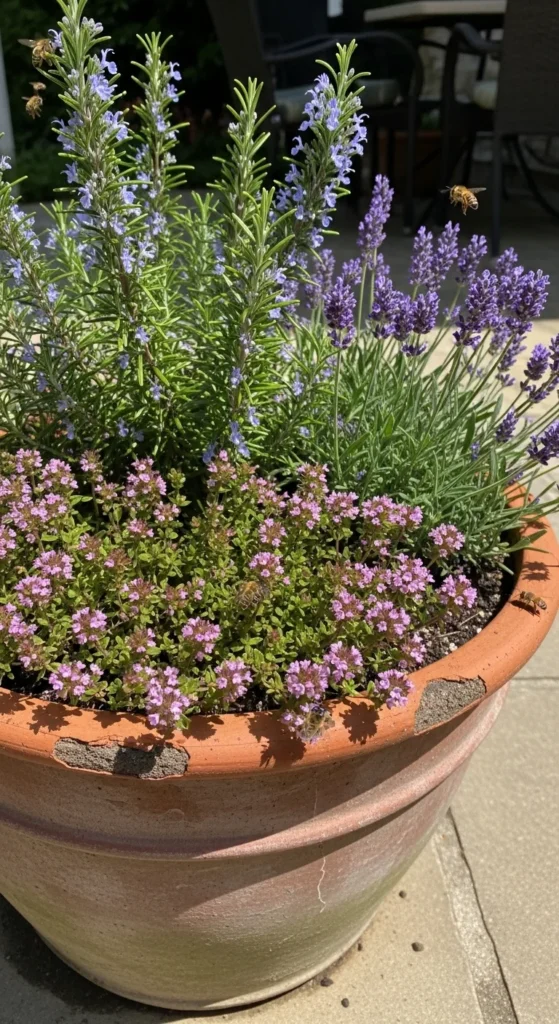
Herbs like thyme, sage, and lavender attract pollinators while adding scent to your garden. Let a few herbs flower rather than constantly trimming them. Their tiny blossoms are irresistible to bees. These plants are low-maintenance, perfect for both ground beds and pots near your kitchen door.
5. Build a Small Pond
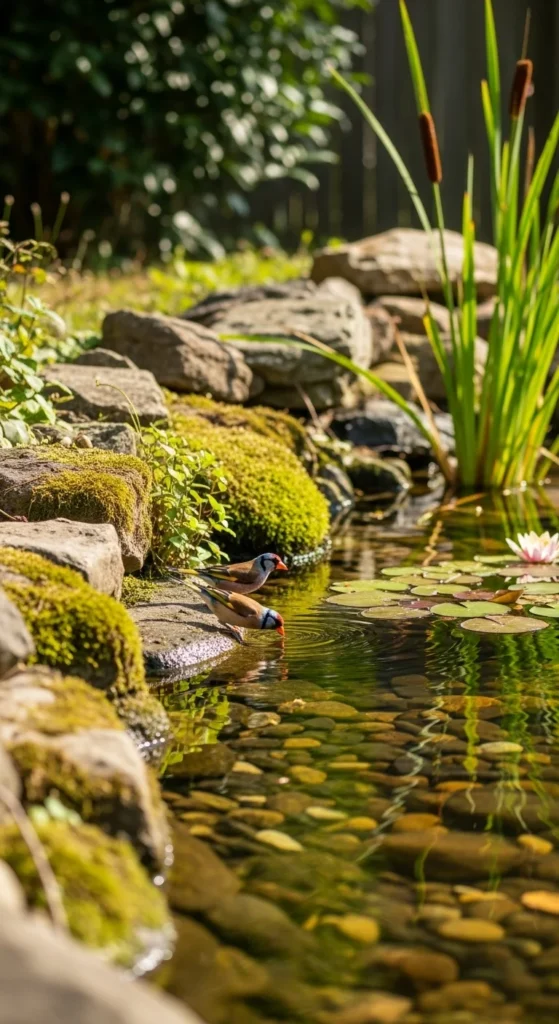
A pond provides water and shelter for frogs, dragonflies, and birds. Even a small tub pond works. Add floating plants like lilies for shade and a shallow edge for easy access. Avoid adding fish—they eat insect larvae. The gentle water movement will attract all sorts of garden visitors.
6. Leave Some Leaf Litter
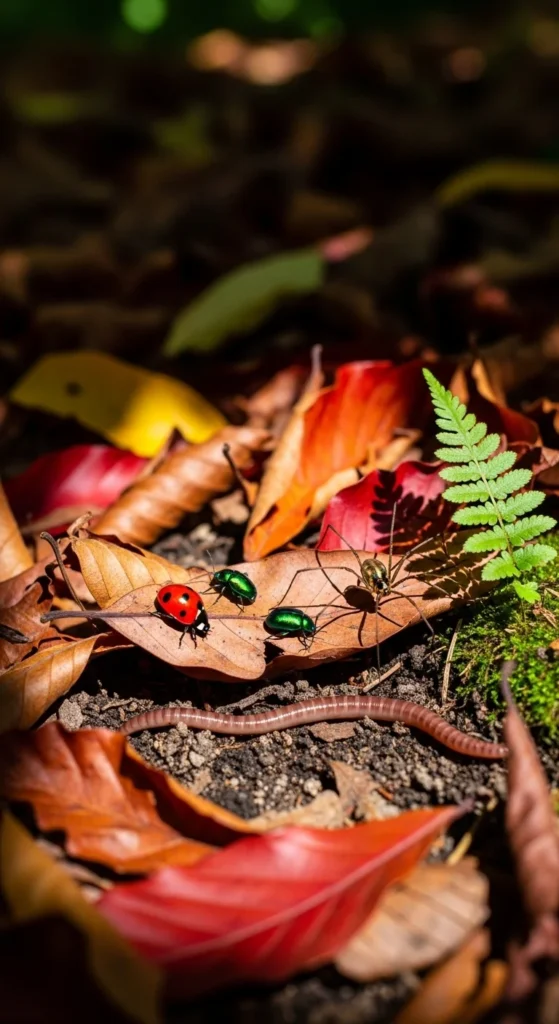
Don’t rake everything. A small layer of leaves provides habitat for insects, toads, and hedgehogs. It also enriches the soil as it breaks down. Leave leaves under trees or in a corner of your yard. It’s a natural way to support wildlife without extra effort.
7. Add Bird Feeders
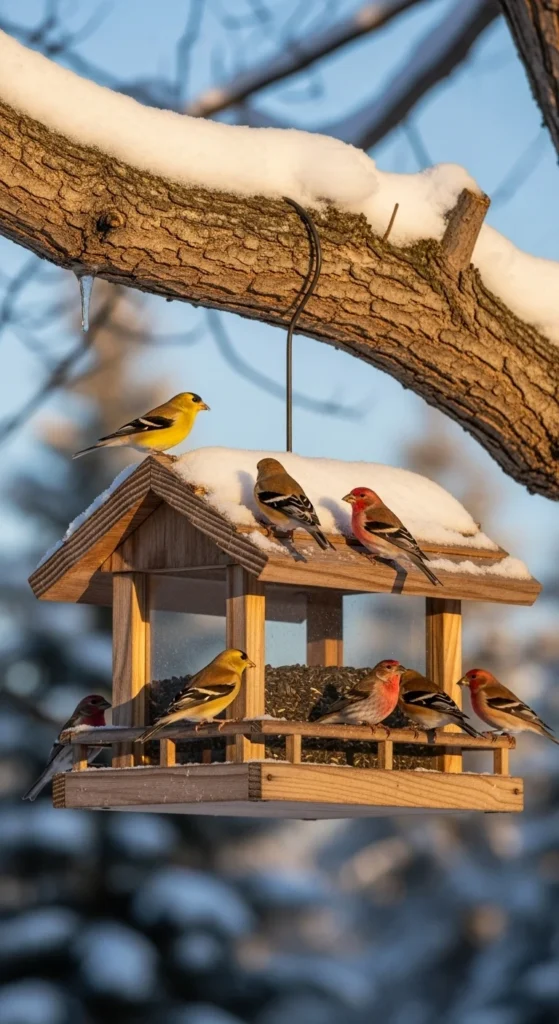
Bird feeders provide energy when food is scarce. Offer mixed seeds, suet, or sunflower hearts depending on the species in your area. Keep feeders clean to prevent disease. Place them near shrubs for quick shelter but away from windows to avoid collisions.
8. Plant Pollinator-Friendly Shrubs
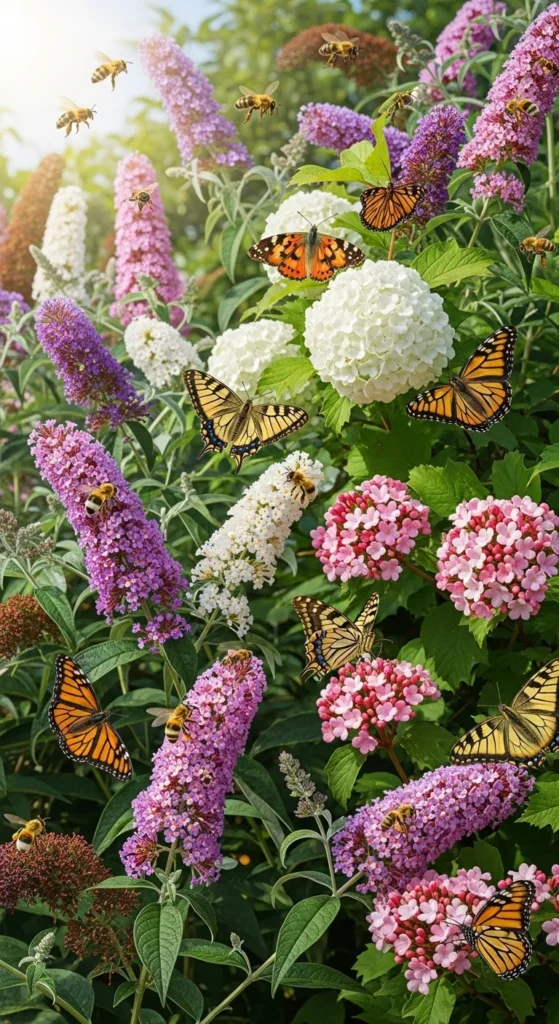
Flowering shrubs like butterfly bush, viburnum, or elderberry provide food and nesting shelter. They bloom for weeks, giving bees and hummingbirds steady nourishment. Trim only after flowering to preserve buds. Layer shrubs with groundcover for diverse height and habitat.
9. Grow Fruit-Bearing Plants
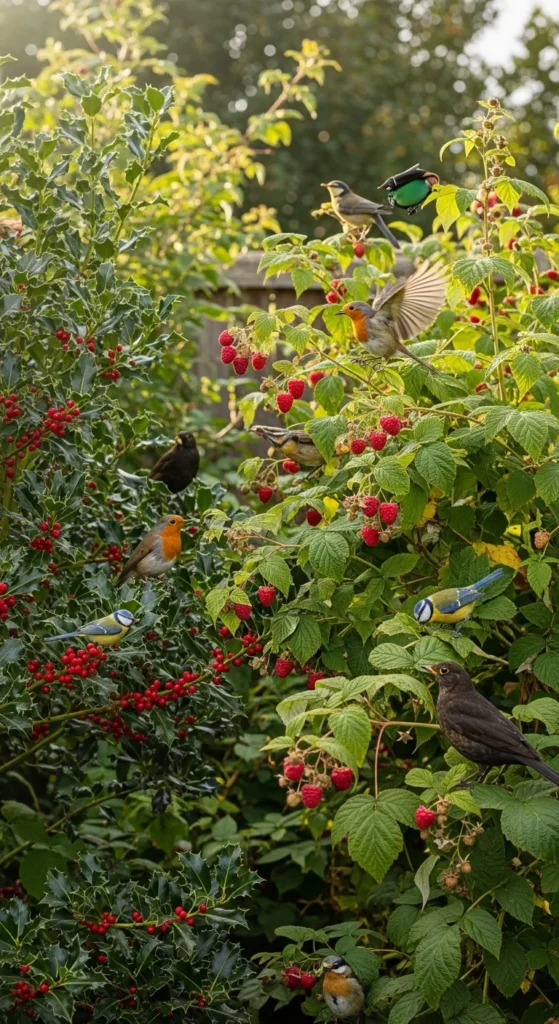
Fruiting plants like serviceberries, raspberries, and holly are bird magnets. They supply natural food without extra maintenance. Birds will spread seeds, helping your garden grow naturally. Choose varieties that ripen at different times for food all year long.
10. Use Pesticide Alternatives
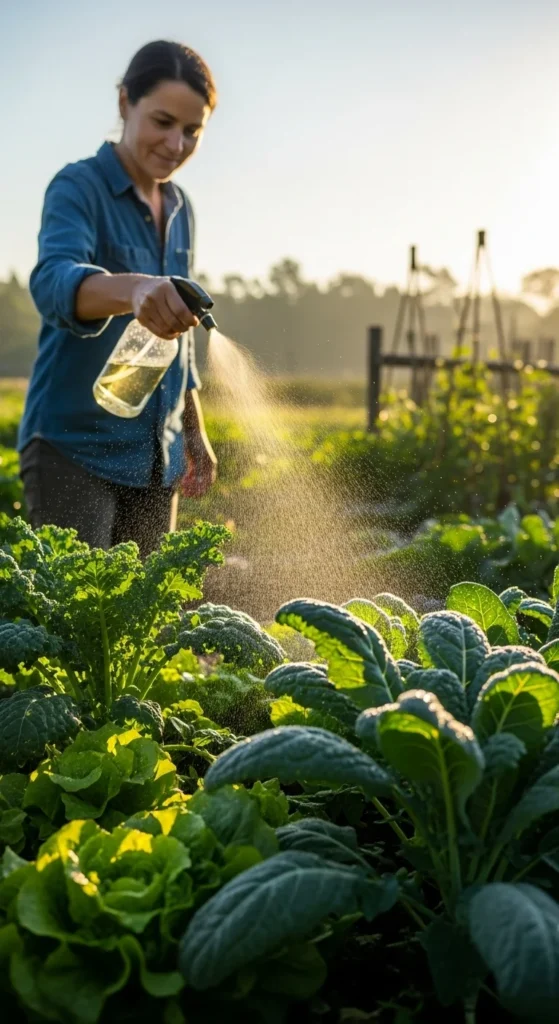
Skip chemical pesticides—they harm bees and butterflies. Instead, use natural options like neem oil, insecticidal soap, or companion planting. Ladybugs, lacewings, and spiders are natural pest controllers. Encourage them by keeping your garden chemical-free.
11. Create a Wildflower Meadow
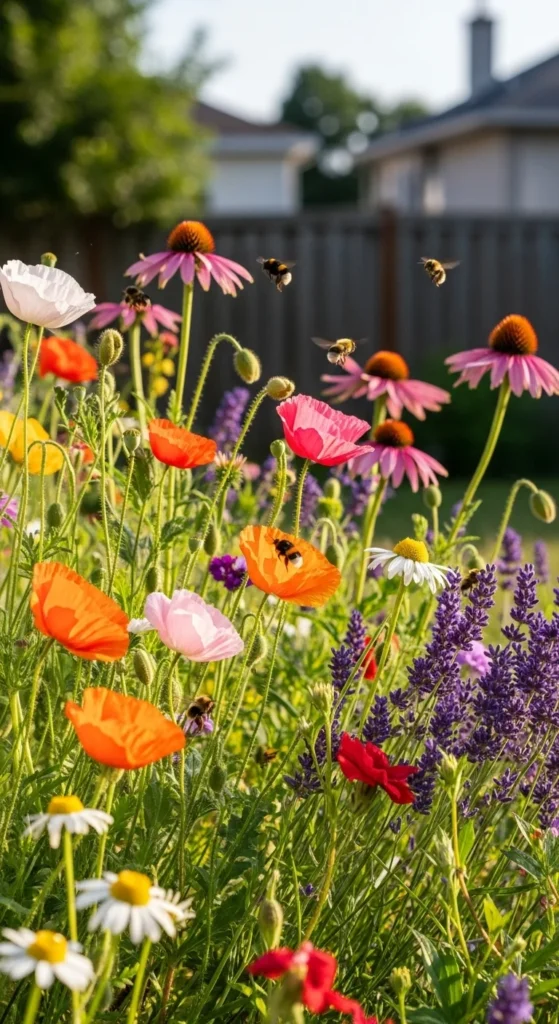
Dedicate a small patch to native wildflowers. Mix seeds of poppies, daisies, and cornflowers for a colorful display. These meadows attract pollinators and require less mowing. Leave the area natural—wildlife prefers it slightly messy.
12. Add Rock Piles
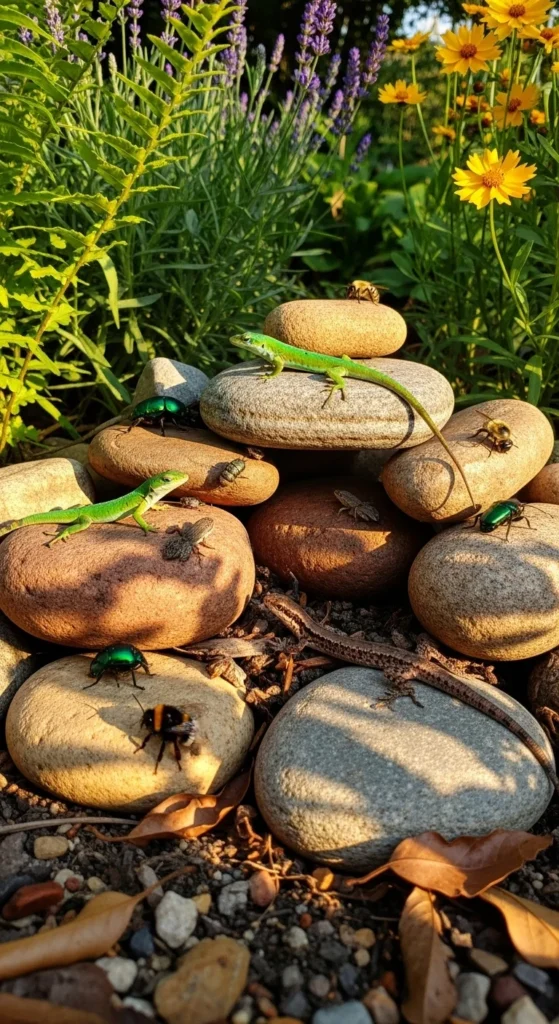
Stack rocks in a quiet spot to create hiding places for toads, lizards, and insects. Use different sizes for air gaps. Avoid cement—leave natural openings. Rock piles also store heat, providing warmth for cold-blooded creatures on chilly mornings.
13. Include Native Trees
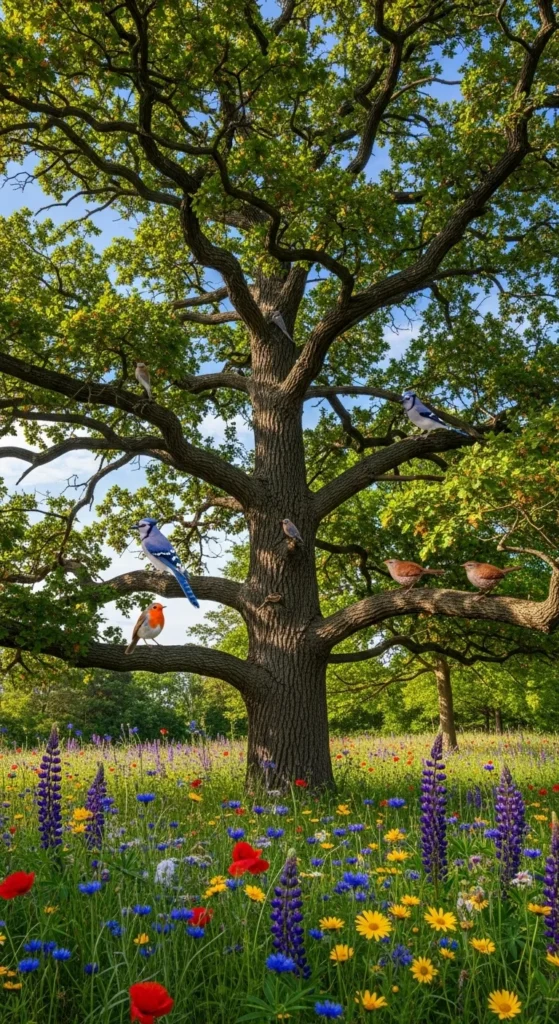
Trees are the backbone of a wildlife garden. Native species like oak, maple, or birch provide food, nesting, and shade. Their leaves host caterpillars, which are food for birds. If space is limited, plant dwarf fruit trees—they attract pollinators too.
14. Leave Dead Wood
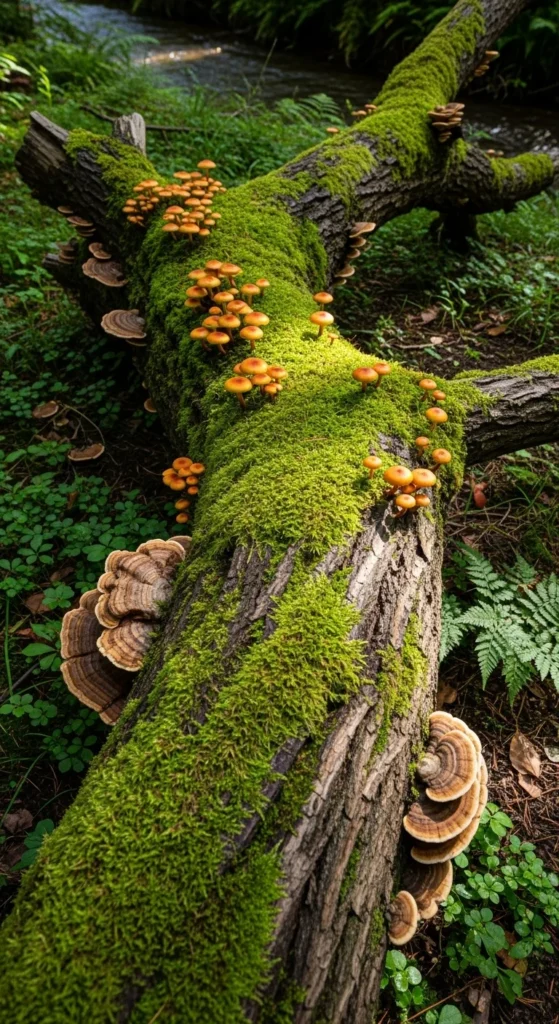
Deadwood supports beetles, fungi, and woodpeckers. Instead of discarding fallen branches, stack them in a corner. Over time, they create shelter for insects and small mammals. It’s nature’s recycling system at work.
15. Grow Climbing Plants
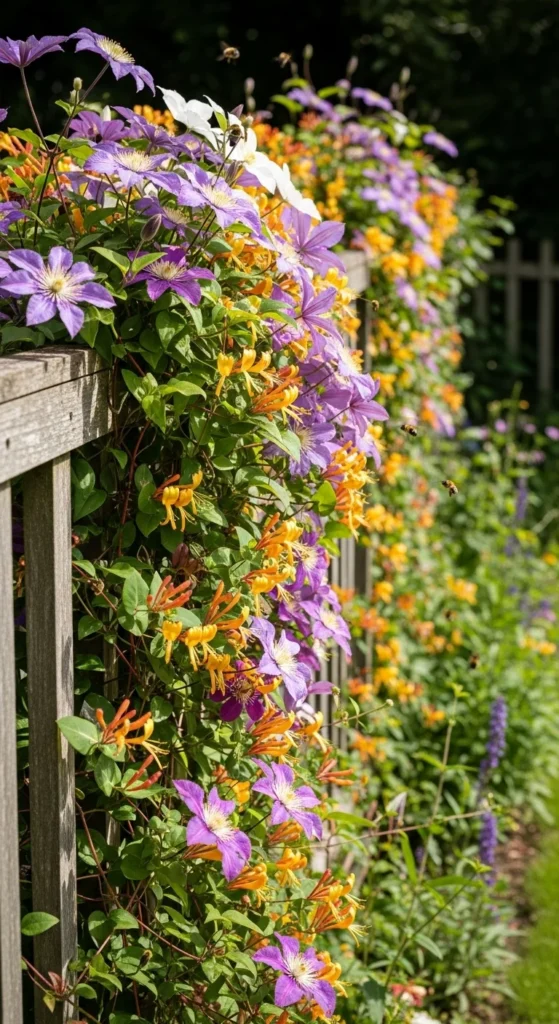
Climbers like honeysuckle, ivy, and clematis provide nectar and nesting cover. Train them over fences, arches, or trellises. Their dense foliage gives birds a safe place to hide from predators. Choose native varieties for maximum wildlife support.
16. Install a Log Pile for Insects
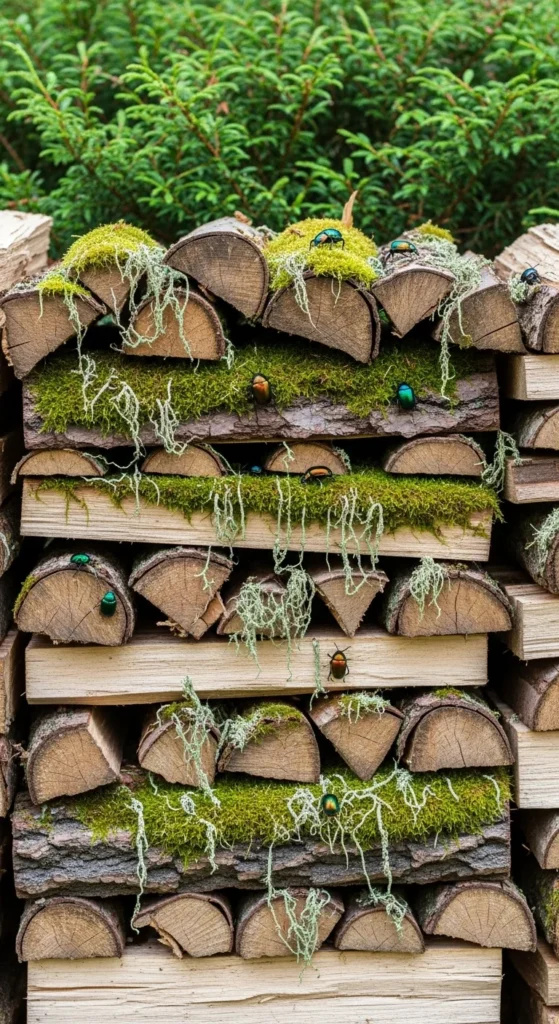
Logs offer shelter for beetles, solitary bees, and even hedgehogs. Stack a few logs in a shaded spot and let them decay naturally. Sprinkle soil or leaves between layers to encourage burrowing insects. This simple habitat helps maintain biodiversity in your garden.
17. Let Some Grass Grow Long
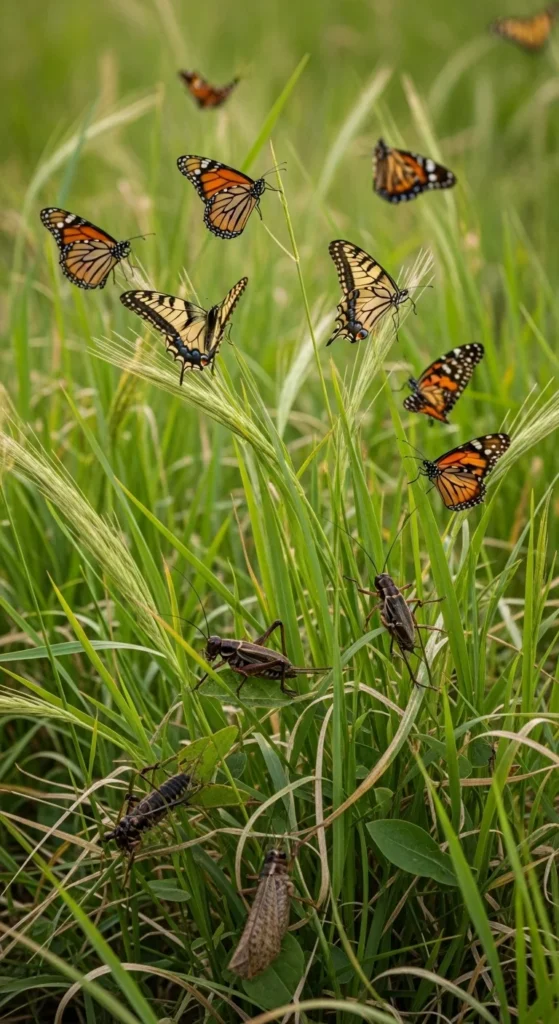
Short lawns don’t offer much for wildlife. Let one section grow freely. Long grass shelters insects and provides seeds for birds. Mow only once or twice a year, ideally after flowering. It’s easy, low-effort, and full of life.
18. Add Hanging Baskets with Flowers
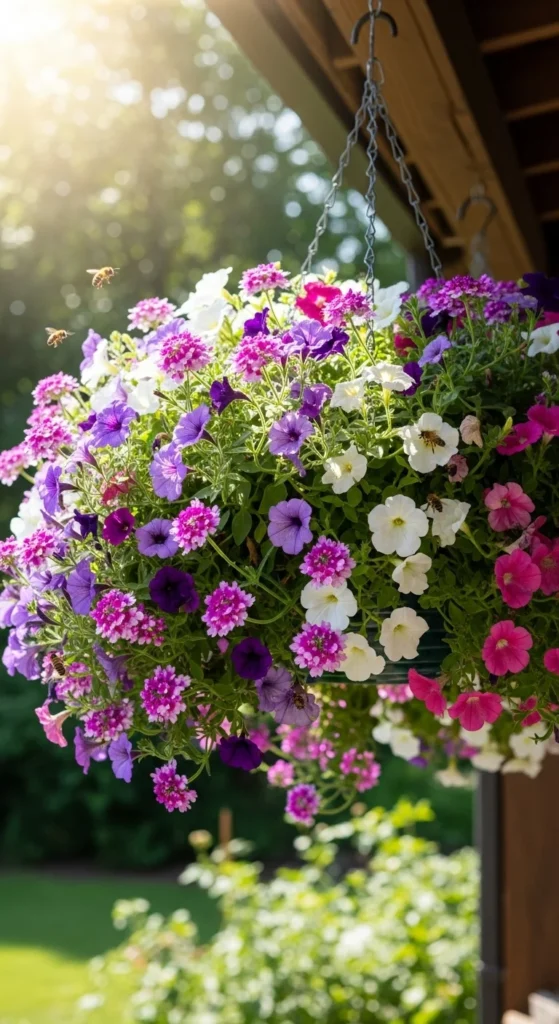
Even small spaces can attract pollinators. Fill hanging baskets with nectar-rich flowers like petunias, calibrachoa, or verbena. Bees and hummingbirds love these blooms. Keep them watered and rotate colors seasonally for a consistent display.
19. Install Nesting Boxes
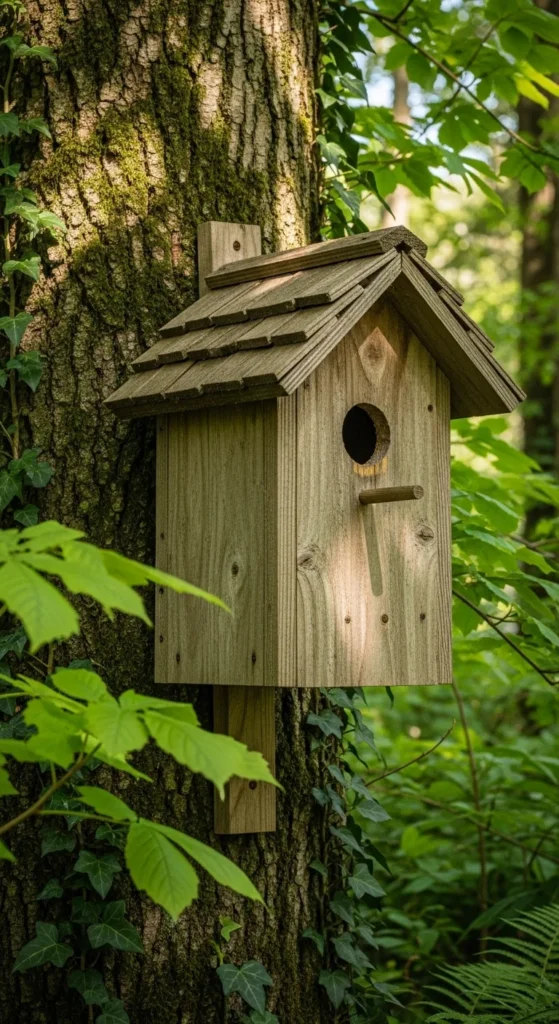
Birdhouses encourage nesting in safe spaces away from predators. Mount boxes facing east or southeast to avoid harsh winds. Clean them out each spring. Offer a mix of sizes to attract different species—from wrens to bluebirds.
20. Grow Sunflowers
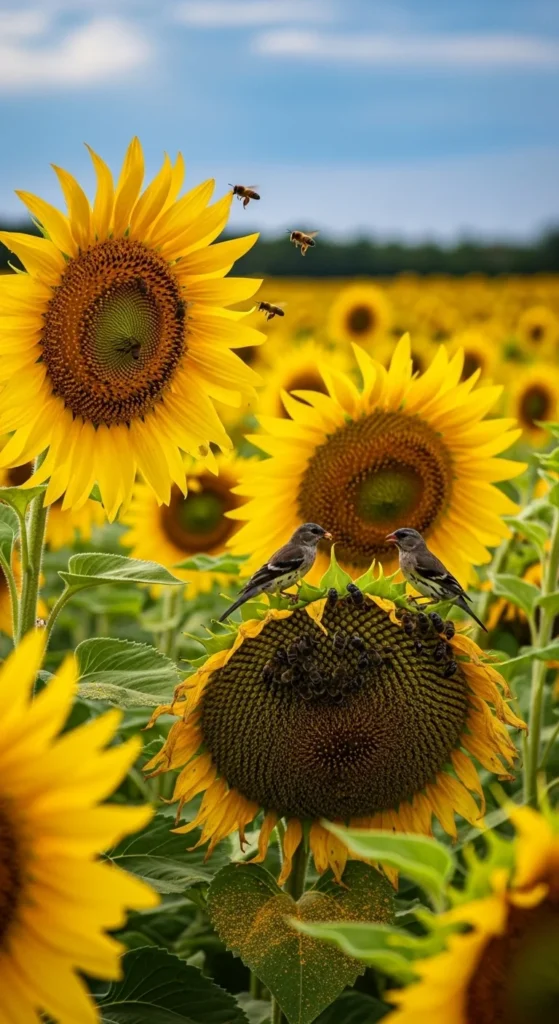
Sunflowers feed both bees and birds. Their nectar draws pollinators, and mature seeds feed finches and sparrows. Plant them in sunny spots with rich soil. Leave dried flower heads standing through fall for natural bird feeders.
21. Compost Naturally
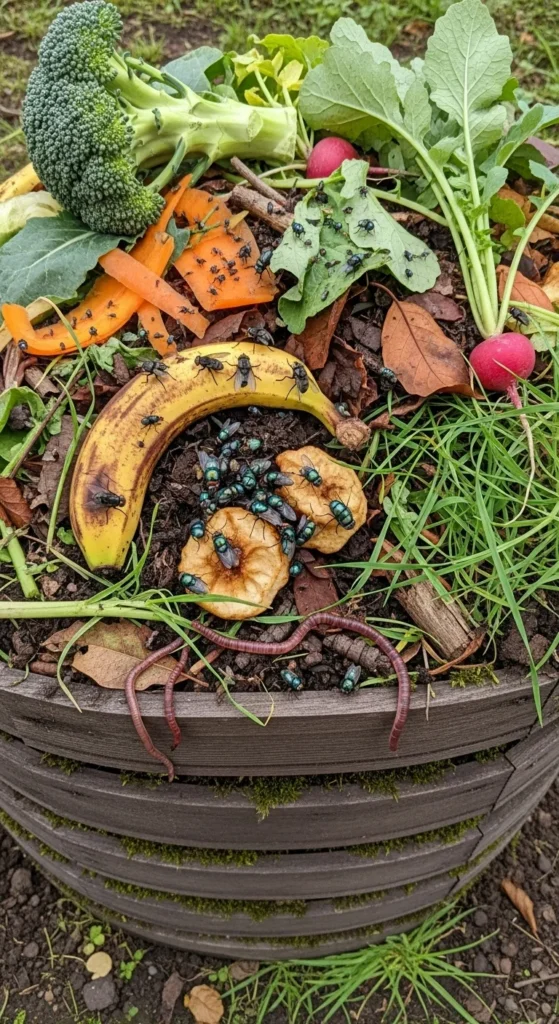
Composting attracts worms, beetles, and other decomposers that help recycle nutrients. Keep your compost pile moist but not wet. Avoid meat or dairy scraps. These small creatures also become food for birds and hedgehogs, completing the garden’s life cycle.
22. Grow Night-Blooming Flowers
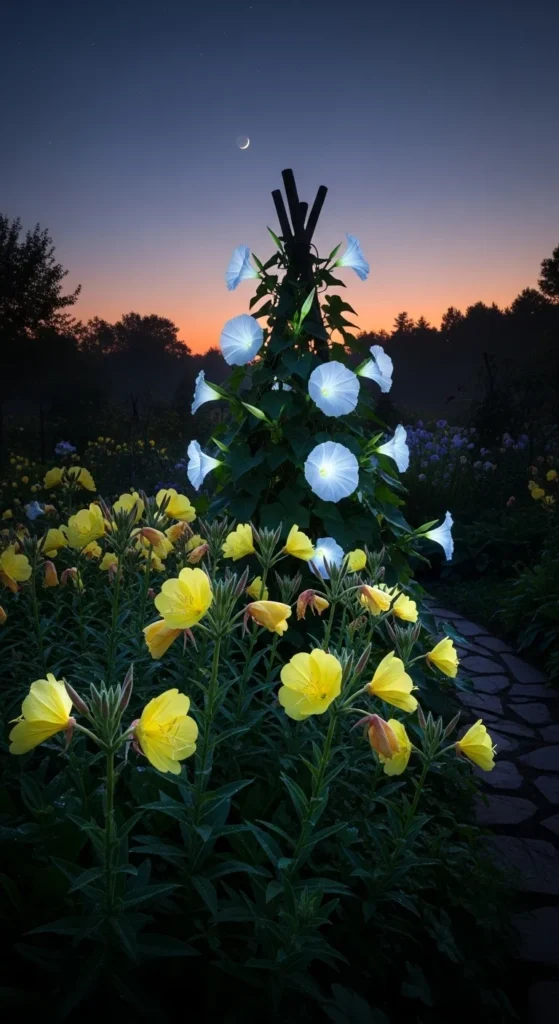
Night-blooming flowers attract moths, which feed nocturnal birds and bats. Try evening primrose, jasmine, or four o’clocks. Their gentle fragrance fills the garden at dusk. Plant near patios to enjoy the nighttime activity.
23. Use Rainwater Collectors
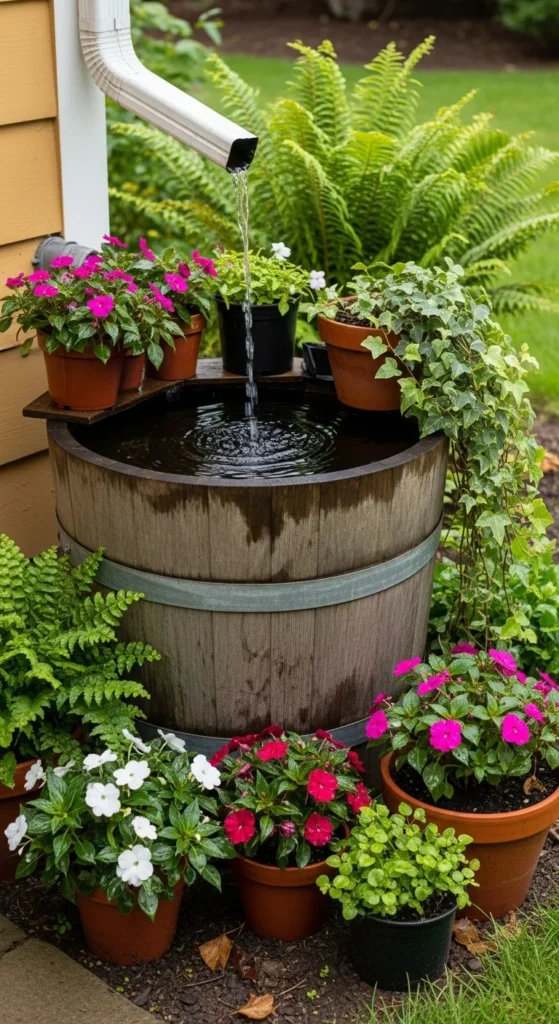
Collecting rainwater keeps your garden hydrated naturally. Wildlife prefers rainwater over tap because it’s free from chlorine. Place shallow dishes nearby for bees and butterflies. It’s eco-friendly and saves water while supporting life.
24. Add Wildflower Containers
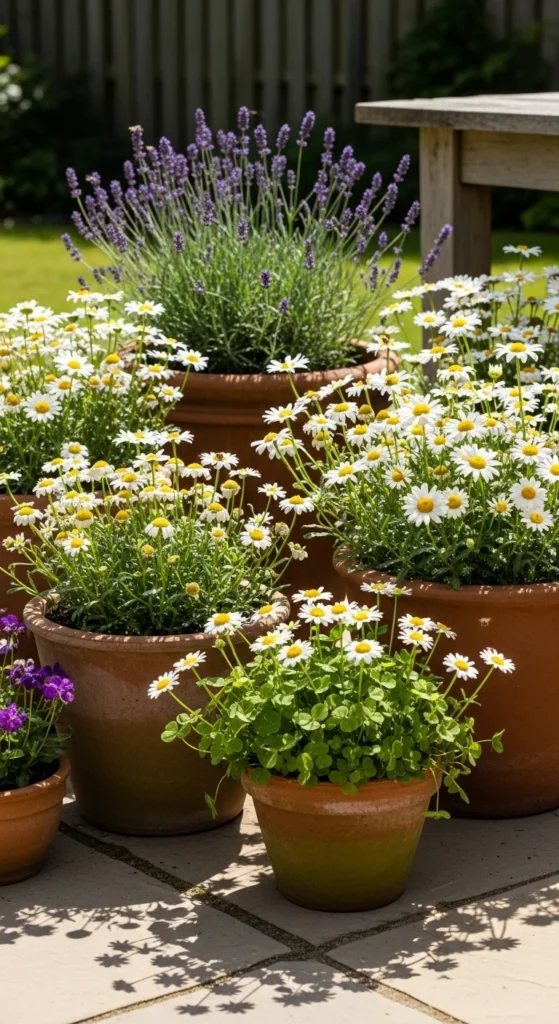
If space is tight, container gardens can still attract pollinators. Fill pots with wildflowers or herbs and place them in sunny spots. Group several containers together to make a mini oasis. This works great for balconies and patios too.
Conclusion
A wildlife-friendly garden invites nature right to your doorstep. Each plant, log, or water feature you add helps create balance and harmony outdoors. Start small—plant native flowers, add a bird bath, or let grass grow wild. Soon, you’ll notice bees buzzing, birds singing, and life thriving all around you. Every garden, big or small, can become a sanctuary for wildlife when cared for with intention.
Leave a Reply