

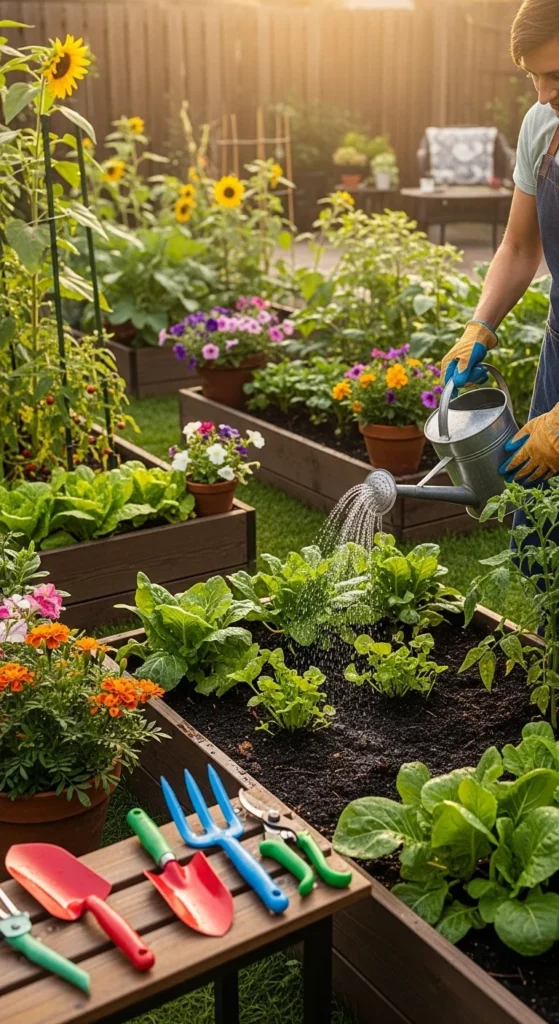
Starting a garden can feel exciting and a bit overwhelming at first, but it’s easier than it looks. Whether you have a small balcony or a big backyard, learning the right habits early makes all the difference. These 25 easy gardening tips are designed for beginners who want healthy plants, fewer mistakes, and more fun in the dirt — all without spending a fortune.
1. Start Small
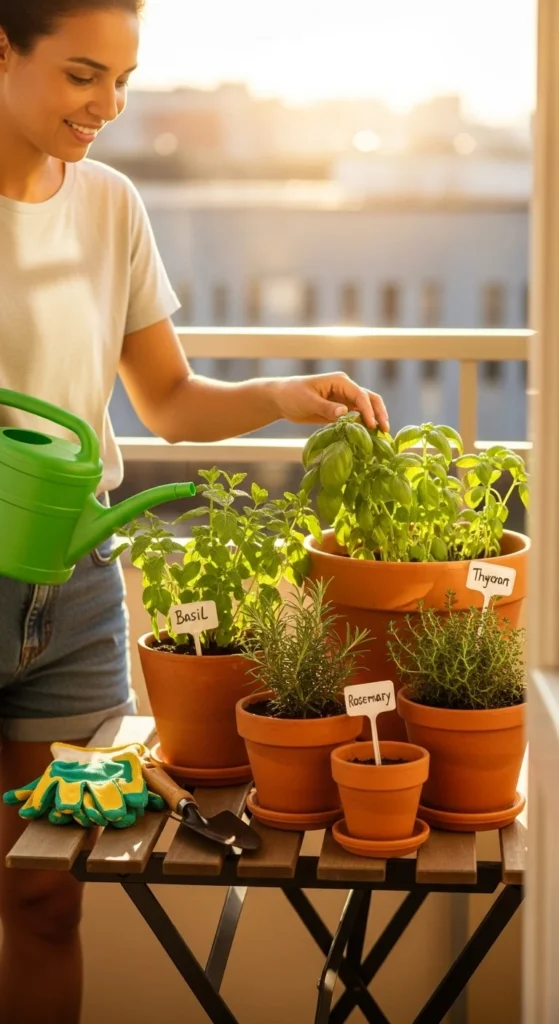
It’s tempting to plant everything at once, but start with just a few herbs or flowers. This helps you learn faster and stay consistent. Pick low-maintenance plants like basil, mint, or marigolds. Once you’re confident, expand your garden. Starting small means less stress and more success from day one.
2. Choose the Right Spot
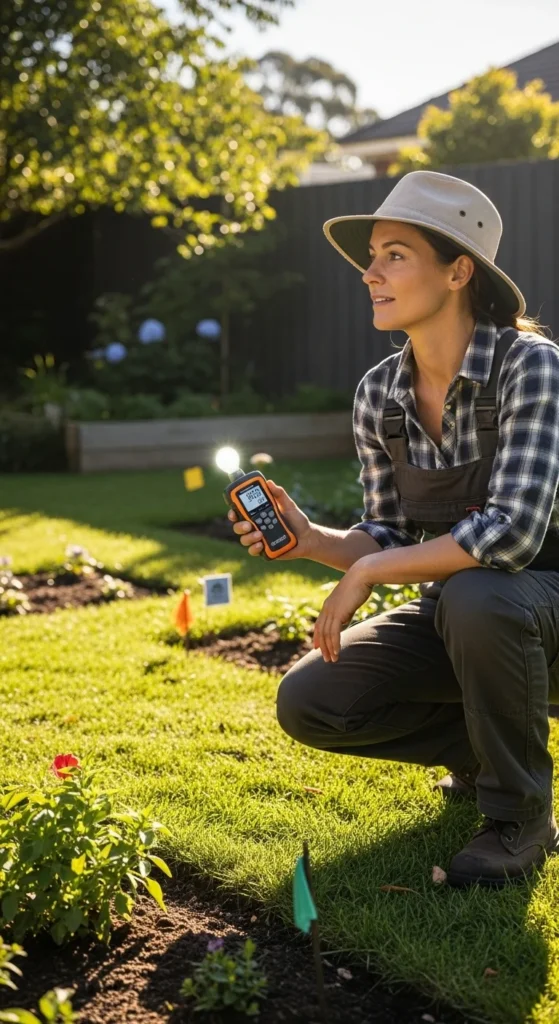
Most vegetables and flowers love 6–8 hours of sunlight daily. Watch how the sun moves through your yard before planting. Avoid shady corners or soggy areas. If sunlight is limited, go for partial-shade plants like lettuce or ferns. Good placement is half the secret to strong growth.
3. Know Your Soil
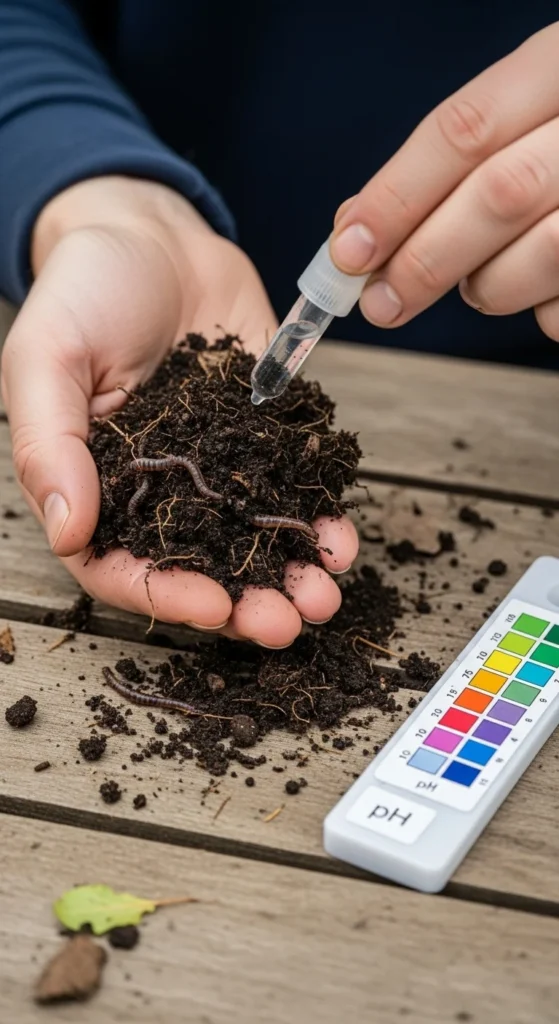
Healthy soil means healthy plants. Check if your soil is sandy, clay-heavy, or loamy. Add compost to improve texture and nutrients. You can buy an affordable pH test kit to check acidity. Most plants prefer slightly acidic soil (around 6.0–7.0).
4. Use Compost Instead of Fertilizer
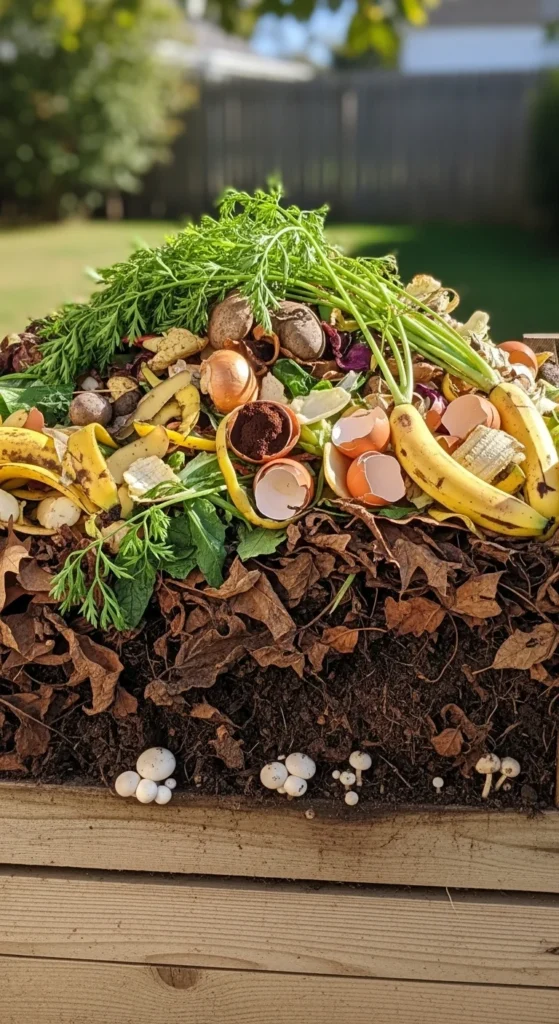
Skip chemical fertilizers when possible. Compost is nature’s free plant food. Collect kitchen scraps, dry leaves, and grass clippings in a bin. Mix occasionally and let it break down. Compost adds nutrients, improves soil, and saves money.
5. Water Early in the Morning
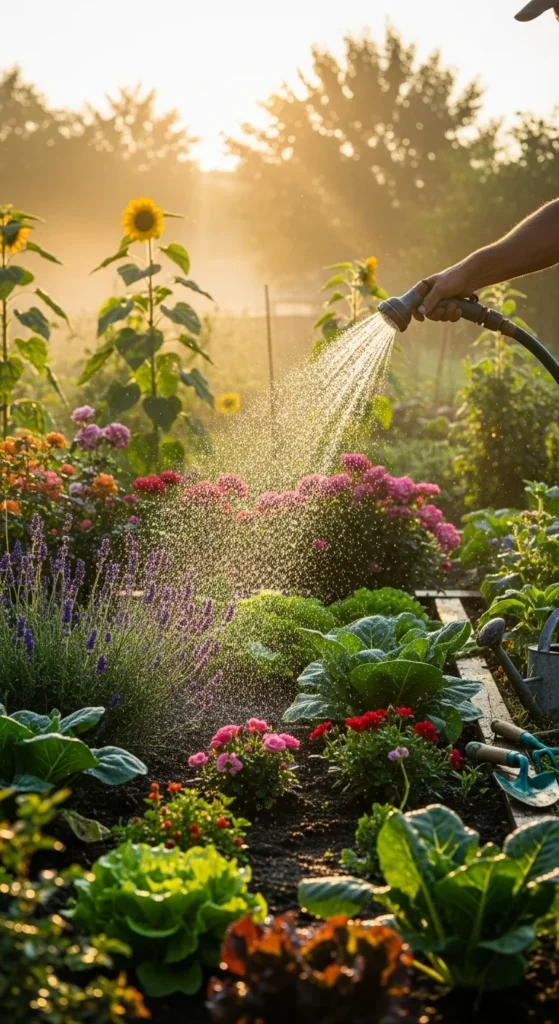
Morning watering helps roots absorb moisture before the day heats up. It also prevents fungus and mildew. Water slowly at the base of each plant, not the leaves. This encourages deep root growth and reduces waste.
6. Mulch to Keep Moisture In
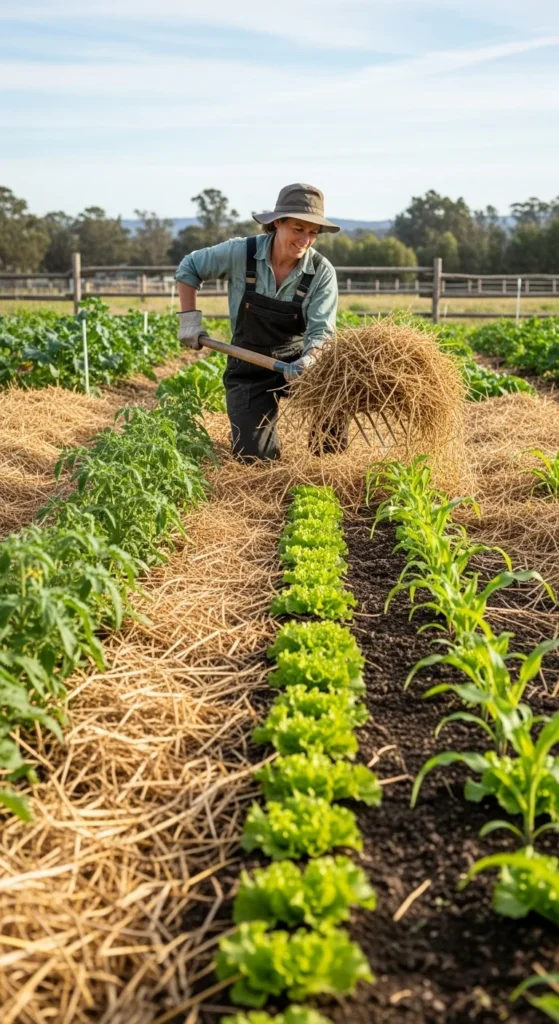
Mulch acts like a blanket for your garden. Use straw, bark, or shredded leaves to cover the soil. It keeps moisture in, suppresses weeds, and improves soil health. A two-inch layer is usually enough.
7. Grow What You Eat
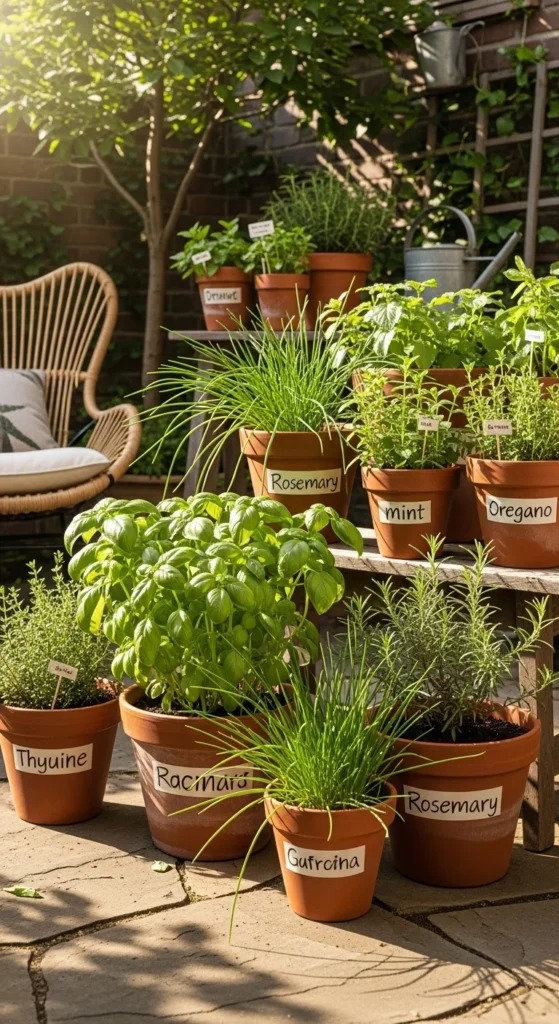
If you love cooking, grow herbs and veggies you’ll actually use. Basil, parsley, tomatoes, and lettuce are beginner-friendly choices. Fresh homegrown flavor beats store-bought every time — and it saves grocery trips.
8. Label Your Plants
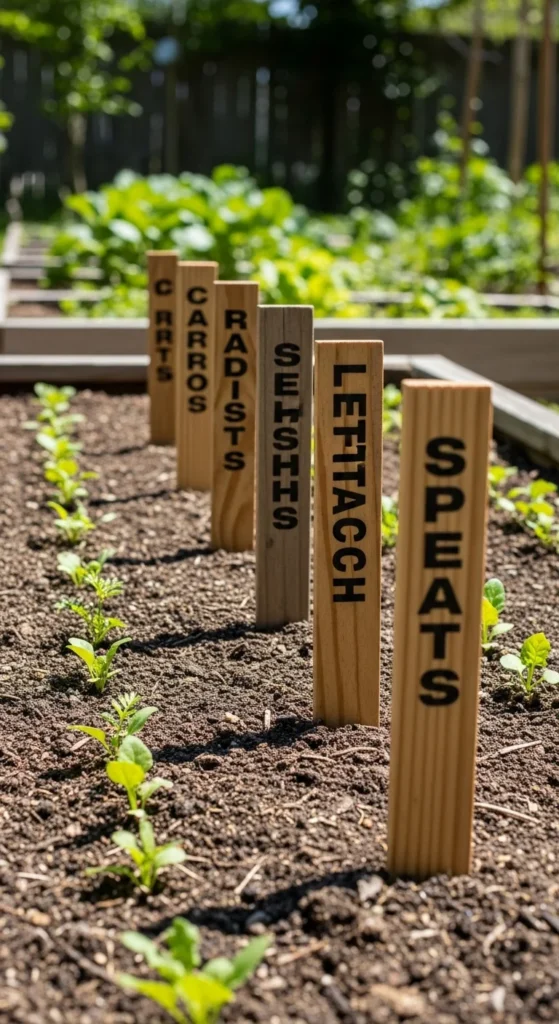
It’s easy to forget where you planted what. Label each plant using wood sticks, stones, or recycled spoons. Write the name with a waterproof marker. It keeps things organized, especially when seedlings start to look similar.
9. Don’t Overwater
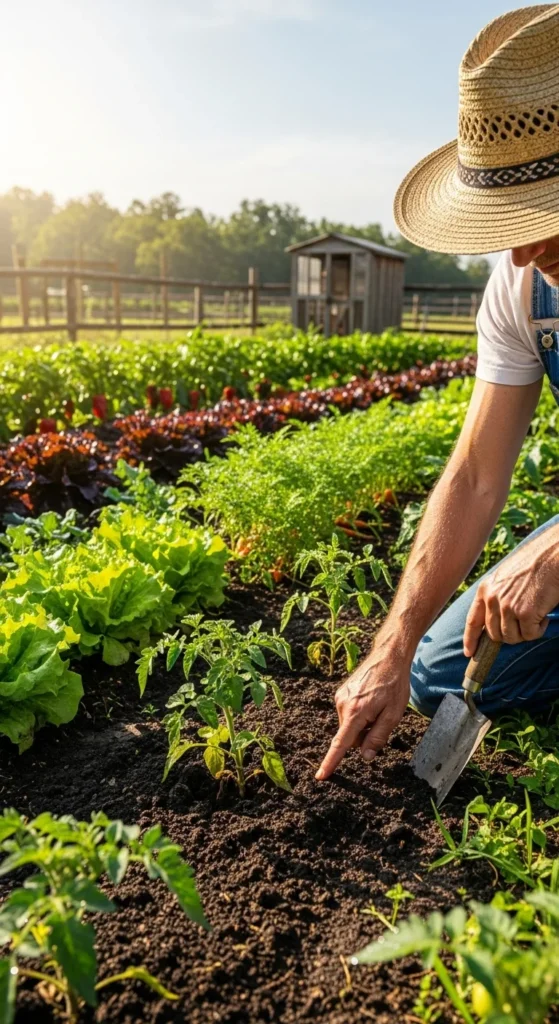
Too much water drowns roots. Check the top inch of soil — if it’s dry, water. If it’s damp, wait another day. Use pots with drainage holes to avoid soggy soil. Overwatering is one of the most common beginner mistakes.
10. Attract Pollinators
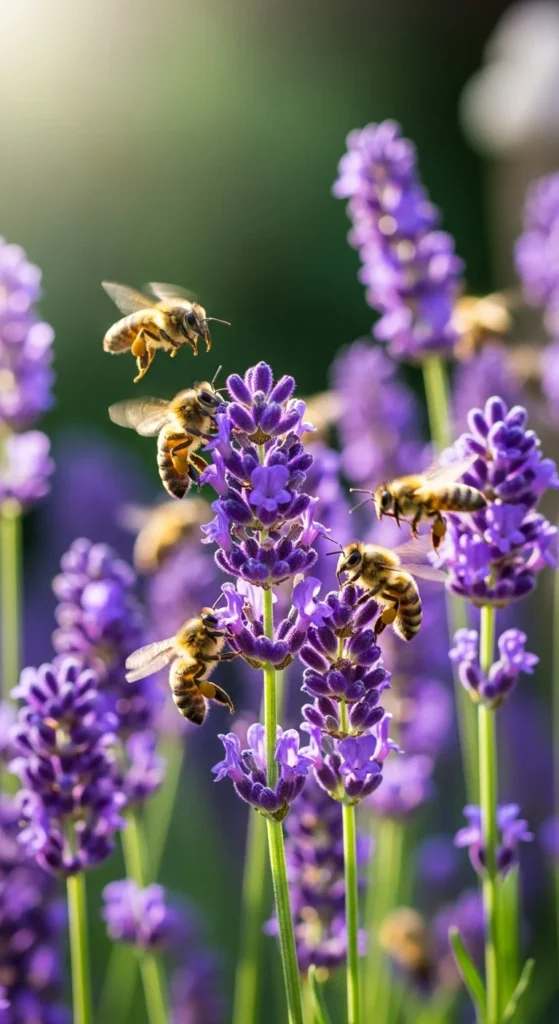
Plant flowers like lavender, sunflowers, and zinnias to invite bees and butterflies. These pollinators help your fruits and veggies thrive. Skip pesticides that harm them. A buzzing garden is a healthy one.
11. Start with Easy Plants
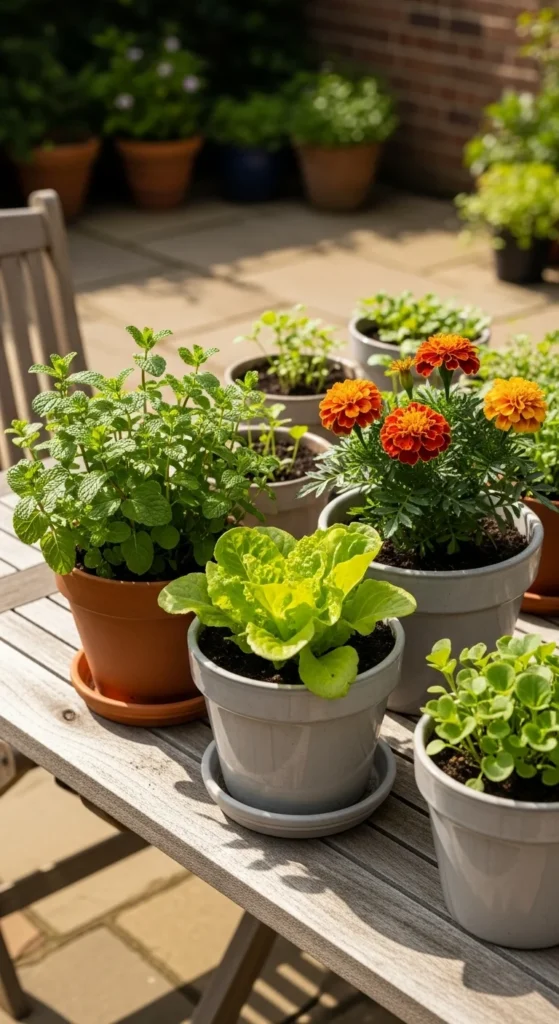
Choose plants that forgive mistakes — like mint, radishes, or sunflowers. They grow quickly and don’t require much fuss. Success with easy plants keeps your confidence high while you learn.
12. Reuse Containers
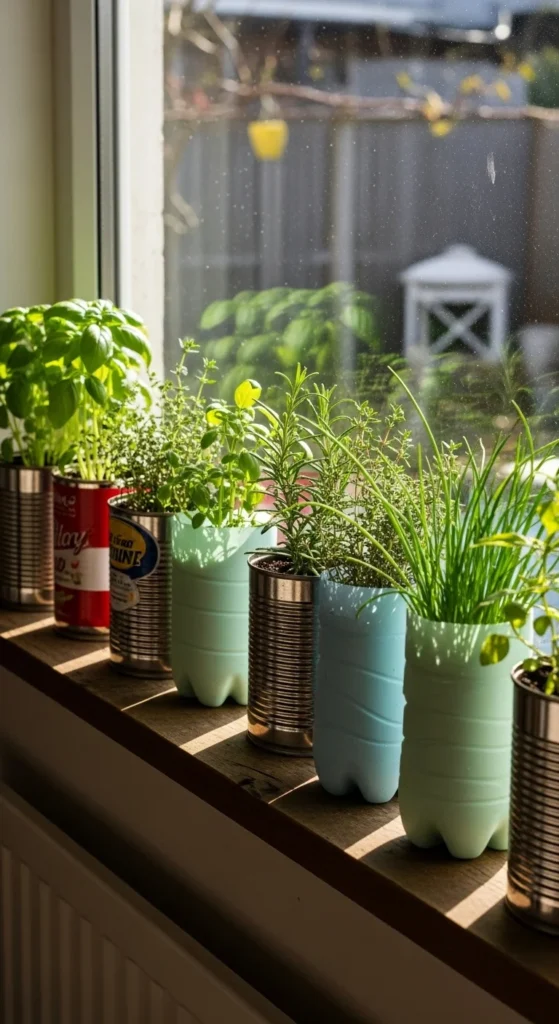
You don’t need fancy pots. Recycle cans, buckets, or bottles with drainage holes. Paint them for a personal touch. It’s an affordable way to expand your garden and reduce waste.
13. Feed Plants Naturally
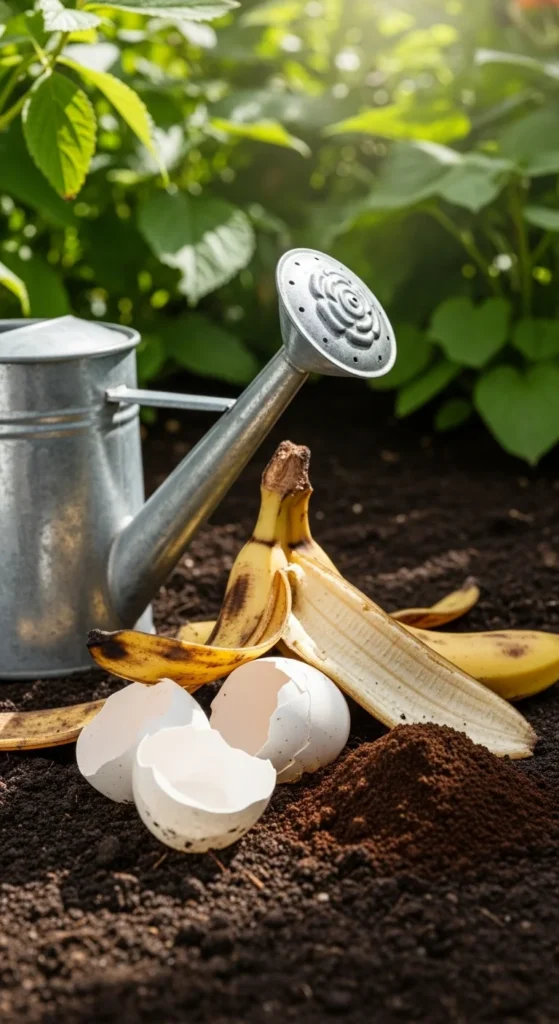
Simple kitchen scraps can act as plant food. Mix banana peels or crushed eggshells into soil for potassium and calcium. Coffee grounds add nitrogen for leafy greens. It’s free and effective.
14. Prune Regularly
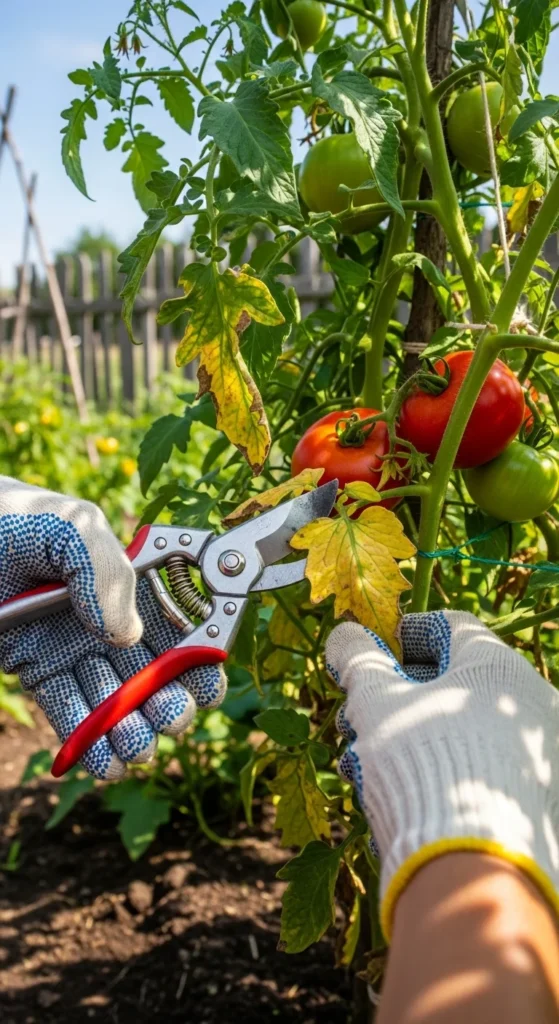
Trim dead or damaged leaves so energy goes to healthy growth. Use clean scissors or pruning shears. Regular pruning improves air circulation and helps plants stay productive.
15. Group Plants by Water Needs
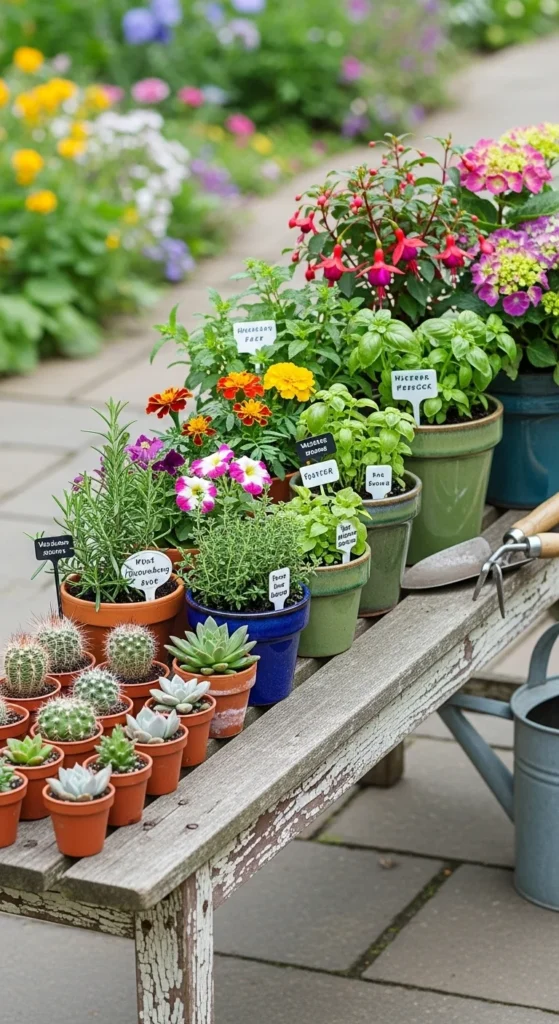
Some plants love moisture; others prefer it dry. Grouping them by water needs saves time and prevents over- or underwatering. Herbs like rosemary prefer dry soil, while lettuce likes more moisture.
16. Use Raised Beds
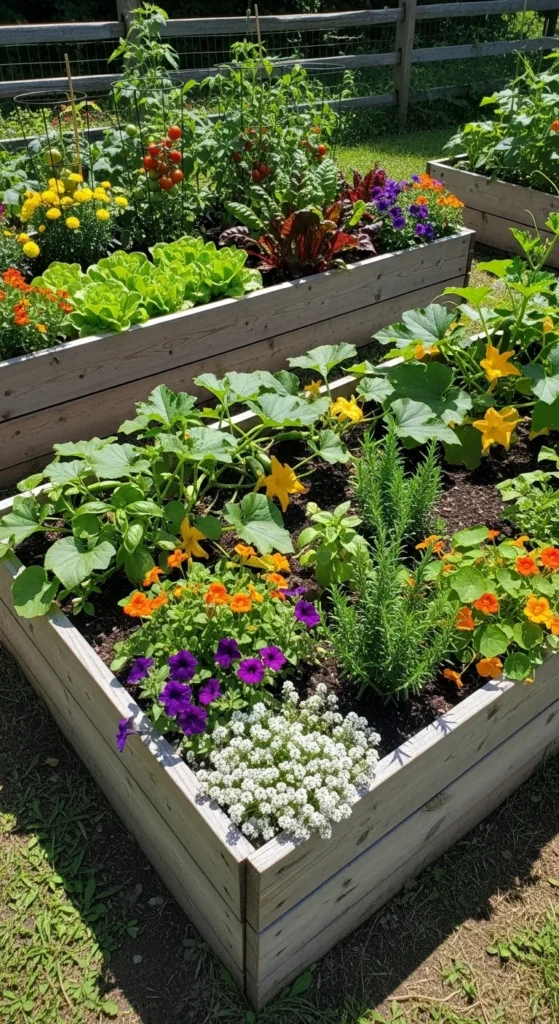
Raised beds make gardening easier on your back and help control soil quality. Use untreated wood, bricks, or metal frames. Fill with a soil-compost mix and enjoy better drainage and fewer weeds.
17. Rotate Crops Each Season
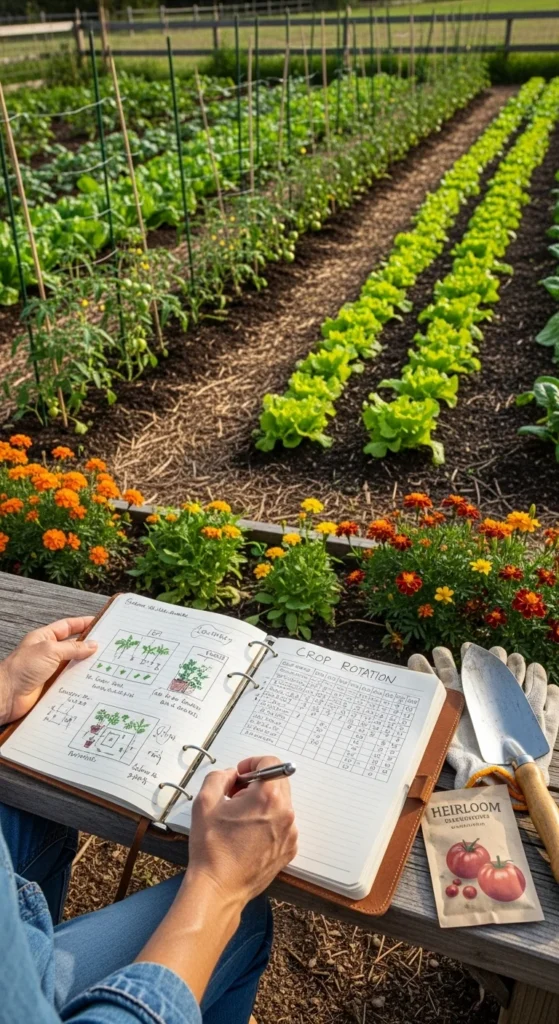
Don’t plant the same vegetables in the same spot every year. Rotating crops prevents pests and disease buildup. Move tomatoes, peppers, and beans to different areas each season.
18. Save Rainwater
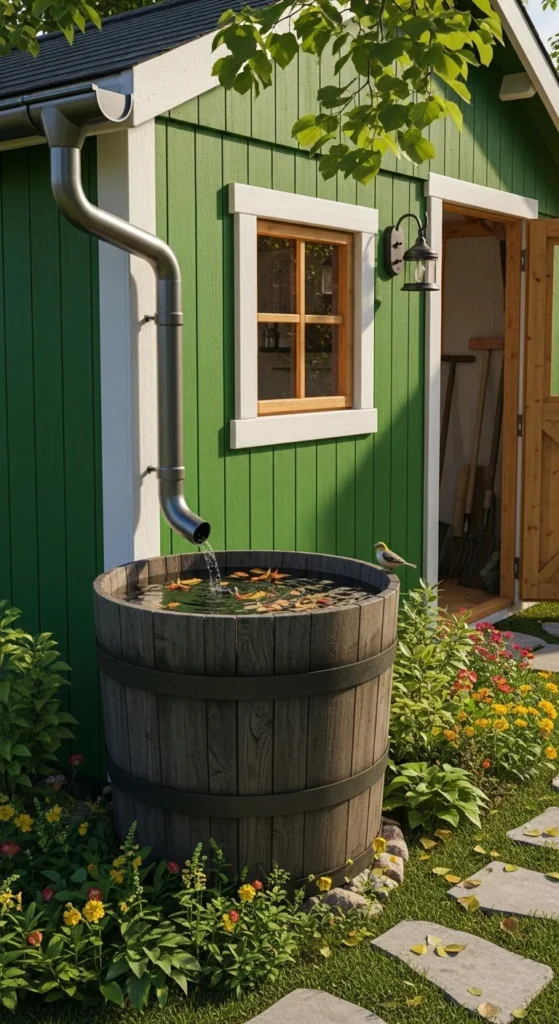
Set up a rain barrel to collect natural water for your plants. It’s free and great for the environment. Keep it covered to prevent mosquitoes and debris.
19. Learn About Local Plants
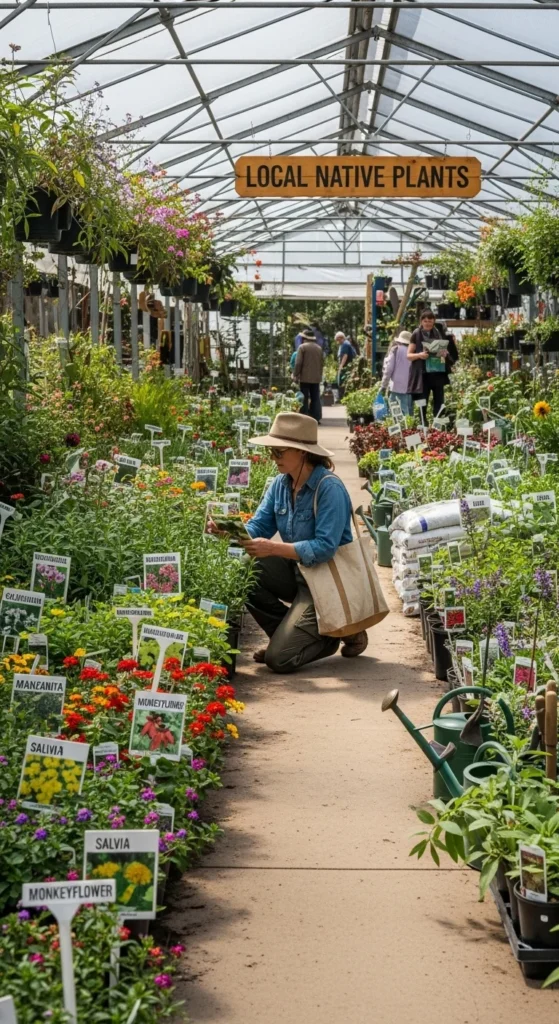
Native plants thrive naturally in your climate. They need less water and care. Visit local nurseries for advice — they’ll recommend varieties that perform best in your area.
20. Keep Tools Handy
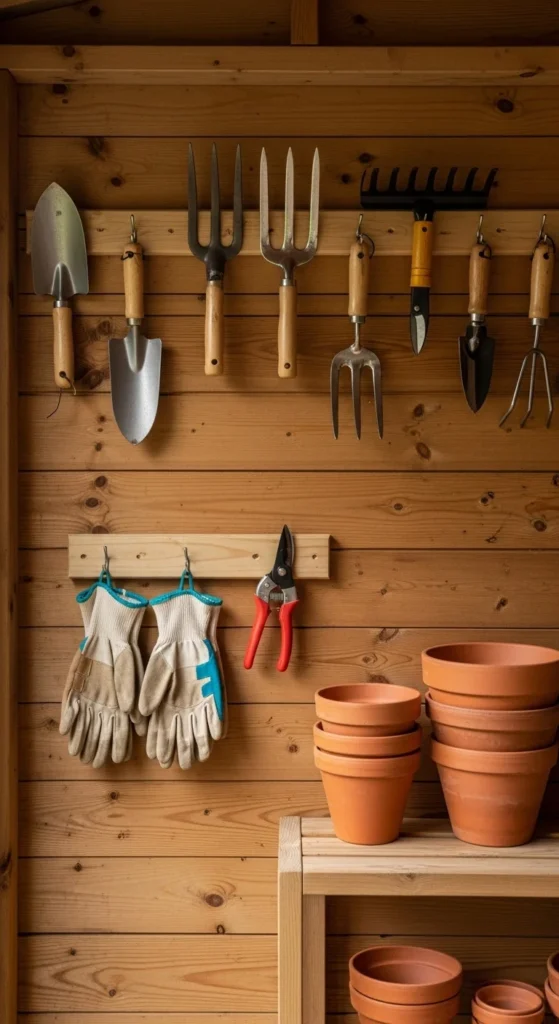
Store your tools in a dry, easy-to-reach spot. Keep basics like gloves, trowels, and pruners nearby. Having them ready saves time and keeps your routine smooth.
21. Use Mulch for Weed Control
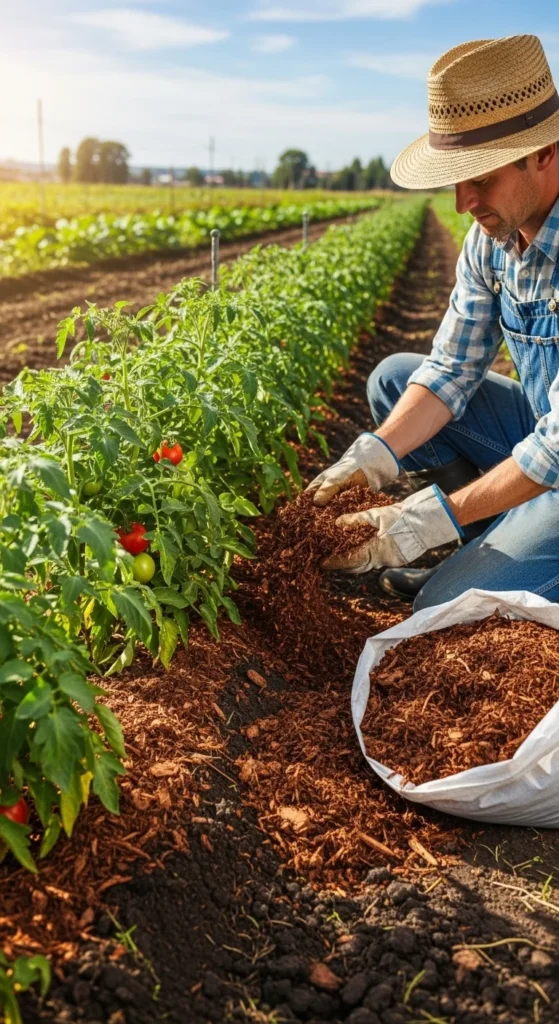
Weeds steal nutrients and space. A layer of mulch prevents them from sprouting. Use organic mulch that also breaks down and feeds the soil.
22. Companion Planting Works
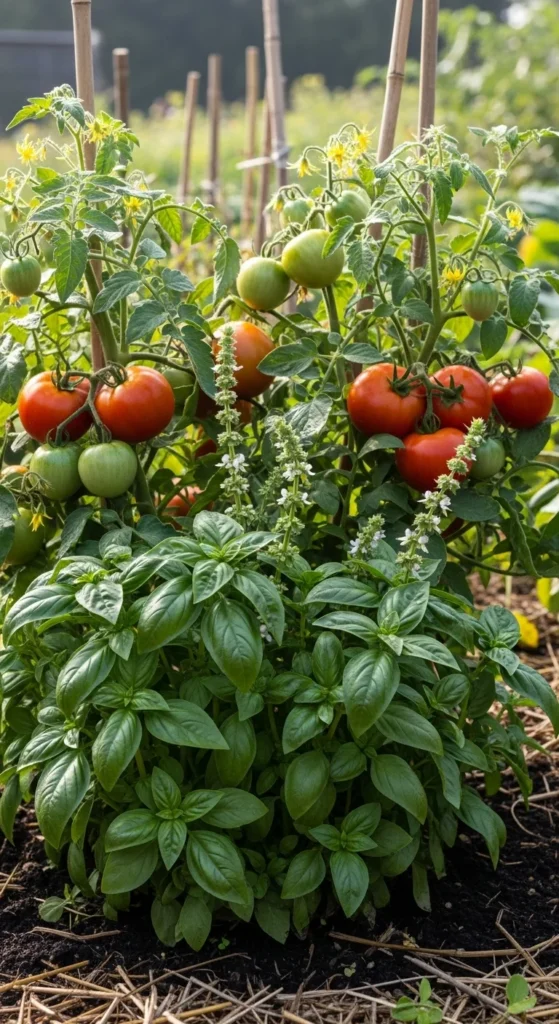
Some plants help each other thrive. Basil keeps bugs away from tomatoes, and marigolds protect veggies from pests. Research good pairings for a natural defense system.
23. Be Patient
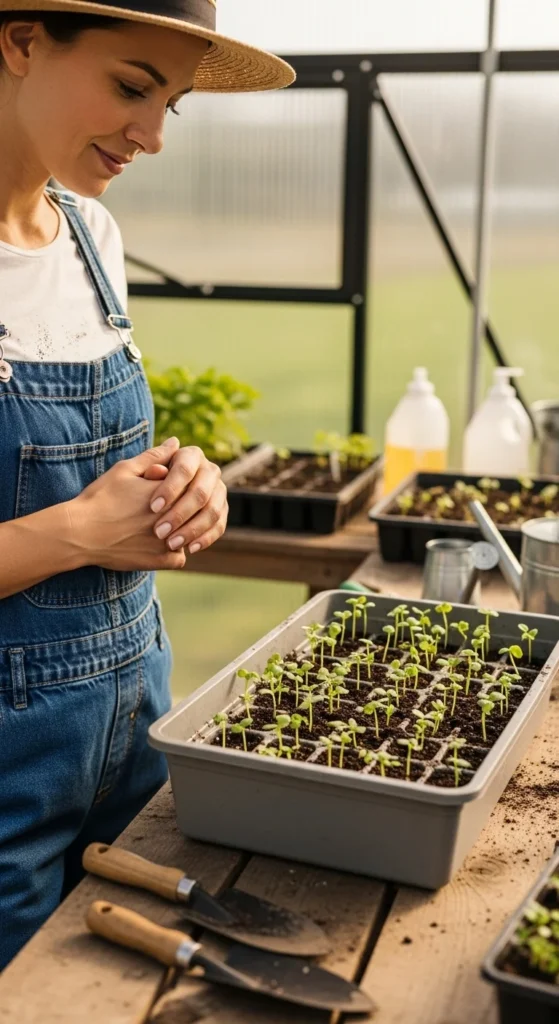
Plants grow at their own pace. Avoid over-fertilizing or moving them too often. Gardening teaches patience — results come with time and care.
24. Harvest Often
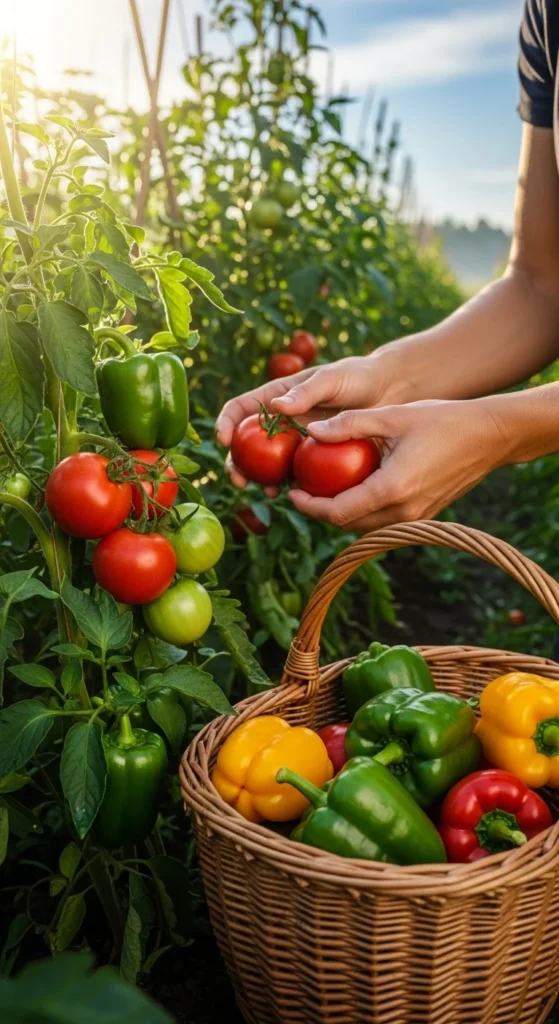
Regular harvesting encourages more growth. Pick herbs and veggies once they’re mature. Don’t let fruit over-ripen; it signals the plant to stop producing. Fresh picking keeps everything healthy and productive.
25. Keep a Garden Journal
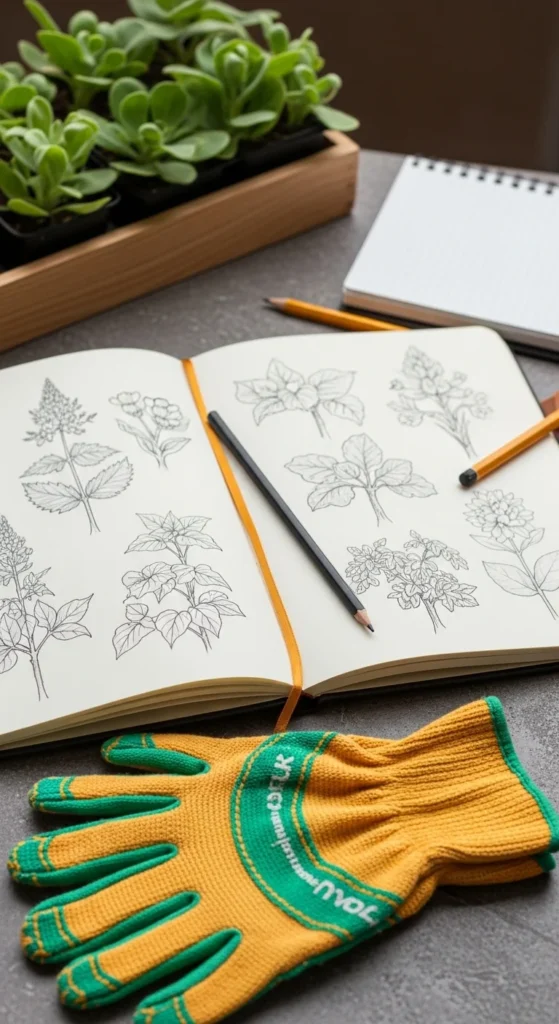
Write down planting dates, weather changes, and harvest notes. Tracking progress helps you learn what works best in your space. Over time, it becomes your personal gardening guide.
Conclusion
Gardening isn’t just about plants — it’s about learning, experimenting, and enjoying the process. With these simple beginner tips, you’ll grow healthier plants and more confidence every season. Start small, stay consistent, and celebrate every sprout and bloom. Your garden will thank you — and so will your peace of mind.
Leave a Reply