

Healthy soil grows healthy plants — and the secret isn’t in store-bought bottles. Natural fertilizers feed your garden the way nature intended, enriching the soil with nutrients, microbes, and organic matter that work together to help plants thrive. Plus, going chemical-free means you’re protecting pollinators, groundwater, and the ecosystem right in your own backyard.
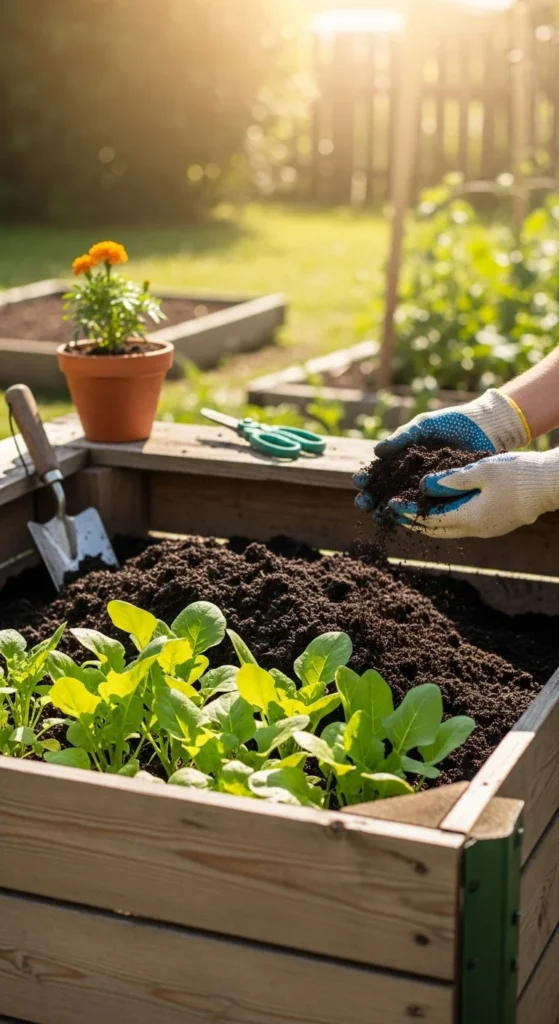
If you’re ready to ditch synthetic fertilizers, here’s how to feed your garden naturally using simple, eco-friendly methods that really work.
Start with Compost – Nature’s Perfect Fertilizer
Compost is the heart of any organic garden. It’s made from decomposed plant material like kitchen scraps, grass clippings, and leaves. Over time, these break down into nutrient-rich soil that feeds your plants from the ground up.
How to make it:
- Layer green materials (fruit peels, coffee grounds, veggie scraps) with brown materials (dry leaves, straw, shredded paper).
- Keep it moist but not soggy.
- Turn it every couple of weeks to add oxygen and speed up decomposition.
After a few months, you’ll have dark, crumbly compost ready to mix into your garden beds or use as a top dressing around plants.
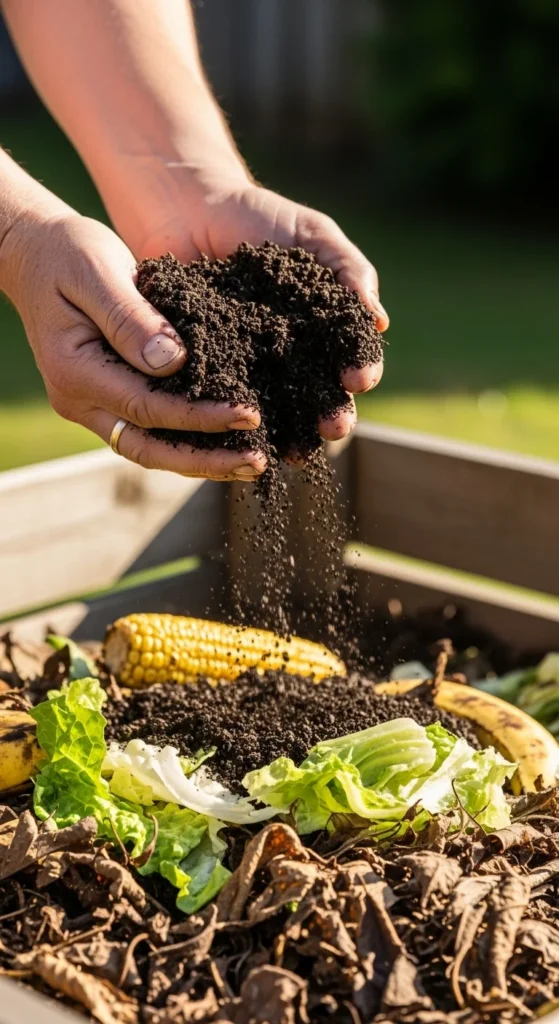
Pro Tip: Add compost to your soil in early spring and again in mid-season for continuous nourishment.
Use Kitchen Scraps Wisely
Your kitchen already produces powerful fertilizers — you just need to know how to use them.
- Banana peels: Packed with potassium and calcium. Chop them up and bury near flowering plants.
- Eggshells: Crushed shells add calcium and reduce soil acidity — great for tomatoes and peppers.
- Coffee grounds: Add nitrogen and attract earthworms. Mix into compost or sprinkle lightly around acid-loving plants like blueberries.
- Vegetable water: Use cooled water from boiled veggies to water your plants — it’s full of micronutrients.
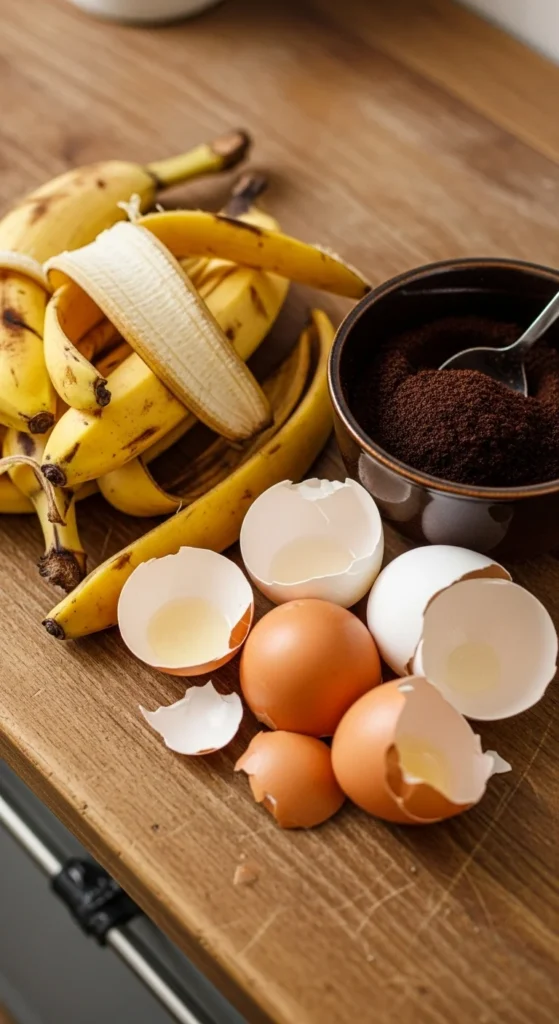
These everyday items enrich your soil naturally while cutting down on food waste — a win for your garden and the planet.
Try Natural Liquid Fertilizers
Liquid fertilizers give plants a quick nutrient boost, especially during their growing season. You can easily make your own with simple ingredients.
1. Compost Tea
- Fill a bucket with compost and water (1 part compost to 5 parts water).
- Let it steep for 2–3 days, stirring occasionally.
- Strain and pour the liquid around your plants or use it as a foliar spray.
2. Seaweed Tea
- Soak dried seaweed (or kelp powder) in water for a few days.
- The resulting tea is rich in potassium and trace minerals.
3. Manure Tea
- Place aged manure in a burlap bag and soak in water for 3–5 days.
- Use the diluted liquid on vegetables or fruiting plants.
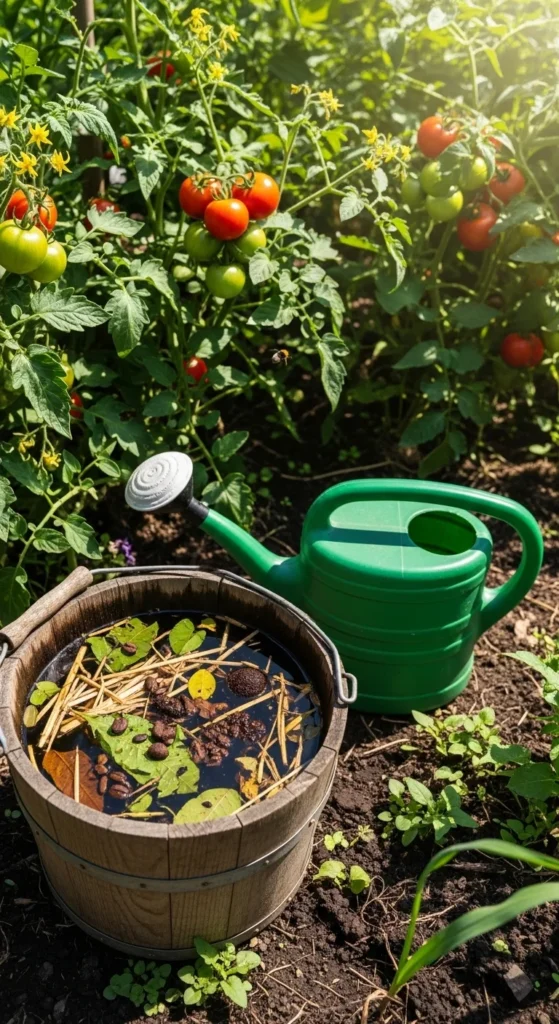
Tip: Always use aged manure or composted materials — fresh manure can burn roots.
Grow Green Manure (Cover Crops)
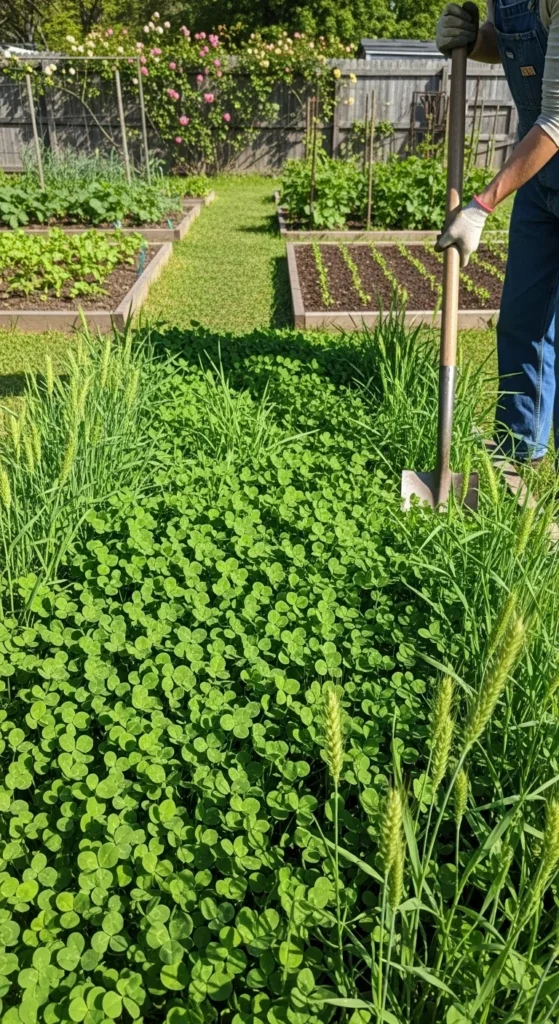
Green manure, also known as cover crops, are plants grown specifically to improve the soil. They’re especially useful in vegetable gardens during the off-season.
Popular choices include:
- Clover – Adds nitrogen and attracts pollinators.
- Alfalfa – Deep roots loosen compacted soil.
- Rye or oats – Prevent erosion and add organic matter.
Simply sow seeds, let the plants grow for a few months, then chop them down and dig them into the soil before planting your main crops. They’ll decompose into natural fertilizer, building fertility over time.
Feed Soil Life with Mulch
Mulch does more than keep weeds down — it also feeds your soil as it breaks down. Organic mulch, like straw, shredded leaves, or bark, slowly releases nutrients and encourages earthworms and microbes to thrive.
How to apply it:
- Spread a 2–3 inch layer around plants, keeping it a few inches away from stems.
- Replenish as it decomposes.
- Use straw or leaf mulch for veggies, and bark mulch for trees and shrubs.
This steady release of nutrients keeps soil fertile and moisture levels stable all season long.
Bonus: Natural Mineral Boosters
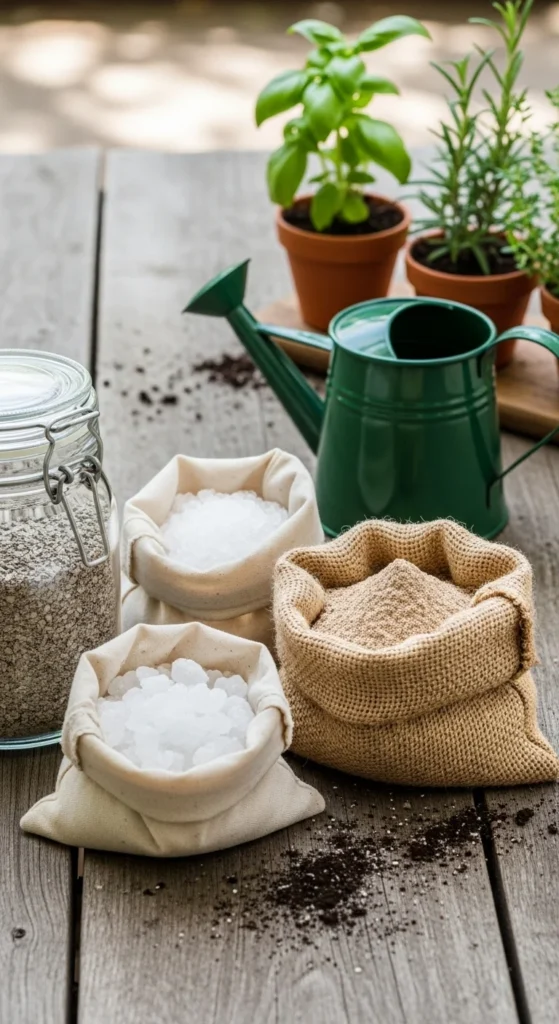
Sometimes soil needs an extra mineral kick — here are a few natural options to consider:
- Wood ash: Adds potassium and lime; sprinkle lightly around fruiting plants.
- Epsom salt: Provides magnesium and sulfur, great for tomatoes and roses.
- Bone meal: Rich in phosphorus for strong root and flower growth.
- Fish emulsion: A nutrient-dense liquid perfect for leafy greens.
Use these sparingly — a little goes a long way in maintaining balance.
The Takeaway
Fertilizing naturally isn’t just good for your garden — it’s good for the planet. By using compost, kitchen scraps, and organic teas, you’re creating a self-sustaining soil ecosystem that nourishes plants year after year.
Your garden will reward you with richer soil, healthier plants, and better harvests — no chemicals required.

Leave a Reply