

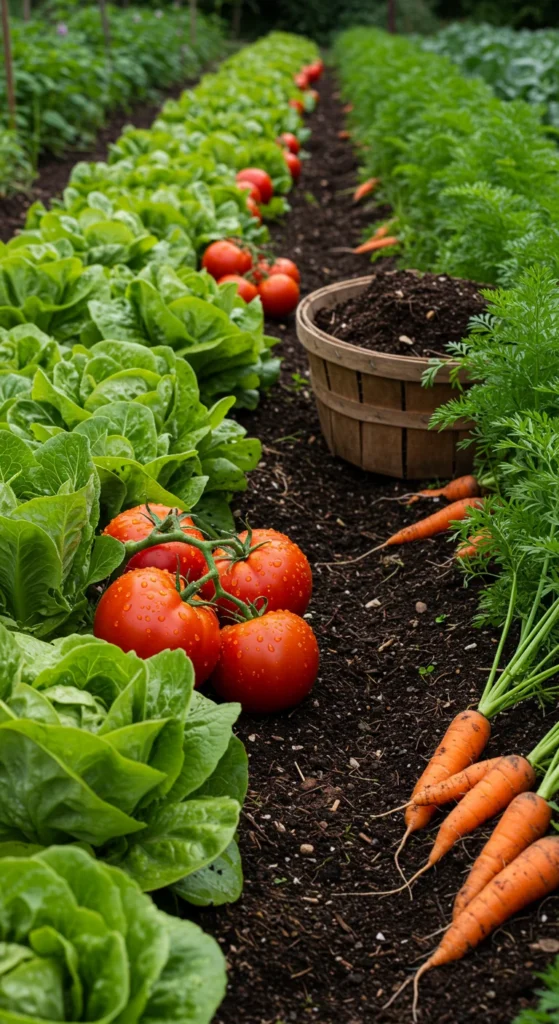
A healthy garden starts with healthy soil. The secret? Feeding it the right way. Instead of relying on chemical fertilizers, which can harm beneficial microbes and pollute water, organic fertilizing works with nature to keep your garden thriving. The result is not only lush plants but also better-tasting veggies and a safer environment for your family and pollinators.
Why Go Organic?
Organic fertilizing focuses on enriching the soil so plants naturally get the nutrients they need.
- Builds long-term soil health instead of just quick boosts.
- Encourages earthworms and beneficial microbes.
- Safe for kids, pets, and pollinators.
- Reduces chemical runoff into streams and groundwater.
Think of it as feeding the soil first, so the soil can feed your plants.
Compost: The Garden Gold
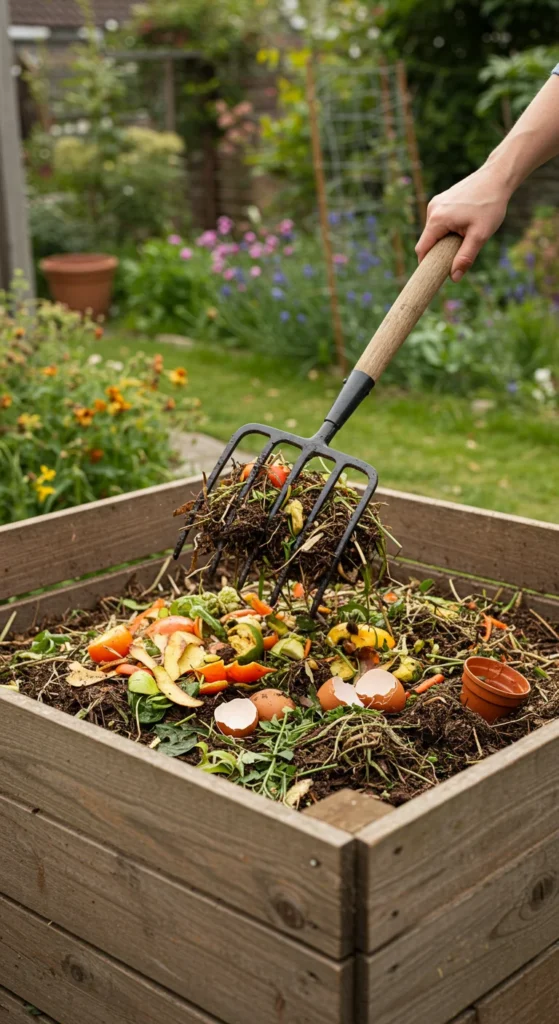
Compost is the backbone of organic gardening. Made from kitchen scraps and yard waste, it’s packed with nutrients and good bacteria.
- Add fruit and veggie scraps, coffee grounds, grass clippings, and leaves.
- Avoid meat, dairy, and oily foods that attract pests.
- Apply 1–2 inches of compost to garden beds in spring and fall.
Pro Tip: Compost tea (a liquid made by steeping compost in water) makes an excellent quick-boost fertilizer for leafy greens.
Animal-Based Fertilizers
Sometimes, plants need an extra kick of nutrients. Organic options include:
- Manure: Aged cow, horse, or chicken manure adds nitrogen and improves soil texture.
- Bone meal: A slow-release source of phosphorus for strong root development.
- Blood meal: High in nitrogen, great for leafy growth.
Important: Always use aged manure to avoid burning plants with too much nitrogen.
Plant-Based Fertilizers
Not all fertilizers come from animals—plants provide natural nutrients too.
- Seaweed or kelp meal: Full of micronutrients and hormones that stimulate growth.
- Alfalfa meal: Adds nitrogen and encourages beneficial soil activity.
- Cover crops (like clover or peas): Grow them, then turn them into the soil to naturally add nutrients.
These are great options if you want a vegan-friendly way to boost your garden.
Homemade Organic Fertilizer Ideas
You don’t need to spend a fortune—your kitchen holds hidden treasures for your garden.
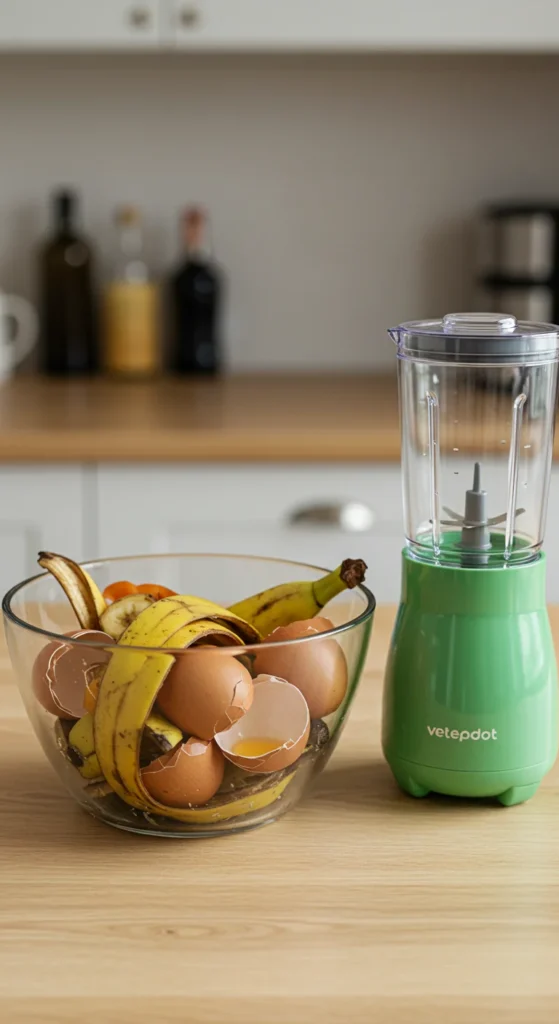
- Banana peels: Chop and bury near roses or tomatoes for potassium.
- Coffee grounds: Sprinkle around acid-loving plants like blueberries.
- Eggshells: Crush and add to the soil for extra calcium.
DIY Hack: Blend a banana peel, a spoon of coffee grounds, and water into a slurry for a quick homemade fertilizer.
When & How to Fertilize
Even with organic options, timing matters.
- Early spring: Add compost and organic matter to prep beds before planting.
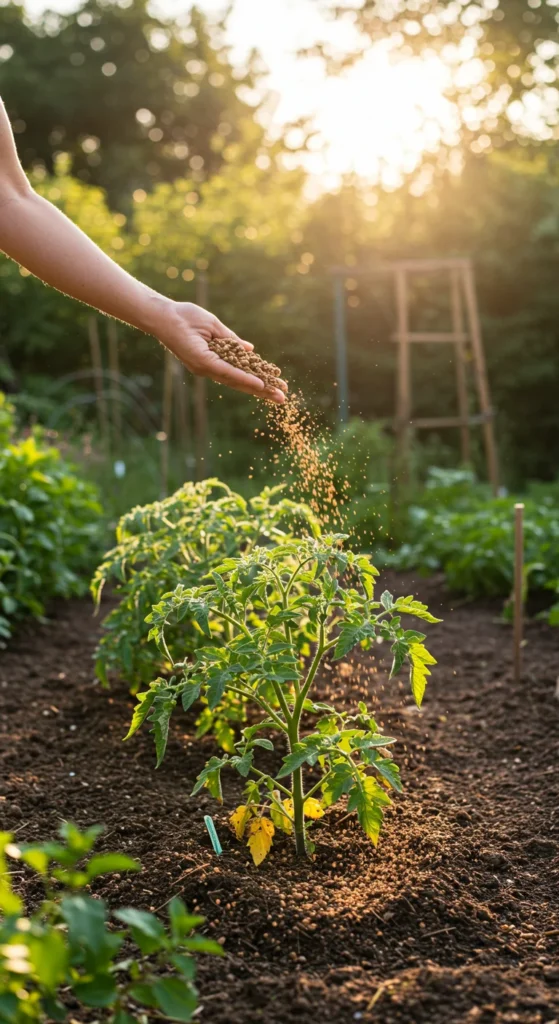
- Mid-season: Boost heavy feeders like tomatoes, corn, and peppers with compost tea or side-dressing compost.
- Fall: Add compost or cover crops to recharge the soil for next year.
Always water after applying fertilizers to help nutrients soak into the soil.
Final Takeaway
Organic fertilizing is all about working with nature, not against it. By using compost, natural amendments, and even simple kitchen scraps, you can build soil that produces vibrant, nutrient-packed crops season after season.

Leave a Reply