

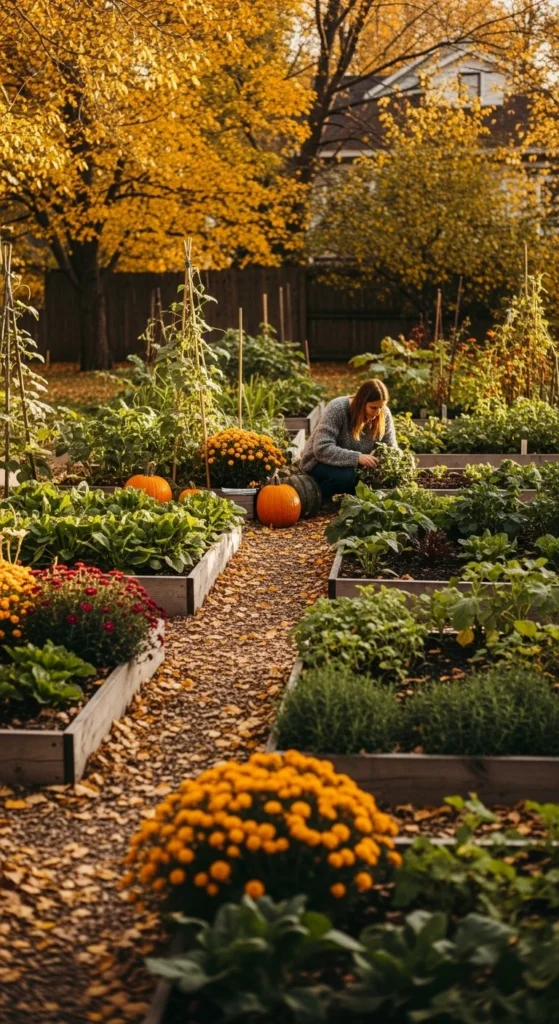
Fall doesn’t mean your garden has to wind down. With a little planning, you can keep growing well past the first frost. Cooler temperatures actually help certain plants thrive, making this season perfect for extending your harvest. Whether you love vegetables, herbs, or flowers, these 22 cozy fall planting ideas will help your garden stay vibrant, productive, and full of color deep into the chilly months.
1. Plant Cold-Hardy Greens
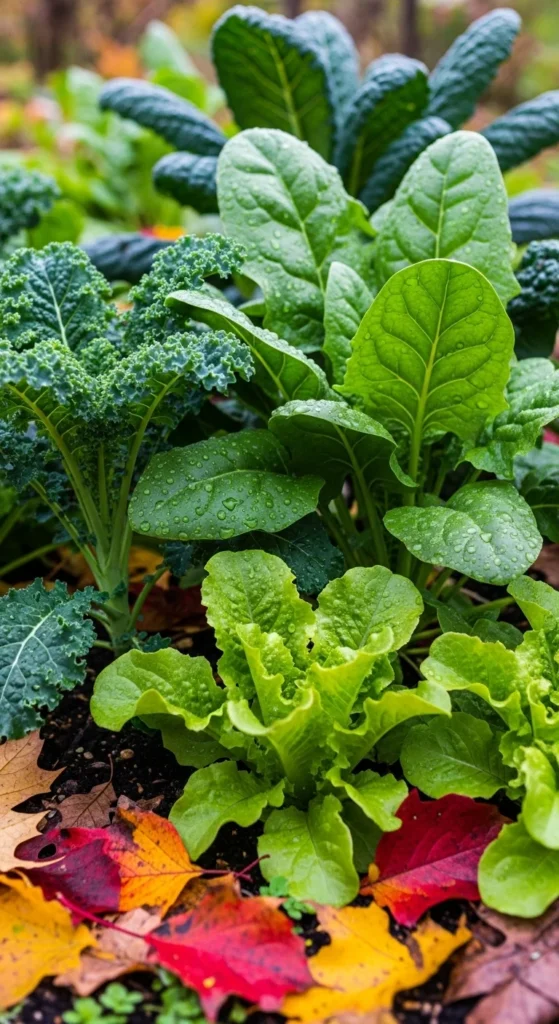
Cold-hardy greens like spinach, kale, and arugula thrive in crisp fall air. They grow best in full sun and can handle light frosts. Start seeds in late summer or use transplants for a quicker harvest. Cover them with lightweight row fabric for added warmth. As temperatures drop, the flavor of greens sweetens, making them perfect for fall salads. Replant every few weeks for continuous picking.
2. Add Garlic for Spring Harvest
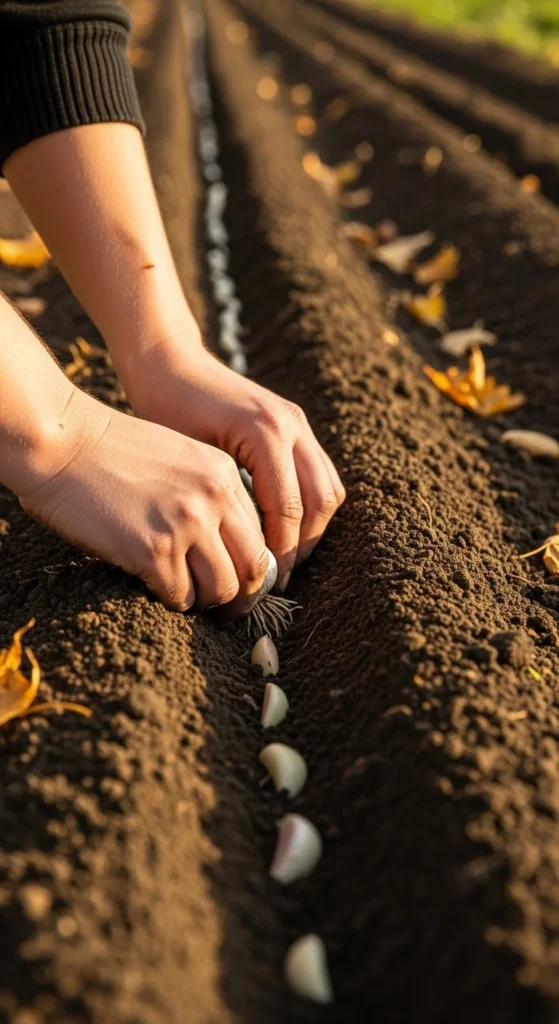
Garlic is a set-it-and-forget-it crop for fall. Break apart the bulbs and plant individual cloves about two inches deep. Cover with mulch to keep them insulated through winter. By spring, they’ll sprout strong shoots. You’ll harvest plump bulbs by early summer. Garlic loves cold weather—it actually develops better flavor after winter chilling.
3. Grow Herbs Indoors by a Sunny Window
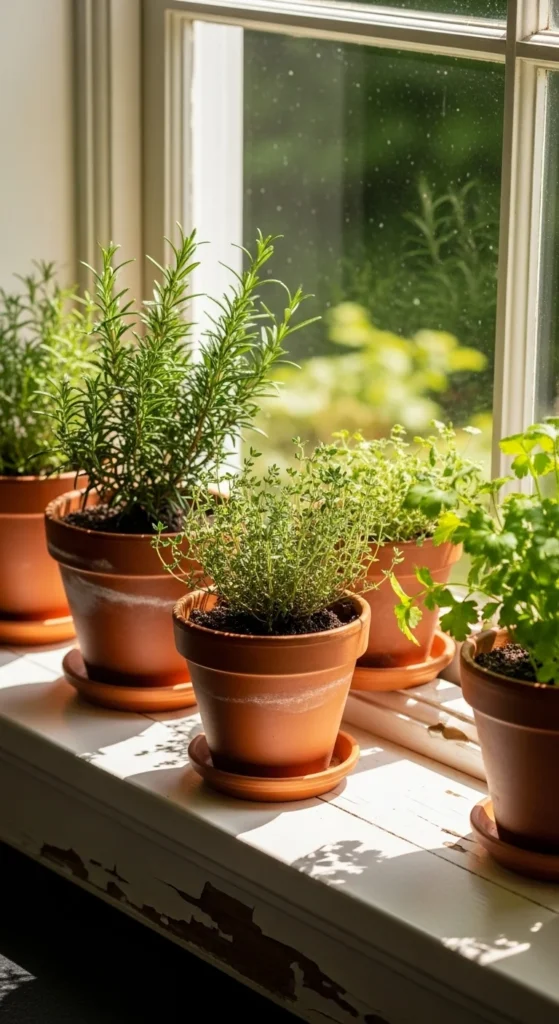
When frost threatens, bring herbs inside. Pots of rosemary, parsley, and thyme thrive near sunny windows. Trim lightly to keep growth steady and encourage new shoots. If light is limited, use a small LED grow lamp. Water sparingly—herbs dislike soggy soil. With indoor herbs, you’ll have flavor on hand for warm soups and roasts all winter.
4. Try Raised Beds for Warm Soil
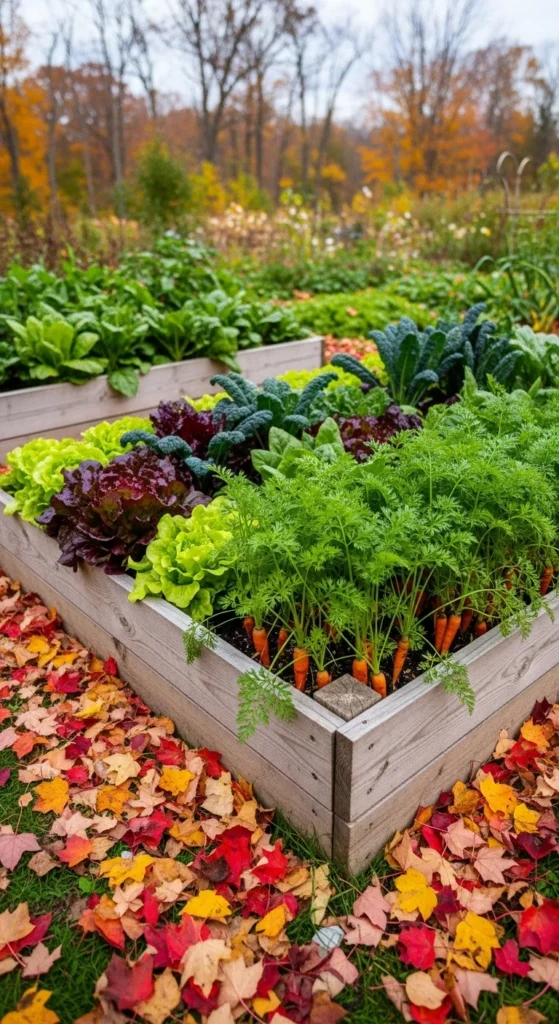
Raised beds warm up faster than ground soil, helping plants grow longer into fall. The elevated design improves drainage and reduces weeds. Fill with compost-rich soil for nutrients. Try growing root crops like carrots, beets, or radishes—they thrive in the steady warmth. Add a cover frame for frost protection when nights get chilly.
5. Mulch Around Perennials
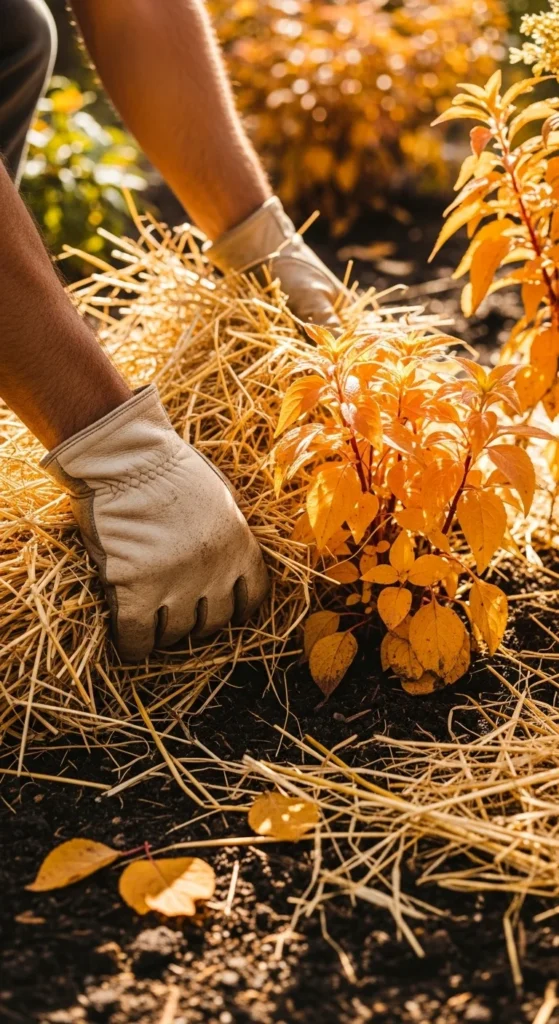
Mulching is one of the easiest fall tasks with big rewards. Spread straw, wood chips, or shredded leaves around perennials and shrubs. This helps retain warmth and moisture while shielding roots from cold. As mulch breaks down, it feeds the soil naturally. It’s a simple step that keeps your plants cozy and strong all winter.
6. Grow Cool-Season Root Vegetables
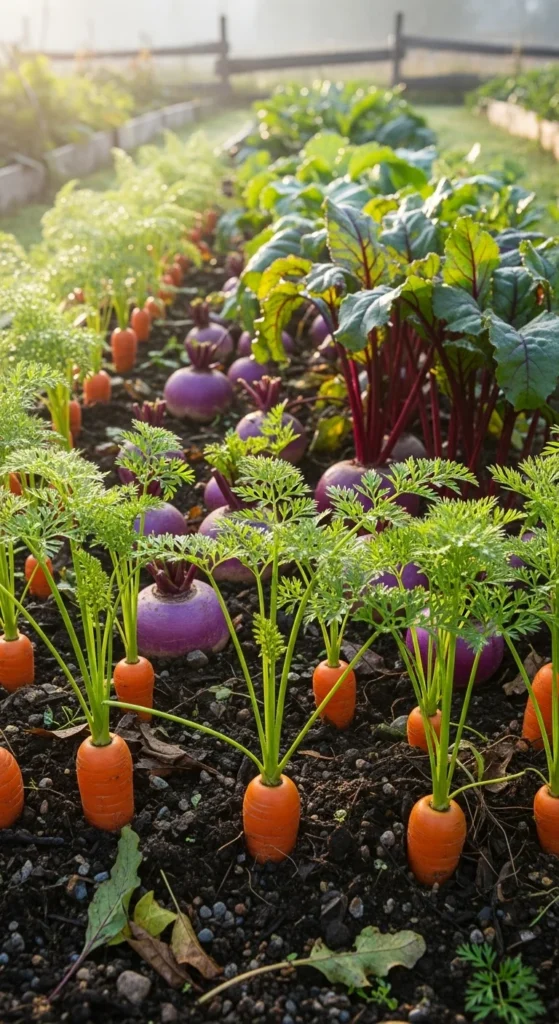
Root vegetables love cool soil. Plant carrots, beets, parsnips, or turnips for late-season harvests. Cover the soil lightly with compost to keep it loose and warm. These crops grow slowly but develop amazing flavor in fall. Harvest them before the ground freezes, or leave them in with a thick mulch layer to pull up later.
7. Plant Cover Crops for Soil Health
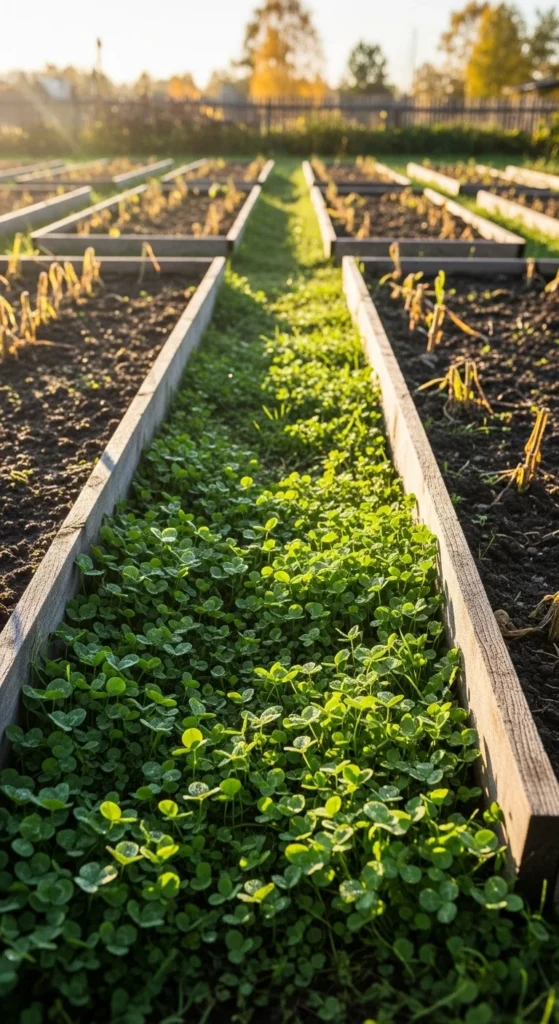
Cover crops like clover, rye, or winter wheat protect and enrich your soil over winter. They reduce erosion, prevent weeds, and add nutrients once tilled under in spring. Sow seeds after harvesting summer crops. When you return in spring, your garden soil will be rich, crumbly, and ready to plant again.
8. Start a Cold Frame for Tender Plants
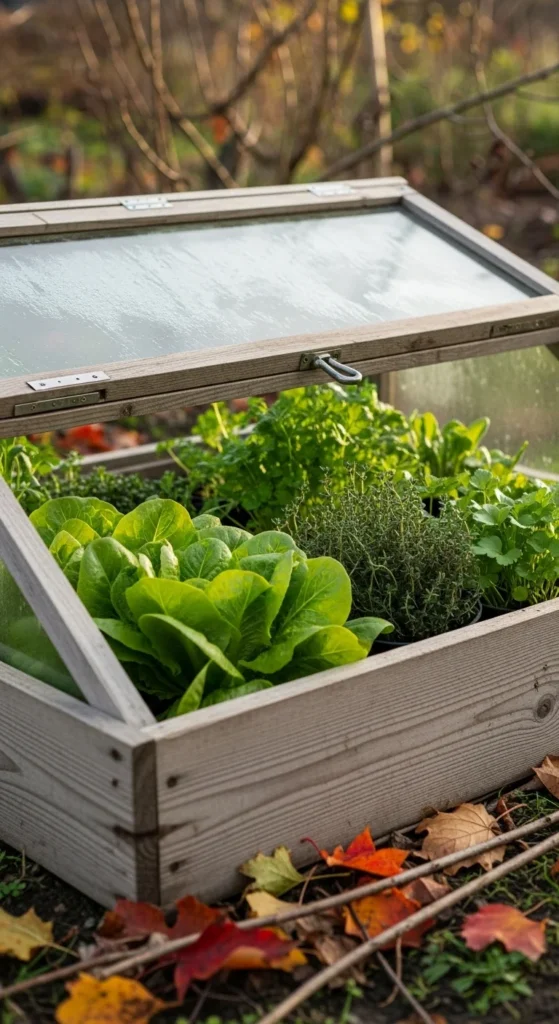
A cold frame creates a microclimate that keeps plants warm and growing. Build one with scrap wood and an old windowpane or buy a ready-made version. It’s perfect for lettuce, spinach, or herbs. Open it during sunny days to prevent overheating, and close it at night to trap warmth. It’s like a mini greenhouse for your backyard.
9. Add Pansies for Fall Color
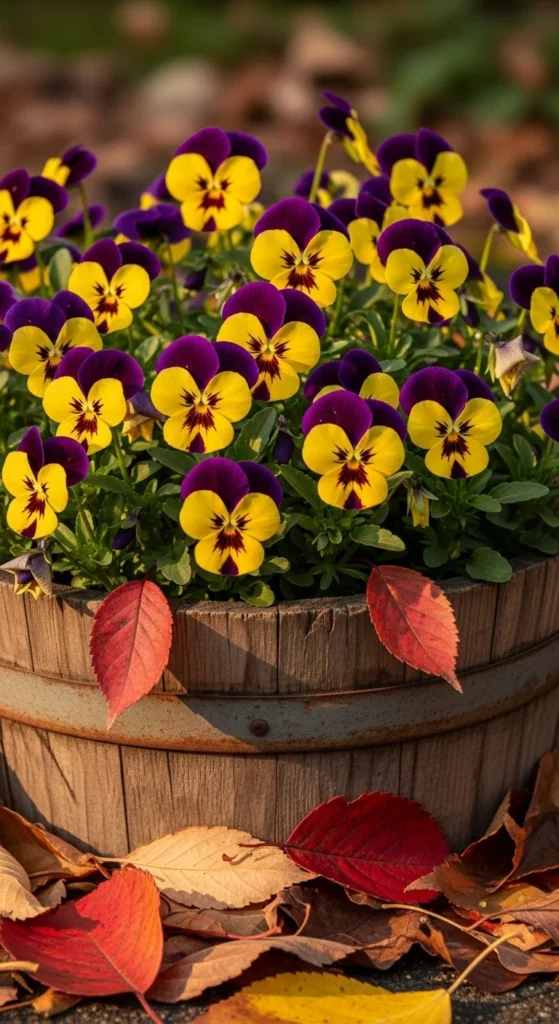
Pansies brighten up fall gardens with cheerful blooms that last through light frosts. Plant them in containers or along borders. Mix colors for visual warmth. They pair beautifully with ornamental cabbages and mums. Keep soil moist but not soggy. Pansies may even rebloom when spring returns.
10. Grow Lettuce in Containers
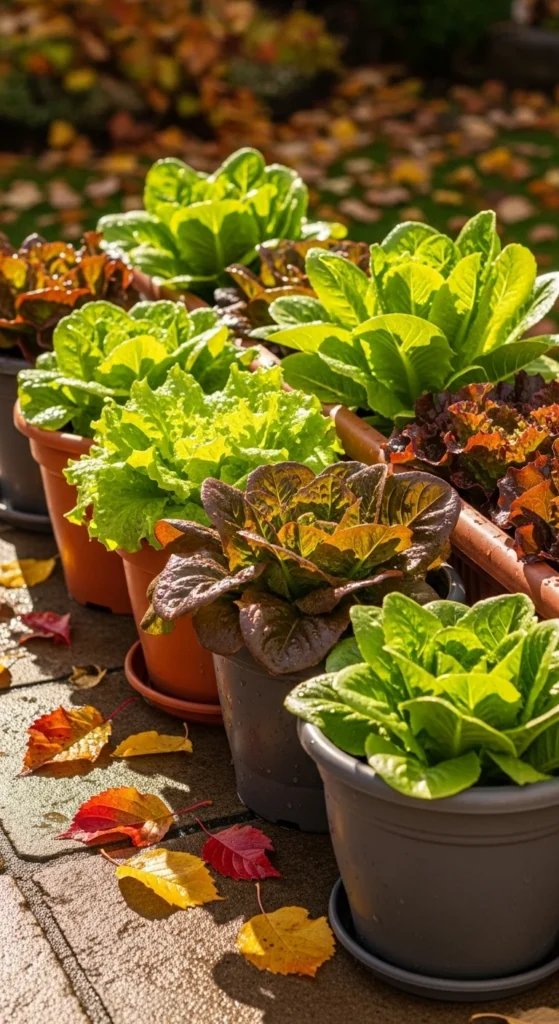
Container gardening makes fall planting flexible. Lettuce grows fast and doesn’t need deep soil. Use pots at least six inches deep and place them where they catch afternoon sun. Rotate pots every few days for even light. Harvest leaves as they grow—cut-and-come-again style keeps salads fresh for weeks.
11. Plant Strawberries for Early Spring Growth
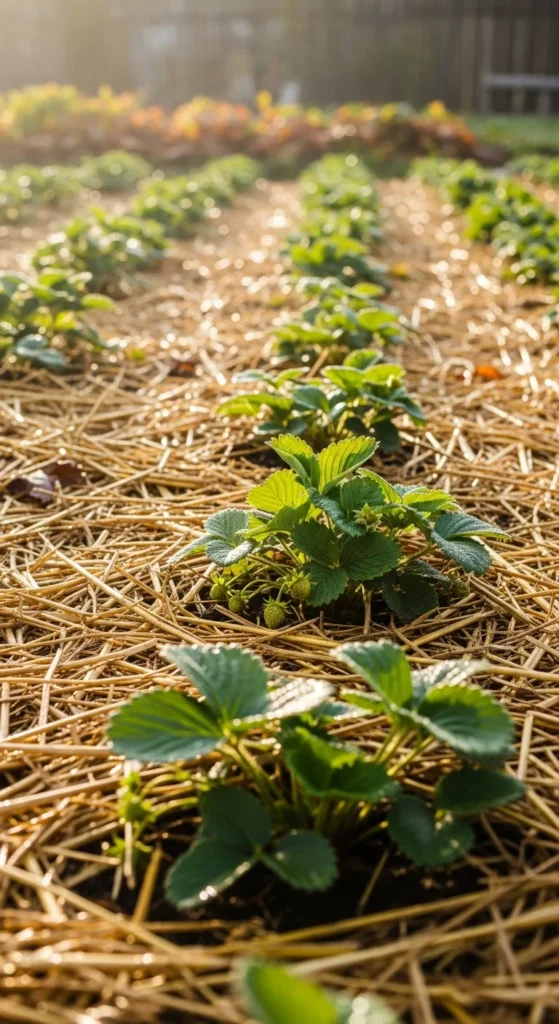
Fall is the perfect time to plant strawberries. Their roots establish over winter, giving you strong, early growth next year. Space plants about a foot apart and mulch heavily to protect crowns. You might even get a few berries before frost, but the best reward comes in spring with healthy, full patches.
12. Use Cloches to Protect Tender Crops
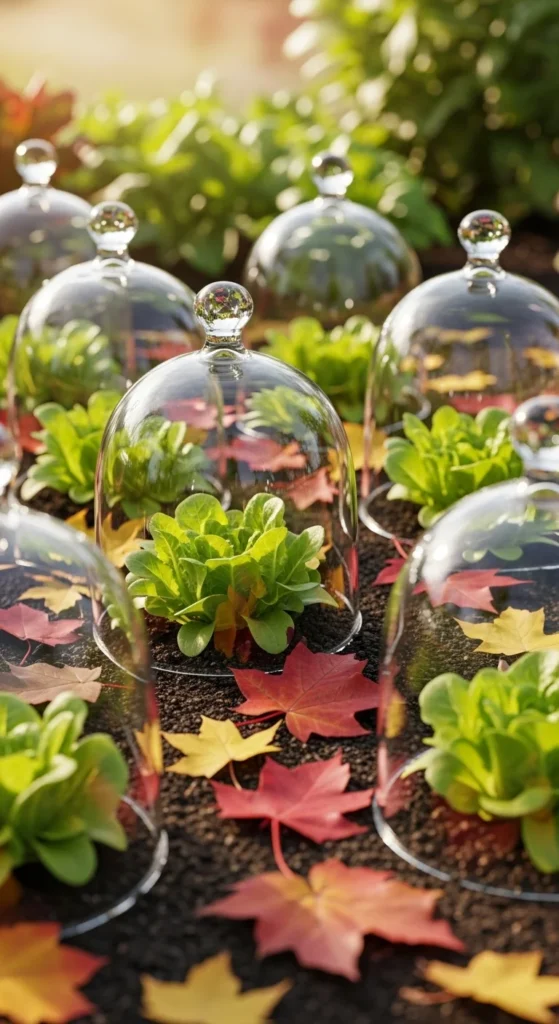
Cloches act like individual plant domes, trapping heat and shielding from frost. You can buy them or make your own with plastic bottles or jars. Place them over young greens or herbs overnight. During the day, lift them slightly for airflow. They’re a simple and reusable solution to extend growing time.
13. Grow Spinach for Sweet Fall Harvests
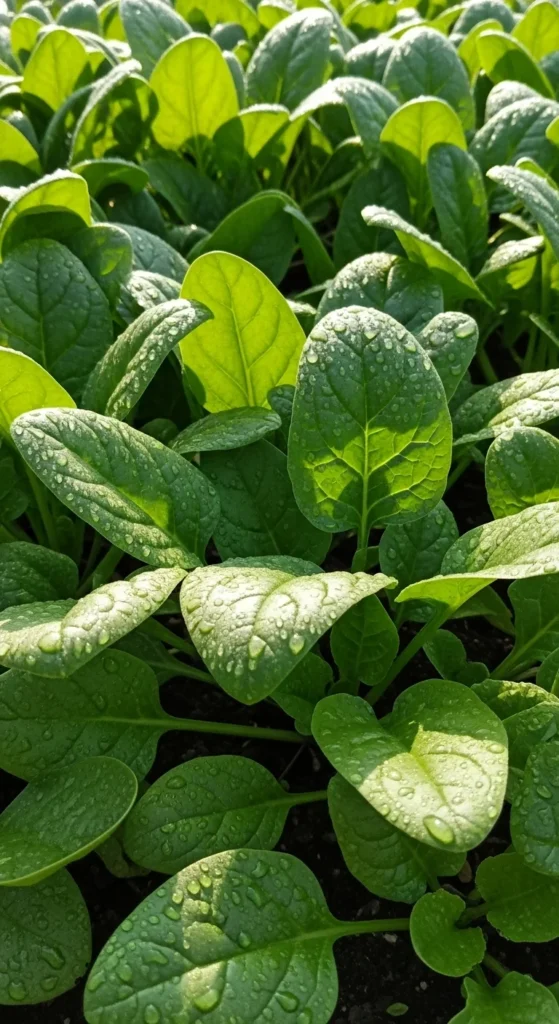
Spinach loves cool weather. Plant seeds in well-drained soil and keep the bed moist. When nights get chilly, cover with fabric to protect from frost. Cold temperatures actually improve spinach flavor, giving it a mild sweetness. Harvest outer leaves first for a continuous supply.
14. Add Ornamental Kale for Beauty and Strength
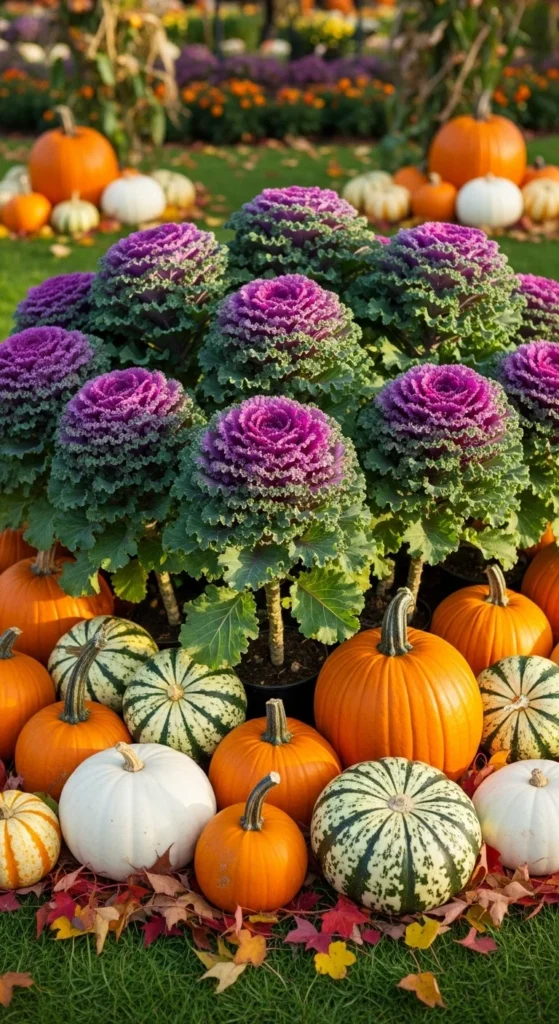
Ornamental kale adds structure and color to fall gardens. These plants tolerate frost and even light snow. Mix them with pansies or mums for a rich autumn display. Though not as tasty as regular kale, they’re stunning and hardy—perfect for front yards or patio planters.
15. Try Indoor Microgreens

Microgreens grow fast and require minimal space. Use shallow trays filled with soil and sprinkle seeds of arugula, radish, or sunflower. Keep them near a window or under grow lights. In 10–14 days, you’ll have tender greens for sandwiches and salads. It’s a great indoor project during cooler months.
16. Plant Fall Bulbs for Spring Blooms

Planting bulbs in fall means early color in spring. Tulips, daffodils, and crocuses all need a winter chill to bloom beautifully. Dig holes two to three times the bulb’s height and cover with soil. Add a bit of bone meal for nutrients. Come spring, you’ll be greeted by cheerful blooms.
17. Grow Peas in a Cold Frame
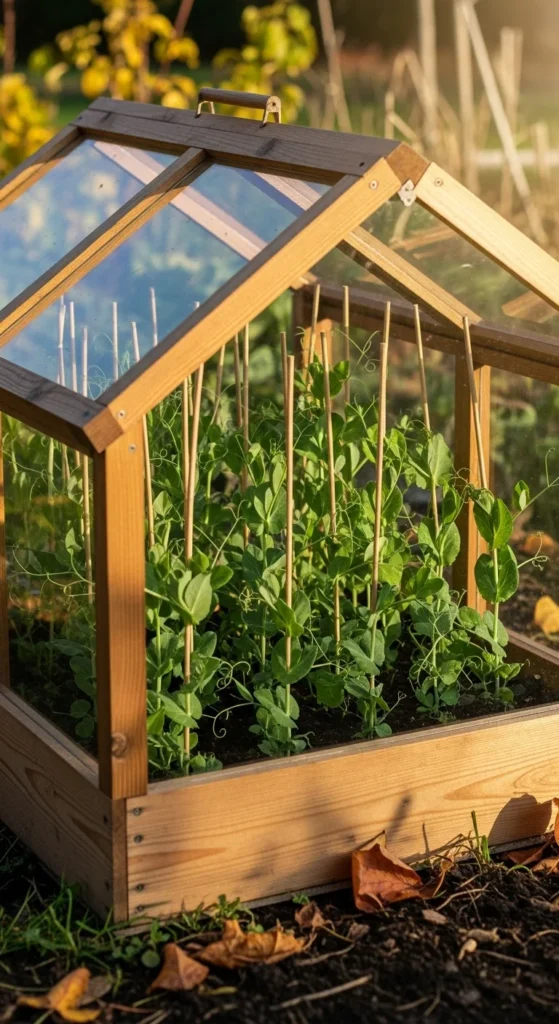
Peas handle cold better than most vegetables. Start them in a cold frame or hoop tunnel to protect from frost. Choose dwarf or snap varieties for compact growth. Keep soil moist and harvest often. Fall peas bring a sweet crunch to soups and side dishes long after summer ends.
18. Create a Fall Herb Spiral
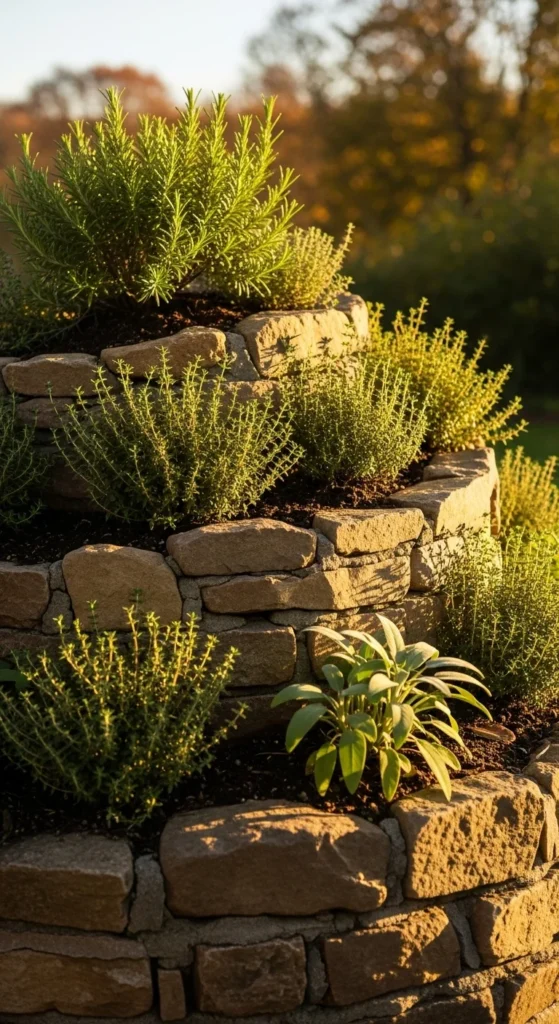
An herb spiral uses stacked stones or bricks to create levels of soil depth. It saves space and looks beautiful year-round. Plant hardy herbs like sage, thyme, and chives that handle cooler weather. The higher sections stay drier while lower ones retain moisture—a natural balance for different herbs.
19. Grow Radishes for Quick Results
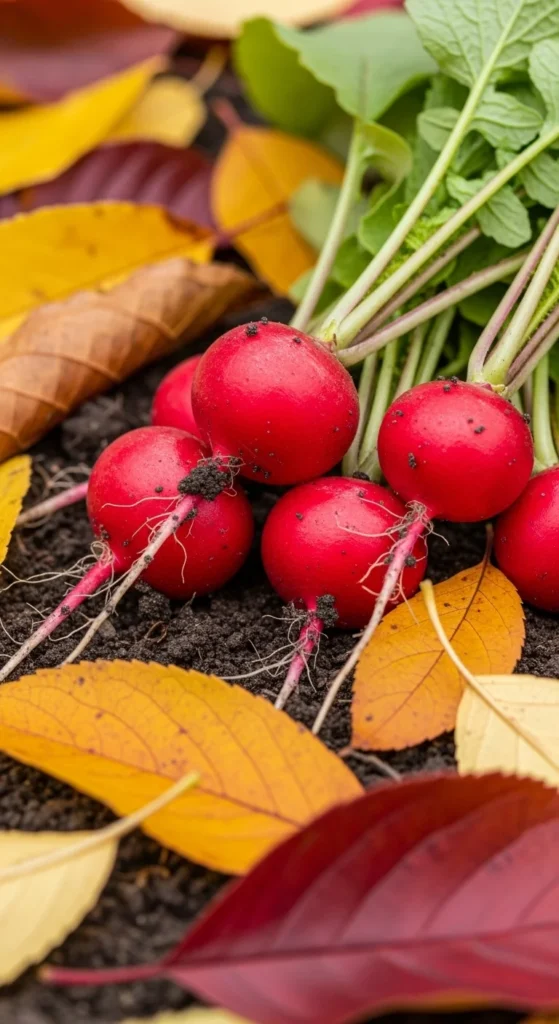
Radishes mature in just a few weeks, making them perfect for fall planting. Sow seeds directly in the soil and keep them moist. They tolerate cool weather well and add a peppery crunch to your meals. Harvest promptly to prevent them from becoming woody.
20. Use Row Covers for Extended Harvests
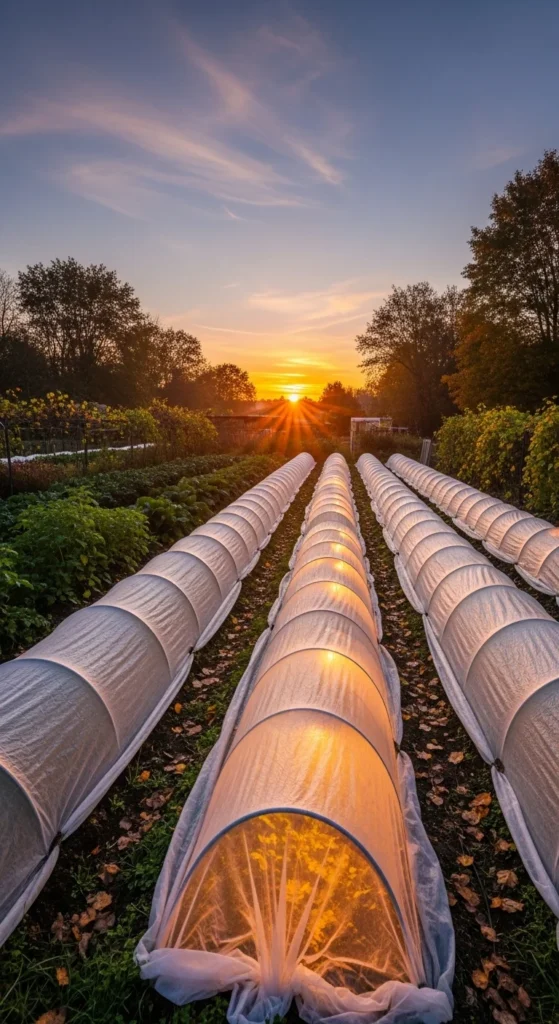
Row covers trap heat and protect from cold nights. Use lightweight fabric that lets sunlight in while keeping frost out. They’re perfect for greens, carrots, and herbs. Anchor the edges with soil or small stones. It’s a simple way to stretch your harvest by several weeks.
21. Compost Fall Leaves
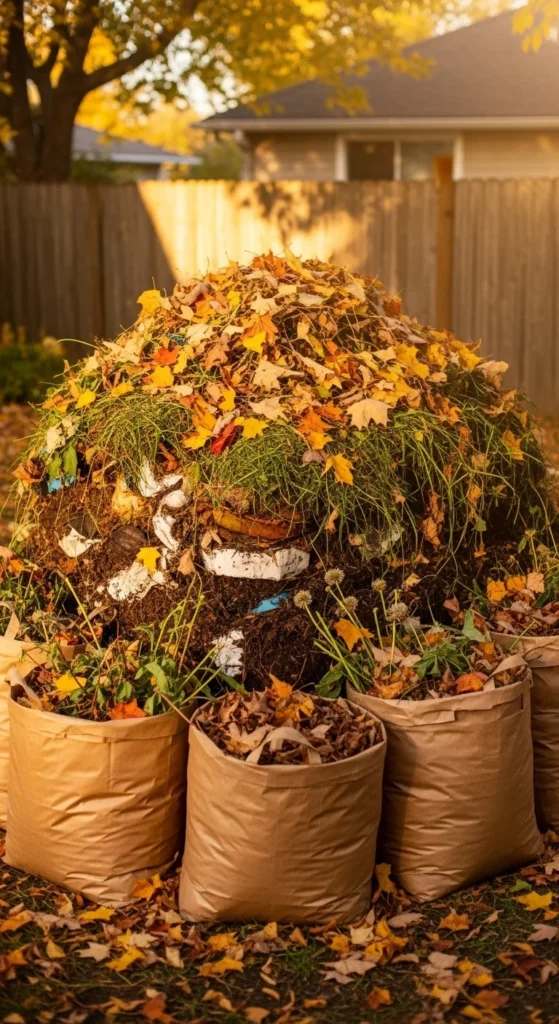
Don’t toss your leaves—turn them into rich compost. Shred them with a mower, mix with kitchen scraps, and pile in a corner of your yard. Turn every few weeks to speed up decomposition. By spring, you’ll have nutrient-rich compost ready for planting beds.
22. Plant Perennial Vegetables
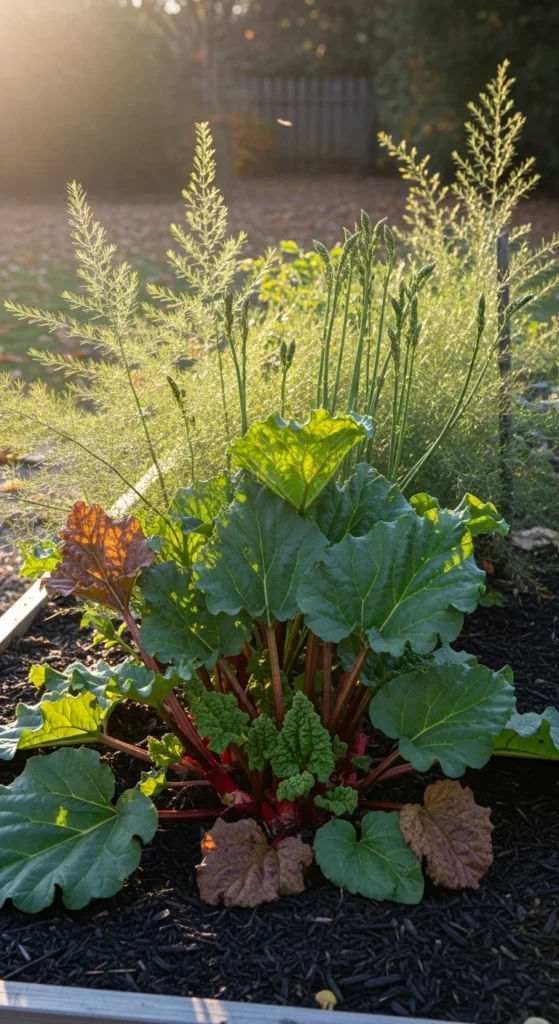
Perennial vegetables like asparagus and rhubarb come back every year with little effort. Fall planting gives them a strong start before winter dormancy. Choose a sunny spot with well-draining soil. Add compost and mulch heavily for protection. Once established, these plants provide harvests year after year.
Conclusion
Fall planting is about making the most of your garden’s natural rhythm. With the right choices and a bit of preparation, you can keep your space alive, colorful, and productive through the chill. From cold frames to cozy herbs, each of these ideas helps you stretch the season and enjoy the slower, golden beauty of autumn gardening. Grab your gloves, plant with warmth, and let your garden thrive well into winter.
Leave a Reply