

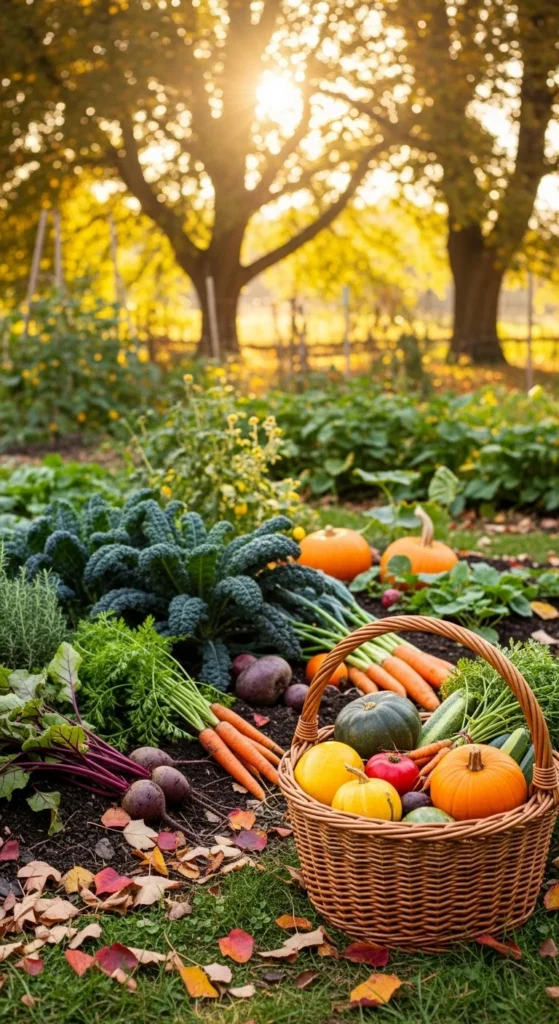
Fall is harvest season — a time when gardens overflow with color, flavor, and inspiration for homemade meals. Whether you’re growing root vegetables for hearty soups or herbs to flavor roasts, fall gardening brings the best of nature to your table. Here are 25 delicious fall harvest gardening ideas to fill your pantry, your plate, and your heart this season.
1. Grow Heirloom Pumpkins
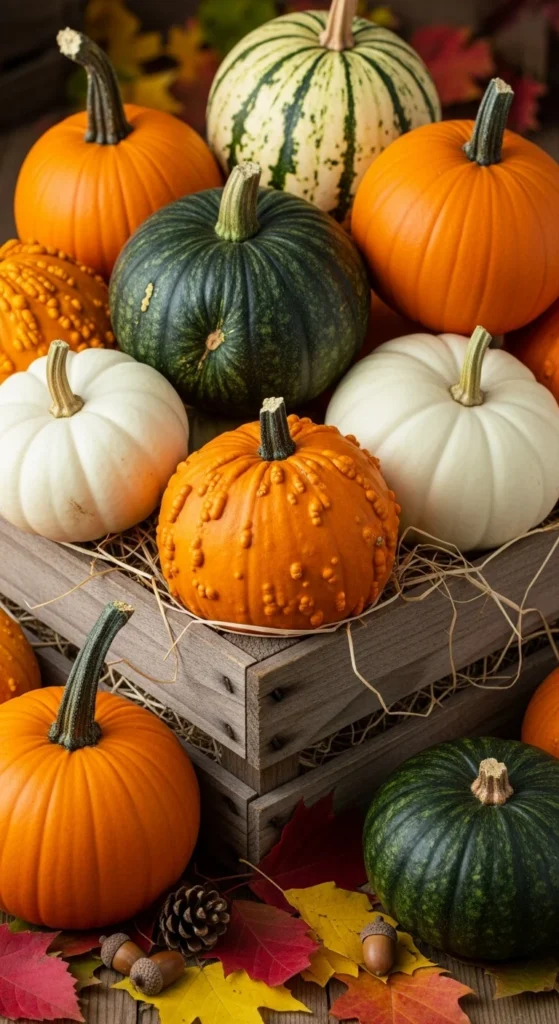
Heirloom pumpkins add charm to your garden and flavor to your kitchen. Choose varieties like Cinderella or Jarrahdale for baking and soups. They store well and make delicious purées.
Plant in sunny areas with rich soil. Keep vines trimmed to control spread. After harvest, roast the seeds for a crunchy snack. Their bold colors also make perfect fall decor.
2. Plant Root Vegetables for Roasting
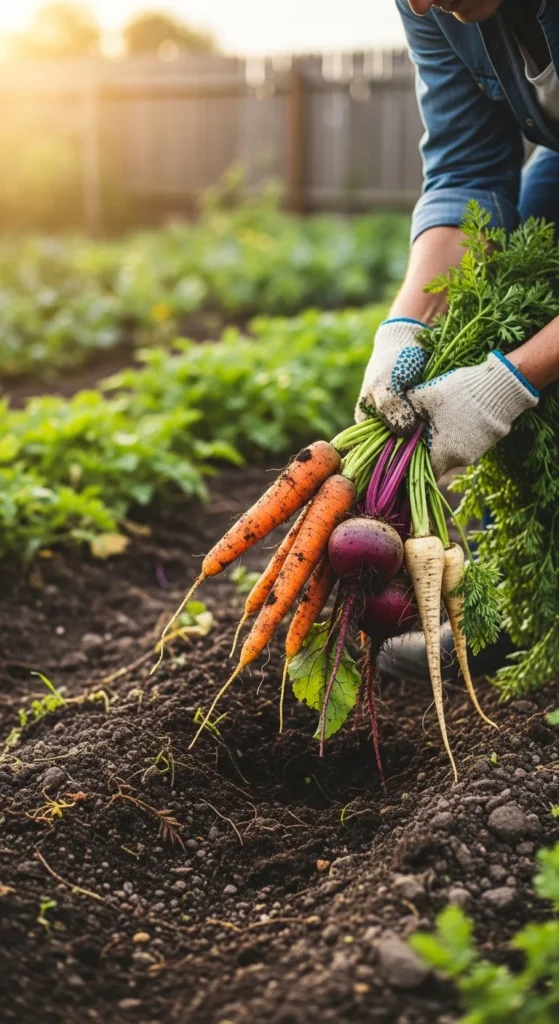
Root vegetables thrive in cool weather and taste amazing when roasted. Carrots, parsnips, and beets develop deep sweetness after the first frost.
Loosen soil before planting and keep it moist. Mix compost to improve texture. Try rainbow varieties for color on your dinner plate. Roast with olive oil and herbs for simple comfort food.
3. Grow Garlic for Winter Flavor
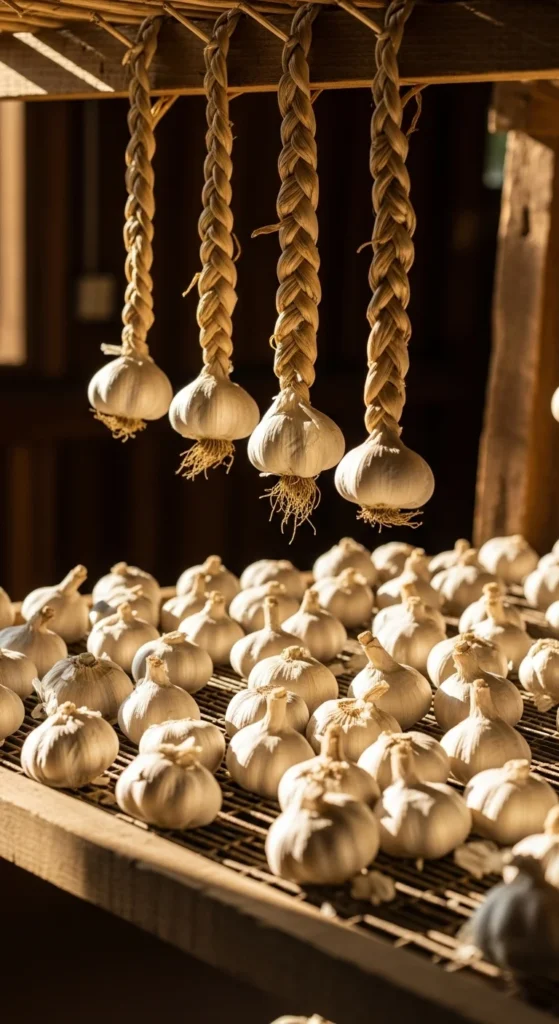
Garlic planted in fall produces flavorful bulbs by early summer. It’s easy and low maintenance.
Break apart cloves and plant them pointy side up. Mulch heavily to protect from cold. Once harvested, hang bulbs in a dry place. Use them in sauces, soups, or roasted dishes all winter.
4. Kale for Salads and Smoothies
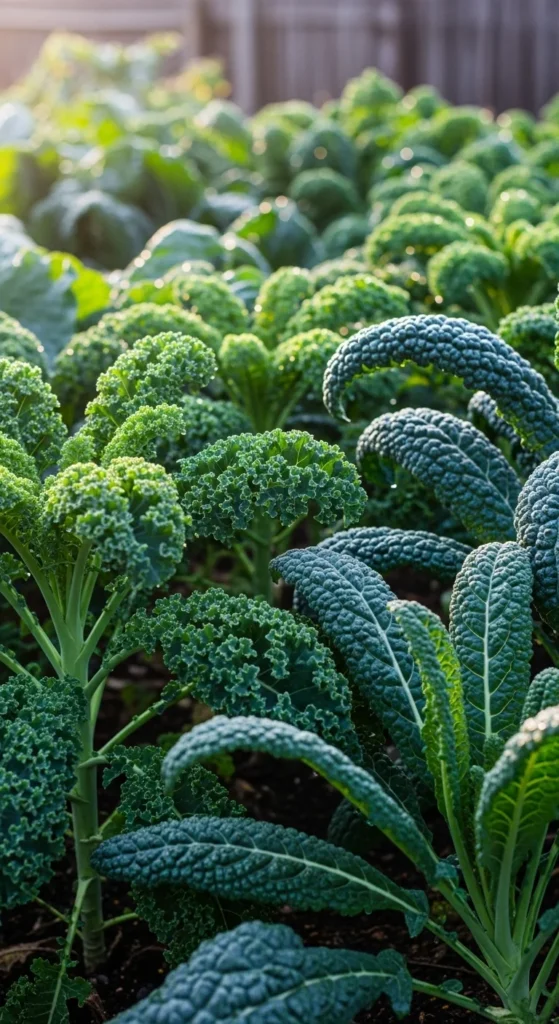
Kale loves cooler temperatures and keeps producing through fall. Harvest young leaves for tender salads or smoothies.
Pick outer leaves often to encourage new growth. Mix varieties for color and texture. Pair with roasted squash and nuts for a seasonal salad that feels hearty yet healthy.
5. Grow Brussels Sprouts on the Stalk
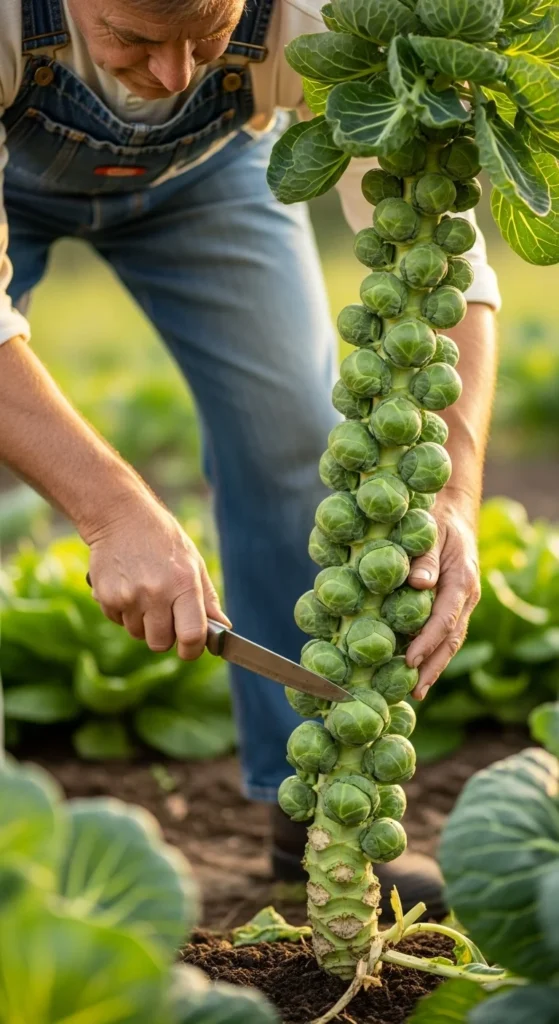
Brussels sprouts are cold-hardy and improve in flavor after frost. They add beauty to the garden and nutrition to meals.
Plant them early and give space for vertical growth. Steam or roast with balsamic glaze for a sweet, nutty taste. Even picky eaters start to enjoy them this way.
6. Herb Garden for Fall Cooking
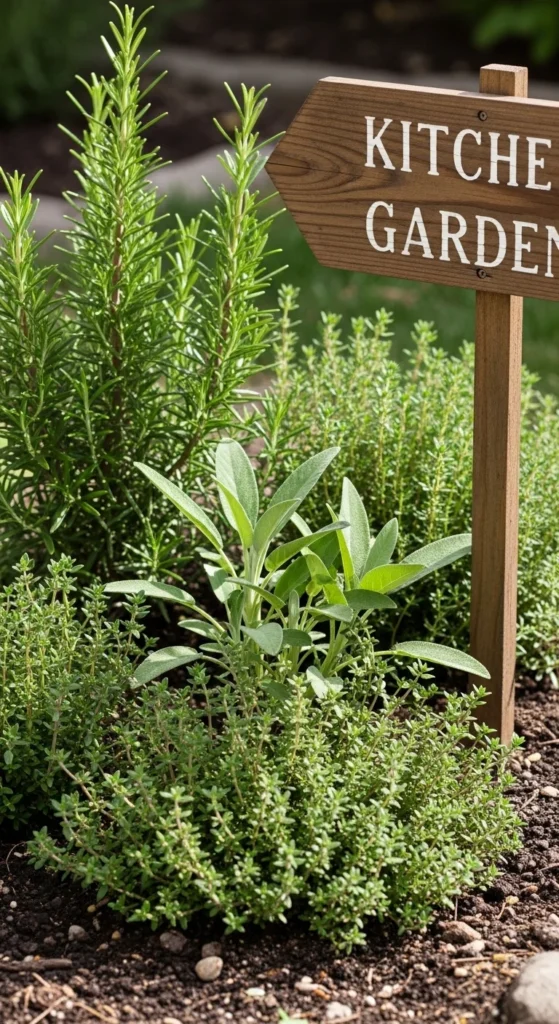
Fall herbs bring depth to every meal. Rosemary, thyme, and sage thrive in cooler temperatures.
Grow them in containers near your kitchen for easy access. Snip sprigs for roasted meats, soups, or breads. Dry leftovers by hanging bundles indoors — they’ll keep flavoring meals all winter.
7. Sweet Potatoes for Cozy Dinners
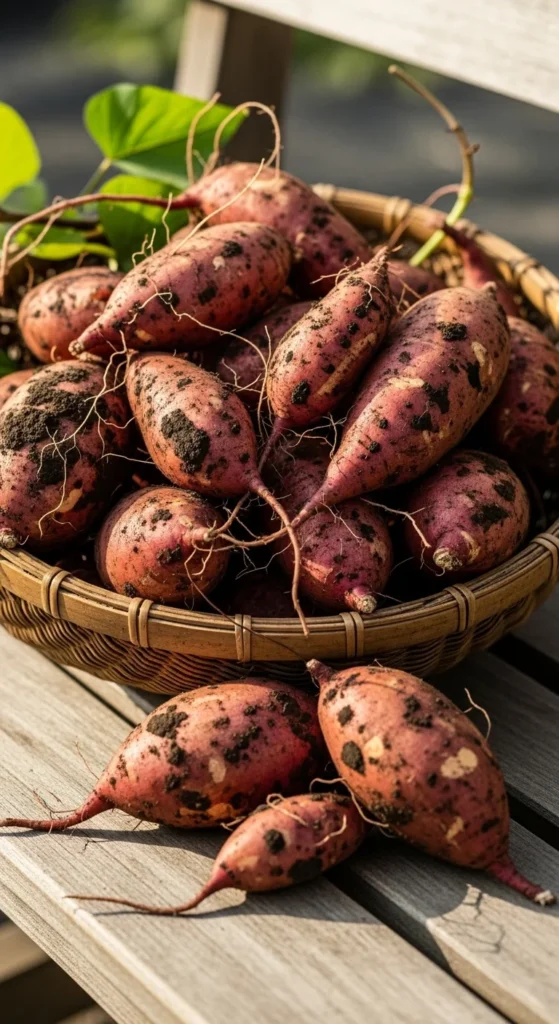
Sweet potatoes grow underground but shine at harvest time. Their buttery flavor suits both savory and sweet recipes.
Plant slips in warm soil before summer and harvest when leaves yellow. Store in a cool, dry place to cure. Bake, mash, or turn into fries — the options never run out.
8. Fall Salad Greens
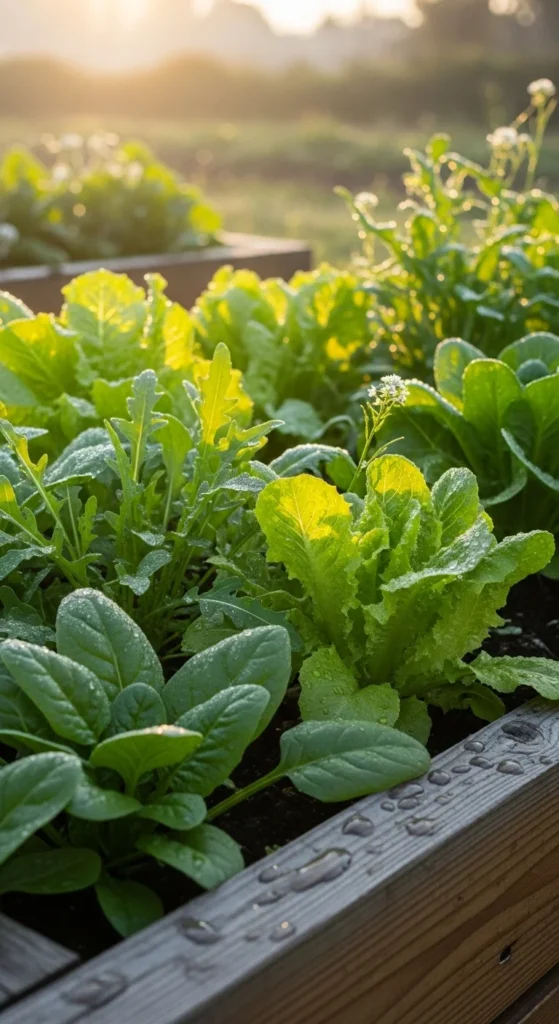
Fall greens like arugula, spinach, and Swiss chard thrive in cooler air. They grow fast and taste crisp.
Sow seeds every two weeks for a steady harvest. Snip outer leaves and let the rest regrow. Combine with roasted squash or apples for seasonal salads full of color.
9. Grow Onions for Winter Storage
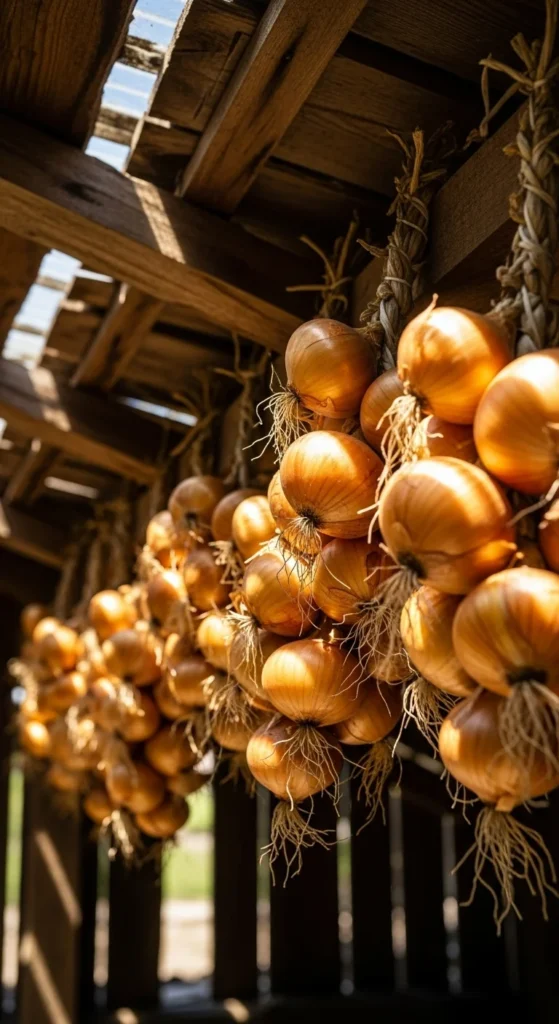
Plant onion sets in fall for next year’s early harvest. Choose yellow varieties for long storage.
Add compost and keep soil loose. When tops start bending, pull bulbs and let them dry. Store in a cool, airy space. Homegrown onions make every meal richer and sweeter.
10. Spinach for Quick Harvests
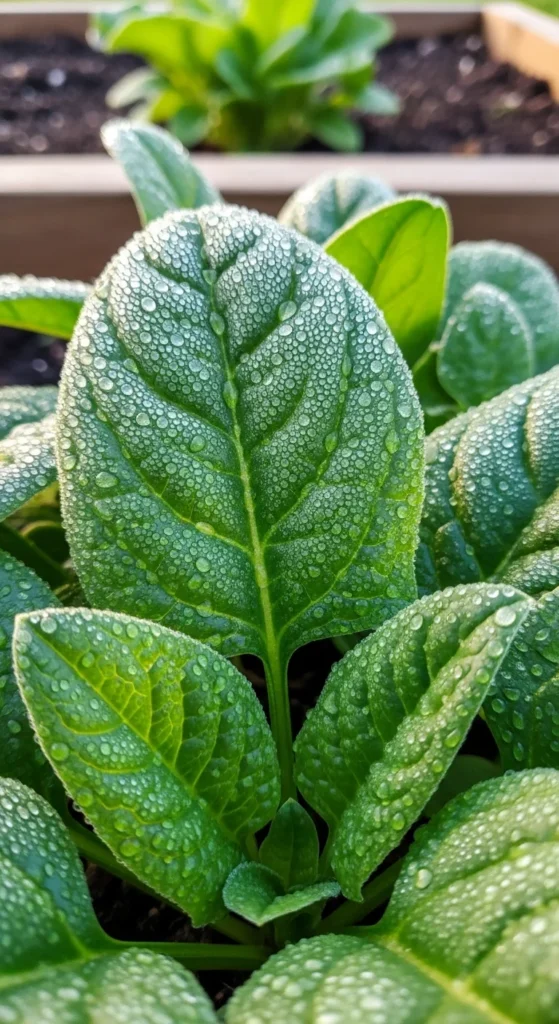
Spinach grows fast and handles light frost easily. It’s perfect for small gardens or containers.
Sow seeds thickly and thin young plants for salads. Add nitrogen fertilizer for lush leaves. Pick regularly and toss in soups, omelets, or smoothies. Few greens are as versatile or satisfying.
11. Cabbage for Fermenting and Stews
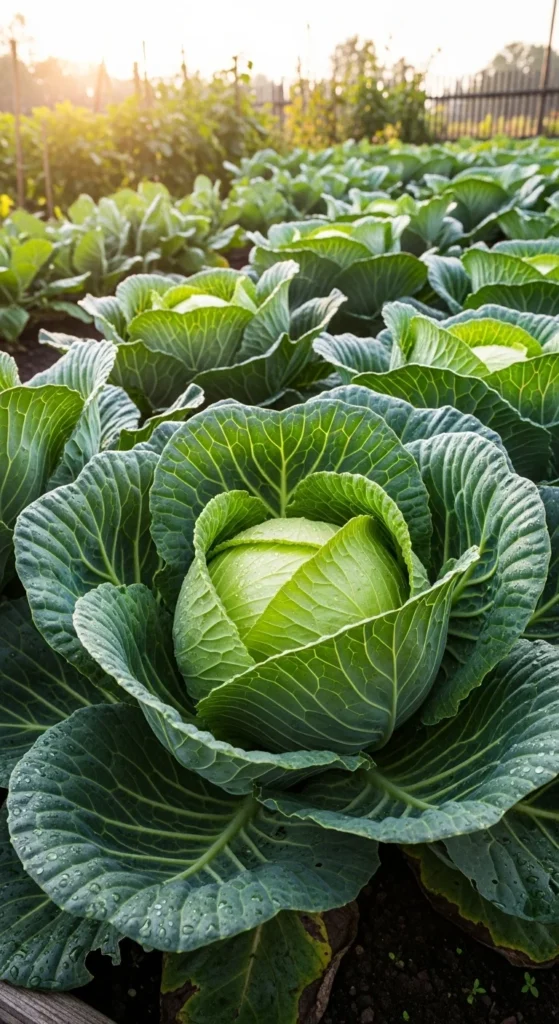
Cabbage thrives in cool fall air and stores well through winter.
Harvest when heads feel firm and heavy. Use it for homemade coleslaw, stews, or sauerkraut. Red varieties add beautiful color to your meals. It’s one of the most rewarding fall crops for the kitchen.
12. Carrots for Sweet Treats
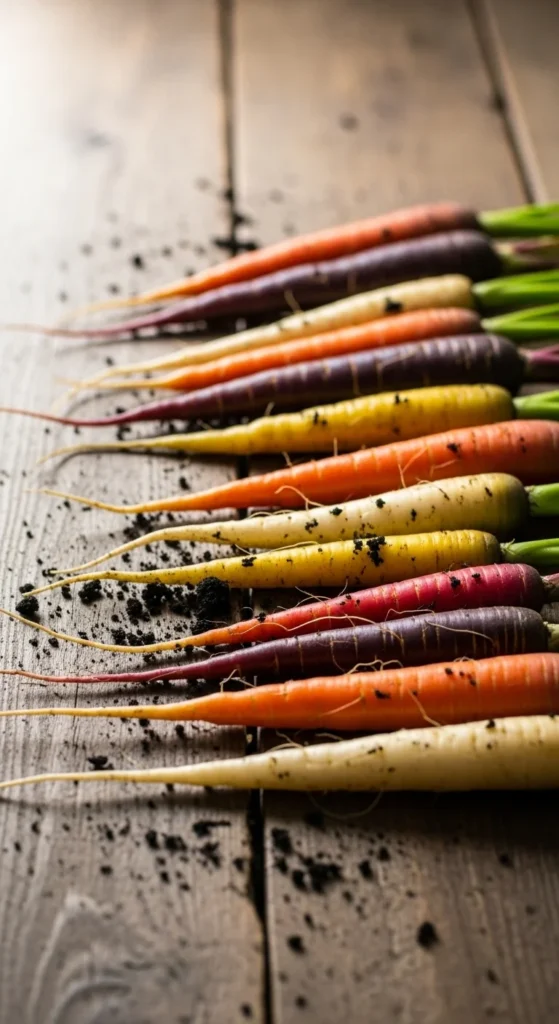
Carrots get sweeter as temperatures drop. Grow them for soups, side dishes, or even cakes.
Sow seeds directly into loose soil. Thin seedlings and water evenly. Smaller varieties mature faster. Store extras in sand-filled boxes to keep them crisp through winter.
13. Grow Beets for Roasting and Salads
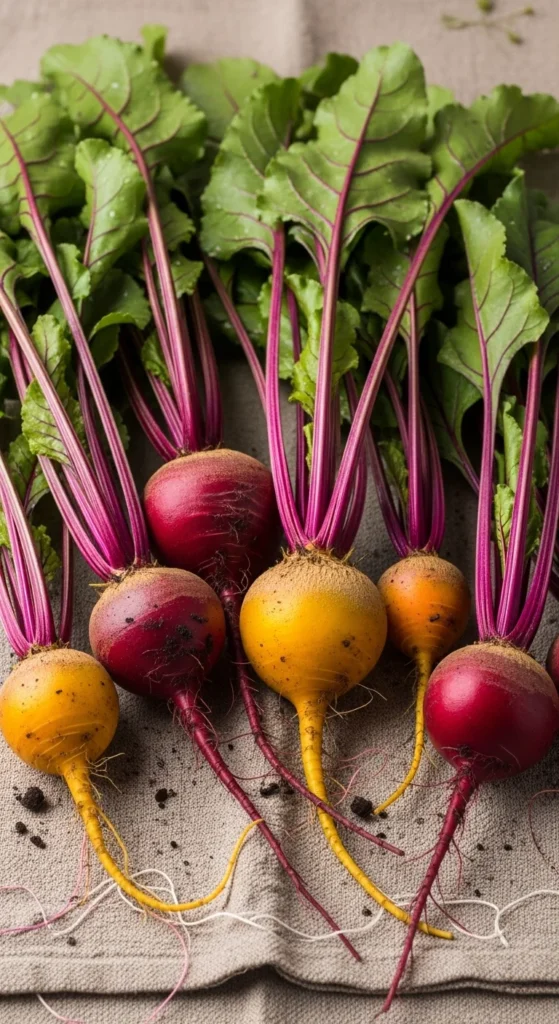
Beets bring color and earthy flavor to fall dishes. Both roots and greens are edible.
Plant seeds early and thin young plants for tender leaves. Roast bulbs with olive oil and sea salt. Slice into salads or pickle for a tangy pantry treat.
14. Parsnips for Winter Roasts
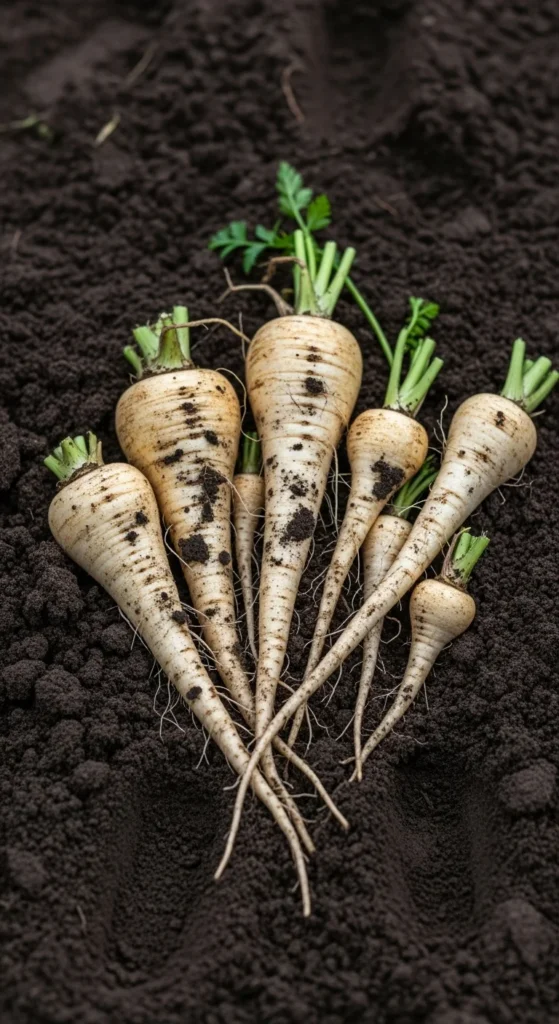
Parsnips develop rich flavor after frost. Their sweet, nutty taste pairs perfectly with roasts.
Leave them in the ground until after the first freeze. Wash and store in a cool place. Slice thin for oven chips or mash with potatoes for a smooth side dish.
15. Butternut Squash Patch
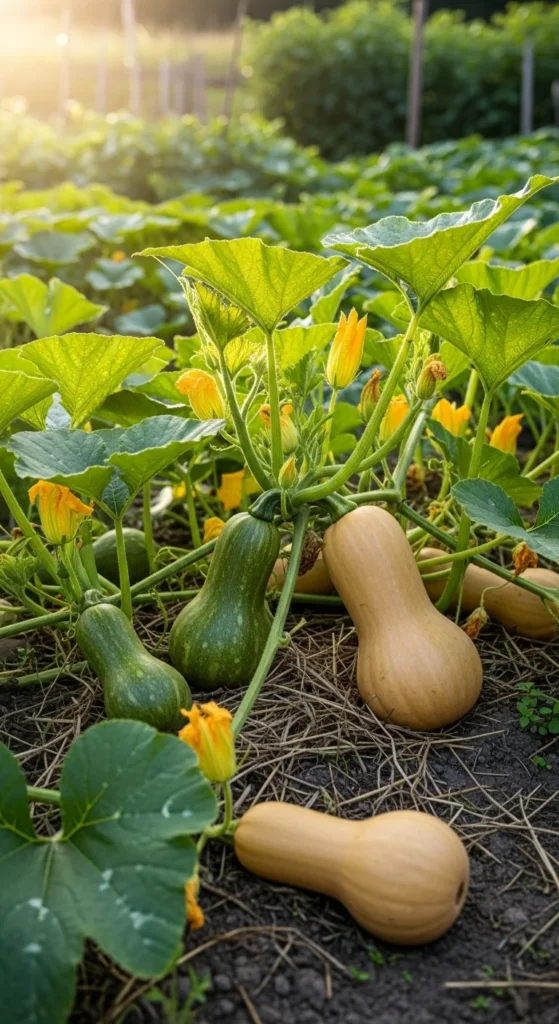
Butternut squash is a fall favorite. It stores easily and turns any meal into comfort food.
Plant in fertile soil with plenty of room to sprawl. Cure harvested squash in sunlight before storing. Roast with herbs or make creamy soup — it’s as practical as it is delicious.
16. Grow Herbs Indoors
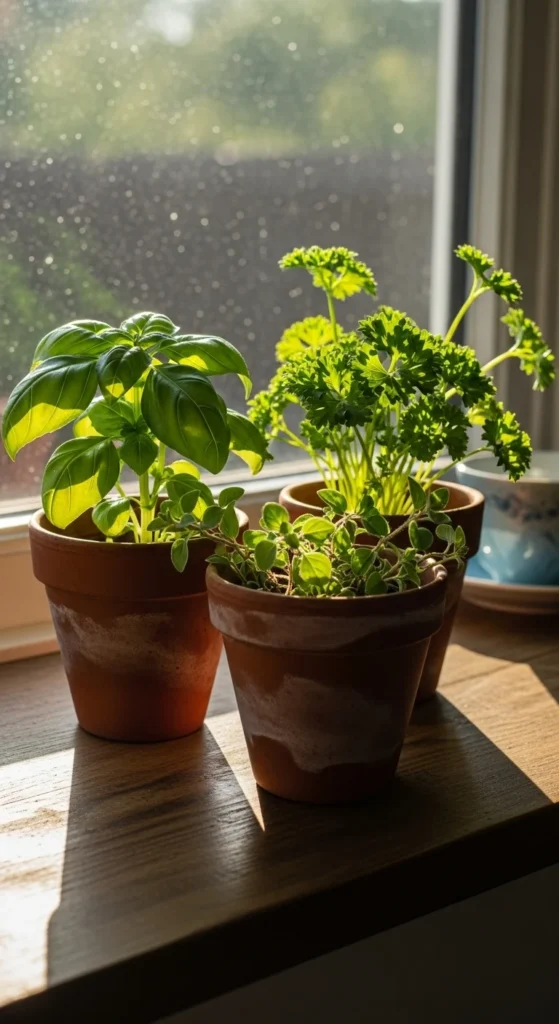
Extend your harvest indoors by potting herbs. Choose hardy ones like thyme or parsley.
Place near bright windows and water lightly. Clip often for cooking. Indoor herbs keep your fall recipes vibrant and save money on store-bought bundles.
17. Fall Peas for Late Harvest
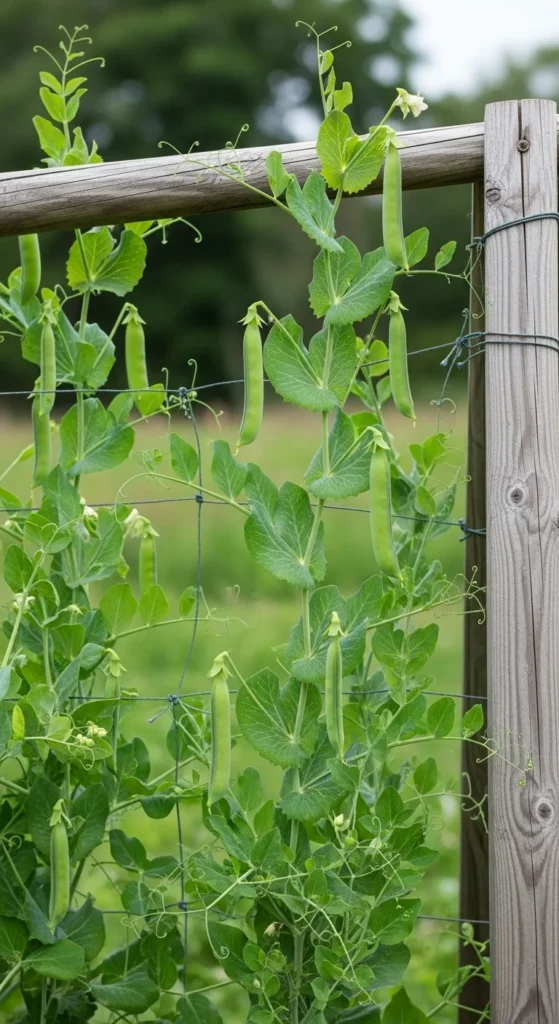
Peas enjoy the cool days of fall. Plant quick-maturing varieties for sweet pods before frost.
Use netting or trellises for support. Harvest often to encourage new pods. Add them to stir-fries, risottos, or fresh garden salads.
18. Apples from Backyard Trees
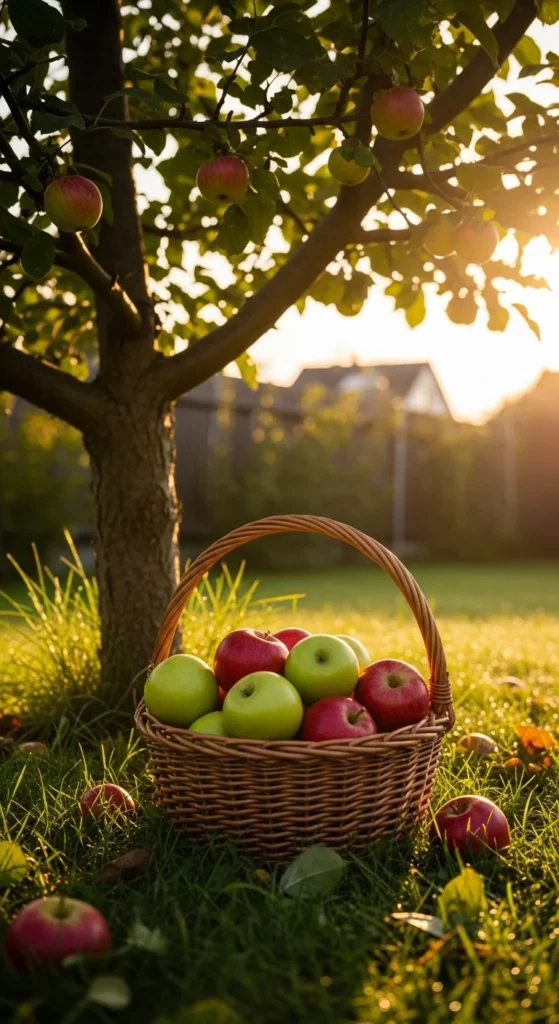
If you have space, apple trees reward you for years. Choose dwarf varieties for small gardens.
Harvest ripe fruit before frost and store in a cool place. Bake pies, press cider, or make applesauce. Few things feel more satisfying than eating fruit from your own tree.
19. Grow Herbs for Drying and Storing
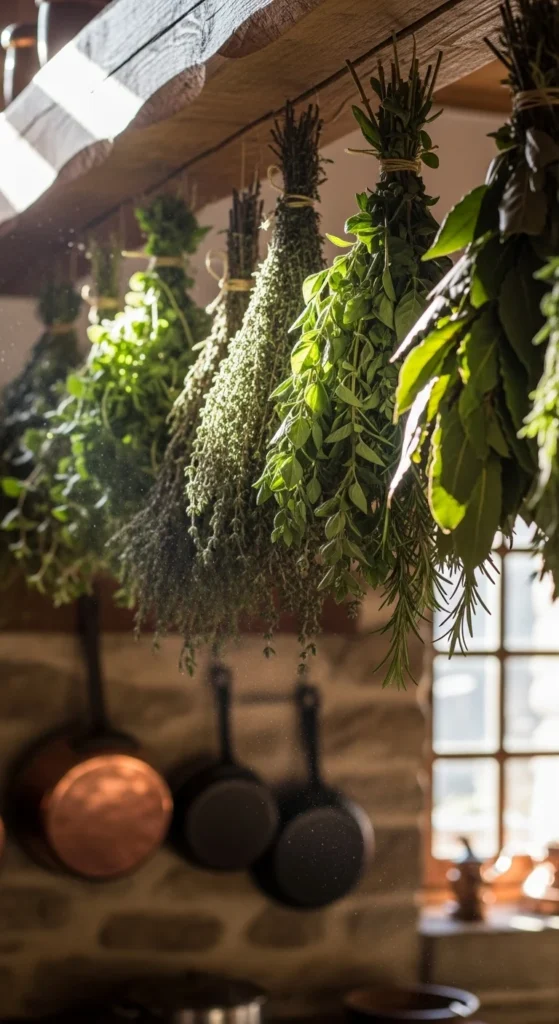
Drying herbs keeps your fall harvest useful for months. It’s simple and decorative too.
Tie small bunches and hang them in a dry, airy space. Once crisp, crumble and store in jars. Homemade dried herbs are full of aroma and make perfect gifts.
20. Grow Turnips for Stews
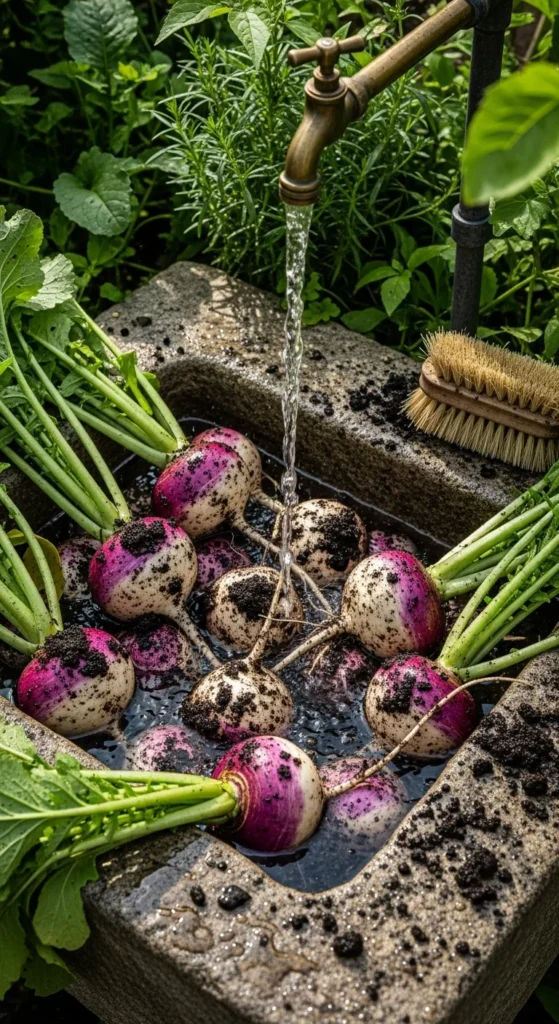
Turnips grow fast and taste better in cool weather. Their greens are edible too.
Harvest when bulbs reach tennis-ball size. Steam, roast, or add to stews. For a milder flavor, mix them with potatoes. They’re hardy, dependable, and delicious.
21. Harvesting Herbs for Compound Butter
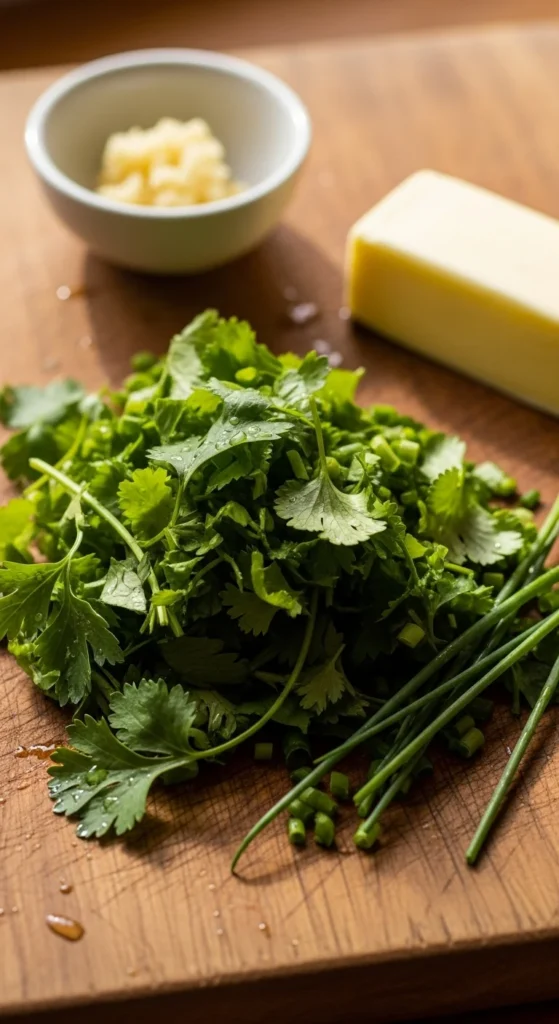
Use fall herbs to make compound butter for cooking. Blend softened butter with minced herbs like rosemary or thyme.
Roll into logs and freeze. Slice as needed for pasta, bread, or vegetables. It’s a clever way to preserve flavor and reduce waste.
22. Growing Celery for Stocks and Soups
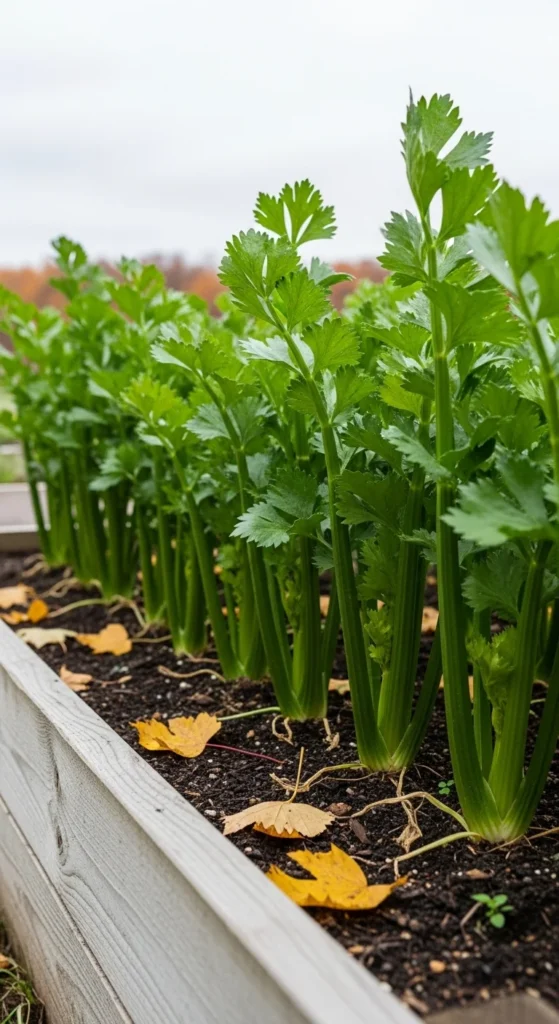
Celery prefers cooler seasons and adds depth to homemade stock.
Plant in rich, moist soil and keep shaded during heat. Harvest stalks from the outside inward. Chop leftovers and freeze for stews or soups.
23. Fall Herbs for Tea Blends
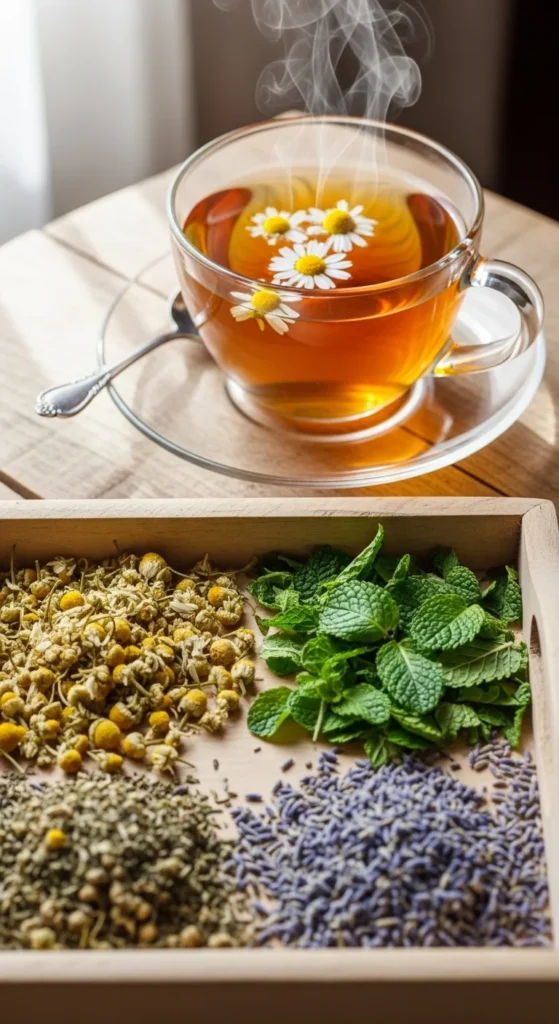
Herbal teas from your garden are soothing on chilly days. Grow mint, chamomile, and lemon balm.
Dry leaves and mix them for your own blends. Store in airtight containers. It’s simple, aromatic, and ideal for gift jars.
24. Grow Radishes for Quick Snacks
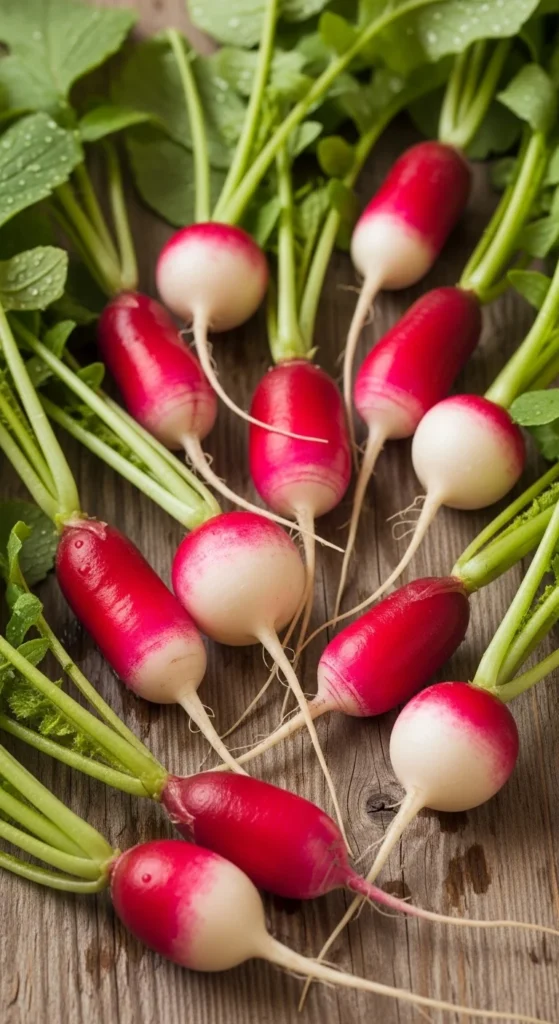
Radishes are fast-growing and love cooler weather.
Sow seeds directly in soil and harvest within a month. Slice thin for sandwiches or roast for a milder taste. Their crunch adds life to fall dishes.
25. Fall Garden Composting
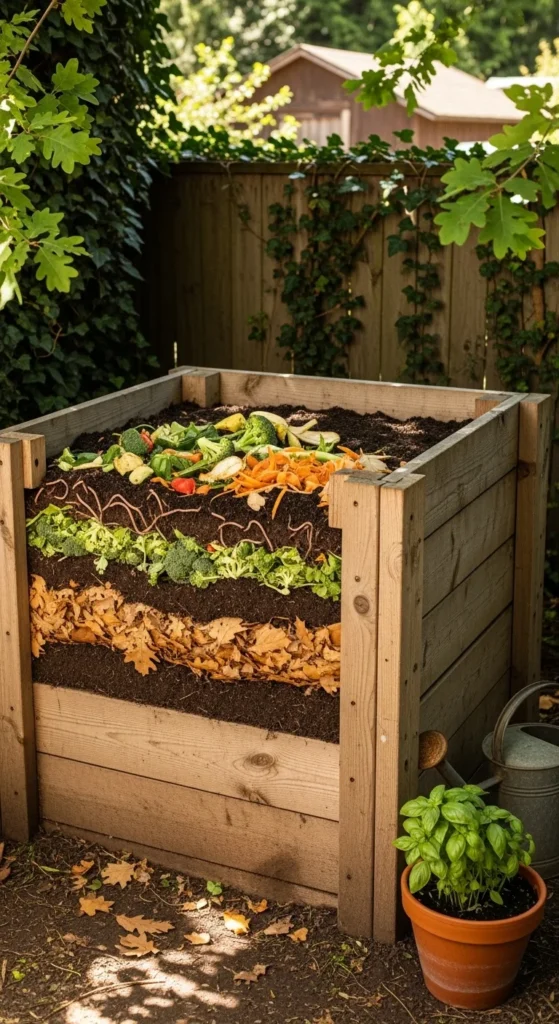
Composting keeps your garden healthy year-round. Fall leaves and kitchen scraps make perfect material.
Layer browns and greens evenly. Turn often to aerate. By spring, you’ll have rich soil for new crops. It’s simple sustainability right in your backyard.
Conclusion
A fall garden isn’t just about color — it’s about flavor, warmth, and connection. Every plant you grow adds something special to your meals and your home. Whether it’s garlic for next spring or kale for tonight’s salad, these 25 fall harvest ideas turn gardening into cooking inspiration that lasts all season long.

Leave a Reply