

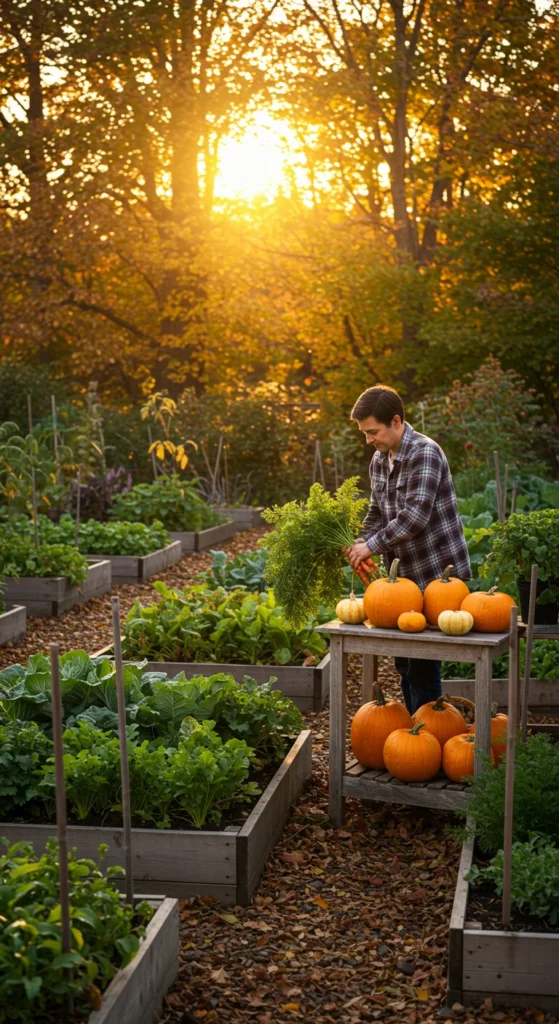
Fall doesn’t mean the end of your garden—it’s actually a perfect time to extend your harvest and enjoy a second wave of flavor before winter sets in. With a few clever tricks, you can keep your plants producing longer, protect them from frost, and even prep your soil for spring. From DIY cold frames to late-season herbs, these 25 cozy fall gardening ideas will keep your hands in the dirt and your table full of homegrown goodness all season long.
1. Use Row Covers to Protect from Frost
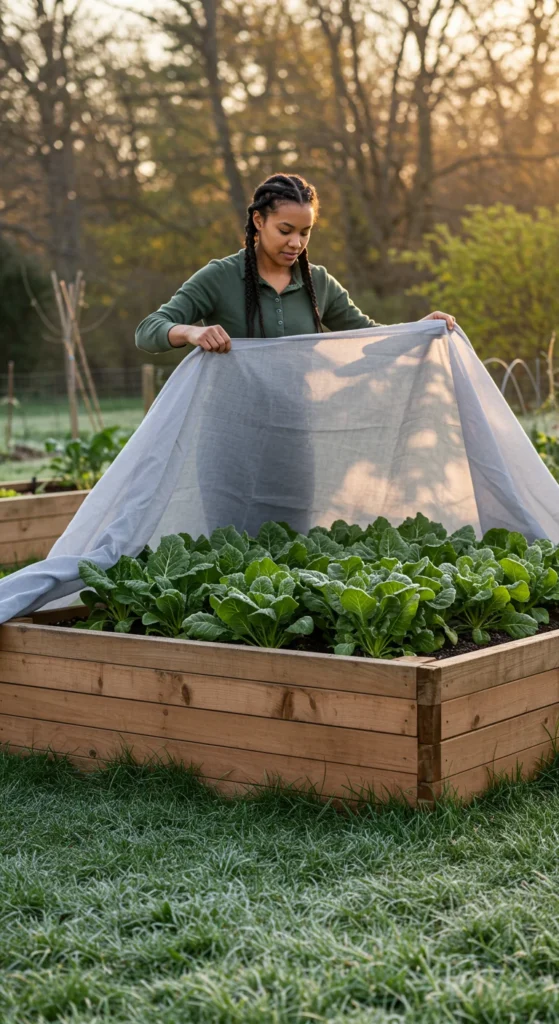
A simple row cover is one of the easiest ways to extend your harvest. Use lightweight frost cloth, old sheets, or floating fabric to trap heat and shield plants from chilly nights. This creates a mini greenhouse effect without fancy materials. You can reuse hoops from old garden projects or bend PVC pipes to support the fabric. Row covers work especially well for lettuce, spinach, kale, and herbs. Keep edges weighted with rocks or bricks to prevent the wind from sneaking in.
2. Plant Cold-Hardy Greens
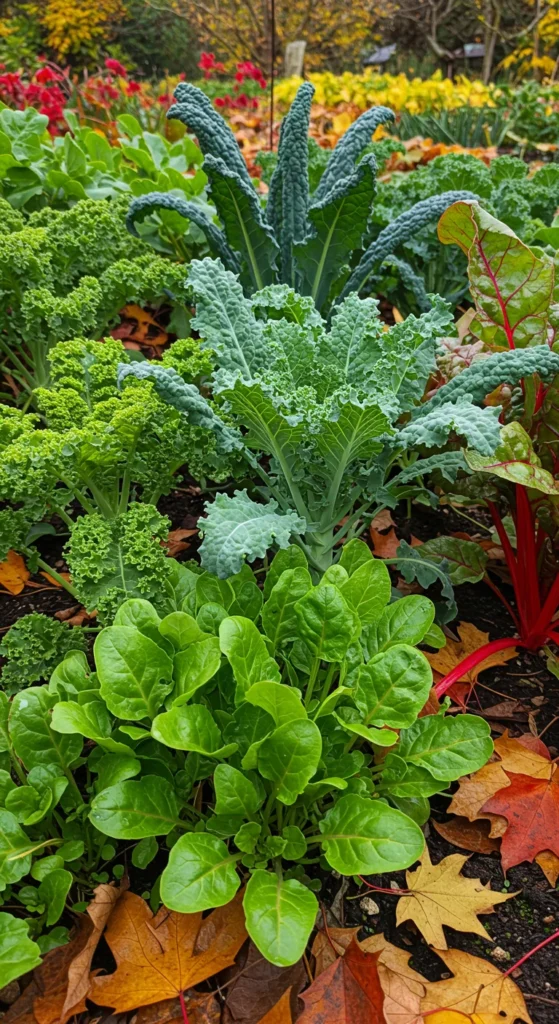
Choose crops that thrive in cool weather. Kale, spinach, arugula, and Swiss chard actually taste better after light frost. Sow seeds directly into the soil in late summer for a continuous fall harvest. Cover them lightly with compost for warmth. If you live in a colder area, plant inside raised beds to keep roots warmer. These hardy greens can often survive well into early winter with minimal care.
3. Try a DIY Cold Frame
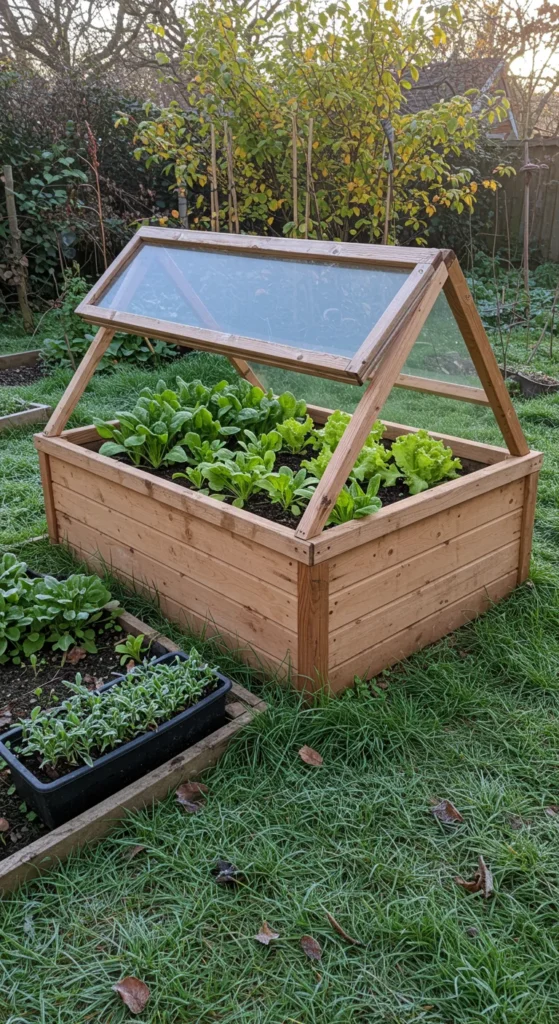
A cold frame acts like a mini greenhouse and costs little to build. Use an old window, hinges, and scrap wood to create a lid that traps heat. Set it over lettuce or carrots to keep them growing longer. Open it on sunny days to prevent overheating. This simple project lets you garden even when temperatures drop and adds rustic charm to your yard.
4. Harvest Herbs Before Frost
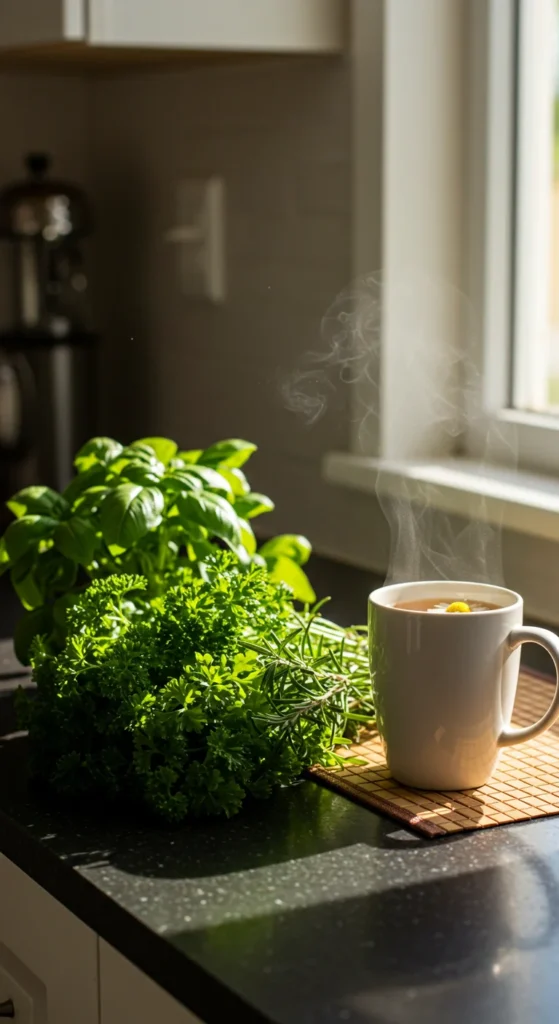
Before the first frost hits, gather your herbs. Cut and hang parsley, basil, rosemary, and mint in bunches to dry. You can also freeze them in olive oil cubes for easy use in winter cooking. If you have potted herbs, move them indoors near a sunny window. This way, you’ll enjoy fresh flavor all season long without losing your favorite plants to frost.
5. Plant Garlic for Next Spring
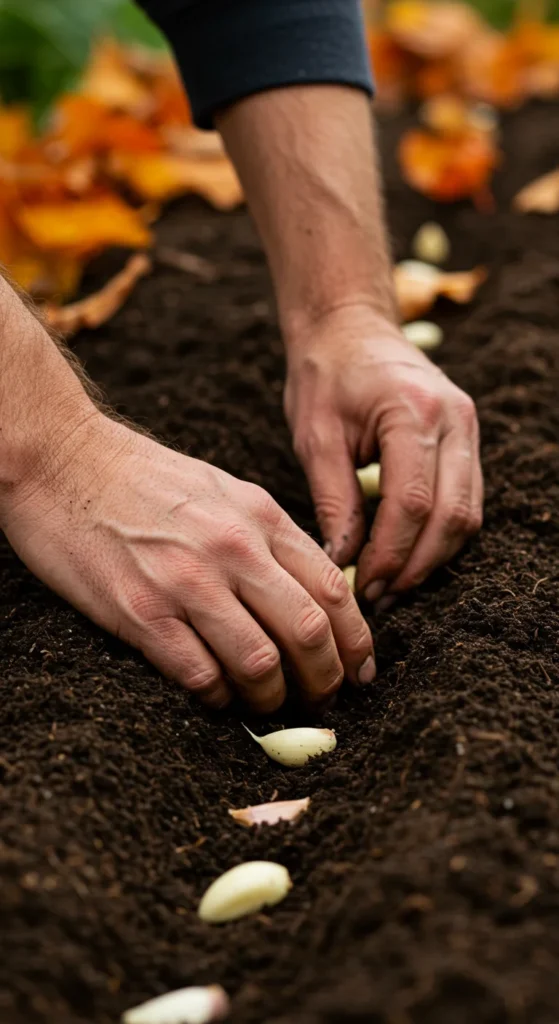
Fall is the perfect time to plant garlic. Choose healthy cloves, pointy side up, and plant them about two inches deep. Cover with mulch or straw to protect from cold. Over winter, the bulbs develop strong roots and will sprout beautifully in spring. Garlic planted in fall tends to be larger and more flavorful than spring-planted ones.
6. Mulch Everything
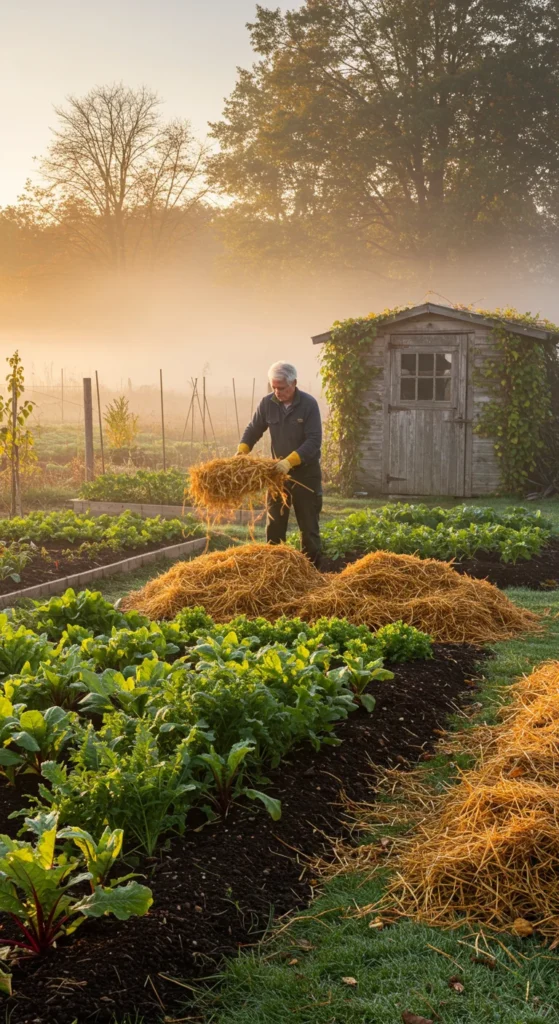
A thick layer of mulch keeps soil warm, prevents weeds, and retains moisture. Use leaves, straw, or shredded bark—whatever you have on hand. Spread 2–3 inches around perennials and vegetables. As it breaks down, it enriches your soil naturally. This is one of the easiest fall chores that pays off big come spring.
7. Extend the Season with Hoop Houses
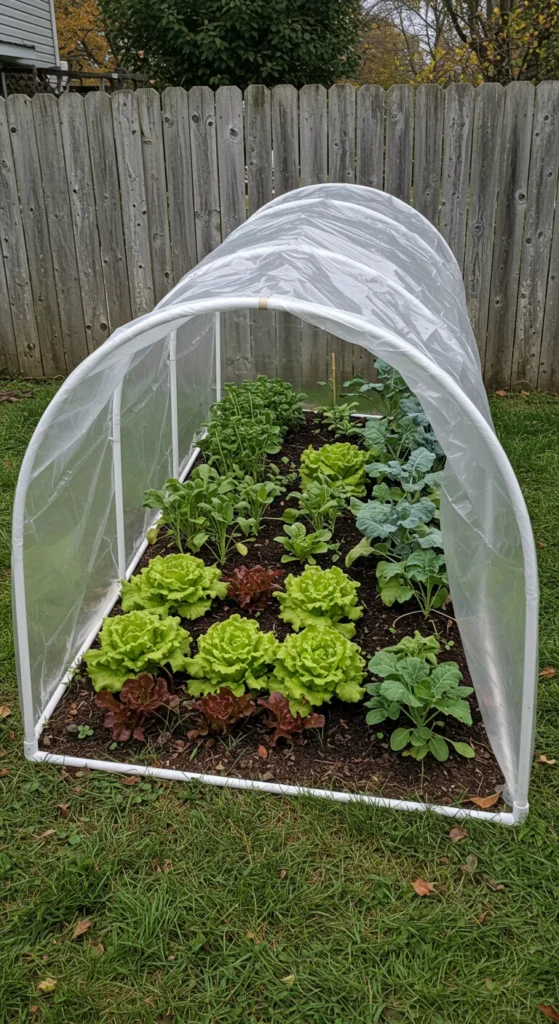
Hoop houses are like mini tunnels that protect plants from cold air and frost. You can make one easily using clear plastic and flexible PVC tubing. Drape the plastic over the frame and secure it with clips. It’s a great option for leafy greens, carrots, and radishes that keep producing under cover well into late fall.
8. Add Raised Beds for Warm Soil
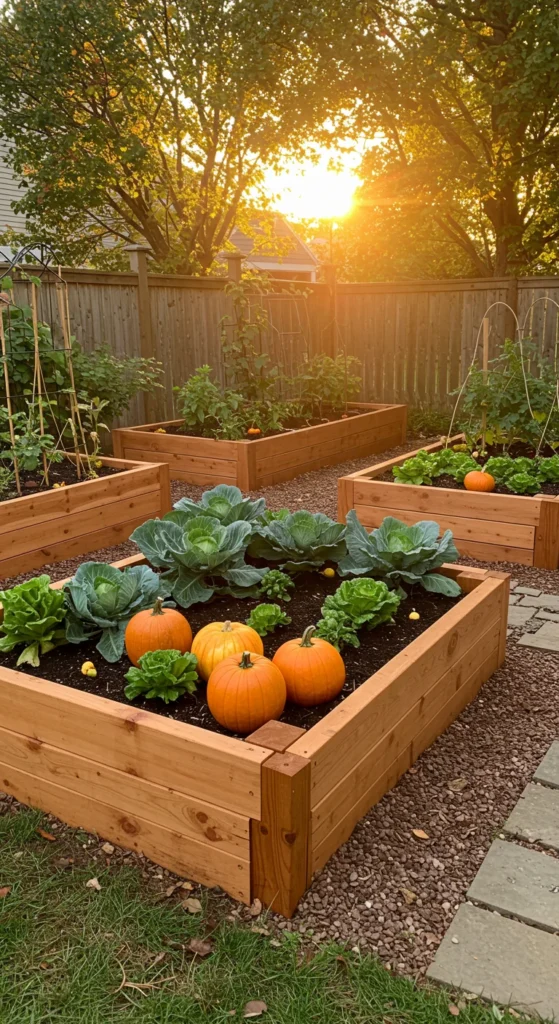
Raised beds stay warmer than ground soil, which helps extend your growing season. Build them from untreated wood or recycled materials. Fill with compost-rich soil and plant cold-weather crops. They drain better, reduce frost damage, and make harvesting easier. You’ll enjoy fresh greens even as temperatures drop.
9. Grow Carrots and Beets for Storage
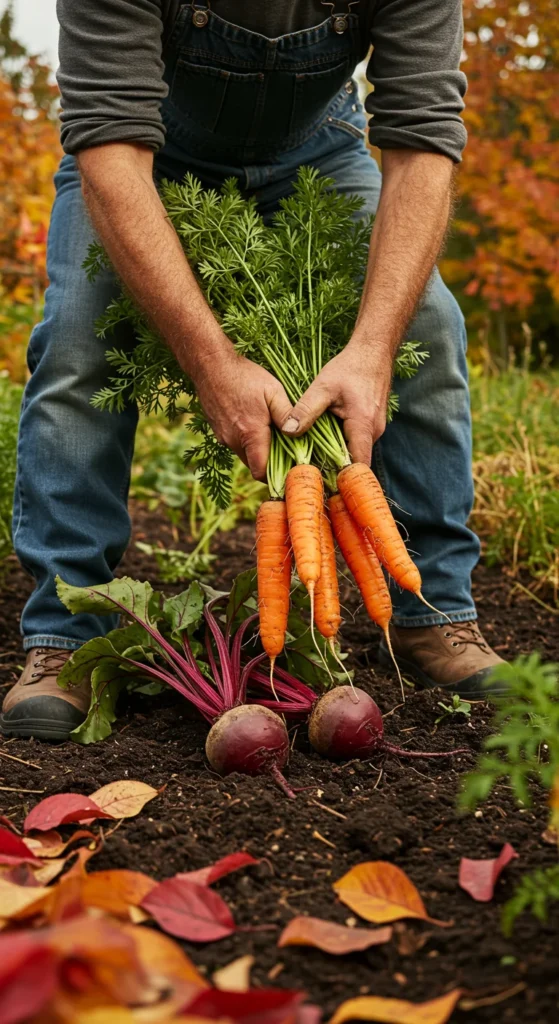
Root crops like carrots, beets, and turnips love cool weather. They grow sweeter when exposed to light frost. Leave them in the ground until just before it freezes, or harvest and store them in sand-filled boxes in a cool, dark place. They’ll last for months and make perfect ingredients for cozy soups and stews.
10. Collect and Save Seeds
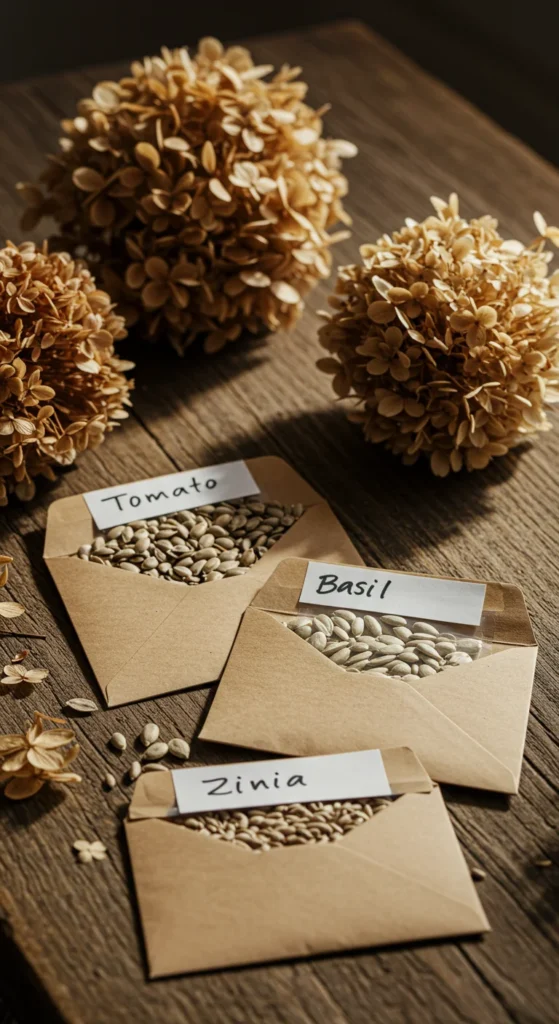
Before winter sets in, save seeds from your healthiest plants. Let flowers dry and gently shake out the seeds. Store them in labeled paper envelopes in a cool, dry place. You’ll have free seeds for next year, keeping your garden tradition alive while saving money.
11. Compost Your Fall Leaves
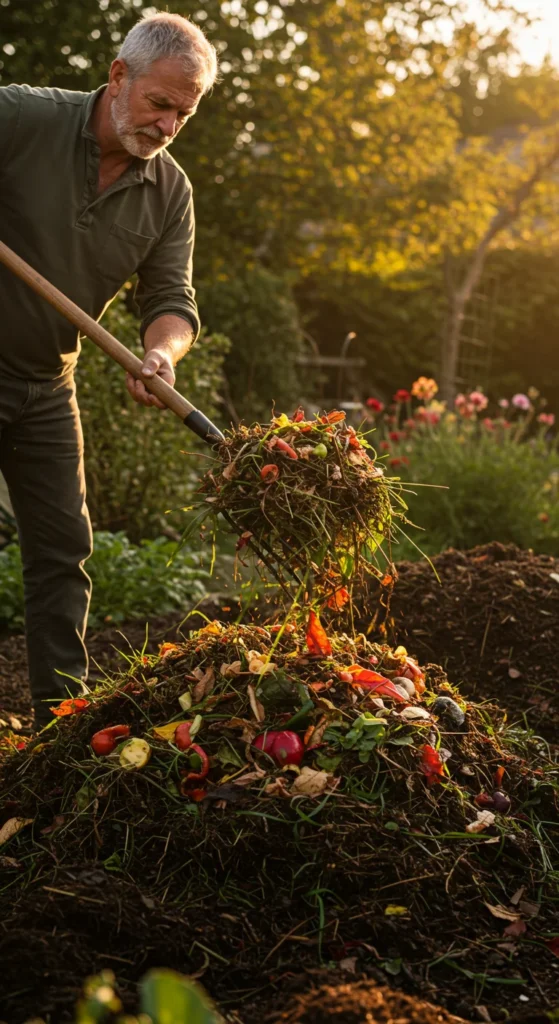
Don’t toss those leaves! Shred and mix them into your compost pile. The carbon-rich leaves pair perfectly with green kitchen scraps, creating nutrient-rich compost for spring. Turn the pile every few weeks for faster breakdown. It’s an eco-friendly way to turn fall cleanup into garden gold.
12. Build a Leaf Mold Bin
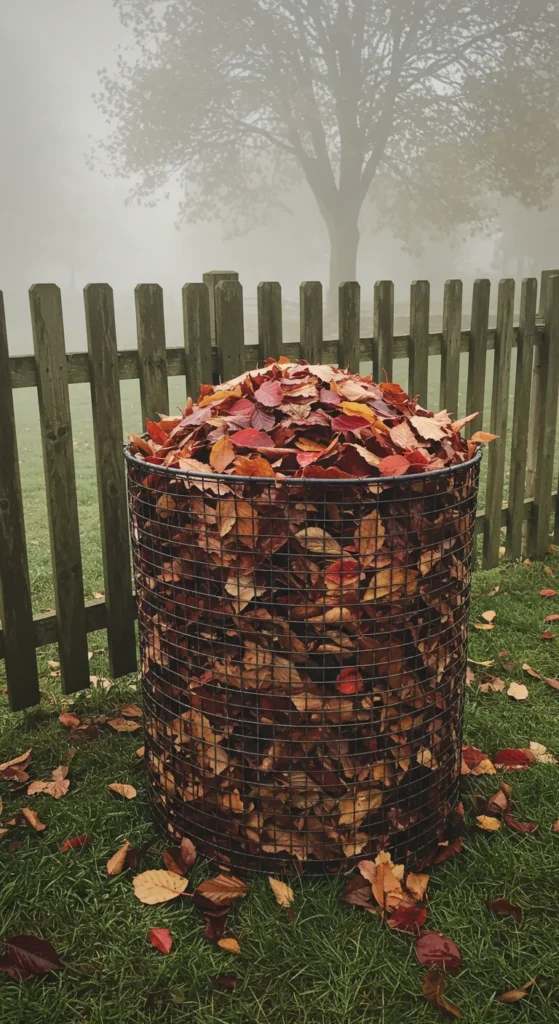
Leaf mold is a natural soil conditioner that improves structure and moisture retention. Build a simple bin using wire mesh and posts. Fill it with moist leaves and let them sit for a year. When ready, add to your beds for soft, crumbly soil that plants love.
13. Grow Cover Crops
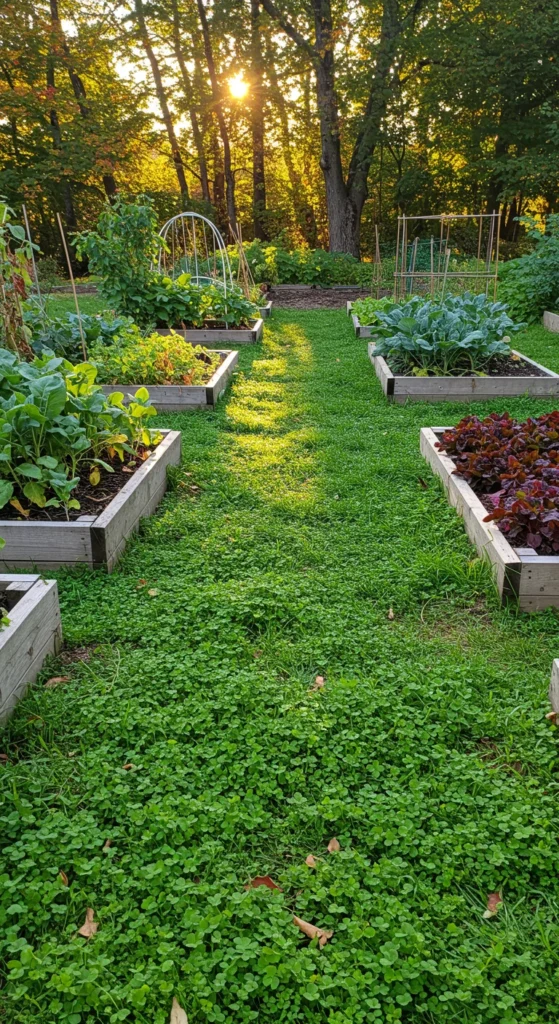
Plant cover crops like clover, rye, or vetch to protect bare soil. They prevent erosion, suppress weeds, and feed your soil with nitrogen. Once winter ends, turn them under to enrich the ground naturally. It’s a simple way to give back to your garden.
14. Try Container Gardening Indoors
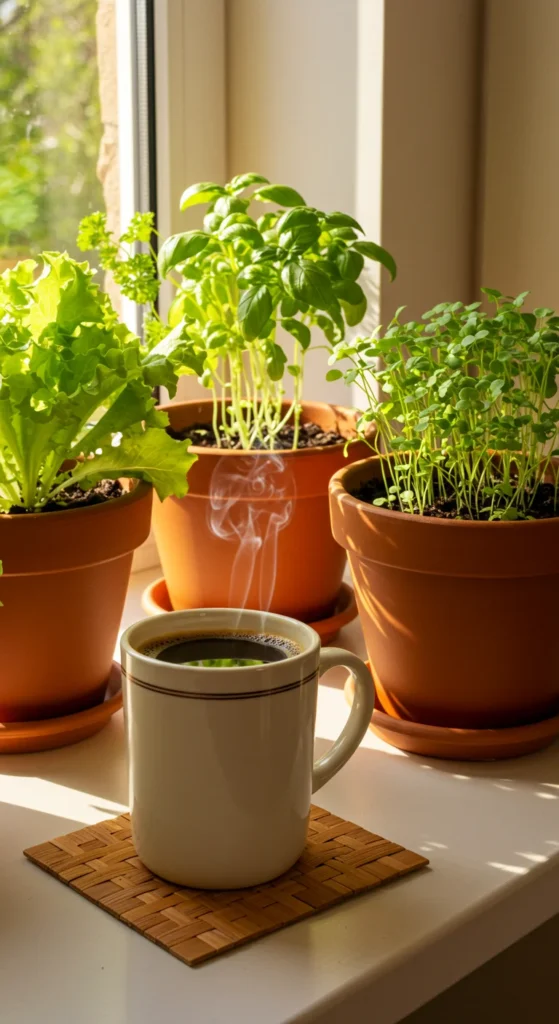
When it’s too cold outside, bring your garden indoors. Grow lettuce, microgreens, and herbs in pots or trays near a sunny window. Use recycled containers and organic potting soil. Indoor gardening keeps you harvesting even when frost takes over the yard.
15. Keep Watering Before Freeze
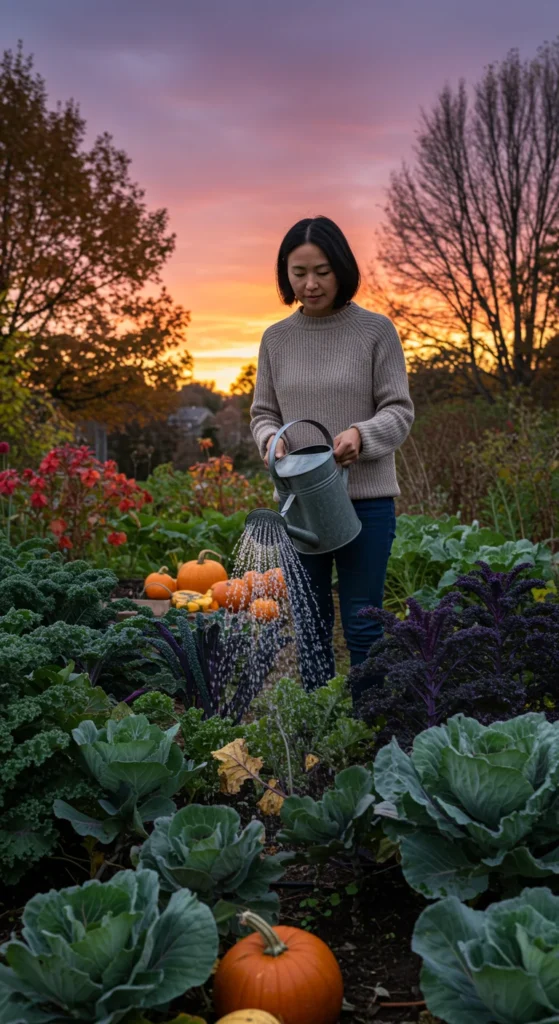
Many gardeners forget to water in fall, but plants still need moisture before the freeze. Water deeply once a week to help roots stay hydrated. Avoid watering late in the evening to prevent freezing around stems. Consistent moisture helps plants survive sudden cold snaps.
16. Make DIY Garden Cloches
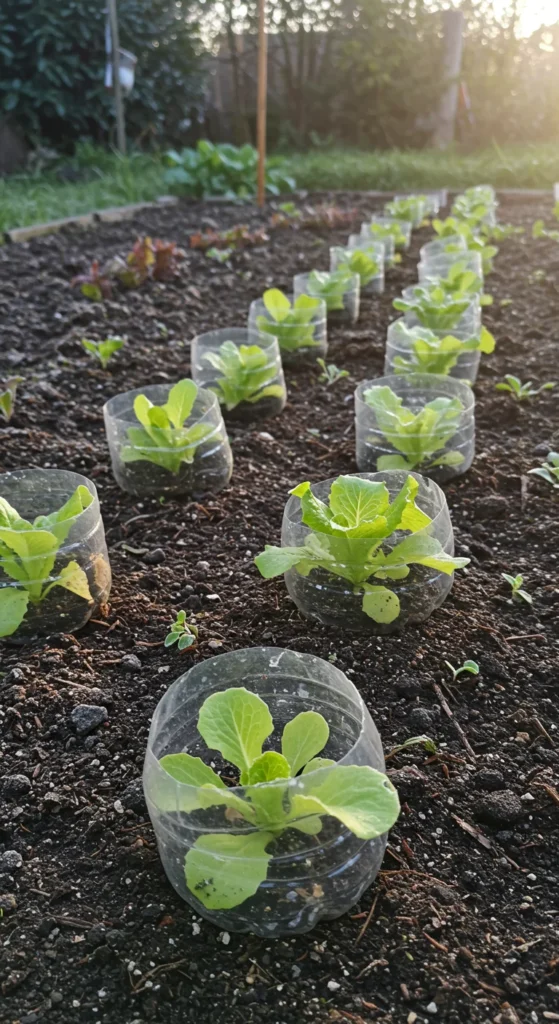
Protect delicate plants by reusing old plastic bottles or glass jars as cloches. Cut off the bottom and place them over seedlings. This traps warmth and keeps frost away. It’s an affordable alternative to expensive covers and great for extending the growing time for smaller crops.
17. Add Straw Bales as Insulation
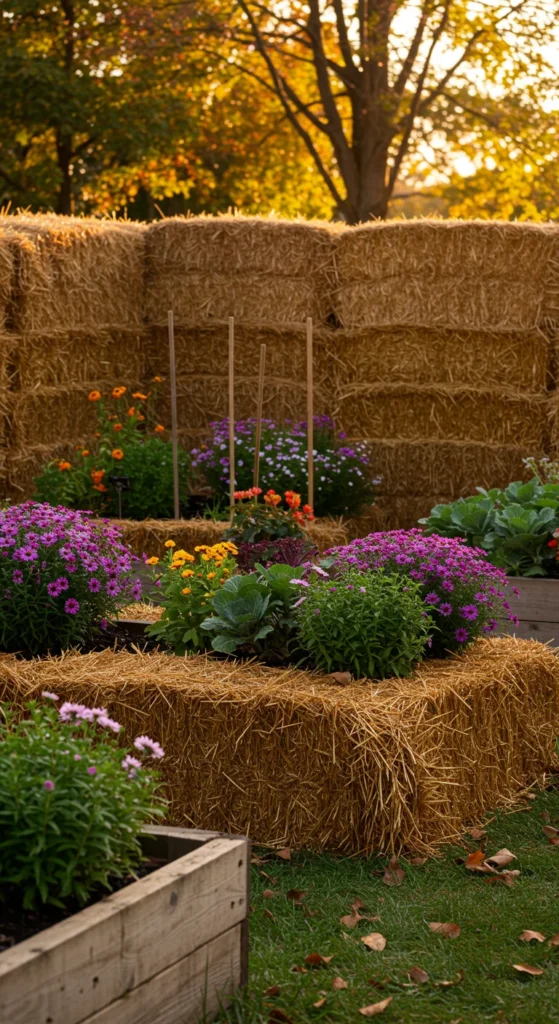
Use straw bales as natural insulation around your garden beds. They block wind, trap heat, and even compost over time. You can plant garlic or root veggies inside straw-filled frames for extra protection. It’s simple, rustic, and effective.
18. Prune Perennials
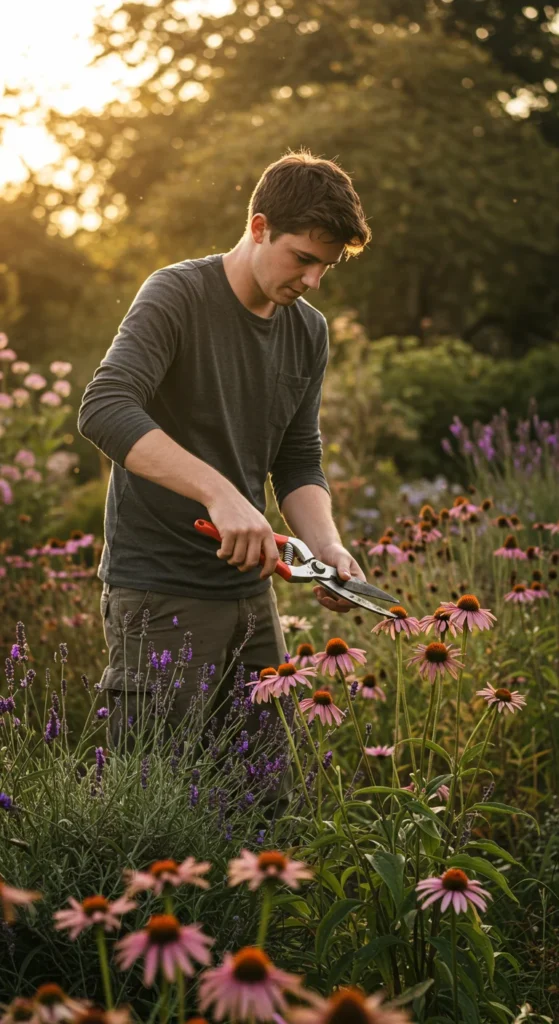
Cutting back spent perennials keeps them healthy and tidy through winter. Use clean shears and leave a few inches of stem to protect the crown. Save any seed heads for birds or next year’s planting. Pruning helps reduce disease and keeps your garden neat.
19. Decorate with Pumpkins and Gourds
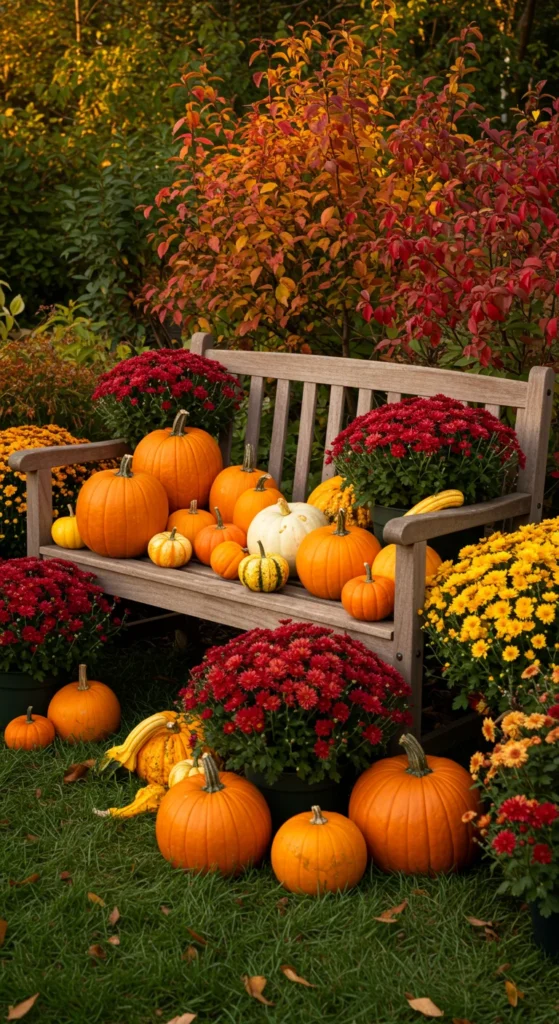
Mix gardening and decoration by adding pumpkins, gourds, and fall flowers around your beds. It makes your space festive and warm. Use leftover produce from your garden for free décor. It’s an easy way to enjoy seasonal charm while celebrating your harvest.
20. Start a Worm Bin Indoors
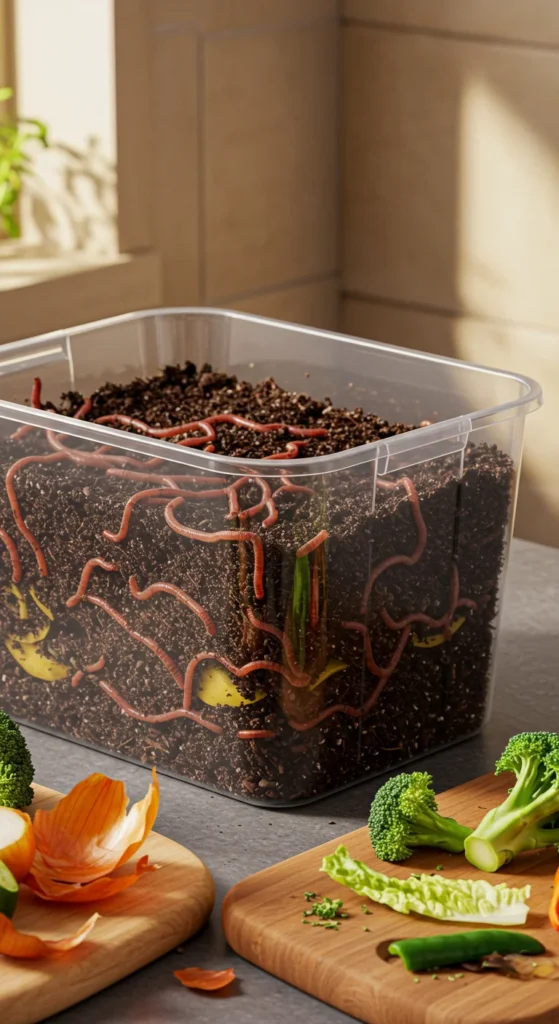
Keep your composting going year-round with a worm bin. Red wigglers turn kitchen scraps into rich castings for your spring garden. Place the bin in a cool corner or basement and feed them weekly. It’s clean, odor-free, and rewarding.
21. Grow Microgreens on Your Counter
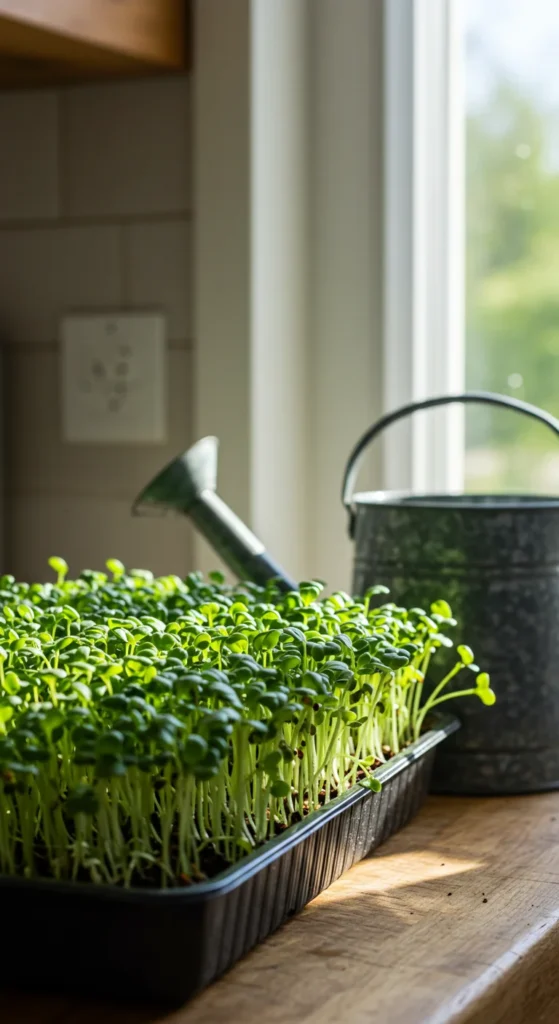
Microgreens grow fast—perfect for fall and winter. Use shallow trays and organic potting mix. Sprinkle seeds like radish, arugula, or sunflower, and mist daily. In two weeks, you’ll have fresh greens for salads and sandwiches without leaving your kitchen.
22. Dry Flowers for Décor
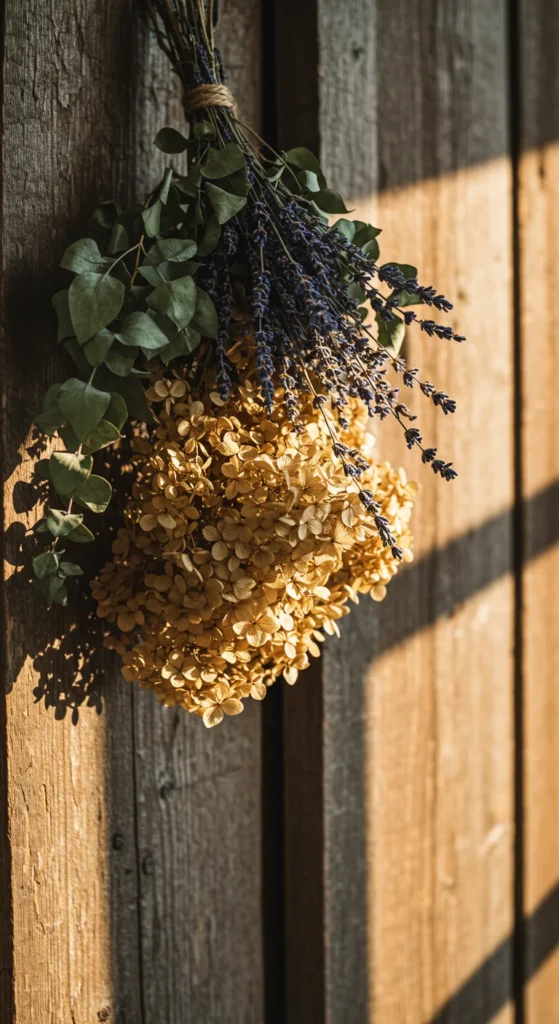
Drying late-season flowers preserves their color and texture for months. Hang bunches upside down in a cool, dark spot. Once dry, use them in wreaths or centerpieces. It’s a beautiful way to enjoy your garden’s beauty even in winter.
23. Protect Potted Plants
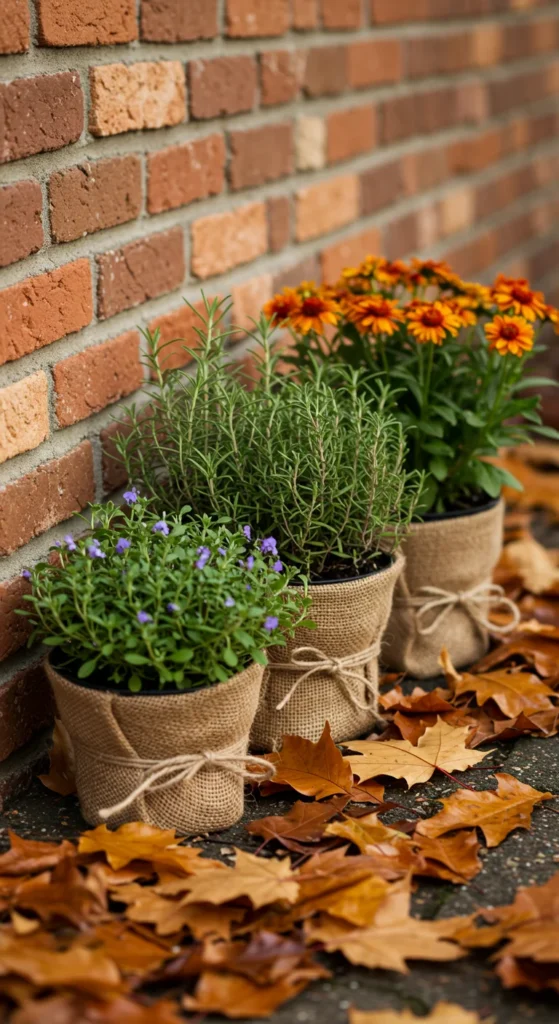
Move containers close to walls for warmth and wrap them with burlap or bubble wrap. Grouping pots together helps retain heat. For delicate plants, bring them indoors before frost hits. This simple step keeps roots from freezing and gives you a head start for next spring.
24. Feed Your Soil with Compost Tea
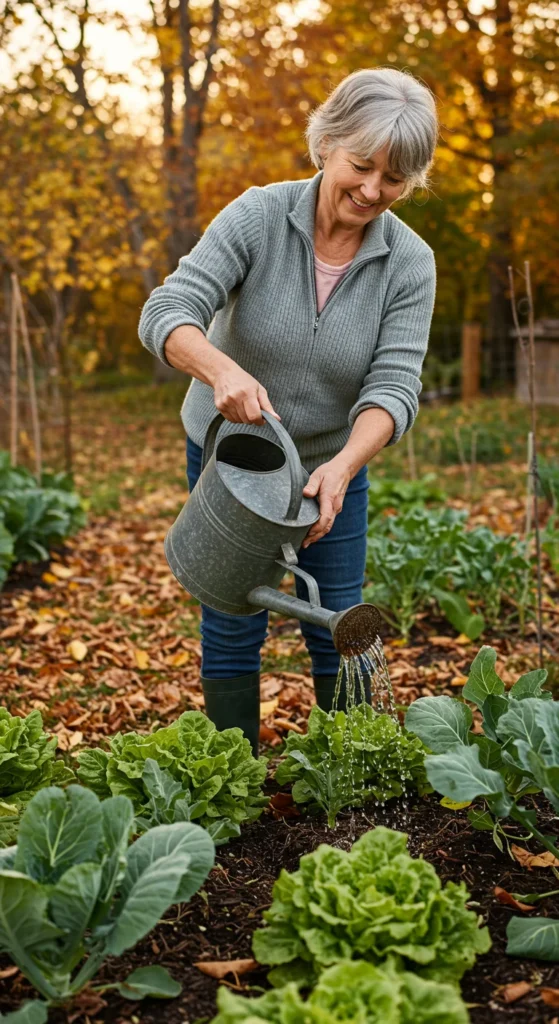
Brewing compost tea before winter gives your soil a microbial boost. Mix compost with water, let it steep for a day, and use it to water your garden. It replenishes nutrients and prepares the soil for next year’s growth.
25. Enjoy a Fall Garden Picnic
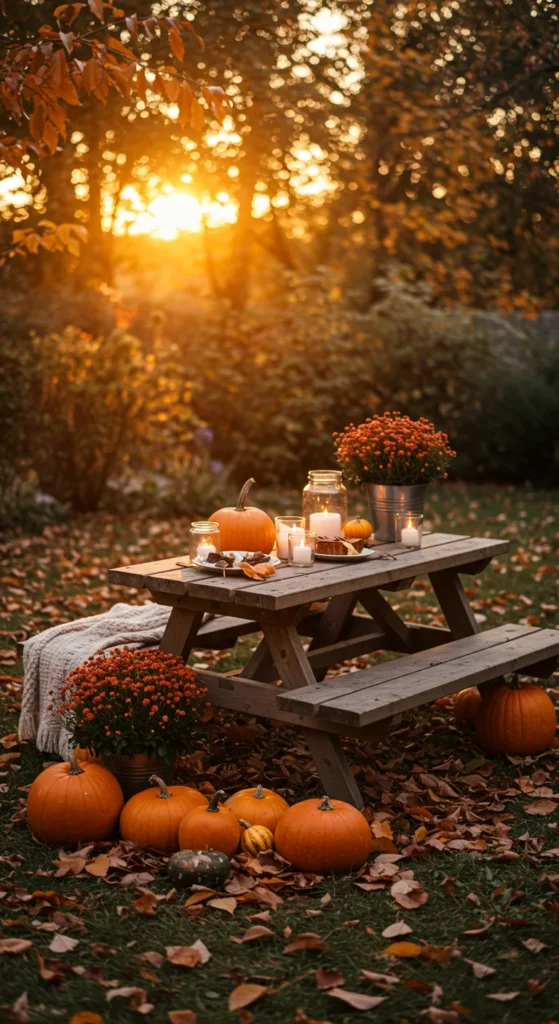
After all your hard work, enjoy your garden one more time before winter. Pack a blanket, pour warm cider, and sit among your plants. It’s the perfect way to say goodbye to the growing season and soak in the colors of fall.
Conclusion
Fall gardening is all about working smarter, not harder. With these simple, cozy ideas, you can keep your harvest going longer and prepare for next spring at the same time. From row covers and cold frames to compost and indoor herbs, your garden doesn’t have to stop when the weather cools—it just changes rhythm.
Leave a Reply